
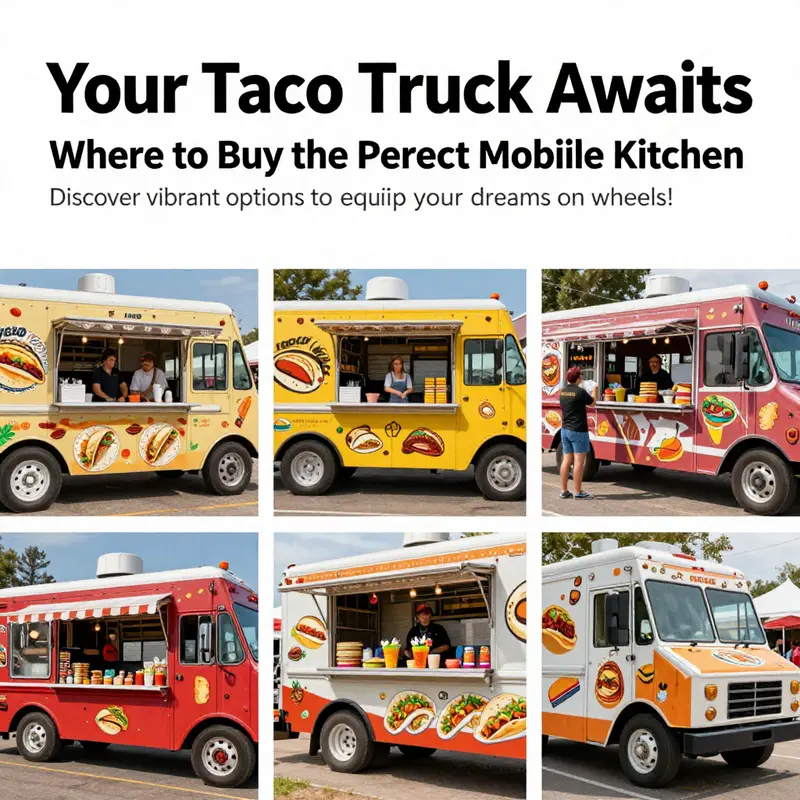
Are you a taco lover, a street food entrepreneur, or a culinary wizard ready to share your scrumptious creations with the world? Buying the right taco truck can help convert those delicious taco dreams into a bustling reality! With numerous options available, it’s essential to navigate the vendors, customization features, online marketplaces, and important regulations that come with this purchase. In this deliciously detailed guide, we’ll take you through the finest taco truck avenues, customization prowess, price factors, and all the necessary regulations that every taco business owner must keep in mind. Prepare to dive into the zest of mobile kitchens and elevate your taco venture!
From Vendor to Vehicle: A Practical Guide to Purchasing Your Taco Truck
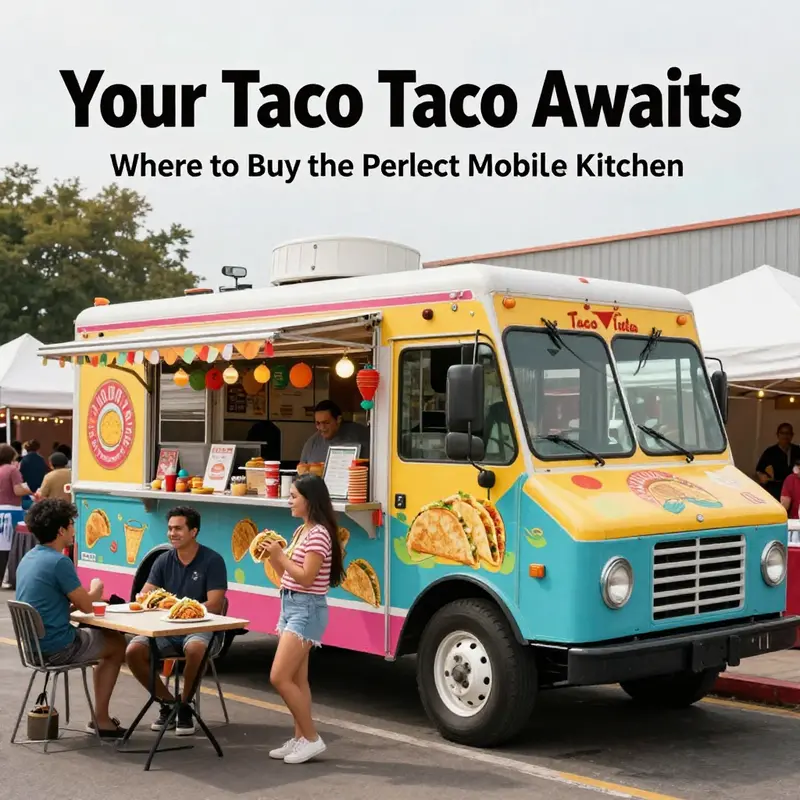
When the dream of a taco truck becomes a plan, the next milestone is clear: locating a vehicle that can carry your menu, your brand, and your service style onto city streets, markets, and festival grounds. This chapter maps the buying landscape in a way that helps you move from concept to street-ready kitchen. There are two broad paths to consider: buying through online marketplaces that connect buyers with mobile kitchen builders, and engaging specialized manufacturers who design and build to your exact specifications. Each path has its own rhythm, timelines, and price logic, but both share a common aim: a reliable, compliant, easy to operate platform on wheels that your team can run with confidence. Rather than viewing this as a single purchase, think of it as a small business instrument designed to shape your workflow, your branding, and your customer experience every day you roll to a new location.\n\nOnline platforms expose you to a broad spectrum of configurations. You encounter units designed to stand up to daily service, with interiors that take care of sanitation and food safety while still delivering a clean, efficient work triangle for your cooks. A practical yardstick is to imagine a compact footprint that still accommodates a full kitchen, a ventilated hood, a prep zone, refrigeration, and sink stations. In terms of scale, many mobile kitchen designs you’ll see hover around four meters long by about two meters wide and just over two meters tall. They weigh roughly a ton, give or take, a balance between manageable road use and a sturdy kitchen shell. The interior typically features food-grade stainless steel because it resists corrosion, cleans quickly, and helps you meet sanitation codes with less effort. Safety certifications are another cornerstone; look for recognized validations that validate electrical, gas, and structural safety. Finally, a reasonable warranty—often around a year—can matter as you navigate early usage, permit processes, and the inevitable adaptation period that follows a new kitchen rollout.\n\nPricing on these platforms reflects the breadth of customization available. A base package can be surprisingly affordable, but once you add kitchen gear, branding, and specialized components, the price climbs. The cost is not merely for the shell; it must cover the actual cooking line you will use every day. A practical snapshot you may encounter places the entry range from a few thousand dollars up to tens of thousands, with the midrange often landing around a few thousand to seven or eight thousand depending on what is included. For a standard ready-to-run taco kitchen with basic equipment and a solid exterior, you might see a price band around 3,600 to 7,600 US dollars. Beyond this, retro or fully outfitted configurations that emphasize branding and high end appliances will push the numbers higher. While the sticker price matters, a thoughtful buyer weighs how the layout supports your workflow, how branding will be presented to customers, and how easily the unit can be repaired or upgraded in the future.\n\nIf you crave a touch of nostalgia or desire a distinctive look, a branch of the market offers vintage or retro style builds. These units borrow classic architectural cues from bygone food trailers while embedding modern equipment and safe systems inside. The appeal is twofold: visual impact and a story that can become part of your brand. A well executed vintage unit can become a mobile stage for your culinary concept, drawing attention in busy markets and helping your stand out in a crowded field. In practice, the value here grows from how well the interior layout supports your menu and service rhythm, alongside the exterior styling that resonates with your brand narrative.\n\nCustomization is the heartbeat of the buying process. Vendors frequently present several base layouts that can be tailored to your operational flow. You can tweak branding, floor plans, equipment placement, and the type of ventilation to match your menu and service pace. A strategic approach is to start with your menu and peak service patterns, then map how orders will flow from the order desk to the kitchen to the pickup window. The right layout minimizes steps, reduces waste, and keeps your staff focused on cooking and customer engagement. Equipment choice matters nearly as much as the chassis itself. For a taco concept, you may prioritize a robust griddle, a couple of fryers, a compact griddle top, precise refrigeration, and a handwashing station. Some vendors also include modular components that you can rearrange as your menu evolves or as you pivot to new events. In addition, a thoughtful postpurchase package—such as video setup guides and accessible spare parts—can shorten the learning curve and shorten downtime when you need to replace a worn part.\n\nThe practical side of procurement extends beyond the kitchen itself. Before you sign, confirm the power, gas, and water layouts and ensure the vehicle’s ventilation arrangement aligns with local codes. A well designed hood and properly routed gas lines minimize risk and make inspections smoother. Where possible, request floor plans, equipment lists, and a short demonstration video that shows how everything is accessed during service. A clear, documented design helps you validate that the chosen model can support your actual workflow during peak hours. This is the moment to test not only the aesthetics but also the ergonomics of the kitchen. You want a space where the cook can operate efficiently, where the prep area is accessible, and where everything needed for service sits within reach of the window. A well thought out plan turns a purchase into smooth operations from day one.\n\nIf uncertainty lingers, turn to a practical guide that translates menu needs into kitchen footprints and service flows. The guidance helps you compare layouts and features without getting overwhelmed by branding and glamor. The aim is to ensure that your chosen structure will scale with your ambition, so you can grow from a single unit into a small fleet if your concept takes hold. It is worth noting that the path to clarity often runs through a few design concepts and floor plans from several builders, followed by a test drive of the layout in action. The result is a confident decision that balances function, branding, and cost.\n\nAt this stage of the journey, many operators lean toward a strategy that combines a compact, budget friendly unit for testing the waters with an eye toward expansion as demand grows. Others opt for a fully customized build that becomes a strong, branded platform for growth, with specialized cooking equipment and a design that positions the truck as a mobile stage for the culinary concept. The core is this: define your menu, study layouts, compare inclusions and warranties, and seek a design dialogue with builders who can share 3D renderings and floor layouts. The goal is to align the kitchen with your brand and your business model so that every service window feels intentional, fast, and reliable. For a structured starting point that helps align menu needs with kitchen design and service flow, consider the guide linked here: Choosing the right food truck.\n\nThe procurement journey moves forward with a plan once you select a builder. After you place a deposit or sign a contract, the builder moves into a detailed design phase that can include 3D renderings, floor plans, and a full equipment list. Production timelines hinge on factory capacity, the level of customization, and whether the unit is a new build or a retrofit. Some buyers prefer the predictability of a standard base chassis and then layer in the equipment and branding that give the truck its character. The completion phase includes finishing touches like branding decals, service window shading, lighting, and a digital or chalkboard menu that tells customers what you offer. A guided handover—often including a walk-through of power, water, and gas connections—and a quick operational briefing helps you start serving with confidence.\n\nIn the end, the market offers options at multiple scales. You can begin with a compact, budget conscious unit and grow as your brand expands across markets and events. Alternatively, you can pursue a fully custom, high end build that blends bold visuals with specialized cooking gear and a design that makes your truck a small, rolling restaurant. The keystone is approach: define your menu, study layouts, compare warranties, and verify service networks. With this disciplined approach, you move from the dream of a taco truck to a street ready, brand faithful platform that travels your concept to markets, neighborhoods, and festivals. For a practical starting point that helps you align your menu with layout choices, the Choosing the right food truck page offers a useful checklist and guidance.\n\nExternal resource: https://www.alibaba.com/showroom/mobile-food-truck.html
From Market to Mobile Kitchen: Sourcing a Taco Truck and Tailoring It Through Customization
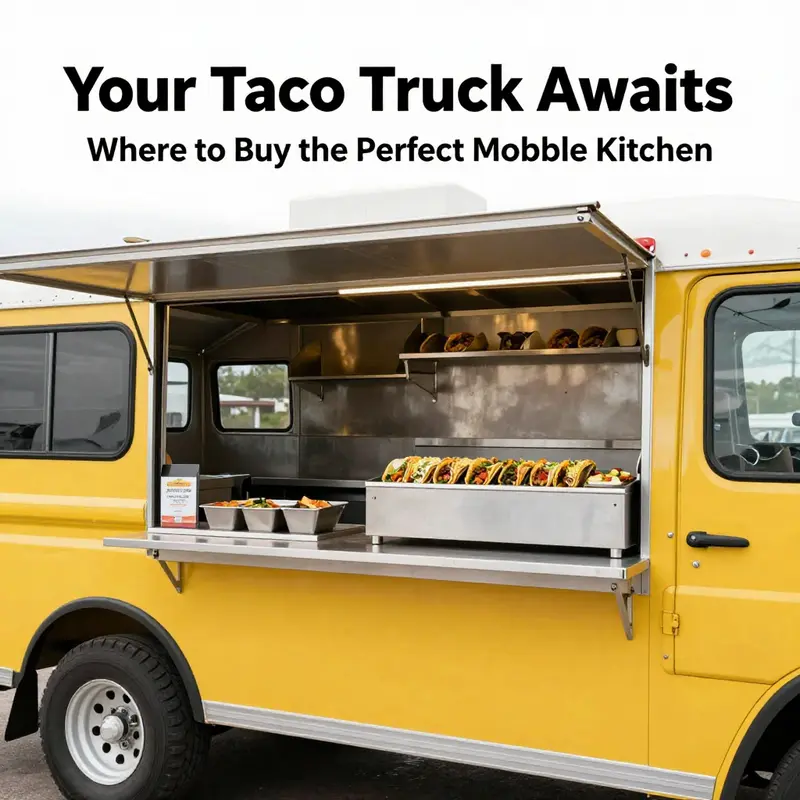
Buying a taco truck is more than selecting a vehicle with a gas burner and a serving window. It is a decision that shapes your entire business—from where you operate and how you manage your workflow to how customers perceive your brand on the street. The journey begins with clarity about what your menu demands, where you plan to operate, and how much you are prepared to customize to stand out in crowded food scenes. Many buyers start by exploring online marketplaces and manufacturer catalogs that feature customizable, fully equipped mobile kitchens. A broad category of these offerings is designed to be modular and portable, built to support a range of concepts from street tacos to fries or shawarma. The key is finding a source that presents a coherent package: a shell that is durable, a layout that fits your workflow, and a path to branding that makes your truck a moving storefront rather than a mere grill on wheels.
The most practical starting point is to think of the taco truck as a platform first and a kitchen second. Your platform should accommodate the way you cook, the volume you expect, and the sites you will frequent—from busy downtown blocks to temporary events. A well-designed platform offers enough interior space for essential equipment while leaving room for efficient movement. For buyers who anticipate high throughput, the ability to reconfigure the interior quickly matters just as much as the core construction. In this sense, the marketplace approach can be highly advantageous. It opens access to designs that prioritize open-front designs for high customer engagement or closed designs that protect the kitchen from weather and traffic around the trailer. Some configurations feature a large serving hatch that makes interaction easy, while others opt for a more traditional window setup. The choice between these design philosophies is less about aesthetics and more about how you want to pace service, manage queues, and maintain consistent quality in variable conditions.
One practical move is to examine how a prospective truck handles branding and signage. A strong branding package can be integrated into the bodywork, logo placement, and color scheme to ensure your truck becomes a recognizable beacon in the areas you serve. A modular approach to branding—where the exterior can be adjusted or extended with new decals, canopy graphics, or removable panels—gives you agility to adjust your look as your menu or target market evolves. When you consider customization, it is important to separate the effects of branding from the core kitchen functionality. The branding should be easy to refresh without demanding a full rebuild of the kitchen module, and the kitchen module should retain its efficiency even as you update the surface aesthetics.
Beyond looks, the choice of materials plays a central role in durability and long-term cost. Stainless steel and aluminum are the most common alloys for mobile kitchens because they resist corrosion, tolerate frequent cleaning, and stand up to the rigors of transport and daily use. A stainless-steel body configured with solid joints and sealed seams can withstand steam, splatter, and humidity while remaining easy to sanitize. Aluminum components reduce weight, which can improve fuel efficiency and maneuverability. The interplay between material choice and layout is crucial: a heavier, sturdier chassis may be worth the extra weight if it translates into a longer service life, while a lighter modular design might offer greater flexibility for leasing or swapping sites.
The interior layout is another axis of customization that directly affects your operations. An open-front design is particularly effective for festivals and street corners where visibility and accessibility drive impulse sales. It invites encounters with curious passersby, enabling a quick exchange of questions about the menu. Conversely, a closed design can help you protect delicate equipment, manage heat and smoke more efficiently, and operate discreetly in areas with stricter noise or air regulations. The layout should support the exact sequence of steps you follow from raw ingredient to plated dish. For many operators, that means a clear path from cold storage to prep table, from griddle or fryer to hot-smoke stations, and then to the serving hatch. The goal is to minimize movement waste, shorten the distance between the most-used appliances, and maintain a clean, safe workflow under pressure.
Ventilation, power, and water are the invisible backbone of any taco truck. Customizable units often come with electrical and plumbing configurations that can be tuned to your kitchen plan. A robust ventilation system protects staff and customers, reduces heat buildup, and helps control odors. Power readiness matters, especially if you plan to run multiple cooking stations, refrigeration, and point-of-sale equipment at once. Water storage, waste management, and sanitation setups should be designed to meet local health codes and ease daily cleaning routines. Building in modular utilities can pay dividends when you decide to switch sites or expand your menu. In other words, the best purchases are not just about what is easy today, but what can be adapted tomorrow without a complete rebuild.
The topic of customization would be incomplete without a note on compliance and safety. Reputable suppliers often align their designs with international standards to ensure you can operate in diverse markets. This can include safety certifications for electrical and gas systems, as well as environmental and packaging standards that speak to broader sustainability goals. For buyers, the takeaway is to request clear documentation that shows how the truck meets applicable codes in the regions where you intend to serve. If you plan to cross borders or participate in events outside your home city, confirm the presence of certification marks or declarations that can ease inspections and reduce delays in obtaining permits. A buyer who asks for these documents up front is better positioned to avoid costly midstream changes later on.
Manufacturing support does not end at delivery. A one-year or longer warranty, routine maintenance packages, and accessible after-sales support become crucial as you scale from a single truck to a fleet. Think of warranty coverage as a safety net for the most error-prone phases of a first-year operation: installation, commissioning, and early tuning. It is also prudent to understand what the warranty excludes. Some issues arise from misuse, improper hookups, or running highly specialized equipment without proper training. A supplier that blends practical training, on-site commissioning, and straightforward repair pathways with clear contact points can significantly reduce downtime when you need to fix a problem on a busy event day.
As you compare options, keep an eye on lead times and total landed costs. A truck that is built-to-order may require several weeks or months before it is road-ready, but it can deliver a perfect fit for your menu. A ready-to-use unit may ship faster, though it might require compromises in layout and equipment. In either case, it is essential to verify the exact configuration, including the cooking surfaces, ventilation, storage volumes, and safety devices. If your concept relies on a particular combination of burners, griddles, fryers, or steamers, confirm that the platform can accommodate those appliances and that their placement supports a smooth service flow. Do not overlook drainage and waste disposal specifics; improper handling can create both hygiene and legal issues that interrupt service and tarnish your brand.
To ground these considerations in a concrete path, many buyers begin by reviewing catalogs or listings that showcase a spectrum of customizable mobile kitchens. These sources typically present interior layouts as CAD sketches or 3D renderings, plus material specifications, dimension sheets, and photos that illustrate how the finished unit looks in real life. When you see a layout that matches your goals, request a detailed, itemized quote that captures every component—from the chassis and exterior finish to the exposed interior surfaces, shelving, lighting, and canopy hardware. A thorough quote should also spell out assembly steps, delivery windows, and post-installation testing. If possible, arrange a virtual or in-person walkthrough with a sales engineer who can translate the technical drawings into practical implications for your daily routine and event calendar.
If you are curious about a broad catalog of options, you can explore marketplaces that aggregate new, customizable mobile kitchens designed for street food businesses. The key is to filter for units that emphasize durability, modularity, and branding potential, then drill down into the specifics that matter most to your concept and location. In this exploration, an internal resource such as the guide on choosing the right food truck can help you align your choices with practical realities and regulatory expectations. It offers a scaffold for assessing layout, equipment, and service philosophy in a way that complements the hands-on research you perform on supplier sites. For instance, imagine reading through a comparison and then following a link like this one to a more structured, decision-oriented article: Choosing the right food truck. This kind of cross-reference keeps your focus on the goal: a truck that not only serves great food but also elevates your brand and sustains your business model over time.
In the end, the best taco truck is the one that matches your menu, your site strategy, and your ambitions for growth. It should feel like a natural extension of your kitchen, a platform that invites customers to linger and engage with your offerings. It should also be resilient enough to endure the road, the weather, and the hustle of a busy event calendar. Customization is not a luxury; it is a framework that lets you tailor the scale of your operation, the style of your service, and the rhythm of your day. When you approach this decision with a clear picture of your needs, you can move confidently from market listings to a truck that becomes a reliable, recognizable, and profitable part of your street-food journey.
External resource: For a broader catalog of mobile kitchen options and to see how manufacturers structure modular layouts, examine listings on Alibaba’s mobile-food-truck showroom: https://www.alibaba.com/showroom/mobile-food-truck.html
From Marketplaces to Street Plates: Navigating Online Vendors to Buy a Taco Truck
The journey to owning a taco truck often begins with a market for ready-made, mobile kitchen solutions rather than a blank shell that you must design from scratch. Online marketplaces that specialize in mobile food equipment have become the quickest way to access purpose-built units, shipped or ready for immediate use. These platforms assemble a diverse lineup of trucks and trailers, all designed to carry everything from tacos and fajitas to fries and shawarma. The promise is straightforward: a compact, street-ready kitchen that can be parked, plugged in, and fed to the public in a matter of days rather than months. Yet for all their convenience, these listings demand a careful eye. Buyers should compare not just the sticker price, but what sits behind it: construction quality, the exact layout of the kitchen, and the after-sales scaffolding that keeps a new venture from stalling after week one.
One typical entry point is a broad China-based wholesale marketplace that lists mobile food trailers and taco-truck configurations at the base level. Prices can be surprisingly accessible, with listings indicating introductory figures around four thousand dollars, and individual units with more complete taco-truck capabilities often priced a bit higher, for example in the low four thousands US. The advantage of these platforms lies in the sheer variety they consolidate: you can filter for size, layout, and whether the unit includes a full kitchen or a more modular setup that leaves room for customization. What makes the listings compelling is not just the initial cost but the range of customization options that show up in the product data. Buyers frequently encounter detailed specifications—kitchen workflow layouts, stainless steel dimensions, exhaust configurations, water systems, and electrical schematics—as well as guidance on when and how to implement after-sales support such as video setup instructions and parts warranties. Those touches can save a new owner hours of setup work and a steep learning curve in compliance and operation.
Beyond price and specs, another tier of online vendors focuses on builders who offer turnkey mobile kitchens. These providers typically present a broader safety and reliability package: stainless steel construction designed for heavy daily use, standard and optional appliances calibrated for street food menus, and a warranty framework that delivers a layer of protection beyond the initial sale. In many cases, starting prices for these turnkey trucks hover in the five-thousand-dollar range and up, reflecting more robust build quality and a more complete feature set. Buyers should expect not only a solid chassis and kitchen but also a vendor that can support them with technical help and spares, often related to refrigeration units, cooking appliances, and ventilation systems. Global shipping is commonly offered, which is a meaningful consideration for buyers outside major logistics hubs, since it expands the pool of possible sellers while also introducing potential delays and import considerations that must be planned for in the business model.
A separate, more informal pathway is found on established marketplaces for used equipment or for custom-built, nonstandard listings. These venues can yield substantial savings, especially for buyers who are willing to accept a unit with some wear or a layout that will require small adjustments to fit a specific menu. The upside is clear: you may locate a taco-centric kitchen that has already proven its street-worthiness, complete with working refrigeration, a functional exhaust hoods system, and a familiar footprint. The caveat is equally clear. Because these listings are less structured than dedicated vendors, due diligence becomes essential. Verify the condition of critical components—refrigeration integrity, gas lines, electrical systems, water heaters, and the integrity of the propane or electrical supply—and request comprehensive photos or a live tour. Check receipts for maintenance history, recent replacements, and any safety inspections. In short, the advantage of these platforms is price flexibility; the challenge is risk management, especially for a business that depends on consistent uptime.
As you skim these options, a few practical considerations rise to the surface. First, the kitchen’s layout matters almost as much as the truck’s outer dimensions. A taco operation benefits from a well-organized workflow that minimizes backtracking: a dedicated prep zone, a reliable grill or griddle, a flat-top for quick taco assembly, a compact fryer if you plan to offer fries, and a capable refrigeration stack that keeps meat, salsa, and toppings safely cold. The selection of appliances and their locations affects not only efficiency but also safety, ventilation, and compliance with local health regulations. Second, the quality of the build affects long-term costs. Stainless steel finishes, robust door seals, and heavy-duty casings reduce maintenance needs and downtime. A one-year or longer warranty on the core components—refrigeration, electrical systems, and the exhaust—substantially lowers risk for first-time owners who might not yet know how often things fail on the road. Third, after-sales support can make or break your launch. Clear guidance on parts, access to replacement components, and easy channels for technical questions translate into smoother initial operations and faster returns to service after a kitchen hiccup.
Lead times and delivery logistics also shape the decision. Some platforms advertise quick-turnaround setups where the unit ships or is prepared for delivery within weeks. Others operate on longer cycles, especially if the unit requires significant customization, a factor that can impact your enterprise timeline, permitting windows, and opening day expectations. For buyers with a tighter calendar or a specific market window, it’s wise to align procurement timelines with local permit processes and vendor lead times. You should also consider whether the listing includes or can accommodate a generator, fuel strategy, or power hookups—elements that influence on-site performance and operating costs. In many markets, operators run on a combination of generator power and grid hookups; in others, you may need a completely self-contained electrical system that can power all cooking equipment with some headroom for peak service periods. A realistic budgeting approach should cover not only the sticker price but also shipping, installation, and initial stocking of cleaning supplies, utensils, and disposables.
In applying these insights to the search, it helps to frame your evaluation around a few guiding questions: Does the unit come with a functioning kitchen layout that matches your menu, or will you rework the internal flow after purchase? Are stainless steel coefficients and finishes robust enough for daily street use in your climate? What degree of customization can the seller guarantee, and what is the process for making changes before final acceptance? What do the warranties cover, and for how long? Is there a clear and accessible route to obtain spare parts when you need them? And perhaps most importantly, how does the vendor handle training or practical onboarding—do they offer video walkthroughs, onboarding checklists, or on-call technical support during the ramp-up phase? These are the kinds of questions that separate a promising listing from a reliable foundation for a taco business.
As you shore up confidence in a chosen vehicle, consider integrating a targeted resource that helps you align vehicle selection with your broader business goals. For guidance on choosing the right food truck and translating that choice into a viable launch plan, see the deep-dive guide on Choosing the right food truck. This linked resource can help you translate a vehicle purchase into a scalable, menu-focused operation that thrives in a competitive market.
With the right mindset, buying a taco truck online becomes less about chasing the lowest price and more about securing a kitchen that can reliably move from the showroom to the street. It requires balancing cost with build quality, support, and adaptability to your menu. It also asks you to think ahead about how you’ll staff the truck, what kind of service model you’ll pursue, and how you’ll maintain compliance with regulations as you grow. The more deliberate you are in the early stages, the more quickly your taco truck becomes a story of steady sales and consistent service rather than a perpetual work-in-progress. In this landscape, a methodical approach to evaluating listings, confirming specifications, and validating after-sales support can pay dividends in the form of fewer breakdowns, happier customers, and a smoother path to profitability.
For readers who want a concrete starting point in the search, you can explore broad online marketplaces that aggregate mobile food trailers and trucks, and compare the breadth of options, the stated lead times, and the presence or absence of warranties. While the exact brands and listings shift over time, the underlying patterns remain: an affordable entry point is typically available, but the best value tends to come from units that balance cost with durability and a robust safety and parts ecosystem. In this sense, buying a taco truck online is less about selecting the first appealing configuration and more about choosing a platform that supports a durable kitchen, a reliable supply chain for parts, and the flexibility to adjust the equipment as your menu evolves and your service area expands. The decision to buy should be driven by clarity about your operational tempo, the geographic realities of your service area, and a long view of what it takes to turn curiosity into repeat customers through consistent quality and dependable service.
External resource: https://www.made-in-china.com/products?keyword=taco+truck+mobile+food+trailer
Where to Buy a Taco Truck: Navigating Price Tiers, Budget, and Long-Term Value
The search for a taco truck often begins with a simple question: where can I buy one? The reality is that the market for mobile food units is broad and diverse, spanning global online marketplaces, regional distributors, and specialized fabrication shops. Buyers today contend with a spectrum of configurations, from compact trailers with minimal cooking facilities to fully equipped, kitchen-ready trucks that resemble rolling restaurants. Because the equipment, build quality, and longevity vary so widely, price becomes less a single number and more a guide to value, workflow, and reliability. You can think of it as three broad tiers: entry-level basics that get you on the street, mid-range setups that balance capability with cost, and fully customized units designed to meet specific menus and service volumes. Each tier comes with its own practical considerations, and the choice you make should align with your menu, location, and long-term growth plans as much as with your cash flow today. The core idea is straightforward: the price tag signals not just the size of the vehicle, but the rigor of the build, the quality of the equipment, and the level of after-sales support you should expect after the first service run.
On the broader market, online platforms and specialized mobile-kitchen suppliers dominate. They present a spectrum of ready-to-use trailers and trucks, often modular and portable, designed to support tacos, burgers, fries, shawarma, and other street-food concepts. Price data from these sources show how quickly costs can escalate as you add kitchen equipment, branding, and workflow refinements. A basic reading of the numbers helps you sketch a budget and a timeline: you start with a foothold in the market, a truck that fits your space and permit constraints, and then you layer in the features that your menu demands. In practice, this means you need to map your operational flow—how you prep, cook, hold, and serve—and then translate that flow into a trailer layout before you lock in a seller.
Price ranges reflect both the physical footprint of the unit and the complexity of the kitchen it houses. At the entry level, the market offers surprisingly affordable options. The data show that entry-level taco trucks can start around $2,600, though these are often basic trailers or smaller, less-equipped units. They may be sufficient for someone testing a concept, operating at weekend markets, or serving as a temporary stepping stone while you refine a recipe and a customer base. It’s important to note that low upfront cost often correlates with more limited cooking facilities, fewer ventilation provisions, and a less robust electrical and plumbing package. If your idea is to do simple grilled or assembled tacos with modest hot holding, a starter unit can be a viable first investment, provided you understand the trade-offs in durability and service life.
The mid-range category is where most street-food operators land when they decide to turn a concept into a sustainable business. Most standard taco trucks and mobile trailers sit between roughly $4,000 and $7,890, depending on interior layout, equipment level, and branding. A concrete example within this band is a California-style camping trailer turned food truck, priced around $4,300. The appeal here is clear: you gain a more functional kitchen, better airflow, and improved workflow without paying a premium for top-tier customization. Discounts for larger orders—such as bulk purchases of seven or more units offered at around $4,000 each—highlight how volume can shave unit costs and improve negotiation leverage. Other mid-range options in the field can include mobile kitchen trailers that bundle a practical mix of cooking and warming equipment, with flexible configurations that can be adapted to different taco concepts, from carne asada to fish tacos, and even vegetarian or vegan offerings. In this tier, you typically find trailers with reinforced hoods and exhaust, more reliable plumbing and electrical systems, and interior finishes that stand up to daily use on the road.
A further tier covers units described as more advanced or feature-rich. The data indicate that trailers listed between roughly $5,000 and $10,000 often incorporate more kitchen components—grill setups, deep fryers, pizza or flat-top griddles, and more generous cold storage—allowing operators to expand a menu beyond basic tacos to include grilled specialties, sides, and beverages. The mid-to-upper range can also reflect improved build quality, stainless steel interiors, better insulation, and more robust mechanisms for cleaning, maintenance, and turnover during peak periods. In this spectrum, you’ll encounter trailers with more extensive customization options, including branding packages, interior reconfigurations for improved workflow, and upgrade paths for electrical and water systems that support longer service days or catering events.
Finally, there is the category of fully equipped and customized units. These are often the most recognizable as rolling kitchens that can function as standalone restaurants in a compact footprint. In some markets, such units, including retro-inspired or specialized configurations with integrated coffee carts or beverage stations or even snack-machine elements, can exceed the mid-range ceiling. The emphasis at this level is on turnkey operation: the truck arrives ready to operate with specific menu infrastructure, branding, and a workflow that minimizes the need for improvisation on day one. The price signals more than just the capabilities of a kitchen; it mirrors the scope of the project management, the depth of customization, and the level of long-term support the seller provides after installation.
Beyond the sticker price, several budget considerations deserve careful attention as you compare offers. First, there is upfront cost versus long-term value. A lower-priced unit may save cash today but could incur higher maintenance costs or more frequent replacements of wear items in the near term. A higher-quality build might reduce downtime, improve efficiency, and extend service life, delivering a better return over several years of operation. Second, customization is a double-edged sword. The more you tailor an interior layout, appliance selection, and branding to your exact menu and service style, the more you protect your operation against bottlenecks. The downside is higher price and longer lead times. You should balance the cost of customization with the flexibility you need to adapt to evolving menus or regulatory changes.
After-sales support is another decisive factor. Vendors that provide thorough video instructions, robust parts warranties, and reliable technical support can dramatically reduce costly downtime. Look for documentation on maintenance routines, spare parts availability, and clear policies if the vehicle arrives damaged or fails to ship. A vendor that offers a straightforward return or refund policy, even for international shipments, can be worth a premium because it reduces the risk of a bad purchase. Shipping and import fees are not trivial, especially when buying internationally. FOB pricing, freight terms, and border duties can quietly erode the bargain you thought you were getting. If you plan to source from abroad, insist on detailed shipping terms and timelines, and verify whether the price includes key components such as ventilation, fire suppression, and required certifications.
Used versus new is a practical fork in the road that often mirrors a buyer’s appetite for risk and speed. While this chapter’s data focus on new units and catalog listings, the used market—found on local marketplaces or industry forums—can present compelling value for buyers with the time to inspect, test, and negotiate. The risk here is reliability and the potential for hidden maintenance costs that disrupt uptime. If you go down this path, a thorough mechanical and electrical inspection is essential, ideally by someone who knows mobile food equipment inside and out.
Where you buy matters as much as what you buy. Online marketplaces and suppliers that specialize in mobile food equipment provide an accessible entry point for new entrepreneurs and established operators alike. Platforms that host fully engineered food trailers often publish detailed specifications, including interior dimensions, electrical amperage, plumbing routes, and appliance inventories. This level of transparency helps you map your menu to a vehicle and avoid later surprises about capacity or safety features. A practical approach is to start with a broad scan, filter by the levels of equipment that match your concept, then drill into a few candidates to compare layouts, horsepower, exhaust configurations, and water management. In the months ahead, you’ll want to translate these specs into a realistic service plan that fits your anticipated demand, your location, and the permitting requirements in your area. If you’re seeking a straightforward path to credible listings and vendor details, you can explore verified supplier directories that collate product specs, minimum order quantities, and secure payment options.
For readers who want a broader sense of ongoing industry conversations and practical guidance, the Fire Up Taco Truck blog offers context on operations, maintenance, and market trends that influence how you select and operate a mobile kitchen. A quick read through the related articles can provide insights into tax considerations, maintenance routines, and how to approach menu fusions that maximize kitchen utility and customer appeal. fireduptacotruck.com/blog/
As you approach the task of choosing a seller and a unit, a few strategic steps can help you move with clarity. Start by outlining your menu and the day’s workflow, not just your dream kitchen. Sketch how you will cook, hold, and serve, and verify that the trailer’s layout matches that workflow. Align your electrical and gas needs with available power sources and water capacities, including waste disposal plans that comply with local regulations. Consider how you will brand the truck, how you will handle cleaning and sanitation, and how you will manage inventory and deliveries for peak season. When you’re ready to compare quotes, ask for itemized estimates that include equipment lists, installation charges, warranties, and delivery timelines. If a vendor cannot provide a transparent breakdown, proceed with caution. And remember, the best deal is not always the cheapest one; the smartest purchase is the one that offers dependable performance, predictable maintenance, and a clear path to profitable service days.
For readers who want to verify listings or broaden their supplier search beyond the domestic market, several globally oriented supplier directories present verified options with detailed product specs and secure payment options. While price is a crucial factor, the decision should ultimately hinge on reliability, support, and the degree to which the unit aligns with your operational needs. This alignment determines how often you can turn a potential crowd into repeat customers, how quickly you can scale up to cater events, and how effectively your kitchen can deliver consistent, high-quality tacos every day on the road. The journey from budget to breakthrough involves not just choosing a vehicle, but choosing a partner who can help you refine your concept, train your team, and sustain growth across a dynamic street-food landscape.
External resource: https://www.made-in-china.com
Buying a Taco Truck and Navigating the Rules That Make It Real: Where to Find Units and How Compliance Shapes Your Path
Purchasing a taco truck is often described as a balancing act between opportunity and obligation. The thrill of rolling up with a turnkey, mobile kitchen is matched by the sober reality that operating a food truck requires navigating a web of permits, inspections, and standards that vary from city to city. The search for a unit—whether you’re starting fresh with a brand-new design or evaluating a modular, preconfigured setup—must be conducted with the same eye you’d use to assess a potential restaurant lease: the location, the financials, and the rules that keep everyone safe and fair on the streets. In this context, where you buy a taco truck matters as much as how you equip it. The terrain is wide: you might source directly from specialized vendors who tailor mobile kitchens for street food, or you could peruse online marketplaces that show ready-to-use, customizable trailers designed for tacos, barbecue, fries, and other street-fare concepts. The price tag is often the first practical concern you encounter, but it is only the opening page of a longer chapter about compliance and long-term viability. As of January 2026, a basic unit in this space can start around US$4,900 to $5,200, particularly for compact, entry-level configurations. This figure reflects the bottom end of the spectrum when a buyer seeks a functional kitchen on wheels, but it barely scratches the surface of what it takes to operate legally and successfully. Beyond the sticker price, the journey hinges on a chain of permits, licenses, and inspections that define what your truck can legally do, where it can operate, and how customers will view your business.
First comes the permit and licensing landscape. In practice, you will typically need a business license, a mobile food vendor permit, and a health department permit. The exact combination depends on the jurisdiction, with cities and counties layering requirements that can include zoning approvals, parking stipulations, and periodic inspections. A city known for its vibrant street-food culture offers a useful illustration: the regulatory framework there emphasizes sanitation, worker safety, and the cleanliness of equipment, as well as the safe handling of perishable ingredients. The path to compliance begins long before you roll out of the shop with a loaded truck. It starts with understanding the local process for applying for licenses, scheduling inspections, and maintaining records that prove ongoing compliance. In practice, this means preparing a plan that describes your menu, the trucks’ layout, sourcing practices, and sanitation procedures. The paperwork is not merely bureaucratic; it is a blueprint for accountability that supports your business model over time, helps you build trust with customers, and makes it easier to manage growth.
Health and safety standards sit at the core of this blueprint. The U.S. Food and Drug Administration and local health authorities set the framework for how food is stored, handled, and served. Your operation will need to address proper food handling procedures, reliable refrigeration, safe waste disposal, and a schedule of regular facility inspections. In many jurisdictions, the health department audits and publishes inspection scores, turning what could be a private, internal process into a public signal of quality. A well-prepared operator treats these scores not as a punitive measure but as feedback on day-to-day practice. The truck’s design—whether you buy new or used—should reflect a commitment to maintaining sanitary conditions. A compliant truck is not just about stainless steel and sealed surfaces; it is about configurations that minimize cross-contamination risks, ensure easy cleaning, and support temperature-controlled storage that preserves freshness from prep to plate.
Liability and financial safeguards also shape the purchasing decision. Liability insurance is often a municipal requirement and frequently a lender prerequisite. In addition to coverage that protects you from ordinary business risks, you should consider cyber and payment-compliance requirements if you plan to accept card payments. Modern payment processors come with built-in security expectations, data handling standards, and reporting features that help you track transactions and comply with tax and auditing needs. Approaching insurance and payment systems with foresight saves you from last-minute surprises, such as gaps in coverage or noncompliant payment processes that could trigger operational interruptions or legal disputes. The practical lesson is clear: the moment you finalize a vehicle or trailer design, you should lock in risk management practices that match the scope of your operation and the expectations of lenders, landlords, and regulatory bodies.
The decision to buy new versus used or to select a vendor who offers a modular, customizable setup also intersects with compliance. Newer designs may come with preinstalled compliance-ready features, such as compliant venting, specified sanitation zones, and code-approved electrical layouts. They often include documentation that helps you demonstrate compliance during inspections. Modular and customizable configurations provide flexibility as you expand or alter your menu, but they also demand careful coordination with local authorities to ensure that each new element remains within regulatory guidelines. The vendor’s role in this process can be crucial: a reputable supplier will not only deliver a unit but also support you with essential documentation, adherence to safety standards, and, in some cases, guidance through the permitting process. When evaluating options, buyers should weigh the benefits of turnkey convenience against the possibility of needing to adapt a unit to meet local rules. The best path minimizes risk: choose a vendor who understands regulatory expectations and has a track record of helping customers achieve compliant setups rather than simply delivering a vehicle and walking away.
Another practical layer concerns the operational aspects that influence compliance during daily activity. If your plan includes processing payments electronically, ensure your chosen system aligns with data-security standards and reporting requirements that inspectors and auditors may review. Your startup plan should map out the steps from procurement to permit approval, inspection readiness, and ongoing compliance maintenance. Even with a strong purchase, the likelihood of an effective, compliant operation hinges on disciplined practices—correct labeling and storage, timely maintenance of equipment, and a clear chain-of-custody for ingredients and waste. In short, the journey from a price tag to a thriving street-food business blends procurement strategy with a quiet, steady habit of compliance. It is a discipline that protects customers and builds a sustainable business model that can adapt to the regulatory climate of your chosen location.
Of course, the landscape does not exist in a vacuum. The broader guidance chambers of the industry emphasize consistent standards, shared knowledge, and practical tools for operators new and experienced. For someone aiming to navigate this terrain with confidence, a structured approach to learning and preparation matters as much as the choice between a new or a used unit. You should begin with a concrete understanding of the local licensing framework, then compare vendors not only by price but by their willingness to participate in your compliance journey. A vendor who can supply a compliant design, provide relevant documentation, and anticipate regulatory questions becomes a partner rather than a simple seller. In this sense, the act of buying a taco truck becomes a strategic step in building a street-food business that serves customers safely and consistently, while also satisfying the authorities who grant the license to operate.
To support ongoing learning and alignment with standard practices, many operators turn to industry resources that summarize common expectations and share practical templates for permits, inspections, and daily operating procedures. A useful starting point is to review the legal steps for launching a food truck, a resource that consolidates the core requirements into a coherent pathway from conception to daily practice. This guidance helps buyers translate a purchase into a regulated, reputable operation rather than a casual venture. As you read through listings and specifications, keep in mind that the ultimate goal is not just to own a mobile kitchen, but to own one that reliably meets health, safety, and legal standards while delivering a consistent culinary experience that customers can trust. For those who want a structured overview that ties together procurement, compliance, and practical daily management, this chapter aligns the initial excitement of acquisition with the longer arc of running a compliant, successful taco operation. If you’d like to explore the legal steps in more detail, see the linked resource for launching a food truck. Legal steps for launching a food truck.
In the end, your route to buying a taco truck is a story of how you balance opportunity with obligation. The market offers a spectrum of units—from compact, entry-level configurations to fully featured, customized mobile kitchens. The decision rests on your ability to forecast demand, secure responsible financing, and build a compliance framework that can evolve with your menu and your growth plans. The more you integrate regulatory thinking into the early stages of search and negotiation, the stronger your position will be when you actually roll out into the street. A well-chosen unit, paired with disciplined adherence to permits, health standards, and financial safeguards, becomes more than a vehicle. It becomes the foundation for a brand that can operate with legitimacy, safety, and reliability, turning a simple idea—a taco truck on wheels—into a sustainable business that serves communities and withstands the scrutiny of inspectors and customers alike.
External resource for broader standards and guidelines: https://www.foodtruckassociation.org
Final thoughts
The quest to find your perfect taco truck is a thrilling and flavorful journey! From exploring vendors, understanding customization options, diving into various online marketplaces, to budgeting and navigating regulations, every step serves as a building block toward launching your culinary adventure. Whether you’re creating a delightful taco haven on wheels or taking your existing food business to new heights, your taco truck isn’t just a vehicle—it’s a gateway to unleashing your passion for food. So roll out that taco truck and let the magic unfold on the streets!