

In recent years, food trucks have surged in popularity across the United States, transforming from a niche market to a vibrant culinary landscape. As of 2023, there are approximately 36,000 food trucks in operation, showcasing an array of flavors and cuisines that reflect the diversity of American dining preferences. This impressive figure not only highlights the thriving nature of the food truck industry but also emphasizes the competitive environment that aspiring vendors face.
The choice of food truck model plays a significant role in a vendor’s success; from initial costs that can range from $6,000 for a trailer option to over $100,000 for a new step van, making the right decision can be critical. Understanding the variety of available food truck models, such as the popular RAM ProMaster and Ford Transit, is essential for anyone looking to enter this exciting field.
Selecting the appropriate vehicle not only affects the operational capacity but also directly impacts the menu offerings and customer experience. As we delve deeper into the world of food trucks, it becomes clear that making informed choices at the outset can set the stage for a flourishing business in this dynamic market.
Practical Implications of Choosing the Right Food Truck Model
Choosing the right food truck model is important for every vendor. This decision affects how well the business can run. One key point is to think about how much space and what equipment will be necessary. These factors play a big role in how efficiently the truck operates and how much profit can be made.
Food truck expert Donny Kutz highlights, “Space is your most valuable asset” when running a food truck. He suggests focusing on compact, multi-functional equipment to make the best use of limited cooking space. Most successful food trucks have a cooking area of about 12 to 16 linear feet. The layout of the truck can greatly influence service speed. Veteran food truck owner Maria Rodriguez shares from her experience: “We tried three different layouts before finding the right one. The difference in serving speed between our second and third layout was 40%.”
Choosing the right equipment can significantly impact a food truck’s performance. Matt Geller, CEO of the National Food Truck Association, warns new operators, “The biggest mistake is underestimating space and equipment needs. You should design your truck based on your menu, not the other way around.” Trucks that focus on simple menus often do well with smaller models (14-18 feet). In contrast, those with full kitchens typically need larger setups (20-26 feet).
Additionally, operator Mark Rodriguez advises against buying oversized equipment. He explains, “I’ve seen too many trucks fail because they bought equipment that was too large for their space.” He recommends investing in NSF-certified appliances because they last longer and work better in tighter spaces. Proper ventilation is also crucial for safety and efficiency, allowing for a good working environment for the staff.
Operators can make their food trucks more functional with smart design choices. Consultant Sarah Johnson says, “Every square inch should serve at least two purposes.” By using vertical storage and stackable equipment, food trucks can optimize their small spaces, potentially increasing productivity by 30% with a well-planned layout.
In conclusion, the right food truck model should match the operator’s goals, menu, and daily operations. Planning around space and equipment can lead to better profits, happier customers, and a lasting presence in the competitive food truck market.
Food Truck Models Overview
Choosing the right food truck model is vital for a successful venture. Here, we explore three prominent types: Step Vans, Cargo Vans, and Food Trailers.
Step Vans
Characteristics: Step Vans, such as the Freightliner MT45 and Chevy P30, typically offer 10 to 14 feet of interior space designed for efficient cooking and serving. They feature easy side access, making them ideal for urban environments.
Price Range: New step vans can cost between $30,000 to over $100,000, while used ones might range from $15,000 to $40,000.
Advantages:
- Large capacity for equipment and supplies.
- More space for comfortable food preparation and service.
- Maneuverability in busy streets.
Disadvantages:
- Generally poor fuel efficiency (8 to 12 mpg).
- Higher initial costs for new models.
Cargo Vans
Characteristics: Cargo Vans such as the RAM ProMaster and Ford Transit offer a slightly smaller cooking space of 8 to 12 feet but are popular for their reliability and varied height options. Some models can accommodate standing room for staff, enhancing comfort during service.
Price Range: New cargo vans typically cost about $25,000 to $60,000, while used models can start around $15,000 to $30,000.
Advantages:
- Better fuel efficiency (around 15 to 20 mpg).
- Generally lower purchase prices compared to step vans.
- Versatile for various cuisines and food preparation styles.
Disadvantages:
- Limited headroom and space for larger kitchen setups.
- Can lack the customization options available with trailers.
Food Trailers
Characteristics: Food Trailers range from 10 to 30 feet in length and are typically towed by a separate vehicle. They offer significant flexibility for customization in kitchen design and layout.
Price Range: Prices for food trailers can vary widely from $20,000 to over $100,000, depending on size and custom features.
Advantages:
- No engine maintenance to worry about and potentially lower maintenance costs.
- Ample cooking space (120 to 300 sq ft vs. smaller van spaces).
- Lower initial purchasing costs compared to some larger vans.
Disadvantages:
- Require a tow vehicle, which adds additional costs (typically $10,000 to $20,000).
- May face logistical issues with towing and parking restrictions.
- Higher insurance premiums and potential limitations on where they can operate.
Conclusion
Ultimately, the choice between Step Vans, Cargo Vans, and Food Trailers hinges on individual business needs, budget considerations, and operational requirements. Vendors should assess their menu, intended location, and expected customer volume to select the model that offers the best combination of space, efficiency, and cost-effectiveness.
| Food Truck Model | Price Range | Capacity | Best Suited For |
|---|---|---|---|
| Chevy P30 | $30,000 – $100,000 | 10 – 14 feet | Urban setups, diverse cuisine |
| Ford Transit | $25,000 – $60,000 | 8 – 12 feet | Light-duty operations, flexibility |
| RAM ProMaster | $25,000 – $60,000 | 8 – 12 feet | Versatile menus, home cooking styles |
| Freightliner MT45 | $30,000 – $100,000 | 10 – 14 feet | High-volume service, fast food |
| Food Trailers | $20,000 – $100,000 | 10 – 30 feet | Regional cuisine, scalable operations |
Conclusion
In conclusion, understanding the various food truck models is vital for anyone looking to enter the bustling food truck industry. With approximately 36,000 food trucks operating across the United States as of 2023, the competition is fierce, making the decision of which model to invest in a crucial one.
The main types discussed—Step Vans, Cargo Vans, and Food Trailers—each come with their distinct costs, advantages, and limitations. Step Vans, while offering spacious interiors suitable for complex meals, often pose higher initial investment costs and fuel efficiency challenges. On the other hand, Cargo Vans provide a practical balance of cost and efficiency, making them ideal for smaller operations or simpler menus, though they may fall short on space. Food Trailers stand out for their flexibility and design customization options but require careful consideration of towing logistics.
For potential vendors, it’s essential to correlate the choice of truck model with the intended menu and service style. A thorough understanding of food preparation needs, equipment capacity, and budget constraints ensures that vendors can choose a model that not only fulfills their current requirements but also accommodates future growth. By selecting the right food truck model, aspiring vendors can set the foundation for a successful and sustainable food truck business, maximizing customer engagement and satisfaction.
Detailed Comparison of Food Truck Models
Understanding the various food truck models is essential for aspiring vendors to make informed decisions. Below is a comprehensive comparison of three popular models: Step Vans, Cargo Vans, and Food Trailers. Each model has its own distinct features, benefits, and drawbacks, which cater to different types of cuisines and operational needs.
1. Step Vans
Characteristics: Step Vans such as the Freightliner MT45 and Chevy P30 typically provide between 10 to 14 feet of interior space, accommodating larger equipment and multiple cooking stations. They are optimized for high-volume sales and urban operational efficiency.
Advantages:
- Spacious interiors allow for comprehensive kitchen setups, ideal for operations with diverse, complex menus, including items like burgers or gourmet sandwiches.
- Ability to house larger equipment such as griddles and fryers simultaneously, facilitating varied cooking techniques.
- Minimal zoning restrictions in many areas, allowing for more operational freedom.
Disadvantages:
- Higher initial cost (ranging from $30,000 to over $100,000 for new models) with increased insurance costs ($8,000 to $15,000 annually).
- Poor fuel efficiency, averaging 8 to 12 miles per gallon, leading to higher operational costs.
Best Suited For: Established businesses with multiple chefs, or those planning to serve a diverse menu at events or high-traffic locations.
2. Cargo Vans
Characteristics: Cargo Vans, like the RAM ProMaster and Ford Transit, typically offer 8 to 12 feet of cooking space. They are favored for their maneuverability and fuel efficiency, making them ideal for urban settings.
Advantages:
- Generally lower purchase price ($25,000 to $60,000 new) and less annual insurance cost ($2,000 to $4,000).
- Better fuel efficiency (15 to 20 mpg), providing cost savings over time.
- Flexible configurations allow for adaptation based on specific menu needs, making them perfect for simpler operations like tacos or coffee services.
Disadvantages:
- Limited cooking space can restrict menu complexity; typically only one primary cooking surface fits comfortably.
- May lack customization options compared to larger models or trailers.
Best Suited For: Solo operators, startups with limited budgets, or those focusing on straightforward menus.
3. Food Trailers
Characteristics: Food Trailers range from 10 to 30 feet and can be customized extensively per business needs. They require a separate tow vehicle for mobility.
Advantages:
- Typically the lowest initial cost for setup, with prices from $20,000 to $100,000 depending on specifications and design.
- Provides ample cooking space (up to 300 sq ft) and room for diverse equipment layouts, catering well to various cooking techniques, such as wood-fired pizzas.
- Easier storage options as they are not limited by engine upkeep concerns.
Disadvantages:
- Additional logistic considerations like requiring a towing vehicle, which can add $10,000 to $20,000 to startup costs.
- Potentially complex operational permits and insurance issues due to varying regulations in different municipalities.
Best Suited For: Operators looking for flexibility in equipment and those who plan to set up at fixed locations or events.
Conclusion
The decision between Step Vans, Cargo Vans, and Food Trailers depends heavily on the vendor’s business model, budget, and menu offerings. For large-scale operations needing versatility, Step Vans are optimal, while Cargo Vans provide a budget-friendly alternative for smaller menus. Food Trailers excel in providing expansive cooking capabilities at a lower cost, ideal for stationary setups. Careful analysis and planning are key to selecting the right model for a successful food truck venture.
User Adoption Data Insights for the Food Truck Industry in 2023
The food truck industry has shown robust growth in 2023, with significant statistics highlighting user preferences and emerging trends. The total number of food trucks reached approximately 36,324 in 2023, marking a 9.9% increase from the previous year. Primarily, Millennials aged 25-44 are driving this demand, accounting for 43% of monthly spending within food trucks, while consumers under 25 years contribute an additional 20%.
Menu preferences indicate a strong consumer interest in versatile offerings, with tacos, sandwiches, and fries being the most popular choices based on search data. There is also an increase in loyalty program engagement, with 36% of diners reported to participate in such programs, and 86% showing interest in joining them for discounts. Additionally, the market is evolving toward sustainable and technologically advanced solutions, with a significant projected growth in the electric food truck segment in the coming years. This data illustrates a dynamic shift in consumer behavior and vendor strategies, marking 2023 as a pivotal year for the food truck market.
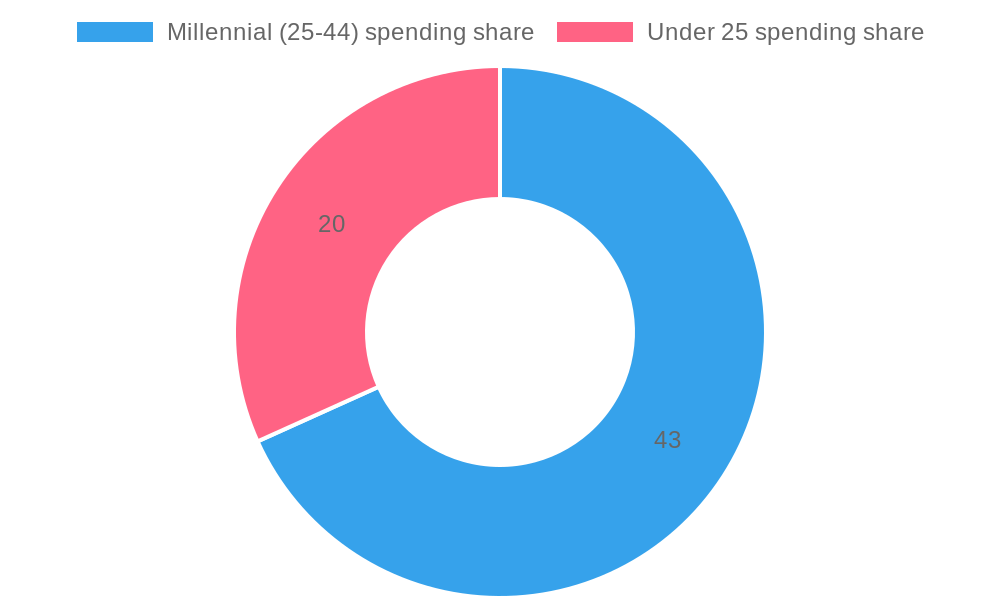
*This graph illustrates user adoption data, highlighting the increase in food truck usage and demographics driving spending patterns in 2023.*
User Experiences with Different Food Truck Models
Maria Rodriguez – Step Van Enthusiast
“When I started my taco business, I opted for the Freightliner MT45, which offered plenty of interior space. The layout was crucial for our team; we can serve up to 100 customers during lunch hours thanks to our efficient design. However, managing fuel costs has been a challenge, as I was surprised by how low the mileage is. Despite that, the spacious kitchen allows for diverse menu offerings, which keeps our customers coming back. I would recommend careful planning around your menu and layout before making a purchase.”
Mark Johnson – Cargo Van Advocate
“I run a coffee truck out of a RAM ProMaster, and I love it. The fuel efficiency is fantastic compared to other options I considered. My overhead is lower, which allows me to keep prices affordable for my clients. However, I had to sacrifice some cooking equipment because of the limited space. I learned that a well-planned menu is key; focusing on a few quality items has worked wonders for my business. If starting on a budget, I can’t recommend the ProMaster enough!”
Sanchez Family – Food Trailer Operators
“We started with a food trailer that we customized for our Southern BBQ offerings. The freedom to create the layout as we wanted was amazing. We have all the space we need for our smokers and grills. Yet, towing the trailer has its own headaches. Parking regulations can be tricky in some areas, and we often find ourselves searching for suitable spots. Despite that, we have scaled our operations significantly and enjoy the flexibility the trailer provides for various events and festivals. Just be prepared for the logistics of towing.”
Lisa Chen – Veteran Cart Operator
“Although I initially began with a step van, I found a lot of value in switching to a smaller cargo van. The biggest surprise was how manageable it is for events and daily setups. Not having a massive step van to maneuver through congested streets in the city has been a dream come true. I recommend anyone looking into starting a food truck business consider their service locations carefully. Traffic and accessibility are often overlooked aspects but can make or break daily sales!”
Donny Kutz – Urban Food Truck Operator
“Operating a food truck in a dense downtown area has its challenges. I use a modified Chevy P30 which gives me ample room to serve my gourmet street food, but I constantly battle with parking restrictions. I’ve had to become an expert in navigating local regulations. Planning your route based on city regulations can be more critical than the type of vehicle you choose. Be aware of your local area rules! Ultimately, though, it’s about how you serve your customers in the space you have.”
These real-life experiences from food truck operators highlight the importance of choosing the right model based on your specific business needs and local landscape. Such insights can not only help aspiring food vendors to make informed decisions but also motivate them to be proactive in addressing common industry challenges.
Expert Opinions on Choosing the Right Food Truck Model
Selecting the proper food truck model is paramount for any aspiring vendor, as industry experts stress the importance of aligning this choice with market demands and consumer behavior. Warren Buffett’s principle of avoiding ventures that appear too easy resonates strongly in the food truck sector. Vendors are encouraged to approach model selection with caution and thorough research. According to a Food Truck Insider article, “Industry leaders emphasize that selecting the right food truck model is foundational to success. Vendors should be wary of models promising quick returns without substantiated demand.”
Charlie Munger, a notable figure in the business world, highlights the dangers of overly optimistic projections, encouraging food truck operators to validate their model selection with data closely tied to their local demographics. “About 60% of failed ventures stem from poor model fit with local demographics,” he notes in a report by the National Restaurant Association. This serves as a critical reminder to conduct proper market research, as it can enhance a vendor’s chances of success significantly.
In terms of trends, experts recommend focusing on sustainability and health-conscious menus as these factors increasingly influence consumer preferences. One CEO mentioned in Entrepreneur Magazine, “Select a model that leverages your strengths and addresses gaps in the market.” Such insights indicate that successful vendors prioritize customer experience and scale their operations according to real demand rather than assumptions.
Notably, data shows that food truck vendors who engage in detailed market analysis prior to selection see up to 40% higher survival rates in their first year. Incorporating these expert recommendations can help vendors choose the right model that not only fits their vision but also meets evolving market expectations. Therefore, as aspiring food truck owners consider their options, they must prioritize a model choice that is deeply informed by both consumer trends and their unique culinary ambitions.
- Food Truck Industry Report 2024: Market Size, Trends & Analysis – Comprehensive industry report showing the food truck industry generates $1.2 billion annually with 4.2% growth over the past five years.
- How to Start a Food Truck Business in 2024: The Ultimate Guide – Official government guide covering licensing, permits, insurance, and financing options for food truck startups.
- 2024 Food Truck Industry Trends: Consumer Preferences and Operational Insights – Industry association report highlighting that 57% of consumers aged 18-44 have purchased from food trucks in the past month.
- Best Food Truck Models and Manufacturers: Buyer’s Guide 2024 – Detailed review of top food truck manufacturers comparing different models based on size and equipment packages.
- The Economic Impact of Food Trucks on Local Communities – Academic study finding that food trucks generate an average of $290,000 in annual revenue per unit and create 2-4 jobs per truck.
- Food Truck Industry Trends and Insights for 2024 – Industry experts highlight several key trends for 2024 including the rise of plant-based and sustainable food options.
- How to Choose the Right Food Truck for Your Business – Industry veterans emphasize the importance of matching your truck model to your menu concept and target market.
- The Future of Food Trucks: Expert Predictions and Market Analysis – Industry analysts project continued growth in the food truck sector, with particular strength in suburban markets and corporate catering.
- Food Truck Business Model Selection: What the Pros Say – Seasoned food truck operators and business consultants emphasize the importance of location strategy in model selection.
- 2023 Food Truck Industry Report: Trends, Statistics and Growth Projections – Market research experts report the food truck industry has grown at an annualized rate of 6.3% over the past five years.
Food Trucks: A Culinary Revolution
In recent years, food trucks have surged in popularity across the United States, transforming from a niche market to a vibrant culinary landscape. As of 2023, there are approximately 36,000 food trucks in operation, showcasing an array of flavors and cuisines that reflect the diversity of American dining preferences. This impressive figure not only highlights the thriving nature of the food truck industry but also emphasizes the competitive environment that aspiring vendors face. The choice of food truck model plays a significant role in a vendor’s success; from initial costs that can range from $6,000 for a trailer option to over $100,000 for a new step van, making the right decision can be critical. Understanding the variety of available food truck models, such as the popular RAM ProMaster and Ford Transit, is essential for anyone looking to enter this exciting field. Selecting the appropriate vehicle not only affects the operational capacity but also directly impacts the menu offerings and customer experience. As we delve deeper into the world of food trucks, it becomes clear that making informed choices at the outset can set the stage for a flourishing business in this dynamic market. The food truck business model has thus emerged as a pivotal consideration for success.
Practical Implications of Choosing the Right Food Truck Model
Choosing the right food truck model is important for every vendor. This decision affects how well the business can run. One key point is to think about how much space and what equipment will be necessary. These factors play a big role in how efficiently the truck operates and how much profit can be made.
Food truck expert Donny Kutz highlights, “Space is your most valuable asset” when running a food truck. He suggests focusing on compact, multi-functional food truck equipment essentials to make the best use of limited cooking space. Most successful food trucks have a cooking area of about 12 to 16 linear feet. The layout of the truck can greatly influence service speed. Veteran food truck owner Maria Rodriguez shares from her experience: “We tried three different layouts before finding the right one. The difference in serving speed between our second and third layout was 40%.”
Choosing the right equipment can significantly impact a food truck’s performance. Matt Geller, CEO of the National Food Truck Association, warns new operators, “The biggest mistake is underestimating space and equipment needs. You should design your truck based on your menu, not the other way around.” Trucks that focus on simple menus often do well with smaller models (14-18 feet). In contrast, those with full kitchens typically need larger setups (20-26 feet).
Additionally, operator Mark Rodriguez advises against buying oversized equipment. He explains, “I’ve seen too many trucks fail because they bought equipment that was too large for their space.” He recommends investing in NSF-certified appliances because they last longer and work better in tighter spaces. Proper ventilation is also crucial for safety and efficiency, allowing for a good working environment for the staff.
Operators can make their food trucks more functional with smart design choices. Consultant Sarah Johnson says, “Every square inch should serve at least two purposes.” By using vertical storage and stackable equipment, food trucks can optimize their small spaces, potentially increasing productivity by 30% with a well-planned layout.
In conclusion, the right food truck model should match the operator’s goals, menu, and daily operations. Planning around space and equipment can lead to better profits, happier customers, and a lasting presence in the competitive food truck market.
Food Truck Models Overview
Choosing the right food truck model is vital for a successful venture. Here, we explore three prominent types: Step Vans, Cargo Vans, and Food Trailers.
Step Vans
Characteristics: Step Vans, such as the Freightliner MT45 and Chevy P30, typically offer 10 to 14 feet of interior space designed for efficient cooking and serving. They feature easy side access, making them ideal for urban environments.
Price Range: New step vans can cost between $30,000 to over $100,000, while used ones might range from $15,000 to $40,000.
- Advantages:
- Large capacity for equipment and supplies.
- More space for comfortable food preparation and service.
- Maneuverability in busy streets.
- Disadvantages:
- Generally poor fuel efficiency (8 to 12 mpg).
- Higher initial costs for new models.
Cargo Vans
Characteristics: Cargo Vans such as the RAM ProMaster and Ford Transit offer a slightly smaller cooking space of 8 to 12 feet but are popular for their reliability and varied height options. Some models can accommodate standing room for staff, enhancing comfort during service.
Price Range: New cargo vans typically cost about $25,000 to $60,000, while used models can start around $15,000 to $30,000.
- Advantages:
- Better fuel efficiency (around 15 to 20 mpg).
- Generally lower purchase prices compared to step vans.
- Versatile for various cuisines and food preparation styles.
- Disadvantages:
- Limited headroom and space for larger kitchen setups.
- Can lack the customization options available with trailers.
Food Trailers
Characteristics: Food Trailers range from 10 to 30 feet in length and are typically towed by a separate vehicle. They offer significant flexibility for customization in kitchen design and layout.
Price Range: Prices for food trailers can vary widely from $20,000 to over $100,000, depending on size and custom features.
- Advantages:
- No engine maintenance to worry about and potentially lower maintenance costs.
- Ample cooking space (120 to 300 sq ft vs. smaller van spaces).
- Lower initial purchasing costs compared to some larger vans.
- Disadvantages:
- Require a tow vehicle, which adds additional costs (typically $10,000 to $20,000).
- May face logistical issues with towing and parking restrictions.
- Higher insurance premiums and potential limitations on where they can operate.
Conclusion
Ultimately, the choice between Step Vans, Cargo Vans, and Food Trailers hinges on individual business needs, budget considerations, and operational requirements. Vendors should assess their menu, intended location, and expected customer volume to select the model that offers the best combination of space, efficiency, and cost-effectiveness.

User Adoption Data Insights for the Food Truck Industry in 2023
The food truck industry has shown robust growth in 2023, with significant statistics highlighting user preferences and emerging mobile food industry trends. The total number of food trucks reached approximately 36,324 in 2023, marking a 9.9% increase from the previous year. Primarily, Millennials aged 25-44 are driving this demand, accounting for 43% of monthly spending within food trucks, while consumers under 25 years contribute an additional 20%.
Menu preferences indicate a strong consumer interest in versatile offerings, with tacos, sandwiches, and fries being the most popular choices based on search data. There is also an increase in loyalty program engagement, with 36% of diners reported to participate in such programs, and 86% showing interest in joining them for discounts. Additionally, the market is evolving toward sustainable and technologically advanced solutions, with a significant projected growth in the electric food truck segment in the coming years. This data illustrates a dynamic shift in consumer behavior and vendor strategies, marking 2023 as a pivotal year for the food truck market.
Conclusion
In conclusion, understanding the various food truck models is vital for anyone looking to enter the bustling food truck industry. With approximately 36,000 food trucks operating across the United States as of 2023, the competition is fierce, making the decision of which model to invest in a crucial one.
The main types discussed—Step Vans, Cargo Vans, and Food Trailers—each come with their distinct costs, advantages, and limitations. Step Vans, while offering spacious interiors suitable for complex meals, often pose higher initial investment costs and fuel efficiency challenges. On the other hand, Cargo Vans provide a practical balance of cost and efficiency, making them ideal for smaller operations or simpler menus, though they may fall short on space. Food Trailers stand out for their flexibility and design customization options but require careful consideration of towing logistics.
For potential vendors, it’s essential to correlate the choice of truck model with the intended menu and service style. A thorough understanding of food truck equipment essentials ensures that vendors can choose a model that not only fulfills their current requirements but also accommodates future growth. By selecting the right food truck model, aspiring vendors can set the foundation for a successful and sustainable food truck business, maximizing customer engagement and satisfaction.