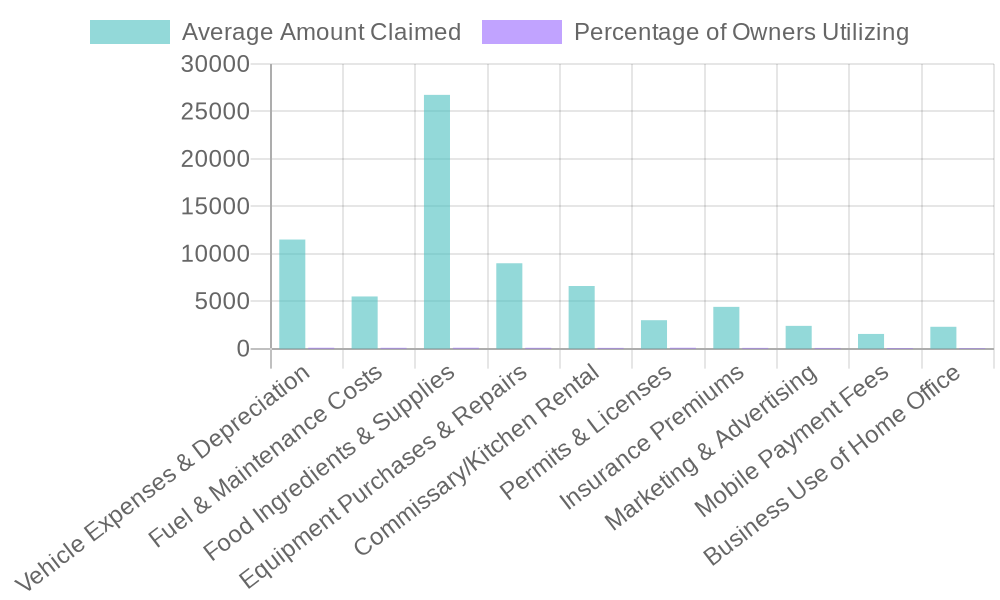

Running a food truck is an exciting venture, but like any business, it comes with its own set of challenges—especially when it comes to finances. For food truck owners, understanding the intricacies of Tax Deductions for Food Truck Owners is not just beneficial; it can be a critical component to ensuring your financial success. The good news is that there are a variety of deductions specifically available to those in the mobile food industry, including significant tax benefits for mobile food businesses. From vehicle maintenance and fuel costs to kitchen supplies and marketing expenses, knowing what you can deduct allows you to keep more of your hard-earned money. By mastering these deductions, you not only comply with tax regulations but also pave the way for a more profitable and sustainable business. Let’s dive deep into the world of tax deductions and unlock the potential they hold for your food truck operation.
Vehicle-Related Deductions for Food Truck Owners
As a food truck owner, understanding vehicle-related tax deductions is crucial for maximizing your returns. Here are the key areas you can deduct expenses from:
Fuel Costs
- Deductible Expenses: The expense for fuel used for business purposes is fully deductible.
- Tracking: Keep detailed records of fuel receipts. This includes the date, amount, and purpose of each transaction.
- Important Note: You can either use the actual costs method or opt for the standard mileage rate for deductions; for 2023, this rate is 65.5 cents per mile.
Maintenance and Repair Costs
- Types of Deductible Expenses: Regular maintenance (like oil changes, tire replacements, etc.) and unexpected repairs are deductible.
- Record Keeping: Keep receipts for all maintenance work. Ensure you document the business purpose for expenses.
- Common Issues: Expenses related to personal use cannot be deducted; ensure you clearly differentiate between personal and business use.
Mileage Tracking
- Business vs. Personal Mileage: You must track the miles driven for business purposes separately from personal mileage.
- Tools for Tracking: Consider using mileage tracking apps such as QuickBooks Self-Employed to simplify record maintenance.
- IRS Requirements: Maintain a mileage log that includes date, destination, purpose of the trip, and mileage driven.
Insurance Premiums
- Deductible Insurance Expenses: Premiums for vehicle insurance can also be written off as a business expense.
- Documentation: Keep all insurance policy documents and payment receipts to support your claims.
Depreciation
- Vehicle Depreciation: If your food truck is used primarily for business, you might qualify for vehicle depreciation deductions. This allows you to deduct the cost of your vehicle over several years.
- Section 179 Deduction: Food trucks may qualify for Section 179 deductions, allowing you to expense the full purchase price in the year it was put into service, subject to limits.
Conclusion
Understanding and accurately tracking your vehicle expenses will ensure you maximize your tax benefits as a food truck owner. Keeping thorough records of all relevant expenses and following IRS guidelines is essential for compliance and for optimizing your deductions.

Tax Deductions for Equipment and Kitchen Supplies
When it comes to running a thriving food truck, having the right equipment and kitchen supplies is essential. Not only are these items vital for your daily operations, but they also represent significant tax deductions that can positively impact your bottom line. As a food truck owner, you can deduct the costs associated with essential equipment, kitchen supplies, and even your inventory, making these deductions crucial to your financial health.
Understanding Your Deductions
Equipment can include everything from ovens and grills to refrigeration units and cooking utensils. Kitchen supplies might encompass plates, cups, napkins, and condiments. Keeping track of these purchases allows you to claim deductions effectively during tax season. According to our facts, food truck owners can also write off utility bills and expenses related to the operation of kitchen equipment. So it’s clear that the expenses in this category add up quickly.
Importance of Record Keeping
To maximize your deductions fully, maintaining detailed records is vital. This means saving receipts, invoices, and any relevant paperwork related to your equipment and supplies. The IRS requires documentation to support your deductions, and staying organized can save you from any potential audits or issues down the line.
Think of it as your secret weapon—just like how you would keep your cooking recipes in order! Every dollar saved is like finding hidden treasure within your business adventure. Plus, the more organized and meticulous your records are, the easier it will be to substantiate your claims.
In short, understanding what you can claim and keeping detailed records can create substantial savings, making your journey easier and more profitable. So, stock up, stay organized and let those deductions work for you!
Marketing Expense Deductions for Food Truck Owners
As a food truck owner, maximizing your tax deductions can significantly contribute to your financial health. One area that offers considerable opportunities is marketing expenses. You can deduct a variety of costs related to promoting your business, particularly through social media advertising and promotional materials.
Types of Deductible Marketing Expenses
Social Media Advertising
Social media platforms like Facebook, Instagram, and Google Ads provide powerful avenues for food truck owners to reach potential customers. Costs associated with creating and managing ads on these platforms are fully deductible.
- Example: If you spend $500 on a targeted Instagram ad campaign to promote your weekend locations, you can deduct this amount from your taxable income. As noted by Toast, “Promotional materials like branded apparel, signage, and vehicle wraps are also deductible as marketing expenses.”
Promotional Materials
Promotional materials encompass various printed and digital items that help you advertise your food truck. These can include business cards, flyers, banners, and even branded merchandise.
- Example: Designing and printing flyers that feature special promotions or discounts can be written off as a marketing expense. The IRS states, “You can deduct advertising and marketing costs that are directly related to your business activities.”
Importance of Record Keeping
To effectively claim these deductions, it is crucial to maintain thorough records of all marketing expenses. This includes keeping receipts, invoices, and any digital documentation related to your ad spends. As NerdWallet recommends, “Keep records of all ad spends, such as receipts from Facebook Ads Manager or invoices from print shops for flyers.”
Why These Deductions Matter
By leveraging marketing expense deductions, food truck owners can lower their taxable income and, in turn, their tax liability. Not only does this lead to financial savings, but it also allows you to reinvest in your marketing efforts. Investing in more advertising can create a cycle of growth and visibility for your business.
In conclusion, understanding and utilizing marketing expense deductions not only helps save on taxes but also promotes sustainable growth for your food truck operation. As the saying goes, “Every dollar saved is like finding a hidden treasure chest in your business adventure.” Utilize these deductions wisely, and watch your business flourish!
| Deduction Category | Description | Example |
|---|---|---|
| Vehicle Expenses | Costs related to operating your food truck, including fuel and repairs. | Fuel costs for business trips and maintenance fees. |
| Equipment Costs | Expenses for kitchen equipment and utensils necessary for operations. | Purchase of a new refrigerator or grill. |
| Marketing Expenses | Costs incurred from promoting the food truck, like ads and branding. | Advertising on social media and printing flyers. |
| Operational Supplies | Everyday supplies required for food preparation and service. | Plates, napkins, utensils, and cleaning supplies. |
Tax Implications of Staff Uniforms and Operational Supplies for Food Truck Owners
As a food truck owner, understanding the tax implications of staff uniforms and operational supplies can greatly benefit your business financially. The Internal Revenue Service (IRS) allows deductions for necessary and ordinary business expenses, including uniforms that are specifically required for your food truck operations and operational supplies used solely for your business.
Deductions for Staff Uniforms
To qualify for a tax deduction, staff uniforms must meet certain criteria. They should bear the company logo and be unsuitable for everyday wear. For instance, customized chef coats, branded aprons, or hats solely meant for your food truck staff are deductible expenses. According to NerdWallet, keeping detailed records of these expenditures, along with receipts, is critical to substantiate your claims during tax filing. The IRS guidelines clearly state that ordinary clothing, such as jeans and T-shirts, do not qualify for deductions even if they are purchased for work.
Operational Supplies Deductions
Operational supplies encompass a variety of items essential for running your food truck efficiently. This includes:
- Disposable utensils, napkins, and plates
- Cleaning supplies such as detergents and sanitizers
- Cooking ingredients like oil and spices
These items are fully deductible as long as they are used exclusively for your business activities. A well-maintained record of these purchases can significantly reduce your taxable income. It is advisable to separate your business purchases from personal ones to ensure clarity during tax season.
Financial Health Benefits
Utilizing these deductions not only helps in managing costs but also enhances your overall financial health. By reducing your taxable income, you can allocate these savings towards expanding your operations, investing in marketing, or improving the quality of your offerings. Every dollar saved through strategic tax planning acts as an investment in your food truck’s future.
In conclusion, food truck owners should take full advantage of deductions for staff uniforms and operational supplies. By adhering to IRS guidelines and maintaining detailed records, you can enhance your business’s profitability while ensuring compliance with tax regulations. Every deduction counts in your culinary venture!

In conclusion, understanding tax deductions is vital for food truck owners striving for financial success. These deductions not only provide significant savings but also enable you to reinvest in your business and enhance your operations.
By keeping meticulous records and staying organized, you can efficiently navigate your financial landscape, ensuring that you maximize every opportunity for deduction available to you. This diligence is your secret weapon in thriving in the competitive food truck industry.
Remember, every dollar saved adds up, much like finding hidden treasure on your journey. So, take the time to understand your deductions, maintain detailed records, and let these strategies lead you toward a more prosperous future for your food truck venture. Your success starts with the right knowledge and the right organization!
The Importance of Record-Keeping for Food Truck Owners
Keeping accurate and detailed records is an essential practice for food truck owners aiming to succeed financially. Think of your records as the backbone of your business operations; they not only support daily activities but also ensure you maximize your tax deductions. Good records can lead to better financial outcomes by ensuring that deductions are claimed accurately, which can ultimately save you significant sums during tax season.
Imagine the impact of a well-maintained record-keeping system when it comes time to file taxes. Organized records simplify the process of identifying deductible expenses, such as vehicle maintenance, equipment costs, and marketing expenses. According to the information available, tax deductions can extend to utility bills, inventory costs, and more. This alignment with tax regulations keeps food truck owners compliant, thereby avoiding penalties and audits that could stem from sloppy bookkeeping.
Moreover, as one insightful quote puts it: “Staying organized and keeping good records is your secret weapon—think of it as your own personal Swiss Army knife.” This emphasizes how vital organization is within the food truck business landscape. Every dollar saved through precise record-keeping reflects another step towards financial health, akin to discovering hidden treasure in your business journey.
By developing a system for maintaining receipts, invoices, and other crucial documents, food truck owners can successfully navigate the complex world of deductions while securing a greater profit margin.
In summary, diligent record-keeping is not just beneficial; it is imperative for food truck owners looking to enhance their financial outcomes and compliance with tax laws. Every detail matters, and maintaining a clear and structured approach to documentation can open the door to financial success.
Understanding Your Deductions
You can deduct various equipment costs. This includes ovens, grills, and utensils. Kitchen supplies include plates, cups, and napkins. It is important to track these expenses. Doing so helps you maximize your deductions when tax season comes. You can also claim utility bills and costs related to using kitchen equipment. Therefore, expenses in this category can add up quickly.