
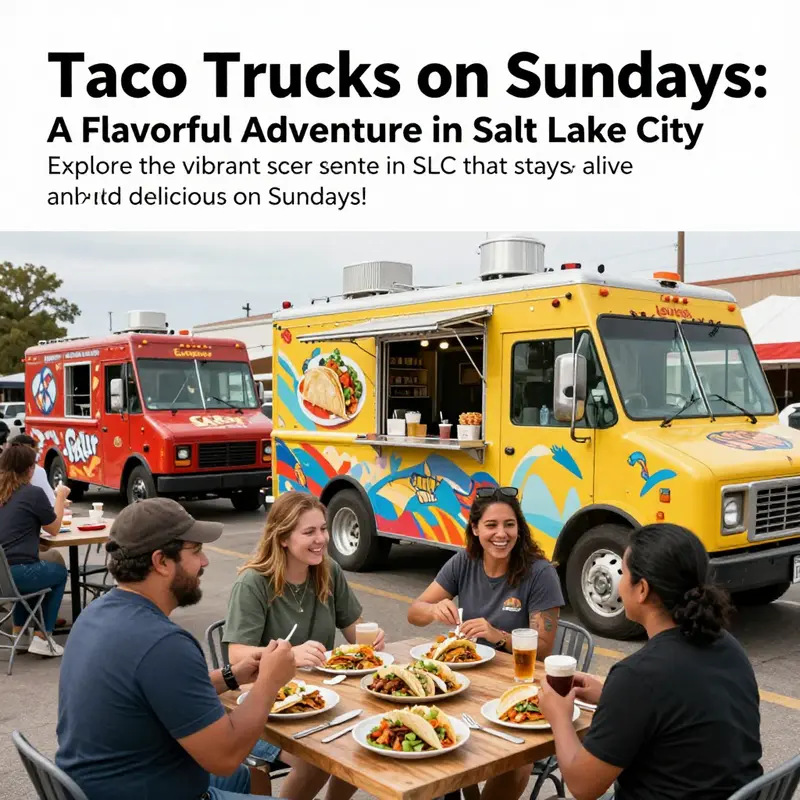
Taco lovers in Salt Lake City, rejoice! Sundays are not just for relaxation; they’re also a chance to indulge in mouth-watering tacos from the city’s array of food trucks. As residents and visitors alike crave accessible dining options, taco trucks spring into action every weekend, providing that authentic taste of Mexico, right on the city streets. From fast and affordable bites to hidden gems waiting to be discovered, this article takes you through everything you need to know about taco trucks operating on Sunday in SLC. We’ll delve into popular trucks to check out, how to stay up-to-date on their hours, and what budget-friendly delights await you in the taco scene. So grab your appetite and let’s taco ’bout Sunday flavors!
Sunday Taco Truck Rhythm in Salt Lake City: When to Find Great Tacos on Weekends
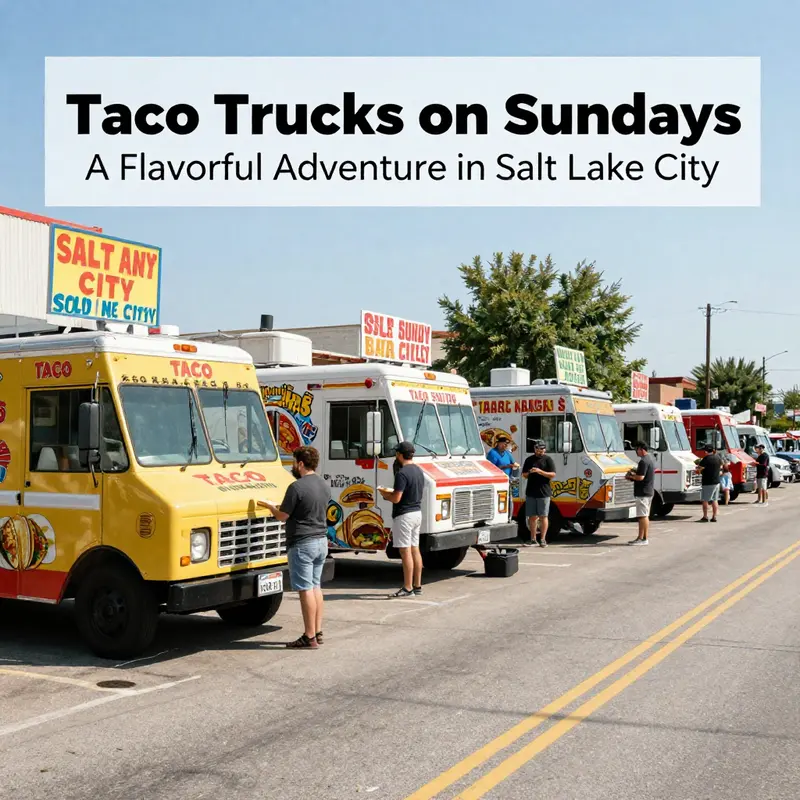
Sunday rhythms and what to expect
Sundays in Salt Lake City bring a relaxed, social pulse to the streets where taco trucks gather. Many vendors deliberately schedule weekend service to meet larger crowds. Locals and visitors alike treat Sunday as a day to explore casual food, enjoy affordable meals, and meet friends. That rhythm means you can often find trucks serving from late morning through early evening, though exact times change by vendor and season.
A typical Sunday timetable runs between brunch and late afternoon. Some trucks open around 10:00 AM to catch the brunch crowd, then pause briefly for prep or restock, and resume around lunchtime. Others aim for steady daytime service, closing once the evening cools. In summer months, peak windows extend into the evening. In winter, shorter days and colder weather tend to shorten service hours. Many operators post their hours each week, so a quick check before heading out saves time.
While schedules vary, a few patterns are common. Downtown locations often see continuous service to catch foot traffic and workers finishing weekend shifts. Neighborhood spots near parks or community markets often line up for morning crowds, especially where farmers markets or family activities take place. Trucks that emphasize local ingredients or specialty recipes sometimes treat Sunday as a market day, partnering with nearby vendors or events to create a fuller experience.
Pricing and portion expectations on Sundays usually mirror weekday offerings. Many trucks keep low, consistent prices to maintain an accessible reputation. Value deals are common, like multiple tacos for a small combined price, or budget-friendly burritos and combos that appeal to families and groups. Expect a menu focused on a few well-executed items rather than long lists. Quality, speed, and simplicity are core to the truck ethos.
Several types of taco vendors tend to operate on Sundays. Classic street-style trucks serve small, flavorful tacos with a rotating selection of meats and salsas. Farm-to-table trucks emphasize local produce and handmade tortillas, and they often appear at community markets. Catering-minded trucks advertise availability for private Sunday events and are open to booking small gatherings or pop-up meals. This variety means your Sunday options can range from late-morning brunch tacos to evening specialty plates.
Weather plays a big role in Sunday operations. Trucks are mobile businesses, and rain, wind, or unseasonal cold can prompt temporary closures. Many owners will announce cancellations on social channels rather than maintaining a static schedule. Weekends tied to major city events can also alter normal hours. Festivals, street fairs, and sporting events often draw trucks away from their usual spots or extend their hours to meet demand. If a vendor usually sits on a weekday corner, special events might bring them to a different neighborhood for one Sunday only.
Location choices on Sundays reflect where people gather. Downtown cores, near business districts and entertainment venues, often host trucks catering to sightseers and late-weekend crowds. Outlying neighborhoods see trucks near parks, trailheads, and community markets. Event-heavy Sundays attract food trucks to festival grounds, university campuses, and concert venues. If you want to plan a visit, think about where people congregate that day: open-air markets, parks, and event spaces are reliable bet sites.
Finding the trucks in real time is straightforward if you know where to look. Most vendors use social media to announce location changes and daily menus. Community platforms and review sites also keep current listings, updated by customers and business owners. For a quick approach, search those listings the morning of your outing. You can save time and avoid walking from corner to corner. Vendors who post weekly schedules usually include special Sunday offerings or hours.
If you plan to visit with a group or for a special occasion, many trucks accept pre-orders or catering requests for Sundays. Reaching out a day or two ahead helps ensure availability, especially during summer or on holiday weekends. Catering-minded trucks often provide options for platters, bulk tacos, and sides, and they can usually tailor a menu to your needs. Confirm pickup windows and payment methods in advance to reduce stress on the day itself.
Payment methods vary by truck. While many accept cards, some remain cash-preferred, especially when operating in busy outdoor spaces with limited cell service. Bringing a small amount of cash helps, but most vendors increasingly provide mobile card readers. If you expect to pay by card, ask ahead when you confirm hours or location.
Sunday etiquette around taco trucks is simple but helpful. Bring small bills when possible, and be ready to wait calmly in line during peak windows. If a truck lists a limited menu for the day, consider ordering early to avoid sold-out items. Respect posted rules about queuing and seating, and remember that many vendors are solo or small teams managing high demand. Tipping is appreciated when service is quick and friendly.
For those running a food truck or thinking about weekend service, operating on Sundays can boost visibility and revenue. Weekend hours capture patrons who avoid weekday lunch crowds and prefer a leisurely meal. Successful Sunday service often relies on consistent hours, reliable menu choices, and active communication with customers. For practical guidance on preparing a truck for steady weekend operation, consult resources about choosing a food truck and planning service. A helpful starting point is a guide on choosing the right food truck that covers layout and menu decisions that shape weekend success: https://fireduptacotruck.com/choosing-the-right-food-truck/.
Community dynamics influence how busy a truck will be on Sundays. Neighborhoods with family-oriented parks, cultural centers, or weekend programming tend to generate steady daytime traffic. Areas near college campuses see a mix of late-morning and late-night crowds. City pockets that host art walks, open-air markets, or weekend festivals often become hubs for multiple trucks, offering a festival-like atmosphere even on ordinary Sundays.
Health and safety considerations matter for both diners and vendors. Trucks must follow local permitting and health department rules, which can vary for weekend events. Some trucks operate under temporary event permits for neighborhood gatherings, while others maintain regular vending permits for fixed locations. If you see a sizable line, it often indicates a truck that consistently meets health standards and enjoys community trust.
Seasonality and holidays shift Sunday patterns. Warm-weather months bring longer hours and more frequent pop-ups. Holidays and long weekends can either draw extra crowds or lead to closures as owners take time off. Major civic events may reroute trucks or create centralized food hubs where many vendors gather. Always check a truck’s social posts before setting out on a holiday Sunday.
Sundays also offer a chance to experience culinary creativity. Many vendors debut new items on weekends when foot traffic is higher and customers are more open to trying specials. Seasonal salsas, limited-run fillings, and collaborative pop-ups with other food makers often happen on Sundays. If you enjoy discovering new flavors, target midday to early afternoon when special items are most likely to be available.
Finally, if you prefer a sure thing, call ahead. A quick phone check or social mention can confirm hours, menu items, and special conditions. That simple step can make the difference between a successful taco outing and a disappointment. And for live, community-maintained listings of taco trucks and their hours in Salt Lake City, consult a popular local review platform for the most up-to-date information: https://www.yelp.com/search?finddesc=Taco+Trucks&findloc=Salt+Lake+City%2C+UT
This snapshot of Sunday taco truck life in Salt Lake City should help you plan your weekend meals. Expect variety, value, and a vibrant street-food culture. Check schedules, respect small crews, and savor the casual vibe that makes Sunday truck dining a beloved local habit.
Sunday Taco Runs: Where Salt Lake City’s Top Taco Trucks Serve All Weekend
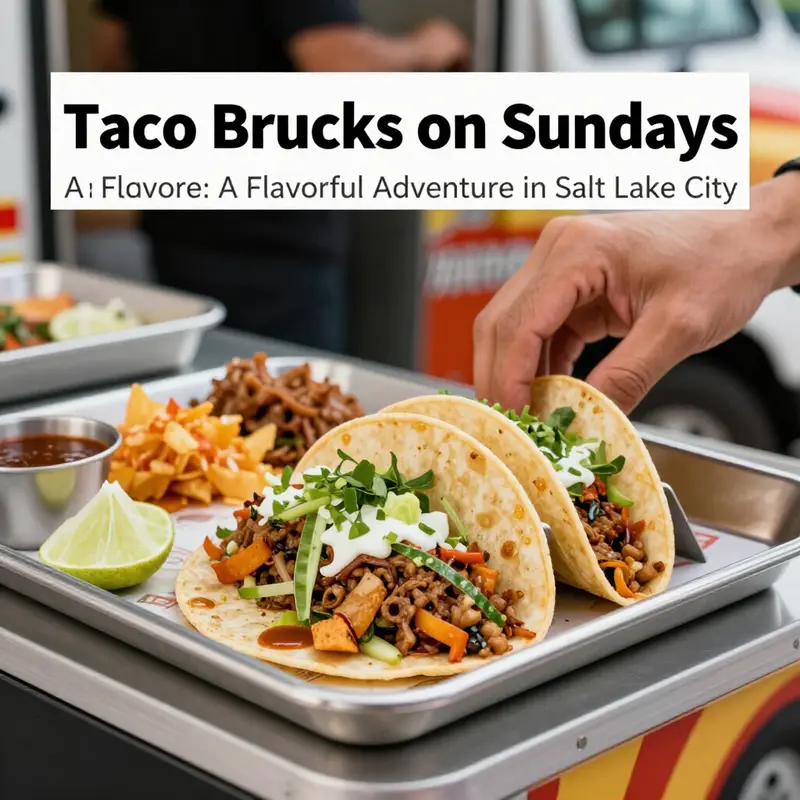
Sunday Taco Runs: Where Salt Lake City’s Top Taco Trucks Serve All Weekend
Salt Lake City’s taco truck scene comes alive on Sundays. For many locals, Sunday means a relaxed schedule, sunshine, and the pleasure of handheld, authentic Mexican food from neighborhood trucks. Several well-loved vendors make a point of opening their windows on Sunday to feed families, late sleepers, and visitors who want something casual and satisfying. This chapter maps out a handful of these trucks, what to expect when you go, and practical tips for finding them when hours change with seasons.
A few trucks have earned loyal followings because they balance speed, flavor, and value. Tacos Don Rafa is one of those. They are known for consistently fresh tortillas, bright salsas, and a menu that keeps prices low. Regulars sometimes joke about the two-taco deals and the no-frills efficiency. On Sunday you can expect the same lineup of classics: carne asada, pollo, and simple vegetarian options. Portions are generous, and the homemade sauces are a highlight. If you value inexpensive comfort food and quick service, this truck is usually a safe bet.
Another favorite is El Jaripeo Taco Truck, which leans into traditional flavors and slow-cooked preparations. Their carne asada and shredded beef are flavorful and tender from careful braising. On a Sunday, groups often order a variety and share. That communal approach suits the truck’s offerings; each taco is designed to be part of a larger, balanced plate with rice, beans, and pickled vegetables. Families appreciate the stable Sunday hours, and friends find the menu works well for informal gatherings.
If you want big portions and a strong value proposition, Tacos El Toro is worth seeking out. Known for hearty combos and bold flavors, the truck’s signature items feature ample meat, melted cheese, and plenty of onion and cilantro. The “El Toro Special” is a common recommendation; it fills you up without emptying your wallet. On Sundays the crowd often includes construction workers, students, and weekend strollers. Expect a bit of a line during peak lunch and early dinner hours, but the turnover is brisk and the wait pays off.
For a more festive atmosphere, Taco Party brings variety and an upbeat vibe. The menu often includes multiple taco styles, crunchy snacks like totopos (fried tortilla chips), and a small selection of Mexican-style beverages. Families with kids enjoy the truck’s approachable flavors and playful presentation. On Sundays, Taco Party is a social stop as much as a food stop. It’s the kind of place where people linger, share plates, and sample a few different sauces.
A truck that offers a creative twist is Tacos Y Mar El Paisa, blending Colombian and Mexican influences into unique taco combinations. Their “Paisa Combo,” for example, pairs roasted chicken with beans and potatoes for a satisfying, layered bite. This truck appeals to diners who want something familiar but slightly different. People who like fusion-style plates or hearty, unconventional fillings often list Tacos Y Mar El Paisa among their must-try vendors. Sundays here can feel like a small festival of flavors.
Those five trucks represent a cross-section of Salt Lake City’s Sunday taco truck offerings. They vary in portion size, spice level, and traditional versus fusion approaches. Yet they share a commitment to fresh ingredients and straightforward preparation. That common ground is why they maintain steady crowds on Sundays. Regular patrons often build a rotation, grabbing tacos from one truck one weekend and trying another the next.
Finding them on a given Sunday takes a small amount of planning. Hours can shift with weather, events, and staffing. During warm months, trucks stick to predictable daylight hours. In colder seasons or on rainy Sundays, they may shorten service or move to covered spots. For real-time schedules, watchdogging their social media pages helps. Many of these vendors post updates about location, hours, and menu changes. Google Maps and review platforms also collect user-submitted hours, photos, and recent comments. Checking one of those sources before you head out reduces the chance of a wasted trip.
When you arrive, be ready for a few common taco truck realities. Lines form quickly around midday and again early evening. Bring cash if you prefer it; many trucks accept cards, but a cash option speeds things up. If you have dietary needs, ask the staff about modifications. Most vendors can adapt fillings for vegetarian diners or adjust spice on request. Seating varies. Some trucks set up folding tables and umbrellas. Others operate in parking lots or near sidewalks where you might bring a blanket or pop-up chair. If you’re dining with a group, plan for staggered orders to keep waiting manageable.
Ordering strategy makes a difference if you want to sample widely. Start with one or two tacos per person and add a specialty if someone wants to share. Tacos are ideal for tasting multiple styles. Many customers recommend pairing tacos with a side of chips and salsa or a small drink. For newcomers, asking the vendor what’s popular that day yields good results. Vendors take pride in their best dishes and will usually be happy to point you toward a highlight.
Safety and neighborhood etiquette matter. Park considerately and follow any directions given by truck staff. If a line spills into a roadway, move to the side so traffic can flow. Bring a reusable container if you plan to take extra food home. Trash bins may be limited, and most vendors appreciate when patrons pack out any waste.
For visitors who plan multiple Sunday stops, map out choices in advance. A simple loop of two or three trucks in nearby neighborhoods creates a fun tasting crawl. That approach lets you compare tacos side by side. It also reduces repeat trips when one truck has unexpectedly closed for the day. Local forums and fan groups sometimes share up-to-date sightings and tips for which trucks are open. Those communities can be reliable, especially on holidays and weather-driven slow days.
If you are a food truck operator or considering becoming one, Sunday operations are an opportunity and a logistical decision. Sundays can bring high volumes, but they also require staff planning and consistent supply. For guidance on making those operational choices, see resources about choosing the right truck model and setup before you commit to regular Sunday service. This article on choosing the right food truck offers practical insights for owners weighing hours, equipment, and customer patterns: choosing the right food truck.
A few final practical notes for Sunday taco runs. Arrive early for peak items; popular fillings can sell out. Bring small bills to speed transactions. If you plan to sample multiple trucks, pace yourself and share plates. Take photos of menu boards if you want to order later. And if you find a truck you love, follow them online. Many vendors post pop-up events, specials, or changes to their Sunday schedule.
Salt Lake City’s Sunday taco truck culture blends convenience with authenticity. Trucks like Tacos Don Rafa, El Jaripeo Taco Truck, Tacos El Toro, Taco Party, and Tacos Y Mar El Paisa keep weekend hours to serve hungry customers. Their menus range from classic carne asada to creative fusion plates. With a little planning, you can build a satisfying Sunday itinerary that showcases the variety and spirit of SLC’s taco trucks. For live listings and recent reviews, check this local roundup of top taco trucks on Yelp: https://www.yelp.com/biz/top-10-best-taco-trucks-in-salt-lake-city-ut-2026
Sunday Steam and Salsa: Navigating Open Taco Trucks in Salt Lake City
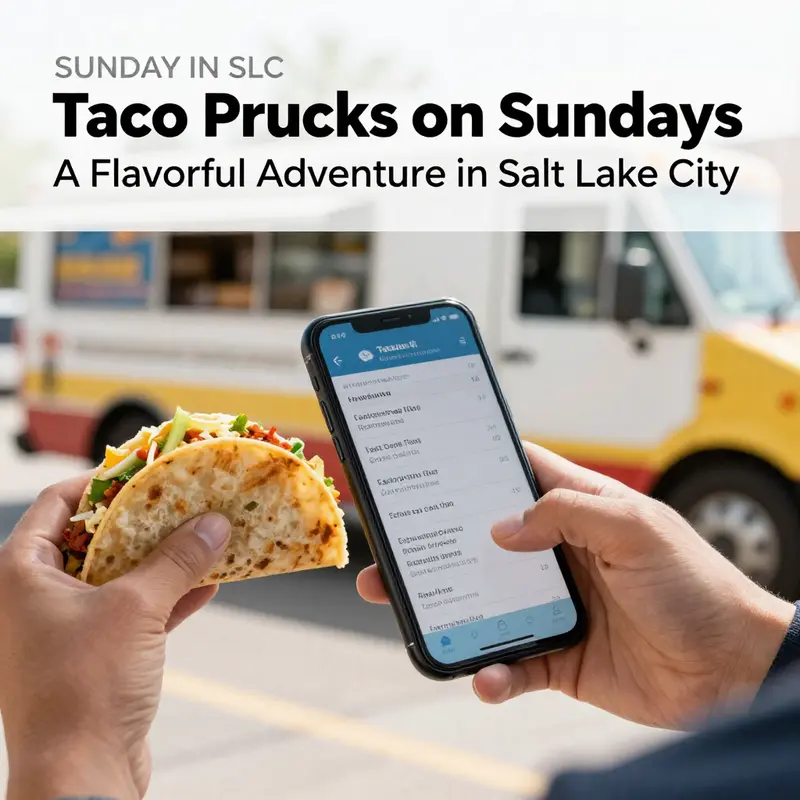
On Sundays, Salt Lake City pulses with a different kind of traffic than weekday peak hours, a rhythmic weaving of sidewalks, sunlit storefronts, and the familiar sizzle of grills that announce the return of weekend cravings. The question many visitors and locals ask is simple yet loaded: are taco trucks open on Sunday in SLC? The answer, like so many things in a city that blends mountain air with urban rhythms, is nuanced. Most taco trucks in the area do operate on Sundays, leaning into the weekend crowd that spills from church gatherings, stadium events, farmers markets, and casual strolls through downtown and along the avenues that cradle the city’s historic core. Yet operating hours are not carved in stone. Trucks often choose Sundays to extend their stay into the late afternoon or early evening, especially when the weather cooperates and foot traffic is steady. Conversely, a few trucks may close early if supplies run low after a busy Saturday or if a Sunday event reshapes the day’s route. This variability is not a sign of inconsistency so much as a reminder that the taco-truck experience is a moving target, dictated by the same forces that guide other small, mobile food ventures: location, season, and the crowd you’re chasing.
In practical terms, the Sunday experience in SLC usually centers on a handful of reliable patterns. The first pattern is weekend-forward scheduling. Many trucks intentionally align with Saturday and Sunday schedules to meet the demand of residents who work during the week and seek casual, wallet-friendly meals on weekends. The second pattern is the emphasis on social channels and platform listings. Since every truck operates with a different electrical setup, generator timing, or weekday rest days, the most dependable way to know who’s open on Sunday is to check the latest posts on social media or a trusted review site. The third pattern concerns downtown and university-adjacent corridors, where the density of foot traffic makes a Sunday run particularly viable. In those busy pockets, you’ll often find a cluster of trucks that rotate through nearby blocks, creating a small, city-wide food-hall vibe on a lazy weekend afternoon.
What this means for someone planning a Sunday food trip is simple: start with a plan, but stay flexible. The plan should include a rough list of potential trucks, a sense of the neighborhoods you’re willing to explore, and a moment to scan live updates before you head out. It’s not unusual to see an area grid with a few trucks parked along a popular street, with lines forming as people decide whether to grab a pair of mains, a couple of salsas, or a light, bite-size lunch as they wander between stores, parks, or transit hubs. Many diners are drawn to deals that echo the city’s practical spirit—two tacos for a modest price or a burrito that sits in that comfortable price bracket that makes casual dining feel like a steal. These price cues, while general, help shape the Sunday plan, especially for families or groups who want to sample a variety of fillings without stretching a Sunday budget too far.
The decision-making process for Sunday taco trucks often hinges on two layers of information: the truck’s own posted hours and the real-world signal from the street. A truck may announce an opening time on social media, but the actual doors swing open a little later if the crew is running through a prep rush, if a consignor arrives late with a key ingredient, or if the truck’s generator encounters a hiccup. On Sundays, when events or church-time traffic patterns can cause temporary bottlenecks, you may see minor shifts in start times or in how long a truck stays open. That’s not a flaw in the system. It’s a sign that a good Sunday taco run functions like a micro-community event: people gather, the line moves, the grill sings, and the moment becomes part of the day’s shared memory.
For those who want to maximize their chances of finding open trucks on a Sunday, the usual advice remains especially true: consult the most up-to-date listings and reviews. Yelp, in particular, has become a practical landing place for real-time checks on which trucks are operating on any given Sunday and where they’re located that day. It’s not only about hours; it’s about the whole snapshot—the truck’s location for the day, the crowd’s feedback, and the photos that give you a sense of what’s on the menu. The value of this approach is that it shifts the guesswork away from the moment you step outside and into the moment you decide which street corner to head toward.
Beyond the hour-by-hour reality, Sundays in SLC invite a broader conversation about how the taco-truck culture fits into the city’s weekend tempo. The city’s geography—lively downtown, a mix of historic neighborhoods, and easy routes to parks and cultural hubs—creates a natural cadence for mobile vendors. Sunday becomes a kind of social barometer; when the weather is cooperative, the sidewalks bloom with plates and smiles, little battles for the best bite that end in a shared chorus of approval as people compare notes about heat levels, salsa brightness, and tortilla texture. The day’s conversations aren’t just about food; they’re about the little rituals that accompany a casual Sunday: a stop before a stadium game, a post-market bite after perusing a farmer’s offerings, or a late afternoon stroll that ends with the comforting scent of warming spices drifting from a corner curb.
To approach Sunday with confidence, it helps to anchor your plan in a few core expectations. First, invite the possibility of variability, but anchor yourself to a reliable starting point: a neighborhood you enjoy, a time window you can spare, and a flexible stance toward the exact truck you’ll chase. Second, use the two key information streams—official postings from the truck and crowd-sourced updates on platforms that aggregate hours and hours changes. Even if you have a personal preference for a particular truck in a particular corner, those hours can shift, and the joy of a Sunday taco trek often lies in discovering a different truck that still delivers the same comfort and value you’re after. The more you align your expectations with the idea that Sunday is a moving target, the better you’ll navigate the city’s taco terrain.
As you prepare to head out, consider also the practicalities that can affect Sunday service. Weather in Salt Lake City can swing from pristine sun to gusty, cool winds that test the limits of a vendor’s grilling setup. A light breeze might be a breeze you welcome because it keeps the grill out of the shade and the tortillas warm; a heavy wind, by contrast, can slow service and even drive vendors to change their position or suspend operations for safety. The season matters too. In colder months, a few trucks may reduce their Sunday hours, while in late spring and early summer, the same trucks might push well into the evening when the city’s temperatures drop at that comfortable, lingering hour. Each season invites its own set of rhythms, and part of the Sunday experience is learning to read those rhythms as you wander through the city’s blocks.
Another dimension of Sunday planning is the economic one. Many trucks price their offerings to be accessible, leaning into the value that makes casual dining appealing yet sustainable for a family or a lone traveler. The familiar pattern—around two simple items for a couple of dollars, with more elaborate combinations available for a modest premium—helps Sunday explorers gauge what they want to invest in a single stop. The exact prices vary by vendor and by day, and while the general range tends to hover around a friendly, budget-conscious tier, you should still be prepared for small fluctuations. A Sunday bite should feel like a reward after a morning of wandering rather than a burden on your wallet.
For travelers who still feel uncertain after checking the posted hours, there is a straightforward empowerment: the option to switch plans mid-journey. If a Sunday stroll begins near a park, for example, and the grill noise pulls you toward a buzzing corner with a cluster of trucks nearby, you can pivot from your original route to a nearby street where a fresh lineup has formed. That flexibility is a hallmark of the Sunday taco-truck scene, a spontaneous social exchange between hungry pedestrians and a handful of vendors who are often content to adapt to the moment. The result is not chaos but a kind of culinary improvisation—an unspoken agreement that the city’s weekend pulse should feel a little less predictable and a little more alive.
In writing about Sunday availability, it’s useful to remember that the real-time reality is best understood through a practical, actively managed approach. Keep an eye on the destination of your walk, and let your appetite guide the pace. If you’re the type who likes to map out a precise route before leaving home, go ahead, but leave space for a late, satisfying detour when you spot a truck that smells like a city’s invitation to take a seat and savor a simple, honest meal. And if your plan hinges on a specific truck’s presence, add a backup choice that shares a similar flavor profile and price range. That way, even if the first choice isn’t open on Sunday, your outing remains a successful, delicious exploration rather than a letdown.
If you’re still deciding which truck to chase, the guide on Choosing the Right Food Truck can help. It can offer a framework for evaluating trucks not only by hours but by what you want to eat, how you want to share a meal, and how to navigate a street-side lineup with ease. Choosing the Right Food Truck provides context for matching your preferences with the realities of Sunday operation, helping you understand where the crowd tends to gather and how to pick a route that maximizes both flavor and time.
As a final note, Sunday is a day when the city’s culinary microcosm shines most clearly: a rotating cast of trucks, a chorus of customers, and a simple, shared appetite for something warm, filling, and affordable. The hours you find on a Sunday will reflect the city’s generosity and its stubborn insistence on making room for small, joyful rituals in a busy weekend. To stay ahead of the curve, rely on the city’s pulse as reflected on trusted listings, and allow yourself the surprise of discovering a new favorite stand just as the sun begins its late-day descent. For up-to-date hours and real-time locations, consult Yelp’s page on Salt Lake City taco trucks, which captures the current readiness of the street-level food scene and the conversations around it: https://www.yelp.com/search?finddesc=Taco+Trucks&findloc=Salt+Lake+City%2C+UT&sort=date.
Sunday Street Tacos on a Budget: Finding Affordable Trucks in SLC
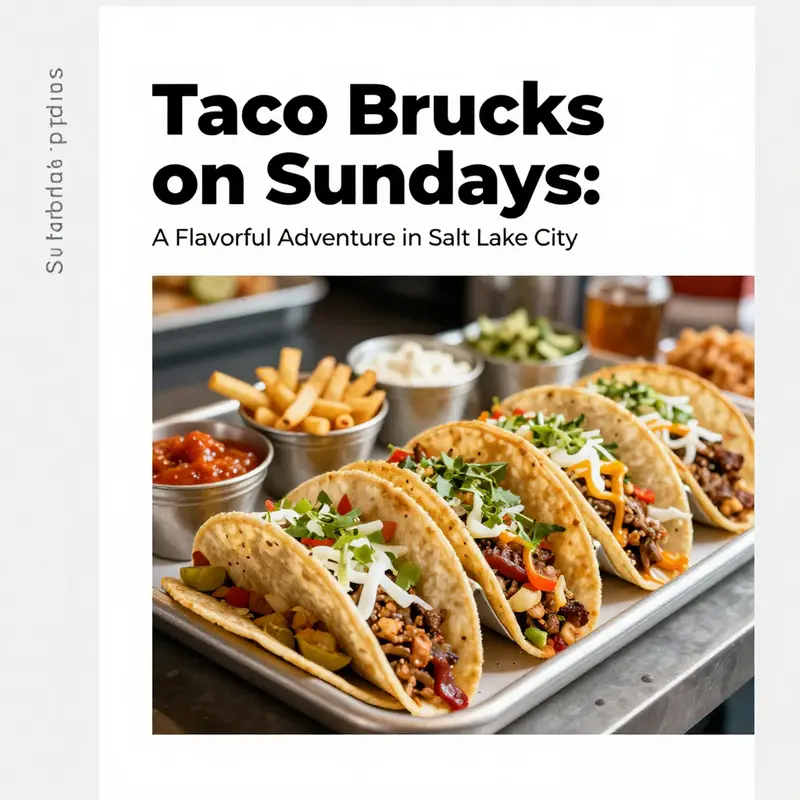
Sunday Street Tacos on a Budget: Finding Affordable Trucks in SLC
Sundays in Salt Lake City have a relaxed rhythm, and for many residents and visitors that rhythm includes grabbing tacos from street trucks. Affordable taco trucks commonly operate on weekends, making Sunday a prime day to enjoy quick, satisfying meals without stretching your budget. Several downtown vendors are known for razor‑sharp value—examples include deals that price two tacos at approximately $2.50 and burritos near $3—so a modest budget can stretch to feed a group or fuel a day of exploring. This chapter pulls together practical details and on‑the‑ground tactics to help you locate those low‑cost options and get the most from a Sunday taco run in SLC.
Most affordable taco trucks aim to attract weekend crowds. They set up in high‑foot‑traffic areas and near events to maximize sales on slow weekdays and to capitalize on weekend demand. On Sundays, you’ll often find trucks clustered downtown, near parks, outside markets, and by community gathering spots. Operating hours vary, and some vendors start early to cater to brunch crowds while others open later for the afternoon and evening rush. Because schedules can shift with seasons, staffing, and local events, it helps to plan but remain flexible. Real‑time updates are usually available on vendor social pages and local listings, which can confirm locations and hours for the particular Sunday you plan to go.
Finding the best value starts with knowing where to look. Mobile food directories and community review sites list trucks, menus, and hours. Those platforms also surface recent customer photos and comments about portion sizes and pricing. When a truck advertises low price points—such as a two‑for special on tacos or dollar‑friendly burritos—reviews often confirm whether the deal holds up in practice. Additionally, Sunday is the day many trucks introduce specials to draw weekend crowds, so comparing today’s posts with older listings is helpful. A quick scan of a listing on a popular local review site can save a wasted trip.
Timing is important when chasing budget tacos on a Sunday. Early afternoon, roughly noon to 2 p.m., is typically busy but still manageable. Evening windows, around 6 p.m. to 8 p.m., see renewed traffic, especially near nightlife and event zones. Arriving just before a predicted rush increases your chance of getting the full menu and any advertised deals. If a truck’s special is extremely cheap, expect a line; vendors often sell out. Consider ordering a few minutes earlier than you might otherwise to avoid disappointment. When traveling with a group, place a group order to reduce wait time and lock in the prices on a menu before items run short.
Budget strategies while ordering can multiply value. Opt for taco plates or combo deals when available. Those offers often include rice and beans or a second taco at a marginal cost. Choosing simpler fillings—classic meats and straightforward toppings—tends to be cheaper than specialty items. If you’re comfortable sharing, build a sampler: order a variety of inexpensive tacos and split them. This approach allows tasting multiple styles for the price of a single menu item at a sit‑down restaurant. Remember that portions from street trucks are usually generous for their price point, so plan accordingly.
Payment methods matter on the street. Some trucks are cash‑preferred, while others accept cards and mobile pay. Cash often speeds transactions and avoids minimum card fees, but many vendors now have portable readers that make small purchases seamless. Before you get in line, check the truck’s payment options on a listing or post. Bringing small bills helps with quick transactions and makes tipping easier. For very tight budgets, carrying exact change limits overspending. Still, if a truck accepts cards, using a digital payment can help you track spending and accumulate rewards from your bank or card issuer.
Tipping etiquette at affordable trucks deserves attention. Even when prices are low, the staff running a truck often face intense hours and tight margins. A small tip shows appreciation and helps maintain friendly service, which is especially useful when ordering large or complex items. Tip a dollar or two on small orders, and a bit more for larger group orders. If a truck has a tip jar or a digital tipping option, a modest contribution helps sustain the business that keeps prices accessible.
Dietary needs and substitutions are often possible at trucks that focus on broad appeal. Many vendors offer vegetarian or grilled options that cost little more than standard fillings. Ask about corn or flour tortillas, and whether ingredients like avocado, extra salsa, or cheese are available at low cost. If you have allergies, mention them clearly and early. Trucks vary in their capacity to accommodate special requests, but most will be transparent about cross‑contact risks. When a vendor charges extra for add‑ons, consider how that affects overall value; sometimes the base taco already delivers the best price‑to‑satiety ratio.
Location choices determine both the vibe and the wallet impact. Downtown clusters are convenient and competitive, often leading to better prices because multiple vendors vie for business. Neighborhood trucks can offer community prices and shorter lines, especially if they don’t serve heavy tourist traffic. Parks and weekend markets are excellent spots for family outings, offering affordable menus with picnic options nearby. If you plan to combine tacos with other activities—like visiting a market or attending a local event—seek trucks along the route to minimize travel time and costs.
Sustainability and waste considerations keep costs down in practical ways. Many budget‑conscious trucks minimize packaging or offer reusable container options during special events. Bringing your own reusable utensils and napkins avoids single‑use waste and can help the vendor cut down on supply needs. If a truck charges extra for to‑go boxes, eating on site or bringing your own container can preserve the low price point. Also, look for trucks that compost or recycle; supporting vendors that limit waste encourages sustainable practices without raising consumer costs.
Managing expectations preserves both your budget and your experience. Street tacos are usually quick‑service rather than gourmet presentations. Flavor often comes from well‑seasoned meats, house salsas, and fresh tortillas, not elaborate plating. Avoid assuming a dollar menu equals a full restaurant experience. Instead, focus on authenticity, portion value, and the social aspect of eating outdoors. You’ll likely find that cheap tacos deliver on taste and satisfaction when expectations align with the format.
Sunday crowds can create long lines, which call for strategy. Use a two‑person system: one person waits in line while the other scouts nearby trucks or secures seating. Many vendors allow call‑ahead or mobile orders via social apps or listed phone numbers; check before you leave. If the truck you wanted is sold out, move to a nearby vendor; competition among trucks means alternatives are often steps away. Group ordering apps or simple text coordination can help large parties place orders efficiently without blocking pedestrian flow.
Sanitation and food safety are essential, even when prices are low. Look for trucks with visible handwashing stations, clean prep areas, and staff using gloves and utensils properly. Busy vendors often insist on high turnover of ingredients, which reduces the chance of older food being served. If something looks off, trust your instincts and choose another truck. Affordable should not mean risky; reputable trucks maintain standards to keep loyal customers coming back.
Community relationships support both vendors and diners. Regulars often know the best times to visit and which trucks reliably run their Sunday specials. Building rapport with vendors can yield insider tips about upcoming deals or menu changes. If you find a favorite low‑cost truck, consider following its social channels and joining any mailing lists for deals and schedule updates. Many trucks announce Sunday specials on social platforms the day before or the morning of service.
When traveling from out of town, treat Sunday taco hunts as part of the local experience. Street food reflects neighborhood culture, and interacting with vendors offers insights into community rhythms. For budget travelers, a few tacos can be a flavorful and affordable meal when exploring the city. If you plan to visit multiple trucks in one outing, pace yourself and prioritize variety over quantity. Small tacos at several spots provide a broader taste tour than a single, heavy meal.
For operators and enthusiasts interested in the mobile food scene, learning a bit about what keeps prices low can be enlightening. Low overhead, high turnover, and streamlined menus allow trucks to offer dirt‑cheap tacos without sacrificing quality. Community support and smart logistics make it possible for vendors to run sustainable, affordable operations. If you’re curious about selecting a truck for events or starting a mobile food business, practical topics like choosing a model and legal steps matter. For guidance on those aspects, see the resource on choosing the right food truck.
Finally, for the most current listings and to confirm Sunday hours, consult a major local review site. That resource provides up‑to‑date vendor information, photos, and user comments that reflect today’s offerings and schedules. Checking it before you head out reduces the chance of a wasted trip and helps you lock in the best value trucks for your Sunday taco plan: https://www.yelp.com/biz/taco-trucks-in-salt-lake-city-ut
Final thoughts
Sundays in Salt Lake City wouldn’t be complete without the colorful array of taco trucks offering delectable options for all taste buds. Whether you’re a local or visiting the city, these food trucks become culinary havens filled with rich flavors and affordable meals. You can choose from classic favorites to innovative taco creations, ensuring that your Sunday menu is never dull. With just a bit of tech-savvy know-how, you can discover the perfect taco truck that meets your cravings every Sunday. So round up your friends, grab some cash, and venture out into the taco-filled streets of SLC this weekend!