
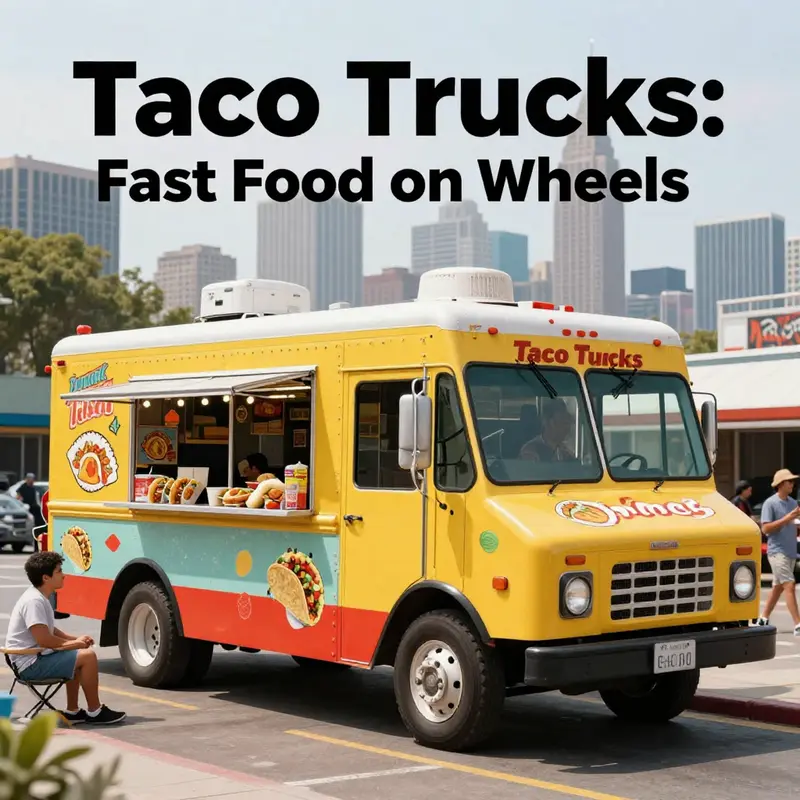
Taco trucks are more than just mobile kitchens; they symbolize a culinary revolution, where the heart of casual dining meets the vibrant flavors of Mexican cuisine. By serving up delicious tacos, burritos, and more at lightning speed, taco trucks redefine fast food culture in urban settings. This upbeat article explores the essential relationship between these food vendors and fast food, covering everything from definitions and comparisons to cultural impact, economic advantages, and emerging consumer trends. Buckle up, taco lovers and food truck aficionados, as we dive into the colorful world of taco trucks and their undeniable presence in fast food culture.
On the Move and In the Moment: Redefining Fast Food Through Taco Trucks
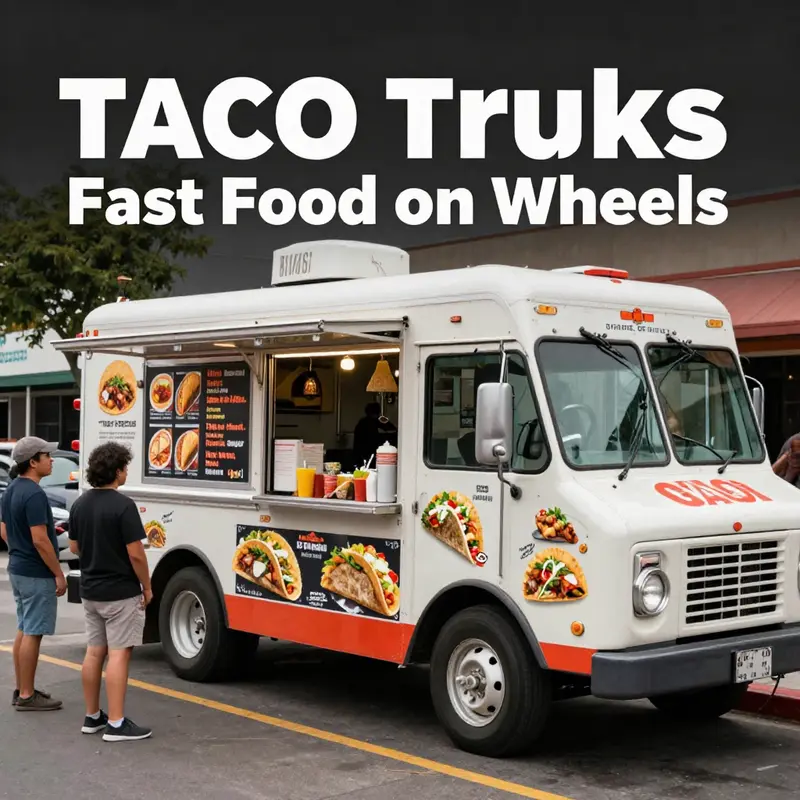
Taco trucks sit at an intriguing crossroads of what it means to eat fast. The staple image of fast food is a standardized, quick-serve experience housed in a brick-and-mortar outlet or a drive-thru lane. Yet the mobile taco kitchen challenges that narrow frame by proving that speed, affordability, and flavor can travel in a metal shell as easily as they can in a glass-fronted building. In the broad lexicon of quick-service restaurants, fast food has never been a fixed location so much as a speed of service—a promise fulfilled by cars, lines, and timers. Taco trucks, with their grills blazing at street corners and festival grounds, embody that promise in a different shape and rhythm. They are the same species of business as the familiar landed chains, but they are adapted to mobility, local culture, and the rhythms of the street, where the clock dictates both turnover and taste. The question then becomes not whether taco trucks are fast food, but how they fit into the evolving definition of fast food itself.
Speed remains the most visible attribute. In many urban centers, a customer walks up to a compact service counter, places an order for tacos, burritos, or other Mexican-inspired items, and receives a freshly assembled meal in minutes. The speed is not merely about a short wait; it is about a predictable rhythm. Orders move from grill to wrap to handoff with a cadence that can feel almost musical: sizzle, fill, wrap, handover, and stroll away. This cadence mirrors the core function of fast food—minimized friction between decision and consumption. Even when a taco truck offers a rotating lineup of ingredients and daily specials, the structure of the menu tends toward standardization. The items tend to follow recognizable templates—protein options, a handful of accompanying toppings, a consistent style of tortillas, and a straightforward beverage line. That standardization lowers both the cognitive load on the customer and the complexity of the kitchen workflow, delivering reliable outcomes on a velocity that suits a lunch rush or a late-night crowd.
Affordability is the other essential axis that anchors the fast-food label, and taco trucks often leverage that edge with a model designed for value. The economics of a mobile operation differ from those of a fixed-location chain: lower real estate costs, flexible staffing, and a streamlined equipment footprint. This combination allows taco trucks to price menus competitively while still delivering fresh ingredients and bold flavors. In practical terms, you can find menus that balance the desire for variety with the need to keep preparation quick. A typical setup includes a compact fridge, a small grill or griddle, a prep area that doubles as a serving counter, and a cash or mobile-payment point that minimizes client-side delays. The speed-to-menu ratio is a feature, not a bug. It is possible to craft a meal that feels satisfying and substantial without tipping into complexity, a balance that is central to the fast-food experience in a mobile format.
Understanding the mobility of taco trucks also helps explain why they occupy a unique position within the fast-food ecosystem. Traditional fast-food chains are anchored by brand recognition, standardized supply chains, and fixed operating hours. Taco trucks, by contrast, thrive on fluid locations, pop-up collaborations, and the ability to chase crowds. They anchor themselves at festivals, outdoor concerts, farmers’ markets, and busy urban corridors where the demand for quick meals coincides with the opportunity to reach diverse audiences. The mobility itself becomes a form of standardization: customers learn where to find their favorite truck, what to expect in terms of portion and price, and when the truck is likely to appear. The encounter is repeatable, even if the street corner changes day to day. This dynamic mirrors a broader trend in the fast-food world where the line between “food truck” and “fast-food outlet” blurs as mobile kitchens adopt more deliberate, systematized processes.
A closer look at the equipment and operations helps illuminate how these mobile units maintain consistency amid constant change. Many taco trucks operate out of trailers or carts built to withstand long hours of service in variable weather. They are designed for efficient gas or electric operation, fast access to cold storage, quick-cleanup routines, and safe, regulated food handling. The equipment choices support a rapid, repeatable workflow: mise en place that can be quickly assembled, standardized recipes that minimize on-the-spot decision-making, and a serving window that preserves heat and texture until the moment of consumption. Even when a truck emphasizes a sense of authenticity or artisanal flair—the toppings, salsas, and garnishes curated with care—the underlying goal remains quick, dependable delivery. In this sense, authenticity does not interrupt speed; it often enhances customer satisfaction by delivering a sense of care alongside velocity.
The social and economic texture around taco trucks further reinforces their status in the fast-food pantheon. They become fixtures within neighborhoods and seasonal community spaces. They contribute to a broader food economy that prizes accessibility without sacrificing flavor, a balance that is appealing to both daily diners and casual visitors. This is especially evident in cities that celebrate food culture as a public good—places where street tacos are not an afterthought but a shared experience. Even as some observers view taco trucks through the lens of street-food romance, the operational reality remains firmly rooted in the mechanics of fast service: speed, turnover, consistent quality, and a price point accessible to a broad spectrum of customers. The result is a hybrid model that preserves the immediacy of fast food while inviting diners to engage with cuisine in a more localized and dynamic way.
For many aspiring operators, the mobile format is not merely an aesthetic choice but a practical strategy aligned with the fast-food mission. The ability to relocate based on demand allows for efficient use of labor and inventory, translating into shorter wait times and more meals served per hour. In this sense, the fast-food label for taco trucks is less about the urban footprint and more about the operational tempo. The quick-service ethos is preserved through orderly kitchen routines, a predictable menu architecture, and a customer-centric flow that minimizes idle time. Even the perception of fast food as impersonal can be challenged here by the personal touch that a skilled cook brings to a grill that can be moved to the next block without sacrificing the quality of the product.
From a consumer perspective, the taco truck experience often foregrounds speed alongside choice. While the default expectation is a streamlined lineup, many trucks cultivate a sense of novelty through daily specials and inventive riffs on classics. That balance between predictability and surprise is a hallmark of how modern fast food extends beyond a single storefront. The menu may rotate, but the execution remains anchored in efficient, repeatable steps: a tightly choreographed sequence of prep, assembly, and handoff. The flavor profile—bright, bold, and direct—supports the quick-serve dynamic by delivering immediate satisfaction that makes the customer more likely to return, sometimes even for a second helping or a different twist on the same foundational format.
In conversations about fast food, definitions are rarely fixed. Cambridge Dictionary and other reference points note that food trucks, including taco trucks, are part of a growing trend toward fast, inexpensive meals delivered in portable formats. The essence lies in the convergence of speed, accessibility, and standardized preparation, even when the kitchen style emphasizes regional variety or a touch of craft. The broader takeaway is not that taco trucks upend fast food but that they embody its ongoing evolution: a movement toward mobility, adaptability, and community-centered service without sacrificing the core benefits that define fast food—speed, affordability, and reliability. As the landscape shifts, these mobile units sit comfortably at the intersection where tradition meets innovation, where a taco can be as instantly satisfying as a burger, and where the act of eating remains as much about timing as it is about taste.
For readers eager to explore the practical side of entering this space, consider a resource that speaks directly to the entrepreneurial path of mobile cuisine. Choosing the right food truck offers guidance on how to balance capacity, compliance, and curb appeal while designing a kitchen that supports rapid service and consistent quality. By approaching the venture with a clear understanding of the fast-food framework and the unique demands of mobility, aspiring operators can craft a business that respects both speed and flavor. The path involves careful decisions about vehicle type, equipment configuration, permitting requirements, and the scheduling logic of a mobile restaurant. In practice, success hinges on a well-orchestrated system that maintains pace during peak hours and preserves the integrity of ingredients under a range of weather and road conditions.
Ultimately, the classification question—Are taco trucks fast food?—resolves into a bigger narrative about how food service adapts to changing consumer expectations and urban realities. The answer, grounded in speed, affordability, and standardized preparation, is yes. Yet the full story extends beyond labels. Taco trucks reveal how fast food has absorbed mobility as a core feature, how vendors blend efficiency with flavor, and how communities welcome these roving kitchens as part of the everyday dining fabric. The mobile model does not dilute the fast-food promise; it enriches it by multiplying the ways people can access quick, tasty meals in the places they live, work, and gather. As long as speed remains the calling card and value remains the anchor, taco trucks will continue to be counted among the diverse and dynamic branches of the fast-food family.
For a broader context on how mobility reshapes the landscape of quick service, see the ongoing dialogue around food trucks in foundational references and industry discussions: https://en.wikipedia.org/wiki/Food_truck
Taco Trucks on the Move: Reimagining Fast Food in a Mobile Era
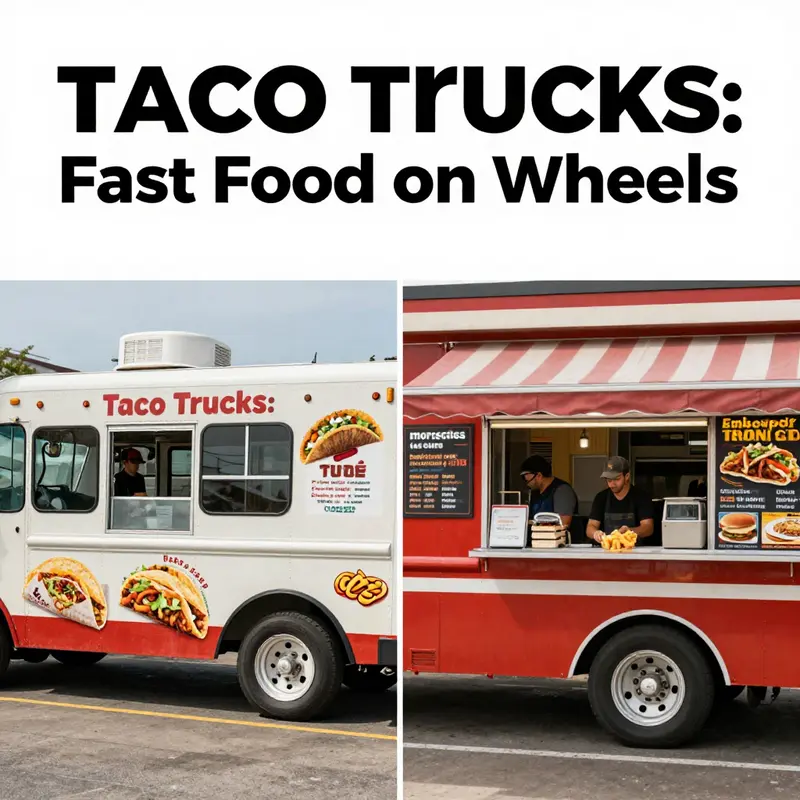
Taco trucks have quietly become one of the most communicative expressions of fast food in the modern urban landscape. They arrive where crowds spill from offices, stadiums, and transit hubs, offering a quick meal that feels both familiar and novel. This is not merely a matter of speed; it is an intentional redefinition of what fast food can be when mobility, affordability, and texture converge in a single wheeled operation. The core attributes of fast food, speed of service, predictable pricing, and a menu designed for rapid decision making, are all present in the taco truck experience. Yet the way those attributes are delivered, and the cultural resonance they take on, sets taco trucks apart from the traditional sit down chains and fixed location fast food outlets that have long dominated the landscape. In this sense, they act as a mobile counterpoint to the conventional model, proving that speed and soul can travel together without being compromised by either.\n\nFrom the outside, the taco truck embodies efficiency. The kitchen is compact, the service counter is readily accessible, and the menu is pared to essentials that translate to quick assembly and shorter wait times. On a practical level, this translates into lower fixed costs. A brick and mortar restaurant carries a heavy burden of rent, utilities, and depreciation, whereas a well run taco truck navigates with relatively lean overhead. The result is a pricing dynamic that often makes their meals both affordable and competitive with traditional fast food options. In dense urban environments, this is not merely a theoretical advantage; it is a tangible benefit that helps a vehicle sized business punch above its weight in a crowded market. The mobility further compounds the advantage. A truck can reposition itself to chase foot traffic, participate in street fairs, or cluster around large events, thereby expanding reach without the geographic constraints that house bound restaurants contend with. The same mobility that makes the model nimble also makes the menu a living, adaptable entity.\n\nThe origins of many taco trucks lie in a narrative of family effort and weekend experimentation. Vendors would begin as small, personal ventures that offered a few beloved recipes in familiar neighborhoods. Over time, these stands migrated to the street, evolving into vibrant community hubs where food and conversation mingle. This lineage contributes to the flavor profile and the service ethos of mobile vendors: a direct connection to roots, a willingness to adjust the recipe based on what customers crave, and a sense of place that is grounded in neighborhood identity rather than corporate branding. When customers approach a truck, they are often greeted not by a scripted, anonymous process but by a brief, personal exchange that includes a story about ingredients, heritage, and technique. This intimacy, born from the lack of a fixed counter and the face to face exchange with the cook, gives the meal a dimension of authenticity that many fast food chains labor to replicate yet seldom achieve. The result is that what some might dismiss as casual street fare often feels more culturally expressive than a number on a menu board.\n\nMobility also unlocks a continuous cycle of experimentation and reinvention. Without the shackles of a brick and mortar storefront, operators can rotate menus, spotlight seasonal ingredients, and test new combinations in real time. A city with a diverse population can thus be treated as a running laboratory for flavor, where a taco might feature a regional spice profile one week and a different regional influence the next, reflecting the evolving tastes of the neighborhood. This flexibility stands in contrast to the traditional fast food model, where centralized production feeds a broad, uniform menu that changes only with corporate calendars and quarterly product rollouts. The result is a dining experience that feels current, relevant, and responsive to the moment. In practice, this means customers can expect a fast food experience that does not sacrifice the thrill of discovery, the immediate pleasure of tasting something both familiar and newly expressive, crafted by someone who remembers the original intention behind the recipe while embracing a modern twist.\n\nBeyond the kitchen and the counter, the customer experience aboard a taco truck reimagines what it means to eat on the move. The interaction space is often informal and communal, with the vendor explaining the origins of ingredients, answering questions about preparation, and offering a glimpse into the cooking process. The atmosphere tends to be festive, marked by the sounds of sizzling grills, the aroma of spices blending with street air, and the visual cue of a team operating in tandem under a compact canopy. This setting invites a different kind of engagement than the sterile efficiency of many traditional fast food venues. It encourages diners to linger for a moment longer, even if the meal itself is quick. The social dimension matters here: food becomes a shared experience rather than a transaction. In this light, taco trucks function as cultural ambassadors, translating regional cuisine into portable, accessible forms that can travel across neighborhoods and invite new audiences to discover flavors they might not otherwise encounter in a conventional fast food context.\n\nThe contrast with traditional fast food chains is instructive. Chains have built their strength on standardized production lines, centralized kitchens, and broad geographic footprints. They promise predictability: the same product, the same price, the same experience, no matter where a customer happens to be. This scale can be comforting to many diners, offering reliability at the cost of variety and authenticity. Taco trucks flip that equation. They depend on local supply networks, seasonal availability, and the personal touch of a cook who can describe the sourcing and technique behind each dish. The effect is a form of culinary localization that is simultaneously more intimate and more diverse, despite the quick service model. The speed remains critical, but speed is no longer the sole measure of value. Customers weigh a combination of speed, flavor, cultural resonance, and the feeling that their food is produced with care and attention by someone who knows the neighborhood intimately. In this sense, the fast food label for taco trucks is not diminished but enriched, signaling a dynamic, evolving, and human centered approach to mass meal consumption.\n\nFor the operator, the practical considerations of running a mobile food business reinforce the fast food alignment in meaningful ways. The equipment, though compact, is purpose built for efficiency, with grills, refrigeration, and serving counters arranged for swift turnover. The design of mobile units emphasizes durability and mobility, enabling quick setup and teardown between locations. The financial model reflects a lean operating environment: lower fixed costs, flexible location strategies, and a pricing strategy that responds to local competition and customer willingness to pay for authenticity and convenience. Even as the practice emphasizes freshness and regional flavors, it remains anchored in the fundamentals of fast service and consistent value. The unit itself becomes a portable kitchen, a small factory on wheels capable of delivering a meal that can satisfy hunger on the go without requiring a sit down meal experience.\n\nAs this trend continues to unfold, the interplay between mobility and flavor will likely shape how people think about fast food in urban ecosystems. The model invites policymakers and communities to consider how street level culinary entrepreneurship contributes to local economies, not merely as a source of convenience but as a driver of cultural exchange and neighborhood vitality. It also challenges the notion that fast food is inherently impersonal or commodified, suggesting instead that speed and personalization can coexist in a way that honors craft, provenance, and community storytelling. For readers interested in the practical dimensions of launching and sustaining a mobile operation, the path is illuminated by a blend of hands on experience and careful planning. Guidance on choosing effective frameworks, equipment, and market positioning can be found in resources aimed at helping aspiring operators navigate the realities of the mobile food world. For readers curious about how to structure a thriving mobile venture, see Top food truck models for success.\n\nIn sum, taco trucks occupy a distinctive niche within the fast food spectrum. They combine the immediacy and affordability that define fast food with a dynamic, place aware approach to dining that emphasizes flavor, authenticity, and community connection. Mobility is not merely a logistical feature; it is a strategic asset that reshapes how food is produced, sold, and enjoyed. As cities continue to grow and diversify, the street level taco truck may well represent a durable, evolving model of fast food that resonates with contemporary expectations for speed, value, and meaningful culinary expression. The road ahead promises further experimentation and expansion as operators refine their craft, adapt to shifting demographics, and continue to bring traditional techniques to urban streets in ways that are both comforting and inventive. The content also points to external resources that offer additional context for those exploring the broader cultural and historical dimensions of this phenomenon, including reflective analyses of how taco trucks have become integrated into the fabric of places like Austin. For more on how these mobile eateries are shaping regional dining scenes, you can consult external discussions such as the overview of taco trucks in Austin at https://en.wikipedia.org/wiki/Tacotruck#Austin,Texas.
Wheels of Flavor in the City: Taco Trucks as Architects of Urban Fast Food and Culture
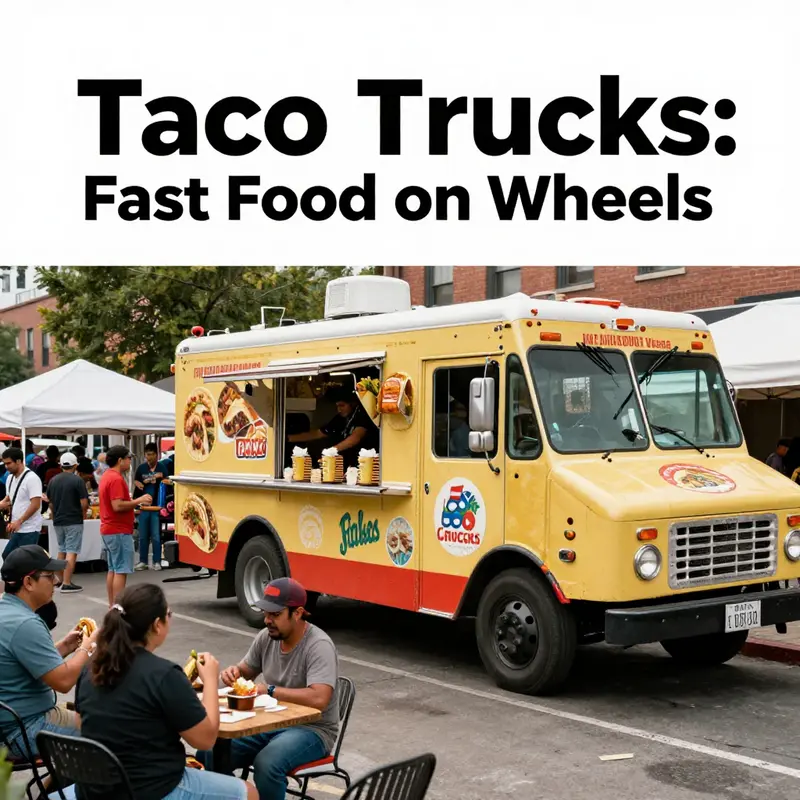
In the dense tapestry of the modern city, the hum of a grill and the bright flash of a serving window mark more than a place to eat. They signal a phenomenon that blends speed, accessibility, and cultural texture into a single urban experience. Taco trucks, with their wheels and portable stoves, perform a daily act of urban metabolism: they convert mobility into meals, scarcity into sustenance, and tradition into a widely shared ritual. The core idea of fast food rests on speed, affordability, and standardized options, and taco trucks have long embodied this triad while simultaneously resisting the clichés often associated with mass production. Their offerings—tacos, burritos, and a handful of Mexican-inspired staples—arrive quickly, cost less than many sit-down options, and provide a dependable, repeatable experience. This makes them fast in the truest sense: a reliable turnaround that feeds throngs on the move. And yet they carry something more intimate than the speed dial of a drive-through window: a portability that allows a city’s cultural signals to travel on the same route as a customer’s daily routine.
The roots of these mobile kitchens lie in immigrant communities who turned sidewalks, vacant lots, and street corners into scalable, low-cost enterprises. They are not new inventions but resilient adaptations. In growth phases across the United States, taco trucks have traveled from simple roadside stalls to dynamic, city-integrated fixtures. Consider how cities like San Francisco, Sacramento, and Columbus have woven these mobile eateries into their urban life: not merely as affordable food sources but as catalysts that invite people to linger, mingle, and encounter flavors that feel both familiar and novel. The mobile nature of these operations matters as much as the food itself. A truck can relocate to serve a new neighborhood, respond to a festival, or fill a temporary gap in supply, which keeps the city’s appetite in motion and reinforces the idea that fast food can still be responsive, local, and alive.
This mobility also reconfigures the physical spaces of urban life. Taco trucks arrive where brick-and-mortar options are scarce, where empty lots could host a temporary market, or where a street corner becomes a casual dining plaza for an evening. In the process, they challenge established norms of land use, zoning, and sidewalk entitlement. The conversation around where a food business can operate—how long, how often, and under what conditions—has become a living reflection of a city’s definition of access to commerce. The discourse spills into policy debates about curb space, licensing, and the equitable distribution of commercial real estate. The Taco Truck, a book that captures these processes, frames a larger narrative: street food is not a nuisance to urban planning but a form of cultural economy that asks policymakers to see sidewalks as viable, vibrant platforms for small-scale enterprise.
What makes taco trucks especially significant in this context is their entrepreneurial ethos. The startup costs for such ventures are often far lower than for brick-and-mortar restaurants, which means they are more accessible to immigrants and minority entrepreneurs who might face barriers to traditional storefronts. This accessibility helps diversify the city’s food culture, enabling a wider range of regional Mexican flavors to reach new audiences. Flavors that may call to mind Baja’s coastal grills, Oaxaca’s moles, or Sonoran street-style dogs begin to travel beyond their points of origin, carried by the mobility of the trucks and the curiosity of urban diners. The result is not a single “authentic” menu but a spectrum of regional expressions that reflect both the migrants who brought them and the cities that received them.
The business model of the taco truck also illustrates a blend of traditional food culture and modern service expectations. Trucks are equipped with efficient grilling stations, refrigeration, and compact serving counters—designed for rapid assembly and consistent output. They leverage digital tools to increase reach and reliability: card readers can speed transactions, and delivery apps broaden access to customers who may not pass by a truck at the street corner. This integration of technology does more than boost efficiency; it supports a hospitality ethos that resembles fast casual dining in its emphasis on predictable quality and friendly service. The tipping conventions, which have moved toward more formalized norms with suggested percentages appearing on digital screens, underscore how the experience is evolving. The street corner encounter now frequently resembles a short, efficient interaction with a familiar product, a kind of urban ritual that blends the spontaneity of street food with the expectations of a service industry that values courtesy and consistency.
Culturally, taco trucks serve as conveyors and interpreters of shared experience. They become spaces where diverse urban populations intersect, where a taco can be a bridge between language groups, generations, and culinary backgrounds. In this sense, the trucks do more than feed; they foster community cohesion. People gather around a truck not only to eat but to exchange stories, tips about the neighborhood, and recommendations for the next stop in a day’s culinary itinerary. The trucks turn the act of eating into a social practice, a small but meaningful horizontal of exchange that contributes to a city’s sense of identity. This is particularly visible in neighborhoods that welcome a variety of communities; the presence of taco trucks helps create a dynamic public sphere where cultural exchange happens as naturally as order in a queue.
The urban identity that emerges from this activity is multi-layered. On one level, the food itself is a menu of regional traditions, a portable anthology of Mexican street cuisine. On another level, the trucks become urban landmarks, markers of mobility, resilience, and entrepreneurship. They demonstrate how a city can balance speed and authenticity by allowing a portable form of dining that preserves craft while expanding access. This is not simply fast food in a new wrapper; it is a form of urban practice that invites residents to participate in a shifting landscape of commerce and culture. The fast-food frame remains accurate for speed and price, yet the cultural implications extend beyond a quick bite. They are about urban vitality—how a city organizes space, supports small-scale enterprise, and values cultural expression as a collective asset.
A key dimension of this evolution is how it intersects with policy and planning. The presence of taco trucks invites questions about sidewalk usage, licensing regimes, and how cities can ensure that commercial activity is safe, accessible, and fair. The debates can be heated, but they also reveal a city’s willingness to test new models of neighborhood vitality. In practice, many trucks contribute to a broader ecosystem of small vendors that together amplify the city’s culinary voice. This ecosystem often includes a spectrum of businesses—from micro-operations on corners to larger mobile fleets—creating a resilient layer of economic activity that can adapt to changing urban rhythms and demographics. The result is a city that recognizes street food as a legitimate, even necessary, component of its food landscape.
Within this landscape, the role of technology and evolving service norms becomes clear. The modern taco truck blends the craft of traditional street cooking with the efficiency of digital tools. The adoption of card payments, online menus, and location-based tracking enhances reliability and convenience for customers who rely on predictability in a crowded urban food scene. The tipping culture, once less formal in many street-food contexts, has shifted toward standardized expectations, signaling a broader professionalization of a sector that thrives on repeat visits and consistent quality. This is not about erasing authenticity; it is about supporting a sustainable model in which small operators can compete, reinvest, and expand within a regulated urban framework.
The urban story of taco trucks continues to unfold through specific city experiments and grassroots successes. Their capacity to transform underutilized space into bustling food hubs challenges the assumption that fast food must be uniform, soulless, or disconnected from place. Instead, these trucks show that speed and locality can coexist, that a city can offer quick meals without sacrificing cultural nuance or community connection. The relationship between diners and trucks is iterative: customers influence menus through demand and feedback, while operators refine operations to maintain speed without sacrificing flavor or service. In this mutual exchange, the city’s public spaces become laboratories for culinary innovation and social inclusion. The role of these trucks in urban food culture then is not simply a matter of fast service but a broader commentary on how cities can cultivate accessible, diverse, and meaningful dining experiences for residents and visitors alike.
For readers seeking a concise portal into the trend of culinary experimentation embedded in mobile food, the exploration of food-truck fusions—a culinary revolution is well worth a look as a reflection of how mobility and flavor intersect in contemporary urban life. food-truck-fusions-a-culinary-revolution.
As these dynamics continue to reshape the urban fabric, the fast-food label remains a useful shorthand, but it is only a starting point. The real story is about how a city negotiates space, opportunity, and culture in a way that makes street-level dining both rapid and resonant. Taco trucks remind us that speed does not preclude care, that efficiency can coexist with authenticity, and that street cuisine can grow into a durable, inclusive layer of a city’s identity. The evolving etiquette, the growing sophistication of operations, and the expanding scope of flavors together chart a path where fast food becomes a conduit for cultural exchange, economic resilience, and urban belonging. For a deeper, more literary treatment of how these mobile kitchens reframe the American city, see the bibliographic exploration of the Taco Truck in the referenced work at https://www.penguinrandomhouse.com/books/687943/the-taco-truck-by-alex-lemon/.
Mobility, Market, and Meals: The Economic Engine of Taco Trucks in the Fast-Food Landscape
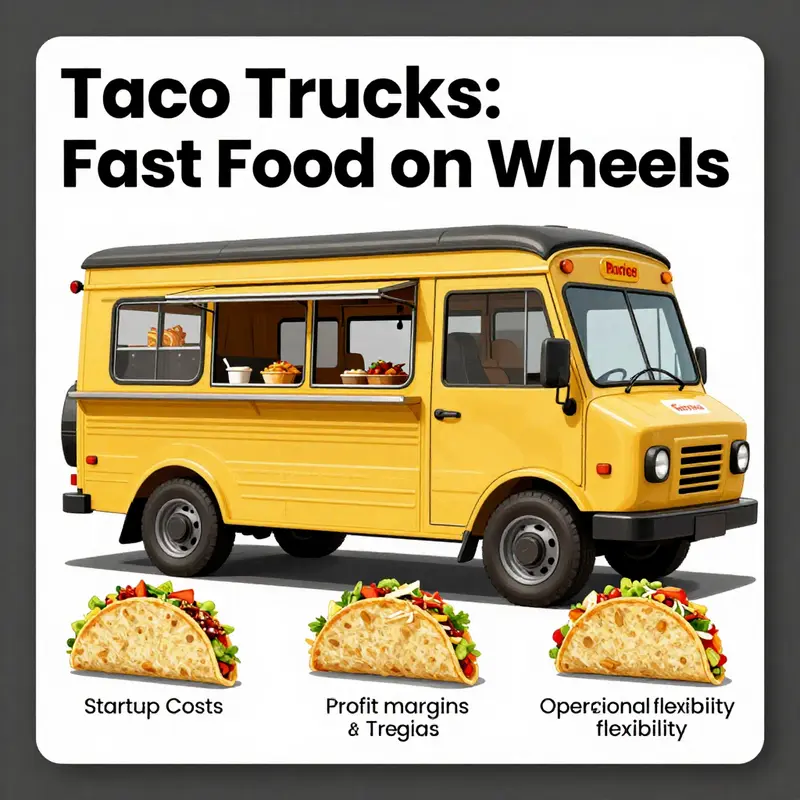
Taco trucks occupy a curious and increasingly influential niche in the fast-food world. They deliver on three core attributes that define fast food—speed of service, affordability, and standardized menu items—while layering in mobility and cultural authenticity. The result is not merely a culinary convenience but a business model that aligns with how people move through cities, when they eat, and what they expect from quick-service meals. In urban centers where rush hours throttle people’s time and wallets, taco trucks present a compelling answer to the question of how fast food can stay accessible without surrendering quality or variety. A 2018 article in a major Midwestern daily framed taco trucks as a “fresh, cheap fast-food alternative,” a characterization that still resonates as cities at scale, including those in the southern and western United States, continue to navigate growing demand and changing mobility patterns. By 2026, the tacit agreement between speed, price, and portability remains a defining feature of these vendors, whose mobile units travel with the rhythm of daily life rather than waiting for customers to find them. This is not merely a trend; it is a replicable economic model that leverages location, timing, and scale to convert foot traffic into immediate revenue while keeping overhead lean enough to protect margins.
Behind the apparent simplicity of a taco on a warm tortilla lies a suite of cost structures that explain why taco trucks can price aggressively without sacrificing profitability. The most conspicuous advantage is the absence of a fixed brick-and-mortar footprint. Rent, utilities, and long-term leases in high-traffic neighborhoods can swallow profit margins in traditional eateries, but a mobile unit shifts the dependent variables. The capital outlay for a DOT-certified mobile food trailer or cart is often far lower than the cost of a conventional storefront, and the operating costs follow a similar arc. Modern mobile setups include compact grills, refrigeration, and serving counters engineered for quick turnover and simple cleaning, all designed to minimize downtime between customers. In practical terms, the economics tend to favor high-volume, low-margin sales that rely on repetition and speed. The price points in play—from modestly priced staples to slightly more premium offerings—are calibrated to support a steady flow of customers rather than a few high-spend meals. In this framework, the entrepreneur can sustain a living through volume rather than novelty, which helps explain the proliferation of taco trucks in dense, transit-rich corridors where people work, commute, or congregate during meals.
Mobility itself compounds the economic logic. The ability to relocate in response to demand reduces inventory risk and expands the calendar of peak opportunities. When one location thins out, another can surge, and the operator can chase chatter in real time—moving from a corporate campus to a busy transit hub, from a sidewalk near a stadium after a game to a district where lunchtime crowds cluster. This fluidity lowers the overhead of extending hours in a fixed location and enables rapid experimentation with menus and pricing, a practice that is increasingly common in the broader fast-food ecosystem. The cost structure is further softened by lean staffing, where a small crew can operate efficiently on a rotating schedule, keeping labor costs predictable and aligned with sales velocity. In effect, mobility translates into a dynamic, demand-responsive system that can scale up or down with relative ease, a feature that fixed-location competitors rarely achieve with the same agility.
A practical corollary of this mobility is the ability to align with the cycles of city life. Urban diners are not a monolith; their eating windows shift with work schedules, public transit patterns, and even traffic congestion. When streets clog and windows close on quick-service options that require a sit-down experience, the alley or curbside window of a taco truck becomes a fast and convenient alternative. The research underlining this dynamic points to a broader pattern: during congestion and peak commute times, people gravitate toward options that minimize time spent queuing and parking, rather than those that offer the strongest emphasis on health or gourmet experiences. The relevance of this insight is not merely academic; it informs location strategy, seed capital, and the day-to-day tactics that keep a taco truck profitable in crowded cities. In short, the market rewards those who can translate speed and proximity into consistent, predictable experiences for customers who value time as a currency.
This is where the industry’s broader social-ecological implications take hold. Taco trucks often serve neighborhoods that are underserved by traditional sit-down restaurants, contributing to a more inclusive food economy. Their presence can help alleviate access gaps by providing affordable, ready-to-eat meals where options were scarce. In contrasting regions—urban cores against emerging suburban nodes—the trucks’ mobility makes them adaptable to shifting demographics and changing appetites. The economic resilience of these operations is further reinforced by their capacity to respond quickly to trends, whether a new flavor profile, a dietary preference, or a seasonal crunch that invites a limited-time offering. The ability to pivot without immobilizing capital or labor enables operators to test concepts rapidly, learn from customer feedback, and refine operations with a level of speed that is often impractical for fixed-location venues.
From a sourcing perspective, the decision matrix for taco-truck operators extends beyond price alone. A sound procurement strategy weighs technical capacity, reliability, and post-sale support as essential components of long-term success. A well-structured approach helps ensure consistent quality across multiple events and locations, smooth supply chains, and the scalability required to support expansion, franchises, or broader distribution. In practice, this means evaluating the durability of equipment, the ease of maintenance, and the availability of parts and service technicians who can respond quickly to issues that could disrupt service during peak periods. The practical weight of these considerations becomes especially clear when one understands that every stall, every block, and every curbside pull becomes a potential revenue point, making reliability non-negotiable. The lesson is straightforward: price alone cannot determine the most effective supplier relationship; compatibility with operational tempo, serviceability, and ongoing support are equally crucial for maintaining a competitive edge over time.
The economic appeal of taco trucks also intersects with broader market realities, including labor markets and regulatory environments. The lean cost structure means an operator can weather fluctuations in wage costs more readily than a fixed, labor-intensive concept. This resilience is particularly meaningful in urban labor markets that swing with minimum wage debates, benefits expectations, and regulatory changes related to food safety and mobile vending. A well-run taco truck program comes with a compliance discipline that prevents costly penalties and downtime, ensuring that the enterprise remains nimble even as local rules evolve. In this sense, the economic vitality of taco trucks emerges not merely from immediate sales but from the long arc of smart capital deployment, disciplined operations, and a willingness to adapt to the city’s pulse.
All of this underscores why taco trucks have become a resilient and dynamic part of the fast-food economy. They fuse cultural authenticity with brisk, business-friendly mechanics that reward speed, proximity, and price discipline. This blend does not imply a simplistic convergence of tradition and efficiency; rather, it reveals a sophisticated marketplace where mobility serves as a strategic asset. Operators who embrace location-aware tactics, invest in reliable equipment, and cultivate a flexible workforce can build a robust footprint in crowded urban environments. Even with this clear logic, new entrants must navigate a landscape that rewards not just the best taco but the best timing: finding the right spot, aligning with peak hours, and ensuring that every interaction with the customer reinforces a seamless, dependable experience. For those drawn to the space, a practical starting point is to explore the operational choices and strategic considerations involved in selecting the right mobile platform. For more on how to approach this decision, see the guidance at Choosing the right food truck.
As the narrative of fast food continues to unfold, the taco truck model offers a compelling reminder that speed, price, and mobility can cohere into a powerful business proposition. It is not solely about serving a quick bite; it is about delivering a reliable, culturally resonant experience that can move with the city itself. In the long arc of the food economy, mobility becomes a form of market intelligence—an edge that allows operators to listen to street-level demand, adapt recipes and formats, and orchestrate supply chains with a level of responsiveness that fixed establishments often struggle to match. The result is a food-culture economy where the street corner is not a marginal outpost but a legitimate economic engine. The ongoing evolution of this model will likely hinge on sharper logistics, smarter risk management, and a continued willingness to embrace the complexity of urban life, all while keeping the meals approachable, affordable, and fast.
External reading that helps illuminate related behavioral dynamics notes that traffic congestion can influence dietary choices in meaningful ways. This line of inquiry, explored in recent research, suggests that when time is scarce, consumers gravitate toward options that minimize wait times and maximize convenience, a pattern that again reinforces the appeal of mobile fast-food solutions like taco trucks. To delve deeper into these dynamics, researchers point to studies such as the one published in ScienceDirect detailing how congestion shapes unhealthy eating choices, which provides a broader context for understanding the market environment in which taco trucks operate (external resource).
null
null
Final thoughts
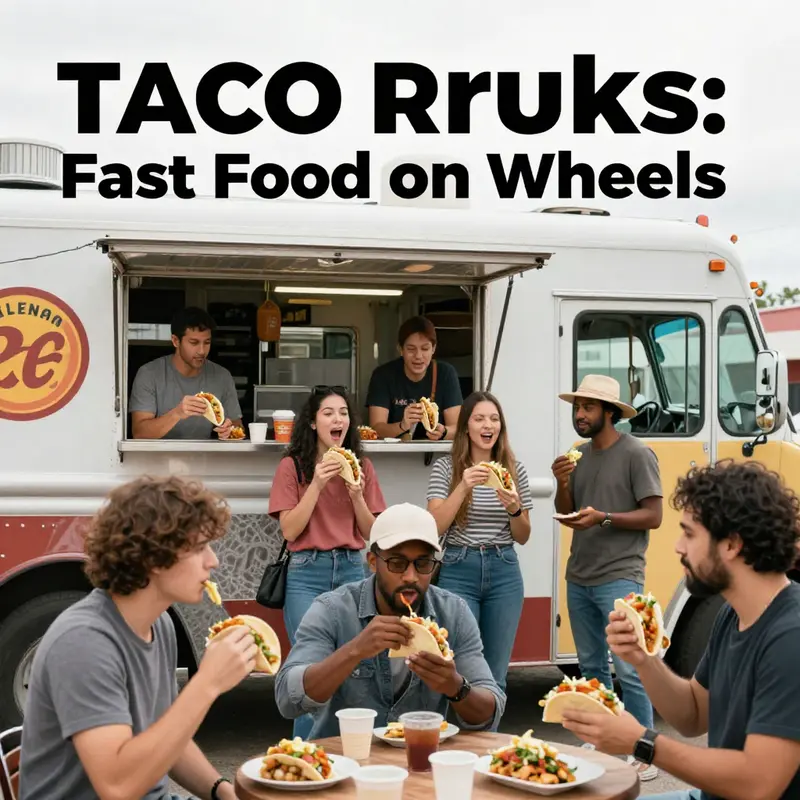
In the flavorful symphony of fast food, taco trucks play a pivotal role by delivering quick and authentic Mexican cuisine to passionate food lovers everywhere. While they embody the core elements of fast food—speed, affordability, and accessibility—they also celebrate the rich traditions of their cultural heritage. As consumer preferences continue to evolve, taco trucks are well-positioned to thrive in the culinary landscape, offering memorable meals on-the-go. Whether you’re a taco enthusiast, a budding entrepreneur, or simply curious about the fast food scene, taco trucks serve as a delicious reminder that great food can be found just around the corner.