
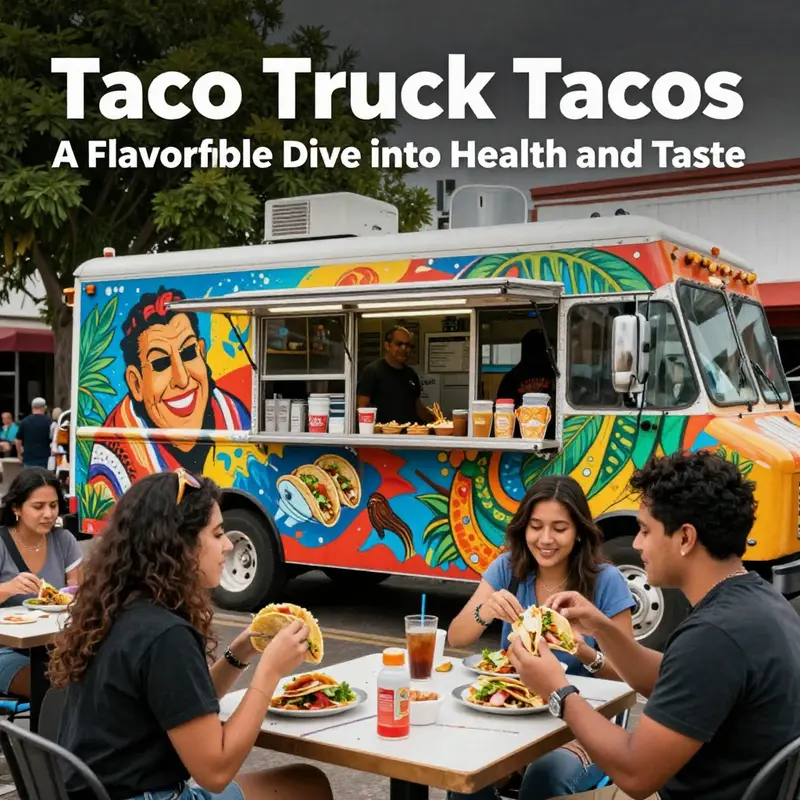
Taco truck tacos are a beloved culinary treat, delighting food lovers and enthusiasts alike. But are they healthy? This exploration into taco truck tacos will unearth the nuances of nutrition inherent in this popular street food. We will navigate the nutritional analysis, ingredient quality, and preparation methods to evaluate their health implications. Moreover, for taco fans seeking healthier options, insightful tips will be provided to ensure your taco indulgence remains as nutritious as it is tasty. Buckle up and get ready for a flavorful journey exploring the tasty realm of taco truck tacos!
Beyond the Sizzle: Unpacking the Health Reality of Taco Truck Tacos
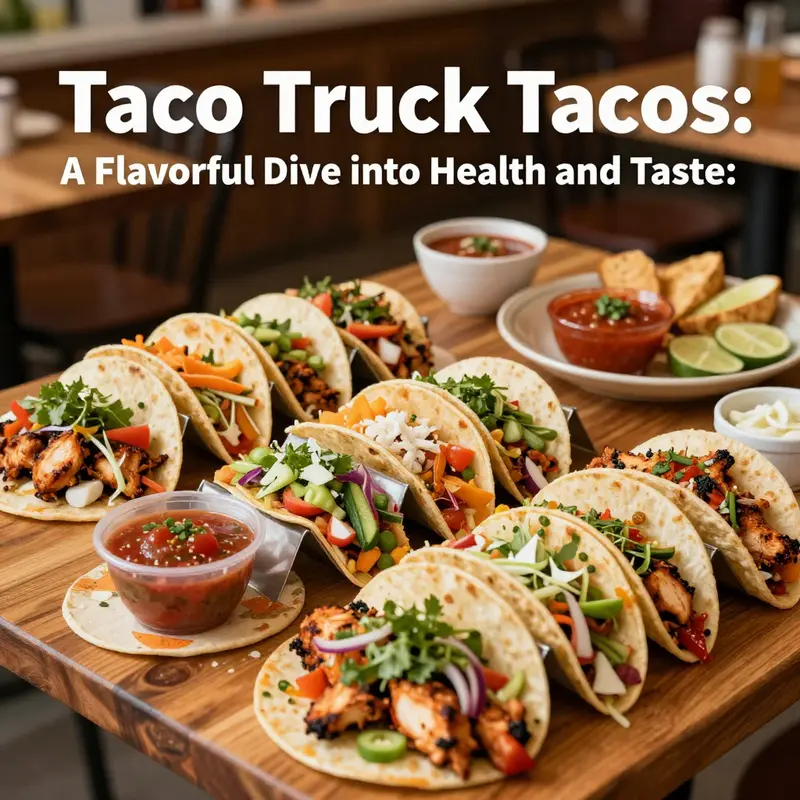
Taco trucks bring more than meals; they deliver culture, speed, and a flavor-forward promise that can fit into many lifestyles. Yet when health is the aim, the question becomes more nuanced than simply labeling street food as either good or bad. The healthfulness of taco truck tacos hinges on a careful mix of ingredients, preparation methods, portion sizes, and how those elements pair with a person’s overall eating pattern. In practice, several paths exist to make these affordable, convenient bites align with wellness goals, but recognizing where the nutrition ticks up and where it stays lean requires looking beyond the surface of a sizzling skillet and a warm tortilla.
A useful starting point is to acknowledge the variability that defines taco trucks. Some wheels turn with fried shells, heavy sauces, and fatty meats; others showcase grilled or roasted proteins, vegetables, and lighter toppings. The range is wide enough that generalizations about “tacos” as a category can be misleading. Instead, health assessments should focus on the building blocks: the tortilla, the protein, the toppings, and the sauces, along with the portion size of each taco. A quick rule of thumb is to treat each component as a lever you can adjust to improve the meal’s nutritional profile. Soft tortillas—especially corn rather than flour—tend to offer less refined carbohydrates and a sturdier foundation for a nutrient-dense filling. Lean proteins, when available, support satiety without tipping calories and saturated fat upward. Abundant vegetables add fiber, micronutrients, and volume, which helps you feel satisfied on fewer calories. Light or homemade salsas provide brightness without the heaviness of cream-based sauces or cheese-rich toppings.
The general nutritional landscape for a typical taco underscores why the topic invites nuance. A standard taco commonly falls in the 300–500 calorie range, depending on size and fillings. Carbohydrate-dominant options can push the total higher if tortillas are thick, large, or saturated with starchy fillings. The protein source matters a lot here: grilled or shredded lean proteins tend to be lower in saturated fat than fried proteins or processed meats, which can dramatically increase the fat and overall energy density of the meal. But even with lean fillings, a couple of extra toppings can quickly tilt the balance. Cheese, sour cream, and heavy sauces contribute substantial fat and sodium. A snappy, fresh salsa can keep flavor high with fewer calories, whereas a creamy, cheese-laden topping can add both calories and sodium without delivering proportionate protein or fiber.
A concrete illustration from the research materials helps anchor these ideas. The Food Truck Favorites Taco Pack, described as a three-serving dry-mix product, shows that some taco formats can be designed for a higher-protein, relatively lower-calorie base. This dry mix is listed at 60 calories per serving, with a macronutrient split that favors protein: carbohydrates around 33%, fat about 15%, and protein roughly 52%. The takeaway here is not that a dry mix alone represents a health jackpot, but that the framework exists for building tacos that are leaner and more protein-forward. It underscores the principle that when you start with a lean, well-portioned base, you have room to add toppings without an automatic surge in calories. The caveat remains clear: once meat, cheese, and other richer toppings fuse with that base, the overall nourishment profile shifts upward. In other words, the geometry of the plate matters as much as the ingredients themselves. A single taco might glide toward a healthier edge if the base is lean and the toppings are vegetables, but the moment you pile on high-fat sauces and multiple protein components, you edge back into higher-calorie territory.
This nuanced view aligns with practical, everyday choices at taco trucks. If health is the guiding criterion, the aim should be to maximize the nutrient density per bite. That translates to prioritizing tortillas that are not overly thick or refined, selecting fillings that lean toward grilled or steamed proteins rather than fried or heavily processed meats, and embracing vegetables that bring fiber, vitamins, and minerals to the table. It also means reimagining sauces and toppings as flavor enhancers rather than calorie-dense vehicles for fat. A modest amount of cheese or a dollop of sour cream can be acceptable if it’s balanced by generous vegetables, a lean protein source, and a portion size that fits within daily energy needs. In practice, this means ordering with intention: ask for grilled or roasted fillings, request minimal or light cheese, opt for fresh salsa or pico de gallo over sour cream-based sauces, and remember that one or two tacos can be a satisfying meal if they’re constructed with those healthier anchors.
From a dietary-systems perspective, this approach also respects energy balance and nutrient sufficiency across a day. A few well-chosen tacos can contribute meaningful protein and fiber when paired with other meals that supply fruits, vegetables, whole grains, and healthy fats. The sodium picture remains a critical consideration, though. Street foods frequently carry higher sodium levels due to seasoning, sauces, and condiments. Those loads are not a show-stopper for everyone, but they matter for individuals monitoring blood pressure, fluid balance, or those who eat out frequently. The practical implication is straightforward: when you order, feel empowered to ask about sodium levels, request lighter sauces, and keep an eye on portion sizes. The goal is not deprivation but a sustainable pattern—treating taco truck meals as an occasional option within a broader, balanced diet.
When navigating the menu, the cognitive load can feel heavier than the week’s grocery list. Yet certain questions can simplify decisions and keep health goals in sight. Is the tortilla soft or fried? Is the protein grilled, roasted, or fried? What is loaded on top—the bright, crunchy vegetables and salsa, or heavy cheese and creamy dressings? How large is the portion, and how does it fit into today’s meals? These questions aren’t merely academic. They translate directly into the plate’s energy and nutrient density. A truck that offers grilled chicken or fish, an abundance of lettuce, tomatoes, onions, cilantro, and avocado, and a salsa-based topping is delivering a meal that can align with a wellness-focused pattern. Even if the truck does not advertise a “healthy” option per se, the choice to favor lean protein, fresh veg, and modest calories transforms the experience into a nutritionally sound one.
In exploring the data landscape, it’s worth noting that nutrition databases, including the USDA’s FoodData Central, provide insight into how individual ingredients contribute to the whole. While a single taco’s nutrition can fluctuate by filling and method, the broader message is clear: precise numbers matter, and being mindful of the building blocks yields more control over the final meal than relying on the label “taco” alone. For those who want to dive deeper into the numbers, the USDA resource offers extensive nutritional data for various taco components, including mixes and fillings. This resource helps connect menu choices to tangible dietary outcomes, which is especially valuable for readers who want to translate a street-food experience into a deliberate health decision rather than a vague impression of “somewhat healthy.”
To make these principles actionable in the real world, a few practical guidelines emerge. First, tortilla selection matters. Soft corn tortillas typically deliver fewer refined carbohydrates and offer a sturdier, more authentic base for varied fillings. Second, protein choices count. Lean grilled or roasted proteins—whether poultry, seafood, or plant-based options—tave a meaningful advantage over fried or processed options. Third, vegetables should star in the lineup. A generous salad of greens, tomatoes, onions, cilantro, and avocado not only adds texture and freshness but also boosts fiber and micronutrients while diluting calorie density. Fourth, sauces and toppings deserve scrutiny. Favor lighter, tomato-based salsas over cream-based sauces and spiced cheeses. Fifth, portion control should guide every decision. A couple of well-composed tacos can be enough for a meal, especially when accompanied by a side of beans or a small salad rather than a heavy, sauce-laden accompaniment. Finally, pay attention to the vendor’s transparency. When possible, ask about ingredients and preparation methods; a straightforward answer—grilled rather than fried, fresh vegetables rather than canned, modest cheese rather than excess—can be a reliable signal of a healthier option.
As readers consider these guidelines, another dimension becomes relevant: the broader food-truck ecosystem in which these decisions occur. The social and economic realities of street food influence what is offered and how it’s prepared. A truck motivated by efficiency and scale may default to faster, higher-margin components, but a conscious consumer can still steer choices toward healthier configurations. The dynamic between vendor and customer matters; clear communication about dietary preferences and a willingness to customize can shift a meal from a standard street food experience to a more intentional, health-supportive option. In short, the health potential of taco truck tacos is not fixed; it’s co-created by the eater and the cook in the moment of service.
For readers who want a quick cue to take action, consider a simple ordering framework: choose a soft corn tortilla, select a grilled or roasted protein, pile on the vegetables, drizzle with a salsa rather than a cream-based sauce, and keep toppings modest. If you are managing a daily routine that includes frequent street meals, you can adopt a habit of pairing your taco choice with a side that adds fiber and keeps you full longer—perhaps a small bean-based dish or a side salad with tomatoes, cucumbers, and a light vinaigrette. This approach improves satiety and nutrient balance, reducing the likelihood of overeating later in the day.
For readers who want a direct, ongoing connection to practical tips and menu-navigation strategies, the Fire Up Taco Truck blog offers a space where real-world concerns—like menu interpretation, portion expectations, and price considerations—are discussed in a way that honors both flavor and health. You can explore more at fireduptacotruck.com/blog/.
Finally, when we broaden the lens to the nutrition science behind these choices, the overall message remains steady: taco truck tacos can absolutely be part of a healthy diet if you are mindful about ingredients, preparation, and portions. This means prioritizing lean proteins, fresh vegetables, and mindful toppings, while being attentive to sodium and calorie density. It means recognizing that a single taco is rarely the sole determinant of health, but a pattern of choices across meals determines outcomes. If you approach each taco with the same critical eye you might bring to any other meal—checking what’s inside, how it’s prepared, and how it fits into your day—the street-taco experience can be both enjoyable and nourishing.
For readers seeking further nutrition data to inform decisions, you can consult the USDA’s FoodData Central resource, which provides detailed nutrient information for various taco ingredients. This external resource offers a rigorous complement to the practical guidelines discussed here: https://fdc.nal.usda.gov/fdc-app.html#/food-details/170488/nutrients. By combining practical, experience-based tips with robust nutritional data, you can navigate the taco truck landscape with greater confidence and establish a healthier, sustainable approach to enjoying street-food flavors.
Quality on the Move: How Ingredient Standards Shape Health in Taco Truck Tacos
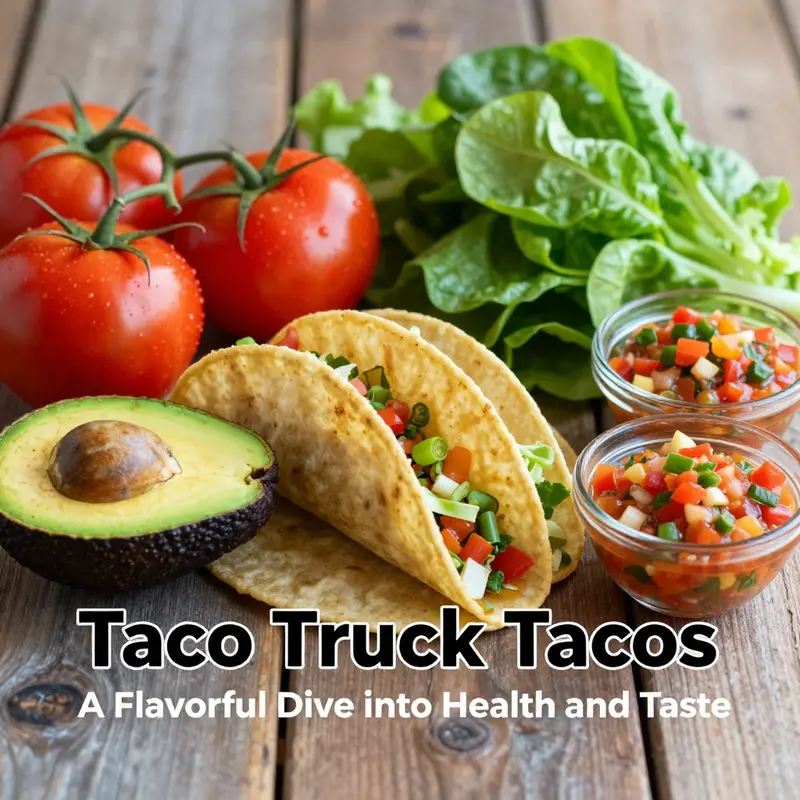
The aroma seems almost portable, riding on wings of steam and sizzling fat as a taco truck rolls through a crowded street. Yet behind that inviting sizzle lies a practical question many diners ask, especially those pursuing a healthier, more balanced way of eating: are taco truck tacos truly healthy? The answer is nuanced, and the health implications hinge less on the badge of the truck and more on the quality of the ingredients and the method by which they are prepared. In this mobile world of nourishment, ingredient quality acts as the main translator between flavor and wellness. It is the decisive variable that can tilt a meal toward nourishment or toward excess. A taco can be a compact bundle of protein, fiber, and vegetables, or a calorie-dense, sodium-laden indulgence, depending on the choices the cook makes and the choices a diner makes in return. The bridge between street-food charm and healthful dining stands on a few critical decisions—the kind that begin with how ingredients are sourced, how they are processed, and how they are combined on the plate.
To understand why these decisions matter, it helps to zoom in on a broad but essential category: ultra-processed foods, or UPFs, a term that has gained traction as researchers try to capture the cumulative impact of foods altered far beyond their natural state. In many modern taco trucks, UPFs appear in two forms. First, there are the seasoned, pre-mixed blends used to quickly conjure familiar taco flavors. These blends often carry higher sodium levels and sugar, and their flavor boosters can mask the true taste of the ingredients beneath. Second, there are the non-meat proteins designed to mimic meat’s texture, which are frequently processed to achieve a satisfying bite. While these items deliver convenience and reliability for busy kitchens, they also carry a risk: when UPFs become a large share of daily intake, the odds of excess caloric intake, high sodium exposure, and imbalanced macro- and micronutrient profiles rise. The NOVA framework, used in dietary research to classify foods by level of processing, consistently links higher UPF consumption with health risks, including a greater tendency toward obesity and related conditions. The practical implication for taco truck menus is not that all processed elements are villainous, but that a greater proportion of whole, minimally processed ingredients tends to support healthier outcomes.
At the core of most taco shop menus lie a few staple ingredient groups: the proteins that fill the tortillas, the seasonings that define the dish, and the vegetables that buoy the meal with freshness and fiber. The core seasoning blends—often built around chili powder, cumin, garlic and onion powders, salt, and a splash of sugar—are not inherently unhealthy in small amounts. They provide flavor without adding calories in the same way fats can. But in practice, when these blends are used liberally or when they rely on pre-made mixes that concentrate sodium, the cumulative effect can be a noticeable increase in sodium intake. Sodium is a major concern because it is a well-established risk factor for hypertension and cardiovascular disease. The problem intensifies if the meat choice is high in saturated fat, such as certain ground beef preparations or heavily processed meats like chorizo sausages, which paradoxically deliver bold flavor with a heavier fat load. The combination of high-sodium seasoning and fatty meat is a common pattern in portable dining, where taste drives repeat purchases and the quick sear adds maximum aroma and texture in a compact time frame.
Yet these same trucks have shown a keen capacity to adapt toward healthier patterns without sacrificing the signature street-food experience. Community awareness, customer feedback, and culinary experimentation have encouraged a shift toward leaner proteins, clever cooking methods, and brighter, fresher toppings. A taco built with grilled or roasted lean proteins—such as chicken, fish, or even plant-based beans—paired with corn tortillas or whole-grain options, and crowned with vibrant fresh pico de gallo, sliced avocado, and a generous heap of crunchy lettuce and diced onions, can balance protein, fiber, and healthy fats while still delivering the satisfying mouthfeel and zing of traditional recipes. The switch toward grilling or roasting rather than frying reduces added fats and calories. When tortillas are chosen with care—corn tortillas offering a lighter carbohydrate load or whole-grain varieties providing more fiber—the meal becomes more aligned with balanced dietary goals. And the topping bar becomes a crucial ally: fresh vegetables bring volume and nutrients with relatively few calories, while light salsas and homemade sauces can deliver brightness without overwhelming the dish with saturated fats or heavy cream.
The healthfulness of a taco, in other words, hinges on how the components are assembled. A lean protein grilled to seal in moisture, a tortilla that preserves a reasonable carbohydrate profile, and a cascade of fresh vegetables that add fiber, vitamins, and mineral content create a plate that not only delights the palate but also supports a more balanced energy intake. In contrast, the frequent layering of fried components, fatty meats, and creamy, cheese-laden sauces can elevate calories, saturated fat, and sodium to levels that undermine the modest nutrition gained from the vegetables and protein. The good news is that the mobility and flexibility of food trucks work in favor of healthier options. Because many operators depend on daily or near-daily ingredient deliveries, chefs can shift menus in response to market availability, seasonal produce, and customer preference for lighter, more wholesome profiles. In practice, this means that you are more likely to encounter a taco truck that offers grilled chicken or fish, beans, and fresh toppings than a menu that relies exclusively on fried shells and richly seasoned, fatty meats.
An essential dimension of ingredient quality is how the kitchen negotiates the balance between speed and freshness. In busy service windows, cooks must make quick decisions about which components to prepare in advance and which to assemble on the spot. Pre-washing vegetables and pre-cut toppings can preserve freshness and reduce dispersion of flavors by letting the cook complement elements as the line moves. However, this efficiency should not come at the expense of quality. Fresh pico de gallo, avocados that are ripe but not mushy, and crisp lettuce contribute to a dish that feels light and vibrant rather than heavy. The choice of tortillas matters as well: many diners overlook the differences between corn and wheat tortillas in terms of carbohydrate load and fiber. Even within corn tortillas, there can be meaningful variation in whole-grain content, nixtamalization traditions, and fortification with additional nutrients. A mindful vendor can highlight these distinctions and offer options that align with health goals while preserving the sensory pleasures that attract customers in the first place.
The ethical and practical implications of ingredient sourcing also intersect with health. A truck that emphasizes local, seasonal produce often benefits from fresher flavors, fewer processing steps, and reduced reliance on long-shelf-life products. Local sourcing can also lessen the need for preservatives and stabilizers in batched ingredients. This approach aligns with consumer demand for transparency and for meals that feel connected to a community rather than simply manufactured at a distant facility. When a vendor can honestly describe the origin of a pepper, the cut of the meat, or the method by which the tortillas are made, diners gain more confidence in the health implications of their choices. The ability to trace ingredients—where they came from, how they were processed, and how they were prepared—turns a street meal into a more informed dietary decision rather than a mystery wrapped in a delicious wrapper.
For readers navigating menus, there are practical cues that can signal healthier choices without requiring a nutrition degree. Look for grilled rather than fried proteins, bean-based or fish options, and a reliance on fresh vegetables rather than heavy cream sauces. Favor corn tortillas or whole-grain varieties that offer more fiber and a slower release of energy than refined flour options. Favor salsas that emphasize tomatoes, onions, cilantro, and lime over creamy or cheese-heavy toppings. And if the menu allows, request lighter sauces or the option to swap in lighter toppings. The dynamic nature of a taco truck means your feedback can influence future offerings. A vendor who notices a patron consistently choosing lighter options may be encouraged to develop a smaller- or lower-sodium seasoning blend, to feature a grilled chicken or fish option, or to expand the range of plant-based proteins. In this sense, the health profile of taco truck tacos is not a fixed constant; it is a fluctuating variable that can improve with consumer education, transparent ingredient labeling where possible, and a willingness from cooks to experiment with healthier methods.
From a consumer education standpoint, the dialogue between diner and cook matters. A brief exchange about how a dish is prepared can yield meaningful health dividends. For example, asking whether the meat was grilled or fried, whether the toppings are fresh or pre-packaged, or whether the salsa is handmade rather than bottled can illuminate the nutrition story behind a dish. Vendors who welcome these questions often respond with options that satisfy both taste and health goals. The interaction itself reinforces an even broader point: the health impact of taco truck tacos rests not solely on the inherent properties of the ingredients but also on the context—how they are prepared, how they come together on the plate, and how openly the kitchen communicates with its customers.
This is where the broader literature on food ingredients and additives offers a useful frame. While a single taco does not decide a person’s health fate, habitual patterns matter. A diet that leans heavily on UPFs, sodium-dense seasonings, and fatty meats can contribute to cumulative risks over time, particularly for individuals with hypertension, heart disease, or metabolic concerns. Conversely, a menu that emphasizes lean proteins, vegetables, and minimal processing aligns more closely with Dietary Guidelines that emphasize variety, balance, and nutrient density. The aim for taco trucks, then, is not to abolish all processed elements but to curate a menu where healthier choices are easy, flavorful, and inexpensive enough to become the norm rather than the exception. In practice, this means thoughtful seasoning that relies on fresh herbs, a switch from fried to grilled techniques, and the strategic use of toppings that amplify freshness rather than heaviness.
To ground this discussion in the broader health-science perspective, consider the kinds of evidence that researchers draw on when they study food ingredients and health outcomes. The research field often examines how processed components, additives, and sodium influence risk profiles over time. The takeaway relevant to taco trucks is clear: minimize unnecessary processing, promote whole-food components where possible, and balance flavor with nutritional value. The same general principle applies to menu design, vendor practices, and consumer choices. The practical implication for diners is straightforward: wherever possible, select options that maximize the presence of vegetables, lean proteins, and minimally processed ingredients, and be mindful of salt levels and added sugars in seasonings. This is not about sacrificing flavor but about aligning taste with long-term wellness through smarter ingredient choices and cooking techniques.
For readers seeking a deeper dive into how food ingredients and additives affect health, the broader literature provides a rigorous foundation for these observations. A comprehensive review exploring the impact of food ingredients and additives on health offers detailed context for how certain additives, flavors, and processing methods interact with human physiology. This scholarly resource helps translate street-food decisions into a framework that healthcare professionals and informed diners can apply to real-world eating. External researchers urge a cautious approach to highly processed constructs and emphasize that the cumulative effect of daily choices shapes health trajectories. In the end, taco truck tacos can be compatible with a healthy diet, provided that the ingredients, preparation methods, and portion balance are thoughtfully chosen and transparently communicated.
If your interest in the health profile of street food extends beyond general guidelines, consider exploring a practical guide to healthier taco truck options that highlights common pitfalls and proven strategies for improving ingredient quality. For additional reading on how to evaluate food truck menus and ingredients, you may find value in resources that discuss choosing the right food truck and how to navigate nutrition considerations in fast-moving food settings. Choosing the Right Food Truck offers a perspective on vendor selection that can indirectly influence ingredient quality, menu transparency, and overall wellness. While this article focuses on business considerations, the health implications of ingredient choices naturally flow from the same decisions that determine what ends up on the plate.
In closing, the healthfulness of taco truck tacos is best understood as a balance between ingredient quality, preparation methods, and how much of the plate is built from minimally processed elements. The more a vendor leans on grilled proteins, fresh vegetables, and simple, flavorful seasonings, the more a street meal can function as a nourishing option rather than a treat that stops at the gut. The consumer, in turn, should exercise curiosity and make requests that nudge menus toward transparency and healthier configurations. In that shared space—the kitchen on wheels and the dining table—the healthy potential of taco truck tacos remains both real and attainable.
External resource for further reading: https://www.ncbi.nlm.nih.gov/pmc/articles/PMC10479253/
From Flame to Crunch: How Cooking Methods Shape the Health Tale of Taco Truck Tacos
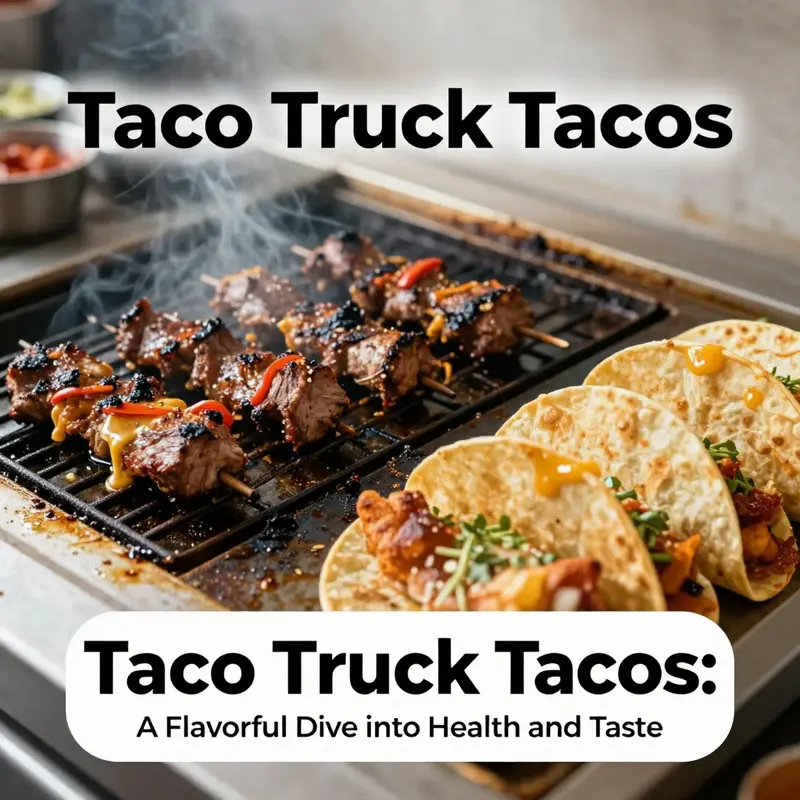
On a sunlit street, a taco truck shimmers with the warm glow of fried aromas and the crisp hiss of heat. Patrons drift in, drawn by color, scent, and the promise of a satisfying bite. Yet when the conversation turns to health, the truth behind that bite becomes a matter of how the taco is prepared. The core idea is simple: the healthfulness of taco truck tacos hinges less on the idea of street food itself and more on the recipe choices and cooking methods that structure every taco that leaves the window. If you look closely, the difference between a nourishing option and a cholesterol-laden indulgence often rides on two forks of opportunity: the method of cooking the filling and the type of tortilla or shell that carries it. The research landscape makes this distinction clear. It notes that tacos can be a nutritious option, but many commonly encountered street variations tilt toward higher calories, saturated fat, and sodium, driven by fried shells, fatty meats, and heavy sauces. The brighter side is equally compelling: healthier choices are common at many taco trucks when riders and vendors alike lean into lean proteins, vegetables, and mindful condiments. The practical takeaway is not that taco truck tacos are inherently unhealthy, but that choosing wisely matters every time you order, especially when you’re aiming to support weight management or overall wellness.
When we talk about preparation methods, two paths dominate: frying and grilling. Each path brings its own flavor profile, texture, and nutritional implications. Frying, especially when a tortilla or filling is immersed in hot oil, elevates crispiness and can make a tortilla more prone to oil absorption. That oil—if it comes from common restaurant oils—adds fat and calories, often tipping a meal from moderate to more energy-dense. The lipids introduced by frying don’t just contribute to calories; they can influence the way starch is digested. In some cases, lipids slow the gastric emptying of starches, which can alter post-meal blood glucose responses. For people watching carbohydrate load or heart health, those added lipids can be a meaningful factor.
In contrast, grilling offers a leaner canvas. When a protein or vegetable filling is grilled, it typically loses some fat content because no extra oil is needed in the cooking process. The grill also imparts a smoky, caramelized flavor that many find deeply satisfying, with a texture that alternates between charred edges and tender insides. Yet even grilling has its caveats. The high heat that creates that desirable Maillard browning also increases the formation of advanced glycation end products and related compounds. These Maillard reaction products, or MRPs, arise from dry heat and direct flame exposure. The science is nuanced: MRPs can contribute to flavor and aroma, but in excess or in certain contexts may be associated with inflammatory pathways when present in high amounts. The comparative data consistently show that grilled and fried samples tend to have higher MRPs than roasted or sous-vide options, with grilling or frying occupying the top tier in terms of these compounds. The mechanism diverges, though: frying introduces exogenous lipids alongside heat, while grilling relies on dry heat and flame without added oils. In other words, each method carries a different kind of health trade-off, and neither method completely circumvents concerns related to thermal processing.
What does this mean for a taco truck patron who wants a healthier plate? It means a balanced approach that weighs fat, flavor, and the biology of digestion. On one side of the ledger, frying remains associated with higher energy density due to absorbed oil. This is not merely a matter of calories, but also of the kind of fats present in the oil and how they interact with the rest of the meal. On the other side, grilling tends to lower total fat in the final product, but it can raise MRPs and AGEs when fatty or protein-rich fillings are subjected to intense heat for longer periods. Neither method is a universal villain; instead, they form part of a broader decision matrix that includes the protein choice, the tortillas, and the vegetable components.
The protein choice itself is central to this matrix. Lean options, cooked with minimal added fats, align well with health goals. Grilled chicken or fish, for instance, pair naturally with vegetables and a modest amount of avocado to provide healthy fats and fiber. Beans and other plant-based fillings bring not only protein but a fiber load that helps support satiety and digestive health. When you combine these fillings with corn tortillas or whole-grain options, you introduce a favorable balance of complex carbohydrates, fiber, and micronutrients. The texture of the tortilla matters too. Corn tortillas, being less refined than many flour-based options, provide a different glycemic response and a distinct nutritional profile. If you’re aiming to cut refined carbohydrates without sacrificing flavor, choosing corn or whole-grain tortillas can be a meaningful step.
A critical piece of the healthy taco equation is vegetables. Fresh lettuce, tomatoes, onions, cilantro, and sliced avocado add volume, fiber, and a spectrum of vitamins and minerals without dramatically increasing sodium when used judiciously. Fresh salsa or pico de gallo—light on cream-based sauces—can amplify flavor with brightness from tomatoes, citrus, and herbs. In this regard, the healthiest taco truck plates tend to be those that marry a grilled protein with abundant vegetables, a light salsa, and a modest portion of avocado, all wrapped in a corn or whole-grain tortilla. The aim is to craft a plate that balances protein, fiber, and healthy fats while keeping sodium in check.
The condiment question often trips people up. Creamy sauces, cheese-laden toppings, and high-sodium salsas can transform a seemingly wholesome filling into a calorie- and salt-heavy meal. The healthier practice is to lean toward lighter toppings: fresh salsas, lime, onions, cilantro, and a salsa verde or tomato-based sauce that emphasizes brightness rather than creaminess. This approach preserves flavor while keeping additional fats and sodium in check. It’s also worth noting that smaller, more frequent portions can be a practical tactic. Rather than loading a single taco to the brim, savoring a couple of well-composed tacos can deliver satisfaction and nutrient balance without overwhelming energy intake.
The practical art of choosing comes down to asking the right questions at the window. You can inquire about whether the fillings are grilled or roasted rather than fried, whether the tortillas are corn or whole-grain versus refined white, and whether there are options to load up on vegetables without extra high-fat sauces. Vendors who are mindful of health-conscious customers often provide clear options and will guide you toward a lean protein with abundant vegetables and a lighter salsa. When it comes to the sauce, it’s wise to seek lighter, fresh-tasting options, and to avoid heavy, cheese-based, or cream-heavy additions. This is where the social aspect of ordering—talking to the cook, learning about the ingredients, and understanding how the dish comes together—can significantly improve the final meal.
If you’re curious about the broader culinary landscape, you can explore one thread in the neighborhood of taco culture that emphasizes healthy transformation and culinary experimentation. There is a movement toward embracing fusion concepts at street level, where vendors reimagine traditional fillings with modern techniques and lighter profiles. This is not merely about healthier options in disguise; it’s about rethinking textures and flavors to preserve satisfaction while dialing back excess fats and refined carbs. For readers who enjoy this kind of culinary exploration, the idea of fusion trucks and different preparation philosophies can be a fruitful entry point. In such conversations, the concept of healthy eating becomes less about deprivation and more about intentional choices that respect both flavor and nourishment. For a deeper dive into this broader trend, see the discussion on food-truck fusions—a culinary revolution.
To weave these ideas into a practical approach, consider a few core guidelines whenever you order. First, prioritize grilling over frying for the protein portion whenever possible. Second, choose tortillas with whole grains or corn, depending on your carbohydrate goals and tolerance. Third, fill generously with vegetables, and select light salsas rather than creamy sauces. Fourth, use avocado or beans strategically to supply healthy fats and fiber without tipping into excess calories. Fifth, ask about portion size and consider ordering a couple of smaller tacos rather than one large, heavily loaded option. These steps aren’t about transforming street food into a rigid diet; they’re about empowering choices that fit into a balanced eating pattern.
The chapter’s insights rest on a simple premise: health in taco truck tacos emerges from a combination of ingredients, cooking methods, and mindful assembly. The frying method’s propensity to increase fat and calories contrasts with grilling’s fat-sparing advantages and corresponding MRPs risk. Yet the MRPs that accompany grilling remind us that no method is free of trade-offs. The healthiest path, then, is not a single universal rule but a framework for making better choices within the constraints of street food. This framework respects the texture and flavor you crave while guiding you toward a plate that supports energy needs, blood sugar stability, and heart health. It also recognizes that authenticity and enjoyment matter. A well-crafted taco that satisfies the palate can be part of a nutritious day when it is built with lean protein, vegetables, and controlled portions.
As you navigate the truck window, you might find it useful to picture the plate as a balance sheet rather than a single prize-winning bite. The goal is to maximize the positive nutrients—protein for fullness, fiber for digestion, healthy fats for satiety—while minimizing the elements that can add up to too much fat, sodium, or refined carbohydrate. The two cooking methods discussed here are not moral verdicts; they are tools with health implications. Frying can be enjoyed in moderation, especially when you pair it with well-chosen sides and careful portioning. Grilling can be optimized by avoiding charring extremes and by incorporating vegetables that soften the overall glycemic impact. In both cases, the final nutritional profile improves when you support the meal with hydration choices that are low in added sugars and sodium.
In the end, the healthfulness of taco truck tacos reflects a continuum rather than a binary. The goal is to locate the sweet spot where flavor and nutrition converge. That means embracing choices that favor lean proteins, bright vegetables, and simple, fresh sauces; selecting nonrefined tortillas when possible; and approaching each order with a sense of culinary curiosity rather than dietary rigidity. If you adopt this mindset, the taco truck experience can be a source of pleasure and nourishment rather than a solitary battleground over calories. It invites a mindful approach to street cuisine—one that respects the craft of cooking, honors the palate, and supports long-term wellness.
For readers who want to explore how these cooking methods translate to the lab and to everyday eating patterns, a deeper dive into the science behind MRPs and cooking methods can be illuminating. Research comparing grilling, roasting, frying, and other techniques shows that grilled and fried samples consistently present higher MRPs than roasted or sous-vide options, underscoring that both frying and grilling carry elevated risks for generating potentially pro-inflammatory compounds, albeit through different mechanisms. This nuanced picture invites a balanced, informed approach rather than blanket judgments about any single method. The health recommendations drawn from this literature emphasize practical choices—grilling over deep frying when feasible, moderating high-heat exposure, and enhancing dishes with plant-based or vegetable-forward components. In practice, mindfully assembled tacos, paired with a light salsa and a thoughtful tortilla choice, can fit neatly into a health-conscious lifestyle. For a concise summary of the evidence, see the study referenced in the detailed research results. For a broader, culinary perspective on how kitchens and street vendors adapt to evolving tastes while maintaining health considerations, you can explore more on the broader fusion trend linked above.
External resource: For a more technical examination of how cooking methods influence Maillard reaction products and related health considerations, see the study on cooking method and MRP formation: https://www.sciencedirect.com/science/article/pii/S030881461630217X
Healthy on the Move: Navigating Taco Truck Tacos for Flavor and Fitness
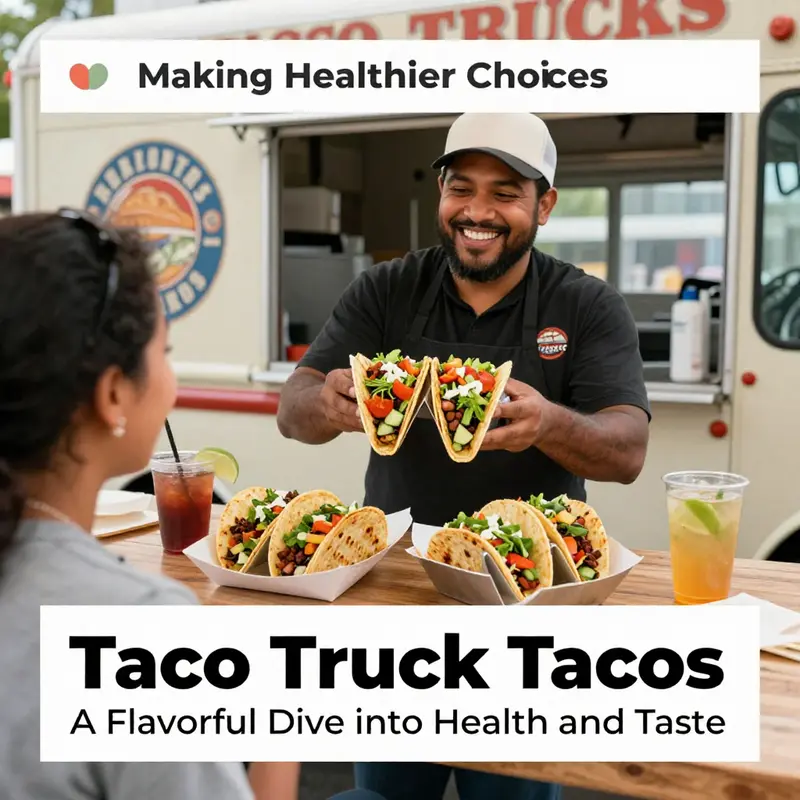
Amid the clatter of a busy street and the inviting sizzle of a grill, the question of health often lands squarely on a plate of street tacos. Are taco truck tacos healthy? The honest answer is nuanced. A lot depends on the choices you make and the way those choices are prepared. Tacos can be a vibrant, nutrient-dense meal that supports protein intake, fiber, and heart-healthy fats. They can also morph into a calorie-dense, sodium-heavy option if you lean into fried shells, fatty meats, or creamy sauces. The good news is that the healthier path is not a barren one. It’s a path paved with practical swaps and mindful tweaks that preserve the bold flavors taco carts are known for while smoothing out the potential health bumps along the way.
A first, grounding principle is protein. When you scan a taco menu, look for lean protein choices that deliver substantial benefits without piling on calories. Grilled chicken and carne asada, which is grilled beef, stand out as reliable options. They provide high-quality protein that helps with satiety and muscle maintenance, which in turn supports weight management. These proteins also pair well with a chorus of fresh toppings without demanding heavy sauces to carry their flavor. In many cases, a well-portioned protein can carry the meal, leaving room for vegetables and a modest amount of sauce without tipping the balance toward excess.
The tortilla acts as a crucial frame for the whole taco. Choosing the right tortilla can tilt a meal toward or away from health considerations. Soft corn tortillas are a wise starting point for people mindful of fat and sodium. They tend to be lower in calories than flour tortillas and are naturally free from trans fats. The structural role of the tortilla matters too; a smaller, softer corn tortilla can help you avoid the tendency to load on extra shell and bread, which can add refined carbohydrates without necessarily adding meaningful nutrition. If you do prefer a flour tortilla, consider a smaller size and balance it with lean protein and lots of vegetables to keep the overall profile in check.
Vegetables are not mere garnishes; they are the backbone of a nutritionally satisfying taco. Lettuces and tomatoes add fiber, water, and volume, helping you feel full with fewer calories. Onions bring crunch and a hint of peppery brightness, while avocado supplies heart-healthy monounsaturated fats and a creamy texture that can enhance satiety. A bright salsa made from tomatoes, peppers, onions, and cilantro can deliver flavor without the heaviness of dairy-based sauces. The goal is a vegetable-forward taco where fresh produce contributes the majority of the taste and texture, rather than relying on cheese, cream, or heavy sauces to carry every bite.
Beyond what you bite into, how the fill is prepared can swing the health outcome. An emerging idea in the culinary and nutritional spheres is the patted-dry technique. A 2025 study described how removing excess moisture and fat from the filling before assembly can influence hormonal responses in intermediate ways. In practical terms, patting dry can reduce extra fat that would otherwise render and mingle with sauces, potentially helping to moderate post-meal glucose and insulin responses. While more research is needed to translate lab findings into everyday meals, the approach aligns with a broader aim: keep cooking methods simple, lean, and focused on quality ingredients rather than indulgence. If you encounter a truck that practices this approach, it may be a sign of attention to preparation that goes beyond basic grilling.
Mindful ordering is a powerful tool in shaping health outcomes without sacrificing the essence of what makes taco trucks appealing. The menu can feel like a carnival of tempting options, but you can steer toward a healthier plate with a few strategic requests. Consider asking for tacos to be prepared with less oil, or for lighter sauces that emphasize salsa or fresh lime rather than creamier, cheese-heavy alternatives. In some cases, asking for a “light” version—less cheese, less sour cream, or no guacamole—can meaningfully trim fat and calories while still delivering the core flavors of the dish. It’s also worth noting that healthy fats, like those from avocado, can be part of a balanced meal when consumed in moderation and with other nutrient-dense components. The key is to craft a plate that satisfies cravings in a way that supports your broader wellness goals, rather than chasing a perfect count on a single meal.
A balanced taco is not about deprivation; it’s about proportion and quality. Picture a simple, satisfying plate: two soft corn tortillas, a lean protein such as grilled chicken or carne asada, a healthy helping of lettuce, diced tomatoes, onions, and a modest slice of avocado. A squeeze of lime and a fresh salsa or pico de gallo brings brightness without adding unnecessary fats. Such a configuration offers a substantial amount of protein for fullness, a good dose of fiber from vegetables, and healthy fats from avocado that contribute to satiety and healthful fat intake. This kind of meal can fit comfortably into a day’s plan, supporting both energy and satisfaction without derailing wellness goals.
Sodium is a frequent co-star in street-food narratives. Salty sauces, cured meats, and concentrated seasonings can push a taco’s sodium content higher than many home-courced meals. For those watching blood pressure or simply wanting to mitigate sodium intake, it helps to choose salsa over creamy sauces, request reduced cheese, and lean toward proteins that are less likely to be salted heavily in marinade or processing. If you’re sensitive to salt, you can also ask for no salt added during cooking and opt for herbs and citrus to lift flavor instead of salt. These choices are not merely about chasing a number; they’re about preserving the flavor profile you crave while delivering a more balanced nutritional picture.
Beverages accompany these meals and can quietly sway the overall health impact. Water and unsweetened beverages pair well with taco fare and help keep caloric intake in check. Soda, even the “diet” varieties, can introduce a rapid influx of sugars or artificial sweeteners that some people prefer to avoid. Choosing water or a light, unsweetened drink helps maintain a clean nutritional slate alongside a meal that is already leaning toward fresh ingredients and lean proteins.
If you are curious about practical, real-world guidance, you can explore more ideas and perspectives on the broader topic of choosing nutritious options at convenient food venues. For a broader repository of practical tips and inspiration, you can visit the Fire Up Taco Truck blog, which frequently highlights how to balance tradition with health-minded adjustments. Fire Up Taco Truck blog
The beauty of a taco truck diet, properly navigated, is that it is flexible rather than rigid. It can accommodate proteins like grilled chicken, fish, or beans, which support varied dietary preferences and ethical considerations. It can embrace tortilla options that emphasize whole grains or corn, and it can honor vegetable-rich toppings that bring color, texture, and nutrition to the plate. It can also experiment with technique—such as the patted-dry approach—without losing sight of flavor. The result is a dining experience that is not only delicious but also aligned with everyday wellness goals. The key is to see the meal as a probability space rather than a single choice: multiple tweaks at once can move the needle toward a more balanced, satisfying plate without sacrificing the vibrancy of street-taco culture.
In this sense, healthier taco truck tacos are not an exception but a natural extension of everyday cooking on the go. They reflect a practical philosophy: prioritize lean proteins, sensible tortilla choices, and plenty of vegetables; keep sauces light and bright; and be mindful of salt, portions, and the way the filling is prepared. It is entirely possible to enjoy the bold flavors of a taco truck while supporting weight management, cardiovascular health, and satiety. If you remain curious about the broader evidence base and expert recommendations, a reputable resource that emphasizes lean proteins, whole grains, and vegetable-rich toppings can be a reliable guide for informed decisions when you order. (External resource: https://www.mayoclinic.org/healthy-lifestyle/nutrition-and-healthy-eating/in-depth/healthy-eating/art-20483971)
For those who want more concrete, practical steps, recall that the goal isn’t perfection but consistency. The habit of choosing grilled proteins over fried, corn tortillas over flour when feasible, and abundant vegetables over heavy sauces gradually compounds into meaningful benefits over weeks and months. It isn’t necessary to overhaul every taco you eat in one sitting. Small, repeated decisions—such as asking for lean proteins, requesting light toppings, and choosing salsa over creamy sauces—often yield the most sustainable improvements. And remember that occasional indulgence can fit into a healthy pattern, especially when balanced by nutrient-dense choices on other meals.
The healthfulness of taco truck tacos ultimately rests in the narrative you choose to tell with your plate. Do your choices emphasize flavor, texture, and satisfaction while keeping energy density reasonable? Do you weigh the trade-offs between sodium, fat, and portion size in a way that supports your personal health goals? Do you stay curious about techniques that could improve metabolic responses, such as the patted-dry approach, while remaining anchored in established guidance about lean proteins and fresh vegetables? If the answer to these questions is yes, the taco truck can remain a reliable, pleasurable option within a balanced lifestyle. The vibrant food culture that makes taco trucks so beloved does not have to be traded for health; rather, it can become part of a mindful routine that honors both taste and wellness. This is what it means to eat healthier on the move—preserving the soul of the taco while enriching the body that eats it.
Final thoughts
Taco truck tacos embody a delightful combination of flavor and culture. However, their healthiness hinges on ingredient choices, preparation methods, and the awareness of the consumer. By focusing on fresh, quality ingredients and opting for grilling over frying, you can enjoy these tasty treats without compromising your health. Always be sure to ask questions about the options available at your local taco truck and make informed choices. So next time you’re on the taco truck hunt, savor healthy, delicious tacos while indulging your taste buds!