
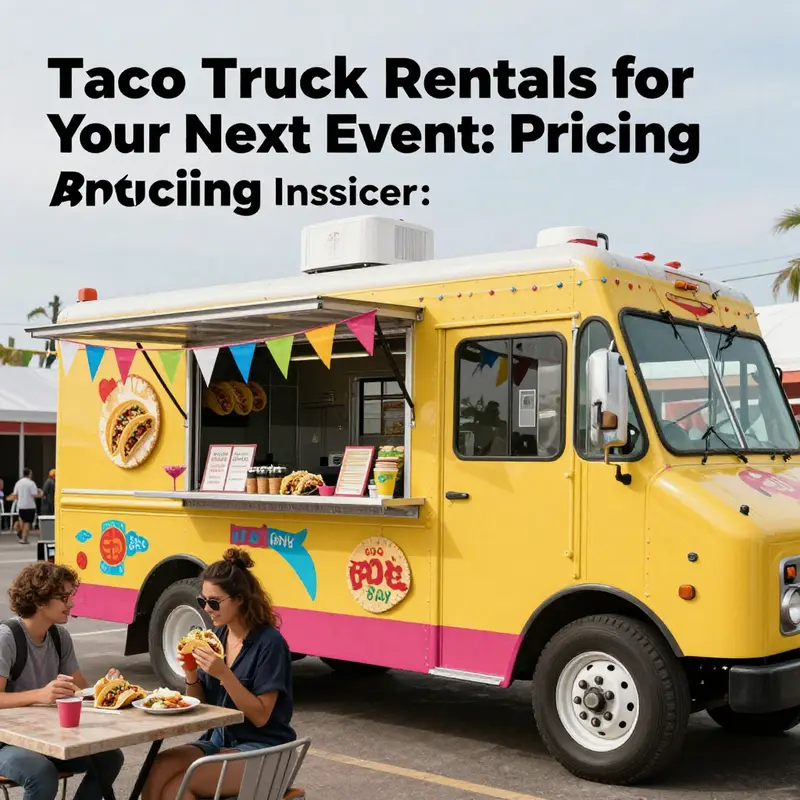
Taco trucks are redefining the way we celebrate! Whether you’re hosting a birthday bash, a wedding reception, or a corporate gathering, nothing brings a fiesta to your event quite like a taco truck. The challenge often lies in understanding the costs involved in such a delectable decision. This guide will take you through the essential components that influence the pricing of taco truck rentals, ensuring you’re well-informed before making this delicious investment. From dissecting the cost breakdown to exploring the unique offerings of taco trucks, and how to secure quotes, we’ll cover all the flavorful details you need to plan the perfect taco-centric celebration.
Counting Sizzle and Cizzle: The Real Tally Behind Renting a Taco Truck for Your Party
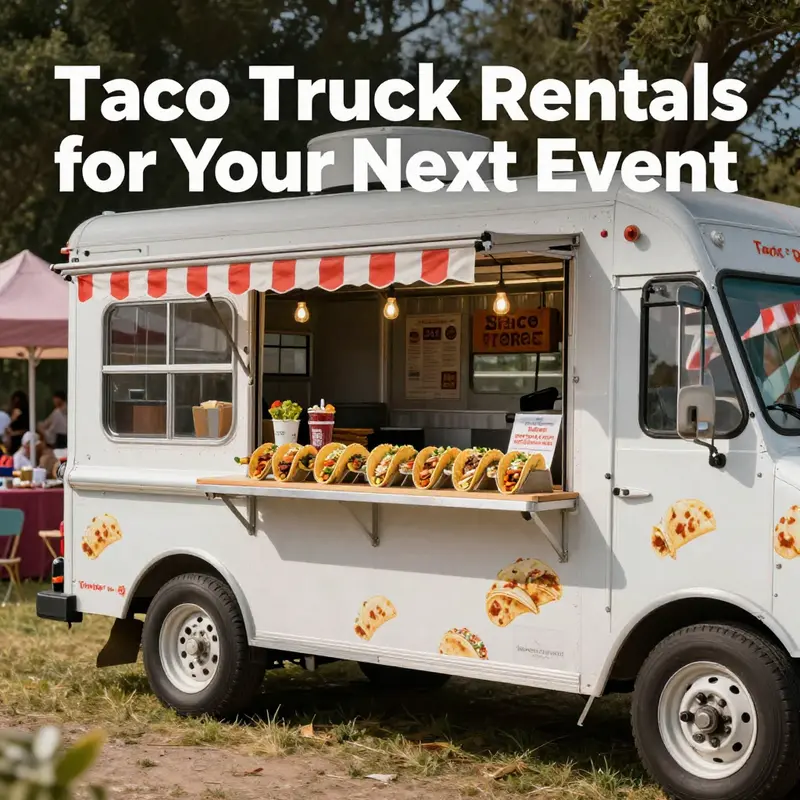
Planning a party with a taco truck feels like orchestrating a small festival on wheels. The appeal is clear: heat, aroma, and a menu that can turn a casual gathering into a memorable event. Yet along with the mouthwatering promise comes a complex calculus of costs. The price you pay for a taco truck is not a single number but a blend of variables that shift with location, duration, menu ambitions, and the truck’s own offerings. Understanding this mix helps you set a budget that reflects your party’s scale without leaving you surprised at checkout. In practical terms, most rentals root themselves in a broad spectrum: a base daily rental that reflects the truck’s size, equipment, and condition, plus a constellation of add-ons that can tilt the total by a noticeable margin. A used or refurbished taco truck, with reliable kitchen equipment and a legal ability to operate in a party setting, typically lands somewhere between five hundred and two thousand dollars per day for a standard 6–8 hour window. In high-demand markets—think major urban centers where space, labor, and permits push operating costs higher—the upper end can stretch toward two thousand five hundred dollars or more for peak conditions and premium branding. These ranges align with broader patterns in mobile food service, where the asset itself carries a daily rate that accounts for depreciation, maintenance, insurance, and the vendor’s ability to staff and operate smoothly on event day. The most common financial rhythm you’ll encounter is a single-day rate around the thousand-dollar mark in many markets, with discounts or lower per-day rates emerging only when you commit to longer blocks of time or multiple events in a row. For example, a one-day rental around a weekend or holiday season might drift upward due to demand, while a two-day rental could present a small per-day discount, nudging the total below twice the single-day price. The price environment also responds to timing. Weekends and holidays tend to be the most lucrative for operators, and that premium can range from roughly 10% to 30%, depending on the city and the exact date. These increments aren’t arbitrary; they reflect peak demand, the cost of labor on busy days, and the chance that a truck will be booked solid while a new date is harder to secure. As you imagine your party, think in terms of a base anchor and a set of possible add-ons that could move the needle in either direction. The base anchor often covers the truck and a minimum level of service—drivers, basic staffing, and the essential kitchen operations needed to cook and serve. Beyond that, a menu that leans into gourmet or customized options will typically push the price higher. A truck that markets fusion flavors, premium ingredients, or chef-led customization can command a premium because it promises a distinct experience rather than a standard taco lineup. The same logic applies to service levels. Some vendors include staffing and basic setup in a single package, while others separate these elements, presenting a menu of line items like chef coverage, food prep, and on-site management as optional surcharges. The difference between “staffed by the vendor” and “self-serve with the client providing staff” can be substantial, often adding anywhere from about one hundred-fifty to four hundred dollars per day depending on the expected workload and the level of interaction you want between guests and cooks. When you total up the bill, it’s common to see charges for fuel, utilities, and delivery folded into the contract or itemized separately. Fuel and propane, the lifeblood of mobile kitchens, can add roughly fifty to one hundred fifty dollars per day, depending on distance from the fuel source, the truck’s energy efficiency, and how intensively the kitchen runs during service. Delivery and setup fees also vary widely. If your venue is off the beaten path or has complicated access, a flat fee for delivery and the initial setup can appear in the bill in the range of one hundred to three hundred dollars. This is a sensible piece of the equation to anticipate, especially for events scheduled in venues with tricky loading zones or after-hours access. The insurance and permits line is more variable still. Some jurisdictions require proof of liability coverage or special event permits, and the cost here can range from a modest hundred dollars to upwards of five hundred, depending on local regulations and the scale of the event. What begins as a simple “rent a taco truck for the party” inquiry can spiral into a negotiation about compliance and risk management as well, which is why many clients who want a carefree experience pair the truck with appropriate documentation and a clear statement of responsibilities. Regional variation emerges as one of the most powerful levers in pricing. Urban markets—cities with dense populations, higher costs of doing business, and stricter health and safety standards—tend to sit at the upper end of the spectrum. In contrast, smaller towns or rural areas can present more affordable opportunities, sometimes as low as five hundred dollars per day for a basic, well-maintained truck. Even within cities, the economics of a taco truck rental is a study in micro-market dynamics. A truck operating in a high-tourist hot spot might price to maximize weekend demand, while a more neighborhood-focused operator might emphasize steady weekday bookings with more modest margins. For planners, these variations reinforce a simple truth: you don’t just rent a truck; you rent a service ecosystem. Some operators position themselves as turnkey solutions, bundling food prep, on-site staffing, and even branding or decor into a single price point. Others offer à la carte menus, where you select from a menu of add-ons and negotiate the exact combination that fits your event’s tone and budget. This is where practical budgeting skills come into play. Start with a realistic guest count and a desired service style. If you want a bustling, interactive taco experience with live stations and a chef-led preparation, you’ll likely lean into a full-service package. If your party is intimate and you’re comfortable with a more traditional, self-service approach, the cost can be trimmed by focusing on the essentials and avoiding premium add-ons. A useful strategy is to consider the value of bundling. Combining food prep with staffing, for instance, often yields a per-day discount compared to purchasing each element separately. There is also wisdom in choosing a used or refurbished vehicle rather than a brand-new unit. The depreciation odometer on a mobile kitchen can be a meaningful contributor to price, and a well-maintained used truck can deliver many years of reliable service if it’s paired with proper health and safety checks and routine maintenance. Procurement best practices from related mobile-unit sectors emphasize reliability and after-sales support as critical non-price factors. A truck that arrives ready to cook, with a well-documented maintenance history, lowers the risk of last-minute disruptions that could derail an event’s schedule and guest experience. When it comes to securing accurate prices, proximity to your event locale matters most. Local vendors can provide precise quotes that reflect the day’s logistics, including crew availability, travel distance, and any permits or insurance requirements that city or county rules impose. If you are exploring a broader market or comparing options, event platforms can be a practical starting point to gather quotes and gauge current market rates. They also offer transparency around inclusions and exclusions so you can compare apples to apples rather than piecing together a mosaic from disparate emails. As you gather quotes, keep a running list of what’s included and what isn’t. Ask about service levels—will there be a dedicated cook, or is the truck a self-serve model with staff available only on-call? Confirm whether fuel and utilities are included or charged separately, and clarify any delivery or setup surcharges. It’s also wise to plan for contingencies. Weather in many locales can influence staffing needs and operational costs for the truck. An event that relies on indoor power might avoid certain fuel charges, while an outdoor event with limited access may necessitate extra manpower for efficient setup and breakdown. If you’re unsure how to interpret a quote, you can start with a robust framework for comparison: assess the base rental, add-ons, travel costs, insurance/permits, and contingency allowances. Then weigh the total against your guest experience goals and the event’s overall budget. For those who want further guidance on selecting a vendor with reliability and clear terms, consider reading a focused guide on Choosing the right food truck. This resource helps you align your expectations with what a truck vendor can actually deliver, avoiding common mismatches between fancy menus and practical execution. As with any major planning decision, gathering multiple perspectives and ensuring you are comparing equivalent packages will yield the most dependable outcome. In short, renting a taco truck for a party is not simply a price tag but a coordinated package of equipment, service, and logistics. The numbers can be generous in prime markets and leaner in smaller communities, but with careful planning, you can craft a turnkey experience that satisfies guests and respects the budget. To start framing your own budget, you can reference practical price anchors commonly seen in the industry today and then tailor them to your locale and event scope. For a broader sense of market dynamics and to locate reputable providers near you, consider reaching out through event platforms that connect planners with mobile vendors. And as you weigh the options, remember that the choice is about more than a meal on wheels; it’s about a shared experience—the aroma of sizzling tortillas, the energy of a coordinated service team, and the ease with which a party can unfold around a unified culinary moment. For additional guidance on the industry landscape and how to interpret local pricing, you may consult broader market resources and professional associations that publish benchmarks for mobile food operations. If you’d like to explore related topics, including how to maximize savings through smart tax planning and maintenance, there are resources that address these practical concerns in the broader ecosystem of mobile food entrepreneurship. For further reading on industry standards and market rates, you can visit NAMFV, a resource that gathers directories and information on event-based food truck rentals across the United States. [Note: external resource: https://www.namfv.org] Finally, as you map out the financials, keep in mind that the right partner will be the one who blends price, reliability, and guest experience into a seamless, delicious memory for your party. If you want a quick nudge toward comparing options, a practical step is to review a representative quote alongside a turnkey service package, and then decide whether you value a highly curated culinary display or a lean, budget-conscious approach. When you’re ready to dive deeper, you can also consult more targeted resources on the topic that discuss choosing the right vehicle and vendor, including guidance about insurance, permits, and ongoing maintenance that keep a taco truck running smoothly after the check clears. For readers seeking a direct path to credible, vendor-specific information, a helpful starting point is the guide on Choosing the right food truck, which can provide a framework for evaluating capacity, menu flexibility, and on-site execution. This approach will help you turn a loose concept—“I want tacos for my party”—into a precise financial plan that’s aligned with your guest experience goals and the realities of the local market.
Beyond the Sticker Price: How a Taco Truck for Your Party Gets Its Price Tag
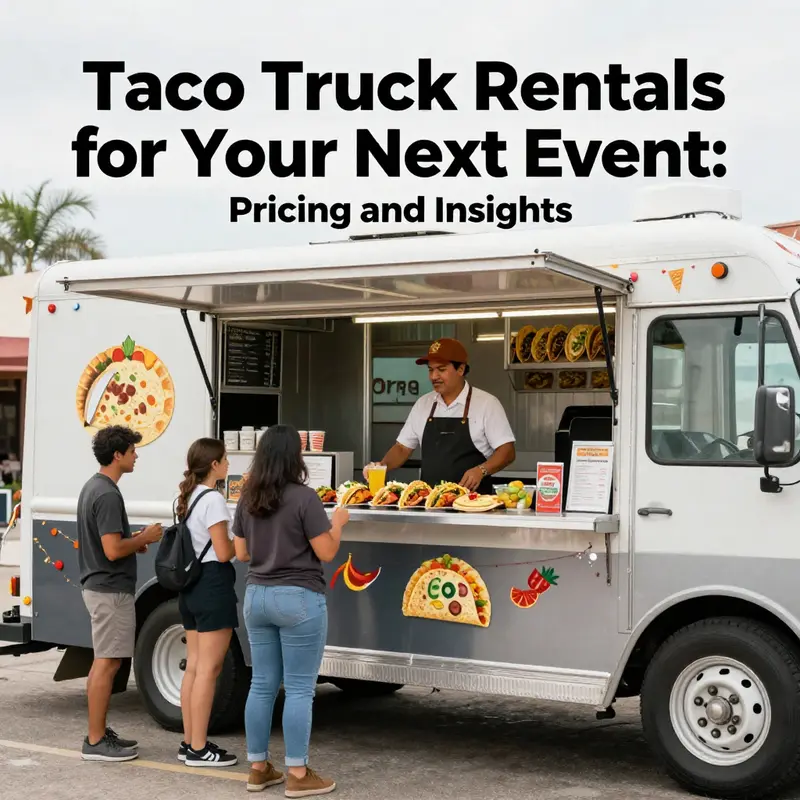
The first layer of that blend is the basic service package: what you get for the base price and what additional capabilities cost extra. Most taco truck rentals are built around the idea of a self-contained dining experience on wheels, with a kitchen, a serving window, and a crew that can handle setup and service. A six- to eight-hour window often includes the essentials—standby staff at a service line, a clean setup of serving utensils, and a modest supply of ingredients. The longer the event or the more guests you anticipate, the more you’ll be paying not just for hours but for throughput. Menu complexity matters in the same way it does for a static caterer. If you’re featuring standard street-food staples with a handful of toppings, the extra cost remains modest. If you’re curating a multi-item taco bar with bespoke fillings, house-made salsas, and a backup plan for dietary needs, the price climbs in tandem with the kitchen’s throughput and preparation time. The math is straightforward: more food, more equipment, more staff, and more time all compound to a higher invoice. For hosts who want a streamlined experience, many vendors offer packages that bundle staffing, setup, and cleanup into a single line item, reducing the risk of miscommunication when the timeline tightens before the event day. It’s worth noting that peak demand periods—typically weekends and holidays—lend themselves to premium pricing, simply because supply tightens and the opportunity cost of a held date rises for vendors who are juggling multiple bookings.
The second layer concerns the physical and regulatory scaffolding that underpins the kitchen. A taco truck is a mobile kitchen, but it isn’t a kitchen transported to your venue in a box. The size of the vehicle and its chassis shape how much kitchen real estate is available, how quickly food can move from fire to plate, and how easy it is to maintain a clean, safe environment under varying weather and crowd conditions. A larger unit can accommodate more grills, additional fryers, bigger cold storage, and a more expansive prep area. This translates into greater cooking capacity and faster service during peak moments, but it also increases fuel costs, maintenance, and the upfront or rental price. The kitchen configuration itself is a major determinant of price. A minimal setup might suffice for basic tacos and a few sides, while a more robust kitchen—with two or more cooking stations, a walk-in cooler, and a comprehensive ventilation system—allows for a broader menu and higher output. The value of this investment becomes clear when you picture the event’s tempo: a well-paced line with consistent tortilla warmth and timely delivery keeps guests engaged and satisfied, whereas bottlenecks can erode the party’s momentum and perception of value.
The third layer is compliance and safety. Health and safety standards govern how the truck is built and operated. Compliance isn’t a cosmetic add-on; it’s a backbone of the vehicle’s configuration. The truck must support grease management, proper waste disposal, potable water, and effective handwashing facilities, along with secure storage of ingredients and finished products. These features influence both initial outfitting and ongoing maintenance. Vendors embed these regulatory elements into the price because they are essential to legal operation and to risk management for your event. For hosts, the payoff is peace of mind: you know the kitchen meets local codes and won’t disrupt the party with compliance issues at the worst moment. The initial investment reflects this safety net, and the ongoing service fees often cover routine checks and permits where necessary.
Branding and atmosphere—often described as the “theater” of the truck—constitute the fourth layer of price. A taco truck isn’t just a cooking station; it’s a mobile stage that communicates your event’s story. Color schemes, signage, lighting, and interior finishes contribute to guest experience and can be a deciding factor at weddings, corporate gatherings, and festivals. Custom branding is where the financial bite grows, because it demands dedicated design work, specialty paint, durable signage, and sometimes custom finishes that withstand the day’s wear and tear. For some hosts, that aesthetic is the difference between a party that feels like a generic catering moment and an event that feels cohesive and memorable. For others, simplicity and a clean, professional look deliver the desired impact without extending the budget much beyond the base cost. The takeaway is that branding is a deliberate choice with a measurable impact on price; it’s not a decorative afterthought when you’re evaluating a quote.
Location and market demand also shape the equation in nuanced ways. Urban markets—where events are dense and schedules tight—tend to push prices upward, reflecting higher labor costs, stricter permitting, and the premium guests are willing to pay for convenience and orchestration. Conversely, rural or smaller-market environments can present room to negotiate, especially for off-peak days or venues with straightforward access. The season, too, matters. Summer weekends bring large crowds and long lines, which can lift the perceived value of a robust service and justify higher charges. Midweek events, or parties in venues with ready access to power and water, can unlock more economical options without sacrificing quality.ure of this dynamic becomes a practical guide for budgeting: you consider how many mouths you’re feeding, how complex the menu needs to be, and how much facility you require for a smooth, spirited service.
For buyers who are weighing the decision to rent or to own, the numbers begin to intersect with a different kind of clarity. The rental path offers predictability: you know the total cost up front, and you can layer in staff and cleanup without worrying about maintenance beyond the agreed window. Ownership, by contrast, introduces a different math: purchase price, depreciation, ongoing maintenance, fuel, insurance, and licensing become ongoing considerations. A used taco truck can start around fifteen thousand dollars, but it may require immediate repairs or upgrades to meet your standards. If reliability and a safety net are priorities, a newer or recently remanufactured unit—with updated equipment and warranties—typically begins around twenty-five thousand dollars and can surpass forty thousand depending on the configuration and branding elements. These figures are a snapshot of the current market and will vary by region and the specifics of the truck. The important point is that the upfront cost is only part of the picture; the total cost of ownership matters just as much for planning, cash flow, and event reliability.
As you translate these layers into a concrete budget, it helps to frame proposals in a way that makes comparison straightforward. Request clear, itemized quotes that spell out: price, what it covers, staffing details, and any travel, parking, or overtime charges. Confirm health permits and insurance coverage, and ask whether the vendor assumes responsibility for the necessary licenses at your venue. If you can articulate a preferred service tempo and menu style, you’ll be better positioned to gauge whether a given price aligns with your event’s expectations. For readers who are new to the process, a quick primer on choosing the right food truck can be valuable; see the guide linked here for a thoughtful starting point Choosing the right food truck. This editorial nudge helps anchor your expectations to a practical framework rather than a vague sense of a ballooning total.
The bottom line is that the price you encounter for a taco truck at a party is the product of a disciplined balance. It reflects the physical scale of the kitchen, the speed and reliability of service, the safety and regulatory assurances, and the emotional payoff of what the truck brings to the event’s mood and storytelling. If your goal is to deliver a dependable, crowd-pleasing taco experience, a standard rental with solid staffing and a clean presentation will often suffice for many weddings, birthdays, and corporate functions. If you want a fully immersive, visually branded, multi-station culinary moment that doubles as a narrative centerpiece, you’re budgeting for more robust equipment, longer lead times, and a higher level of customization—and, accordingly, a higher price tag. In either path, the price is a reflection of the event’s orchestration, not just the cost of a single meal. For a broader industry baseline and to compare regional pricing dynamics, consult the official pricing guide for food trucks. https://www.foodtruckassociation.org/pricing-guide
Why City Averages for Taco Truck Rentals Are Elusive — And How to Cost Your Party Accurately

Estimating how much to budget for a taco truck at your party often feels straightforward, until you dig into the details and discover wide price swings. That lack of a neat, city-wide average is not an accident. Prices change with dozens of variables, and metropolitan markets behave like shifting mosaics rather than uniform blocks. Understanding why averages are elusive helps you form a realistic budget, ask the right questions, and avoid surprises when you request quotes.
A single, dependable average for taco truck rentals in major cities simply doesn’t exist. Many vendors set prices on a case-by-case basis. Some list flat-day rates, others bill per person, and a few combine a rental fee with a minimum spend. In large urban areas, a truck might charge a modest flat fee when business is slow. The same truck can charge far more on a weekend evening or during a popular festival. This variability stems from the same forces that shape all event catering: demand, overhead, and the specific scope of service you want.
Location drives a lot of the difference. High-rent cities mean higher operating costs for vendors. Permits, parking fees, and the time required to reach certain neighborhoods all matter. Travel distance and parking logistics can add a significant surcharge for a vendor traveling from outside the core city. Conversely, vendors based nearby or in less costly areas may offer better rates. The same truck that charges a premium $2,000 for a Saturday evening in a dense, high-demand neighborhood might offer a $700 weekday rate for a private gathering just a few blocks away.
Menu complexity is another major lever. A simple setup offering two proteins, a basic salsa selection, and tortillas will cost less than a menu with multiple proteins, specialty marinades, made-from-scratch sides, or custom garnishes. Drinks and dessert add cost too. If you want craft-style tacos, unique sauces, or chef-driven presentations, expect the price to rise accordingly. Many vendors include multiple proteins and side options in tiered packages. Others will quote à la carte pricing, which makes the final bill highly sensitive to guest choices.
Service level and staffing affect cost in ways you might not first consider. Some taco trucks simply park, serve, and leave. Others provide on-site servers, full setup and breakdown, warming stations, portable tables, trash service, and plating. If you want staff to man a taco bar, serve plated meals, or manage a long guest line, those labor costs are added. When a truck provides full-service hospitality — setup, servers, and cleanup — the price often reflects the convenience and time saved. Consider where you want to be during your event: socializing, coordinating, or running logistics. The more you want the vendor to take off your plate, the higher the bill will be.
Time and timing matter. Weekends, evenings, and holidays usually cost more. Peak season in many cities runs spring through fall. Nighttime events and high-demand dates create bidding pressure. If your party falls on a popular date, vendors will often require a higher minimum or flat fee. Off-peak scheduling can dramatically lower costs, and weekday or early-afternoon events often come in under typical weekend rates.
Mandatory costs can surprise many planners. Vendors must comply with local health department rules and sometimes require site-specific permits. If your venue demands a temporary food permit or additional insurance, those fees can be passed to you. Venue restrictions can also force vendors to bring additional equipment, extension cords, or temporary awnings. Ask explicitly about permit fees, insurance requirements, and any labor required to secure compliant operation on your site.
Many vendors set a per-head price for food service. Typical per-person costs can range widely depending on menu and service level. For a basic two-taco offering, expect a modest per-person rate; for gourmet or multi-course taco packages, that per-person rate increases. Vendors sometimes require a guest minimum or a minimum spend. That means even if fewer guests show up, you may still pay the contracted minimum. Understanding how a vendor counts a guest and confirms the final guest count is essential.
Examples help illustrate common scenarios, even if they aren’t precise city averages. For a small backyard party of 30 guests, a budget-oriented truck might charge a flat fee plus a per-person rate, yielding a total that falls under a typical mid-range rental. A mid-range option for 50 guests could combine a $700–$1,200 flat-day fee with a per-person charge, depending on menu choices. Premium trucks offering bespoke menus, full service, and longer hours often reach $2,000 or more for 50–100 guests in high-demand urban zones. For larger events of 100 guests or more, many vendors switch to price-per-head models, and totals will scale accordingly. These are working examples, not universal guarantees.
Because hard averages are unreliable, the most practical approach is to get several quotes and compare apples to apples. Provide vendors with the same clear brief: guest count, event timing, location, menu expectations, and level of service. Ask vendors to itemize costs: base fee, per-person charges, travel or parking fees, staffing, permits, and taxes. Request cancellation and deposit policies in writing. That transparency helps you compare vendors fairly and see where savings are possible.
Negotiation tips can reduce costs without sacrificing quality. Flex your schedule if you can. Off-peak times usually lower the fee. Simplifying the menu, limiting premium toppings, or choosing self-serve options can shrink labor and food costs. Consider offering beverage service separately; many vendors will partner with a separate drink provider or accept a limited beverage package that keeps the taco portion less expensive. Also, ask whether vendors have weekday discounts, smaller-guest pricing, or add-on options that can be scaled down.
If your venue has a preferred vendor list, ask whether the taco truck already has the required insurance and permit history. This can avoid permit surcharges and save time. Equally, be candid about space and utility access at the venue. Confirm stove outlets, water access, and waste disposal. Complex setups often translate into higher costs because vendors must bring generators, extra hoses, or staff to manage utilities.
Finally, use targeted tools to find vendors and make direct comparisons. Local listings and event platforms can help you identify trucks, read reviews, and begin conversations. When you request a quote, provide details and ask for itemized pricing. If you need help selecting the right truck for your goals, see the guide on choosing the right food truck for practical advice on matching a vendor to your event needs.
Because a single, reliable city average isn’t available, the best strategy is a combination of research and clear specifications. Get multiple itemized quotes, understand the components of each price, and be ready to adjust your timing, menu, or service level to match your budget. For vendor listings and local options to contact directly, consider searching curated food-truck directories and event platforms such as this: https://www.thebash.com/food-trucks/.
Party Value: What a Taco Truck Actually Provides—and How Those Services Shape the Price

Taco trucks can feel like a compact event production crew. They deliver food, atmosphere, and staff to your gathering. For hosts asking “how much for a taco truck for party,” what you pay reflects the menu, service level, logistics, and extras. Understanding what a truck typically offers helps you compare quotes and decide where to spend more for a better guest experience.
A core appeal of a taco truck is its customizable menu. Most trucks start with a set of classic proteins — carne asada, al pastor, and carnitas — plus grilled vegetables for vegetarian guests. From there, choices expand. Some vendors feature slow-cooked specialties, seafood, or chef-driven gourmet tacos. Others focus on simplicity and speed, serving crowd-pleasing basics with fresh salsas and tortillas. Hosts can usually mix and match proteins, choose portion sizes, and add side dishes. Typical sides include elote, rice, and beans. Beverage options often go beyond bottled sodas. Many trucks pour aguas frescas, craft sodas, or housemade agua-based drinks, which elevate the meal while keeping service efficient.
Beyond food, trucks vary in service style. The most basic arrangement is drop-off service. The truck arrives with food prepared or partially prepared, and the staff leaves it set up for the host to manage. Mid-level packages commonly include on-site cooking and serving for a set time, usually several hours. Higher-tier packages add dedicated servers, plated service for sit-down events, cleanup, and even themed decor. Some trucks create interactive experiences—DIY taco bars where guests assemble their own tacos, or live grilling stations where chefs finish orders to taste. These interactive options often cost more because they require extra staff, more supplies, and longer service windows.
Logistics matter as much as the menu. A truck needs safe parking, enough space to open service windows, and reliable access to utilities. Vendors may bring generators, water tanks, and waste containers, but these add to the operational cost. If the venue requires permits or pays for temporary parking, expect those fees to appear on the final quote. Trucks that operate in busy urban centers often charge more because parking, permits, and local fees are higher there. Travel distance is another factor. A vendor that must drive farther or navigate congested areas may include travel time and fuel surcharges in the price.
Guest count and serving speed directly affect cost. Trucks are designed for high-volume service, but each vendor has a recommended guest range per service hour. For example, a busy truck might reliably serve 50 to 80 tacos per hour with two cooks, while a premium setup focused on plated service may serve far fewer guests per hour. If you expect a large crowd, you might need multiple trucks or an extended service window. Multiple trucks usually increase the price, but they reduce wait times and broaden menu variety. When guests expect continuous grazing across a multi-hour party, plan for food replenishment and staffing that covers both peak and slow periods.
Dietary needs and special requests change the math. Offering gluten-free tortillas, vegan proteins, or allergy-safe lines requires more planning. Trucks that can separate prep areas to avoid cross-contamination often charge extra. Similarly, custom menus—say, a fusion option or premium imported ingredients—raise costs because of sourcing and prep complexity. Dessert tacos, specialty cocktails, and premium side dishes also drive the per-person price up. If you want alcohol service, some vendors coordinate with licensed bartenders or partner with a caterer who handles liquor, adding another vendor fee and often an insurance requirement.
Equipment and extras influence the total as well. Many trucks supply disposable plates, napkins, and utensils as standard. If you prefer reusable dinnerware, linen-covered tables, or a staffed buffet line, vendors typically subcontract rentals or provide them for an added fee. Entertainment-friendly add-ons like string lighting, banners, or a branded menu board are increasingly common for themed events. These details are small individually but add up quickly when combined with staffing and extra service hours.
Time of year and day of the week affect availability and price. Weekend evenings and holiday dates draw higher demand. Seasonal produce costs can also shift menu prices. Urban markets with thriving street food scenes often see premium pricing during high-demand months. Planning midweek or off-season events can yield better rates and more vendor flexibility. Conversely, last-minute bookings or events that require early-morning service often carry rush fees.
Health and legal compliance are built into most professional taco-truck quotes. Reputable vendors maintain health permits, trained staff, and insurance. Hosts should confirm proof of insurance and permits before booking. Some venues, particularly parks or city-managed sites, require additional permits and fees. The vendor may handle that paperwork for a service charge, or the host may be asked to secure permits directly. Verifying responsibilities ahead of time prevents unexpected charges or event disruptions.
Communication and coordination are part of the service value. A reliable truck will ask about timeline, guest count, menu preferences, and site logistics. They should confirm arrival time, setup needs, and waste removal procedures. Clear agreements about how long they’ll serve, when they’ll start teardown, and what the host provides reduce friction on the event day. Written quotes that break down costs by food, staffing, travel, and extras make comparisons straightforward.
Finally, local culture influences offerings. In cities known for vibrant street food, trucks may emphasize authenticity and a rotating roster of specialties. Elsewhere, trucks might market more polished, event-forward packages. If you’re weighing vendors, look beyond price. Consider the vibe the truck will bring and whether the menu will match your guests’ tastes. For guidance on choosing the right vendor type and features, review a short guide on choosing the right food truck that explains selection criteria and red flags to watch for.
Taco trucks in areas with strong street-food traditions often highlight mobility and neighborhood access as selling points. These vendors can bring the feel of a local taquería to your party without a permanent venue. For a closer look at specific service models and local availability, a city food scene roundup offers useful examples and vendor profiles.
By viewing taco-truck packages as a combination of menu, staffing, logistics, and extras, hosts can make smarter decisions about where to allocate budget. Basic setups keep costs down while offering tasty meals. Premium packages expand the guest experience with servers, decor, and specialty dishes. Knowing what each element costs helps you align expectations with your budget and choose a truck that delivers both flavor and value.
External source: https://www.austinchronicle.com/daily/food/2024-03-19/the-best-tacos-in-austin-tx-strictly-from-food-trucks/
Internal reference: choosing the right food truck
Getting Precise Taco Truck Quotes for Your Party: A Practical Guide to Avoid Surprise Costs
Getting accurate pricing for a taco truck rental starts with clarity. When you ask vendors for a quote, the information you provide shapes the final price. Vague requests lead to vague numbers. Clear details yield precise answers. Before you reach out, assemble a compact brief for vendors. Include the event date, start and end times, exact address, expected headcount, desired menu items, and any special needs such as dietary options or themed service. This simple brief will speed responses and cut back-and-forth emails.
Describe arrival and departure windows. If you need the truck to arrive two hours early for setup, say so. If the event might overrun, ask how overtime is billed. Location matters. Urban events often carry mileage or travel fees, and some neighborhoods require special permits. Give the vendor a full address or a representative zip code to get realistic travel estimates.
Get at least three quotes. Comparing multiple vendors is the most reliable way to understand market rates in your area. Ask each vendor to return a written, line-item quote. A good quote separates the base rental fee from food and labor costs. It lists travel or mileage surcharges, setup or teardown fees, and any required permits. If a vendor bundles everything into one number, ask them to break it down. You deserve transparency.
When vendors deliver quotes, focus on these line items: base rental fee, per-person food cost, labor or server fees, travel charges, equipment or rental items, permit costs, insurance or liability coverage, and potential overtime or cleaning fees. Understand who is responsible for buying consumables like paper goods, condiments, and beverages. Some trucks include drinks; others do not. Clarify whether the quoted food cost is a flat price or a per-plate/per-taco charge, and whether it includes unlimited service or a capped portion per guest.
Ask about staffing in the quote. Most taco trucks include a cook and a server, but not all include extra attendants for lines or plating. If your guest list is large, specify a service style. Will the truck serve in a buffet style, plate and hand out tacos, or run a staffed station for made-to-order tacos? Each style affects labor needs. If you want the truck to handle setup, cleanup, and take care of dishes, request those services explicitly and ask for their cost.
Watch for common hidden fees. Vendors may add overtime charges if your event runs late. They may charge extra if the truck must park in a restricted zone or pay special parking fees. Some require a cleaning fee for excessive trash or spills. Confirm whether the truck carries its own liability insurance and whether that coverage is adequate for your venue. If the venue demands additional coverage, find out who arranges it. Ask about permit requirements for your site and whether the vendor will obtain them or require you to do it.
Negotiate deposits and cancellation terms. Most vendors ask for a deposit to hold the date. Typical deposits range from 25% to 50% of the total. Know the refund terms if your event changes or is canceled. Contracts often show sliding scales for refunds based on timing. If weather could be an issue, ask about rescheduling fees and whether deposits roll over to a new date.
Confirm logistics early. Discuss where the truck will park, how much space it needs, and whether it requires hookups for electricity or water. If your venue is a private yard or a park, determine whether surface access or narrow driveways will limit truck options. Ask vendors if they will scout the site in advance or if you should provide photos. Clarify waste disposal: will the vendor take trash away or leave it with you?
Request a tasting when possible. A tasting allows you to verify menu quality and portion sizes. Some trucks include a small tasting in the quote; others charge. If this matters, add a tasting request to your initial brief and have vendors state any tasting fees in writing. Tasting also gives you a sense of service pace, which helps plan the number of hours you need to book.
Calculate per-person expectations. If a vendor quotes a per-taco or per-plate rate, multiply by the estimated number of servings per guest. A common planning rule is to allow two to three tacos per adult for a party, but appetites vary. For events with heavy starters or late-night tacos, increase the estimate. When a vendor quotes a flat fee for a block of hours, ask whether the price includes unlimited servings during that time or a fixed quantity.
Pay attention to payment methods and gratuity. Vendors often request a card on file, a bank transfer, or cash for the final balance. Ask whether tips are expected and how to handle them. Some vendors include gratuity in the quote; many do not. If you plan to tip servers, factor that into your total budget.
Read the contract thoroughly before signing. Ensure every promise on the quote appears in the contract. Pay special attention to cancellation policy, force majeure clauses, vendor substitution policies, and liability language. Confirm indemnity clauses and who bears responsibility for permits, licenses, or fines. If something in the contract is unclear, ask the vendor to clarify or revise the language.
Evaluate value, not just price. A low quote may omit critical services such as setup, staffing, or permits. A higher quote might include premium ingredients, plated service, or faster lines. Compare what is included rather than simply choosing the cheapest number. Consider the vendor’s reputation, punctuality, communication, and ability to meet dietary needs. Ask for references or look for recent event reviews.
Plan for last-minute changes. Good vendors will be flexible but expect extra charges for additions made close to the event date. If you increase the guest count within a week of the event, anticipate a higher food cost and possibly additional staff. Make changes early whenever possible.
Finally, document everything. Keep all quotes, messages, and the signed contract in one folder. Confirm the event week logistics in writing, including arrival time, parking spot, menu confirmations, and contact numbers. A clear paper trail prevents misunderstandings.
If you want guidance on selecting a vendor that fits your needs and budget, see this resource on choosing the right food truck for events: choosing the right food truck.
For a current directory of mobile food vendors you can contact for quotes, visit this external resource: https://www.thebash.com/food-trucks/
Final thoughts
Planning your event with a taco truck can be a delectable, crowd-pleasing choice! By understanding the financial aspects—from cost breakdowns to the influences affecting pricing—you position yourself to make informed decisions that delight your guests. The average costs provided for big cities give you an idea of what to expect, while insight into the services offered allows you to tailor the catering to fit both your theme and taste. Armed with this knowledge, getting accurate quotes and confirming your taco truck for the event becomes an easy and exciting task. Embrace the flavors, the vibes, and make your party unforgettable with the perfect taco truck!