
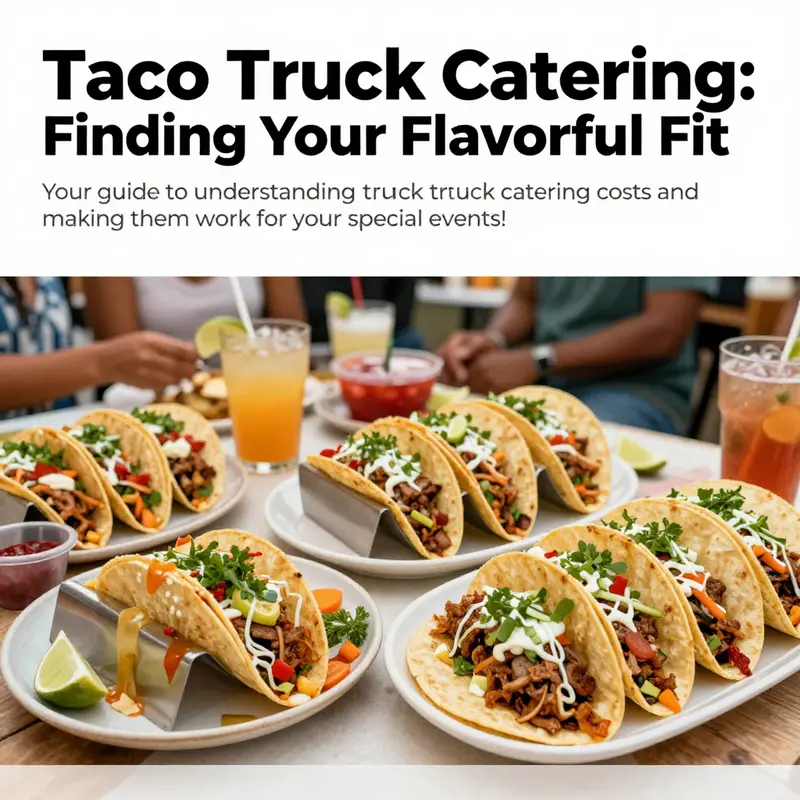
Taco trucks are the sizzling stars of countless celebrations, bringing vibrant flavors and zesty dishes right to your event’s doorstep! But how much does it cost to have one cater your special occasion? It’s an essential question for taco lovers and taco business owners alike. In this journey through taco truck catering, we’ll break down the expenses crisply and clearly, from the basics of pricing to the intricate factors that influence costs. Each chapter will offer insights to help you budget effectively or to guide you as a taco truck owner in pricing your services competitively. Get ready for an exploration that guarantees flavor, value, and unforgettable experiences!
The Real Math Behind Taco Truck Catering: Estimating Cost, Value, and the Flavor of Your Budget
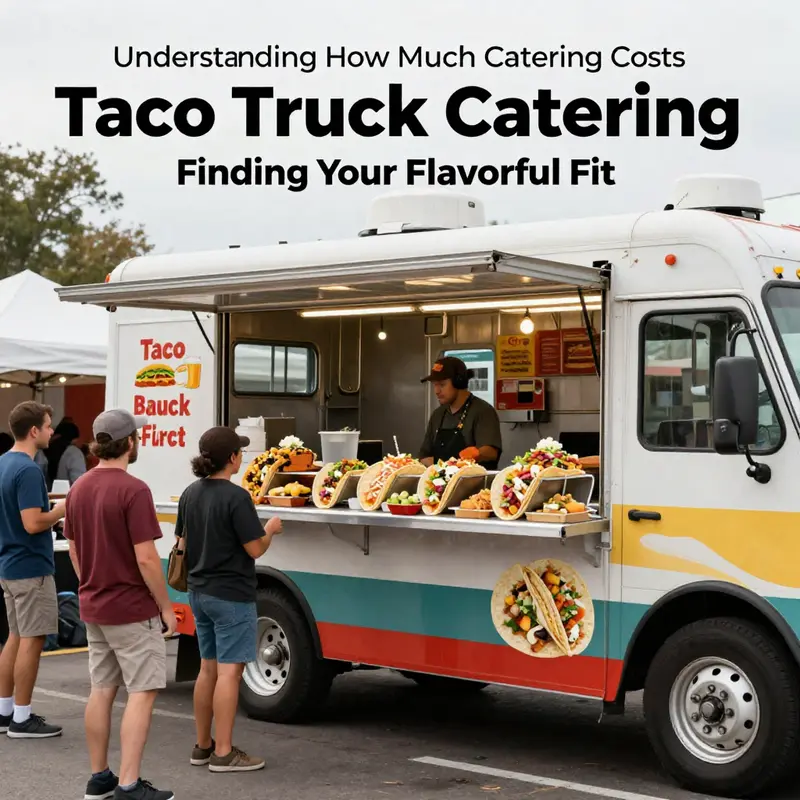
When people start planning a taco-focused catering experience, they often picture the sizzle of grills, the aroma of seasoned meat, the rhythm of a line snaking past a colorful truck. What they don’t always picture is the ledger that follows the flavor—the practical costs that determine whether a memorable taco experience fits the budget and the timeline. The costs behind taco truck catering are not a single line item but a web of interlocking decisions. They begin with the core choice between two broad archetypes: the basic mobile cart and the more characterful, fully equipped electric food truck. The first option leans toward simplicity and flexibility. A basic mobile cart, often smaller and lighter, can be ideal for intimate gatherings, pop-up moments at markets, or events where space is limited and a lighter footprint is preferred. The initial price picture for such setups tends to anchor at a modest level, especially when purchased in bulk rather than rented for a single event. In practical terms, a small fleet of compact carts can carry an upfront cost that resembles a starter kit for a fledgling operation, with bulk pricing sometimes around the mid-thousands for multiple units. For someone planning a singular, one-off event, the cost structure is usually different and often leans toward rental expenses and a per-event minimum rather than ownership. The other path—the fully equipped electric truck—speaks to durability, efficiency, and the potential for sustained business growth. These trucks bring built-in ovens or grills, reliable refrigeration, and integrated electrical systems that make it possible to deliver consistent heat, fast turnover, and the potential for an expanding menu. Prices for this tier cluster in a broader range, reflecting the breadth of features and customization available. A standard electric taco truck, when considered as a buying decision or a high-utility rental, typically lands somewhere in the four- to seven-thousand-dollar neighborhood, with even higher figures possible for models that push into additional capabilities. The contrast between these two classes is important because the choice influences every downstream cost, from power and maintenance to branding and service expectations. The power source itself becomes a primary determinant of ongoing expenses and safety considerations. Electric carts offer a cleaner, quieter operation and typically superior heat control, translating into better food quality and easier compliance with indoor event spaces or venues that restrict open flames. Gas-powered trucks carry a different calculus: lower upfront costs in some cases, but higher operating costs over time, plus safety and ventilation considerations that can constrain where and when they can operate. The decision is not only about dollars spent at purchase or rental but about the reliability and simplicity of operations during the event, the tontine of power needs, and the long-term maintenance burden. A deeper layer reveals how customization reshapes the total. Custom branding, specialized interiors, larger grills, or deep fryers, and tailored interior layouts all come with price tags that climb as the level of specificity rises. If you’re aiming for a cohesive brand experience or a kitchen that can handle a broader menu without sacrificing speed, the bill climbs, but the value—especially for a budding business—often rises in tandem. The job of the host, however, is to balance these enhancements against the practical realities of the event: how long the service must run, whether the crowd will demand a broader menu, and whether dietary accommodations will require separate prep and equipment. In the realm of pricing, one must also factor in collateral costs that arrive with any mobile service: travel and delivery fees, setup and teardown labor, and the inevitable gratuities. Travel fees can surprise those who underestimate the distance between the truck and the event site. A few miles can add a surprising line item, especially when staff must arrive early to set up and stay late to break down. Service charges, whether built into the quote or presented as a separate line item, diffuse into the final price and can include labor for front-of-house staff, tenting, and portable equipment rentals. Gratuities, while discretionary, show up as a practical reality when service is smooth, friendly, and timely. The pricing ecosystem also reflects the event’s scope and timing. Many caterers in this space operate with a minimum service fee, a floor that covers the basic logistics of staffing, travel, and initial food preparation for a given guest count. Those minimums can start around a few hundred dollars and scale upward in direct relation to guest numbers or additional services requested. Seasonal pricing variations further complicate the math. In peak wedding season or holidays when demand spikes, the cost of labor, fuel, and even ingredients can rise, nudging the final invoice higher. Conversely, off-peak windows may yield opportunities to secure more favorable terms, especially for venues or hosts who can offer flexible scheduling. Dietary accommodations are another area where price sensitivity shows up clearly. Custom diets—gluten-free, vegan, low-sodium, or allergen-aware menus—often necessitate separate prep areas, additional equipment, or even dedicated staff. Those needs, while admirable for inclusivity, escalate the cost. They should be accounted for upfront in the planning phase to avoid late surprises that affect the event budget or the guest experience. Even when a host is not building a business around a truck, the decision to operate a single event with a taco focus still triggers a spectrum of price components beyond the base per-person charge. A common frame of reference in this space is the per-person catering price. On the surface, basic taco catering packages tend to land in the modest range of ten to fifteen dollars per guest, a figure that many hosts find approachable for mid-sized gatherings. Yet that simple per-person rate can mask a deeper truth. It is not uncommon for higher-end trucks offering more elaborate menu options to push per-person pricing upward, reflecting the added labor, equipment, and specialty ingredients that turn a simple taco into a signature experience. In other words, a dinner-for-two price may grow quickly into a fully managed dining experience requiring a crew, a defined service window, and a level of culinary artistry that justifies a higher per-person charge. When both the rental and the per-person costs are tallied, the overall spend for an event can be surprisingly close to or even exceed what conventional catering would cost in certain markets. The math becomes even more intricate when you consider the total guest count, the duration of service, and the need for staffing beyond the kitchen—servers, food runners, and sometimes dedicated line monitors to ensure that service remains orderly. For a bustling function with a larger guest list, a basic per-person rate of ten to fifteen dollars may be insufficient if there is a fixed minimum service charge that applies regardless of headcount. The minimum acts as a floor that ensures the crew can cover travel, setup, and the initial food preparation without losing money on a small turnout. In that framework, the event cost may hinge more on ensuring the minimum is met than on the literal number of plates served. This is where a host’s planning timeline becomes crucial. If you’re coordinating a one-off celebration with a fixed guest list, it is easy to anchor expectations to a per-person subtotal and a predictable minimum. If you’re building a long-term catering strategy—say, for recurring gatherings, seasonal markets, or even a small catering business—the equation shifts toward optimizing asset use and lifecycle costs. A fleet with several carts or trucks, each tailored to different service needs, can multiply options while diluting fixed costs across multiple events. The value here rests on reliability and the potential to scale. A well-chosen vehicle can do double duty: it can be a workhorse at large events and a nimble solution for intimate gatherings or pop-up markets. The decision between investing in a basic cart or a fully equipped electric truck often becomes a question of trajectories. If your goal is to establish a scalable venture that can operate in a variety of venues and sustain regular demand, the electric option—with its robust capacity and consistent performance—tends to justify the higher upfront investment. If, however, your aim is to test the market, prove demand, and minimize upfront risk, a smaller, more modular approach might be the wisest starting point. In either case, the financial picture benefits from forethought about branding and customization. A strong visual identity can elevate the perceived value of the offering, making guests feel as though they are part of a curated experience rather than a simple meal. Custom branding, menu boards, exterior finishes, and interior layouts aren’t just cosmetic choices; they are investments with tangible payoffs in customer perception and repeat business. Yet every customization carries a contribution to the bottom line. For hosts planning ahead, it is wise to weigh the incremental cost of personalization against the projected uplift in customer satisfaction, repeat visits, and referrals. The broader ecosystem of costs also includes after-sales service and warranty considerations. Reputable suppliers typically offer warranties and technical support for a defined period, sometimes up to a year. This protection helps protect against unexpected repair expenses and can be a meaningful savings over time, particularly for new operators who are still building their in-house maintenance capabilities. The practical takeaway for hosts is simple but powerful: ask about warranties, service coverage, and what is included in the maintenance package. A well-supported vehicle reduces the risk of service interruptions during a crucial event, which in turn maintains guest satisfaction and protects the host’s reputation. As a host navigates the pricing terrain, the value proposition should be anchored in clarity. A transparent, itemized estimate that breaks out base costs, labor, travel, equipment upgrades, dietary accommodations, and any applicable taxes can demystify what seems like a simple “per-person” figure. It also helps you compare quotes from different operators on an apples-to-apples basis, ensuring you’re not paying for features you don’t need or missing essential services that can smooth the event experience. In practice, this means reading quotes carefully, asking pointed questions about minimum charges, and requesting a straightforward projection of total costs across several guest counts. If you’ve reached this stage with a preferred vendor, consider asking for a “cost ladder”—a tiered presentation of options where you can see precisely how each upgrade would alter the final price, and how those upgrades map to your guests’ expectations and the event’s flow. For those who are evaluating the practicalities of hosting a taco-focused event, it is also worth reflecting on the broader context of what a truck brings beyond the menu. A well-run mobile kitchen becomes a social hub at a wedding, a corporate gathering, a festival, or a community celebration. The presence of a taco truck can draw a crowd, reduce the need for separate food stations, and offer a memorable centerpiece for guests. Yet the charm of this experience should not blind the host to the underlying costs. The joy of fresh tortillas and sizzling fillings must be weighed against the durability of the equipment, the reliability of the service, and the logistics of getting the truck to and from the venue. In pursuit of budget harmony, a practical approach is to treat the pricing conversation as a collaborative planning exercise. Start with your guest count and event duration, add the necessary dietary accommodations, factor in staffing and service, and then layer on branding and equipment preferences. Finally, build in a cushion for travel, permits, and contingencies. This disciplined approach helps ensure that the final bill remains aligned with the experience you intend to deliver, while also protecting you from unwelcome last-minute surprises. If you want a concise map to comparing options, consider this guiding question: does the choice enable a smooth, high-quality guest experience within the budget you’ve set, or does it force compromises that would dilute the event’s impact? The nuance lies in balancing the appetite for a distinctive, flavorful experience with the realities of the wallet. Throughout this exploration, it’s easy to see that the numbers tell a story, but the story is not simply about pounds and dollars. It is about comfort—comfort for guests who will savor the meal, comfort for event organizers who need dependability, and comfort for entrepreneurs who seek a scalable model that can grow with demand. For readers who want to dive deeper into the practicalities of selecting the right vehicle for your culinary venture, the chapter on choosing the right food truck offers a helpful framework and concrete considerations to guide the decision process, including how to assess space requirements, power options, and long-term maintenance. Choosing the right food truck can serve as a practical companion as you map out your event’s budget and the path toward a vehicle that aligns with your goals. When it comes to the bottom line, the cost of taco truck catering is never an isolated number. It is a composite of the vehicle you choose, the features you demand, the care you invest in maintaining quality, and the guest experience you hope to deliver. Budget thoughtfully, compare options with openness, and retain flexibility for seasonal shifts and venue variables. In the end, a well-planned taco truck experience can deliver not just memorable flavors but meaningful value, turning a gathering into a shared celebration where food, service, and cost exist in a balanced, harmonious equation. For readers seeking a broader financial perspective on the sector, external resources offer practical benchmarks and cost considerations that can further illuminate the pricing landscape. A helpful external guide to the cost dynamics of operating a food truck can be found here: https://www.inc.com/guides/2010/06/how-much-does-a-food-truck-cost.html
The Real Cost of Taco Truck Catering: How Per-Person Prices Meet Event Realities
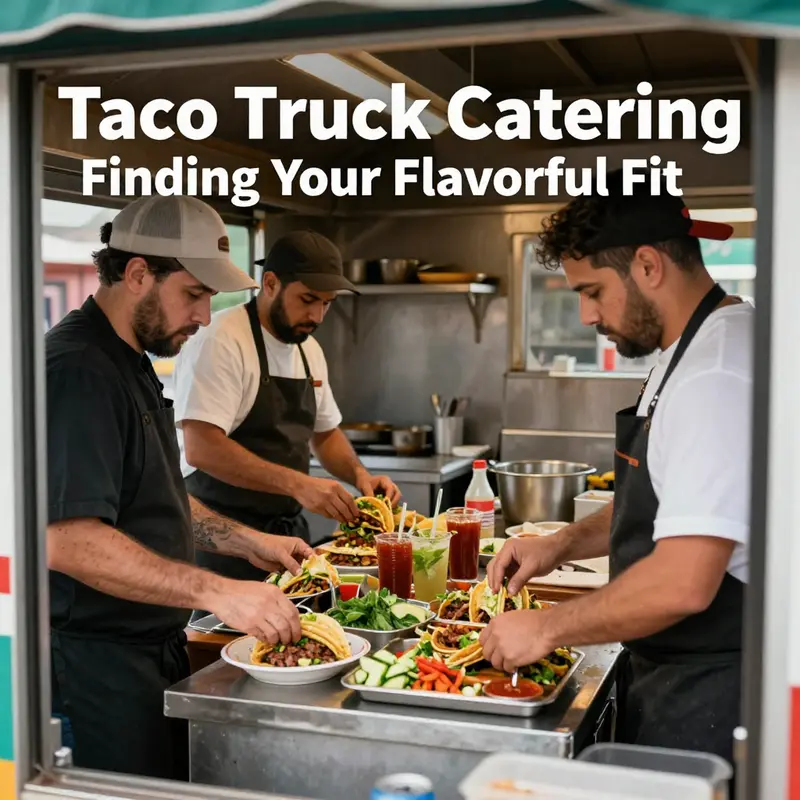
When a planner starts weighing options for a celebration or corporate gathering, the question almost always lands on the same doorstep: how much is taco truck catering? The answer is not a single line on a menu card but a mosaic of moving parts that shift with the truck, the menu, the venue, and the vibe the host wants to create. At first glance, numbers like ten to fifteen dollars per person might sound straightforward enough. Yet those figures sit atop a layer cake of variables—some obvious, some subtle—that push the final bill in ways most hosts only discover once a contract is in hand. In this chapter, we move through those layers with care, not to overwhelm, but to illuminate how pricing works in a market where mobility, craft, and service converge on event days. The goal is practical clarity: to help readers budget confidently and to understand the trade-offs that come with different menu choices, service styles, and truck configurations. This exploration remains anchored to the core question—how much is taco truck catering?—while embracing the realities that every event is unique and every truck carries its own cost structure beneath its appetizing exterior.
At the heart of pricing is the vehicle—the mobile kitchen on wheels that will become a central stage for the meal. Larger, fully equipped catering trucks offer undeniable advantages for big gatherings. They come with built-in ovens, grills, refrigeration, and generous storage. Those features translate into capacity: more burgers, more burritos, more batches of salsa in a single trip, fewer missed windows, and a smoother operation when the clock is running. But greater capability comes at a price. The same features that let a truck churn out dozens or hundreds of servings also drag up fuel consumption, maintenance needs, and, in many cases, regulatory overhead. A vehicle that runs with multiple propane lines, high-output burners, and a robust exhaust system will demand higher insurance premiums and may require the operator to hold a commercial driver’s license. These are not incidental costs; they are structural elements of the price equation that show up in the per-person price or in a separate service fee.
Step vans, the stalwart workhorses of many taco businesses, offer a different balance. They often boast a more compact footprint, easier maneuvering, and a kitchen layout designed to maximize efficiency within a smaller footprint. The interior feel can be more compact, but the cost to acquire and maintain such vans can be competitive and, in some cases, more economical than the larger rigs. The trade-off tends to be capacity and flexibility. With a step van, you may rely more on precise staging, a well-planned service flow, and clever menu design to hit targets for big groups. In pricing terms, step vans can lower some operational thresholds but still present significant fixed and variable costs—insurance, maintenance, staffing, and fuel—that accumulate across events and drive the per-person price upward if the guest list expands.
Customization also plays a central role. A basic taco operation that sticks to a straightforward menu—think a handful of tacos, beans, rice, and a few toppings—will price differently from a culinary-focused truck that emphasizes healthful options, organic ingredients, or allergen-friendly preparations. The more the menu diverges from a standard approach, the more specialized the equipment and sourcing become. Health-forward or specialty-diet menus might require separate cooking surfaces, dedicated utensils, and unique ingredient sourcing, all of which add to the cost. Even small touches—a gluten-free tortilla option, a vegan protein, or a custom salsa created for a regional palate—can ripple through the bill in subtle but meaningful ways. It is not merely the ingredients but the entire kitchen workflow that changes when customization is introduced. The result is a higher price ceiling, but often with the upside of a more compelling guest experience that aligns with a host’s values and preferences.
Beyond the vehicle and the kitchen’s configuration lie the operational expenses that every caterer must cover to stay in business and to deliver consistently on event day. Utilities are a constant consideration: generators humming in the background, propane usage, electricity for refrigerated units, and the occasional need for hot water or steam to sanitize the setup between service windows. Maintenance is the quiet backstage actor—the routine servicing of engines, burners, and refrigeration units that keeps a truck reliable under pressure. Insurance is another nontrivial cost, reflecting the risk that comes with transporting equipment, handling food, and serving a live audience. Staffing, too, matters. The number of cooks, line assistants, cashiers, and helpers required to keep the line moving depends on the menu complexity and the service style. These staffing needs are not merely about labor; they shape the pacing, the guest experience, and the culinary throughput, all of which feed back into pricing.
The services offered by a taco truck—from a simple catering package to a more elaborate, buffet-style or plated service—introduce another layer of pricing nuance. A bare-bones setup might include hot serve lines and a basic assortment of proteins and toppings, with a simple buffet format where guests help themselves. A more elaborate service could involve live-fire stations, chef demonstrations, or customized plating for a more formal feel. Each extra service requires more labor, more time on site, more equipment, and in many cases, more travel and setup planning. The more the host requests, the more the caterer must coordinate with the venue, marshal traffic flow, secure permits, and ensure compliance with health regulations. It’s a chain of dependencies, and each link carries a cost.
Location and frequency of service are often the quiet, persistent price accelerants. In high-traffic urban venues, permits, street closures, and local ordinances can push up rental or permit fees and complicate service logistics. The same truck at a major festival or corporate campus may incur different insurance requirements, parking permissions, and load-in windows, each influencing the final tally. For events that recur weekly or monthly in the same location, a caterer might offer a bulk or standby rate, but that is conditional on consistent demand and predictable scheduling. The opposite scenario—the remote site, a long drive, and a tight turnaround—can produce a premium for travel, meals, and time. Seasonal fluctuations also matter. In peak season, demand may outpace supply, nudging prices up as operators juggle tighter windows and higher energy usage, while off-season might bring more flexible scheduling and occasional promotional pricing. The takeaway is simple: pricing is a function of place, pace, and repeated demand as much as it is of the menu or the vehicle.
What all these factors translate to in practical terms are price bands that reflect core expectations and a spectrum of add-ons. A basic taco catering package tends to start around ten to fifteen dollars per person, enough to cover a modest menu and simple service. When a truck adds more items, higher-quality ingredients, or dietary accommodations, the per-person price climbs toward the higher end of the spectrum—often beyond twenty dollars and heading toward thirty, or more, for premium offerings. This range mirrors not only food cost but the total value proposition: the labor on site, the logistics of setup and breakdown, and the flexibility to adapt to dietary needs without sacrificing service speed. For hosts with tighter budgets, a reasonable goal is to target the lower end of the per-person range while acknowledging that minimum service fees can act as an anchor for small to mid-sized events. A number of caterers set a baseline minimum that commonly starts around five hundred dollars, a threshold designed to ensure the operation can cover travel, staffing, and basic logistics regardless of guest count. When guest counts rise, this minimum is offset by the incremental pricing for additional servings and services, so the total is less about a single line item and more about a blended arrangement of fixed and variable costs.
There is also the practical reality of what is sometimes labeled as semi-hidden costs. Travel fees, for example, can appear when the venue is outside a typical service radius. A cross-town drive or a multi-location setup demands more fuel, more time, and potentially more personnel to handle the transitions smoothly. Health and safety compliance can necessitate certificates, allergen labeling, or separate prep spaces, especially for events with sensitive dietary restrictions. Gratuities, tips, or service charges may be added in some contracts, reflecting the hospitality dimension that goes beyond the kitchen. These components are not sprinkled in as afterthoughts but are part of the full value delivered on event day. A host who understands that the per-person price is only a portion of the total cost is better prepared to budget and avoid last-minute surprises.
Dietary customization—one of the strongest drivers of pricing variation—often carries its own logic. If the menu includes plant-based, gluten-free, dairy-free, or other allergen-conscious options, the caterer may need to source specialty ingredients, prep separately to avoid cross-contamination, and maintain additional kitchen segregation. These measures safeguard guest health and experience but come with tangible cost implications. The decision to accommodate dietary needs is, in effect, a balancing act between inclusivity and price sensitivity. The most effective approach is transparency: in the proposal, list what is included, what is optional, and how each choice affects the overall cost. A host honest about dietary goals gains a vendor partner, not merely a supplier, who can help optimize the menu within the budget while preserving the desired guest experience.
With all these factors in view, translating a rough idea into a budget requires a practical framework. First, determine the guest count and the service style. Will it be self-serve buffet, mobile line service, or plated rounds with stations? Second, identify menu priorities—whether the emphasis is on a few signature tacos, a broader mix, or a health-forward selection. Third, consider operational realities: venue distance, load-in access, and the time window the truck has to operate during the event. After establishing these three pillars, request formal estimates that separate fixed minimums, per-person pricing, any equipment or staffing surcharges, and travel or permit fees. In short, a well-structured proposal lets a host compare apples to apples rather than juggling abstract numbers. As you compare, beware of the tempting but unfounded assumption that a lower per-person price automatically equals better value. True value often emerges when a caterer’s pricing reflects reliability, speed, and the quality of the guest experience—factors that matter in the moment when a long line starts humming and guests are deciding whether to return for a second helping.
For readers who want a deeper dive into how vehicle standards, performance, and industry-specific applications operate within mobile catering, a reference point exists in industry analyses that explore the mechanics behind the trucks themselves. These analyses offer a broader context for pricing decisions, helping readers understand not just what they are paying for, but why a given price point makes sense in light of capacity, throughput, and reliability. As you reflect on the numbers, consider the broader arc: the truck is a moving kitchen, the menu is the engine, and the service style is the pulse that determines how long that engine runs at peak performance. The total cost, then, becomes a choreography of parts, each contributing to the rhythm of your event’s experience.
To help readers connect pricing to choices, consider this practical nudge: when planning a mid-sized outdoor wedding with fifty to seventy-five guests and a desire for a lively, informal atmosphere, you might lean toward a step van with a streamlined menu and a two-person service team. The base per-person price will likely fall within the mid-range, and a modest travel fee may apply if the venue sits at a pleasant but non-trivial distance from the truck’s home base. Add a few premium toppings or chef-driven toppings at a modest premium, and you preserve energy for a memorable setup while keeping within budget. If the guest list grows to a hundred to one hundred twenty-five and the event features a longer service window, a larger truck with an expanded menu becomes a sensible investment. The per-person price climbs, but the value of speed, reliability, and variety increases in tandem. The important principle remains: align the choice of truck, the menu, and the service style with the host’s budget and priorities, and treat the price as a reflection of the experience you intend to create rather than a single numerical target.
For readers who want to explore the spectrum of options and models that might influence price and performance, a deeper look at truck configurations can be illuminating. The article or resource that examines top models for success emphasizes how a truck’s design can support efficiency, service speed, and guest satisfaction. It’s a reminder that while price is a critical input, the right truck for a given event can yield a better operating rhythm and, over time, better value for the guests. This connection—between vehicle form, menu function, and guest experience—helps explain why two events with similar guest counts and menus can look and feel different in price, depending on the truck’s ability to execute smoothly under pressure.
In practice, budgets evolve as event planners gather bids and refine their expectations. The clear takeaway is that the best approach blends pragmatism with a touch of ambition: identify a target experience, assemble a menu that fits that vision, and then let the pricing structure reveal whether the plan is feasible within the allotted budget or whether adjustments in vehicle choice, service style, or menu scope are warranted. Budgeting for taco truck catering should not feel like a guessing game. It should reflect a thoughtful mapping of what guests will experience, how quickly they will be served, and how reliably the truck can operate from load-in to finish. When done well, the math supports a vivid, flavorful event that guests remember for the right reasons—distinctive, approachable, and expertly executed in the very space where food and movement meet.
For readers curious about the broader market context and to connect price with industry standards, the external resource below offers a structured look at vehicle prices, performance, and the standards that mobile catering vendors strive to meet. This reference provides a broader lens on the economics behind the numbers and the conditions that shape pricing across the sector.
External resource: Inside Catering Truck Prices: Detailed Standards, Properties, and Performance Analysis for Industry — https://www.cateringtruckinsights.com/2025/11/28/inside-catering-truck-prices/
For readers seeking further insights into how the best food truck models can inform pricing decisions and drive value, a related internal reference worth considering is the collection of guides on choosing the right food truck and the top models for success. These resources help frame the question of cost within the practical realities of ownership, operation, and long-term profitability. A suggested avenue is to explore Top food truck models for success, which offers a comparative look at different configurations and how they align with varied event scenarios. Top food truck models for success.
null

null
Final thoughts
Budgeting for taco truck catering can be as enjoyable as tasting the tacos themselves! By understanding the cost components, recognizing the factors that influence pricing, and accurately calculating for your unique event, you can ensure a spectacular experience that tantalizes taste buds and creates memories. Remember, whether you’re planning a small gathering or a grand celebration, the right taco truck can be the perfect ingredient for a flavorful dish.