
Owning a taco truck can be a mouthwatering dream for many food enthusiasts and taco aficionados. The allure of cooking tacos on the go, serving sizzling dishes at events, and tantalizing taste buds with every stop is undeniably tempting. However, before you rev up that taco truck for transportation, you need to understand that the journey involves more than just having a cool ride. Legal regulations and requirements play a crucial role in determining whether you can own a taco truck solely for transport or if you need to jump through hoops for permits and licenses. In this article, we will explore the legal framework that governs taco truck ownership, the necessary requirements to operate a mobile food business, the impact of zoning laws, health and safety regulations specific to taco trucks, and the crucial aspects of insurance and liability. Each chapter will guide you through these vital areas, ensuring you know what’s needed for your taco business dreams to thrive.
Navigating the Legal Landscape of Taco Truck Ownership: Beyond Transportation to Full Regulatory Compliance
When considering the possibility of owning a taco truck solely for transportation purposes, it is essential to grasp that the legal framework governing such a venture extends far beyond simply owning a vehicle. At first glance, the idea of purchasing a truck for its mobility and potential as a mode of transportation might seem straightforward. However, once one delves into the specifics of operating a mobile food business, a far more intricate web of regulations and compliance measures unfolds. In essence, owning a taco truck is not just about procuring a vehicle that fits behind your pickup or SUV—it is about transforming that vehicle into a fully compliant, operational food service establishment that meets a myriad of legal requirements enforced at the municipal, state, and federal levels.
The core of this comprehensive legal framework lies in understanding that a taco truck is not merely a mode of transport. It is a mobile kitchen that must strictly adhere to codes designed to safeguard public health, ensure business integrity, and maintain fair competition between mobile vendors and brick-and-mortar restaurants. Should the truck owner intend to prepare, transport, and serve food, particularly something as popular as tacos, they are legally obliged to secure a complete range of permits and licenses. Among these, the mobile food vendor permit is central. This permit is a testament to the vehicle’s readiness to meet health and safety standards in addition to its qualification as a service establishment. Additional permits include standard business licenses issued by local authorities, which verify that the business is recognized and regulated under local commercial codes, and specialized health department permits that confirm the vehicle is modified to serve food safely and hygienically.
Further complicating the scenario is the demand for stringent adherence to zoning laws and operational guidelines that vary greatly by jurisdiction. Local ordinances may dictate the specific areas where a taco truck can park and operate, often influenced by the interests of established brick-and-mortar restaurants. For example, recent regulatory changes in Los Angeles have imposed a rule limiting taco truck parking to one hour per designated spot, followed by a three-hour interval before a return is permitted. Such regulations underscore the delicate balance cities strive to achieve between supporting mobile vendors and protecting existing businesses. However, even these carefully crafted rules can face practical challenges: in Los Angeles, concerns have been raised about enforcement limitations due to budgetary constraints and staffing shortages. This example vividly illustrates that compliance is not only a matter of obtaining the right permits but also of consistently navigating evolving local policies and enforcement practices.
In addition to securing the necessary permits, prospective taco truck owners must demonstrate that their vehicle conforms to specific structural and equipment installation requirements. Vehicles must be outfitted with commercial-grade cooking equipment such as grills, fryers, and warming units, all configured and maintained in strict accordance with health Department guidelines. Access to essential utilities such as power and water becomes yet another critical factor. Without these utilities, the taco truck cannot operate at maximum capacity, thereby failing to meet the standards required for a successful mobile food business. It is also worth noting that liability insurance is not merely advisable—it is a legal necessity that protects both the vendor and the public. Without adequate insurance, any accidents or health issues that arise from the service operations could result in severe liabilities, further jeopardizing the business.
For many, the initial thought process may be confined to the allure of the truck’s mobility. The idea that one could simply tow the taco truck to various locations without being hampered by the static nature of traditional restaurants is indeed enticing. Yet, this perspective neglects the central importance of legal compliance, which remains the cornerstone of operating a taco truck. The transformation of a mere vehicle into a fully licensed mobile food establishment yields responsibilities that span licensing, routine health inspections, and strict adherence to safety protocols both on and off the road. The legal narrative here involves not only demonstrating that the vehicle is roadworthy, but also that it has been retrofitted and approved through rigorous certification processes that attest to its safety for both food preparation and consumer use.
Another critical point to consider is that regulatory obligations are not static; they evolve in response to consumer safety concerns, technological advances, and shifts in the business environment. The dynamic nature of these regulations means that taco truck owners must remain vigilant by regularly reviewing updates to local health codes and zoning laws. For instance, cities often update their operating guidelines for mobile food vendors to address issues ranging from food contamination risks to public parking challenges. Owners might find that they are required to adjust operational practices, install new safety equipment, or even relocate their service areas based on the latest legal directives. In this way, owning a taco truck is a continuous commitment to compliance and improvement.
The complexity of this legal landscape is also reflected in the financial implications tied to each compliance aspect. Securing permits, modifying a vehicle to meet health codes, and ensuring regular maintenance of cooking equipment all carry associated costs. These are not one-time expenses but recurring investments that ensure the truck remains in legal operation. Operating a taco truck is much more than an initial capital investment—it demands ongoing financial planning. Prospective owners must incorporate these expenses into their business models, recognizing that failure to meet any of these financial obligations can lead to fines, operational shutdowns, or even legal actions that could cripple the enterprise. The economic reality is that while the allure of a mobile food business might be the freedom it offers, the financial commitment to ongoing compliance is what ultimately defines its viability.
Moreover, the concept of a taco truck purely as a vehicle for transportation quickly becomes a misnomer once one considers its potential for entrepreneurial success. The interest in taco trucks is often driven by the broader trend toward food mobility and innovation in culinary culture. While one might own a truck primarily to transport equipment or ingredients, the moment it is equipped for food preparation and sales, it transcends conventional vehicle ownership and enters the realm of regulated business operations. This transformation necessitates a switch in perspective: from viewing the asset as a simple mode of transportation to recognizing it as an integral part of a complex business model that is subject to rigorous legal scrutiny and operational oversight.
The legal challenges also extend to the very conception of what it means to operate a legitimate food service establishment. Regulatory bodies scrutinize not only the physical aspects of the taco truck but also the business practices of its operators. This includes verifying that the business is registered for sales tax, that it complies with labor regulations when employing staff, and that it adheres to safety protocols intended to protect both the public and the workers. Consequently, understanding the full spectrum of legal responsibilities is essential for anyone contemplating the ownership of a taco truck. The process demands a comprehensive plan that covers everything from the appropriate licensing and insurance to the physical modifications necessary for food service and the continuous monitoring of regulatory changes.
In addition to municipal and state regulations, federal guidelines cannot be overlooked. The Food and Drug Administration (FDA) provides overarching rules on food safety that apply to mobile vendors just as they do to stationary restaurants. Such standards ensure that food is prepared, stored, and served in conditions that minimize the risk of contamination. Compliance with FDA guidelines, therefore, becomes a non-negotiable aspect of operating any food service vehicle. It is a reminder that while a taco truck may roll along highways and city streets, it carries with it the full weight of the nation’s food safety regulations. This interplay between local and federal oversight further emphasizes the multifaceted nature of legal compliance.
For those considering the transition from merely owning a vehicle to running a successful food truck business, it is crucial to internalize that the tangible aspects of the truck—its engine, body, and mobility—are only part of the equation. The legal status of the vehicle as a food service provider is determined largely by how well its operational procedures align with legal requirements. This is where thorough research and consultation with legal experts become invaluable. Owners must take the time to study local ordinances, consult with regulatory authorities, and potentially even tap into guidance provided through detailed resources such as the comprehensive outline found in the article on the legal steps for launching a food truck available at legal steps for launching a food truck. This proactive approach helps ensure that all areas—from food preparation to parking regulations—are addressed in a conscientious and legally compliant manner.
Another layer of consideration is the impact of local community sentiments on mobile food operations. Urban areas that have seen a surge in taco truck popularity are increasingly mysterious battlegrounds where mobile vendors negotiate their space alongside established dining establishments. Community feedback can sometimes prompt regulatory revisions that reflect shifting attitudes towards mobile vendors. A notable instance of this is the Los Angeles city council’s recent ordinance, which, despite its operational challenges, signifies a broader trend of municipalities actively managing the presence of food trucks in densely populated areas. Such policies, while aimed at maintaining order and protecting health standards, also reveal the ongoing tension between innovation in culinary mobility and traditional business models. The external dynamics of community expectations, legal requirements, and enforcement practices all coalesce to shape the operational landscape for taco truck owners.
This intricate legal ecosystem is not static but continuously evolves as new challenges and opportunities arise. As regulations change, so too does the operational strategy required to remain compliant. This means that taco truck owners must be adept at both navigating current legal mandates and predicting future regulatory shifts. For instance, changes in health department policies may require additional installation of advanced equipment or new sanitation protocols, which in turn could affect the truck’s layout and operational costs. Each modification, seemingly minor, plays a significant role in the overall legal compliance of the taco truck. Over time, maintaining full regulatory compliance becomes a mission that intertwines legal awareness with everyday business practice. The process is ongoing, reflecting the dynamic and interdependent nature of food service operations within a legally regulated environment.
Ultimately, the legal journey of owning and operating a taco truck illustrates that it is far more than a simple business venture centered on mobility. It is a venture into a realm where every operational decision, from the choice of cooking equipment to the schedule of daily routes, is intertwined with legal obligations and safety standards. The compelling reality is that every taco truck stands as a mobile testament to the balancing act required between innovation in food service and adherence to laws that protect public health and commerce. While owning the vehicle may be one decision, turning it into a legally compliant, thriving mobile eatery is another—the latter demanding a disciplined approach, careful planning, and meticulous attention to detail.
For those seeking to carve out a niche in the crowded landscape of mobile food vending, the lessons learned from this regulatory odyssey are invaluable. Each permit obtained, each modification made, and each law followed not only enhances the business’s credibility but also establishes trust with the community and regulatory authorities alike. In this light, owning a taco truck strictly for transportation purposes becomes an incomplete narrative. The real challenge, and indeed the true opportunity, lies in embracing the full spectrum of responsibilities that transform a truck into a legitimate, beloved institution on wheels.
For further insight into how evolving local regulations can impact your food truck operation, interested readers may review the latest updates directly from the Los Angeles City Council at Los Angeles Taco Truck Parking Rules. Through a comprehensive understanding of these legal frameworks, aspiring taco truck operators can more effectively navigate the complex interstices of food safety, licensing, and community expectations, ultimately setting the stage for a sustainable and legally sound culinary venture.
Navigating Legal and Operational Hurdles: Your Ultimate Guide to Launching a Successful Mobile Taco Venture
Operating a taco truck as a mobile food business is a journey filled with intricate legal requirements, logistical planning, and a passion for serving delicious food. The process of launching your mobile taco venture goes far beyond simply owning a vehicle. Instead, it involves an in-depth understanding of local, state, and federal regulations as well as practical operational insights that ensure your truck not only meets law enforcement standards but also delivers an exceptional customer experience.
Embarking on this venture means you must first address legal and regulatory hurdles that form the foundation of any successful mobile food business. A general business license, often issued by your local municipal or county government, is a necessary first step. Without a valid business license, the operation cannot be considered legitimate. However, even with this license in hand, you must obtain a specific permit designed for mobile food vendors. This mobile food vendor permit serves as confirmation that your taco truck has undergone the necessary scrutiny concerning everything from sanitation standards to compliance with food safety codes. In many jurisdictions, authorities require regular health department inspections, which check various aspects of your operation, such as equipment cleanliness, food storage temperatures, and waste disposal procedures. Alongside these inspections, both you and your staff will need to secure food handler’s permits. This proves that everyone involved in food preparation and service is trained in safe practices, ensuring that even in the midst of a bustling service, food safety is never compromised.
Once legal compliance is secured, attention shifts to the physical attributes of the taco truck itself. Choosing an approved vehicle type with the correct functionality for food service is paramount. The typical choices include compact taco carts or small, nimble food trucks that can easily navigate crowded urban streets and attend to high-traffic areas like festivals or food truck parks. The vehicle’s configuration should support the installation of specialized kitchen equipment while meeting health codes. Essential appliances include grills or griddles for cooking various proteins and tortillas, fryers for perfectly crisp textures, reliable refrigeration units to store fresh ingredients, and hot holding units designed to maintain safe serving temperatures. These appliances, while standard, must be installed by professionals and regularly maintained to adhere to health department standards. Moreover, insulation and weather protection become critical if you plan on year-round operation, particularly in regions where harsh weather conditions can affect both the truck’s performance and the quality of the food provided. This might involve opting for designs such as cargo trailer food trucks, which offer a fully enclosed space that protects both the food and equipment against external elements.
In parallel with vehicle setup and legal licensing, robust operational planning is crucial. Securing the necessary permits to operate in multiple locations is part of this planning and often requires careful site selection. Whether it is busy city streets, local parks, or seasonal festivals, every location may have its own set of rules and regulations. Some areas require advance reservations and additional fees to allow operating a mobile kitchen. Equally important is establishing a reliable power source. Many trucks rely on electric appliances; thus, access to electricity is essential. At times, especially during outdoor events, access to power might be limited, necessitating a portable generator as a backup power solution. Waste management is another cornerstone of operational efficiency. Organizing regular disposal of grease, trash, and recyclables is not merely about regulatory compliance; it also plays a significant role in maintaining public health and ensuring that your truck remains pest-free. Furthermore, an efficient menu design and inventory management system are indispensable. Simplified menus that focus on a few signature taco offerings can streamline operations, ensuring orders are prepared quickly without sacrificing quality. This integration of meticulous planning and clear operational protocols ensures that even during high-volume service periods, every customer receives consistent quality and safety standards.
From an insurance and financial perspective, launching a taco truck operation requires careful consideration of various types of insurance and capital investments. Ensuring that your venture is well-protected legally and financially can make the difference between a smooth operation and a potential disruption caused by unforeseen incidents. Commercial auto insurance is essential, covering the liability associated with the operation of the vehicle itself, while general liability insurance offers protection against claims that may arise from injuries or property damage during the course of your business activities. Property insurance is also critical as it covers any damage to both the truck and installed kitchen equipment. Beyond insurance, effective financial planning is required to manage the significant capital investments needed to build or customize a food truck. Deciding between a pre-built unit and a custom-designed truck is one of the first major financial decisions. A pre-built unit may be less expensive initially, but a custom build can tailor the design to your specific needs and operational style. It is advisable to develop a detailed business budget that factors in costs for permits, insurance, equipment, vehicle maintenance, and unexpected expenses. For those new to the mobile food industry, extensive research into these financial requirements—such as reviewing internal resources like a well-curated guide that explains the legal steps for launching a food truck—can provide invaluable insight into managing operating costs and maximizing the return on investment.
Branding and customer experience are additional components that work in tandem with regulatory and operational planning to elevate your taco truck business. The physical appearance of your truck and the overall visual identity play a pivotal role in drawing potential customers. A distinctive visual identity, created through an eye-catching design and consistent branding, has the power to make your truck instantly recognizable among a myriad of competitors. This includes the thoughtful placement of signage, a color scheme that aligns with your culinary theme, and a design that conveys professionalism and approachability. Meanwhile, the frontline in delivering your brand promise is customer service. Staff training should focus not only on efficiency and speed in order processing but also on maintaining a friendly and inviting demeanor, especially when serving customers in high-pressure environments. A well-managed customer service experience often leads to repeat business and can generate positive word-of-mouth recommendations that significantly boost your profile in local and social media circles.
As your taco truck becomes a fixture in the community, it is important to remain adaptable. Seasonality and varying customer demographics mean that the operation must continuously refine its approach. For instance, adapting your menu and service methods during winter months compared to the high-traffic seasons can make all the difference in maintaining profitability. Moreover, your online presence plays a critical role in modern marketing. Maintaining active social media channels and partnering with food delivery services can help reach a broader audience. Many successful operators have integrated online ordering systems and mobile apps, creating convenience for customers and positioning the business as a modern, customer-centric brand. For those looking to expand their knowledge on the steps required to legally launch and operate a taco truck, there is a comprehensive resource available online that details these processes. Potential operators can refer to this guide for insights into navigating the legal steps for setting up a mobile food business.
In summary, the successful launch of a taco truck as a mobile food business is the culmination of various interwoven elements, including strict adherence to legal frameworks, thoughtful vehicle and equipment planning, astute operational strategies, robust financial planning, and dynamic branding. Each component of the process must be addressed with equal importance to ensure not only compliance with regulations but also a superior customer experience that drives business growth. This balance of legal diligence and creative operational strategy forms the bedrock of a venture that is built to last in a competitive, ever-evolving market.
By ensuring that every aspect of your taco truck operation—from securing the necessary permits to designing an appealing and functional vehicle layout—is meticulously planned and executed, you set the stage for a venture that embodies both culinary excellence and legal integrity. The requirements for operating a mobile taco business may appear daunting at first glance, but with careful research, sound financial planning, and a commitment to quality, the process becomes a structured roadmap towards achieving success on wheels. For those eager to dive deeper into the intricacies of launching a mobile taco truck and understanding the comprehensive legal steps involved, exploring detailed guides and resources can prove to be a vital next step in your entrepreneurial journey.
For additional technical insights and practical advice on choosing the right taco truck design and equipment, please refer to the official guide: Taco Cart Complete Guide: Technical Specifications, Types, and Practical Uses.
Navigating Zoning Regulations: The Roadmap to Legal Taco Truck Operations
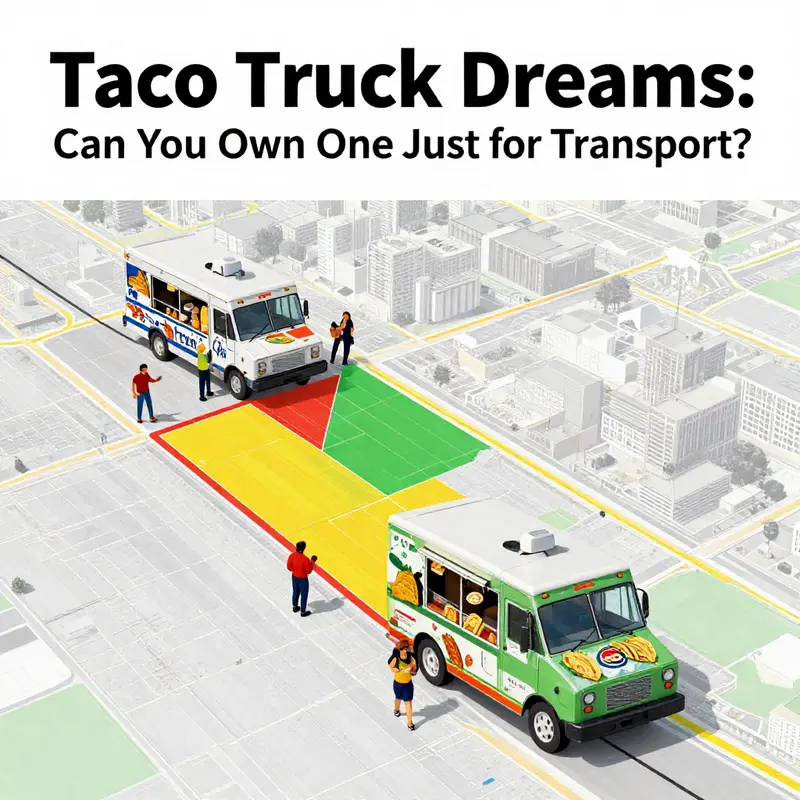
The journey to operating a taco truck legally is punctuated by a labyrinth of rules and regulations that extend beyond simply owning a vehicle for transportation. In many ways, a taco truck symbolizes entrepreneurial freedom and culinary creativity; however, this freedom is closely intertwined with the practical demands of complying with zoning laws and other regulatory requirements. Understanding these zoning laws is central not only for business viability but also for ensuring public safety and community standards.
At the heart of these regulations lies the fact that cities and municipalities organize land use into distinct zones—residential, commercial, industrial, or mixed-use—all of which come with specific permitted activities. For taco truck operators, these zoning laws dictate where a vehicle can legally be parked and operate as a mobile food service. This regulatory framework arises from the city planners’ efforts to balance economic growth with the quality of life for residents. For instance, while commercial districts are often bustling centers where food trucks can thrive, residential areas are typically off-limits to such operations due to concerns about traffic, noise, and parking congestion.
For many prospective taco truck owners, the initial purchase of a truck can mistakenly be seen as the culmination of their entrepreneurial dream. Yet, the vehicle itself is merely the starting point. In reality, transforming that truck into a legal mobile food establishment requires a multifaceted strategy. It involves securing a host of permits and licenses that assure city officials, customers, and vendors alike that the truck is up to code in terms of health, sanitation, and safety. Zoning laws add further nuance to this mix by establishing geographic restrictions. For example, in strict municipalities, a taco truck may be confined to operating in specific commercial corridors, meaning that regardless of the owner’s intentions, the vehicle cannot simply be moved around to serve food in any neighborhood. This targeted approach mandates that operators have a clear operational map, which often requires an in-depth understanding of local zoning classifications.
In many urban centers, the application process to operate in designated zones can be both lengthy and financially challenging. Operators are required to navigate an intricate array of permits including a mobile food vendor permit, a business license, a health department permit ensuring sanitation standards, and proof of liability insurance. Each of these permits is subject to the rigorous scrutiny of local agencies, and noncompliance can result in hefty fines or even the closure of the business. The need to balance regulatory compliance with entrepreneurial ambition means that many taco truck operators must strategize not only about the culinary aspect of their business but also about regulatory navigation and community engagement.
Zoning regulations affect not only where a taco truck can work but also how often and at what times it may operate. Municipalities might impose time restrictions, allowing operations only during particular hours or on certain days. Such limitations can severely impact a business model reliant on the ebb and flow of consumer demand throughout the day. Operators must be well-versed in these temporal mandates, integrating them into their business strategies to maximize exposure while avoiding legal repercussions.
A closer look at cities with distinct zoning policies provides insight into how these regulations shape taco truck operations. Los Angeles, for instance, has pioneered a proactive zoning strategy with its development of designated “mobile vendor zones.” These zones are often situated near transit hubs, public parks, and vibrant downtown areas, offering taco truck operators prime spots to attract a high volume of customers. However, while this system provides clarity and opportunity, it also imposes the challenge of limited availability; not every desirable location qualifies, leading many operators into competitive bidding for those spots. This competitive environment encourages taco truck operators to innovate in their marketing and operational approaches, ensuring they not only meet the baseline legal requirements but also exceed customer expectations with efficient service and unique culinary offerings.
Austin, Texas presents another model of progressive zoning regulations. The city’s flexible zoning codes include provisions that allow taco trucks to participate in special events, festivals, and community gatherings. Here, zoning laws are designed with adaptability in mind, permitting temporary operations in spaces that would traditionally be restricted. This approach fosters an entrepreneurial spirit and helps integrate taco trucks into the cultural fabric of the city. Such adaptive policies not only promote business growth but also enrich the local food scene by introducing diverse and affordable dining options to a wide array of community members. This inclusivity has a dual effect: it drives economic benefits for the operator and contributes to the culinary diversity that is increasingly celebrated in urban areas.
Beyond the immediate legal implications, zoning laws also have deep economic and social ramifications. Overly restrictive zoning can inadvertently push taco truck operations into informal or even illegal territories. In instances where legal operating zones are scarce, enterprising vendors might resort to unregulated locations, creating safety hazards and compromising public health. Conversely, well-planned zoning policies can lead to thriving ecosystems where mobile vendors not only comply with local regulations but also contribute to local economies. When cities designate areas such as food truck corridors or extend temporary permissions for mobile vendors, it opens the door for a more resilient local business environment. These areas tend to attract not only local patrons but also tourists, further amplifying the economic impact of food trucks on urban settings.
For taco truck operators, understanding and adapting to zoning laws takes on added significance in the context of modern urban planning. Cities are increasingly seeking to balance the requirements of diverse stakeholders—from long-term residents to transient visitors, and from small business owners to multinational corporations. Policymakers are tasked with sculpting regulations that support public safety without stifling innovation. This delicate balancing act is evident in the zoning debates that occur at city council meetings, where the voices of food truck operators are gradually becoming more influential. As community members become more aware of the positive economic impact of mobile food vendors, increased pressure is built on local governments to revisit and revise zoning policies to favor a more inclusive, entrepreneurial landscape.
In this light, it is apparent that zoning laws are much more than bureaucratic hurdles; they are fundamental components that shape the operational realities of taco trucks and similar mobile food businesses. They determine the geographical canvas upon which the business is painted, influencing every phase of operations—from location scouting to daily customer interactions. For operators, the ability to navigate these laws effectively can mean the difference between a thriving enterprise and a business that struggles with constant regulatory obstacles.
Indeed, zoning laws compel taco truck owners to adopt a proactive mindset towards legal compliance. They must engage with city officials, community leaders, and regulatory bodies to secure the necessary permits and navigate the subtleties of local legislation. For many, this means investing additional time and resources into comprehensive research and planning prior to launching the business. Educated operators are better equipped to make informed decisions about where to station their truck so that it aligns with both legal requirements and commercial viability. The careful mapping of taxi truck operations in accordance with zoning laws reflects a broader trend in the food service industry: the growing importance of strategic planning and legal preparedness.
Moreover, the collaboration between city planners and food truck operators has the potential to shape future regulatory frameworks in more inclusive ways. By demonstrating that mobile food vendors can serve as both economic catalysts and integral parts of community identity, operators can advocate for zoning policies that promote innovation and cultural diversity. The success stories from cities like Austin and Los Angeles illustrate how thoughtful zoning adjustments can unlock opportunities for growth while maintaining public order. These examples serve as a roadmap for other municipalities looking to enhance their local food landscapes and empower small business owners. In essence, by aligning their operations with zoning laws, taco truck operators can help pave the way for more flexible and supportive regulatory environments.
An additional layer of consideration is the relationship between operating zones and customer accessibility. When taco trucks are confined to areas with limited foot traffic or away from key transit routes, it not only dampens the potential for revenue growth but also restricts the broader community’s access to diverse, affordable dining options. By contrast, cities that recognize the symbiotic relationship between mobile food vendors and urban vibrancy tend to craft zoning policies that favor accessible, high-traffic locations. This strategic positioning is vital, as visibility directly influences customer engagement and ultimately, profitability. The outcome is a win-win scenario where operators thrive and communities benefit from the convenience and cultural richness that taco trucks bring to public spaces.
For those looking to embark on the journey of launching a taco truck, it is essential to approach zoning laws as a core component of business strategy rather than a mere regulatory formality. Detailed planning that accounts for these legal stipulations can be the deciding factor in whether an enterprise reaches its full potential or remains mired in bureaucratic obstacles. Business owners should invest in understanding the unique zoning dynamics of their chosen locales, and where necessary, seek professional guidance or utilize resources such as the comprehensive insights provided in the article on legal steps for launching a food truck. Knowledge in this area not only mitigates the risk of noncompliance but also opens up avenues for innovative business practices that can turn regulatory challenges into competitive advantages.
Furthermore, the economic landscape surrounding mobile food vendors has evolved significantly in recent years. With the growing demand for on-the-go dining options, policymakers are increasingly challenged to create an environment that nurtures both regulation and innovation. As part of this evolution, several cities have begun to reexamine and adapt their zoning laws to better accommodate the dynamic needs of modern urban life. These progressive changes underscore the importance of aligning operational practices with legal frameworks while ensuring that food trucks continue to serve as a vibrant part of the urban fabric. The transformation of zoning policies to support food trucks is a reflection of this broader societal shift towards inclusivity and entrepreneurship.
In summary, the critical relationship between zoning laws and taco truck operations cannot be overstated. These regulations serve as the bedrock for how and where mobile food vendors can operate, setting clear guidelines that affect everything from location selection to business hours. They influence the economic sustainability of taco trucks and play an essential role in shaping community interactions. As cities continue to evolve and embrace the benefits of culinary diversity, operators who understand and navigate these zoning mandates will be well-positioned to leverage their businesses for success.
For more information on designated operating zones and the specific guidelines that affect mobile food businesses, resources such as the Los Angeles Food Truck Zones provide valuable, official insights. By staying informed and proactive, taco truck owners can ensure their operations not only comply with zoning laws but also contribute to the thriving, dynamic urban communities they serve.
Navigating Health and Safety Compliance: A Comprehensive Guide for Taco Truck Transportation and Service
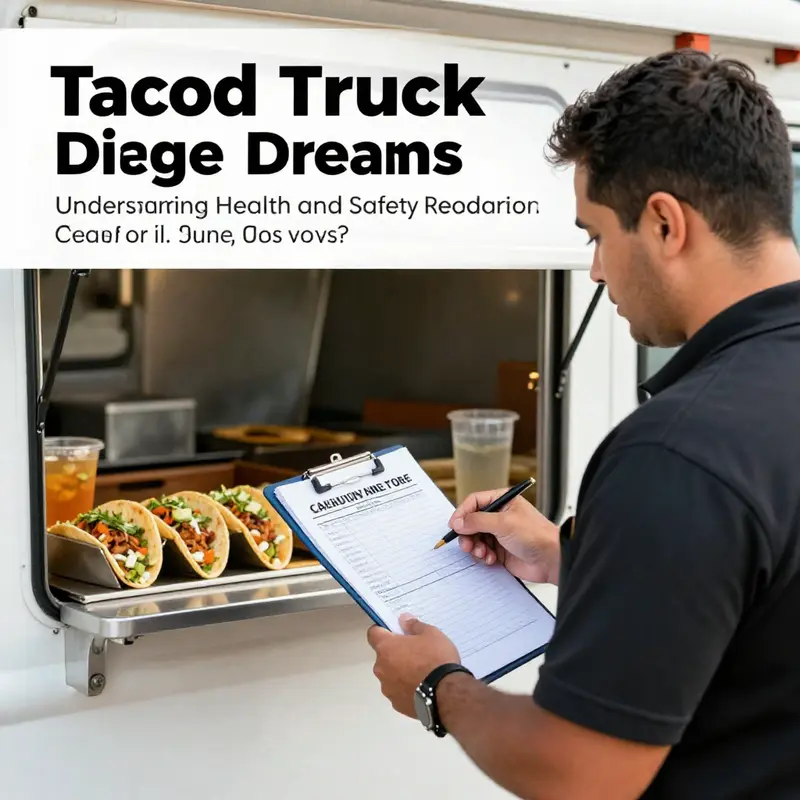
Imagine owning a taco truck, not solely as a means of transportation but as a vessel that represents both your culinary passion and adherence to rigorous health and safety standards. The bridge between owning a vehicle for transport and operating it as a fully functional mobile food service is built on a foundation of trust, compliance, and detailed attention to the regulatory requirements that govern the mobile food industry. In this chapter, we explore in depth the principal elements of health and safety regulations that your taco truck must meet to operate legally, safely, and efficiently, ensuring that every mile traveled and every taco served is backed by confidence and impeccable standard.
When you set out to acquire a taco truck for any purpose beyond just transit, it is paramount to understand that the vehicle’s physical build and its operational components are regulated by various agencies, from local municipal offices to federal authorities such as the U.S. Food and Drug Administration. The objective is not only to fulfil a legal formality but to protect public health and to maintain high standards in food safety practices. A taco truck that meets these standards assures customers of the quality and safety of their food, making compliance a competitive advantage, one that supports your brand’s reputation in an ever-evolving landscape of mobile culinary enterprises.
Core to this discussion is the matter of food handling practices. When you transform a vehicle into a kitchen on wheels, the design must allocate distinct spaces for food storage, preparation, and service. The transportation environment introduces inherent risks such as temperature fluctuations, moisture buildup, and the potential for cross-contamination if there is no clear separation between raw and ready-to-eat foods. Health regulations demand that every component of the food preparation process be monitored, with procedures in place to reduce undue exposure to contaminants. For example, safe food handling techniques must be implemented to regulate the cooling and heating of ingredients, and surfaces must be easy to sanitize and resistant to corrosion.
The structural integrity of your taco truck is another critical aspect to consider. Regulatory bodies inspect whether the vehicle’s design adheres to local zoning laws and building codes, ensuring that the truck itself provides a safe and stable environment for both food preparation and service. A well-constructed taco truck must be able to withstand the rigors of daily operation, including constant movement and exposure to different weather conditions. This diligence in design not only ensures the longevity of the vehicle but also minimizes risks associated with structural failures that could lead to health hazards or even accidents on the road. This underscores the importance of having thorough technical due diligence performed before putting any used taco truck into service.
Electrical safety is not a secondary concern—it is an essential part of the operational integrity of any food truck. Many modern trucks rely on electrical equipment for cooking, refrigeration, and lighting, making it imperative that all electrical components comply with recognized standards such as those provided by Underwriters Laboratories (UL). The proper certification of electrical parts safeguards both the operator and the customers from potential hazards like short circuits or electrical fires. Adhering to strict codes not only improves safety but also shapes operational reliability, especially when integrated with properly maintained backup systems. The investment in ensuring that every plug and wire is up to code may involve additional costs, but these expenses are minimal compared to the risk and potential legal repercussions of non-compliance.
Sanitation standards form the backbone of public health initiatives in the mobile food industry. To ensure that your taco truck remains an inviting space for customers, every component—from cooking surfaces to food storage units—must be designed to maintain cleanliness and resist the accumulation of harmful bacteria. Many health departments specify that food service vehicles use non-toxic and corrosion-resistant materials in any surface likely to come into contact with food. This requirement extends to the installation of equipment like sinks, grills, refrigerators, and even surfaces that might get exposed to weather variations on the inside of the vehicle. The adherence to these sanitation standards not only minimizes contamination risks but also simplifies daily upkeep, ensuring that cleaning procedures are effective and consistent.
A frequently overlooked but essential factor is the thorough documentation and verification of a taco truck’s compliance with all regional and national standards. When sourcing a used taco truck, procurement teams must rigorously scrutinize available records that detail previous maintenance history, materials used in construction, and certifications that confirm compliance with established safety standards such as NSF/ANSI 51 for food equipment. These records are crucial since they provide documented proof that the truck meets operational expectations and has been maintained according to proper regulatory guidelines. For operators, maintaining an updated log that includes routine inspections, certifications, and repairs can be the difference between swift legal clearance and prolonged operational interruptions.
Navigating the intricate web of health and safety regulations requires preparation, attention to detail, and the understanding that these rules are designed to protect both the operator and the patron. Failure to adhere to such regulations does not simply risk fines or business closures; it jeopardizes the life and health of those who depend on your service. In many metropolitan areas, compliance is regularly reassessed, and mobile food vendors are held to the same rigorous standards as brick-and-mortar restaurants. This reinforces the reality that true success in operating a taco truck depends on a consistent commitment to health and safety practices. Operators must remain vigilant, adapting to updated rules and industry advances while ensuring that every aspect of their truck meets legal and regulatory expectations.
Beyond internal operational strategies, successful operators engage in regular self-assessments and third-party evaluations. These evaluations can reveal aspects that might require updates or additional equipment to align with newer safety standards. Moreover, engaging with local health departments and participating in community-driven regulatory workshops reinforces an operator’s commitment to public health. Such relationships with regulatory bodies often pave the way for smoother certification processes, as well-informed operators are better prepared to navigate the challenges of evolving standards. Understanding and exhibiting compliance not only builds trust with government auditors but also boosts the confidence of customers who value a safe dining environment.
A practical scenario to consider is the process of sourcing a used taco truck. Each unit comes with a history and a set of compromises between wear-and-tear and the potential for modification to suit current standards. Operators must weigh the benefits of cost savings against the challenges of upgrading systems to meet contemporary health regulations. For instance, a truck might have a sound chassis and efficient engine system but require significant investment in modern electrical fittings or upgraded cooking surfaces to achieve compliance with the latest environmental and safety protocols. This decision-making process is complex, and it often benefits from using resources such as detailed technical checklists and certified inspection reports. In this context, guidance on the legal steps required for launching a food truck can be found in online resources that specifically address these challenges. For example, exploring comprehensive advice on the legal requirements involved in launching a food truck can provide invaluable clarity and aid in mapping out a thorough compliance strategy.
It is also essential to appreciate that compliance is an ongoing process. Once your taco truck passes initial inspections and receives the necessary licenses, routine preventive measures become indispensable. Regular maintenance of all food preparation and storage areas is a central aspect of ensuring long-term compliance. This involves scheduled deep cleanings, frequent checks of the mechanical and electrical systems, and constant monitoring for any structural degradation. A well-maintained taco truck is not only a safe haven for delicious food but also a showcase of your dedication to operational excellence and community health standards.
Moreover, there is a certain elegance in how all these regulations interlock. They are not arbitrary, but rather represent a well-considered framework that balances the thrill of innovation in mobile food service with the sober responsibility of public safety. Every piece of equipment, every surface, and every operational process within a taco truck is scrutinized to minimize hazards. In this light, understanding the FDA’s Food Code’s contributions is vital, as it offers a comprehensive model that many state and local authorities reflect in their own regulatory frameworks. This external resource is indispensable for any operator eager to secure both compliance and competitive advantage, and the most current version of the FDA Food Code can be explored here.
Throughout the lifecycle of a taco truck, from its purchase to becoming a buzzing mobile kitchen, consistent communication with local health departments and other regulatory bodies is key. This dialogue not only clarifies new trends in food safety technology but also helps operators preemptively adapt to adjustments in statutory requirements. For instance, if local health departments introduce revised sanitation protocols because of emerging environmental concerns, an operator who is well-informed and proactive will likely transition more smoothly through these changes. Consequently, this ongoing relationship fosters a culture of accountability and excellence, where every operational detail is executed with an eye for safety and customer satisfaction.
Ultimately, the transformation of a taco truck from a mere vehicle of transportation into a mobile food service powerhouse is a testament to the operator’s commitment to quality and public health. Every layer of regulatory compliance, from food handling practices and structural integrity to electrical safety and sanitation, converges to form a reliable service that customers can trust. The intricate process of ensuring that every permit, certification, and inspection is current, demands attention, investment, and a robust support system of maintenance and review. The journey may involve substantial immediate effort, but the long-term benefits, including sustained customer loyalty and the avoidance of legal pitfalls, more than justify the effort.
In essence, owning a taco truck goes far beyond possessing a vehicle; it encompasses a dedication to a high standard of public health and legal compliance that is the hallmark of a respected mobile food service. The responsibilities include not just the initial set-up but also the methodical upkeep of the vehicle in line with evolving regulations. This comprehensive approach builds a resilient business model that, while resource-intensive, ensures that each taco prepared and delivered meets a spectrum of safety and quality tests. By embedding thorough preventive measures, engaging with qualified professionals for regular inspections, and continuously updating your operating procedures, you set the stage for a venture that is both profitable and compliant.
The integration of these systems may seem daunting initially, but it ultimately leads to operational efficiencies and a safer environment for everyone involved. Adherence to health and safety standards transforms the taco truck from a simple transportation unit to a symbol of culinary responsibility and innovation. The ongoing interdependence between inspections, daily maintenance routines, and compliance with updated codes underscores the dynamic nature of the mobile food industry. While the process might require persistence and ongoing education, the rewards—a secure business, happier customers, and a reputation for excellence—are worth every bit of the effort invested.
Through this detailed exploration, it becomes evident that health regulations are not an obstacle but rather a vital component of operating a successful taco truck. They are the framework that provides stability in an otherwise fast-paced environment. Once integrated into your business model, these regulations become part of your operational ethos. This integration leads to continuous improvement, ensuring that every taco served is backed by the utmost care and precision in every step from transportation to the final presentation on the customer’s plate.
Navigating the Hazards: Mastering Insurance and Liability for Taco Trucks and Food Trucks on the Road to Legality
The world of mobile food vending is as exciting as it is fraught with potential risks. While the allure of owning a taco truck or food truck may be strong, especially for those considering the vehicle solely for transportation purposes, the reality is that entering the mobile culinary business demands a robust understanding of insurance requirements and liability concerns. This chapter dives into the complexities of these provisions not only to avert financial catastrophes but also to underline the legal necessity of comprehensive coverage when operating a vehicle that doubles as a mobile kitchen.
Understanding the full spectrum of risk associated with a mobile food establishment is critical. A truck used in this business is not merely a mode of transportation; it transforms into a temporary restaurant on wheels. The dual nature of the operation—transport and active food service—places the owner in a unique risk category that cannot be addressed by personal auto or homeowner policies. When a food truck is involved, any mishap, be it an accident on the road or a dispute arising from a customer who fell near the serving window, can have far-reaching legal and financial repercussions. Comprehensive insurance strategies ensure that both immediate accidents and potential long-term liability issues are properly managed.
At the core of risk mitigation is general liability insurance, a crucial component for any mobile food operator. This coverage is essential because it deals with claims that arise out of bodily injury, property damage, or personal injury incidents on or around the truck. Imagine a scenario where a customer slips on a wet patch near the truck during a busy lunchtime rush. Without general liability insurance, the owner would be exposed to significant legal expenses and potentially crippling settlement costs. This insurance is not merely a protective measure; it is a statement of the operator’s commitment to safety and accountability in an environment filled with unpredictable variables.
In tandem with general liability insurance, commercial auto insurance plays a pivotal role. Unlike personal auto insurance, commercial auto insurance is fine-tuned to cover vehicles that are part of business operations. It accounts not only for the risks inherent in driving a busy city street but also for the potential hazards faced while parked on any urban corner designated for food vending. Whether it is damage incurred during transit or an incident occurring in a crowded parking lot, having a policy that specifically covers the nuances of business-driven travel is indispensable. Operating a taco truck or any food truck involves frequent travels across diverse geographies, and the assurance provided by appropriate commercial auto insurance cannot be overstated. This form of coverage ensures that the truck remains an asset rather than becoming a liability in the face of accidents or mechanical failures.
Another layer of protection comes from product liability insurance. Given that food safety is at the heart of any mobile dining enterprise, accidents such as a foodborne illness outbreak pose a particularly stern threat. For instance, if a customer experiences adverse reactions after eating due to improper storage or preparation errors, product liability insurance will help cover the costs associated with medical treatments, legal defense, as well as potential damages. This proactive step safeguards not only the well-being of customers but also the future of the business. Food trucks, by nature, have unique operational risks because they blend culinary creativity with the unpredictability of mobile service. Therefore, maintaining strict quality control and a rigorous health standard is as important as having the right insurance to back that assurance.
In many regions, regulatory bodies mandate a surety bond or permit bond as part of the licensing process for food trucks. This bond functions as a financial guarantee that the operator will adhere to all local health regulations and safety standards. It serves as another layer of assurance, not just to the consumers but to the regulatory bodies that oversee public safety. Persisting with these bonds underlines the importance placed on consumer protection and the legal frameworks underlying mobile food service. Many owners find that securing a bond early in the process not only speeds up licensing procedures but also underscores their commitment to operating within a stringent legal framework.
A holistic approach to risk management in the food truck industry also involves the implementation of efficient operational procedures. Beyond obtaining the necessary licenses and insurance policies, operators must invest time and resources in routine staff training, regular service equipment maintenance, and strict adherence to local health codes. These procedures act as the first line of defense against potential liabilities. Consistent documentation of these practices can be crucial in mitigating disputes or in defending against claims brought forth by dissatisfied customers or regulatory bodies. Such rigorous operational protocols not only reduce the possibility of mishaps but also enhance the overall credibility of the business. Business owners who can demonstrate a clear commitment to safety standards and best practices are often viewed more favorably in the event of any liability dispute.
The concept of bundling various insurance policies into a Business Owner’s Policy (BOP) has gained traction amongst food truck operators. A BOP often includes property insurance for kitchen equipment, workers’ compensation for employees, and general liability coverage. By consolidating these protections into a single, comprehensive package, business owners can simplify the management of their insurance needs while often obtaining cost benefits from the bundled deal. For an operator whose vehicle serves multiple functions, a BOP provides a unified shield that covers all bases—from the preparation area to the point of sale and even the transit phase of the operation. Establishing such integrated coverage is critical in a field where a single lapse in one area can compromise the entire business operation.
Moreover, understanding insurance policies goes hand in hand with addressing the broader legal questions that often arise in mobile food services. If the primary question for some entrepreneurs is whether they can own a taco truck solely for transportation and later convert it to a small food service unit, it is vital to recognize that such a conversion brings about a cascade of regulatory and insurance requirements. Ownership alone does not confer the right to start serving food. Every owner must navigate through a complex web of local, state, and federal regulations, while ensuring that their vehicle remains legally compliant with modifications that transform it into a mobile food service establishment. The distinction between owning a truck for transportation and operating one for food service is a legally significant one. It is only after completing all the necessary financial, operational, and legal steps—including insurance coverage—that a vehicle may rightfully transition into a food truck.
This legal transition emphasizes the importance of insurance and liability management as part of a broader compliance strategy. When considering the overall operation, it is instructive to view each insurance component as part of a larger puzzle. Every policy—from commercial auto to product liability—fills a specific gap that, if left unaddressed, could expose the operator to severe financial hardship. For instance, while general liability insurance addresses accidental slips and falls near the serving area, commercial auto insurance ensures that all travel-related risks are covered. Product liability insurance, on the other hand, protects the operator from the dire financial consequences of an unexpected food safety incident. Combined, these policies reflect an integrated risk management strategy that is crucial for anyone intending to operate a truck beyond mere transportation.
To further illustrate, consider an operator who invests significantly in training and establishing robust food safety protocols. Such an operator is aware that even with the best practices, the chance of an unforeseen event—a contaminated ingredient supplier or a mechanical failure that results in a hazardous condition—remains ever-present. In this context, having solid liability coverage is not just a regulatory requirement but a strategic business decision that secures the confidence of both customers and business partners. Indeed, each element of the insurance portfolio acts as a safety net against both expected and unforeseen risks. The interplay between proactive risk management and reactive insurance measures creates a balanced approach that fortifies the business against the many challenges it might face.
In addition to these core considerations, it is crucial for business owners to remain vigilant about evolving legal standards and new industry practices. Regulatory bodies periodically update licensing requirements and insurance standards in response to shifts in the industry or following high-profile incidents in the sector. This fluid legal landscape means that regular consultation with legal and insurance experts is paramount. Business owners should consider periodic reviews of their insurance policies and adjust them as necessary to accommodate changes in the law or in their own operational structure. For example, as new trends emerge or if the business decides to expand its service offerings, revisiting and possibly expanding the scope of the insurer’s coverage may be necessary. Maintaining open channels with insurance advisors can provide operators with insights into contemporary issues such as liability challenges unique to food trucks and offer advice on new products or bundling strategies that might better serve their business model.
The dynamic nature of the mobile food industry also requires owners to stay informed about broader economic conditions and unforeseen market challenges. Insurance is a critical tool in weathering fluctuations that might impact everything from ingredient costs to potential legal disputes. Financial setbacks arising from accidents or liability claims can disrupt even the most well-planned budgets. Consequently, a well-insured business is not only prepared to claim lost revenue due to an incident but can also assure investors and lenders of its resilience. In this way, good insurance practices indirectly contribute to the long-term financial stability and growth prospects of the food truck business. A well-insured truck symbolizes a robust business that is ready to meet both legal obligations and market demands head-on.
It is also important to note that industry standards and insurance requirements continue to evolve in response to technological advancements and changes in consumer expectations. As mobile payment systems, advanced food safety monitoring, and innovative culinary techniques become more integrated into the mobile food service, insurance policies may evolve to specifically address new types of risks. For example, cybersecurity and data breach coverage might soon become relevant if a food truck’s point-of-sale system is compromised. Similarly, as electric vehicles begin to replace traditional fuel-based trucks, evolving policies will ensure that commercial auto insurers provide appropriate coverage for next-generation technology. Entrepreneurs must thus remain adaptable and proactive, ensuring that their insurance covers both current operations and potential future developments.
Combining all these aspects, insurance and liability considerations in the food truck industry emerge not as burdensome requirements but as essential instruments of sustainability, allowing operators to focus on delivering quality service while managing and mitigating risk. The journey from owning a truck solely for transportation purposes to operating a legally compliant, fully equipped mobile food business is paved with careful planning, thoughtful investment, and diligent adherence to both legal and insurance frameworks. For those interested in learning more about the intricate legal steps involved in launching a food truck, a useful resource is available in an article on legal compliance and operational necessities here. Additionally, for external insights into current insurance practices and evolving standards, the National Restaurant Association provides ongoing updates and guidance at https://restaurant.org.
In summary, to safely traverse the multifaceted world of mobile food service, every operator must ensure that their insurance portfolio robustly covers all aspects of risk management. Whether it is the everyday risks encountered while serving a quick lunch or the more severe repercussions of a public health incident, the layered approach to liability and insurance is indispensable. By bonding general liability, commercial auto insurance, product liability insurance, and even a surety bond into one cohesive framework, food truck operators are positioning themselves not merely as culinary innovators, but also as responsible, forward-thinking business leaders. In this way, the taco truck or food truck does not remain just a means of transportation, but evolves into a well-regulated, legally sound, and financially secure mobile enterprise ready to face both the challenges and opportunities of a competitive market.
Final thoughts
Owning a taco truck isn’t just a culinary adventure; it’s also an exercise in understanding the complexities of business ownership in the mobile food sector. From navigating the intricate legal framework to ensuring health code compliance, the road to taco truck ownership is filled with regulations and requirements that must be adhered to. The delicious reward of serving up your signature tacos at events makes these efforts worthwhile. Remember, while you can certainly own a taco truck for transportation, diving into the realm of food sales requires dedication and legal knowledge. Prepare yourself for this flavorful journey, and may your taco truck dreams become a reality!