
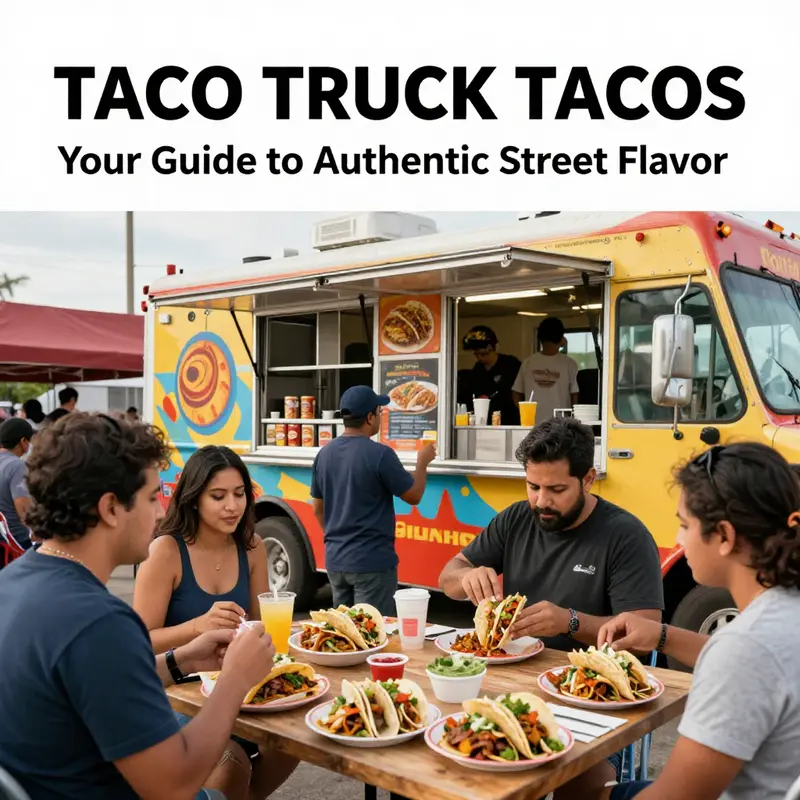
Tacos from food trucks are a culinary delight, bursting with fresh ingredients and bold flavors. Whether you’re a taco aficionado or a business owner looking to elevate your menu, this guide will immerse you in the secrets behind taco truck excellence. Each chapter explores essential elements—from authentic ingredients and masterful techniques to striking flavors and stunning presentations. Let’s get rolling on your taco journey!
From Masa to Mastery: Crafting Taco Truck-Style Tacos with Authentic Ingredients
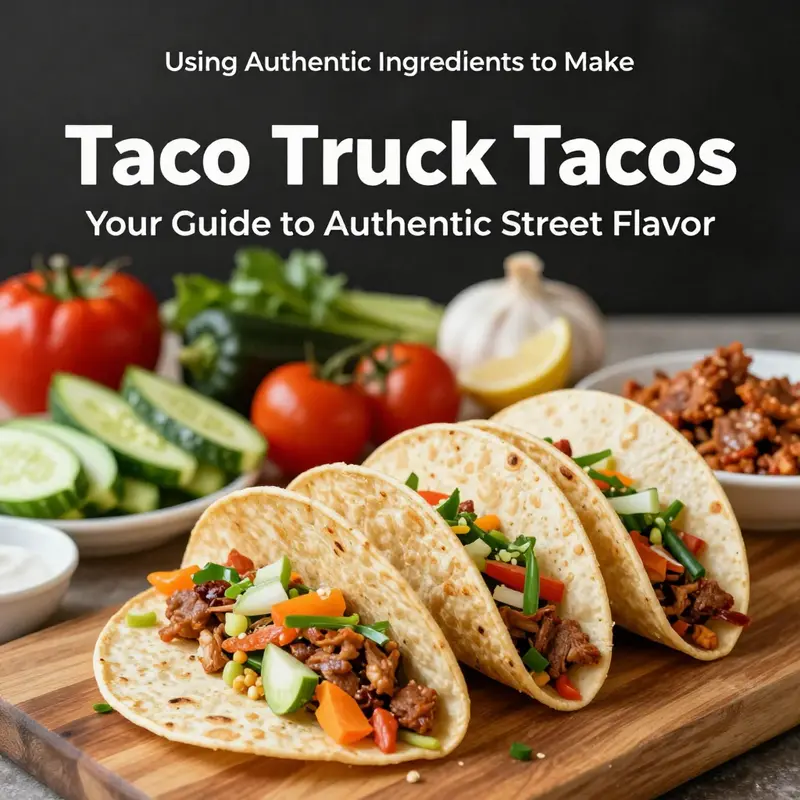
Authentic tacos begin with the base you can taste before any filling touches it: the tortilla. In the street scenes that fuel true taco culture, masa goes through the nixtamalization process, turning simple corn into a fragrant, pliable canvas. A taco truck knows that a decent tortilla can shine or sink a bite in an instant. So the craft starts with corn masa, preferably nixtamalized, formed into small discs, and cooked on a dry comal until the edges blister just enough to kiss the heat. When a tortilla is right, it stays pliable, not stiff, and carries the weight of toppings without tearing. The aroma that rises from a hot griddle is not a perfume; it is the promise of a meal that will stay in memory long after the last bite. And for those chasing the taco truck standard, the tortilla is not a mere wrapper but a partner that balances density, aroma, and texture as you move through the different fillings that define street fare.
The heart of the filling rests on technique married to tradition. Authentic tacos highlight meat that has been treated with care, with marinades that build depth instead of masking it. Al pastor, carne asada, and carnitas each tell a different story, yet they share a common philosophy: marinate with citrus, garlic, and a blend of spices that lean into the natural flavor of the meat rather than overwhelm it. Achiote paste, citrus juice, cumin, and a hint of oregano can transform a lean cut into something vibrant and memorable. The method matters as much as the marinade. Grilling over high heat or braising slowly in a flavorful broth both aim to lock in juices while imparting a kiss of smoke. When the meat rests briefly after cooking, those juices reabsorb and become part of the overall bite rather than a pool at the bottom of the plate.
A true truck-style taco favors fresh, unprocessed elements that provide contrast and balance. The salsa is a vital star here, built from dried chiles that have been toasted to bloom their aromatics and then soaked to soften their heat and texture. A smooth, bright salsa verde can lift a bite, while a roasted tomato salsa roja offers a smoky tang that binds with the meat and tortilla. Fresh garlic and onions form the backbone of these salsas, with epazote lending an earthy, herbaceous note that hints at the regional terroir of Mexican cooking. Bottled sauces and powdered seasonings are absent in an authentic setup; the goal is a salsa that tastes like it was made minutes before serving, because it was. The finishing touch is a squeeze of lime and a scattering of finely chopped cilantro, which brighten the dish and connect it to the freshness of the market.
Toppings are not afterthoughts but a crucial part of the texture equation. The crunch of a thinly sliced white onion or crisp radish slices against a tender meat creates a rhythm in each bite. Avocado adds a creamy counterpoint, while pickled red onions deliver a tangy bite that cuts through richness. A dollop of crema or a light dusting of queso fresco can bring a smoothing cloud to the top, but the guiding principle remains texture balance. The structure of the taco—soft tortilla, warm meat, crisp onions, smooth avocado, and a bright salsa—must be a deliberate orchestration, not a random assortment. This balance is what sets apart a truck-made taco from an ordinary home rendition. regional preferences may color the choice between salsa verde and roja, but the underlying architecture remains the same: tortilla, meat, salsa, toppings, then a final kiss of citrus and herb.
What makes this approach distinctly taco truck is the immediacy and the respect for craft. The best vendors turn out meals with speed without sacrificing quality, a feat achieved by preparing components with intention rather than relying on shortcuts. Tortillas are kept warm and pliable, marinated meats rest briefly before serving, and salsas are ground fresh or quickly blended to maintain brightness. The result is a taco that feels spontaneous and energizing, a reflection of the mobile kitchen’s tempo and the market’s rhythms. The texture play—crisp radish against velvety avocado, the crackle of the onion, and the smoothness of a well-balanced salsa—keeps the palate engaged, inviting another bite rather than satiating the appetite too quickly. In this sense, authenticity is not nostalgia; it is a practical approach to flavor where every element earns its place, and nothing is added merely to fill space.
Those who seek to understand the craft more deeply can find practical guidance in practical, experience-based storytelling found in the Food Truck world. A useful touchstone is the broader kitchen literature that captures the essence of building flavor foundations through traditional methods rather than shortcutting them. For readers who want to explore the accessibility and nuance of the approach in a broader online resource, consider the Fireduptacotruck blog, which delves into the philosophy of composing bold, balanced street-style flavors while maintaining a firm respect for the core techniques of authentic Mexican cooking. You can read more there: Fireduptacotruck blog.
The topic naturally leads to a mindset more than a set of steps. It invites a chef or home cook to adopt a curatorial approach: treat the tortilla as a canvas; treat meat with a reverence for its natural sugars and fibers; treat salsas as a dialogue of heat, acidity, and aroma; and finally, treat toppings as a chorus that brings the entire plate into focus. In practice, this means sourcing masa that has the right aroma and texture, selecting cuts and fats that respond to citrus treatment, and building salsas that carry a clear, distinct personality without relying on heavy sauces. It means roasting and soaking dried chiles to coax their complexity, then grounding them in a blender with onions, garlic, and a touch of epazote to honor the traditional herbaceous note that is often present in Mexican home cooking yet sometimes overlooked in more commercial preparations.
As you progress, you may notice how the choreography of these elements heightens the perception of freshness. Fresh ingredients bloom when they are allowed to shine, not masked by heavy sauces. The act of serving immediately after assembly is not a ritual of ceremonial showmanship but a practical acknowledgment that the brightest flavors fade quickly once exposed to air or held in a warming bin. The taco truck ethos thrives on that immediacy—the sizzling sound of the meat on the grill, the scent of toasting chiles, the glistening sheen of a just-cut avocado, and the final spark of lime that lands at the edge of the tortilla just as the bite arrives.
In sum, crafting tacos like a taco truck hinges on reverence for authentic ingredients and time-tested techniques. Handmade tortillas are more than a base; they are the bridge that carries the entire ensemble. Meats are not simply cooked; they are nurtured with citrus, spices, and patience to reach a level of brightness and tenderness that sings in balance with the tortilla. Salsas built from toasted and soaked dried chiles provide the backbone of depth, while fresh toppings and a strategic mix of textures deliver a memorable, repeatable experience. The result is not a replica, but a vivid, street-smart expression of Mexican flavors that travels with you wherever the cart or kitchen door happens to be. Those who follow this path will find that the key to authenticity is not a list of ingredients alone but a workflow that treats each component as a living part of a larger, fast-paced culinary conversation.
External resource: For a foundational, technique-focused guide on working with dried chiles in Mexican salsas, see the Culinary Institute of America’s guide on using dried chiles in Mexican salsas at https://www.ciachef.edu/blog/2026/01/using-dried-chiles-in-mexican-salsas
From Skillet to Street: Mastering Taco Techniques That Echo the Taco Truck
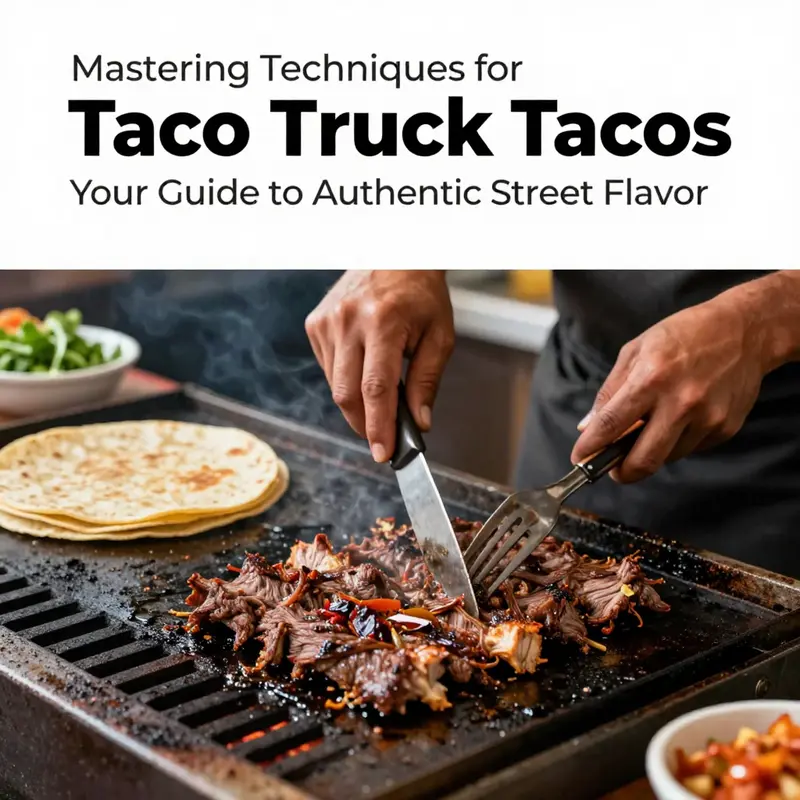
The street, with its parade of sizzling pans and the bright call of a grill, has a way of shaping flavors that feel both urgent and comforting. A taco from a well-turnished truck carries the pulse of the moment—smoky, bright, and confident—crafted in a rhythm that thrives on precision, restraint, and an eye for balance. To chase that same energy at home, you learn to listen to your mise en place as you listen to the sizzle. The art is less about chasing complexity than it is about mastering technique, timing, and texture so every bite sings with authenticity. The tortilla, the filling, the toppings, and the sauce all deserve attention, but the way they come together depends on technique as much as on ingredients. When you begin with a tortilla warmed on a dry skillet, you release its full flavor and pliability, turning a simple vehicle into a flexible, flavorful base that carries the story of what follows. A brief toast on a hot pan concentrates its aroma, seals in moisture, and brings out a subtle corn sweetness that sets up the rest of the bite. The filling, meanwhile, must speak with a confident mouthfeel: a well-seared exterior that yields to a juicy interior, a marinade that infuses but does not overpower, and a balance of fat, acid, and heat that invites the next bite rather than washing it away. The toppings act as the punctuation marks in this sentence, giving brightness, texture, and heat at the precise moment they arrive on the tongue. It’s a careful dance—crunch from radish or quick-pickled onion, creaminess from a whisper of crema or a soft crumble of cheese, and a kiss of heat from fresh chiles. The result is not merely a stack of components but a choreography of elements designed for immediate service and maximum impact, a philosophy the best food trucks embody in every service window they open.
To emulate that in a home kitchen, begin with the choices that set everything else up for success. Start with high-quality tortillas, warm them on a dry skillet or griddle just before serving, and you amplify their pliability and their corn aroma. If you time this right, the tortillas stay supple, not soggy, forming a perfect canvas for the fillings. The protein deserves the same respect. Whether you lean toward grilled carne asada, spicy al pastor, or freshly seasoned ground beef, the right marinade is your friend. A citrusy lift—lime juice mixed with garlic, cumin, chili powder, and oregano—works as a bridge between the bright acidity of the salsa and the smoky heat of the meat. The citrus helps to break down the surface proteins, creating a sear that locks in juiciness while imparting a vibrant aroma that travels through every bite. It’s that balance of brightness and savoriness that makes the taco feel alive rather than heavy.
When it comes to toppings and salsas, there is a philosophy worth embracing: fresh, assertive flavors that respect the tortilla and the protein. A salsa made from roasted tomatoes and jalapeños, with a hint of smoked chipotle, offers a smoky depth that you can sense in the back of the palate. The salsa should be vibrant enough to brighten the meat but not so loose that it drowns the tortilla. For texture, you want elements that crackle and pop against the soft tortilla and the tender meat. Think crisp diced onions and cilantro for brightness, avocado for creaminess, and a sprinkle of something crunchy like thinly sliced radishes or a quick pickle. It is here that you layer flavors and textures to create a dynamic eating experience that resembles the careful balance found in mobile kitchens that move from one neighborhood to another. A dash of sour cream, a light crumble of queso fresco, or a small dollop of crema can push the taco from good to memorable, especially when the other components are on point.
The small, actionable techniques often separate home models from professional-grade results. Slicing tomatoes is not merely about getting the pieces into the shell; it’s about uniformity. Slice tomatoes consistently to avoid excess juice that risks soggy tortillas. This is not vanity; it’s restraint that keeps the integrity of the form and the texture of each bite. Likewise, browning meat in a dry pan with minimal oil is a discipline. It yields a deeper, cleaner sear and a caramelized surface without pooling fat that could muddy flavors. The tortilla’s toasting should be brief but decisive—enough to release its aroma and add a gentle toast, not so long that it dries out. The goal is a foundation that carries the filling with confidence, not a brittle shell that cracks under pressure. These are small details, but they accumulate into a result that feels street-smart and professional at once.
Homemade salsas deserve their own moment in the narrative. A simple salsa fresca made with finely chopped tomatoes, onions, cilantro, and lime juice embodies a clean, bright character that lifts the whole assembly. For deeper complexity, a smoky roasted salsa, achieved by charring peppers and tomatoes before blending, adds a kind of warmth that lingers. The cutting technique here matters as well: uniform dice ensure even distribution of flavor and prevent any single bite from becoming a mouthful of a single ingredient. The same care applies to meat handling. A clean, non-stick pan helps avoid flare-ups that can burn the edges of the meat and diminish the overall texture. If you’re aiming for a higher level of sophistication, the cheese and condiments become more consequential than you might expect. A touch of queso fresco brings a slight saltiness and a gentle melt, while sour cream adds a soft, tart balance that can echo the coolness of the avocado and cilantro.
Consistency and attention to detail become the throughline of mastery. This is not about bravado but about a disciplined approach to ingredients and timing. Keep ingredients fresh, and source them with intention. Prep ahead wherever practical to streamline the assembly for service. Taste components before assembling to ensure balance; this little act can save a plate from an unbalanced bite where heat dominates or acidity is off-kilter. The best home cooks and professional operators alike understand that a taco’s excellence is the sum of its parts—each element treated with the respect it deserves so that the entire bite feels coherent and memorable. It’s not about complexity for its own sake; it’s about precision and respect for tradition, with the confidence to push boundaries when the moment calls for it.
In the spirit of street cuisine, there is also a sense of community and improvisation that informs technique. A well-run kitchen, whether in a bustling truck or a family kitchen, thrives on the rhythm of preparation and service. The taco becomes a vehicle for storytelling, a concise narrative told through color, aroma, and texture. In such kitchens, advice travels quickly—from one cook’s practiced hand to another’s eager palate—so that each service becomes a refinement of what came before. The ritual of preparing and assembling, the confidence to sear meat properly, the art of balancing bright acidity with smoky warmth, all contribute to a final plate that carries the essence of the street. The result is not merely a meal but an experience that invites sharing, conversation, and repeated orders, each one a small tribute to the craft that turns simple ingredients into something memorable.
For readers seeking practical, hands-on guidance beyond this chapter, there is a well of accessible insight in the broader culinary community that echoes these exact sentiments. A steady stream of tips from practical, street-level sources can widen your toolbox and keep you motivated as you test and taste. If you’d like a space to explore more about what goes into keeping a taco operation efficient and vibrant, the Fireduptacotruck blog hosts a range of posts that translate this street wisdom into actionable steps you can apply in your own kitchen. Fireduptacotruck blog offers perspectives on everything from ingredient prep to service flow, helping you carry the energetic, customer-focused mindset of a taco truck into any kitchen you call home.
As you practice, remember that the true payoff lies in service—when a customer bites into a crisp-edged tortilla, the filling carries a bright tang, and the toppings finish with a balanced, clean finish. The textures align, the heat is present but not overwhelming, and the tortilla remains a reliable carrier rather than a barrier. That is the secret of tacos that feel like they belong on a truck window: a combination of careful technique, high-quality ingredients, and a philosophy that values both speed and craft. You can cultivate that same energy in your kitchen by embracing small, repeatable steps—proper tortilla warming, uniform cuts, disciplined searing, and deliberate assembly—so every taco goes out with the same confidence you’d expect from a veteran crew.
External resource for further technique: for a deeper dive into tomato cutting and how it affects taco texture and balance, see the detailed guide on tomato cutting linked here: https://www.epicurious.com/articles/2026-02-02/perfect-tomato-cutting-for-tacos-guide
Sparks on a Corn Tortilla: Recreating Taco Truck Boldness at Home
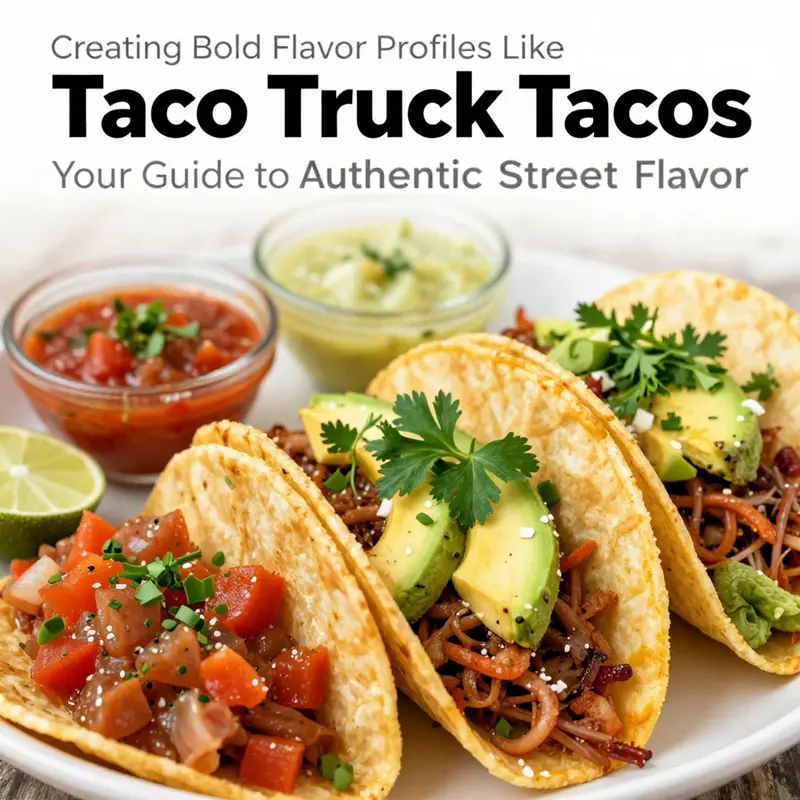
The magic of a taco truck—its sizzle, its color, its breath of aroma—comes from a deliberate tension between heat and brightness, fat and acidity, softness and crunch. It’s not just about piling on ingredients; it’s about composing a sensory moment that travels from the nose to the tongue and lingers in memory. When you approach tacos with that mindset, you start by building a foundation that can carry bold flavors without collapsing under the weight of spice or richness. Begin with the tortilla, the unassuming vessel that becomes the stage for everything that follows. A high-quality tortilla warmed on a dry skillet or griddle just before serving transforms from a pliable wrapper into a flexible artistry tool. The warmth loosens the starch, intensifies the corn aroma, and adds a sheen that invites the fillings to cling without tearing away. This small act—tortilla warmth—sets the tone for everything else and is a reminder that speed and precision in execution matter as much as the ideas behind the flavors themselves.
The filling is where a taco truck’s personality shines. You can lean into grilled carne asada for bright, beefy caramelization; you can chase the spectacle of al pastor with its smoky, citrus-driven tang; or you can opt for a seasoned ground beef that yields a quick, comforting bite. The seasonings should do more than flavor; they should orchestrate a dialogue with the proteins. A marinade built around citrus—lime juice, lemon, or a touch of orange—along with garlic, cumin, chili powder, and oregano delivers depth that stays present even after the tortilla warms and the toppings begin to pile on. The marinade acts as a conductor, guiding the protein toward a nuanced sweetness from caramelization, a savory backbone, and a slight tang that brightens every subsequent bite. The best taco truck marinades are not about overwhelming heat but about depth that invites second and third bites.
In discussing bold flavor profiles, it’s helpful to think in terms of flavor interactions: the sweet meets the sharp; the salty anchors; the bitter notes add complexity; and the umami deepens. The sweetness in caramelized onions or a mango salsa can balance a bright acidity from lime juice or pickled onions. Saltiness—whether from cured meats or a sprinkle of cotija-like cheese—releases sweetness in other ingredients, while cutting through fat to keep the mouthfeel lively. Roasted peppers contribute a gentle bitterness and a smoky edge, elevating the entire plate without turning it into a sugar-and-salt sprint. Umami comes from elements like grilled vegetables, a touch of fermentation, or a hint of miso, if you’re feeling adventurous. This is how a taco becomes memorable: not simply a collection of flavors, but a well-calibrated conversation among five fundamental tastes and the textures that carry them.
Texture, too, is essential. A soft, pliant tortilla is the canvas, but what makes the experience sing is the contrast. Crisp diced onions and chopped cilantro add brightness, while ripe avocado provides a creamy counterpoint that softens heat and unifies the surface. A chunk of cheese or a dollop of crema introduces a cool, velvety layer that tempers spice and binds flavors in one comforting mouthful. Then there’s crunch—the radishes sliced thin, the pickled red onions zinging with acidity, or a handful of crisp lettuce for a fresh bite. Even a lightly fried element, such as a tostada-style topper or a whisper of fried plantain, can offer that satisfying crack and a different kind of sweetness. This textural choreography matters not just for enjoyment but for how the flavors spread across the palate, ensuring each bite feels different yet familiar.
Aromatic enhancements are the secret seasoning that often goes underestimated. Fresh cilantro, a whisper of epazote, or a poke of smoked paprika can lift the aroma and sharpen perception, making the entire plate smell as inviting as it tastes. A final squeeze of lime at the table—bright, citrusy, immediate—can lift the whole assembly, pulling together sweet, salty, and smoky notes into a vivid chorus. The idea is not to overwhelm but to illuminate, to give each component a moment in the spotlight before it steps back to let the next note perform. When these aromatics are used thoughtfully, they transform a simple taco into a memory you crave again and again.
The strategy of balance extends beyond the individual components to the philosophy behind the entire assembly. A well-rounded taco is a small, portable feast: it harnesses bold flavors while respecting the integrity of each part. This is where a broader culinary principle—flavor pairing theory—illuminates practice. The theory helps explain why certain combinations feel inevitable: the interplay of contrasting and complementary effects—synergistic, yet never chaotic. It isn’t about stacking more ingredients; it’s about orchestrating a symphony of sensations. The sweet and sour elements that temper acidity, the salt that heightens perceived sweetness, and the bitter notes that offer relief from richness—all work in concert with the umami anchor that grounds the dish. In practice, you test and tune: a little more onion to sharpen a salsa; a touch of roasted pepper to deepen a sauce; a hint of smoke to transform a simple pico into something note-worthy. This approach echoes a broader conversation about fusion and street-food spontaneity. It embraces the idea that bold flavors can come from smart combinations, not merely from more heat or more fat. For readers curious about how this philosophy translates into modern, street-level innovation, this chapter aligns with the notion of food-truck fusions—a culinary revolution that thrives on cross-cultural sparks and practical technique. food-truck-fusions-a-culinary-revolution.
The assembly matters as much as the ingredients. Finish with toppings that reinforce the plan: a crisp lettuce or radish for crunch, juicy tomato for brightness, avocado for creaminess, and a salsa that carries roasted tomato, jalapeño, and a hint of smoked chipotle. The salsa should offer a roasted, earthy glow rather than raw heat alone, hinting at a slow, deliberate flavor development that echoes the caramelization in the meat. The final act—serving immediately—ensures the tortilla remains supple and the toppings stay vibrant. In a world where meals can travel via a phone screen, the window of freshness is small. A taco truck’s secret is not just its bold ideas but its discipline: heating tortillas to the moment of service, slicing onions and cilantro at peak freshness, and delivering a complete sensory package before it cools or shrinks in the wrap.
The science of flavor, though distilled into practical steps, is ultimately about storytelling. Each component speaks a language, and together they speak as one. The warm tortilla tells you to relax; the marinated protein invites you to explore the savory depths; the salsa and toppings invite crunch, brightness, and a touch of brightness that lingers. If you listen closely, you’ll hear a kitchen voice that favors balance over bravado, clarity over clutter, and speed without sacrificing care. That voice is the reason home cooks can translate a street-food energy into a dinner that feels both familiar and exciting. In the end, the goal is not to imitate a truck’s every move but to capture its spirit: bold, immediate, and deeply satisfying in every bite. For those seeking a broader arc of street-food innovation to inform experimentation, exploring dedicated discussions on fusion-driven approaches may offer a roadmap for intentional, inventive results.
To deepen the connection between flavor science and street-food craft, consider this related idea of fusion-driven culinary exploration as a guiding thread—an invitation to keep refining, testing, and tasting as you iterate your own tacos. And if you want a broader framework on how this flavor philosophy plays out across different formats and settings, the linked discussion on food-truck fusions provides a thoughtful perspective on turning bold ideas into practical, repeatable technique. For more context on flavor science and pairings that inform home cooks chasing that taco-truck edge, consult the external resource on flavor interactions. https://www.sciopen.com/article/10.2478/jfam-2025-0012
From Window to Wow: Delivering Taco Truck Quality Tacos with Speed, Style, and Savvy Service
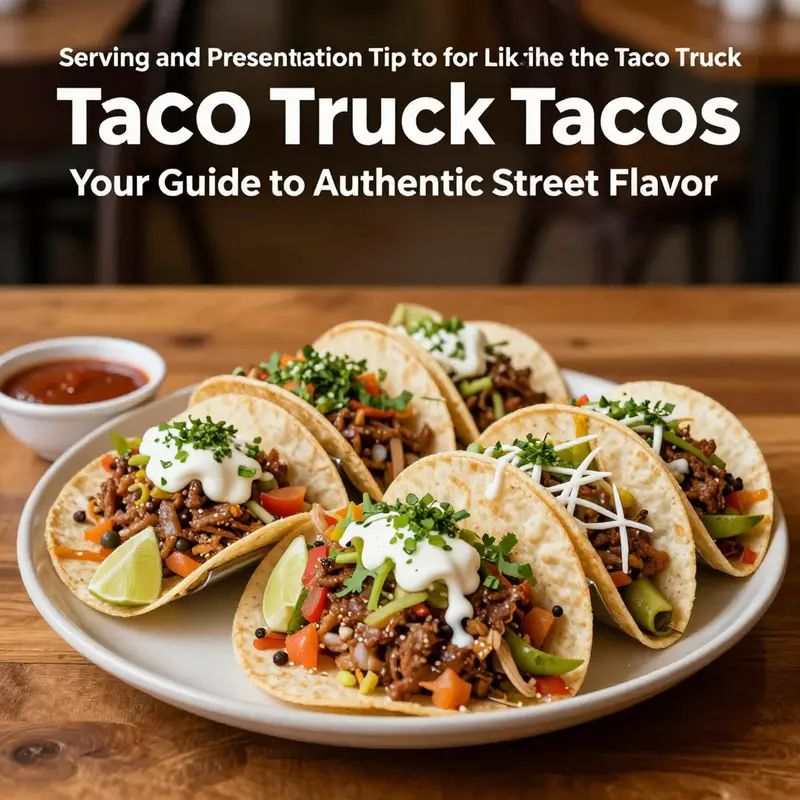
Delivering taco-truck quality at speed is about choreographing heat, texture, and service into a repeatable rhythm. Start with tortillas: warm them on a dry skillet just before serving to maximize pliability and flavor, and keep a tidy stack at the ready. The filling should be marinated in batches you can manage during service, with citrus to brighten and a balanced blend of garlic, cumin, chili powder, and oregano for depth, then seared to a light crust so the surface drinks in the marinade while staying juicy inside. Build toppings in measured layers: crisp onions, cilantro, avocado, and a bright salsa, but avoid overloading so every bite stays distinct rather than soggy. Prepare toppings in advance but assemble at the window to preserve sheen, crunch, and aroma. Let color guide the eye—red radishes, green cilantro, creamy avocado—and use a squeeze of lime to finish. Favor a steady assembly-line pace where each station knows its job, from tortilla warmth to final topping to packaging, so the line stays humming without sacrificing quality. Packaging should preserve heat and moisture and keep hands clean, with clean liners and clear branding. Always run quick checks: is the tortilla pliable and warm, is the protein properly seared and juicy, are toppings fresh and properly portioned, is the bite balanced with acidity and heat. And above all, keep food-safety routines visible—separate raw proteins, keep cold items cold and hot items hot, and maintain clean containers. When you couple a calm window with consistent flavor, you create a memorable moment that travels with your brand from window to table and back for repeat visits.
Taco Truck Classics Reimagined: Mastering Austin’s Popular Varieties for Home Kitchens
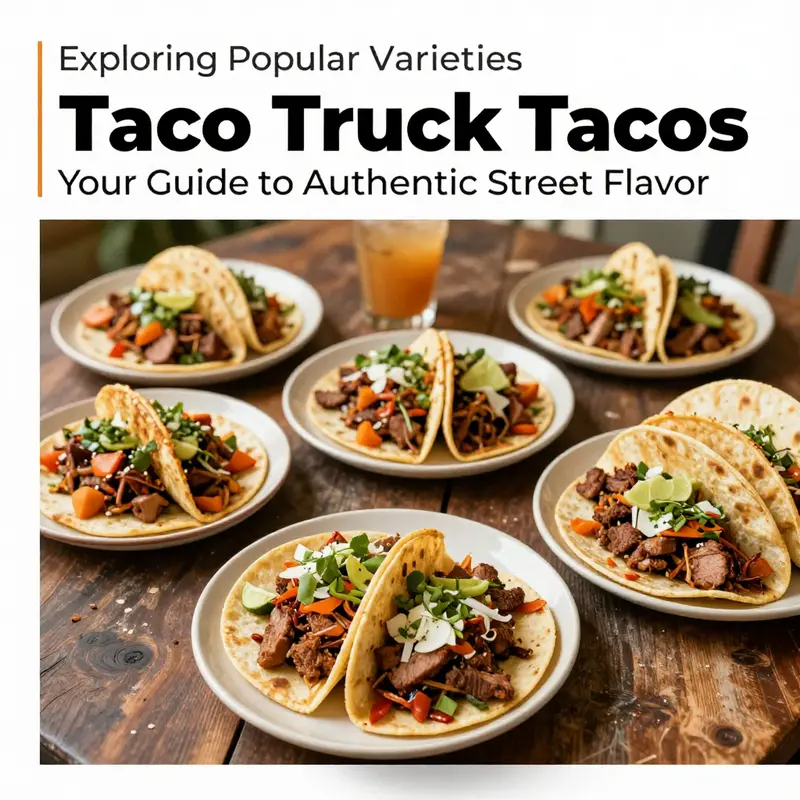
In Austin, the taco truck is more than a meal on wheels; it is a living map of a city’s appetite and its willingness to experiment. These mobile kitchens grew from humble family stalls into neighborhood institutions by embracing two forces at once: respect for tradition and a fearless impulse to push flavor beyond boundaries. The result is a vibrant spectrum of tacos that can feel both deeply familiar and thrillingly new. The best trucks cultivate a simple rhythm: quick, precise cooking; bright, fresh toppings; and a balance of textures and temperatures that keeps each bite lively. Their mobility lets them chase ingredients when they’re at their best, and it invites a conversation with the community—locals pushing for spicy, students seeking something lighter, parents hoping for something comforting after a long day. Translating that street-smart approach to a home kitchen starts with three beliefs that undergird every successful taco: pick fresh ingredients, embrace bold seasonings, and respect technique enough to elevate every element of the experience without losing speed or soul.
Among the most beloved varieties you’ll hear called out on the Austin curb are the Al Pastor, the Carnitas, the Baja Fish Taco, the Grilled Vegetable Taco, and the ever-evolving fusion options that reflect the city’s global curiosity. Al Pastor, with its bright, peppery punch and subtle sweetness from citrus and pineapple, is a standout not only for its flavors but for the story behind the meat. Pork is marinated in a blend that often includes citrus, garlic, cumin, chili powder, oregano, and a touch of achiote, then cooked on a vertical spit when possible, a trompo that brings a roasted, smoky edge to every slice. Even in a home kitchen, you can evoke that effect by marinating the pork overnight and finishing on a hot grill or cast-iron skillet, letting the edges caramelize and the aromas cling to the tortillas. The key is to think vertical in spirit even if you don’t have a trompo: keep the surface of the meat well caramelized, and slice thinly to preserve tenderness and carry the marinade’s brightness into each bite.
Carnitas offer a parallel lesson in texture and patience. Slow-cooked pork shoulder becomes melt-in-your-mouth tender, then is crisped at the edges to deliver that satisfying crackle that makes a street taco feel alive. The process rewards low heat, generous time, and a careful hand with salt. In home practice, a long braise or a slow roast with pork stock, orange, bay leaf, and a whisper of cumin yields meat that shreds beautifully. When you reheat the meat for assembly, a quick flick under a broiler or a hot skillet returns a touch of crispness, echoing the mobile kitchens’ ability to transform leftovers into something vibrant for the next customer.
The Baja Fish Taco is a masterclass in balance—crisp battered fish, cool cabbage slaw, and a tangy, creamy sauce that keeps the heat in check while not dulling the fish’s delicate flavor. In the home kitchen, a light beer-batter fry or a gentle pan-fry yields the same bright outside crust. Top with shredded cabbage or slaw, a squeeze of lime, and a crema that you’ve whisked into smooth, tangy perfection. The overall effect is fast, refreshing, and surprisingly forgiving in a home setting; you get the same sense of seaside brightness that the trucks deliver, just scaled to your stove and pantry.
Vegetarian options have flourished as plant-based diets expand. The Grilled Vegetable Taco, built from charred peppers, onions, mushrooms, and avocado, embodies the idea that vegetables can carry as much personality as meat when treated with care. A quick blistering of peppers and onions on a hot grill, a little smoke from the pan, and then a toss with olive oil, lime, and a pinch of salt creates a canvas that feels both rustic and contemporary. Avocado adds creaminess, while a salsa or a dab of crema keeps the bite fresh and bright. This taco proves that the same techniques that work for meat—marination, high-heat searing, and careful seasoning—translate beautifully to vegetables when you give them room to shine.
Austin’s trucks also show off their versatility with fusion inspirations that blur lines between cuisines. Korean BBQ tacos, Thai Peanut Chicken, and other border-crossing ideas sit comfortably alongside traditional options because the format is forgiving and flexible. When approached with balance rather than bravado, fusion tacos teach a simple lesson: match textures and colors rather than stuffing in every flavor you’ve learned about. The result is a taco that feels contemporary without losing the essence of its roots. If you’re at home, start by selecting a protein that can stand up to bold seasonings and pair it with a bright, citrusy element to cut through richness. A drizzle of chili, a squeeze of lime, and a modern salsa can marry disparate flavors into something cohesive rather than chaotic.
Technique in this repertoire matters as much as the choice of filling. The tortillas themselves are a crucial element. Fresh, high-quality tortillas—corn or flour, depending on your preference and the taco’s filling—are warmed on a dry skillet just before serving. The warmth makes the dough more pliable and enhances the tortilla’s aroma and flavor. A good rule of thumb is to heat them in a hot, dry pan for about 20 to 30 seconds per side, then stack and cover to keep them soft. When you serve, the tortilla should cradle the filling without tearing, providing a flexible mouthfeel that anchors the entire bite. The fillings, in turn, demand a careful balance of toppings: crisp diced onions, chopped cilantro, ripe avocado slices, and a tangy salsa made from roasted tomatoes and jalapeños with a hint of smoked chipotle. The goal is to achieve a tactile harmony: crunch from radishes or pickled onions, creaminess from cheese or crema, and a kick from fresh chiles—each element playing a role without overpowering the others.
A thread that runs through the best taco trucks is a relentless focus on presentation and transport. Some top operators have embraced reusable hinged clamshell containers for showcases from farmers’ markets to festivals. These containers protect the tacos during transit while helping to preserve the integrity of the tortillas and toppings, ensuring that the first bite in line at the stand matches the bite you take at home. It’s a small detail, but it speaks to the broader philosophy: good tacos travel well when you plan for flavor, not just speed. If you’re cooking at home, think in stages: assemble the components near the stove, keep sauces and toppings chilled, and only assemble just before serving to preserve texture and temperature.
This is where a home kitchen can feel faithful to the street: you adapt the tempo to your space and still honor the pace of a busy truck. The best truck menus evolve with feedback, swapping in seasonal produce or tests of new combinations while keeping the core crowd-pleasers intact. In Austin, that adaptive spirit is part of the flavor profile itself; what you taste on one given night might reflect a neighborhood’s favorite ingredients, a chef’s latest inspiration, or a clever reinterpretation of a traditional method. Recreating this dynamic at home means planning a few core tacos that you know you can execute well, then branching out with occasional experiments that respect the backbone of the dish—fresh ingredients, balanced seasonings, and precise technique.
If you want to see how this balance of speed, flavor, and presentation translates into truck culture, you can explore a broader view of the craft through resources like Top Food Truck Models for Success. It’s a reminder that even as you home-test recipes, the heart of the taco truck lies in the efficiency of service, the clarity of flavor, and the joy of sharing a dish that tastes like a neighborhood’s heartbeat. And for readers who want a window into Austin’s broader taco landscape, a well-timed review such as the one in Lone Star Eats highlights the city’s thriving truck scene and the variety that makes this style of eating so enduring. You’ll find a sense of place in the way each taco tells a story—one that begins with a sizzling pan, a couple of sharp knives, and a crowd that’s ready to taste something new.
In the end, making tacos like the taco truck is less about replicating a single recipe and more about embracing a philosophy: cook with velocity when needed, but never rush flavor. Build your tacos around a few well-chosen fillings, honor the tortillas, and layer toppings that lift the main ingredients rather than burying them. Let the citrus, the smoke, and the crunch mingle in your mouth, and let the whole dish feel like a small festival in a single, satisfying bite. The result is a home kitchen that can echo the soul of Austin’s street food while standing firmly on your own counter—an invitation to gather, taste, and tell a story with every plate.
Final thoughts
Crafting tacos like your favorite food truck is an art that combines high-quality ingredients, culinary techniques, and a sprinkle of creativity. With fresh fillings, dynamic flavors, and thoughtful presentation, you can bring the vibrant spirit of the taco truck into your kitchen or food business. Embrace the journey of making tacos and delight in the delicious results. It’s time to taco ’bout flavor!