
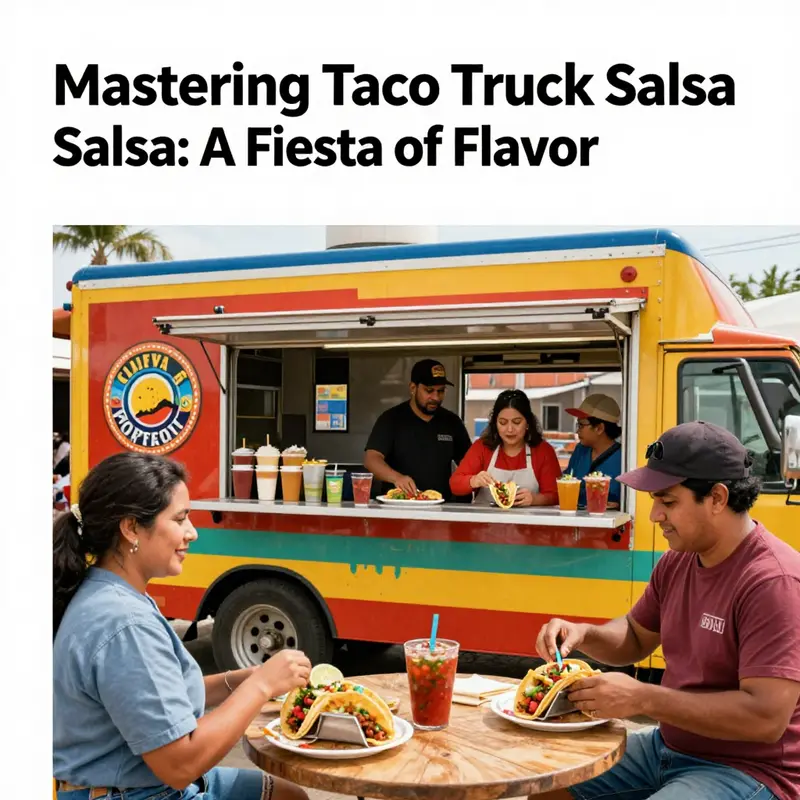
Salsa is more than just a condiment; it’s the soul of tacos! Taco truck-style salsa, often bursting with fresh, smoky flavors, has secured a special place in the hearts of taco aficionados and cuisine lovers alike. This guide is your ticket to crafting the perfect ‘salsa roja’ that dazzles the taste buds and enriches your culinary adventures. In the following chapters, we’ll explore the essential ingredients, step-by-step instructions to achieve salsa perfection, ways to adjust flavor profiles to suit your palate, and tips for storage and serving suggestions that ensure your salsa shines every time!
From Fresh Produce to Smoky Charm: The Ingredient Map Behind Taco Truck Salsa
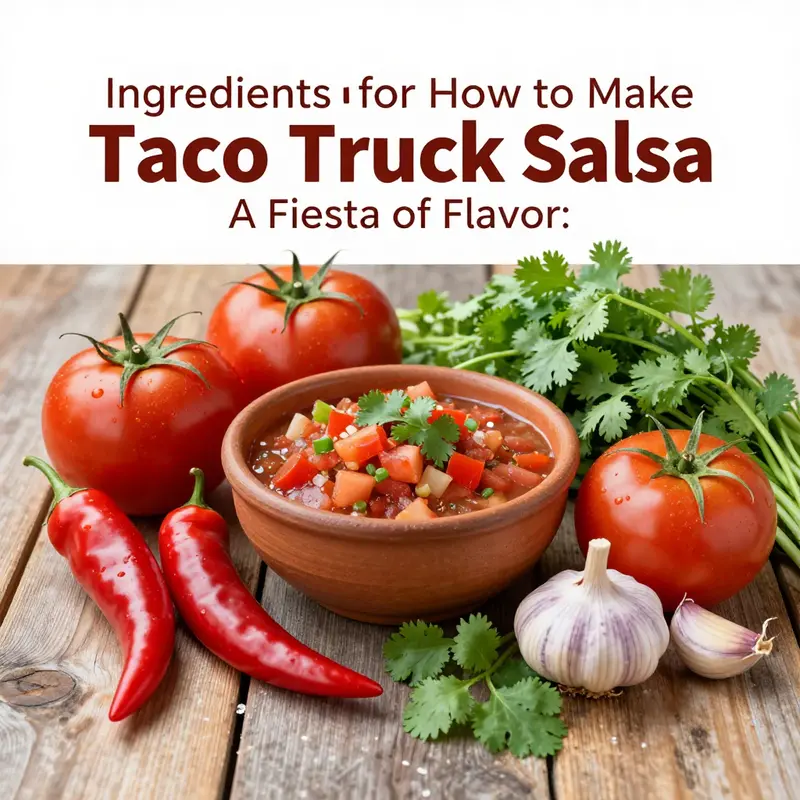
A taco truck salsa is more than a dip or a topper. It is a compact map of heat, brightness, and earthy depth carried in a small bowl or clinging to a tortilla. Authentic salsa roja, the red cousin of salsa verde, travels on the breath of the grill and the memory of a vendor who has learned to coax flavor from humble ingredients. The story begins with the core building blocks: tomatoes that ride the line between juicy and sturdy, peppers that wake the palate without overwhelming it, and aromatics that carry the memory of a sizzling skillet. Each component matters not only for its flavor but for how it contributes to texture, acidity, and balance. When you assemble these pieces with care, you create a salsa that can stand up to smoky meats, brighten a plate of street-tried tacos, and pair with thick tortilla chips for a late-night crackle of satisfaction.
The backbone of a great taco-truck salsa is the tomato. Choose ripe, firm varieties—Roma, or a beefsteak if you prefer a richer, meatier sweetness. The goal is a base that brings natural sweetness and a low-moisture presence, which helps the salsa hold together and not spill over the edge of a taco. If you’re aiming for a crisper, less watery texture, consider removing the seeds and pulp from the tomatoes. This step reduces excess liquid and concentrates the color and the concentrated tomato flavor that salsa roja thrives on. Some cooks find that lightly roasting or charring whole tomatoes further deepens the fruit’s caramelization and contributes a gentle, smoky undertone that evokes the flames of a street cart. The objective is not perfection in the kitchen sense, but a rustic harmony that mirrors the crowds gathered around the grill.
Next come the peppers—the heat and the glow. Fresh jalapeños offer brightness and a medium bite, while serranos amp up the intensity for a more assertive kick. The decision about seeds and membranes is a practical one: leaving them in delivers more heat and a sharper edge, removing them yields a milder, more approachable salsa. Because taco truck fare must please a diverse crowd, many cooks trim the seeds and membranes for a more universally friendly heat level, then rely on lime and salt to reintroduce punch. The peppers themselves are where you can tune the personality of your salsa; a single pepper can swing the whole batch from sunny and approachable to bold and smoky. And because the street cooks often work with what’s fresh, the pepper choice can subtly reflect the day’s harvest—an instinct that keeps the salsa feeling true to the moment.
Onion and garlic follow as the aromatic duo. A white or yellow onion, quartered and generous in bite but not overpowering, provides the brisk sharpness that cuts through the richness of meat and cheese. A quick soak in cold water can mellow the bite, a small technique that makes the salsa more versatile and friendly for immediate serving as well as for sitting in the fridge for a few hours. Garlic brings warmth and depth; a few cloves, finely minced, can bloom with the other ingredients when heated lightly in a dry skillet earlier in the process, enhancing aroma without scorching the flavor. Fresh garlic is a backbone for a salsa with real personality, especially when you want a hint of savory smoke that echoes grilled peppers.
A handful of greenery—cilantro—brightens the profile and bridges the heat with herbaceous freshness. Cilantro is loved by many for its citrusy lift; some readers may choose to omit it if personal preference or dietary reasons call for it. Fresh lime juice is essential for brightness. The tang of lime acts as a counterweight to the tomato’s sweetness and the peppers’ heat, so do not skimp on this bright acidity. Salt is the universal flavor enhancer; it does not simply bring out taste but helps the salsa evolve in the mouth, guiding the flavors across the palate. The balance of salt and lime depends on the acid and mineral content of your produce, so taste as you go and adjust as needed. A little sugar can be a rescue when acidity dominates, but use it sparingly—and only if the tomatoes themselves aren’t delivering enough natural balance.
Beyond the core ingredients, a few optional but common additions can elevate the salsa to a taco-truck level of depth. A pinch of cumin adds a warm, earthy rounded note that echoes the bedrock of many Mexican-seasoning traditions. A whisper of smoked paprika can impart a gentle campfire smoke that mimics the charcoal grills at busy street corners. A drizzle of olive oil or avocado oil can help the mixture feel more cohesive on the palate and improve mouthfeel, particularly when the salsa rests and the flavors meld. Some cooks reach for roasted tomatoes or even a chipotle pepper in adobo when they want a deeper, more complex smoky profile. These are not merely flavor boosters; they are stylistic choices, offering pathways to recreate a particular truck’s signature in a home kitchen.
But the true magic of taco truck salsa comes from technique—how you coax, not just what you combine. The char is where the depth begins. In a dry skillet, over medium-high heat, you place the chopped tomatoes, onions, peppers, and garlic and let them blister and blacken in places. This 5–7 minute char not only adds color but creates layered notes: a hint of toast, a whisper of smoke, and a gentle caramelization that rounds the acidity. The goal is to blister and char, not to burn. You want the skins to blister and the edges to blacken just enough to release a roasted aroma. When the vegetables come off the pan, their skins may look uneven, but that unevenness is part of the story—the salsa’s rustic charm.
The next chapter in the process is blending. Transfer the charred produce to a blender or food processor. Add the cilantro, lime juice, salt, cumin, and smoked paprika if using. Blend to a texture that suits you—silky and smooth, or with a coarse, rustic charm that preserves some bite. The preference for texture echoes the very spirit of street food, where a little chunkiness invites you to bite into the salsa with your taco rather than spooning a perfectly uniform sauce. For a more authentic truck texture, keep the blend slightly chunky and retain a bit of the vegetable’s structural integrity. The blender is a tool to shape your personality, not to erase it.
As the mixture settles, taste and adjust. The lime may need a touch more brightness, the salt a touch more balance, or a tiny pinch of sugar if the salsa feels too acidic. Resting the salsa for 10–15 minutes before serving lets the flavors marry. This little pause mirrors the way vendors rest a batch so that the bright initial punch softens into a more integrated warmth. Serving it warm or at room temperature keeps the aroma vibrant, while chilling it briefly after resting can emphasize the tomato’s sweetness and make the salsa a refreshing counterpoint to spicy fillings. Either way, the salsa is at its best when it has rested long enough for cohesion but is not so cold that the flavors become subdued.
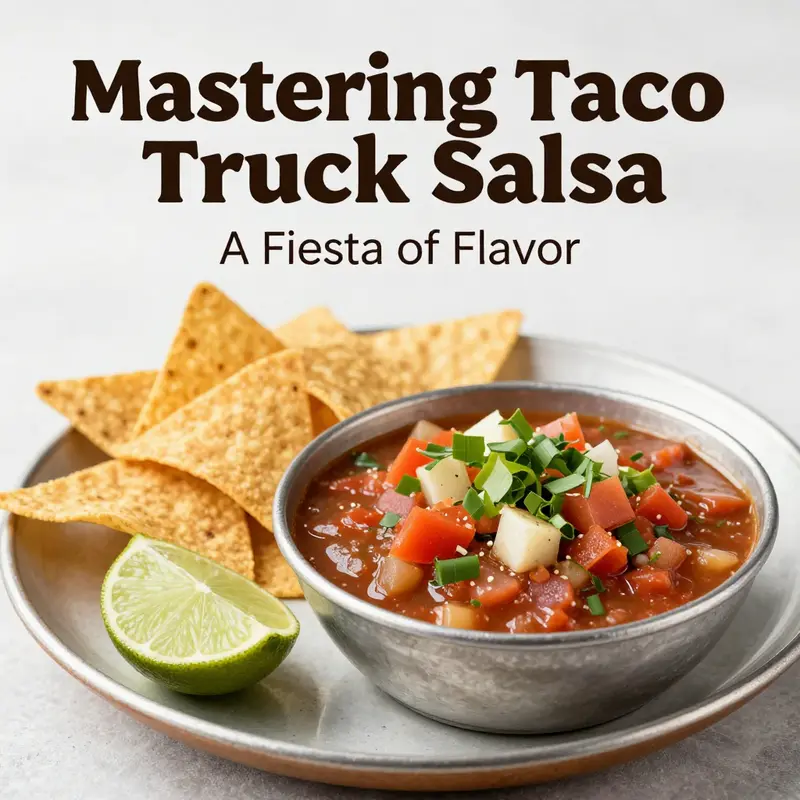
For presentation and tradition, some cooks like to serve the salsa in a small metal bowl, a nod to the hardware of the street cart. A squeeze of lime right before serving can reintroduce brightness and a touch of crisp acidity that wakes up the palate. This small flourish is more than a garnish; it’s a final jump-start that makes the salsa feel immediate and alive, as if it was prepared moments before you arrived and handed over a warm, soft tortilla.
In the context of a broader taco repertoire, this salsa acts as a bridge between the simple, comforting tortilla and the bold, smoky fillings that often define a taco-truck menu. It is neither too delicate to compete with salsa verde nor so heavy that it masks the meat’s character. It is a partner to the taco, a companion that magnifies the flavors of grilled meats, whether pork, beef, or chicken, and it can also carry a plate of grilled vegetables toward a coherent, satisfying finish. The technique—char, blend, rest, adjust—becomes a reliable workflow that can be adapted for different crowd sizes or heat preferences. The beauty of this approach is its adaptability: you can scale ingredients up or down, vary the pepper choice, or experiment with a smoked element, all while preserving the essence that makes a taco truck salsa unforgettable.
For readers who want to explore the broader culinary conversation around how street food evolves, consider exploring how chefs fuse traditional Mexican techniques with modern twists in the realm of food-truck flavors. A helpful reference that captures this spirit is the discussion found in food-truck-fusions-a-culinary-revolution. This context underscores how simple ingredients, prepared with a precise touch, can become emblematic of a city’s appetite and a vendor’s craft. It’s a reminder that a salsa can be a vibrant fingerprint of place, time, and taste, rather than a fixed formula that never changes. As you experiment, keep two questions in mind: Does the salsa brighten the dish without overpowering it? And does its texture invite you to scoop, bite, and linger?
External reference: The Spruce Eats – Taco Truck Salsa Recipe
Smoked Freshness on a Street-Style Torch: Crafting Taco Truck Salsa That Captures the Street’s Flame
The first scent that comes with a taco truck is rarely the loud whisper of a cilantro leaf. It is the intimate smoke of peppers kissing a hot surface, the bright sting of lime, and the tang of tomatoes waking up in a small, brightly lit kitchen on wheels. This chapter is a doorway into that world, a guide that treats salsa roja not as a mere topping but as the living backbone of a taco truck meal. The salsa is the conversation between fire and freshness, between heat that makes the eyes water and acidity that keeps everything in balance. To make salsa in this spirit, you start with the truth of the ingredients: tomatoes that glow with sun, peppers that offer both heat and perfume, onions that bring a crisp bite, and cilantro and lime that lift the entire mix to something bright and edible by the stars of the Mexican night sky. The idea is simple, but the execution is where the magic happens. Freshness is not a slogan here; it is the method, and the method stays faithful to the idea that a street salsa should feel alive, almost musical, with a smoky undertone that whispers rather than shouts. The recipe you carry into your kitchen mirrors a culture that trusts heat to unlock character and trusts acidity to harmonize it all. When you savor the first spoonful, you should feel a little kick, a tang that clears your palate, and a smoky depth that makes the rest of the meal feel inevitable and earned. This is salsa roja in its truest sense, hot, bright, and full of character, a condiment that can turn ordinary tacos into a narrative of street cuisine told in a single bite.
The core of this salsa rests on a balance that street vendors refine through countless days of service. Ripe tomatoes form the stage, their sweetness tempered by a measured tartness. The peppers—serrano or jalapeño—provide the heat, but their seeds decide the loudness of the chorus. Keeping them whole or removing seeds is how you sculpt the heat to your own table, giving guests a choice they enjoy as they reach for seconds. A small onion, quartered and charred until its edges caramelize, brings a roasted sweetness that anchors the salsa, while garlic adds a whisper of bite that rounds the tangy punch of the lime. A handful of cilantro leaves offers a green, herbaceous lift, and the lime juice acts as a bright conductor, guiding the sensory orchestra toward balance rather than collision. Salt is the invisible seasoning, the counterpart to acidity that reveals the true personality of each ingredient. Optional spices like cumin or smoked paprika are not gimmicks here; they’re the undercurrent that evokes the smoky aura of a grill, that sense of a vendor cooking over a shallow flame as the crowd swells and recedes. These elements come together in a single purpose: to reproduce that moment when a taco truck smells of smoke and citrus and the world suddenly feels more alive.
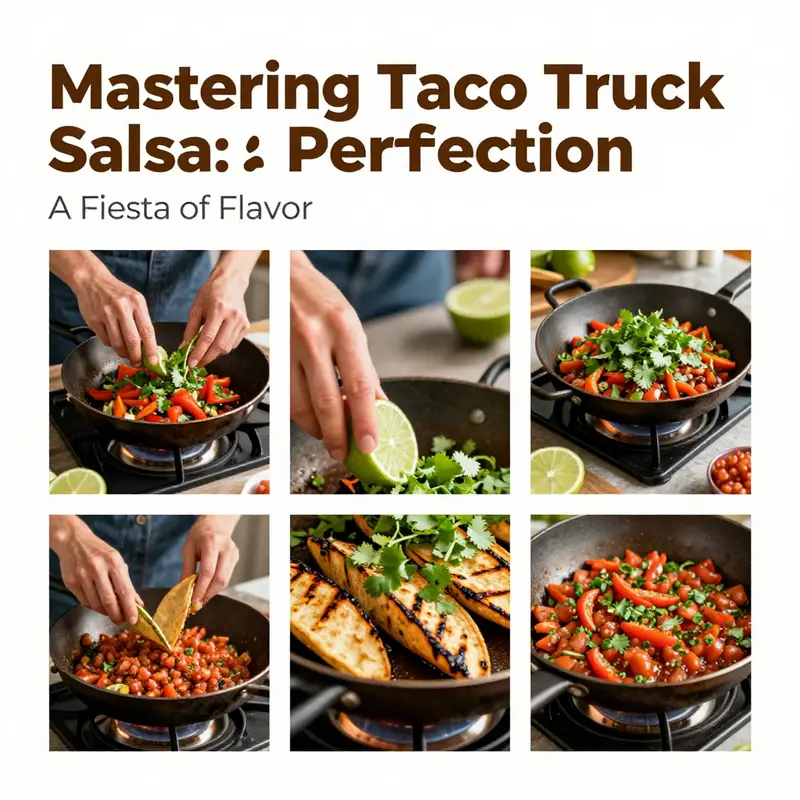
To begin, you char. This is where the salsa gains its street-smart character. A dry skillet over medium-high heat becomes the small stage for your vegetables. Tomatoes, onions, peppers, and garlic meet the heat, blistering and blackening at the edges as they yield their essential characters. The blistered skins release a depth that you cannot coax from raw produce alone. The vegetables do not need to be perfectly uniform; the slight blackened line that runs along a tomato slaggers the sense of rustic craft, the kind you witness when a cart pulls into a busy corner and a cook makes a salsa with hands stained by time and smoke. As the aroma rises, it becomes clear that this is not just a recipe but a ritual: the transformation of simple markets into a flavor memory that travels with you beyond the curbside. Once the vegetables are charred to a satisfying level of singed, they are ready to move to the blender, where the second act unfolds.
In the blender, the rhythm of this salsa shifts. The charred vegetables join chopped cilantro, a squeeze of lime, salt, and whatever optional notes you have chosen. The choice between a smooth, glossy puree and a rustic, chunkier texture is not a vanity but a communication with your guests. A purée whispers elegance; a chunky mash speaks of a hand-crafted, street-leaning approach. If you want that taco truck texture, you go halfway—blend until the mix is cohesive but still exhibits some bite from the tomato pieces. The blending stage is a moment of listening as much as acting: you stop when the mixture begins to harmonize rather than fight for attention. If you go too far, the salsa can lose the essential airiness that makes it feel alive; if you stop too soon, you’ll miss the opportunity to fuse the flavors into a single, confident mouthful.
Resting the salsa is a small but powerful act. Fifteen minutes is a good minimum; thirty minutes is better if you want to coax all the elements into one breath. During this pause, the lime brightens the mix, the salt finds a deeper seat, and the smoky edges soften into a cohesive signature. Taste and adjust at this stage as if you are a street cook adjusting to the temperament of the crowd. If the acidity pinches too much, a pinch of sugar can temper it without betraying the bright character. If the mixture tastes flat, a touch more salt or a hint of cumin or smoked paprika can coax back the depth. The resting period is not a perfunctory step but the moment when character becomes habit, when the salsa reveals its true potential and signals that it will pair well with what follows—tender carne asada, juicy al pastor, or simply a pile of warm tortillas warmed over a low flame.
The serving temperature also matters in this street-inspired philosophy. Warm salsa carries a different emotional weight than a cold one. The flavors stay more integrated when warm, courses of heat lingering just long enough to remind the palate that this is a condiment born of flame. If people prefer a cooler bite, you can certainly serve it at room temperature or lightly chilled, but the philosophy of the taco truck salsa leans toward warmth, a reminder that the kitchen is not a sterile laboratory but a place where flavor travels with the heat of the grill and the hum of a city. When you present the salsa in a small metal dish, you echo the practical elegance of street life; the metal bowl conducts the warmth and lends a contrast to the brightness of the green cilantro and the red of the tomatoes. A squeeze of lime on the side is not just a garnish but a signal to guests that brightness is part of the experience, a last moment to adjust the zing according to personal taste. This small ritual—salsa in a metal bowl with fresh lime at the ready—feels like a nod to the people who inspired the recipe in the first place. You are not merely cooking; you are inviting others into a shared moment, a bite of memory that travels from a curbside grill to a corner table in your kitchen.
In this way, the salsa is more than a topping. It is the conversation between fire and herb, acidity and salt, texture and tempo. It anchors a plate, invites conversation, and makes every bite feel like a small celebration of culture and craft. The ingredients you choose, the heat you apply, and the way you balance the profile all determine whether your salsa is a faithful echo of a street-side classic or a home kitchen interpretation that still carries the aroma of open flame and the rhythm of a busy market. For those who want to explore further, a well-regarded external guide walks through the science of how acid modifies flavor perception and why a smoky finish enhances perception of heat without increasing it, a concept that helps you shape a more nuanced sauce. If you’re curious to see another take that aligns with the spirit of this chapter, you can explore a trusted culinary explainer that covers similar ground and offers additional context on technique and texture. This is not about perfection; it is about a living technique that remains adaptable to your pantry, your guests, and your own appetite for heat and brightness.
If you want to dive deeper into the craft of salsa and see how this approach translates into a broader street food repertoire, the Fire Up Taco Truck blog offers reflections on sourcing, technique, and the culture that surrounds the mobile kitchen. You can read more at the Fire Up Taco Truck blog. https://fireduptacotruck.com/blog/
As you plate and share, watch the room respond to the familiar trace of smoke and citrus. A good salsa roja makes the tacos feel immediate and honest, as if the cooks themselves lean in to offer a quick lesson in savoring life with a simple, well-made condiment. The recipe you carry from this chapter is designed to be practical, repeatable, and adaptable. It respects tradition while inviting your personal touch, whether you lean toward a brighter, crisper finish or a deeper, more roasted depth. And while the text here guides you through the core steps, the true measure of salsa lies in how you feel about the first bite—the moment when you realize that street flavor can be recreated, with patience and care, inside your own kitchen. For those seeking a broader context, Serious Eats offers an authoritative approach to the same idea, emphasizing technique, texture, and balance in a way that complements this chapter’s focus on char, rest, and regional brightness. External reference: https://www.seriouseats.com/taco-truck-salsa-recipe
Flavor Alchemy on the Street: Tuning Taco Truck Salsa for Peak Street-Style Flavor
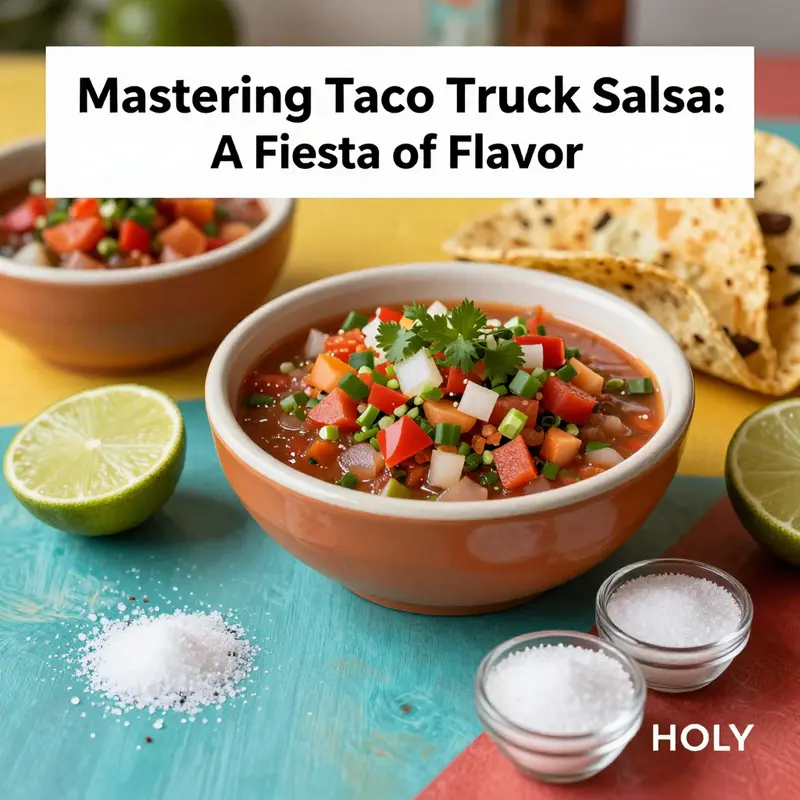
The heat of a crowded street, the hiss of a grill, and the whistle of a passing bus all ride along with the scent of onions and roasted peppers when a taco truck hits its stride. Taco truck salsa is more than a condiment; it is the spark that pulls a bite into memory. When you’re crafting salsa roja for a truck’s menu, you’re balancing a living spectrum: freshness, acidity, heat, and texture all swirling in real time as orders come through. The art rests not in a single perfect batch, but in a tuned harmony that can weather the pace of service, the variability of ingredients, and the diverse palates of a street audience. To get there, you fine-tune four core elements and then weave in small adjustments that transform a good salsa into one that customers ask for by name.
At the heart of every truck-made salsa is freshness. Freshness is not only about the vegetables themselves but about how quickly they reach the bowl and how crisply their flavors register once they are blended. Crisp cilantro leaves, bright red tomatoes, and a white onion that still carries a bite—these components should feel alive on the palate. The way you handle them matters: char the vegetables to wake their sugars and create smoke-kissed notes, then blend with intention. The goal is a salsa that tastes bright and immediate, not dull or tired, even after it sits on the steam table for a while. The method laid out in the classic approach—char the tomatoes, onions, peppers, and garlic until their skins blister and their edges darken slightly—delivers that signature truck-side aroma. When you push the vegetables through heat into a blender, you set a tone for the entire batch: smoky, fresh, and robust all at once.
Acidity is the next dial you must master. Lime juice acts as the bright conductor, lifting the other flavors and cutting through fat from grilled meats or fried tortillas. The acidity should feel lively, not biting; it should wake the palate without pouncing on it. In practice, this means adding lime juice gradually and tasting as you go. A practical truck approach is to blend in the lime with the rest of the ingredients and then modulate with a touch more salt to bring the brightness forward. If the lime dominates, a touch of sugar or a splash of water can soften the edge without dulling the clarity of citrus. On the street, where time is money and guests come hungry, the salsa often rests briefly before serving. That rest period—ten to fifteen minutes—gives the acidity a chance to meld with the other components, rounding sharp edges into a cohesive tang.
Heat is the spice of life in a taco truck, yet it must be precise and controllable. The typical approach uses serrano or jalapeño for a pronounced but versatile kick. The pepper choice sets the baseline: jalapeños bring a milder, fruitier warmth; serranos deliver more intensity with a brisk, clean finish. The decision to deseed or keep seeds is about texture and heat distribution. Seeds carry a greater punch and a granular heat, which can be perfect for a crowd that loves a noticeable burn with every bite. For a more nuanced heat, you can roast the peppers slightly longer, allowing the charring to deepen the pepper’s sweetness and reduce some of the raw pepper bite. This is where technique matters: the smoke from the charring becomes part of the salsa’s personality, giving that unmistakable “truck” smoke that customers expect from the grill-side experience.
Texture completes the triad of freshness, acidity, and heat. A salsa that is too smooth can feel like sauce, while one that is too chunky can overwhelm a taco just as the fillings are trying to express themselves. The method you choose—whether to blend to a smooth consistency or to leave the mixture chunkier—depends on the moment and the crowd. A rustic, slightly chunky texture often aligns with the street-food vibe: you get little bursts of tomato, onion, and pepper with each bite, and the cilantro and citrus linger afterward. A smoother version works better with grilled meat where the salsa is meant to blanket and unify flavors rather than stand apart. In practice, you blend the charred vegetables with cilantro, lime juice, salt, and optional spices until you reach the preferred texture, then you pause to test and adjust. A few pulses can change the mouthfeel far more than you’d expect from a simple taste test. Freshness, acidity, and texture are in constant conversation—the texture can soften after a short rest, the acidity can brighten with a touch more lime, and the heat can be balanced by a pinch of sugar or a splash of water when necessary.
Beyond these core elements lie the tailor-made touches that allow a salsa to speak to a particular audience or to reflect a menu’s evolving personality. Sweetness can be introduced in a controlled way to mellow heat and acidity. A small dice of mango or pineapple, for example, can add a tropical lift that rounds out the tartness of lime and the heat of peppers. In a busy truck, where some customers lean toward a milder flavor profile, this sweetness offers a bridge—an approachable entry point that invites diners to explore the full range of toppings on the menu. The citrus regime can be expanded beyond lime to include a touch of lemon or orange zest in a pinch, enhancing brightness and giving the salsa a more complex citrus note. Roasted garlic is another amplifier of depth, providing a caramelized, warm edge that pushes the salsa away from a flat tang toward a broader, more inviting profile.
Fermented or tangy additions can introduce a unique character that distinguishes a street salsa from a home kitchen version. Fermented onions, pickled jalapeños, or even a hint of a fermented green chili can introduce a wavy, umami-driven tang that lingers on the palate. Those touches aren’t mandatory, but they offer a way to create a signature salsa that can become a truck’s calling card. When these elements are used, they should be balanced against the fresh components rather than overshadowing them. The goal is to preserve the crisp brightness of the raw ingredients while threading through a savory complexity that customers associate with a busy, flavorful taco line.
Seasoning, too, deserves careful, incremental dosing. Salt does more than season; it helps draw out moisture from vegetables, releasing their juices and intensifying their natural sweetness. Because salt is a gateway to flavor, it should be added in stages and tested after each adjustment. A well-seasoned salsa tastes of the ingredients themselves, elevated but not salted into submission. The resting period is essential here as well; during those ten or fifteen minutes, you’ll notice flavor intensification and a more integrated balance that you could not predict from a hot, freshly mixed batch.
All these considerations—freshness, acidity, heat, texture, sweetness, citrus, garlic, fermentation, and careful seasoning—work in concert to create a salsa that tastes like the truck as a whole. It should be adaptable enough to work with a variety of fillings, from carne asada to al pastor, from grilled vegetables to simple fritas. The salsa should feel intimate yet robust, intimate enough to deliver brightness with a single chip and robust enough to survive a line that never stops moving. The balance you aim for is not a single magic ratio but a flexible approach: taste early, taste often, and taste again after resting. That rest matters because the salsa’s components will settle into a single, confident profile that remains lively without becoming chaotic.
To support the craft of adjusting flavor profiles in practice, consider how you document and refine batches. A small notebook or a digital note where you record pepper type, number of peppers, seeds in or out, amount of citrus, and the resting time can become your street-side blueprint. If a batch comes out too acidic, you may increase the sweetness slightly or add more roasted garlic to soften the sharp edges. If heat feels muted after rest, you can reintroduce a small amount of heat—carefully, in small increments. If the texture becomes too smooth for the truck’s signature bite, you can re-chop a portion and fold it back in to reintroduce the rustic feel. The goal is not perfection in a vacuum but a reliable profile that can be reproduced under the sun, under the grill’s heat, and during a rush with a long queue.
In the spirit of continual learning, many cooks find value in casual tasting sessions with peers. A few trusted tasters can help you gauge whether the salsa’s balance translates from your kitchen to the street. Keep the sessions simple: a small spoonful on a tortilla or a chip, then a bite of the main filling. Ask questions that get at the sense of brightness, heat, and harmony rather than just whether the salsa tastes good. This kind of feedback loop helps you calibrate for the wide range of palates a taco truck encounters. And remember, the salsa is not just a topping; it is a bridge between texture and flavor, between the smoky edge of the grill and the tenderness of the meat, between a customer’s first bite and their next visit.
When you are ready to explore beyond the recipe, there is value in looking at broader guides and conversations about salsa and its preparations. For readers who want to continue the journey and see how others approach similar flavor work, there is merit in a quick detour to the ongoing content on our own site. You can explore more of our culinary notes and recipe experimentation at fireduptacotruck.com/blog/. This resource keeps the thread of street-food creativity alive and connects the salsa to a larger philosophy of quick, vibrant, and adaptable cooking that suits a mobile kitchen’s rhythm.
Finally, in the spirit of sharing knowledge and inviting further experimentation, a few of the practical takeaways can travel with you from batch to batch. Rest the salsa 10–15 minutes so flavors can meld; start with a modest lime-and-salt balance and adjust in small increments; choose your heat source (serrano or jalapeño) based on your crowd, not just your own preference; and remember that texture can shift subtly with time, so check again before serving. If you want a quick, street-tested mental model, think of the salsa as a chorus line: each instrument—tomato freshness, citrus brightness, pepper heat, and cilantro aroma—needs its moment in the spotlight, yet they must harmonize when performed together on the plate. A well-tuned salsa becomes a signature that customers associate with the truck, a memory of a bite that tasted of smoky streets and warm tortillas.
For readers seeking a broader perspective on how professional cooks think about salsas and their adaptability, the BBC Good Food salsa guide offers a complementary framework rooted in traditional techniques and modern preferences. It is a valuable external resource to consult as you refine your own method and experiment with regional touches and seasonal ingredients. See a broader, well-tested approach here: https://www.bbcgoodfood.com/recipes/mexican-salsa-recipe.
Preserving the Flame: Storage, Temperature, and Service Rituals for Taco Truck Salsa
The salsa that greets a taco truck crowd is more than a condiment. It is a signal of the day’s promise: bright acidity, roasted warmth, and a finish that lingers on the tongue like a memory of sizzling grills. To capture that essence on the page and replicate it on the street, a practical, kitchen-to-truck approach matters as much as the heat level or the cilantro bite. This chapter threads together the science of keeping salsa vibrant with the ritual of serving it in a way that matches the quick tempo of a bustling taco stand. It is not merely about making a batch and hoping for the best; it is about building a system that preserves texture, color, and brightness from the moment the blender stops whirring to the moment the last chip dips into the bowl.
A salsa roja packed for taco trucks hinges on a delicate balance of freshness and stability. The tomatoes provide a lush, tangy base, the onions add a crisp bite, the chiles supply the heat, and the lime, salt, and cilantro anchor the whole mixture with brightness and herbaceous lift. But once the lid comes off the blender, exposure begins. Oxygen will slowly fade the color; warmth can push the edges of the profile toward dullness; and time will loosen the structure of the tomatoes, turning crisp, chunky bits into a softer, more unified sauce. The trick—whether you’re serving from a prep table at the front of a line or ladling into small cups at a curbside window—is to respect these tendencies and plan around them.
Start with storage as a design principle. The simplest rule is to keep the salsa cold, in a sealed container, until it’s time to serve. An airtight container slows color losses and minimizes the risk of contamination, which is a constant concern in mobile kitchens where food is handled repeatedly and kept within a limited cold chain. In the realm of a taco truck, refrigeration is not just convenient; it’s essential for consistent performance across a long service day. Freshly made salsa can stay in the refrigerator for about three to five days, depending on how aggressively the mix was acidified with lime, how thoroughly it was cooled, and how clean the storage vessel remains. The lime juice acts as a mild preservative by nudging the pH lower, but it cannot halt eventual breakdown forever. Over time, the vegetables soften, the color dulls slightly, and the vivid edge becomes more muted. The practical implication is simple: plan to use the bulk of each batch within a few days, and label containers with start dates so you can rotate stock without guesswork.
For longer stretches, freezing offers a way to preserve flavor when demand outpaces supply or when you’re prepping ahead for a weekend rush. Freeze salsa in freezer-safe containers or bags, and you can lock in the tomato-tang profile for up to about three months. Expect a texture shift after thawing; icy bits melt into a smoother base, and some of the brightness may soften. The texture is less forgiving if the salsa is stirred vigorously after thawing, so when you plan to freeze, think of it as a tool for extending your supply rather than a primary service component. The recommended approach is to thaw slowly and use frozen salsa in cooked dishes—tacos simmered with a spoonful that has a little more body, soups, or stews—where the sauce’s character can meld with other ingredients rather than appearing as a bright dollop on a cold tortilla.
Serving practices must reflect the sensory expectations of taco truck guests. The salsa is best enjoyed at room temperature or slightly warmed, which makes the tomato sugars and chili oils more perceptible on the palate. In a truck setting, that often means pulling a portion out of the fridge and letting it sit for a few minutes before serving, so the flavors become more expressive as they align with the heat of freshly grilled tortillas. If you choose to serve the salsa oddly cold, you may mute the roastiness that makes a true truck salsa so compelling. A practical compromise is to place a shallow, decorative serving dish in a warm spot on the prep counter—just enough to nudge the salsa toward a comfortable serving temperature without cooking it further.
Consistency matters as much as brightness. When a batch sits for a while, natural separation occurs. The juices rise to the top, solids settle, and you’ll notice a layer of liquid hovering on the surface. This is normal and easily corrected with a gentle stir just before service. Always stir with care; vigorous agitation can break down the chunky texture that makes a salsa feel rustic and truck-restaurant-worthy. A light tilt and fold will re-emulsify the mixture without forcing the cilantro and onion to lose their bite. A well-managed salsa should appear cohesive but not paste-like, with hints of the charred flavors from the initial roasting still visible in the background.
Texture is also a function of temperature and how you approach the chopping and blending steps. If you prefer a texture that leans toward rustic and slightly chunky—the hallmark of many taco trucks—stop the blender when you still see larger tomato pieces and visible onion shards. If you lean toward a smoother finish, let the blender go a bit longer, but remember that too-fine a texture can feel out of place on a street lineup, where the tortilla’s bite and the meat’s char are the primary textures. As you think about service, it’s helpful to consider the end-user experience. A salsa that’s too smooth can feel like a sauce, while a too-chunky batch might overwhelm a single chip’s ability to scoop without breakage. The goal is harmony: bright, heat-balanced, and texturally generous enough to cling to a tortilla without breaking it.
In a run-and-gun kitchen, where time is money and speed is a virtue, planning ahead is part of flavor. Preparation that respects salsa’s lifecycle makes a visible difference in the final plate. For example, you can prepare a base batch of roasted tomatoes, onions, and peppers and then finish with fresh cilantro, lime, and salt right before service. If you assemble everything at once, the cilantro’s delicate oils can dull, the lime’s brightness can shift, and the overall profile can lean flat by late service. By keeping the cilantro and lime separate from the bulk of the batch until just before serving, you preserve a crisp, green note and a pop of acidity that instantly signals freshness to the customer.
The way you present salsa to your customers matters too. In the world of taco trucks, presentation isn’t vanity; it’s a cue for flavor expectations. A small metal bowl with a wedge of lime on the side evokes the classic truck setup and signals a focus on tradition. If you want to elevate the look while preserving practicality, consider serving in a shallow ceramic dish that shows off the color without shadowing it with reflections. A dash of cilantro on top can look fresh and inviting, while a ring of finely minced onion around the edge adds texture cues that invite dipping. And since the best kitchen stories are often told through ritual, you can create a simple, repeatable service rhythm: pre-fill a few small cups, garnish as you go, and keep a rotation so that every batch that reaches the line is as vibrant as the one before.
Safety and sanitation form a non-negotiable frame around your technique. Perishables should never sit out at room temperature beyond the two-hour rule, and in hot weather, that window shrinks even further. If the day is bright and the sun is beating on the window, you should keep the salsa chilled and only bring out small portions at a time. The crew’s discipline, more than any single technique, determines the salsa’s success on a busy shift. Clean utensils matter just as much as clean burners. Use dedicated tongs for serving and never return used spoons to the container. A consistent routine protects both flavor and health, preventing flavor-taint from accidental cross-contact with other foods and ensuring each customer experiences the salsa as it was intended.
As you build your truck’s repertoire, remember that salsa is less a sauce and more a passport. It carries the memory of charcoal, lime, and fresh herbs into a portable, shareable moment. The storage choices—refrigeration for daily cycles, freezing only for longer-term planning—reflect a respect for the salsa’s life from prep to plate. The serving tempo—the rest time after mixing, the gentle stir before presentation, the temperature that teases the palate—transforms an ordinary condiment into a ritual that customers anticipate with each bite. In a mobile kitchen, the simplest decisions—how long you rest the batch, how you rewarm it, how you portion it—become the difference between a salsa that tastes bright and a salsa that tastes like it just came off a heat lamp.
For broader operational tips that touch on the sustainability and efficiency of a street-food operation, consider exploring more about choosing the right food truck. That resource offers insights that translate well across the day’s workflow, from prep to service and beyond. Choosing the right food truck provides guidance on how equipment choices, space layout, and workflow influence the quality of every element you serve, including salsa. Embracing this mindset can help you design a line that not only keeps flavors fresh but also keeps the service smooth, even when the line grows long and the clock runs fast.
The salsa you serve is a living thing on the truck—fed by heat, cooled by chill, and shaped by the hands that cradle the bowls. Treasured as a small, shared ritual, it travels with the tortillas and the sizzling meats, becoming a familiar, comforting signal that the meal is about to begin. As you refine your technique, remember that storage, temperature, and service are not separate concerns but a single, ongoing conversation between the kitchen and the street. If you attend to texture with care, protect brightness with prudent storage, and honor a thoughtful serving rhythm, you’ll set your taco line apart with a salsa that tastes like a memory in the making.
External resource for further safety and storage specifics: https://www.seriouseats.com/how-to-make-and-store-fresh-salsa-4782596
Final thoughts
Now that you’ve mastered the art of creating authentic taco truck salsa, you’re fully equipped to bring the street food experience right to your kitchen. Whether you choose to enjoy it on fresh tacos, as a zesty dip with chips, or paired with grilled meats, your homemade salsa is sure to become a beloved staple. Remember, the beauty of this salsa lies not just in its fresh ingredients but in the personal touch you bring to every batch. So roll up your sleeves, gather your ingredients, and let the salsa party begin!