
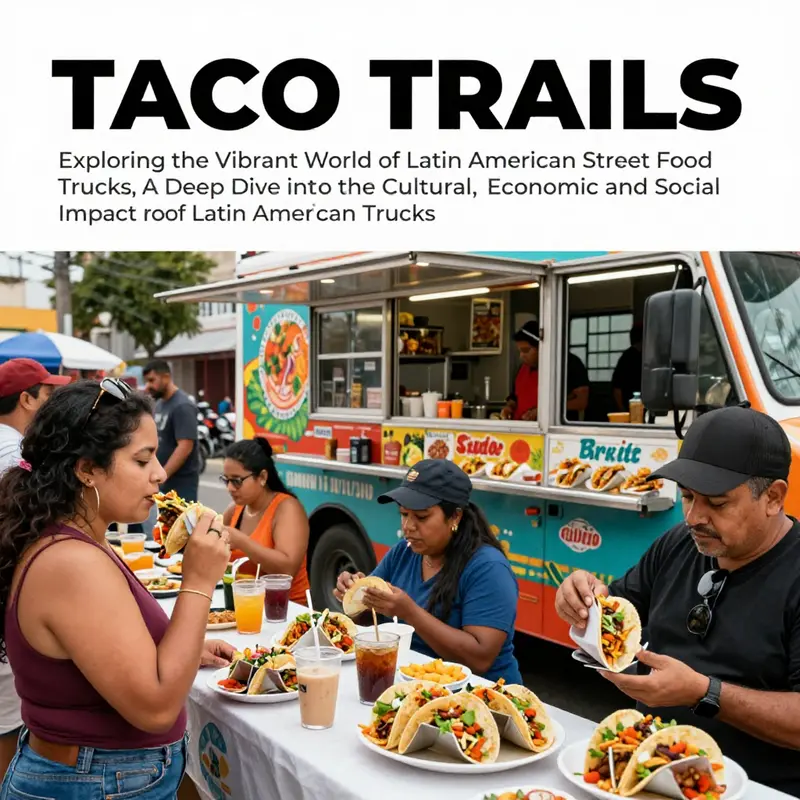
Latin American street tacos are more than just food; they are a celebration of culture, community, and colorful flavors served from vibrant food trucks. These mobile kitchens encapsulate the spirit of culinary adventures, bringing traditional recipes and innovative creations to urban streets and festivals alike. As we journey through this article, we will explore the essence of these food trucks and their role as cultural reflections, examine emerging trends, highlight their economic significance, consider geopolitical influences, and unveil societal trends driving their popularity. Each chapter will showcase not only the delicious variety of tacos but also the stories, traditions, and trends that elevate them to an art form.
Rolling Traditions: How a Latin American Taco Truck Carries Culture, Craft, and Community
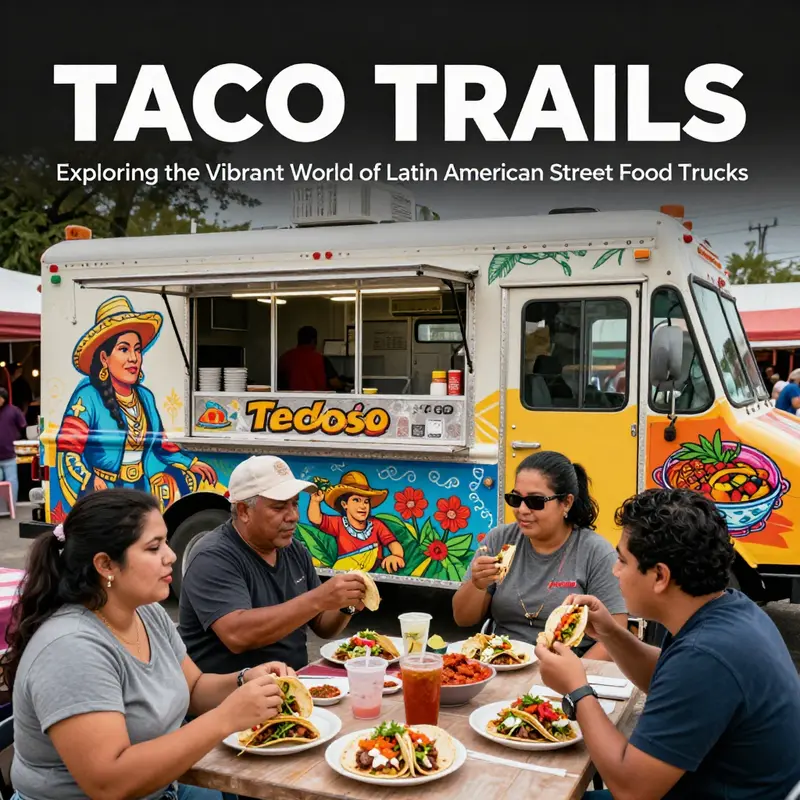
A taco truck is a moving story. It folds history, craft, and daily life into a simple, warm tortilla. The food itself is compact and immediate, yet layered with centuries of technique and regional identity. When that taco is served from a truck, the experience becomes public ritual. People gather under awnings and string lights. Aromas drift into streets, parking lots, and festivals. The vendor’s voice calls out orders. That chorus creates a shared moment where food connects strangers and neighbors.
Corn tortillas anchor these tacos. Made from masa or masa harina and shaped by hand, they carry the taste of the land. The texture is humble and honest, soft but resilient. Fillings vary by region and by family recipe. Al pastor slices the pork thin and cooks it against a vertical spit, releasing caramelized edges and sweet chiles. Carnitas are slow-braised until the fat sings and the meat separates into tender ribbons. Barbacoa steams for hours, absorbing smoke and spices. Each protein is a small archive of methods passed down through generations.
Preparation is part of the public theater. A line forms and the crew moves like clockwork. Someone presses tortillas; another tends the griddle, and one more plates the taco. This choreography is efficient and intimate. It invites customers into a process that many inside kitchens never see. The speed of service does not dilute the care put into each element. Fresh salsas are chopped the same morning. Pickled onions sit in their jars. Cilantro and lime are ready at hand. This attention to detail differentiates a truck committed to tradition from one chasing mere convenience.
Design and visuals matter. Many trucks wear colorful murals and bold signage. Spanish phrases appear alongside English, signaling cultural origin and welcoming diverse audiences. Music plays a subtle but important role. Mariachi, banda, or coastal rhythms set the tone. These auditory elements transport patrons, however briefly, to a neighborhood or market across the border. The truck itself becomes a stage for identity, and its exterior invites curiosity and conversation.
A taco truck also embodies adaptability. It moves to where people are, following rhythms of work, nightlife, and weekend gatherings. That nomadic quality is faithful to street food history. Vendors learned to follow crowds, weather patterns, and seasonal events. Modern trucks build on that legacy with efficient layouts and service lines designed for volume and speed. Yet their efficiency often coexists with artisanal practices. Handmade tortillas and house-made salsas live alongside assembly-line precision. That balance enables high turnover while honoring craft.
Community ties run deep. Trucks serve as meeting points, not merely food stops. Morning commuters, late-night revelers, and festival families cross paths in the same queue. Regular customers bring friends and introduce new faces to favorite plates. Conversations in line range from running jokes to serious talk about family or work. A familiar vendor becomes part confidant, part neighborhood anchor. This human connection is central to the truck’s cultural role.
Economic accessibility is part of the taco’s power. Street tacos often cost less than a sit-down entrée. Their price point makes them accessible across income levels. For immigrants and locals alike, these trucks offer reliable, affordable nourishment. They can also be stepping stones for entrepreneurs. A food truck reduces overhead compared to a restaurant and allows operators to test menus and neighborhoods. Many food-truck owners refine recipes and build followings before investing in brick-and-mortar spaces.
Authenticity matters to patrons. That demand explains why ingredients and technique carry weight. Customers look for masa-based tortillas, unprocessed salsas, and meat prepared with respect to tradition. When these elements align, the meal feels honest. It tastes like a specific place and a particular lineage. That feeling fosters trust and loyalty. Vendors who honor tradition while remaining open to local influences gain quick, devoted customers.
Cultural resilience shows through menus that adapt without losing roots. Immigrant communities often reshape dishes to match available ingredients and local palates. This adaptability creates hybrid offerings that still honor original techniques. A taco truck can introduce regional varieties in rotation. One week it features Yucatecan cochinita pibil. The next, it serves Oaxacan tlayudas in folded form. These rotations educate patrons about the diversity within Latin American cuisine, proving that the taco is both specific and endlessly versatile.
A food truck’s presence at markets and events amplifies its storytelling role. Farmers markets pair trucks with producers, highlighting seasonality and local sourcing. Festivals turn trucks into cultural ambassadors, presenting flavors to broad audiences. Trucks also cater private events. Weddings and corporate gatherings increasingly include street taco stations as a way to offer interactive, memorable dining. This flexibility cements the truck’s place in modern social life.
Operational realities shape how culture is expressed. Choices about equipment, storage, and workflow influence what can be served and how. Thoughtful layout supports speed without sacrificing quality. For those evaluating or launching a truck, resources on choosing a vehicle and configuring its kitchen can be invaluable. Learning about choosing the right food truck helps operators plan both practical and cultural aspects of their service, from signage to menu flow.
Ultimately, a Latin American taco truck does more than sell food. It anchors stories of migration, craft, and community into daily life. Each taco is a portable conversation between past and present. The truck’s murals and music recall neighborhoods and family kitchens. Its crew transforms simple ingredients into comforting rituals. As the truck rolls through cities and towns, it carries with it a small, sturdy piece of culture.
For those who stand in line, the truck offers a brief escape into shared taste and memory. For the operators, it is a way to preserve and adapt culinary heritage. Both roles are essential to the truck’s identity. The cultural weight of these mobile kitchens shows that food, when prepared with care, can be a powerful connector. It creates belonging in public spaces. It makes tradition available to anyone willing to wait for the next perfectly grilled tortilla.
Source: https://www.austintexas.gov/news/discover-best-tacos-austin-tx-strictly-food-trucks
Forging Flavor on Wheels: How Latin American Street Taco Trucks Lead Culinary Innovation
Forging Flavor on Wheels: How Latin American Street Taco Trucks Lead Culinary Innovation
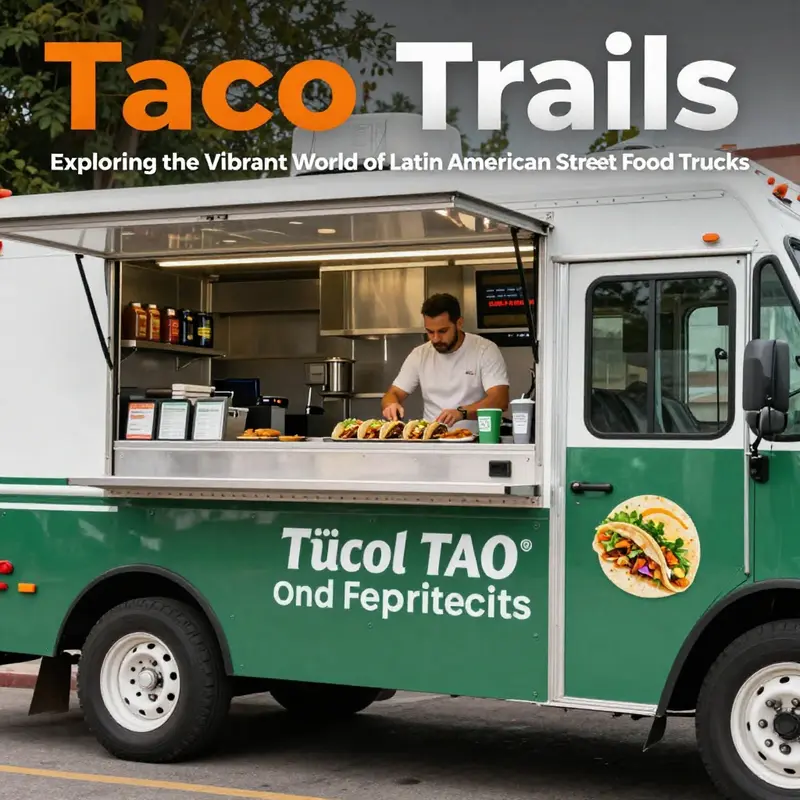
Latin American street taco trucks have become mobile stages for culinary invention. They honor time-tested techniques while pushing boundaries. In a single service window, cooks braid tradition, sustainability, tech, and global tastes into quick, unforgettable meals. This chapter explores how those elements converge and why the result resonates so deeply with modern diners.
At the heart of the movement is a willingness to experiment. Vendors take the base building blocks of Latin American tacos—handmade corn tortillas, slow-braised meats, vibrant salsas—and reimagine them with ingredients and methods borrowed from afar. The trend often labeled fusion has matured from novelty to craft. Chefs are not simply adding foreign ingredients; they are translating them into a taco language that respects texture, balance, and regional authenticity. A spicy fermented paste might be adapted to finish al pastor, or a miso glaze might deepen the caramel notes on roasted vegetables. These combinations create bold, layered profiles that appeal to adventurous eaters while still feeling rooted in the taco tradition. For an in-depth look at how fusion is reshaping truck menus, consult the piece on food truck fusions: a culinary revolution.
Sustainability and plant-forward choices are now core strategic moves, not afterthoughts. Trucks increasingly source local produce and work with small purveyors to secure fresher, seasonal ingredients. That focus improves flavor and shortens supply chains, reducing waste and emissions. More than that, it opens creative opportunities: jackfruit simulates shredded pork, earthy mushrooms take on al pastor’s char, and grilled nopal delivers a briny, textural counterpoint to creamy salsas. These plant-based fillings broaden the customer base, offering satisfying options for vegetarians and flexitarians while preserving familiar taco structures. When done thoughtfully, such substitutions maintain the soul of the dish. They emphasize masa and fire, the two elements that make a taco feel authentic regardless of protein choice.
Technology’s role extends beyond order-taking. Mobile apps and social media are essential for visibility, but the smartest operators use tech to manage flows and scale quality. Real-time location tools let fans track trucks across neighborhoods. Pre-ordering systems reduce wait times and smooth service peaks. Back-of-house technology, including efficient refrigeration and compact prep equipment, helps maintain consistency without sacrificing mobility. These tools allow cooks to focus on flavor and technique rather than logistics. Branding through imagery is no less important. A truck with a coherent visual identity and a clear culinary point of view becomes a destination. Menus that photograph well and plate with intention drive organic attention on social platforms, turning first-time customers into repeat visitors.
The narrative of innovation is also shaped by how trucks engage with communities. Food trucks operate in the social spaces where friends gather, workers take a break, and festivals animate streets. Successful operators build trust through regular presence, responsive menus, and participatory events like pop-ups with local producers. This proximity makes it possible to test new recipes fast. A limited-run taco can reveal whether an ingredient resonates or misses the mark. Vendors learn quickly and iterate, refining sauces, adjusting spice levels, or swapping garnishes until a new favorite emerges. That experimental agility is a hallmark advantage of the truck format.
Operational creativity mirrors culinary creativity. Space is a constant constraint, and clever design can make the difference between a menu that flops and one that sings. Multi-use tools, compact smokers, and modular prep stations extend what can be achieved in a small footprint. Menu engineering—designing a compact set of items that share components—allows a truck to offer variety without waste. For example, a single roasted chile blend can season pork, dress vegetables, and flavor a crema, reducing inventory and prep time. Pricing strategies reflect this efficiency. Trucks balance premium, limited items with staple, affordable options. That mix keeps margins healthy while preserving accessibility.
Authenticity remains a guiding principle even as menus evolve. Customers come to taco trucks expecting honest flavors and tactile experiences. The best innovators do not mask heritage; they translate it. Techniques like slow braising, open-flame charring, and masa-making anchor experimental toppings and global sauces. When fusion elements appear, they are introduced as respectful conversations with tradition. This approach prevents novelty from becoming gimmick and ensures that every new taco still tastes like a taco.
Regulatory realities and supply challenges shape trends, too. Trucks must navigate local food codes and permitting frameworks, which vary widely by city. Some operators invest time in cultivating relationships with regulators and community groups. Others diversify service models—catering, market stalls, or partnerships with brick-and-mortar kitchens—to mitigate regulatory risk. Supply shocks also spur innovation. When a key ingredient is scarce or expensive, cooks pivot, using seasonality to inspire rotating specials that keep menus fresh and reduce dependence on fragile supply lines.
Presentation and storytelling are deliberate. A taco’s visual appeal matters as much as its aroma. Trucks emphasize contrast: bright salsas on charred proteins, pickles to lift richness, and micro-herbs to add freshness. But beyond plating, storytelling conveys why a taco matters. Menus that note origin details, brief technique descriptions, or sourcing partners turn meals into narratives. Customers eat with curiosity when they understand the lineage of a dish. That curiosity fuels loyalty.
Finally, the cultural exchange happening at trucks extends to neighborhoods and cities. Places like Austin have become innovation hubs where vendors borrow from one another and the local palate pushes boundaries. The result is a vibrant ecosystem where food trucks lead culinary change and influence sit-down restaurants. For more on how specific cities are shaping this movement, see this coverage from a local food publication: https://www.austinchronicle.com/food/2026-01-20/discover-the-best-tacos-in-austin-tx-strictly-from-food-trucks/.
Taken together, these trends reveal a simple truth: Latin American street taco trucks are engines of culinary evolution. They preserve core techniques while embracing change—sourcing smarter, cooking greener, designing thoughtfully, and using technology to amplify craft. The truck becomes a place of dialogue, where tradition meets invention and where every taco offers a small, delicious lesson in how food adapts and endures.
Rolling Revenue: How Latin American Street Taco Trucks Fuel Local Economies
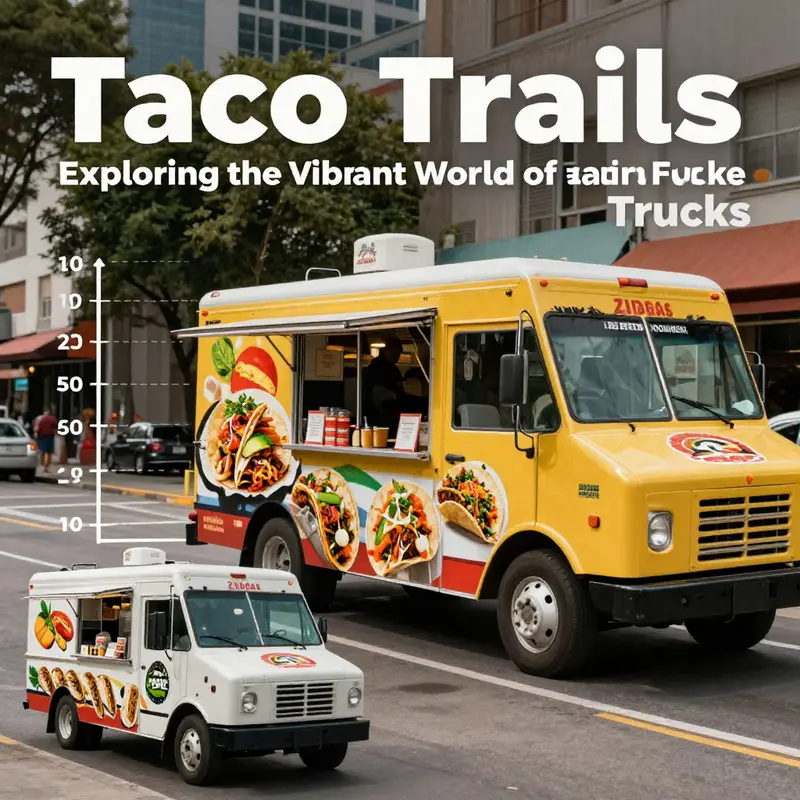
The sight of a bright, compact kitchen parked on a busy corner can feel like a small revolution in urban life. A food truck selling Latin American street tacos arrives with the pulse of a market, a portable oasis where masa, citrus, smoke, and stories collide. Beyond the vibrant flavors and the cadence of sizzling griddles lies a mechanism that quietly reshapes neighborhoods: a mobile micro-economy capable of lowering barriers to entry, strengthening local supply chains, and infusing time-honored culinary traditions with the energy of contemporary entrepreneurship. The economic narrative here is not merely about price points or busy lunch lines; it is about how mobility widens access—giving aspiring cooks, particularly from communities underrepresented in the formal dining scene, a foothold in a competitive urban economy. The truck becomes a small, nimble enterprise that can test ideas, scale with demand, and adapt to shifting tastes while keeping costs manageable enough to sustain a living. In this way, the rolling taco stall operates as a kind of economic innings—short at-bat, high on possibility, and deeply embedded in the rhythms of city life.
One of the most immediate economic advantages of these mobile kitchens is lower overhead. A brick-and-mortar restaurant typically carries high fixed costs: rent, utilities, long-term leases, and a sizable crew. A street-front taco truck, by contrast, can start with a leaner capital outlay and leaner ongoing expenses. This cost structure matters, because it opens doors for would-be chefs who might not have access to large seed funds. It also allows operators to experiment with menus, pricing, and formats without the risk of signing away years of revenue to a single, expensive lease. Such flexibility is not just a financial advantage; it is a cultural one, enabling a broader spectrum of talent to enter the culinary market and bring its own perspectives to the table. When a neighborhood sees a new truck roll into its block, it’s not only the promise of a meal that arrives; it is a signal that entrepreneurship can be both attainable and communal.
Local sourcing often follows the same logic. Because these trucks operate on shorter supply chains and with smaller inventories than larger restaurants, they tend to favor fresh, regionally produced ingredients: corn for tortillas ground to the masa, seasonal produce, and spices that speak to the flavors of home. This local sourcing buttresses regional agricultural networks, supporting farmers and small distributors who benefit from regular, predictable demand. The ripple effect extends beyond the truck’s window. Nearby markets, bodegas, and produce stores become part of a wider ecosystem where a single mobile stall contributes to a more resilient local food system. The act of buying a taco becomes, in part, a vote for a region’s farmers and a micro-investment in its agricultural health.
Foot traffic, too, is a pivotal variable in the economic equation. The popularity of Latin American street tacos on sidewalks and in plazas tends to draw curious passersby who linger long enough to explore other nearby businesses. A queue for a good taco can become a line of opportunity for adjacent shops—cupcake stands, coffee kiosks, clothing boutiques, or public markets that gain a new crowd at lunch or after-hours. The street becomes a corridor of commerce where a well-tended truck acts as a lure, a focal point that converts casual walkers into customers who patronize more than one business, creating a small but meaningful boost to the local commercial mix. The truck’s presence amplifies the energy of a neighborhood; it creates a social and economic rhythm that can transform a block into a destination rather than a pass-through.
Consumer preferences, too, have shifted in ways that favor adaptable, mobile concepts. The success stories in urban centers show how fusion ideas—combining traditional Latin flavors with other regional influences—can attract diners who crave novelty without losing the comfort of familiar tastes. A menu that speaks to both the nostalgia of home cooking and the curiosity of new kombinaciones can expand a truck’s market beyond the core audience. This adaptability is not a gimmick; it is a prudent response to ongoing changes in dining culture, where customers value speed, quality, and a clear sense of place. The ability to respond to demand through fresh toppings, rotating regional variants, and thoughtful dietary accommodations helps sustain revenue streams even as trends evolve.
The professionalization of the industry is a quietly transformative trend that strengthens the economic backbone of these mobile operations. A growing share of operators now accept credit cards, a shift that expands the customer base by removing the friction of cash. When a business can process a wider range of payments, it stabilizes revenue, reduces the risk of cash handling, and speeds up turnover during peak hours. In parallel, many trucks display suggested tip amounts as part of a service design that recognizes the value of frontline labor. This visibility of tipping norms tends to improve earnings consistency for cooks and servers, which in turn supports reinvestment in better ingredients, equipment, and maintenance. The result is a more predictable income stream, which has implications for job stability and the possibility of expanding into catering or even launching a permanent location someday.
And then there is the scale to service events and larger gatherings. Modern, purpose-built trucks equipped with full kitchen setups—think stainless sinks, efficient exhaust systems, and the capacity to manage high-volume service—are increasingly courted for weddings, festivals, corporate events, and public celebrations. This catering dimension elevates the economic reach of Latin American street tacos beyond the casual street sale. It converts food trucks from quick-serve fixtures into flexible, event-ready businesses that can deploy teams, handle long-service days, and generate significant revenue in peak seasons. The shift toward event catering expands employment opportunities, from line cooks to servers and setup crews, each adding a leg to the local economic ladder.
Taken together, these dynamics paint a portrait of the taco truck as more than a mobile kitchen. It is a micro-ecosystem—a compact enterprise that nurtures entrepreneurship, strengthens local supply chains, draws foot traffic, and adapts with the times. The economic impact extends beyond dollars and cents; it touches livelihoods, neighborhood vitality, and the social fabric of urban life. It invites a broader circle of residents to participate in the urban economy, not as spectators but as entrepreneurs, artisans, and neighbors sharing space and story at a curbside counter.
For operators seeking scalable templates and a practical map for growth, a look at top food truck models for success offers a useful reference. The ways these templates organize kitchens, payments, staffing, and customer flow can illuminate how a Latin American street taco truck might evolve from a beloved local stall into a resilient, multi-channel business. This is not about erasing the imperfections of street food or eliminating the chaos of a busy lunch rush; it is about channeling that vitality into a structured, professional practice that can withstand market fluctuations while staying faithful to tradition. The social and economic value of these trucks—day after day, in neighborhoods large and small—rests in their capacity to translate cultural abundance into tangible opportunity. The on-the-ground economics may be modest in scale, but their cumulative effect across a city can be substantial, shaping local employment, supporting nearby vendors, and affirming that food, in its most portable form, can be a powerful engine of growth.
External forces, policy considerations, and ongoing conversations about urban planning intersect with these micro-entrepreneurial ventures. How cities regulate street vending, allocate curb space, and support small businesses will influence the long-term economic footprint of Latin American street tacos. Yet the core narrative remains clear: when a truck rolls into a neighborhood, it invites people to eat well, spend locally, and participate in a shared experience of culture and craft. That shared experience—not just the price point or the flavor profile—translates into a durable, if incremental, contribution to the local economy. The caravan of benefits may arrive in fits and starts, but it travels with a momentum that is hard to deny: mobility meets tradition, and in that meeting, opportunity is minted one taco at a time.
External standards and best practices for the broader industry also deserve attention as these mobile kitchens scale. For readers seeking further context on the evolving regulatory and technical landscape that supports food truck operations, there are resources that outline the standards, specifications, and applications across diverse markets. External references can help operators align with safety, consistency, and customer experience as they grow. https://www.foodtrucksale.com/new-york-material-standards-technical-specifications-applications/
Borders in Bites: How Geopolitics Shape Latin American Street Taco Trucks on American Streets
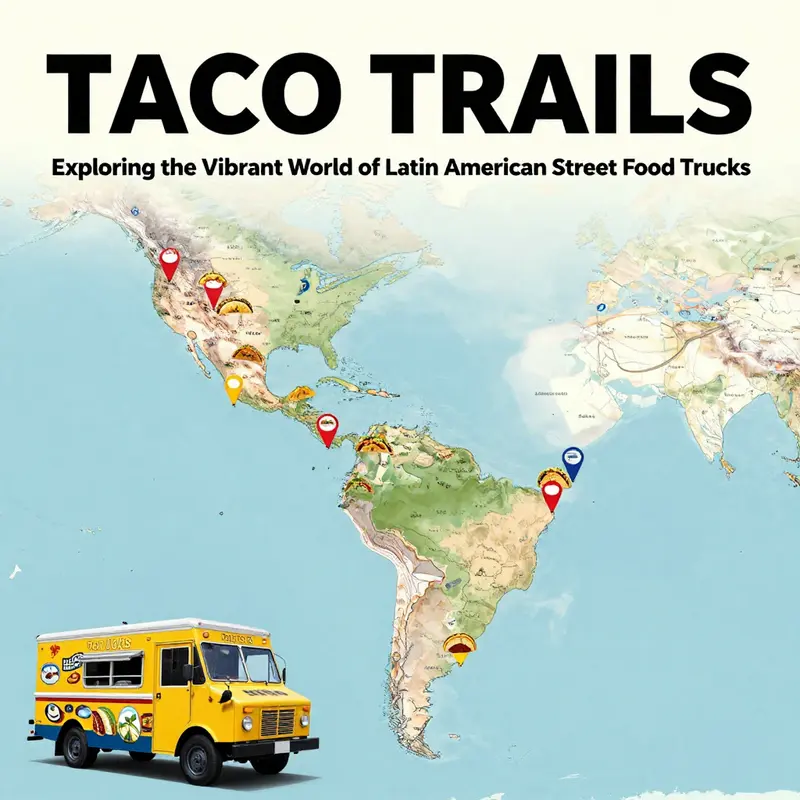
A taquería on wheels is more than fast food; it is a traveling archive of migration, labor, and law. In neighborhoods across the United States, Latin American street taco trucks condense centuries of culinary technique, community memory, and economic adaptation into a portable counter where tortillas, smoke, and salsa meet policy and place. Each al pastor spit, steaming pot of barbacoa, or stack of handmade tortillas is a lived negotiation between home and host, and between the global forces that shape supply chains and the local politics that shape sidewalks.
Local regulations matter. Curbside vending rules, zoning decisions, and health-inspection regimes determine whether a truck can be a durable neighborhood anchor or a precarious enterprise that must move whenever development or enforcement shifts. Where city policy is permissive or intentionally inclusive, mobile vendors anchor daytime lunch crowds and late-night gatherings alike; where policy is restrictive, entrepreneurs face intermittent displacement and a fracturing of social networks. Thus the presence of taco trucks becomes a visible index of how a city treats immigrant entrepreneurship and public space.
Broader geopolitical currents feed directly into the taco economy. Migration flows shaped by economic cycles, trade policy, and political instability influence who comes seeking work and which culinary traditions arrive with them. Ingredient availability—masa harina, specific varieties of chiles, regional cheeses—depends on international and regional trade, seasonal harvests, and distribution networks. A shortage or tariff thousands of miles away can change a truck’s menu and, by extension, how a neighborhood tastes. In this way, a simple taco is a product of distant fields and ports as well as a local grill.
Labor and livelihood concerns are central. For many operators, starting a truck is a response to barriers in the formal labor market: lower startup costs than a brick-and-mortar restaurant, flexible hours, and a mobility that can dodge both opportunity and scrutiny. Yet that mobility also masks vulnerability—permit delays, differing interpretations of health codes, and enforcement priorities can turn a reliable income into an episodic one. Community networks, word-of-mouth, and informal economies often bridge those gaps, turning a food truck into a locus of mutual support and cultural exchange.
Urban design and public perception shape outcomes too. Neighborhoods that value street life and culinary diversity often integrate trucks into festivals, markets, and transit corridors. Others, worried about traffic, sanitation, or competition with established restaurants, may push for tighter controls. These debates are not only about food but about who belongs in public space and how cities choose to present themselves to residents and visitors.
For prospective operators, a successful approach mixes culinary skill with policy literacy. Reading permitting calendars, understanding sanitary requirements, mapping hospitable parking zones, and cultivating relationships with local community organizations are as essential as recipe development. When entrepreneurs learn to read the city’s regulatory landscape, they increase the chances their food—rooted in cultural memory—can reach a steady audience.
Ultimately, tacos on wheels illustrate how geopolitics and gastronomy intersect in everyday life. They reveal how migration, trade, labor, and urban governance shape not only what we eat but where and with whom we share it. Standing in line at a taco truck is often a small civic act: a moment where strangers participate in a shared economy of taste and belonging. Each bite is layered with history, policy, and care—evidence that the politics of borders travel on the aromas carried down a city block.
How Social Shifts Turned Latin American Taco Trucks into Urban Cultural Hubs
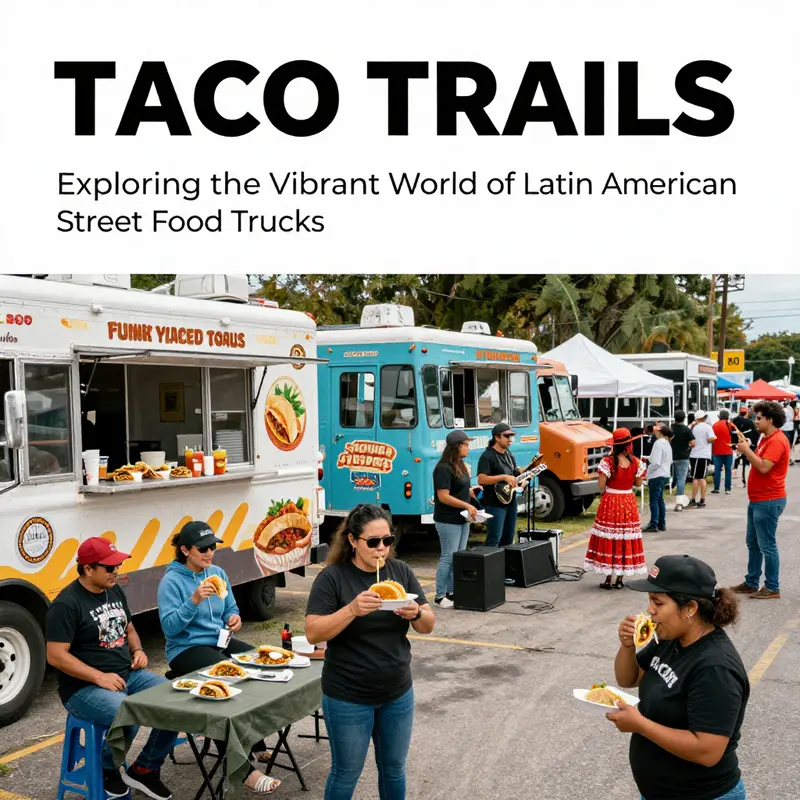
The ascent of Latin American street tacos from neighborhood stalls to celebrated food trucks maps directly onto changing social values. What once began as an offer of quick, hearty food for local communities has evolved into a public ritual that answers contemporary desires for authenticity, ease, and shared experience. These trucks bring more than tacos; they ferry stories, techniques, and family recipes across city blocks. That movement matters because it reflects how people now choose to eat, gather, and signal belonging.
At the center of the trend is authenticity. Younger consumers prize culinary experiences that feel rooted and honest. They look for evidence that a dish grew from someone’s lived tradition — masa kneaded by hand, meats slow-braised, salsas hammered from fresh chiles. Food trucks that foreground these practices gain trust because they offer sensory proof of origin. The handed tortilla, the char on al pastor, the careful balance of citrus in a salsa—these are small verifications of lineage. When a taco truck serves food in that register, it does more than satiate hunger. It makes the eater a temporary witness to a cultural practice.
These mobile kitchens also align with preferences for low-effort socializing. The move toward what analysts call low-energy gatherings—unstructured moments that do not demand elaborate planning—has reshaped public life. Waiting in line at a taco truck is a modern communal ritual: brief, unforced, and naturally inclusive. People stand shoulder to shoulder while conversations begin, or silence settles comfortably around bites of food. This ordinary interaction fits the appetite for authenticity without pressure. The presence of a truck in a plaza or by a park invites passersby to participate in a communal rhythm. There is no table reservation, no performance required—only a shared desire for good food and modest company.
Accessibility amplifies the appeal. Food trucks reduce geographic and economic friction in accessing quality Latin American cuisine. They pop up where people work, study, or linger outdoors. Because they are portable, these vendors reach neighborhoods underserved by full-scale restaurants. A portable counter can make a labor-intensive dish affordable and available to more people. For immigrants and diasporic communities, that accessibility restores familiar flavors away from home. For newcomers and curious diners, it opens a door to sensory education. The truck becomes a cultural translator, using flavor to teach nuance.
Visibility and cultural recognition also play key roles. As Latin American tacos have entered mainstream urban ecosystems, they have become visual markers of cultural contribution. Brightly painted trucks, banners with menu specialties, and the sight of a chef shaping masa on a wooden board assert presence in public spaces. That visibility helps normalize Latin American traditions in diverse cities. It signals inclusion, an acknowledgment that these cuisines deserve a permanent place in public life. When a food truck becomes a fixture on a corner, it changes the narrative from novelty to neighborhood institution.
Economic dynamics are crucial too. Operating a food truck requires less capital than a sit-down restaurant. This lower barrier enables entrepreneurs—often from immigrant backgrounds—to test concepts, refine recipes, and build loyal followings. A successful truck can grow into multi-truck operations or propel a cook into a brick-and-mortar location. The model supports experimentation, from traditional pork carnitas to creative mash-ups. That capacity for iteration makes food trucks fertile ground for culinary innovation, while still keeping deep ties to tradition.
Another social thread is the evolving nature of public space. Cities increasingly seek active sidewalks and lively plazas. Food trucks help animate these areas, encouraging foot traffic and impromptu gatherings. That activation serves multiple social functions: it empowers small businesses, offers safe public meeting points, and fosters a sense of place. People do not just consume food; they participate in a living neighborhood. The taco truck as a meeting point dovetails with contemporary urban design that prizes mixed, walkable spaces.
The cultural currency of street tacos also feeds into social media and collective storytelling. A well-constructed taco photographs well: the sheen of salsa, the folding of a warm tortilla, the steam rising from slow-cooked meat. Those images travel quickly and amplify a truck’s reputation. Yet the most durable value lies offline. Social media may introduce someone to a truck, but the repeat visits come from the taste and the social memory of standing in line with neighbors. That interplay between online discovery and offline ritual makes taco trucks resilient cultural nodes.
Importantly, the rise of taco trucks is not merely a story of culinary admiration. It is a stakes-raising example of cultural labor being given visible reward. Many trucks are run by families who carry recipes and methods across borders. Every taco served is a small act of cultural transmission and economic survival. This visibility counters older dynamics where immigrant cuisines were invisible or relegated to niche corners. Today, these flavors are center stage, influencing menus in restaurants, inspiring fusion projects, and shaping culinary education.
The popularity of these trucks also hints at changing values around sustainability and local sourcing. When a taco truck uses masa harina, seasonal produce, and local butchers, it taps into consumer desires for responsible food practices. Mobile vendors can adapt quickly to local supply, reduce food miles by working with nearby producers, and minimize the overhead that drives less flexible operations. For many customers, supporting a truck feels like supporting a small-scale, community-minded food economy.
The trajectory of Latin American taco trucks also underscores an essential truth about culture: adaptation does not equal dilution. Trucks innovate—offering vegetarian fillings, winter menus, or cross-cultural toppings—without losing the essence of the tradition. This balance between fidelity and creativity keeps tacos relevant. It shows that culinary heritage can be resilient and dynamic, able to absorb influences while still anchoring identity.
As these trucks fold into city life, they create a pattern of small daily rituals. A worker grabbing a taco on a lunch break, friends meeting for late-night al pastor, a family introducing a child to carnitas—all of these are modest, ordinary acts. Yet they add up. They maintain connections across generations, introduce newcomers to cultural practices, and stitch diverse communities into a common urban fabric. The taco truck is both a place and a practice: a site for quick meals, and a means of belonging.
For a deeper look at how mobile vendors have grown into significant economic and cultural forces, see the BBC News coverage on the subject: https://www.bbc.com/news/world-us-canada-40219375
Learn how culinary crossovers and innovation shape mobile kitchens at food-truck-fusions-a-culinary-revolution.
Final thoughts
The world of Latin American street taco food trucks is a colorful tapestry woven from cultural heritage, economic vitality, and social connection. These trucks not only serve mouth-watering tacos but also become part of the community fabric, showcasing how food can unite people from all backgrounds. As trends evolve and the influence of these mobile kitchens grows, they will undoubtedly continue to offer a delicious glimpse into the rich culinary traditions of Latin America while inspiring innovation and creativity within the food industry. Embrace the taco adventures that lie ahead, whether you’re a cuisine lover, a taco enthusiast, or a budding food truck entrepreneur!