
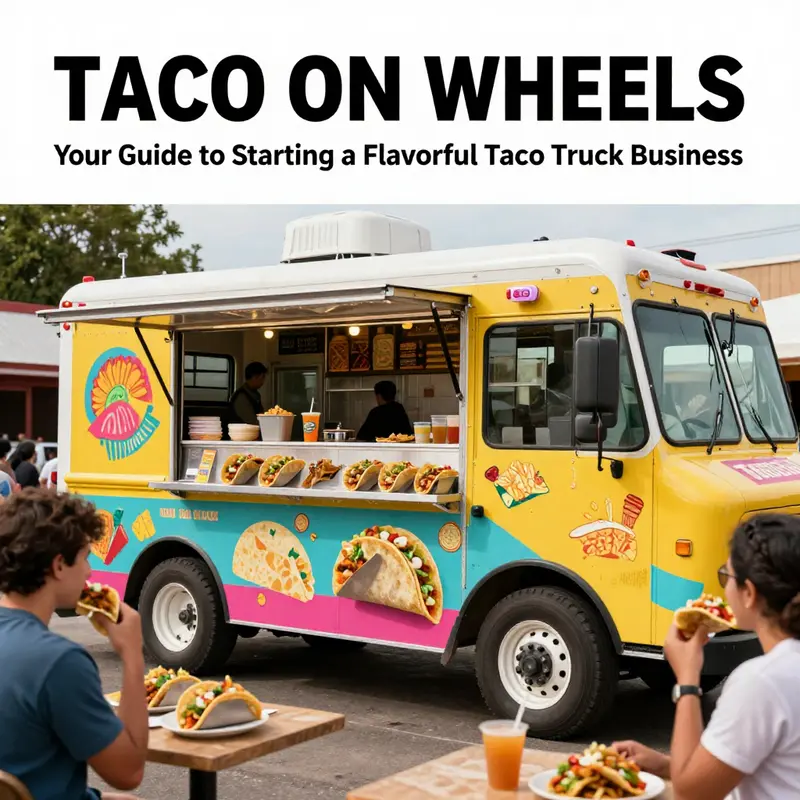
So, you dream of sharing your taco love with the world? Whether you’re a cuisine lover, a taco fan, or an aspiring food entrepreneur, opening a taco truck holds immense potential. The vibrant world of mobile dining combines passion for food with the excitement of culinary entrepreneurship. In this guide, we’ll navigate the essential steps to kickstart your taco truck adventure, from crafting a stellar business plan to selecting the right truck and ensuring all legal compliance is met. Each chapter flows into the next, giving you a holistic overview of what it takes to delight your customers while staying true to your taco roots.
From Paper to Pavement: Crafting a Robust Business Plan to Open Your Taco Truck
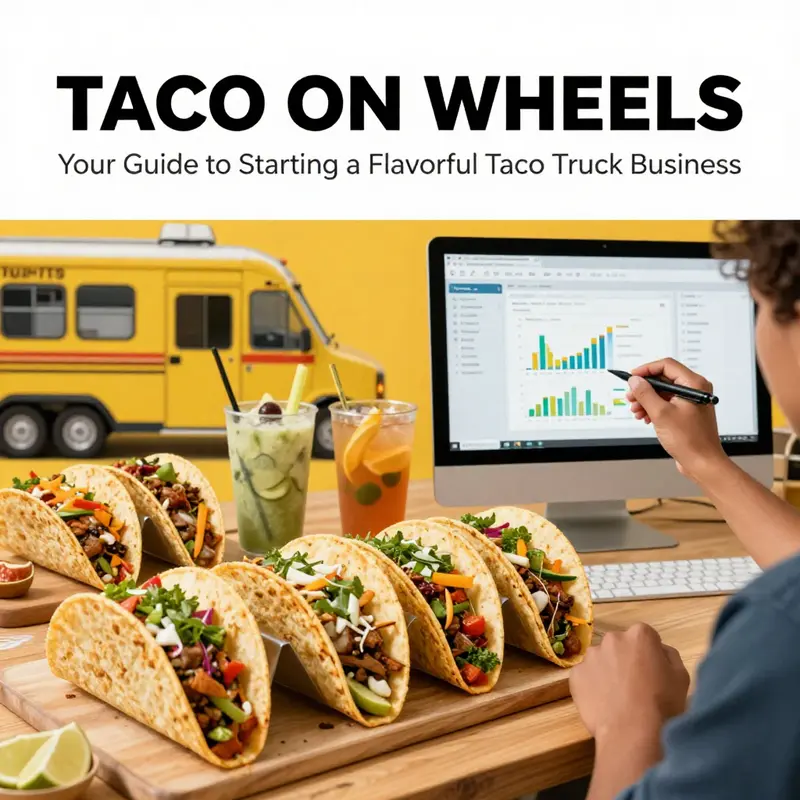
A taco truck is as much a business as it is a kitchen on wheels. The idea of serving hot, fragrant tortillas at curbside or during bustling events can feel spontaneous, but turning that idea into a reliable, repeatable operation demands a disciplined plan. A well-crafted business plan does more than describe a menu; it maps the journey from concept to steady daily revenue. It anchors decisions about location, hours, staffing, and money in a framework that can be explained to lenders, partners, and regulators. The purpose of this chapter is not to chase a perfect number, but to translate a love of cooking into a scalable, responsible business that can weather seasonality, competition, and the unexpected. The process begins with a commitment to clarity, followed by a sequence of thoughtful steps that align market opportunity with operational capability and financial discipline. In practice, this means treating the plan as a living document that informs every major choice, while remaining flexible enough to adapt as real-world feedback accumulates across farmers markets, festivals, and busy street corners.
The executive summary sits at the heart of this document, even though it is written last. It is the concise invitation to your venture. It should speak to who you are, the problem your taco truck solves for a community, why this moment is ripe for your concept, and how profit will be generated. The temptation to lead with sensational claims is strong, yet investors and lenders read hundreds of plans a year. They want a clear answer to a simple question: what makes your taco truck viable in a crowded market? A strong executive summary distills your concept into a few lines about authenticity, sourcing, and the balance between speed and flavor. It frames your business model as a sequence of winning moves rather than a single stroke of luck. The best approach is to write this section last, after you have rigorously tested assumptions in the next sections and distilled them into a narrative that feels both credible and compelling.
Move beyond the glossy overview to a rigorous market analysis. Understanding who you will serve is the compass for every other decision. In urban neighborhoods and university corridors, a taco truck can thrive by offering a targeted experience—perhaps a lean, high-turnover menu that emphasizes speed without sacrificing quality. The analysis should identify your ideal customers: the professionals who crave quick, flavorful lunches; the late-night crowd near entertainment districts; the family units at weekend events; or students drawn to affordable indulgence that tastes like a culinary street encounter. The data you gather does not have to be exhaustive, but it should be specific enough to reveal a niche you can own. Look at what nearby competitors are offering, where they position themselves, and how they price their meals. Where do gaps exist—perhaps in plant-based options, regional specialties, or a spicy, finish-told-on-the-spot experience? Your plan should translate these observations into a menu concept that is both distinctive and scalable. The aim is not to imitate but to differentiate through a combination of ingredients, technique, and storytelling that resonates with a community and travels well across locations.
A robust plan then defines your unique product offering. The menu should be an honest expression of your brand identity, not a grab bag of trends. You might gravitate toward a regional focus—think of authentic street-style tacos that highlight traditional moles, hand-rolled tortillas, and signature salsas—or you could pursue a fusion approach that respects the core of Mexican flavors while inviting cross-cultural textures and textures that travel well. Either path must consider cost, prep time, and the ability to reproduce flavors consistently in a mobile format. A practical menu design balances variety with throughput. It stresses a small number of core items that can be cooked quickly, complemented by a rotating special to test new ideas without overloading the kitchen on a busy shift. Quality is non-negotiable, but reliability is equally critical. Your plan should spell out sourcing strategies for tortillas, proteins, vegetables, and dairy—emphasizing consistency, seasonality where possible, and contingency plans when a supplier runs behind. A strong plan also anticipates dietary diversity, including vegetarian, vegan, and gluten-free options, ensuring you can serve a wide audience without complicating the back-of-house operations.
Market-facing strategy becomes the engine that makes the plan feel real. A detailed marketing and sales plan maps out how you will reach your audience, keep them coming back, and grow through partnerships and events. Social media channels are powerful tools for a mobile concept, capable of announcing daily locations, specials, and behind-the-scenes stories that humanize your brand. Your plan should outline a calendar of activities that aligns with local events, farmers markets, and neighborhood gatherings. The most successful trucks do not rely on luck; they curate a steady rhythm of promotions, collaborations, and seasonal menus that encourage repeat visits. Loyalty programs, limited-time offers, and early access to new items can convert casual tasters into regulars. Partnerships with nearby businesses—coffee shops, breweries, gyms—create cross-promotional opportunities that benefit both sides and help you secure premium parking spots during peak hours. While digital marketing is essential, the plan should also contemplate authentic community engagement. Participating in local festivals, charity events, or neighborhood fundraisers weaves your truck into the social fabric, generating visibility and goodwill that money alone cannot buy.
The financial plan is the heartbeat of the document. It translates appetite into numbers—the receipts that money-lenders will request and that operators must monitor to stay solvent. Start by itemizing startup costs with discipline: the vehicle, any custom kitchen equipment, permits, insurance, initial inventory, branding, and a modest reserve to cover the first weeks of operation. Then project ongoing monthly expenses: fuel, vehicle maintenance, wages or contractor payments, utilities, supplies, and a contingency for price swings in ingredients. Your revenue forecast should be anchored to realistic daily sales, anchored by the market analysis and your planned locations. A break-even analysis is not a brag sheet; it is a practical tool that tells you how many tacos you must sell each day to cover costs. It will likely reveal the virtue of starting part-time, as many operators do. A useful approach is to model several scenarios: a conservative, a base, and an optimistic case. Each scenario should explain how changes in location, menu mix, or labor costs affect profitability. The plan should also address cash flow management, invoicing for events if you offer catering alongside regular street operations, and the intent to scale. For a mobile business, the timing of revenue relative to cash obligations is as important as the amount of revenue itself. The plan should spell out a policy for deposits on big events, a system for tracking sales at different locations, and a strategy for stabilizing revenue across seasons.
Beyond the numbers, the operations section of the plan ties everything together by detailing how day-to-day life will unfold. This portion enumerates cooking processes, staffing needs, and hours of operation that reflect customer patterns and compliance realities. It should also specify a location rotation strategy: how you choose where to park or how you secure permits for certain zones, and how you optimize for traffic flow and kitchen efficiency. The legal landscape for mobile food business is nuanced, and your plan should acknowledge that these rules vary by city and state. It pays to embed explicit references to required licenses, health permits, parking regulations, naming rights for your branding, and insurance considerations. In practice, you may discover that a brief outline of steps, such as obtaining a business license and a health department permit, serves as a helpful compass for early execution. For readers who want a direct route to practical steps, a quick reference to a consolidated guide such as legal-steps-for-launching-a-food-truck can be a useful anchor in the plan, illustrating how general planning dovetails with regulatory realities without derailing enthusiasm.
A well-rounded plan also emphasizes the importance of people. People are your most valuable asset, and a growing truck hinges on a capable, cohesive team. The operations section should outline roles, responsibilities, and the training you will provide to ensure consistency from shift to shift. It should describe your hiring philosophy, your approach to food safety, and your commitment to customer service. If you anticipate expanding to more trucks, the plan should include a roadmap for recruiting and onboarding new team members, along with a framework for maintaining the brand’s standards as you scale. Every successful truck that grows faces a moment when a second vehicle becomes a strategic choice. The plan should therefore include an exit or growth plan that remains practical even if the moment seems distant. This could include a staged approach to adding a second truck, partnering with another operator, or launching a packaged product line such as sauces or spice blends that travels beyond the truck itself while preserving the core cooking narrative.
Clarity in presentation matters, even more than clever rhetoric. A strong business plan uses visuals that support the narrative: simple cash-flow charts, a clean cost breakdown, and a few well-chosen graphs that illuminate scaling potential without clutter. Consistency in formatting, tone, and data builds credibility. While the plan should be robust, it should also be readable. Investors and lenders will forgive conservative numbers if the approach is transparent, well-reasoned, and grounded in real-world data. The aim is not to persuade with grandiose promises but to demonstrate a disciplined approach to turning a love of tacos into a sustainable enterprise. If you want a well-structured template, the U.S. Small Business Administration offers templates and guidance that can help you model scenarios and present your case in a professional way. For a practical, ready-to-use resource, you can consult their guidance on how to write a business plan and adapt it to a food-truck context. This external resource can provide concrete formatting and example sections that clarify expectations and improve the odds of success.
Review and refinement are the last, but not least, stages of the process. Before you share the plan with lenders or partners, have a trusted mentor or advisor read it. Look for logical flow, consistent data, and clear assumptions. Are your market assumptions supported by the kind of data you can actually gather from neighbors, festival organizers, or nearby employers? Does the pricing structure align with the target market’s expectations and purchasing power? Do your financial projections reflect plausible seasonal patterns and the costs you know you will face? The process of revising the plan helps you harden the narrative and make it resilient. It is common to find minor inconsistencies or missing details; addressing them here strengthens both your confidence and the plan’s credibility. Remember, the plan is not a one-off document. It should adapt as you learn from early testing, feedback from customers, and shifts in your local regulatory environment. The best plans evolve with the business, not in isolation from it.
A practical reality many operators will recognize is that starting a taco truck often involves juggling multiple commitments. The romance of cooking on the street can coexist with the discipline of budgeting and forecasting. A well-structured plan acknowledges this duality: you will balance passion with pragmatism. The most enduring trucks begin as part-time ventures, a strategy that reduces risk while you refine your concept. This approach is not a retreat from ambition but a deliberate path to learning, iterating, and strengthening your offering before committing to full-time operation. The potential payoff is meaningful—steady daily sales, a brand that travelers recognize, and the satisfaction of serving bright, authentic flavors to a community that values convenience, quality, and storytelling in every bite.
To conclude, a thoughtfully constructed business plan for a taco truck does more than describe product and price. It shapes the choices that determine whether your idea becomes a reliable neighborhood staple or a beautiful, time-limited experiment. It asks you to translate taste and technique into a coherent system that can operate under pressure, adapt to different parking environments, and scale in measured steps. If you treat the plan as a living document, it will grow with you, guiding decisions from where you park on a Tuesday afternoon to how you price items during a seasonal festival. Your plan is a map, your truck is the vehicle, and your team is the crew who helps you travel the road from concept to community staple. With focus, patience, and a willingness to revise, you can turn the dream of a taco truck into a sustainable, enjoyable, and shareable business that feeds the urban appetite and contributes to the local economy.
External resource for deeper practical guidance: SBA Write a Business Plan.
Choosing the Truck and Equipment for How to Open a Taco Truck
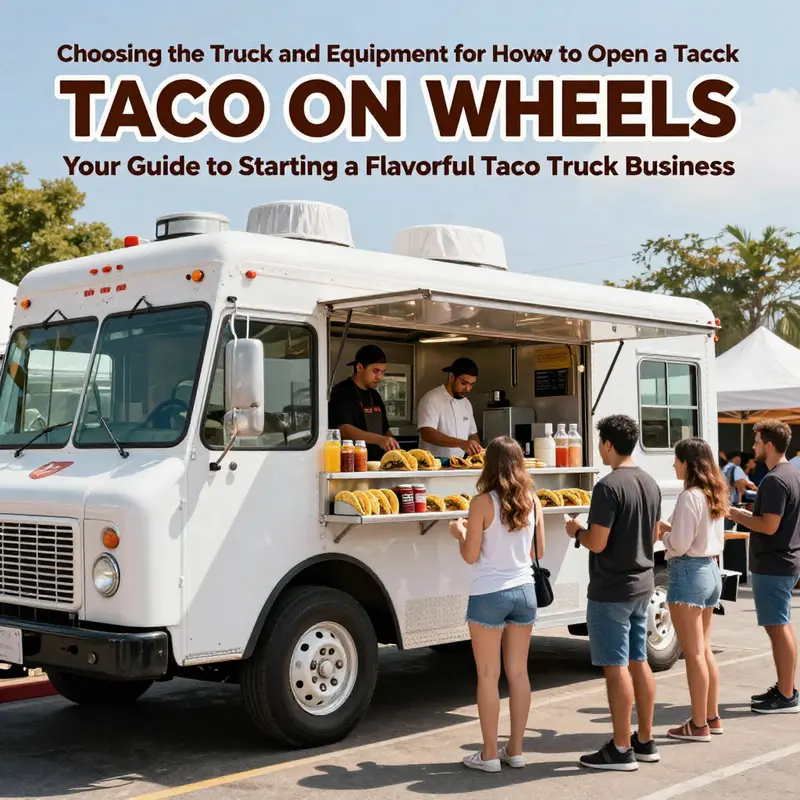
The decision about the truck and the equipment is more than a practical hurdle; it is the doorway to how your tacos will taste, how fast they arrive at the table, and how reliably your operation can grow. In the end, the vehicle you pick and the kitchen you fit inside it will determine your workflow, your safety standards, and your brand’s ability to scale. A thoughtful choice begins with a clear menu concept and a realistic view of daily volume. If you aim for a menu with carne asada, al pastor, or flame-kissed chicken, and you intend to serve a steady stream of customers at markets, events, and street corners, you need a space that supports speed, consistency, and clean, safe food handling. The truck’s size must balance maneuverability with enough interior footprint to house the cooking surfaces, refrigeration, and storage needed to meet peak demand without crowding. It is tempting to chase a larger, flashier rig, but the most successful taco operations are built on a smartly designed, fit-for-purpose footprint that aligns with the menu, location strategy, and the days you expect to operate.
A practical starting point is to distinguish between two broad paths: a refrigerated van that you outfit yourself or a custom-built mobile kitchen designed from the ground up around your workflow. The former offers lower upfront costs and greater flexibility in urban grids where parking and access are tight. It can be a turnkey platform you modify in stages, letting you test concepts part-time while keeping a day job in the early days. The latter promises a kitchen that conforms exactly to your cooking process. It supports a more efficient layout, enhances brand differentiation, and can optimize safety and sanitation features. But it comes with a higher price tag and a longer lead time. Either path can lead to a successful business if you tailor the build to your menu, calibrate your equipment to your service pattern, and verify that every component harmonizes with local regulations. As you weigh these choices, your primary questions should focus on how the truck shape, power needs, and workspace configuration will support consistent product quality and a smooth customer experience across venues and weather variations.
The core decision hinges on how you balance upfront investment with long-term reliability. A refrigerated van offers flexibility and a lower barrier to entry, which makes it an attractive option for first-time operators who want to prove the concept before committing to a full build-out. It typically allows you to adapt the interior by adding shelves, a single grill or griddle, a small stove, a compact walk-in or a dedicated fridge, and a handwashing station. With careful planning, a van can be upgraded incrementally as demand grows, and you can experiment with different layouts to find a workflow that minimizes steps and maximizes speed. On the other hand, a custom-built truck provides a tailored work zone. It enables a precise sequence for food prep, assembly, and service, so you can stage tortillas, proteins, toppings, and sauces in a way that reduces cross-contamination risks and improves food safety. If your concept includes multiple cooking stations, extensive mise en place, or specialized equipment like a fryer for churros or plantains, a purpose-built design can deliver measurable efficiency gains. The key is to enter the process with a clear layout map in mind and to validate it through hands-on testing before you commit.
Whichever route you choose, the layout should be informed by the menu’s core operations. A well-planned space anticipates peak flow: incoming orders, rapid tortilla heating, protein searing, assembly, and pickup. It also anticipates waste streams, cleaning routines, and preventive maintenance. The concept should reflect a logical workflow that follows a consistent path from refrigeration to prep to cooking to service, minimizing backtracking and reducing temperature excursions. Crucially, the vehicle must accommodate a reliable water supply and drainage plan, because health codes expect proper handwashing and safe utensil washing. A practical approach is to map the kitchen like a small factory floor: designate a sanitation zone with a dedicated sink and handwashing station, a prep zone with cutting boards and mise en place, a cooking zone with grills or stoves, and a service zone with a counter window and a POS station. This kind of layout reduces motion waste, speeds up service, and helps staff stay organized even on the busiest days.
From a regulatory perspective, the truck you select needs to meet local health department expectations for mobile vendors. Ventilation, electrical systems, water supply, and waste management are not optional add-ons; they are core components of the vehicle’s certification and daily compliance. The design should incorporate proper ventilation to handle smoke and steam without creating a hazardous environment for staff or customers. Electrical capacity must be reliable enough to support refrigeration, lighting, a POS device, and any cooking equipment, with a safe and stable power source. Water lines should provide clean supply to a handwashing sink as well as a dedicated washing sink for utensils and vegetables, with an approved drainage system that prevents cross-flow into the potable water. In many jurisdictions, these elements are scrutinized during inspections, and the absence of a robust system can stall a launch or trigger costly retrofits. If you are unsure about regulatory expectations, a conversation with the local health department before purchasing any vehicle saves time and money and helps you avoid misaligned expectations.
As you refine the vehicle choice, you should also consider maintenance and parts availability. A reliable, widely used chassis is preferable because you can find service centers, spare parts, and technicians who understand mobile kitchens. The ability to service the truck quickly minimizes downtime between events and reduces the risk of unplanned closures. When you investigate used options, you should seek a vehicle with a documented maintenance history, rust-free welds, and a clean mechanical baseline. If you pursue a custom build, you’ll want a reputable shop that offers a transferrable warranty on essential systems and has a track record of meeting health and safety standards. In either case, you should anticipate ongoing maintenance costs, from propane or electrical system upkeep to refrigeration seals and ventilation ducting. Early budgeting for preventative maintenance helps you avoid sudden, disruptive repairs that can undermine cash flow during busy seasons.
The decision on how to equip the interior is as important as the decision on the chassis itself. A well-equipped kitchen focuses on safety, efficiency, and food quality. Start with the non-negotiables: a large, commercial-grade cooking surface to sear proteins evenly and maintain a consistent crust, a stove for sauces and side dishes, and a fry station if your concept includes fried items. You will also need a robust refrigeration system, whether a walk-in, a reach-in, or a compact under-counter configuration that can be integrated with the other equipment. Depending on your menu mix, you may add a dedicated tortilla warmer or steamer to keep tortillas pliable without drying them out. The washing and sanitation area must include a true three-compartment sink for dishwashing, a handwashing station with soap and towels, and a drainage plan that prevents cross-contamination. A fire suppression system is essential for any mobile kitchen, and you should secure a Class K extinguisher to address grease fires common in taco preparation. Don’t overlook the importance of storage: dry storage cabinets for tortillas, spices, and dry goods should be readily accessible yet organized to minimize clutter. All equipment should meet safety standards and be rated for continuous operation in a mobile environment, with electrical and gas lines correctly installed by qualified professionals.
Power and fuel considerations are often the invisible determinants of long-term profitability. A truck’s electrical system should be capable of handling refrigeration, lighting, a POS, and any cooking appliances without overheating circuits. In some cases, operators opt for auxiliary power units or generators to ensure reliability when parked in locations without convenient hookups. However, generators introduce noise, fuel costs, and maintenance demands, so many operators design around a robust onboard electrical system supplemented by external power when available. Propane delivery and line safety are equally important if you use gas-powered appliances. The layout should minimize the distance between the propane source, main burners, and the ventilation system to reduce heat buildup and streamline workflow. Include gas shut-off valves and clear labeling for safety checks, and ensure all connections are tested under load before your first service. In short, a well-chosen truck and a smartly designed interior are not merely about cooking; they are about keeping your team productive, your customers safe, and your future growth feasible across different neighborhoods and event calendars.
Budget realism is another essential thread that runs through this decision. If your appetite is to start part-time and grow, a refrigerated van with a modular interior can be a wise initial investment. It enables you to adapt to seasonal demand and test different configurations without a full rebuild. If you anticipate a high-volume operation from the outset, a purpose-built kitchen can yield better efficiency, faster service, and higher throughput at events. Regardless of path, allocate funds for critical upgrades sooner rather than later: a reliable refrigeration system with temperature monitoring, a durable handwashing station, a properly vented exhaust system, and a safe, durable fire suppression solution. Don’t overlook the value of professional guidance in the early design phase. A collaboration with a shop that specializes in mobile kitchens can help you draft a floor plan, estimate utility needs, and project timelines with a professional eye that someone building in a garage cannot provide.
As you finalize decisions, it helps to look beyond the immediate needs and consider how the truck and equipment will support your brand’s evolution. A cohesive design language—from the color and finish of the interior to the exterior branding on the serving window—can sharpen recognition at events and on crowded streets. Your service window should welcome customers with a clear, ergonomic line of sight to the menu, and a counter height that makes it easy for staff to take orders and for customers to receive food. The choice of equipment also communicates your standards to staff and customers alike. A thoughtful setup says you value speed, consistency, and cleanliness as much as you value flavor. The more your kitchen aligns with your brand promises, the easier it becomes to train new staff, maintain quality, and replicate the experience at multiple locations.
For readers who want a practical touchstone, the single most useful framing is to view the truck and its equipment as a compact factory floor that must meet the same constraints many brick-and-mortar operations face, only in a mobile footprint. There will be compromises, and some trials will require adjustment. But with a disciplined approach—clarifying the menu, mapping a workflow, validating layouts in simulations or pop-up settings, and investing in robust, compliant equipment—you can reduce risk and speed time to profitability. The path to a successful taco truck starts with this foundational decision: choosing a vehicle that fits your menu and your market, and pairing it with a kitchen that delivers safety, efficiency, and taste in every bite. This is the backbone of your operation, the stage on which every sizzling tortilla and perfectly seasoned topping will perform, and the compass that will guide you through regulatory reviews, evolving customer preferences, and the unpredictable rhythms of street commerce.
To read more about how this choice fits into a broader launch plan, see the dedicated guide on choosing the right food truck, which helps align vehicle selection with long-term goals and market realities. Choosing the Right Food Truck.
External reference for deeper safety and compliance considerations: For a comprehensive baseline on mobile food vending safety standards and best practices, consult the FDA’s Mobile Food Vending Guidelines. https://www.fda.gov/food/facilities-facility-inspection-food-and-drink-manufacturing/mobile-food-vending-guidelines
Licensing and Health Compliance: Building the Legal and Sanitary Foundation for Your Taco Truck
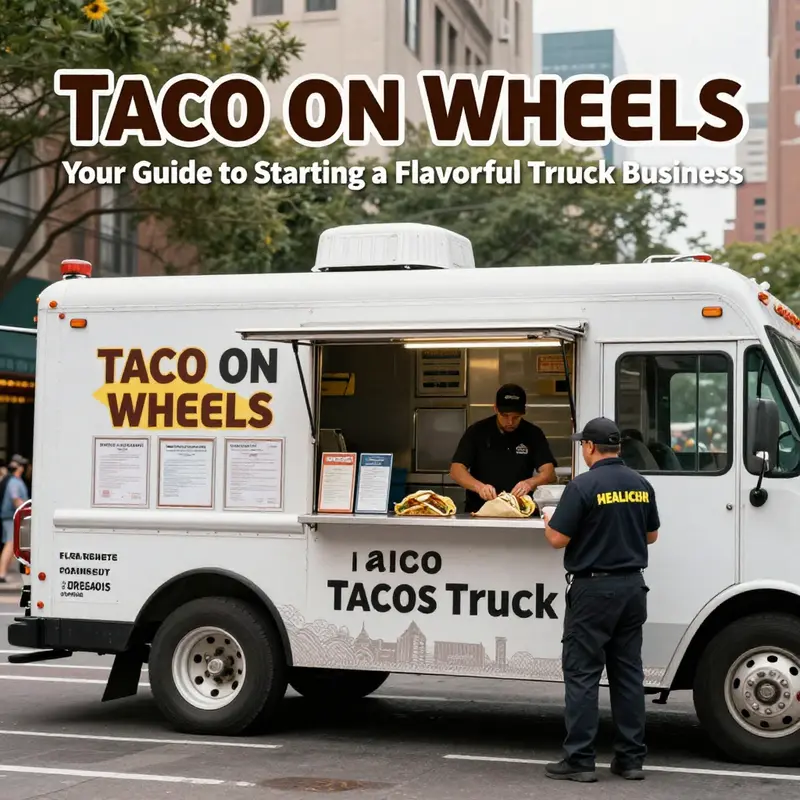
Licensing and health compliance form the bedrock of any taco truck venture. They are not abstract hurdles to surpass; they are the practical framework that keeps customers safe, staff protected, and operations moving through city blocks instead of courtrooms. When you start with a clear map of the permits you need and the sanitation standards you must uphold, you reduce the risk of costly delays, surprise fines, or shutdowns that can extinguish momentum before a single taquito is handed to a hungry customer. The journey begins with licensing—the legal right to do business—and then tightens into health compliance, the ongoing discipline of safe food handling, clean surroundings, and reliable records. The two are intertwined: a truck that may cook delicious food but cannot prove its legitimacy to operate will not survive the first inspection, while a perfectly compliant business can focus on quality, speed, and growth rather than firefighting regulatory issues.
The licensing path is a layered process that varies from one city to the next, but the underlying logic is consistent. You start by creating a formal business entity and registering its name. This step is not merely bureaucratic; it establishes your brand identity and gives you a traceable legal footprint for contracts, licenses, insurance, and banking. As soon as the name is registered, you typically obtain a tax identification number that your accountant or bookkeeper will use to file taxes, set up payroll if you hire staff, and handle any sales tax obligations. In many markets, a seller’s permit is required if you plan to sell food to the public. This permit signals to the tax authorities that you intend to collect and remit sales tax on every transaction. Beyond these foundational steps, you will likely need a mobile food vendor permit—an authorization specific to operating a food truck or trailer on streets, in markets, or at private events. The mobile permit usually comes with a package of prerequisites: proof of insurance for your vehicle and business, evidence that your vehicle has passed a safety inspection, and confirmation that your planned operation complies with local zoning and parking regulations.
The complexity of these requirements means timing is essential. Governments often issue licenses in batches, and different agencies can have overlapping timelines. A practical approach is to assemble a single, well-organized packet that covers everything an inspector might request: business registration documents, a copy of your articles of incorporation or equivalent, lease or parking authorization if your operation does not own a fixed site, a federal tax ID, and a detailed description of your truck’s layout and equipment. Keeping a digital copy of every form and receipt ensures you can respond quickly to requests for additional information. It also helps to avoid duplicating steps when multiple agencies are involved. For a clear starting point and a panoramic view of the licensing lifecycle for food trucks, you can consult practical guidance on legal steps for launching a food truck. This resource runs through the sequence most jurisdictions expect: establish a business, secure identification numbers, obtain a seller’s permit if needed, and pursue the mobile vendor permit with its accessory requirements. The guidance emphasizes the importance of aligning your business structure with your liability and tax posture, a strategic move that helps you scale without creating legal gaps that regulators could exploit.
A key detail, often overlooked by new operators, is the requirement to demonstrate proper insurance. Most licensing authorities will want to see proof of general liability insurance, and some will require additional coverage, such as automobile or workers’ compensation insurance if you hire staff. Insurance is more than a safeguard; it is a passport to being allowed to operate in many spaces, from municipal streets to private event venues. You may also encounter vehicle inspection requirements that assess your truck’s structural integrity, electrical system, and fire safety features. These inspections are not cosmetic checks; they are designed to prevent failures that could put customers at risk or cause hazardous incidents in public spaces. The inspection often anchors a long-term relationship with the regulatory environment, because it creates a recurring obligation to maintain a certain standard rather than a one-and-done approval. Zoning and parking rules add another layer. Even a perfectly legal business license cannot grant you carte blanche to park anywhere. Some districts restrict mobile vendors to specific routes, neighborhoods, or times. Others require you to operate only in permitted zones or to secure permission from a venue or property owner before setting up shop. Planning for these constraints from day one reduces the chance of confusion and detours when your truck shows up for a busy lunch service.
To help you navigate this mesh, start by drafting a responsible operations plan that anticipates where you will park, how you will navigate traffic and loading zones, and how you will manage customers in tight urban spaces. The plan should reflect not only your menu and pricing but also how you will comply with local requirements regarding signage, hours of operation, and waste disposal. When you begin conversations with regulators or permitting offices, you can present this plan as a tangible, thoughtful approach rather than a vague aspiration. If you want a concrete, practical path in one place, consult the resource that outlines the legal steps for launching a food truck. It guides you step by step through registering your business name, obtaining a tax ID, applying for a seller’s permit, and chasing the mobile vendor permit. Keeping this sequence in mind helps you map dependencies—such as the need for an insurance policy before vehicle inspections—and prevents last-minute scrambles. As you craft your internal workflow, consider also how you will document changes to your business model or address, since many licenses require you to inform the relevant authorities of material changes within a defined window.
Health compliance, the companion pillar to licensing, operates at the street level, where safety, cleanliness, and routine are non-negotiable. Local health departments regulate the way you prepare, store, and serve food. They expect your kitchen to be enclosed and designed to prevent contamination, with surfaces that are easy to clean and maintain. Your truck must be equipped with a reliable refrigeration system that holds appropriate temperatures for perishable ingredients and ready-to-serve foods. Temperature control is not a matter of taste; it is a safety parameter that mitigates microbial growth. The sanitation plan also includes handwashing stations, a critical feature in any mobile kitchen. A compliant handwashing setup is not an afterthought; it is a core requirement for any operation that handles ready-to-eat foods after touching money, packaging, or raw ingredients. Waste disposal must be managed with clarity and accountability. Waste streams should be separated from food contact surfaces and stored in clearly marked containers that are emptied regularly and cleaned. Pest control is another visible sign of compliance: you should implement regular preventive measures to deter rodents and insects, maintain proof of regular inspections, and document corrective actions when issues arise. These practices are the everyday discipline that keeps a mobile kitchen safe and reputable.
Beyond the basics of equipment and procedures, health compliance also involves the people who operate the window, grill, or prep station. Most jurisdictions require that at least one manager possess formal food safety training or certification. The goal is not to create a barrier for entry but to ensure that someone in charge understands cross-contamination risks, proper cooking temperatures, and safe storage practices. Training should be practical, accessible, and reinforced with periodic refreshers. A one-time certification may not be enough to sustain operations if staff turnover is high or if procedures drift over time. A robust program includes daily tasks, checklists, and clear records of what was done, when, and by whom. Maintaining these records is as important as the practices themselves; regulators frequently review logs to verify ongoing compliance and to identify trends that could signal systemic issues.
The conversation about health compliance naturally brings back equipment choices and the design of your kitchen layout. You should plan the truck interior with sanitation in mind from the outset. Choose materials that are durable, non-porous, and easy to clean, and design work zones that minimize cross-contact. A dedicated area for raw ingredients, another for ready-to-eat foods, and a separate handwashing station can dramatically reduce contamination risk. Where space is limited, vertical storage, smart drainage, and efficient workflow become critical; in such cases, thoughtful design can make the difference between a smooth service and a bottleneck that drives staff to improvise. Even seemingly small decisions—such as color-coding cutting boards or separate color codes for utensils and gloves—can support compliance by reducing cross-contamination opportunities. Some operators extend this mindset to waste streams, using clearly labeled containers and scheduled cleaning routines that ensure grease, scraps, and packaging never mingle with food contact surfaces.
Standard-setting bodies and official codes provide the backbone for these practices, though the exact requirements come down to local rules. A practical, widely cited benchmark is the national Food Code, which the U.S. federal framework references but local departments interpret and enforce. While the Food Code itself is not a license, it is a comprehensive guide that informs inspectors and operators about the expected standards for sanitation, temperature control, waste management, and employee hygiene. When you study the Food Code, you gain a language you can use when talking with inspectors and when designing your kitchen. It helps you anticipate questions and provides a road map for audits. For teams seeking a broad, authoritative reference, consult the FDA Food Code as an external resource that consolidates best practices for safe food handling and mobile operations. This resource is particularly useful when you are building your compliance program and preparing for inspections.
The consequences of noncompliance are tangible and immediate. A failure to meet health standards can lead to fines, temporary suspension of your license, or even permanent closure of your operation. These outcomes are not just punitive; they are protective measures that safeguard public health and ensure that a taco truck ecosystem remains trustworthy for communities and event organizers alike. The risk-reduction mindset should guide every decision you make before, during, and after launch. This means building in time for inspections, budgeting for required equipment and training, and maintaining a transparent file of licenses, permits, and certificates. It also means remaining adaptable: as your business grows, you may move into additional jurisdictions with their own quirks and expectations. In those moments, your preparatory work pays back in the form of smoother renewals, fewer delays, and a clearer path to expansion.
To keep your approach grounded in practical steps, remember the two-way relationship between licensing and health compliance. Licensing opens doors and legitimizes your operation; health compliance keeps you inside those doors once they are open. You can often address both realms with parallel workflows: one track that handles permits, registrations, and insurance; another that codifies sanitation protocols, training, and documentation. A simple way to keep this balance is to maintain a living binder—digital or physical—that houses your business name registration receipts, tax IDs, permit green checks, insurance certificates, vehicle inspection reports, staff training records, and sanitation standard operating procedures. Regularly reviewing this binder before each event or permit renewal helps you catch gaps before regulators do.
If you want a concise starting point to deepen your understanding of the licensing process and its relationship to health compliance, you can follow the linked pathway to the legal steps for launching a food truck. It offers a practical, field-ready framework for assembling the essential documents, aligning your business structure with regulatory expectations, and coordinating with the authorities who will ultimately authorize your operation. The emphasis on preparedness—getting the paperwork right, detailing your truck layout, and anticipating site-specific requirements—reduces churn and allows you to focus on what you love most: crafting and serving excellent tacos. And as you build your brand and expand to new markets, maintain a steady cadence of training and audits. Regular refreshers keep your team sharp and your standards consistent, which in turn sustains customer trust and growth over time.
In the end, licensing and health compliance are not obstacles to be cleared in isolation—they are the continuous commitments that separate a casual side hustle from a resilient, customer-loved taco brand. When you approach them as an integrated system—one that starts with a clear legal foundation and evolves into a disciplined health-and-safety program—you create a business that is not only compliant but trusted. The moments you invest in careful licensing and thoughtful sanitation pay off in smoother operations, happier customers, and the quiet confidence that your taco truck can weather the busy lunch rush, the late-night festival, or the unpredictable spills and aromas of a street setting. For operators who embrace this mindset from the outset, compliance becomes an ally rather than a roadblock, a steady compass guiding you toward sustainable success rather than reactive scramble.
External resource: FDA Food Code
Final thoughts
Embarking on the journey to open your taco truck is more than just a business venture—it’s about sharing your culinary passion with hungry customers. With a well-thought-out plan, the right set of wheels, and strict adherence to health regulations, you’re ever closer to making your taco dreams a reality. The vibrant culture of taco trucks is waiting for you, so gather your ingredients and prepare to serve up joy in every bite!