

Taco truck green sauce is more than just a condiment; it’s a vibrant celebration of flavor that brings every dish to life! Bursting with the tangy notes of tomatillos, the heat of fresh peppers, and a hint of zesty lime, this salsa verde will transport your taste buds straight to the streets of Mexico. Whether you’re a dedicated taco lover, a food truck owner scouring for that secret sauce to captivate customers, or a culinary enthusiast eager to impress at your next gathering, mastering this green sauce is essential. In the following chapters, we’ll delve deep into the ingredients and preparation method, explore roasting techniques that maximize flavor, and share serving suggestions and pro tips that will elevate your taco game. Let’s embark on this flavorful journey together!
Green Sauce on the Street: Mastering Taco Truck Salsa Verde from Char to Creamy Finish
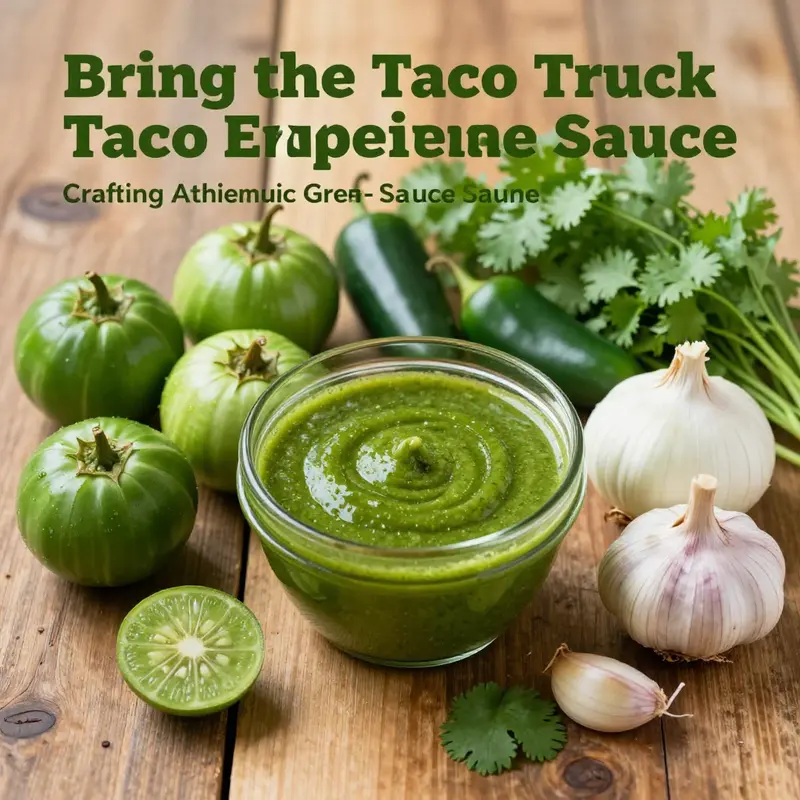
On a sunlit street, the hum of a bustling taco cart and the scent of roasting chiles create a geography of flavor. This is where a bright green sauce—often called salsa verde—goes from mere accompaniment to the flavor that defines the entire eating moment. The version you find at many taco trucks in the Southwest and California carries a certain polish: smoke from charred tomatillos and peppers, a tangy bite from lime, freshness from cilantro, and, in many American iterations, a whisper of creaminess that ties everything together. The goal is not to replicate a single recipe but to understand the craft behind a sauce that can lift carne asada, carnitas, or grilled fish from good to memorable. The chapter you’re reading traces that craft—how the ingredients cooperate, why roasting matters, and how texture and balance shift as you move from a rough, aromatic mash to a velvety pour that still tastes proudly green and alive.
The backbone of taco truck salsa verde starts with the humble tomatillo, those green husked fruits that look like little lanterns and glow with an almost citrusy, tart brightness when roasted. Their tang is the heartbeat of the sauce, the note that refuses to fade under heat and spice. Jalapeños or serranos add heat and a herbal heat signature that toasts your palate with a smoky glow. Onion and garlic give depth without crowding the stars, while cilantro leaves and, crucially, cilantro stems, introduce a brightness that is both grassy and slightly resinous in the best possible way. Lime juice anchors the mixture with acid that wakes up every other element, and a pinch of salt sharpens the edges, helping the flavors to sing rather than merely blend. Some cooks reach for cumin to introduce an earthy warmth, a nod to traditional Mexican flavor profiles, while others skip it for a cleaner, crisper finish. The trick, as with most street-food sauces, is to layer these elements so that none dominates and all still feel fresh.
In the American taco truck lexicon, salsa verde often takes a turn toward a smoother, more balanced, and sometimes creamier texture. The same stone fruit of brightness can ride along with avocado or a touch of sour cream, producing a richer mouthfeel that carries well through multiple tacos and leftover warmth from a busy service. This is not sacrilege to tradition; it is adaptation born of volume and time. A creamy green sauce mirrors the way a line of customers encounters a moment when the heat, the acidity, and the herbal lift feel perfectly integrated. Yet even when you add avocado or a dollop of sour cream, the core of the sauce—roasted tomatillos, charred chilies, and lime—should remain recognizable. The delicate balance is to invite creaminess without losing the crisp, fresh aromatics that define salsa verde in the first place.
To begin building this version, gather a compact set of ingredients that you can trust. Fresh tomatillos, husked and rinsed, form the base. One to two jalapeño peppers, with seeds and membranes adjusted for heat, offer a controllable punch. A small white onion, quartered, and a few garlic cloves provide the savory backbone. Cilantro, used with the stems included, brings an herbaceous garden brightness that holds up to the roasting. A tablespoon of lime juice serves as the acid that brightens every component, while a teaspoon of ground cumin adds a warm, earthy note. Salt, about a teaspoon or to taste, helps the flavors pop without turning the sauce salty. Optional but popular: either a quarter of a ripe avocado or two tablespoons of sour cream for creaminess. If you prefer a leaner, sharper sauce, you can skip the creamy element and rely on the tomatillos’ natural viscosity and the lime’s zing. These ingredients form a small ensemble, but they carry a surprisingly wide emotional range when guided by technique.
Technique begins with roasting and charring. The logic is simple: roasting concentrates flavors, deepens the green into a smoky emerald, and softens any harsh raw notes. A dry skillet or griddle over medium-high heat is perfect for this. You place the tomatillos, jalapeños, onion, garlic, and cilantro directly on the surface, allowing the vegetables to blister and blacken in spots. The blistering shifts the flavor from fresh and grassy to smoky and rounded. It also makes the sauce feel more dynamic, as the charred edges offer little bursts of caramelized sweetness that balance the tang of tomatillos. Turn the vegetables as needed so all sides get a touch of color, and cook until they are softened and evenly blistered, generally five to seven minutes. Let them cool briefly before blending, so you don’t scorch the blender or overwhelm the blades.
When you transfer the roasted ingredients to a blender or a robust food processor, you set the stage for the sauce’s personality to emerge. Add lime juice, cilantro, salt, and cumin, then blend. The texture you aim for here can swing with your mood and your audience. If you want a smoother, restaurant-like finish, blend longer and maybe add a splash of water or a touch more lime juice to loosen the mixture. If you prefer a chunkier, more rustic street-taco vibe, pulse briefly to maintain bite and keep some texture from the onion and cilantro leaves. As you blend, scrape down the sides to ensure every piece contributes to the final uniformity. A final taste test guides adjustments: salt if needed, lime for brightness, and perhaps a whisper of honey if the acidity feels too sharp, or a pinch more cumin for warmth. The creamiest version often emerges from a deliberate addition of avocado or sour cream, blended until silky but not heavy. If you’re aiming for that classic, glossy finish that coats a taco without clumping, a little bit of fat—olive oil, optional—helps the sauce feel luxurious on the palate.
A critical, sometimes overlooked, step is adjusting the sauce’s final texture. A smooth, pourable green sauce is delightful on carne asada or grilled fish, but you might still want a slightly thicker version to cling to carnitas and chunky tortillas. If it’s too thick, a small amount of water or vegetable broth can rehydrate the blend without diluting the flavors. If it’s too thin, a quick return to the blender with a few extra roasted tomatillos can reintroduce body. And if you crave a finer texture, a pass through a fine-mesh sieve once the initial blend is smooth removes any fibrous strands and seeds, yielding a velvety green that feels almost creamy without relying on dairy. This sieve step is optional, but for a storefront-like finish, it’s a technique worth mastering. It’s the difference between a sauce that looks glossy in a bowl and one that looks glossy on a taco shell, catching the light and inviting a second bite.
The debate between crema-like creaminess and a cleaner, purely vegetal salsa verde is where the chapter’s heart lives. In many taco trucks, the creamier version earns traction because it pairs gracefully with a broader range of fillings and keeps well under heat and crowding. Avocado adds a gentle silkiness and a mild afterglow of fat that carries the script of lime and cilantro with ease. Sour cream, similarly, introduces tang and a stable creaminess that stands up to smoky meat and charred tortillas. If you choose to incorporate one of these elements, blend them in gradually. Start with a quarter of an avocado or a tablespoon of sour cream and taste as you go. You want the cream to harmonize with the sharpness and green brightness, not overwhelm it. The final texture should feel lush yet bright, a creamy-green veil that doesn’t hide the salsa’s native sharpness.
The sauce’s heat is a negotiation, not a monologue. Jalapeños and serranos are your primary agents of spice, but their heat varies with variety, ripeness, and even weather. To calibrate the heat, remove the seeds and membranes for a milder version, or leave them in for more kick. If you’re cooking for a diverse crowd, you might offer two batches—one milder foundation and one hotter version—so customers can guide their own journey with toppings for carne asada, carnitas, or grilled fish. A concentrated jalapeño with the seeds intact yields a bright, clean heat, while serrano peppers add a slightly fruitier, more persistent heat that lingers pleasantly. The onion’s sweetness also tempers heat when you taste the sauce shortly after blending, reinforcing the balance between bite and brightness. Lime juice is a natural counterpoint to heat, and a judicious amount keeps the flavor crisp rather than dull or numbing.
Texture and balance lead the way, but the sauce’s role in the broader taco truck experience is equally important. Salsa verde isn’t just a topping; it’s a conductor of flavor that aligns with the protein, the tortilla’s warmth, and the cart’s sizzling soundtrack. When you spoon it over carne asada, it sings with smoky notes and a citrus kiss that makes the meat taste more vibrant; when drizzled over carnitas, it helps cut through the pork’s richness and refreshes the palate between bites. A few spoonfuls can transform a plain grilled fish taco into something brimming with brightness and confidence. And if you’re serving a fleet of tacos over peak hours, consider offering the sauce in a few thicknesses: a thinner, more pourable version for drizzling and a thicker one for dipping and finger-food experiences. This approach provides customers with a sense of craft and customization, a subtle nod to the cook’s hands-on authority.
Storage is a practical craft. Fresh salsa verde, when kept cold, retains its brightness and flavor much longer than one might expect. In a home kitchen, plan for up to five days in an airtight container in the fridge. The flavors will deepen as the sauce rests, which makes it a wonderful make-ahead component for weekend gatherings or busy weeknights. If you’re prepping for a service or a large party, you can portion the sauce and freeze it in small containers for up to a month. Thaw in the fridge overnight before using, then whisk or pulse briefly to re-emulsify. The texture may loosen a little after thawing, so a quick blend with a splash of lime juice can restore the signature gleam and body.
The craft of salsa verde is not merely a collection of steps but a conversation with ingredients. The tomatillos’ tart backbone negotiates with the peppers’ heat, while cilantro and lime insist on freshness. The optional avocado or sour cream negotiate with fat, creating a satin finish that makes the sauce more forgiving and restaurant-like. And the textures—smooth, silky, or slightly chunky—mirror the dish you’re building alongside it. A well-made green sauce is resilient; it travels well, carries heat, and stays vibrant. It is a staple that can anchor a menu, making a simple taco feel like a well-considered plate from a cart that has spent years perfecting its craft.
If you’re building out a menu that leans into street-food authenticity, you may also explore further variations that echo the same spirit without straying from authenticity. Use the same roasted base and experiment with micro-tairings: add a touch of epazote for a subtle herbal note, or a pinch of black pepper for a peppery counterpoint that brightens the cilantro’s bite. You can also try roasting the tomatillos and peppers until they’re deeply charred and then grinding them with a bit of garlic and onion to create a paste before adding the remaining liquids. These little variations help you tailor the sauce to the season, the crowd, and the proteins you’re showcasing. In a busy cart, that adaptability is a virtue, and it’s where the skill of a street-cook tends to reveal itself the most: in the ability to maintain core identity while responding to taste, heat, and texture in real time.
For readers who want to broaden their exploration of taco truck cooking, a deeper dive into traditional salsa verde can enrich your practice without sacrificing soul. The core technique—roasting, blending, balancing, and finishing with a bright finish—remains a reliable framework. You can find broader guidance on authenticity and technique in respected culinary resources that study salsa verde’s regional roots, then adapt those insights to the speed and scale of a taco truck kitchen. The practice of tasting and adjusting is universal in all cooking, and it proves especially important when you’re producing a condiment that must shine across several dishes and hours of service. To deepen your understanding of the broader salsa verde family, consider comparing the traditional, stove-top methods with the more streamlined, smoother versions popular in ulic street carts. The journey from raw ingredients to a finished sauce is an education in patience, palate, and precision, and it pays off every time a customer tastes a well-balanced verde that tastes both familiar and excitingly new.
As you settle into your routine with this green sauce, remember that the best results come from a practical rhythm: roast, blend, taste, adjust, and rest. The resting step—whether you’re serving immediately or letting the flavors settle for half an hour or more—allows the acids, heat, and herbal notes to harmonize. It is this quiet period that makes room for the lime’s brightness to soften and the cilantro’s herbaceous edge to soften into a lasting, clean finish. So, the next time you stand beside a hot grill and a bowl of chopped tomatillos, you’ll know that you’re not simply making a sauce; you’re shaping an edible memory—one that travels with a customer from the first bite to the last crumb of a crispy tortilla. And when you teach someone else to recreate that memory, you’re not just sharing a recipe; you’re passing along a tradition of street-side cooking that has evolved, adapted, and endured—season after season, cart after cart.
To explore this craft further and connect it with broader menu ideas, you can visit the Firedup Taco Truck blog for insights on how sauces like this green version can elevate sides, toppings, and signature dishes. fireduptacotruck.com/blog/
External resource for deeper technique and authenticity: The Spruce Eats offers a detailed guide on making authentic salsa verde, which complements the approach described here and provides additional tips on achieving balance and depth. https://www.thespruceeats.com/salsa-verde-recipe-4768554
Salsa Verde Alight: Roasting Secrets That Give Taco Truck Green Sauce Its Smoky, Tangy Edge
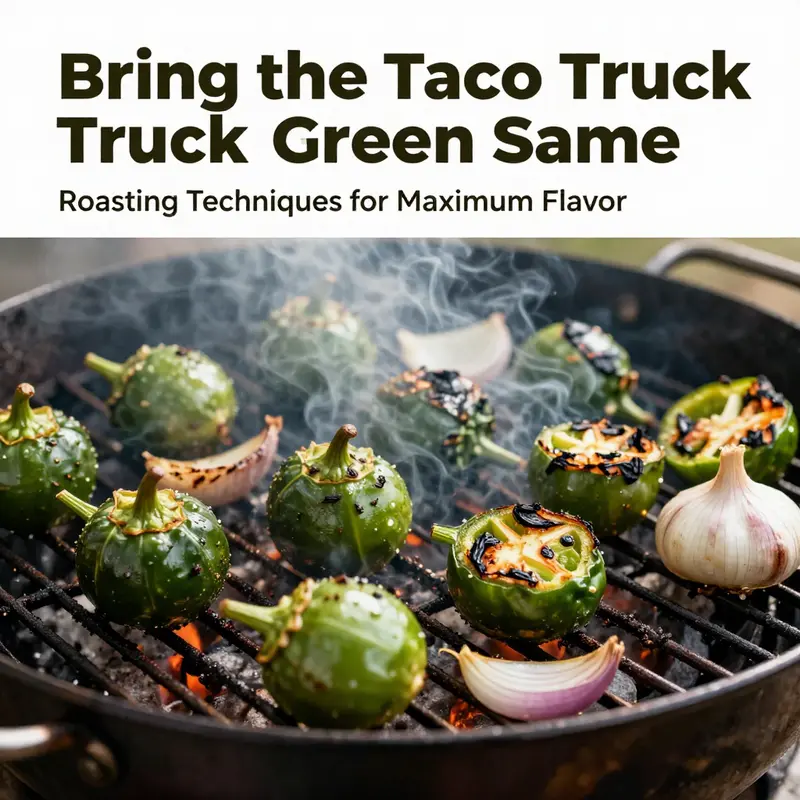
The salsa verde that carts roll out to lure hungry customers at street corners has a voice all its own. It is a chorus of brightness, earth, and smoke, a balance that comes alive when the vegetables meet direct heat and the flavors are coaxed into focus. The real magic of a taco truck green sauce lies not in the components alone but in the roasting technique that unlocks their aroma and deepens their character. Tomatillos, those tart, green husked fruits, provide the tang that cuts through rich meats; green chiles contribute heat and a raw vibrance that some vendors chase with epazote for a hint of woodland herb—an authenticity that echoes through markets from central Mexico to the border towns of the Southwest. When these ingredients are roasted, charred, and sharpened by lime and salt, they become more than the sum of their parts. They become the signature drizzle that can turn a simple taco into a memorable bite, the kind of sauce customers remember long after the cart has pulled away.\n\nTo begin with, the soul of the sauce rests in the choice of ingredients and how they are brought into heat. Select firm, ripe tomatillos with their papery husks peeled away, their green skins glossy with sap and pride. The jalapeño or serrano peppers—your call on heat—should be fresh, vibrant, and unblemished. If a milder version is preferred, a few Anaheim peppers can join the mix; they contribute a milder, sweeter profile that still carries the essential green brightness. The onion, garlic, and a handful of fresh cilantro or epazote complete the aromatic base, offering layers that unfold as you roast and blend. Lime juice rounds out the acidity, salt tunes the flavor, and a splash of olive oil can lend a gentle silkiness that helps the sauce cling to tortillas and meats alike.\n\nThe roasting itself is where the alchemy happens. A heavy skillet or griddle, heated to a steady medium-high, becomes the stage for a quick, blistering performance. The tomatillos, peppers, onion, and garlic are laid directly on the surface, the heat kissing the skins until they blister and char in a pattern that looks almost like a map of little scorched constellations. You want color, not scorching—the goal is a smoky, caramelized surface that holds onto the natural tang of the tomatillos without tipping into bitterness. Turn the vegetables as they blister, so every side receives direct contact with the hot surface. The process is fast, typically five to seven minutes, and it rewards attention: a touch of blackened edge here, a bright green sheen there, the vegetables now smelling roasted, almost toasty, with a hint of sweetness starting to bloom.\n\nIf you crave a more intense smoke, you can push the vegetables a step further under a broiler for a moment or briefly expose the peppers to an open flame. This intensification is where taco trucks sometimes diverge: the same ingredients can emerge with different degrees of char, and each degree maps onto a slightly different flavor profile. Some cooks let the peppers blister until the skins loosen and blacken just enough to pull away easily, then strip the skins and seeds with deliberate care. The goal is smoky richness, not charred bitterness. Once roasted, the vegetables should cool briefly. Cool enough to handle, but not so cool that their flavors retreat; a short rest helps them mingle with the lime, salt, and herbs when they enter the blender.\n\nFrom there, the blend unfolds like a conversation. Transfer the roasted tomatillos, chiles, onion, and garlic to a blender or a sturdy processor. Add a squeeze of lime, a handful of cilantro or epazote, and a measured pinch of salt. A small drizzle of olive oil, optional but often welcome, helps round the acids and anchors the flavors in a smooth, cohesive texture. The blender should run until the mixture is smooth and creamy, yet not so smooth that the sauce loses its personality. Keeping a touch of texture—a whisper of small bits of charred skin or minute specks of cilantro—gives the sauce a lively mouthfeel that is especially enjoyable when spooned over a warm tortilla.\n\nTexture is a conversation, too. Some cooks prefer a nearly pourable consistency, others a thicker, scoopable crema that clings to a taco with confident gravity. If the sauce is too thick, a splash of water or a touch more lime juice can thin it without thinning the flavor. If it comes out too thin, a few extra roasted tomatillos or a longer pulse can tighten it up, preserving the smoky-sour balance that defines the style. A subtle trick is to blend with the lid slightly ajar to allow steam to escape, which helps prevent the sauce from becoming overly dense. If you want a silkier finish, a light emulsification with the olive oil can create a satin mouthfeel that still carries the zest and brightness of the lime and cilantro.\n\nSeasoning is the final act that reveals whether the sauce is truly vibrant or merely bright. Taste first for acidity, salt, and heat, then consider a discreet touch of sweetness if the acidity seems aggressive. Some vendors find that a whisper of roasted cumin adds a hint of warmth and complexity that complements the mineral tartness of the tomatillos. A small measure of honey can tame sharpness without turning the sauce saccharine, a trick that echoes what many street cooks do to balance flavors in hot, sunny climates where ingredients are at peak intensity. The idea is to respect the natural tang of the tomatillos while inviting the roasted depth to linger—an invitation that makes the sauce feel crafted rather than assembled.\n\nThe beauty of this technique is that it translates across a range of pairings. The bright tang of salsa verde cuts through the fat of carne asada, the savoriness of carnitas, or the light, lemony notes of grilled fish. It can lift a plate, brighten a plate, and anchor a plate with a depth that comes from direct heat rather than heavy seasonings. In many traditional preparations, epazote is added—an herb with a bold aroma and a peppery edge, sometimes preferred over cilantro for a more rustic, herbaceous bite. The choice between cilantro and epazote is a matter of character. Cilantro brings a fresh, citrusy lift that brightens the sauce, while epazote adds a more pronounced, somewhat resinous note that can echo the botanicals found in regional Mexican markets. Either choice aligns with the goal of celebrating the vegetables’ natural flavors rather than masking them with overpowering additives.\n\nYour technique, however simple, becomes a kind of storytelling. Each roasted surface tells a tale of the flame’s touch, of vegetables meeting heat with purpose, and of a lime’s acidity waking up the palate after the first sweet, smoky sigh. The resulting salsa verde captures the essence of street-level cooking: fast, focused, and fearless about a little char. When you ladle this sauce over a well-seasoned grilled steak or a stack of warm tortillas with juicy fillings, you witness the chemistry at work—the way smoke and acidity can heighten the perception of sweetness in the meat, the way herbaceous notes lift the finish, and the way the sauce lingers on the tongue, inviting a second bite.\n\nFor those who want to explore more about how a kitchen can emulate the voice of a street cart while maintaining home-kitchen precision, there are stories and practical notes worth consulting. The ongoing conversation about what roasting does for salsa verde isn’t just about technique; it’s about mindset. It’s about embracing heat as a tool for transformation rather than a hurdle to flavor. It’s about recognizing that a simple mix of tomatillos, chiles, and lime can become something distinctly cart-window delicious when the producer is patient, observant, and willing to let the ingredients speak with smoky confidence. If you’re curious about the broader narrative behind these choices and how others in the field translate the same principles into different regional flavors, the Fire Up Taco Truck blog offers a thoughtful look at how roasting informs every sauce decision and how stories from the cart can guide cooks in any kitchen. Fire Up Taco Truck blog.\n\nWhen you serve the sauce, it should feel like a handshake—the kind you get from a cook who has paid attention to what the ingredients are saying and has learned to listen as much as to act. The sauce should awaken the plate before you even bite into the main event, and it should stay fresh and lively, especially if the cart is parked under the heat of a summer sun. If you prepare a larger batch, you can refrigerate it in an airtight container for up to five days; the flavors often deepen with time, giving you a more integrated profile and an opportunity to refine the balance after the first tasting. Some cooks even freeze a portion in ice cube trays for quick, flavorful additions to future batches. The frozen cubes thaw quickly and can be whisked back into a fresh batch with a spoonful of water and a quick blend to recreate the original texture and brightness. The practical takeaway is simple: roasting unlocks the sauce’s character, and proper storage preserves that character until service.\n\nAs you refine your process, remember that the goal is not to mimic one exact external standard but to capture a sensorial memory—the feeling of a cart rolling through a sunlit street, the crackle of the grill, the aroma of smoke and lime carried on a warm breeze, and the moment when a bite of taco with salsa verde makes the crowd lean in for another. The technique you choose—whether you lean toward crisper char, deeper roast, or a smoother finish—will shape that memory. The beauty of this approach is its adaptability: you can tune the level of heat, the bitterness of the char, and the herbaceous component to reflect the preferences of your neighborhood, your menu, and your own palate. In the end, the roasted salsa verde is not a static recipe but a living method—a way to coax flavor from fire, to honor tradition, and to invite every customer to taste a little bit of the cart’s history with every bite.\n\nExternal resource for deeper technique and flavor balance: https://www.seriouseats.com/how-to-make-homemade-green-chili-sauce
Street-Style Salsa Verde: Mastering Taco Truck Green Sauce

The first thing cooks notice about taco truck green sauce is its immediacy. It arrives with brightness that cuts through steam and a smoky backbone that hints at a grill. In a home kitchen you can reproduce that energy by roasting or charring the vegetables, then blending them with cilantro, lime, and salt. The method—char, roast, or a bit of both—defines the final character and helps the sauce travel from cart to table without losing its edge.
To begin, gather tomatillos, green chiles, onion, garlic, cilantro, lime, and salt. The core idea is simple: blister or roast until the vegetables wake up with a roasted depth, then blend until just smooth with a touch of texture. Roasting adds smoke; boiling would dim brightness. Set your heat to match the peppers’ heat level, choosing jalapeños for a brighter bite and serranos for more punch.
Roast or char: Place tomatillos, peppers, onion, and garlic on a hot skillet or grill until the skins blister and some peppers take on blackened patches. Let cool briefly, then blend with cilantro, lime juice, and salt. If you want extra richness, whisk in a teaspoon of olive oil or a splash of avocado toward the end.
Texture and balance: Taste as you go and adjust. If the mix is too sharp, a pinch of sugar can soften brightness; if it’s too thick, thin with lime juice or water. Optional notes include a pinch of Mexican oregano for earthy depth or a whisper of cumin for warmth. The goal is a bright, smoky verde that clings to a tortilla yet pours smoothly.
Serving ideas: Drizzle over carne asada, fish, or grilled vegetables; dip with tortilla chips; or build bowls where its brightness anchors other flavors. A well-made verde also plays nicely as a base for sauces, dressings, and seasonal toppings.
Shelf life and storage: Refrigerate in an airtight container and use within a week for peak brightness. It can be frozen for longer storage, though some brightness may shift after thawing. Taste again after resting; a final adjustment with salt or lime will bring it back to life.
The beauty of this verde lies in its balance—green tang from tomatillos, heat from peppers, and a lift from cilantro and lime. When you respect that balance, the sauce travels well: from a bustling cart to a quiet home kitchen, carrying memories of roasted peppers and street-side Sopapillas in every bite.
Final thoughts
Now that you’ve uncovered the secrets to making authentic taco truck green sauce, it’s time to bring those flavors to your taco nights! This versatile and zesty salsa verde is perfect for topping off your favorite dishes, enhancing the flavors of your grilled meats, or simply enjoyed as a dip with tortilla chips. The vibrant ingredients and the care taken in roasting bring depth and excitement to every recipe. So gear up, gather your fresh ingredients, and indulge in the rich flavors of street-side Mexican cuisine right at home. Let your culinary creativity shine through and enjoy the delicious world of taco truck flavors!