
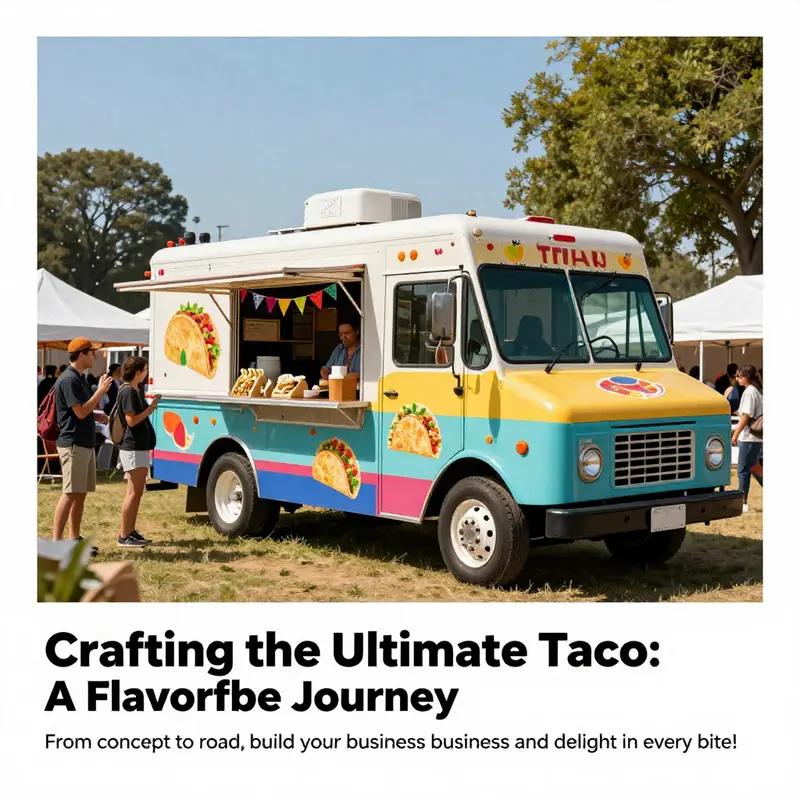
Imagine cruising through neighborhoods, fragrant aromas wafting from your taco truck, luring hungry customers eagerly awaiting their fix of fresh, mouth-watering tacos. Building a taco truck business is an exciting journey, where culinary passion meets entrepreneurship. This guide explores critical steps—from conceptualizing your menu to navigating legal red tape and acquiring your truck—ensuring you’re well-prepared to serve taco lovers far and wide. Get ready to roll with insights that cater to both aspiring taco entrepreneurs and seasoned food truck owners alike!
From Blueprint to Boulevard: Strategic Planning as the Roadmap for Your Taco Truck
From Blueprint to Boulevard: Strategic Planning as the Roadmap for Your Taco Truck
Launching a taco truck is as much a strategic undertaking as it is a culinary pursuit. The first spark comes from a kitchen-tested concept, but the real journey begins when that concept must traverse streets, weather, regulations, and the ever-shifting appetite of passersby. A thoughtfully crafted plan acts as both compass and engine, guiding decisions from the drawing board to the first day on a busy corner and beyond. In this chapter we move beyond recipes and into the architecture of a scalable street-food business. The aim is not to overwhelm with pages of theory but to illuminate a cohesive path that aligns vision with practical steps, from market insight to launch, and from steady operations to future growth.
Industries evolve when demand meets opportunity, and the food truck sector has shown steady momentum over the past decade. The appeal lies in delivering fresh, flavorful food with speed and personality, directly to places where people congregate. The market for mobile food has grown as consumers seek convenient, high-quality dining experiences, and tacos stand out for their adaptability, portability, and broad appeal. While numbers shift with local conditions, the underlying trend is clear: there is room for authentic and creative taco concepts that can carve out loyal followings without sacrificing efficiency. A solid plan translates that opportunity into a practical framework: it clarifies who you will serve, where you will operate, how you will finance the venture, and how you will sustain quality each day you hit the street.
At its core, a robust business plan is a living document. It should capture your executive intent—the core idea that gives your truck a distinctive voice—while outlining concrete, testable steps. The executive summary acts as a north star, succinctly describing your concept, target market, and value proposition. The company description grounds your venture in tangible identity, from your mission to the team and governance you envision. Market analysis translates local curiosity into credible demand, revealing who will buy your tacos, when they will buy, and where they are most likely to encounter you. An organizational structure lays out roles, responsibilities, and decision rights, ensuring that as you grow, accountability follows. The menu and pricing strategy tether creativity to profitability, emphasizing recipes that travel well, yield high margins, and stay consistent across days and cooks. A marketing and sales plan then charts how you will attract and retain customers through branding, storytelling, and channel choices that fit a mobile model. Finally, detailed financial projections knit together revenue assumptions, cost of goods sold, labor, facilities, permits, insurance, and working capital, providing a roadmap for funding, forecasting, and prudent growth. Even if your plan starts lean, it should port‑over the essentials so you can communicate viability to lenders, partners, and mentors who might help you along the way.
A lean startup mindset complements this framework by encouraging rapid validation of core assumptions. Rather than waiting for a perfect, lengthy document, you test flavors, portions, and price points with small, iterative experiments. You might pilot a couple of signature tacos at a single event, observe how long customers wait, and measure repeat purchase signals. If the reception is strong, you scale up the menu in a controlled way, opening new locations or extending service hours in response to feedback. Validation is not merely about appetite—it’s about rhythm. How long does it take to complete an order, how many people can you serve in peak hours, and what bottlenecks appear in your flow? The answers to these questions should shape your next steps, the layout of your truck, and even the way you train staff. The lean approach keeps you nimble, reducing the risk of tying up large sums in a plan that proves out of sync with real street life.
For many aspiring operators, the planning stage becomes a bridge to action. It helps you articulate a credible story to lenders or grants and demonstrates that you have thought through the practicalities as well as the palate. In this light, the plan is not a perfunctory document but a living instrument that evolves with you. It forces you to quantify the appetite landscape—the kinds of tacos people crave, the times of day when foot traffic peaks, and the neighborhoods that offer the best balance of demand and competition. It also anchors your brand, which in a crowded street scene is as important as the recipe itself. A strong brand helps people recognize your truck at a glance, builds trust, and turns first-time visitors into regulars. The plan integrates branding with operations, so your color palette, logo, menu design, and even the tone of your social media align with the service speed, food quality, and location strategy you envision.
The components of a business plan should feel logical yet tightly woven. Start with an executive summary that captures the essence of your concept: the type of tacos you will offer, the neighborhoods you expect to frequent, and the experience you promise—whether it’s quick, playful, artisanal, or boldly authentic. Move into a company description that outlines who you are, why you care about this cuisine, and how your background equips you to manage a mobile kitchen. The market analysis then translates curiosity into credible demand. You examine the local food scene, the tempo of business districts, school campuses, festival calendars, and the kinds of events that attract large, diverse audiences. This is where you balance appetite with practicality, identifying windows of opportunity and the potential entrance points where your truck can shine without being obscured by bigger, more established players.
The organizational structure is more than a payroll question; it establishes the operating rhythm of your venture. It can be as simple as a small core team who share responsibilities for cooking, serving, inventory, and compliance. Even in a lean startup, defining roles helps you scale smoothly when demand grows. The menu and pricing strategy are your daily heartbeat. You want options that are delicious, reproducible, and portable, with ingredients that travel well and price points that sustain a healthy gross margin. Local sourcing often brings freshness and story, but it must be balanced with reliability and cost. Your pricing should reflect both the costs and the value you offer—speed, flavor, and the experiential aspect of a mobile dining experience. The marketing and sales plan then consolidates how you will build awareness, convert curiosity into purchases, and nurture loyalty. This is where branding, social media presence, and word-of-mouth strategies converge with on-site operations and timing. Finally, the financial projections translate your assumptions into numbers: expected revenue by taco type, anticipated variable costs, fixed overheads, insurance and permits, depreciation or lease considerations for the truck, fuel, maintenance, and a realistic runway for the business to reach cash-flow positivity.
Throughout this chapter, a single underlying discipline matters most: clarity. Clarity about who you serve, how you will serve them, and what happens when things don’t go as planned. Clarity makes it easier to navigate the inevitable uncertainties of weather, permit renewals, and evolving competition. It also anchors your marketing, ensuring that your message remains consistent across street corners, pre-event tastings, and late-night lines. When you couple clarity with flexibility, you are better prepared to adapt your plan to new neighborhoods, seasonal menu changes, or shifts in consumer preferences without losing your core identity.
To further ground this planning in practical resources, consider treating your outline as a blueprint you continuously test and refine. A lean startup approach can be as powerful as a formal, multi-page document if you couple it with disciplined experimentation. You might start by drafting a compact, one-page plan that covers your concept, target market, key partnerships, and a 90-day forecast. Then run a few controlled trials—pop-ups at a market, a weekend festival, or a corporate lunch event—and capture data on sales, customer feedback, and throughput. The aim is not to exhaust your energy in planning but to convert insight into action. As you accumulate evidence about what resonates, you refine your menu and adjust your site selection, always looping back to your executive summary to ensure your evolving plan still tells a coherent story about your taco truck’s purpose and path.
Within this process, the practicalities of building and equipping the truck reveal themselves as extensions of your planning. You’ll need to decide whether to purchase a used vehicle or engage a conversion partner to customize a space that fits your workflow. The decision hinges on budget, timelines, and your long-term vision. If you opt for a custom build, you’ll prioritize a layout that minimizes movement and maximizes speed—efficient grills and prep zones, ergonomic storage, and dependable water and waste systems. The essential features include commercial-grade cooking surfaces, adequate refrigeration for perishables, sanitary sinks with proper drainage, and ventilation that keeps the workspace comfortable and compliant. Storage for ingredients and utensils must be planned with safety in mind, ensuring you can rotate stock and prevent cross-contamination. Branding should be visible even from a distance—paint, signage, and decals that communicate your concept at a glance. In short, the truck becomes a mobile manifestation of your plan, so its design must reflect both the culinary ambitions and the operational realities you’ve identified in the planning phase.
As you move from plan to practice, you will also confront the realities of financing, permits, and compliance. The budgeting phase demands attention to startup costs such as the vehicle or conversion investment, kitchen equipment, initial inventory, and a cushion for permits, insurance, and working capital. Permits and health approvals require careful scheduling, inspections, and ongoing compliance. You’ll design a operating protocol that satisfies food safety standards, waste disposal requirements, and city ordinances while also delivering speed and consistency on the curb. Insurance is a shield that protects against a range of uncertainties, from property damage to potential foodborne illness claims. Tax considerations, too, require timely registration and regular reporting, ensuring that your enterprise remains compliant as it grows.
To integrate these threads, consider how your plan addresses the rhythm of a typical day or week on the street. Peak hours may occur around commute times, lunch breaks, or local events, while slower periods offer opportunities for prep, maintenance, and inventory planning. Your schedule should reflect this ebb and flow, with a clear division of labor that preserves quality and speed. Inventory management becomes a daily discipline: forecasting ingredient needs, tracking spoilage, and ensuring you never run out of the staples that define your taco identity. A simple but effective practice is to tie menu items to a few core ingredients that overlap across multiple tacos. This approach reduces waste and simplifies sourcing, while still offering variety through toppings, salsas, and sauces that can be tweaked for flavor profiles and customer feedback.
Community and culture matter as well. A taco truck thrives when it connects with neighborhoods, schools, office parks, and event organizers who value fresh food and a reliable presence. Your marketing plan should emphasize storytelling—where your ingredients come from, how your kitchen operates with respect for safety and hygiene, and the care you put into every plate. Social media becomes a tangible channel for storytelling and real-time updates about where you’ll be parked next. It is not just a promotional tool but a feedback loop: photos, polls, and comments can reveal what people want more of and when they want it. The most successful operators treat their social channels as extensions of the truck’s personality, sharing behind-the-scenes moments, menu development milestones, and neighborhood partnerships that humanize the business and invite the public to participate in the journey.
Location strategy is a critical thread that runs through planning and daily practice. A thoughtful plan identifies high-traffic pockets that align with your concept, whether that means office-dense business districts, near transit hubs, or near cultural districts where people linger for festivals and gatherings. The best locations are not only proximity to buyers but also the chance to present a unique and consistent experience. You may choose to concentrate in a few strategic spots, establishing a familiar footprint that people begin to seek out, or you may rotate among venues to keep your calendar fresh and broaden your audience. Your plan should spell out how you evaluate potential sites, including safety considerations, access to utility services, and the ease with which customers can approach and pay for their meals. In a mobile business, speed and reliability on chosen sites matter as much as the flavor you serve.
The collaborative dimension of planning should not be overlooked. Relationships with local suppliers, event organizers, and neighborhood associations can yield regular, predictable opportunities. Building a network of partners who share your values—quality, consistency, and community engagement—helps you weather fluctuations in demand and weather. When your plan integrates partnerships, branding, and operations, you create a cohesive system where each element reinforces the others. This alignment becomes evident not only in the flavor of your tacos but in the way people feel about your truck when they encounter it—knowing that a careful plan stands behind every interaction, every order, and every smile you see across the counter.
If you are uncertain where to start, a practical mindset is to treat the plan as a living set of guardrails rather than a rigid blueprint. Sketch a concise, action-oriented outline that reflects your concept and your local reality, then test the outline in the street. Use those tests to refine your assumptions about customers, pricing, and location. Your plan will evolve as you gather data, receive feedback, and observe how your truck performs under real conditions. The objective is to cultivate a cycle of learning and improvement that sustains momentum without compromising the core values of your culinary mission. In this sense, planning is not a one-time exercise but a continuous discipline that keeps your taco truck relevant, resilient, and ready to roll into new neighborhoods, festivals, and collaborations.
For practical guidance on choosing the right truck and aligning your plan with the vehicle you select, read this resource on Choosing the right food truck. This internal reference can help you connect the decisions about vehicle size, layout, and flow to the planning principles outlined here, ensuring that your truck design reinforces efficiency and brand identity from day one.
As you progress, you may also find valuable external perspectives that illuminate how to structure a lean, results-focused plan. External resources offer templates, case studies, and checklists that can complement your thinking without locking you into a single approach. For a structured template that helps organize your plan around practical mobile operations, consider the box truck business plan framework discussed in this widely used guide. It presents a step-by-step approach to operations, marketing, and financial forecasting that you can adapt to a taco truck model while keeping your unique flavor and community focus at the center of your strategy. This resource provides a concrete starting point for translating your insights into a documented, bankable plan that can support funding negotiations, partnerships, and sustained growth as you move from concept to street.
In sum, the value of thorough planning in the taco truck world lies in turning a vibrant culinary idea into a durable, repeatable, and shareable street experience. It is about translating taste into a reliable operation that can travel from one neighborhood to another with the same high standard of quality, speed, and warmth. When the plan reflects who you are, what your customers value, and how your truck operates in real-time, you gain not only a recipe for success but also a framework that helps you adapt to the city’s tempo, celebrate the moments of peak demand, and build a brand that people seek out again and again.
Chapter 2 — Crossing the Line: How Legal and Regulatory Currents Shape Your Taco Truck Dream
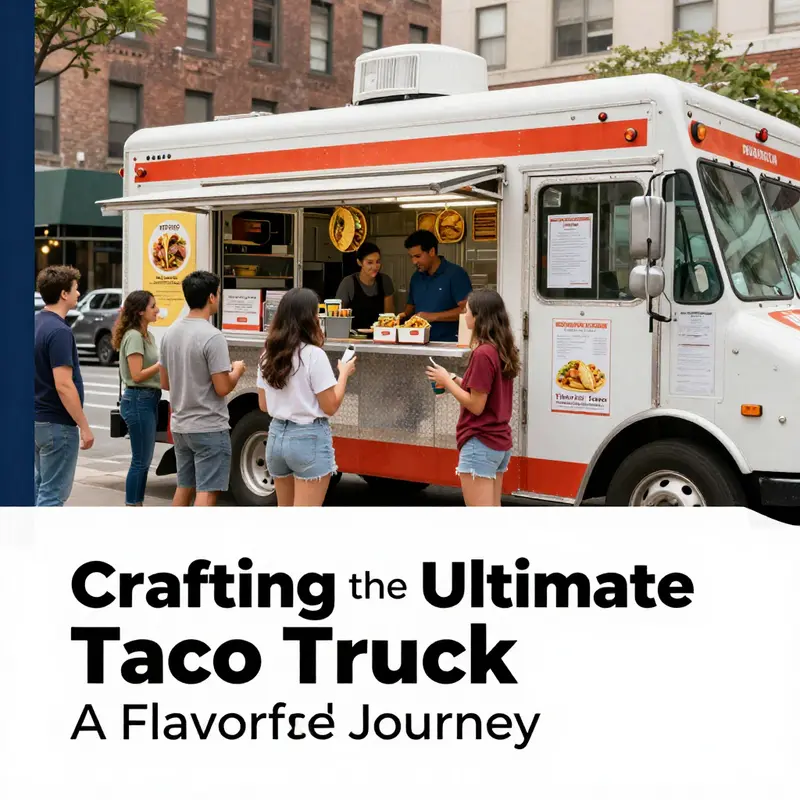
The dream of a taco truck begins not just with a sizzling grill, but with a careful map of the rules that keep food safe and customers protected. Legal and regulatory requirements are not mere bureaucratic hurdles; they are the guardrails that define who can sell and how you can sell. In the United States, the framework starts at the federal level and travels through state hands and into city streets, each layer shaping where you can park, what you can serve, and how you package it. Understanding this layered system early gives you a practical advantage, letting you focus on flavor while building a compliant operation from day one.
At the federal level, fundamental safety standards are established by agencies that oversee the food supply you will handle every day. The Federal Food, Drug, and Cosmetic Act sets baseline expectations for how foods are handled, stored, labeled, and transported. These standards are not mere guidelines; they are enforceable requirements designed to prevent contamination and protect public health. In practice, this means your kitchen—whether on four wheels or in a fixed space—must safeguard perishable ingredients, maintain clean surfaces, and prevent cross-contamination between raw proteins and ready-to-eat items. All workers who touch food should be trained in safe handling practices, and equipment used in preparation ought to be cleaned and sanitized regularly.
The FDA’s Food Code serves as a model for state and local laws. It provides detailed guidance on temperature controls, handwashing, utensil hygiene, and the separation of different food streams to minimize risk. Although each jurisdiction interprets and enforces the code a little differently, you can expect most health departments to reference it when writing or updating local ordinances. For those who want to study the latest model, the FDA Food Code is publicly accessible and worth reviewing before you line up permits. The practical takeaway is this: your operation must be designed with temperature control, sanitation, and personal hygiene in mind from the moment you plan the menu and layout of the truck.
State authorities often take the federal baseline and tailor it to local realities. In many states, mobile food facilities require a specific permit that confirms you meet sanitation and safety standards and that you carry insurance and a business license. The process typically includes proof of a food handler certification, a background check for key staff if required, and a successful inspection of the cooking and storage space. Some states also mandate that the truck itself undergo periodic inspections to verify ongoing compliance with sanitation, equipment functioning, and safe operation practices. The exact name of the permit can vary—Mobile Food Facility Permits, Temporary Food Service Permits, or Mobile Vendor Permits—and the requirements can differ by county or district within the same state. This means your initial planning should include conversations with the state health department, as well as the local county or city health office, to confirm the exact paperwork and timeframes you will face.
Local jurisdictions bring regulation to the street level, where the practical realities of parking, zoning, and operating hours meet your day-to-day business. Zoning laws define where a mobile unit can legally operate, and many cities impose parking restrictions that determine when and where you can pull up to serve. Permit fees, display requirements, and even noise ordinances can shape your operating cadence. Cities often craft specific rules for mobile food vendors, including minimum distances from schools, parks, or existing brick-and-mortar restaurants to reduce direct competition or congestion. Some municipalities designate particular zones or street blocks where vendors may operate during certain hours or during special events, concerts, or farmer’s markets. These rules are not meant to impede you; they are intended to ensure safety, accessibility, and a fair balance with other businesses. To navigate this, you will typically liaise with the city’s health department and the planning or zoning office, and you should expect to renew permits periodically.
The practical effect of this three-tiered system is that you cannot merely buy a truck and start selling tacos. You must design, document, and demonstrate compliance across federal, state, and local layers. This means more than a stack of paper; it means process, discipline, and a culture of safety that permeates every shift. You should expect to maintain records of staff training, equipment maintenance, temperature logs for refrigeration, and daily cleanliness checklists. Some jurisdictions require signage that clearly displays the business name, permit numbers, and operating hours on the truck. The oversight is not punitive at its core but protective: it helps ensure that customers know who is serving their food, where the food is coming from, and that the operation is held to consistent safety standards.
For entrepreneurs who want a practical, step-by-step pathway, a clear starting point is to map out the permits and certifications you will need. Begin with a federal baseline by confirming the core safety and handling standards you must follow. Then identify the state permits and certifications that apply to mobile vendors in your region. Finally, investigate the local ordinances that will affect daily operations—where you can park, the hours you can operate, and what charges or inspections you should expect each year. A disciplined approach to this knowledge pays dividends; it reduces delays, lowers the chance of surprise inspections, and helps you plan your launch with confidence.
In this process, it is essential to recognize that rules are not a static obstacle course but a framework for long-term success. Compliance should influence your menu design, your supplier choices, and even the layout of your truck’s workspace. For instance, federal guidance on temperature control may drive your refrigeration capacity and the arrangement of cold and hot zones on the service counter. State requirements might influence how you document food safety training or how you structure your food-handling workflow to minimize cross-contamination risks. Local constraints can shape your brand storytelling to emphasize responsible practice, such as clearly labeling allergen information or providing a visible sanitization routine for customers. When you integrate regulatory thinking into the earliest design decisions, you create a more resilient business—one that can weather inspections, scale to additional locations, and adapt to new regulatory realities without losing focus on quality and flavor.
As you prepare to turn regulatory wisdom into practical action, consider using established resources to organize the journey. A comprehensive guide for aspiring food-truck operators walks through the legal steps, licensing, inspection criteria, and ongoing compliance expectations. The value of such a resource lies in translating complex requirements into concrete tasks with realistic timelines. By aligning your build and your operations with regulatory milestones, you reduce risk of costly retrofit work, interruptions to launch, or license suspensions that could derail your plans.
To connect the legal groundwork with hands-on steps, you can explore a practical roadmap that lays out the permits and processes in a streamlined sequence. This guide walks through identifying the right permits, preparing the application materials, and scheduling inspections in a way that fits your construction timeline and launch date. It also emphasizes the importance of insurance and business structure early in the planning, which helps you protect your investment and create a professional image that reassures suppliers, partners, and customers. If you want a concise entry point to the legal steps for launching a food truck, you can consult a dedicated guide that consolidates these steps in a reader-friendly format. Legal steps for launching a food truck.
Beyond permits and plates, the real backbone of a compliant taco truck is ongoing diligence. After you pass the initial inspections, you must maintain orderly records, perform routine equipment maintenance, and ensure staff remain current with food-safety training. Vehicles and kitchens change with use; parts wear, seals fail, and compliance standards update. A proactive operator treats inspections not as a hurdle but as a regular check-in with the health and well-being of customers. This mindset also makes it easier to react when local policies shift—perhaps a city expands a designated mobile-vendor zone, or a county updates its sanitation checklist. In such moments, a culture of preparedness—documented training, up-to-date licenses, and a well-maintained facility—helps you adapt quickly without losing momentum.
From a practical standpoint, begin by assembling the core documents you will need across jurisdictions: business registration papers, proof of insurance, your food-handler certification, and a site plan showing where your truck will operate and how it will access water, power, and waste disposal. Photograph and log your equipment, including the ventilation hood, grease management system, and food-contact surfaces. Schedule a pre-opening walk-through with the local health department if they offer such a service; the feedback you receive during a pre-inspection can save you weeks during the actual inspection. As you work through this process, you will uncover a natural clarity about what you must own, what you must document, and how you will demonstrate compliance to customers who expect safety as part of the dining experience.
The regulatory journey also interacts with your brand narrative. Customers increasingly care that a vendor operates within transparent safety standards. Sharing your commitment to food safety in a concise, honest way can enhance trust and differentiate your truck in a crowded market. Your signage can reflect not just your menu but your processes—how you store ingredients, how you monitor temperatures, and how you train staff. This transparency complements the flavor story and gives you a foundation for responsible expansion, whether you add a second location, test seasonal menus, or eventually scale into a brick-and-mortar site.
For readers seeking a consolidated legal playbook, the broader landscape is described in detail by reputable resources that summarize federal, state, and local expectations. While laws vary, the underlying principle remains constant: your operation should be designed to protect public health, respect neighbors and customers alike, and operate with predictable fairness for other food businesses nearby. Embrace the legal framework as a partner in your culinary venture rather than a barrier, and you will find it a steady compass as you navigate each new location, season, and opportunity.
External resource: https://www.fda.gov/food/fda-food-code
Gearing Up for the Road: How to Acquire or Build Your Taco Truck
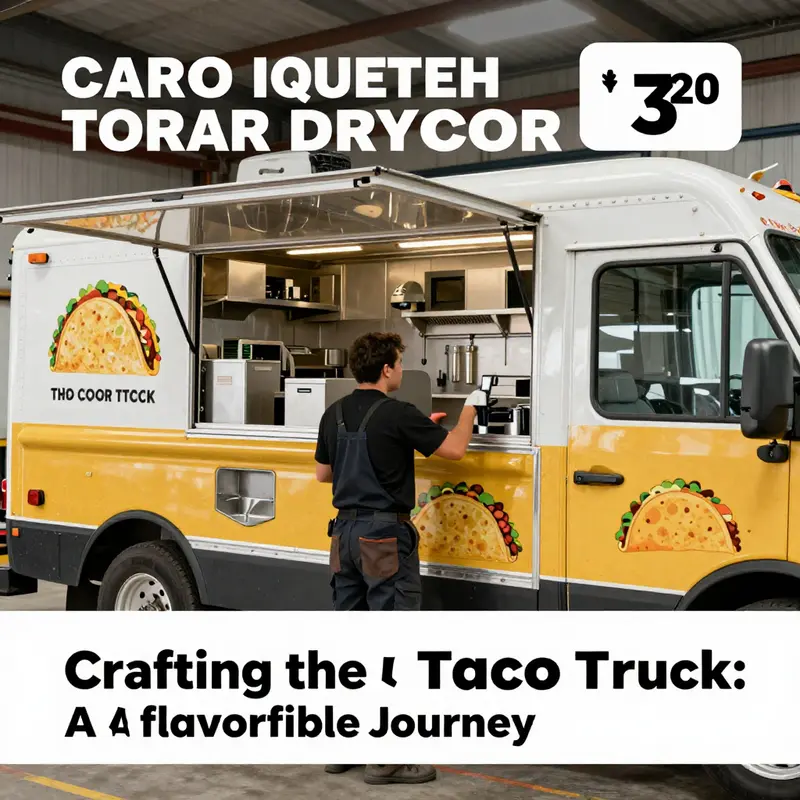
Launching a taco truck is as much about logistics as it is about flavor. It is the intersection of kitchen craft and street strategy, where your menu, your people, and your wheels must work in harmony to deliver a consistent, sizzling experience to customers who crave convenience and soul in every bite. This chapter dives into the two primary paths entrepreneurs pursue when they decide to take their kitchen on the move: acquiring a used taco truck or building a custom one from the ground up. Each path has its own rhythm, cost curve, and set of risks, and the choice should align with your budget, timeline, skill set, and long-term vision for the business. The goal is not merely to own a vehicle, but to own a reliable platform that can support your menu, your service style, and your brand promise day after day across different neighborhoods and events.
The decision to acquire or build begins with clarity about what your concept demands and how you plan to operate. A used truck can offer a faster start and lower upfront cash outlay, which is appealing when you want to test a concept in real traffic, learn supplier relationships, and refine your recipes with quick feedback. A custom build, by contrast, is a long-term investment that yields a kitchen layout tailored to your workflow, branding, and energy goals. It can deliver better efficiency, higher resale value, and a stronger brand presence, but it requires more time, capital, and regulatory navigation. Either path requires a disciplined approach to cost, quality, and compliance, because a truck is not just a mode of transport—it is your first permanent storefront on wheels.
When you consider a used taco truck, the emphasis shifts to due diligence and risk management. A pre-owned vehicle brings price advantages, but it also inherits wear, regulatory history, and potential hidden issues. The careful buyer investigates the vehicle’s mechanical condition, its compliance with local health and safety regulations, and the availability of after-sales support. A modern market mindset recognizes that relying on a single online listing is rarely enough. Savvy buyers seek verifiable documentation: service records, maintenance logs, inspection reports, and proof of regulatory compliance in the jurisdictions where the truck operated. These documents serve as a backbone for budgeting future repairs and for planning a compliance roadmap in your own city. A reputable supplier or broker who can provide full vehicle histories and buyer protections reduces the chance of surprises after you sign the papers and roll the truck onto your first test route. If you want a structured framework for evaluating the vehicle and the seller, you can start with the broader guidance outlined in the Choosing the right food truck resource, which helps frame the decisions you’ll face as you move from concept to concrete asset. See Choosing the right food truck.
Even with due diligence, the roadblocks are real. Health and safety rules vary by city, state, and even neighborhood. A unit that passed a health inspection in one jurisdiction might require additional modifications to meet another jurisdiction’s exhaust, grease trap, or ventilation standards. The procurement process thus becomes a project management exercise: timeline, budget, risk registers, and a plan for iterative upgrades as you expand or shift your menu. In practice, this means asking for the truck’s most recent health department inspection results, confirming the availability of professional service records for critical systems, and mapping out a maintenance plan that you can sustain with your anticipated volume. It also means securing a reliable logistics network for ongoing parts, repairs, and enhancements, rather than hoping you’ll find a shop that “can handle anything.” And because the cost of downtime matters in a mobile business, you’ll want a contingency plan for unexpected repairs that could affect peak-day service. In markets that are particularly dynamic—such as those with high seasonal foot traffic or frequent festivals—the ability to adapt quickly becomes a core asset, sometimes more valuable than the fancy equipment inside the kitchen.
For many entrepreneurs, the path of choosing or designing a kitchen on wheels begins with a careful cost and timeline comparison. A used truck can unlock a faster path to market, but it often carries latent costs that show up after purchase—things like engine work, refrigeration upgrades, or compliance retrofits. A custom build delivers a kitchen layout and branding that are calibrated for your menu and service model from day one, yet requires more upfront planning, design work, and a longer lead time before you can flip the switch at your first location. In both cases, you must anticipate ongoing operating expenses: utilities, fuel, insurance, maintenance, and occasional capital expenditures for equipment replacement or upgrades. The goal is not to master a single day of operation but to sustain a reliable cadence that matches your growth ambitions. This is where the concept of a lifecycle plan becomes invaluable. A lifecycle plan looks at the truck as a long-term asset, with a schedule for inspections, refurbishments, and potential reconfigurations to support new menus, seasonal offerings, or expanded service areas.
To ground this discussion, think of the truck as a platform that must be adaptable to your evolving business. A well-planned acquisition or build considers the entire ecosystem: where you will park, how you will source ingredients, how you will clean and sanitize, and how you will train and support your cooks and sales staff. The layout should reinforce smooth, fast service, with a clear path from cold storage to hot kitchen, to service counter, to customer. It should also reinforce safety and compliance, ensuring that water supply, waste disposal, ventilation, and fire safety systems meet the standards of your target markets. The practicalities are concrete: a kitchen with efficient movement, a storage plan that minimizes waste, and a customer experience that feels effortless even during a rush. These elements come together in the physical truck and in the processes you build around it.
As you evaluate options, you will also consider branding and identity. A used truck offers a canvas that you can brand immediately and evolve, while a custom build gives you a clean slate to align every material, color, and graphic with your concept. In both cases, branding is not decoration alone; it is a signal to your customers about the kind of experience you promise, the quality you stand for, and the consistency they can expect when they chase you down a street corner or a festival lineup. The most successful operators treat branding as a performance—an ongoing conversation between the menu, the service style, and the physical space that travels with the truck. A strong brand helps you command price, attract repeat customers, and weather the inevitable ups and downs of a seasonal market. The brand also serves as a guiding compass for upgrades and future expansions, ensuring that as you add locations or test new menus, your truck remains an unmistakable extension of your business identity.
For those who want a point of reference on how to align vehicle choice with broader strategy, exploring a framework for choosing the right vehicle can help. See the resource that outlines how to evaluate options and what to expect in terms of cost, time, and regulatory readiness. The framework emphasizes not just the initial purchase or build costs but also the ongoing obligations of ownership, including insurance, taxes, and compliance. It also underlines the importance of testing your concept in real traffic before committing deeply to a single path. In some markets, you will find that a hybrid approach makes sense: you start with a used truck to establish your concept, then replace or upgrade as you grow and your brand earns a larger budget for a custom-designed kitchen on wheels.
No matter which path you choose, keeping your eyes on the long game matters. The truck is a foundational asset, but your success depends on how you integrate the vehicle with your people, your recipes, and your schedule. This is a business, not a one-off project. It must be adaptable to seasonal rhythms, event calendars, and the varying tastes of your customers. For the operation to scale, you need to establish predictable routines: preventive maintenance schedules, inventory systems that prevent shortages or waste, vendor relationships that ensure reliable quality, and a marketing cadence that keeps your menu top-of-mind. The more you can turn the truck into a known quantity—an asset that reliably delivers a hot, flavorful product in a clean, compliant environment—the easier it will be to expand to new locations, add seasonal offerings, or pivot toward a brick-and-mortar storefront later if you choose.
The final equation weighs cost against control, speed against customization, and risk against resilience. If your priority is speed to market and a lower initial spend, a thoroughly vetted used truck, with a clear plan for immediate upgrades and compliance work, may be the right fit. If your priority is durability, efficiency, and brand clarity from day one, a carefully engineered custom build could give you a more scalable platform for growth. The choice should feel like a confident bet on your future, not a leap into the unknown. Always keep the end customer at the center: their experience—how fresh the food tastes, how quickly they are served, and how clean and friendly the operation feels—will determine how many doors you can open in a crowded market. In markets that move quickly and demand both consistency and personality, the vehicle you choose becomes a powerful ambassador for your vision.
If you are navigating this decision with a partner or mentor, you may want to bring them into the conversation about the kind of vehicle that will best support your menu and service model. It is often helpful to outline a simple scorecard that weighs capital cost, timeline, regulatory hurdles, maintenance risk, and branding alignment. This can keep discussions grounded and help you avoid overemphasizing one dimension at the expense of others. In the end, the best choice is the one that aligns with your capacity to manage the ongoing needs of a mobile kitchen while delivering a reliable, memorable experience to your customers—day after day, location after location. The road ahead is long and winding, but with thoughtful planning, it can carry your culinary dream into neighborhoods you have yet to visit and crowds you have yet to meet.
To support your decision, consider consulting the broader landscape of guidance on launching a food truck, which covers essential steps from licensing to insurance to site strategy. This chapter has laid out the core considerations for acquiring or building a taco truck, balancing the practical realities of cost and compliance with the creative energy that makes a taco concept thrive on the move. The road from idea to itinerant eatery is navigable when you approach it with a plan for both the kitchen and the journey. External and internal resources can help you refine that plan, from due diligence on used vehicles to the aesthetic and functional planning of a custom build. As you prepare for the next stages—whether that means visiting a dealer, meeting a builder, or sketching a layout on a screen—you will be laying the groundwork for a business that lives in motion and serves the community with consistency and pride.
External resource: https://www.foodtruckresource.com/sourcing-guides/used-truck-due-diligence
Final thoughts
Launching a taco truck can transform your passion for cooking into a dynamic culinary business. Remember, every successful taco truck starts with a well-thought-out business plan, complies with local regulations, and features a truck tailored to your brand and menu. By following this guide, you are equipped to create a delectable taco experience on wheels that captivates customers everywhere. Now, it’s time to hit the road, share your unique flavors, and join the vibrant taco truck community!