
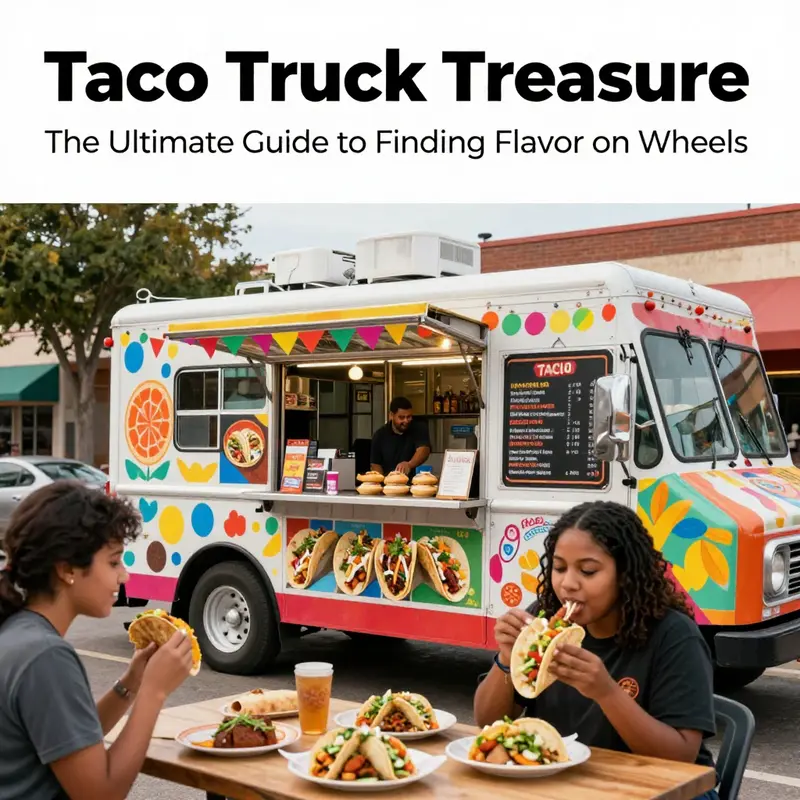
For cuisine lovers and taco enthusiasts alike, exploring food trucks offers an exhilarating opportunity to indulge in authentic flavors. Taco trucks, in particular, bring vibrant dishes directly to the streets, making them accessible to all. But how do you find these culinary gems amidst the hustle and bustle of city life? In this guide, we’ll dive into three compelling chapters that will arm you with the tools needed to uncover the best taco trucks around. We’ll explore how technology can streamline your search, how social media can keep you in the loop with your favorite vendors, and how to navigate urban areas where taco trucks thrive. Prepare to embark on a flavor-filled adventure and become a taco-finding pro!
Tech Trails to Tacos: Mapping Your Way to Mobile Taco Trucks
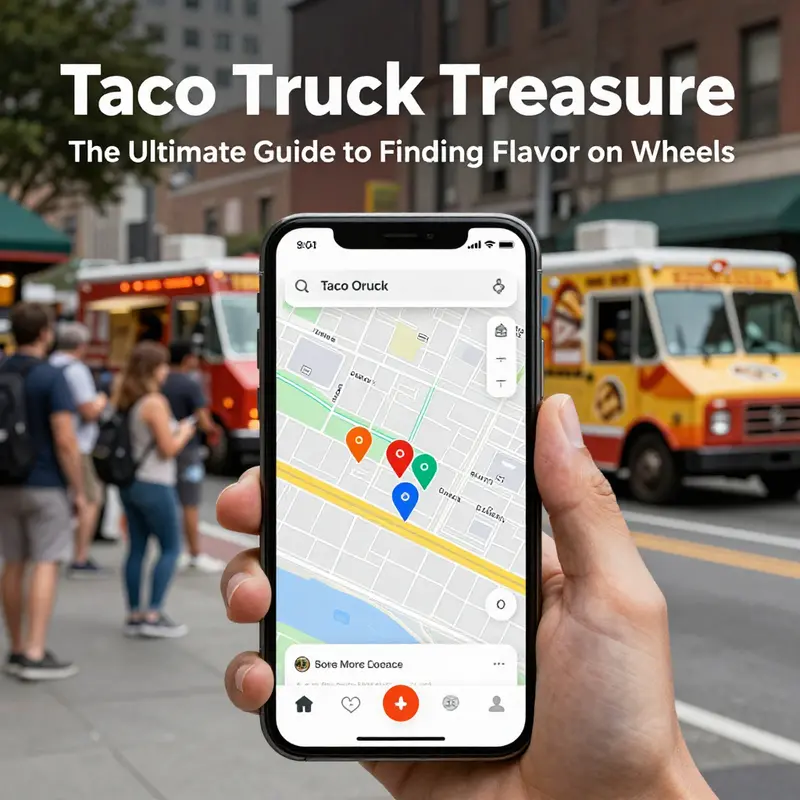
The hunt for great taco trucks often begins with appetite and curiosity, but in today’s cities, technology acts as a patient, reliable guide. A few taps on a screen can unlock a landscape of sizzling tortillas, handmade fillings, and long lines that signal the city’s best kept culinary secrets. The moment you start to integrate digital discovery into your routine, you gain more than location—it becomes a way to understand patterns, access real-time updates, and tailor your hunt to your own rhythms. This fusion of appetite and algorithm turns what could feel like a scavenger hunt into a connected experience, where crowdsourced tips, live locations, and flexible menus converge to offer a faster, richer path to the taco you crave.
Discovery technologies have evolved from novelty to necessity for anyone chasing mobile kitchens. A popular taco truck discovery app, designed specifically for sussing out local vendors, showcases how digital tools can augment appetite with accurate, timely information. The utility of such platforms rests not only in showing where a truck is parked now, but in signaling where it plans to be next, what it is cooking, and how busy it might be at a given moment. Even when the app’s review data is sparse or imperfect, the real-time status of trucks remains a powerful compass for a hungry traveler. Beyond simple pin drops, these tools often let you filter by cuisine style, price range, or dietary options, ensuring you don’t have to improvise your cravings into a vague dream of flavors you might someday chase.
But the value of technology goes deeper than pinpoints on a map. Social media has become a living, 24/7 menu board and a street-side bulletin board rolled into one. Operators rarely wait for a weekly newsletter when they can post their daily location and specials to platforms that travelers routinely check. By following a few beloved trucks or keeping an eye on city-specific hashtags, you can often find what’s fresh that day—whether a new tangy pineapple salsa, a fiery mole, or a limited-time collaboration that turns a standard taco into a memory. Hashtags function like neighborhood gossip, except the neighborhood is the citywide food scene and the gossip is delicious. The caveat is that posts can become outdated quickly, and a truck might relocate without updating its followers. The savvy taco hunter knows to cross-reference social posts with live maps or in-app status indicators to confirm today’s coordinates.
Maps, meanwhile, have matured from static directories into dynamic, geospatial guides that blend user reviews, seasonal menus, and what’s nearby into a single, navigable experience. A simple search such as taco trucks near me will surface a constellation of vendors, but the real power lies in layers—time of day, pedestrian-friendly clusters near offices, parks, or transit hubs, and even the weather’s influence on where a truck chooses to park. The stories you read in a blog or a local guide can be invaluable, too. Blogs and city guides curate the most loved lunch clusters, the hidden pockets where trucks gather during peak hours, and the drift of crowds as seasons shift. The combination of maps and curation helps you plan your chase with less guesswork and more anticipation.
The tech-enabled taco ecosystem extends beyond discovery and into the broader logistics of mobile culinary life. In a world where a food trailer is a small, resilient business on wheels, the market spirals outward to include suppliers, equipment providers, and design builders who understand the demands of daily operations. A major online marketplace for mobile kitchens demonstrates how modern engineering supports the entire ecosystem—from weather-resistant, modular trailers to multi-station cooking setups that keep menus flexible and throughput high. The transportable kitchen becomes a platform in its own right, designed to perform across neighborhoods and light- to mid-urban traffic. The durability of materials, the ease of maintenance, and the reliability of power and water systems all feed into the bottom line: the faster a truck can set up and serve, the more tacos it can move during lunch rush. In a sense, technology is the invisible co-pilot that helps a taco operation scale with consistency and speed, even as the city around it changes.
Technology also shapes community dynamics around street food. In cities with bustling taco scenes, owners build online followings that translate into loyalty and steady foot traffic. A Denver-based operator, for instance, described the value of direct engagement with customers through digital channels. They use those channels not just to post locations, but to solicit feedback, experiment with new fillings, and adapt menus to what people want on a given day. The immediacy of feedback helps keep menus fresh and relevant, while the public nature of posts creates a sense of shared experience. This direct line between truck and community is one of the most vibrant outcomes of tech-enabled discovery: it lowers the social distance between a cook and a diner, turning a morning or afternoon bite into a conversation about flavor, identity, and place.
For those who are contemplating launching a taco truck, technology offers practical scaffolding that supports both the business plan and the customer experience. Market research platforms and data-driven insights help identify where a crowd already exists and what people want to eat in that locale. Rather than guess, an aspiring operator can analyze patterns such as popular cuisines in a neighborhood, typical price points, peak service times, and the seasonal cadence of demand. This does not replace taste and craft, but it informs where to position the truck, what menu skeleton to build, and how to price offerings to balance value with profitability.
Within this tech-enabled landscape, it is useful to think about the decision to go mobile not as a leap of faith but as a careful alignment of craft, commerce, and community. The same tools that help a hungry traveler locate a tempting plate can illuminate a strategic path for a new business. By examining regional data on consumer preferences, competition, and operating costs, entrepreneurs can craft sustainable models that thrive across different urban environments. Technology, in this sense, is not a shortcut but a framework that makes robust planning possible and actionable.
If you are weighing your options for getting started with your own mobile taco venture, there is a practical, grounded resource that can help translate discovery into decision-making. Consider exploring guidance on choosing the right food truck to ensure you are aligned with your goals, budget, and market conditions. Choosing the Right Food Truck provides a clear lens on how to balance equipment needs, layout, and compliance as you move from concept to operation. This is not a sales pitch but a planning resource that complements the organic feeds of digital discovery. It helps you connect the dots between the tech-enabled visibility you employ as a consumer and the logistical and regulatory steps you will navigate as a trader. In practical terms, it translates the curiosity that led you to a taco truck into a concrete, sustainable plan for your own venture.
The ongoing evolution of technology means that the path to a great taco is not fixed; it bends with new tools, data sources, and community networks. Yet the core aim remains simple: to pair a crave-worthy dish with a reliable, repeatable way to access it. Whether you are chasing your next taco from a truck parked near a park, a cluster of food vendors that gather by downtown lunch hours, or a rotating set of mobile kitchens that appear in different neighborhoods, the modern hunt for tacos is a mesh of appetite, place, and platform. As you move through the layers of discovery, it is worth acknowledging the power and the limits of digital tools. They can guide your feet to the door and your palate to delight, but the best experiences often come from combining reliable information with curiosity, patience, and a willingness to explore.
External reading on the vibrant taco scenes that digital discovery helps illuminate can be found in a recent city-focused overview that highlights how food trucks shape culinary culture in Austin. The article captures how street-level entrepreneurship intersects with local dining scenes, offering a window into the real-world impact of the tech-enabled approach to finding and savoring tacos: https://www.austinchronicle.com/food/2026-01-20/discover-the-best-tacos-in-austin-tx-strictly-from-food-trucks/
Chasing the Taco Horizon: Social Media as the Street Map to Austin’s Taco Trucks
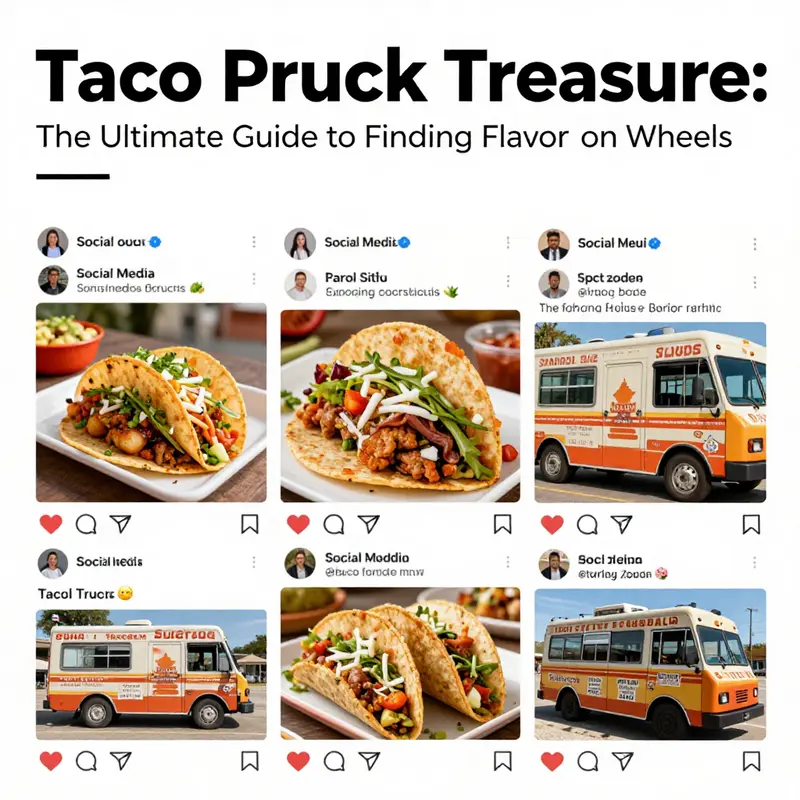
On a sun-warmed afternoon in downtown Austin, the city seems to tilt toward the scent of lime, grilled meat, and masa. The streets carry a quiet hum of engines, the clatter of folding chairs, and the occasional chorus of a crowd that gathers where flavor meets the curb. In moments like these, social media becomes less of a gadget and more of a compass. It translates the spontaneous, mobile world of taco vendors into a navigable map, helping you locate the trucks that are moving with the day’s heat and crowds. This chapter explores how to use that digital information responsibly and effectively, so you can turn a casual craving into an eatery adventure without chasing rumors or ending up with stale leftovers of last week’s post.
The heart of this approach rests on the reality that taco trucks embrace mobility as their core strength. They park in places chosen for foot traffic, proximity to office clusters, or the shimmer of a park or plaza where people linger and lingered lines form. The same mobility that makes them exciting also means their exact whereabouts can shift from hour to hour. Social media, when used with intention, gives you a real-time sense of where a truck is now, what it’s serving today, and whether the line is worth joining. It is not a perfect system, but it is a living, responsive one that rewards patience, curiosity, and a light touch of digital etiquette.
Begin with the platforms that creators and operators use most often to share quick updates. Visual discovery is the language here: a photo of sizzling vox with peppers, a smiling cook, a fresh tray of tortillas, a chalkboard showing today’s specials. Instagram remains a primary channel for many operators because it captures the immediacy of their craft and the aesthetics of their dishes. The posts may show a map snapshot, a short reel, or a simple story that vanishes in twenty-four hours, signaling a time-bound window when the truck will be visible and ready for orders. Facebook rounds out the picture by hosting longer updates, event announcements, and sometimes more robust location notes. Though not every operator uses every platform, most keep at least one channel active to communicate with regular followers. The goal is not to flood your feed with noise but to curate a reliable signal you can read quickly during a lunch break or a late afternoon stroll.
Hashtags form another layer of discovery, a public shorthand that aggregates experiences from customers and locals alike. You might search for tags that speak to the city, food culture, or a specific cluster of trucks. Common hues in the Austin scene include terms that signal locale, style, and community: broad tags like the city’s name plus tacos, or more playful phrases that capture the vibe of a truck’s menu. The beauty of hashtags lies in the crowd-sourced texture they add: you see not just where a truck is, but how people are reacting to its current offerings, the lines they’ve stood in, and the stories they tell about a late-night bite or a weekend pop-up. In practice, you learn to skim the feed for consistency— trucks that frequently post real-time locations and customers who speak to flavor, speed, and the warmth of service often prove the most dependable.
Geotags add a practical edge to the social feed. When a truck geotags a post, you can drop the coordinates straight into a navigation app and set a precise destination. This is especially helpful for trucks that drift between neighborhoods, office parks, or park-and-ride lots across a city. Geotags reduce guesswork and give you a clearer sense of proximity, which matters when you’re balancing time, appetite, and transit. Even if a truck doesn’t tag every stop, a pattern can emerge: a route that takes it near a certain plaza at noon, a shift to a dock by the waterfront for an evening crowd, or a weekend run into a neighboring district. Learning to read these footprints is a quiet skill, and it seeds confidence for when you want to improvise a mini food crawl rather than chase a single truck across town.
Following local influencers and community voices adds depth beyond the official posts. Local foodies, neighborhood guides, and curious residents often spot trucks and share their finds with a personal stamp—a quick critique, a tip about the best items to try, or a word about the vibe of a particular pop-up. These voices can be surprisingly reliable in revealing hidden gems that don’t boast the loudest online presence but deliver a consistent, satisfying bite. And because influencers often map their routes by experience rather than algorithm, you get a sense of where the best lines form, which days of the week tend to be livelier, and how to negotiate a crowd during peak hours.
Beyond the big platforms, smaller online circles can be surprisingly fruitful. Neighborhood Facebook groups, Reddit threads, and even micro-communities on chat apps host real-time chatter about what’s cooking, where the crowds are, and which trucks have just released seasonal menus. The value here is not sterile, scheduled content but human recommendation— stories of a truck that warmed the crowd with a late-night guisa or a newly added salsa that sings with the tortilla. Engaging with these corners of the internet is not merely a way to discover food; it’s a way to listen to the city as it breathes and shifts around you, to learn where the best lines form, and to align your appetite with the city’s tempo.
To translate this social fabric into a reliable practice, you can employ a simple ritual. Set aside a few minutes each morning or early afternoon to check what’s new. Scan your preferred platforms for a handful of consistent signals: is a truck posting a current location? Are there stories or reels showing the truck in motion, with comments that point to a favored neighborhood? Is there a geotag that places it within a comfortable radius of your current location? If you notice several trucks clustered in a particular district during lunchtime, you might plan a short route that lets you sample more than one vendor in a single stroll. If you see a post about a truck with a new menu item that sounds intriguing, you could bench a tasting session for that evening. The practice is less about chasing a single scribe of truth and more about building a reliable sense of what to expect, where to go, and when to be there.
All of this works best when you balance online reconnaissance with street-level verification. A well-timed post can lure you toward a location, but traffic, weather, or a sudden street fair can alter the plan in minutes. Keep a flexible mindset and a few backup spots in mind. If one truck posts a long line and a crowded curb, it may be worth walking a block or two to see if another truck is open nearby. The best days often emerge from that willingness to adapt—chasing the horizon is exciting when you know you have landings to count on and a few plan B choices when the wind shifts.
As you cultivate this practice, you may encounter a practical crossroads: should you rely on a single signal, or should you weave together multiple threads for a fuller picture? The best approach is a mosaic. Let a bite-sized post announce a location, cross-check with a geotag, read a couple of customer comments, and then look for corroborating signs from a local influencer or a Reddit thread. If the pieces align, you have a fairly confident sense that a truck is in the spot and serving what you want. If they don’t, you pause, watch, and pivot. This method keeps you agile without chasing noise or empty hype.
In this city and many others, a chapter of food culture unfolds in real time, and social media is the page that turns fastest. It is both a map and a mirror: it reflects the ambitions of the cooks who travel with their kitchens on wheels, and it reveals the patterns of a neighborhood’s appetite. The result is not merely a plan to eat well but a way to participate in a living, shared experience of street food. You learn to move with the city, listening for the sizzle, the clink of a metal tray, and the rhythm of a crowd that knows where to gather when hunger arrives. The more you read the digital weather, the more reliably you can forecast a satisfying lunch break or an after-hours snack that feels like discovery rather than routine.
If you want to go deeper into the mindset of choosing a vendor while you’re on the move, a useful path is to connect with guidance that helps you evaluate what you find online and what you encounter on the street. As you chart your route, consider reading Choosing the right food truck, which offers practical advice on evaluating vendors you encounter online and in person. That resource helps you think about quality, consistency, and sustainability as you navigate the mobile market rather than focusing solely on speed or novelty. Choosing the right food truck can offer a steady frame for judging experiences you pick up from several trucks in a single outing. It helps you balance curiosity with discernment so you develop a reliable taste for what works for you while supporting small operations that make a city feel alive.
There is also value in leaving a paper trail of your experiences, not as a vanity project but as a personal guide for future trips. A quick note about what you ordered, the time you arrived, and how long you waited can help you plan future itineraries with less guesswork. A simple digital notebook or a private map where you drop pins for each truck you’ve liked creates a personal atlas. Over time, that atlas becomes a conversation with the city itself, a record of where flavor travels and how the streets respond to it. It is a gentle act of local history making, a way to witness the changing face of what food trucks represent in a given neighborhood—from a fleeting lunch option to a cultural node that brings colleagues, friends, and families together around a shared meal.
And yet, social media should never stand alone as the sole source of truth. It excels when paired with a grounded approach to the city’s geography. You can complement online signals with a quick map search to confirm a truck’s general route, verify its proximity to you, or notice a cluster forming near a park or transit hub. A touch of skepticism helps, too. Posts can be delayed, stories can mislead, and a once-popular location may shift to a new corner of the city. Cross-checking with a map, listening for consistent reports from trusted locals, and observing the actual crowd can save you from wandering the same block for an hour while a different, equally tasty option hums a block away. In short, social media offers a dynamic entry point into the taco ecosystem, but the best experiences come from reading the city with both eyes online and feet on the pavement.
The city you’re exploring deserves that dual lens. The interplay of moving trucks, urban energy, and digital chatter creates a lively ecosystem where curiosity is rewarded and patience is a virtue. When you cultivate a habit of listening to the city through its social feeds, you learn to predict, not just react. You become someone who can trace a truck’s footsteps, anticipate a peak time, and weave a mini-taco pilgrimage that feels like a well-kept secret no longer, yet always worth sharing with friends who crave discovery as much as flavor. The thrill of the chase—the social signal that becomes a street map—turns a simple lunch run into a narrative of place, community, and taste. As you move through this city and others, you’ll find that the most satisfying bites often arrive when you listen to the stories behind the posts and let your appetite guide you toward a cadence of streets that keep feeding you with both novelty and familiarity.
For a broader, practical perspective on navigating a city’s taco truck landscape, you can also look to local city resources that outline the where and when of food trucks across town. This external guidance can help frame your social media reconnaissance within the city’s official and semi-official channels, giving you a reliable backbone as you chase the horizon of flavor. For more on city guidance, see https://www.austintexas.gov/news/food-trucks-and-where-to-find-them.
Chasing Tacos Through the City: Reading Urban Currents to Find Taco Trucks
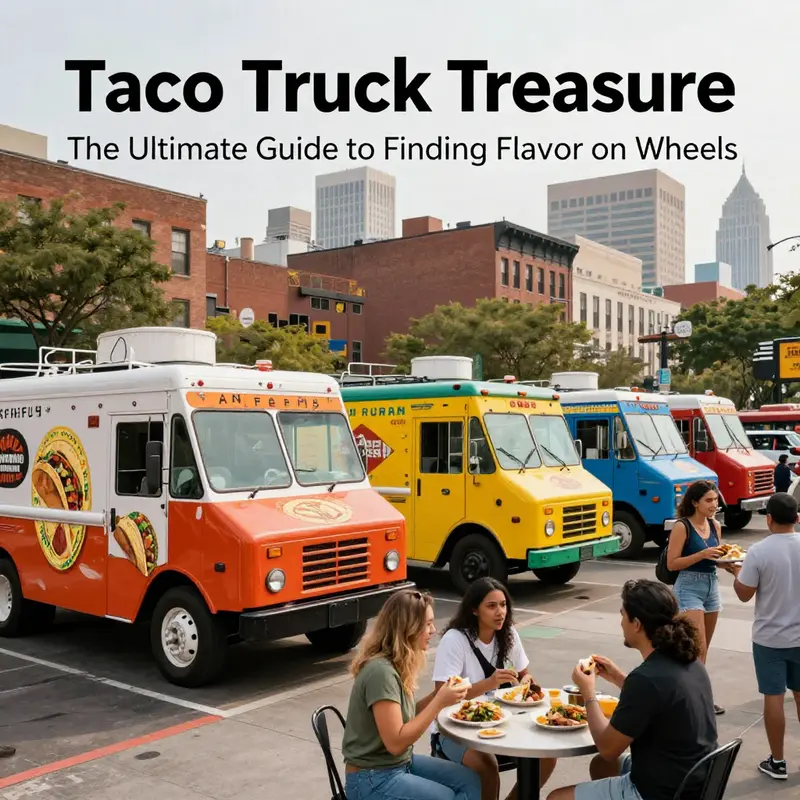
The city hums with a familiar rhythm, a tempo set by traffic lights, subway rumbles, and the long arc of a lunchtime crowd. In this landscape, taco trucks move like punctuation marks—brief, bold, and full of flavor—marking the spaces where living rooms end and the street begins. They are not merely stalls on wheels; they are acts of urban improvisation, places where immigrant entrepreneurship meets street-level culture, offering a quick, soulful slice of home to anyone who pauses long enough to listen for the sizzle. The path to finding them is less about a single magic map and more about reading the city’s currents—the windings of pedestrian desire, the pull of a lunch rush, and the way informal economies thread themselves through formal urban life. When you learn to read those currents, locating the best taco trucks becomes less a scavenger hunt and more a conversation with the city itself.
In modern American cities, taco trucks cluster where foot traffic concentrates and where a crowd hungry for bold, affordable flavors can move freely. These clusters often form in two kinds of spaces: designated zones that cities create to welcome mobile vendors, and organic pockets that grow around transit hubs, parks, campuses, and office districts. Food truck parks, those pocketed pockets of culinary rhythm, act as beacons. They offer a predictable rhythm—lunch lines, the whir of a trompo turning, the rattle of a grill—while still preserving the spontaneity that makes street food feel alive. Outside of parks, high-traffic corridors such as downtown districts and university neighborhoods host a rotating cast of trucks that migrate from one block to the next with the clock. If you walk into such a district near peak hours, you’ll notice the telltale cues: a modest queue forming in front of a gray trailer, a line curling toward a corner where the sun hits the stainless-steel facade just right, or a portable speaker humming a tune that invites the crowd to gather and sample.
These scenes embody more than appetite. They reveal a city experimenting with informality—an urban economy where flexible, mobile vendors carve out space alongside brick-and-mortar establishments. The Guardian’s 2026 look at this phenomenon frames taco trucks as symbols of immigrant entrepreneurship, cultural expression, and adaptive urban life. They are not simply quick meals; they are flexible micro-businesses that respond to the rhythms of city life and the needs of diverse communities. That perspective matters to anyone who wants to understand not only where to find good tacos, but why these trucks thrive where they do. The article reminds us that the success of taco trucks lies in their ability to bend regulatory frameworks—permitting, parking zones, and partnerships with public and private sectors—without surrendering the authenticity that drew people to them in the first place. When policy-makers take notice, the city begins to see mobile vendors as legitimate, resilient players in the urban economy rather than as casual, marginal actors.
To read the city this way is to approach the search for tacos as a practice of listening. It means tuning into the cadence of lunchtime people—the engineers in smart casual, the students buzzing with finals week, the neighbors who commute by bike and stop for a quick bite on the way home. It means understanding that a truck’s location is not only a function of where crowds gather but a response to a complex, changing map of opportunity. In practice, this translates into watching where the lines grow longest, when trucks rotate to new corners, and how certain intersections gain or lose visibility over the course of the week. If you’ve wandered downtown during a workday and seen a queue snaking toward a bright window on the corner of a busy intersection near La Brea Avenue, you’ve felt this effect—the way proximity to transit, parking, and foot traffic magnifies a truck’s vitality.
Technology has amplified this listening. You don’t need to be a local insider to tap into the urban taco current; you can begin with a practical, real-world workflow that blends digital tools with good old-fashioned exploration. The modern search for taco trucks rests on three pillars: technology that maps and tracks movements, social signals that tell you where people are choosing to eat today, and a social practice of following the buzz as it shifts across the city’s neighborhoods. The first pillar is the most obvious: a suite of specialized tools that aim to reveal nearby vendors, their current locations, and even menus. These tools make it possible to see the real-time picture of a truck’s whereabouts, a crucial advantage when a spot changes hour to hour or when a truck headlines a pop-up event and disappears just as quickly. Yet even the best digital map relies on fresh data and the reliability of the vendor’s schedule. A truck may be in one place at noon and another by midafternoon, leaving a traveler chasing a moving target unless a reliable pattern is established.
The second pillar—social signals—can be subtler but equally powerful. Vendors use social platforms to post their daily routes, special dishes, and hours, while diners share their experiences, post photos, and tag the trucks that impressed them most. Without naming specific platforms, you can look for recurring posts, consistent updates, and user feedback that travels through the city’s online conversation. Hashtags and local mentions act as breadcrumbs, guiding you from one hot corner to the next. The third pillar is about practice: building a routine that treats the city as a day-by-day map rather than a fixed grid. When you adopt that practice, you learn to adjust your expectations with the weather, the season, and the calendar of local events. A truck that performs brilliantly on a sunny Saturday could be tucked away by a rainy weekday, while a campus area might host more mobile vendors during finals week or during evening study sessions when students prefer quick, affordable meals.
The practical payoff of this approach is twofold. First, you gain access to a broader range of flavors—each truck carries its own story, its signature items, and its unique way of telling that story through the flame and smoke. Some vendors lean into a few core offerings, crafted with a specialized technique and consistent hardware. The allure of al pastor or carne asada, for example, often hinges on a refined method and the right kind of meat preparation. A 2025 industry scan by a leading trade publication underscores this: successful taco trucks frequently anchor their brand in signature items that invite repeat visits and word-of-mouth praise. They invest in equipment that supports those dishes—rotating spit grills, efficient ventilation, and steady power supply—so that service remains smooth even as the queue grows longer. The maintenance demands of such equipment matter just as much as the menu itself. A well-tuned kitchen on wheels is a promise to customers that the experience will be consistent, even when the city’s pace quickens and the crowd shifts toward the closing time.
Second, the search becomes a window into a city’s cultural fabric. Taco trucks are not just about speed and price; they are about memory and belonging. They carry recipes born in kitchens far from the city’s center, translated into new forms that reflect the people who gather around them. When you locate a truck by a park or beside a university plaza, you’re watching a public space evolve into a shared dining room. The informal parts of the city—the pop-up stalls, the midnight runs, the street-side celebrations after a game—reveal a city that relies on flexible models to feed diverse communities. This is why the Guardian’s contemporary framing matters: it situates the taco truck within a broader social and economic ecosystem, one that speaks to immigrant entrepreneurship and the city’s capacity to adapt to diverse needs while maintaining a sense of place and hospitality.
If you want a practical sense of how this plays out on the ground, start by noticing patterns. A cluster near a major transit hub will attract workers, students, and locals looking for a quick bite. A truck parked near a park or a civic square tends to see families during weekends and events, while proximity to office buildings often means a steady lunch flow but a shorter peak as people scatter for meetings. In dense urban cores, the ritual of lunchtime is a social event: the queue becomes a social space where neighbors greet each other, coworkers swap dish recommendations, and newcomers quietly find their footing in a city that rarely slows for the sake of a single meal. The rhythm of the day matters as much as the flavor of the food. The best strategies for locating trucks in such environments blend observation with a little patience and curiosity: walk the perimeters of these hubs, note where lines form, and remember that a cart’s next stop can be as strategic as its current one.
The search is most rewarding when you treat it as a continuous practice rather than a one-off errand. The city changes with the seasons—some trucks favor outdoor setups in mild months, others convert to compact arrangements that fit under awnings during heat waves or when rain threatens. Weekdays offer a different tempo than weekends, when events, farmers’ markets, and street fairs draw a broader crowd. There’s also a social dimension to this pursuit. Local foodie groups, both online and in person, become informal networks of knowledge. They’re spaces where locals share tips about where to find hidden gems, the best times to catch certain vendors, and the dishes that critics are buzzing about. Word-of-mouth remains a surprisingly robust predictor of where to look next, even in an age of sophisticated location data. In this sense, the act of following tacos across the city is a kind of communal habit, a shared game that evolves as neighborhoods grow, change, and redevelop.
To act on these insights, you’ll use a practical blend of tools and habits. Start with a flexible map-based approach that lets you search for taco vendors in a given radius but also expands to nearby neighborhoods you might stroll through on a lazy afternoon. Keep an eye on time of day; many trucks cluster around lunchtime or late afternoon, sometimes before and after work hours, depending on the city’s rhythm. When a local park hosts a lunchtime festival or a food truck rally, you’ll often find a concentrated wave of trucks congregating in a single zone—a signal that a temporary but high-intensity cluster is about to unfold. This is your cue to explore nearby streets and cross streets that feed into the main corridor, because a truck’s drive-time movement from the primary cluster to its second or third stop is where hidden flavors tend to hide.
Meanwhile, the social currents can guide you toward those offbeat discoveries that become personal favorites. Instead of chasing every new post, learn to recognize when multiple trucks share similar routes across the week, then plan a route that follows those recurring patterns. You’ll likely encounter familiar faces, return customers who have built a community around a favorite stop, and cooks who remember regulars by name. These micro-dramas—the way a clerk wipes the counter, the way a line forms and dissolves, the way a dish arrives hot and fast—are what give the city its texture. They transmute a simple search for tacos into a richer encounter with urban life. And sometimes the most memorable discoveries come when you let curiosity lead you away from a familiar block and into a side street where a quiet, unassuming truck pops up with a signature aroma that makes you rethink what a “standard” taco can be.
For readers who want a practical nudge toward deeper exploration, you can consider the broader ecosystem of learning that surrounds the search. There are resources that collect lists of mobile vendors, curate event calendars, and publish practical tips on how to interact with trucks—the etiquette of queuing, the best questions to ask about ingredients, and how to handle limited menu items with occasional shortages. The best of these resources treat the taco truck as part of a living urban system rather than a one-off culinary product. They emphasize the importance of time, place, and relationship—the three pillars that hold together the experience of chasing tacos through the city. As you gain experience, you’ll start predicting where a truck will be on a given day with more confidence, not merely because you read a schedule but because you know the city’s tempo and you understand how vendors adapt to demand, weather, and the ebb and flow of attention.
If your aim is more than a meal—if you’re curious about the logistics and life behind the wheel—the following line of thought can deepen your understanding without turning the quest into a chore. Imagine tracing a truck’s route as you would map a small business’s lifecycle. A startup on wheels begins with a handful of vendors, a handful of recipes, and a commitment to keeping the equipment in top shape. Over time, this mobility scales as the vendor builds a loyal following and negotiates with park organizers or property managers to secure regular slots. The same forces that shape salaried employment—seasonality, demand, and competition—also shape a mobile kitchen’s schedule. The city becomes a judge and a partner, offering both stage and audience for these culinary performances. In such a frame, the act of finding taco trucks becomes an exercise in understanding urban life as a cooperative venture between people, places, and policies.
As you close in on a cluster you’ve learned to trust, you may choose to follow routes that connect multiple hubs across a day or a week. This approach yields richer experiences, from sampling a couple of dishes at a large park on a weekend to watching a single truck begin its day with a quiet morning turnover and finish with a celebratory late-evening crowd. Each stop tells a little story—about the weather that afternoon, the particular crowd it drew, the way the grill’s smoke shaped the air, or the way a particular combination of toppings arrived on a tortilla with a satisfying balance of heat and brightness. The stories stack up into a narrative about urban life: flexible, resilient, diverse, and delicious. The city isn’t just a backdrop for the meal; it is the meal’s partner, shaping what is possible and how it is experienced.
If you’re reading this with the intention of turning exploration into a daily habit, one practical step is to build a lightweight routine that doesn’t require scouting everything from scratch each day. Start with a core set of reliable clusters—a few blocks around a park, a second cluster near a university, and a third by a transit hub—and rotate your focus by seasons and events. A simple practice can be: on Mondays, visit the park cluster to gauge what’s new in the weekend; on Wednesdays, check the office-district corridor for lunch-hour lines; on Saturdays, chase a few trucks that frequently pop up around community events. Over time, your memory becomes a personal map, with notes on which days certain vendors appeared, the dishes that impressed you most, and the times when a line indicates exceptional demand. When a friend asks, you won’t just point to a map—you’ll tell a story about a day when the smoke rose from a quiet corner and the crowd learned to anticipate the exact moment the lid opened on a pan of spicy salsa.
For those who eventually want to translate this passion into a business mindset, the route from street-level discovery to enterprise involves a shift in perspective. Understanding where and when trucks congregate helps in evaluating opportunities for collaboration, partnerships, or event planning. It can also illuminate the regulatory landscape and the kinds of permits or parking rules that vendors navigate to operate legally and sustainably. The Guardian’s reflection on this topic underscores a broader truth: informal economies like taco trucks challenge traditional zoning while prompting planners to adapt their frameworks so that mobile vendors can thrive alongside more permanent establishments. This kind of policy evolution matters to anyone who wants to see cities designed with flexibility and cultural expression in mind rather than rigid control alone. The practical upshot for the reader is clear: as you collect more first-hand experience, you’ll be better positioned to anticipate where a truck will be, what it will offer, and how to approach the experience with respect for the people who bring these vibrant foods to the street.
If you’re curious about how these insights translate into a deeper understanding of the craft behind the food, you might explore related resources that discuss the practical realities of operating a food truck—the equipment maintenance, the tax considerations, and the business decisions that shape a successful venture. For readers who want to connect the experience of chasing tacos to the broader world of mobile cuisine and entrepreneurship, one carefully chosen reference can complement this journey. And if you want to pivot from following trucks to planning your own culinary or business path, you’ll find it helpful to read about choosing the right food truck as a starting point for understanding the equipment, permits, and sustainability measures that make street food a lasting part of city life. This approach ensures that your pursuit remains mindful, informed, and respectful of the craft and community at its center.
In closing, the city’s appetite is a compass. It points you toward clusters of flavor, to the edges of parks, to the corridors between schools and offices, and to the alleyways where a simple tortilla becomes a vessel for memory. By listening to the city’s currents, you learn not just where to find taco trucks, but how to experience the urban environment as a living, flavorful dialogue. You gain a habit—an ongoing, evolving practice of discovery that honors the vendors who carry their families’ stories in their recipes and the neighborhoods that welcome them. The search becomes less about conquering a map and more about engaging with a vibrant public culture that thrives on shared meals, entrepreneurial courage, and a common love for bold, bright flavors.
For readers who want to extend the journey into the broader world of food-truck discourse and practical how-tos, a trusted reference on the paths from street food to scalable business can be a valuable companion. The linked resource offers deeper guidance on the nuanced logistics and strategic decisions that underpin a successful mobile kitchen, while keeping the human dimension—the people, the communities, and the stories—at the center of the conversation. To see how this broader conversation frames the taco truck as a living part of urban life, you can explore further insights in the following external resource.
The Guardian: How Taco Trucks Redefine Urban Life in America
If you’re curious to read more about practical pathways for those looking to engage with the mobile food scene from a business perspective, you may find value in a companion post that explores the question of preparing for such ventures, including considerations around licensing, permitting, and strategic partnerships that support a durable presence in the urban landscape. For those who want to link this topic directly to their own search for tacos, one relevant internal resource offers guidance framed around the decision to bring a food-truck concept to life—the path from vision to vehicle to venture. This pathway can help translate the city’s currents into a concrete plan you can act on, should you choose to take the next step. Choosing the Right Food Truck.
Final thoughts
Finding taco trucks can transform your dining experiences into unforgettable culinary adventures. By utilizing technology, harnessing the power of social media, and exploring urban settings, you’ll unlock a world of flavors waiting to be discovered. These mobile eateries not only serve delicious food but also reflect the culture and creativity of local communities. So grab your friends, stay informed, and dive into the delightful world of tacos on wheels. Whether it’s a simple taco al pastor or a gourmet twist, the taco truck experience promises to excite your taste buds at every turn!