
Building a taco truck isn’t just about serving great food—it’s about creating a culinary experience that draws people in and keeps them coming back for more. Whether you’re a taco aficionado looking to turn your passion into profit or an established food business ready to go mobile, the journey starts with a combination of thorough planning and creative thinking. In this lively guide, we’ll explore exciting ways to identify your niche in the taco universe while ensuring your business adheres to all necessary regulations. We’ll take you through the essentials of designing your truck and sourcing top-notch equipment, so you can serve mouthwatering tacos with flair. By the end of your reading, you’ll be fully equipped with the knowledge to take that next big step in your taco truck venture!
Charting the Road to a Taco Truck: Market Research, Concept Development, and Brand Strategy
Launching a taco truck begins long before the first flame is lit or the vehicle is wrapped in color. It starts with market intelligence that translates into a clear, defensible concept. The most successful contenders do not chase flavor alone; they anchor their ambitions in solid data about who will buy, where they will buy, and why they will choose one truck over another in a crowded street environment. Market research in this arena is not a rigid drill but a map that guides every decision from the menu to the location strategy and even to the tone of the brand. A practical approach is to define a compelling USP that can be tested in the field and refined over time. In many vibrant urban markets, the fastest routes to profitability come from speed, consistency, and ingredients that can stand up to busy lunch crowds without sacrificing quality. This is not theoretical; it is observed behavior reflected in the numbers. Recent industry data from 2024 show strong tacos moving quickly, with daily sales often in the 200–300 unit range and price points between 5 and 8 dollars per taco. Margin comes from disciplined ingredient costs, typically in the 0.50–1.50 dollar range per unit. Those figures are a reminder that viability hinges on throughput as much as on taste. In practice, the market read becomes a blueprint for every facet of the concept, from the entrees that carry a strong signature to the workflow that keeps customers moving through the line in under a few minutes.
Identifying the target audience is the first vital step. Office workers, students, festival goers, and tourists each move through the same urban fabric with different expectations and rhythms. Office clusters demand quick, predictable service during lunch hours; campus environments reward menu items that travel well and offer a sense of place. Festivals and street fairs create opportunities for experimentation, but they also demand flexibility in menu design and a portable kitchen setup. Understanding spending habits helps shape a concept that is both affordable and aspirational. For example, a compact, well-curated menu can deliver a fast turnover while leaving room for occasional seasonal dishes that test the market without overcomplicating procurement. The key is to map a journey of value that resonates with the anticipated diners, while preserving the ability to scale as demand grows.
Location analysis is the next critical layer. The best taco trucks do not simply locate in high traffic; they observe the cadence of footfall, the flow of pedestrians, and the opportunities to intersect with peak times. On-site observations at business districts, near universities, stadiums, or entertainment venues reveal patterns in customer density, dwell time, and the emergence of complementary foot traffic. The objective is to identify spots where a line forms consistently and where competition is present but not overwhelming. A robust approach combines real-time observation with data from local events calendars, transit patterns, and nearby food offerings. The goal is to quantify both the volume and the quality of customers, distinguishing between casual tasters and regulars who will return week after week. Competitive analysis follows a similar logic but focuses on menus, price points, branding, and consumer sentiment. A careful review of what neighboring trucks offer, how they present themselves, and what customers say about them in reviews helps pinpoint gaps a new concept can fill. Perhaps a truck that nods to authentic regional recipes, emphasizes sustainable sourcing, or introduces plant-forward options can carve out a niche in a crowded market. The takeaway is not merely to imitate what works but to measure what is missing and fill that void with a concept that can be consistently delivered.
Competitor research in a mobile market is less about copying and more about differentiation. The enduring lesson is that a tight concept reduces ambiguity for customers and for the team behind the wheel. When a truck declares a clear stance on authenticity, sustainability, or culinary innovation, it becomes easier to price, train, and market. A brand that communicates its values through visuals, language, and service style gains a halo effect that translates into trust and repeat business. The analysis should probe not only the menu but also the digital footprint: how a truck engages on social platforms, how it uses real-time location updates, and how reviews shape expectations. A concept that respects this feedback loop can adjust quickly, refining both menu and service. In some markets, a focused approach—such as authentic regional recipes, a commitment to sustainable sourcing, or a distinct plant-based option—can dominate a narrow segment and inspire word-of-mouth endorsements that outpace broader, generic offerings.
With these market signals in hand, concept development begins to take shape. Brand identity becomes the compass for every decision, starting with a memorable name, a distinctive logo, and a color palette that communicates mood and promise at a glance. A strong brand does more than look professional; it creates a story that customers want to be part of. The narrative should align with the target audience’s values and aspirations, whether that means warmth and tradition, bold experimentation, or contemporary urban chic. The brand voice—whether friendly, energetic, or soulful—guides how staff speak to customers, how the menu is described, and how the truck interacts with the street. A compelling identity also streamlines design decisions for the truck exterior, signage, menus, and even uniforms, making the whole operation feel cohesive rather than a jumble of parts.
Menu design must be concise yet compelling, balancing speed with diversity. The ideal menu thrives on a small core of signature items supported by a rotating set of market-driven specials. In practice, aim for a lineup that enables fast preparation and consistent portion control, with typical orders turning around in three minutes or less. Standardizing recipes and portion sizes helps maintain quality across shifts, reduces waste, and makes training more efficient. The economic logic here is important: keep ingredient costs predictable and under tight control, which often means selecting items that share core components or cooking steps. A tight menu reduces the cognitive load for staff, speeds up line flow, and improves accuracy in order fulfillment. As customers explore, the branding and menu artwork should harmonize, reinforcing the concept at every touchpoint and turning curiosity into repeat business. Customer engagement becomes not an afterthought but an integral part of the testing phase. Early feedback, gathered through pop-up events or social media polls, can reveal which dishes land with the crowd and which directions should be deprioritized before a larger investment.
The path from concept to execution also intertwines with early regulatory awareness. Understanding local permits, health codes, and parking rules is essential to avoid operational delays. The vision of a trusted, compliant operation reinforces the brand’s credibility and protects the business from unwelcome disruptions. In designing the process, it is helpful to anticipate the paperwork: mobile food vendor permits, health department licenses, business tax registrations, and the necessary forms for tax and employment identification. City-to-city differences can be substantial, and a disciplined pre-launch plan that accounts for these variances reduces the risk of budget overruns and missed openings. It also signals to lenders and partners that the operation is thoughtful and durable, not a mere weekend experiment. Throughout this journey, the emphasis remains on data-informed decisions rather than impulse choices. The numbers do not replace taste, but they do illuminate which combinations of concept, audience, and location are most likely to converge into a sustainable, repeatable business model.
As the concept gains clarity, it becomes practical to reference a curated path to vehicle choice and kitchen design. When weighing the options for the truck, the decision is guided by the same discipline used in market research: reliability, compliance, and long-term support. It is wise to review the manufacturer’s ability to meet safety standards, the durability of materials, and the feasibility of custom layouts that match the planned workflow. A thoughtful vendor selection process helps ensure that equipment placement, heat management, and storage align with the intended speed of service. After all, a well-conceived concept depends on a kitchen that operates smoothly under demand, not one that fights a constant cascading set of breakdowns. In this context, consider a reference point for further exploration: Choosing the right food truck. This resource can offer practical perspectives on balancing upfront investment with long-term reliability and on avoiding common pitfalls in the early stages of a mobile food venture. Choosing the right food truck.
The practical takeaway from this integrated approach is that market research is not a one-off survey but a living framework. It informs the brand identity that customers experience, the menu that staff execute, and the operations that keep a truck moving through crowded streets. A data-driven concept reduces ambiguity, clarifies pricing strategy, and helps secure the confidence of partners and lenders. It also anchors the growth plan: with a proven concept, expansion can take the form of additional trucks, a stationary location, or coordinated pop-up events that extend geographic reach while preserving core process integrity. The best concepts balance boldness and feasibility. They invite curiosity but ground it in a tested through-line that ensures the business can sustain the inevitable fluctuations of seasonal demand, permit changes, and evolving consumer tastes. In the end, market research and concept development are not separate stages but a continuous loop that sharpens the vision and protects the venture from missteps as traffic patterns and regulations shift over time.
For further reading on practical, governance-aligned standards and how mobile food operations adapt to different regulatory environments, see the external resource on standards and structure in mobile food businesses. External resource: Inside Food Truck Ghana: Standards, Structure, and How It Supports Industrial Applications — published December 26, 2025. This resource provides a broader view of how mobile food concepts are organized in comparable markets and can help frame proactive compliance and quality assurance practices as you move toward build and launch.
From Blueprint to Permits: Building the Legal and Planning Foundation for a Taco Truck Venture
Venturing into the world of taco trucks begins long before the first can of salsa is sliced open. It starts with a deliberate, almost architectural phase where your concept solidifies into a bankable plan and your future legal footprint takes shape. In this chapter, the aim is to weave planning and compliance into a coherent pathway that keeps your venture sane, scalable, and ready for the road. A sturdy foundation here reduces guesswork later, when the heat of demand and the pressure of permits collide in a crowded street corner.
A well-crafted business plan acts as a compass. It defines your concept with crisp clarity and translates that idea into numbers you can stake a claim on. The plan should spell out your unique selling proposition, the spectrum of customers you intend to serve, and the price points that will keep you competitive while sustaining margins. It is not a static document; it is a living roadmap that guides decisions around location scouting, menu focus, and staffing. When lenders or investors review your plan, they are not looking for a dream alone but for a credible path to profitability. A robust plan includes market assumptions, cost of goods sold, labor costs, fuel and maintenance, insurance, licensing, and ongoing permit fees. It maps cash flow across the first year with monthly milestones and a clear breathing space for seasonal lulls or festival runs. In practice, the plan doubles as a project management tool that flags early where adjustments are needed—pricing shuffles, supplier renegotiations, or revised operating hours—so you are prepared rather than reactive when pressure builds.
Concept development sits at the heart of this phase. You must decide whether your truck will be a focused traditional Mexican taco stand on wheels, a modern fusion concept, or a gourmet street-food experience with rotating specials. Each path carries different equipment needs, inventory cycles, and supplier networks, all of which affect your financial model. The plan should outline your operating hours in relation to your target customers. Are you aiming for a steady lunch crowd near corporate campuses, or peak dinner and late-night traffic around nightlife districts? Perhaps a festival-forward calendar will balance weekdays with weekend events. The more precise you are about where and when you will serve, the more accurate your revenue projections can be. Coupled with this is a clear pricing strategy that respects the realities of your market while safeguarding margins. Industry benchmarks suggest that successful taco trucks often move quickly—turnover is a core strength—so you should reflect on how your menu design, portion sizes, and service flow can support high-speed turnaround without sacrificing quality. A realistic plan also anticipates costs that often slip through initial estimates, such as higher-than-expected fuel prices, maintenance on a motorized mobile kitchen, or fluctuating permit fees in larger cities.
In parallel with the financial blueprint, the operational model deserves equal attention. The choice between a custom motorized cart and a pre-built taco truck is not merely a matter of aesthetics; it changes every other decision in your plan. A custom cart can be tailored to a specific workflow, enabling efficiency gains and brand differentiation, but it carries a higher upfront investment and potentially longer lead times for fabrication and compliance testing. A pre-built unit may deliver speed to market and predictable performance, often with standardized layouts that facilitate easier training. Either option will require careful forecasting of fuel, maintenance, and potential downtime for repairs. If you choose a custom path, you should allocate budget for more extensive certification processes and documentation that proves your equipment meets health and safety standards. The operational section of your plan should describe the kitchen layout in terms of work zones, cookware, refrigeration, and cold chain logistics. It should explain how you will stage ingredients, how orders flow from point of sale to assembly to plating, and how the truck will stay compliant during peak service. The intention is to minimize bottlenecks so that a sub-three-minute average per taco becomes a sustainable reality, even as volume grows.
The legal and regulatory framework is the other pillar that cannot be bypassed without risking real consequences. Every jurisdiction treats mobile food vending with a blend of enthusiasm and scrutiny, and the specifics can vary dramatically from city to city and state to state. The core licenses and permits you will likely need include a general business license, a mobile food vendor permit, a health department permit, and proof of liability insurance. If your operation sits on a motorized vehicle, vehicle registration and emissions standards come into play, and in some places a commercial driver’s license (CDL) or a specialized endorsement might be required depending on the vehicle’s size and weight. It is not unusual for operators to encounter additional zoning requirements that govern where you can park and operate, along with local fire department inspections for ventilation, grease management, and fire suppression systems. One key point is to identify the exact sequence of registrations and renewals you will face and to build that cadence into your cash flow and timeline. The goal is not to surprise yourself later but to anticipate administrative pain points and set aside time and money to address them.
The process of gathering permits is rarely instantaneous. Online portals and city dashboards have become common, but delays are still possible if documentation is incomplete or if your application triggers a need for supplemental inspections. This is where the counsel of a small business advisor or attorney familiar with food truck operations can be invaluable. They can help you absorb the nuances of local zoning restrictions, sanitation standards, and vehicle compliance. Investing in a thoughtful consult early in the process can prevent costly rework and ensure your permits align with both your truck design and your menu concept. And while you navigate the procedural maze, keep your eyes on the practical side: how your vendor relationships and insurance coverage will fare in the event of a claim, how you will handle tax registrations, and how you will document inventory and food safety training across staff shifts.
Beyond the paperwork, the business case for compliance is straightforward. A well-documented plan and solid regulatory footing make pitching to lenders or partners more credible. They demonstrate you have walked through the risk landscape and emerged with viable mitigations. They also reassure regulators that you are serious about safety and quality. It is easy to underestimate how much early clarity about licensing, insurance, and vehicle standards can accelerate the launch. Delays in approvals often ripple into financing arrangements, supplier commitments, and even staff onboarding. Think of compliance not as a burden but as a framework that protects your brand, sustains customer trust, and keeps your day-to-day operations smooth under pressure.
To help you navigate this terrain with a clear map, many operators consult established resources that lay out the legal steps in practical terms. For example, you can explore detailed guidance on launching a food truck through dedicated industry portals. These resources typically outline the sequence of permits, the documents you’ll need for each step, and the timelines you should anticipate. As you study these materials, you’ll begin to assemble a filing checklist tailored to your city and truck type. In addition, your plan should articulate risk management strategies—how you will handle food safety training, traceability for ingredients, and incident response protocols. A sound approach intertwines compliance with operational discipline: checklists become living documents, audits become routine, and your staff training reinforces consistent, safe practices at every service.
As you map the journey from concept to curb, it is essential to acknowledge the regional reality. Permitting costs in major urban centers can be substantially higher and the regulatory hurdles more complex. Seasonal fluctuations, competition, and customer preferences will influence both your menu and your pricing strategy. A district that thrives on lunchtime traffic may reward a compact menu and ultra-fast service, while a festival-heavy schedule might reward a broader range of offerings and longer operating hours. The business plan must accommodate these dynamics, with contingency lines for weather, event cancellations, or shifts in consumer tastes. You should also design a branding and marketing framework that aligns with your legal and operational cadence. Brand consistency across a compact kitchen, a mobile storefront, and social channels helps you stand out in crowded markets and builds recognition among repeat customers who seek out your truck each week.
The practical integration of all these elements comes down to a simple, repeatable cycle: plan, verify, finance, implement, and review. Your plan informs the permits you pursue and the equipment you select. Permit requirements, once confirmed, shape the financing strategy and the vendor contracts you negotiate. The equipment choice then feeds back into the regulatory narrative—certain layouts may trigger additional ventilation requirements or fire suppression specifications. As you implement the build, you maintain a living document of permits, inspections, and insurance policies. After you launch, ongoing reviews of cash flow, sales data, and customer feedback allow you to refine your menu, adjust pricing, and tighten compliance measures. In short, planning and legality are not separate strands but the warp and weft of a durable business fabric that can weather the inevitable shifts of a mobile food landscape.
If you are ready to take the next concrete step, immerse yourself in the specific regulatory path for your location. A useful starting point is a practical resource that walks you through the legal steps for launching a food truck and aligns with general business planning best practices. This guide helps you translate your strategic plan into actionable permits and registrations, ensuring you pay attention to both the big picture and the minute paperwork that protects your license to operate. As you build toward opening day, keep your focus on the balance between a compelling concept and a rock-solid compliance framework. The most successful taco truck operators are not those who imagine a perfect kitchen on wheels, but those who structure a plan that marries culinary ambition with a discipline that regulators, lenders, and customers can trust.
For further reading that complements this approach to planning and compliance, you may consult external resources on startup planning and food truck governance. A practical, widely used reference in the field offers detailed guidance on constructing a solid box-truck or mobile unit business plan, including templates, financial projections, and risk assessment strategies. This resource can serve as a useful companion to the local permits map, helping you translate your budget into a credible timeline and a transparent path to profitability. https://www.shopify.com.nz/blog/box-truck-business-plan-guide
Internal link: legal steps for launching a food truck. For a concise, city-level blueprint that can expedite your permit and license process, refer to the dedicated guidance on launching a food truck with a focus on practical steps that many operators find invaluable. legal steps for launching a food truck.
Blueprints on the Boulevard: Designing and Building a Taco Truck for Speed, Safety, and Story
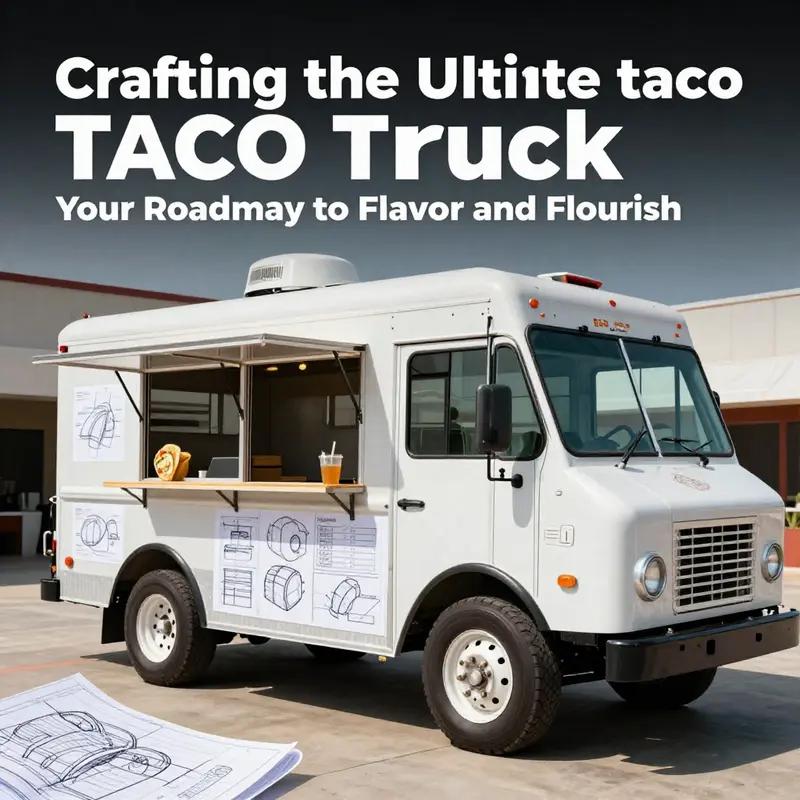
The journey from an idea for a taco concept to a rolling kitchen that reliably feeds crowds begins long before the first steel is cut. It starts with a clear concept—the cuisine you plan to showcase, the kind of guests you want to attract, and the pace at which you intend to serve. That vision will shape every later decision, from chassis selection to the layout of the kitchen, from the choice of materials to the emotional resonance of your branding. A taco truck isn’t merely a vehicle; it is a compact, highly specialized operation that must perform in tight spaces, endure daily wear, and still deliver consistent, flavorful results to customers who judge you in the moment they think they’re about to miss their lunch. With a well-defined concept, you can design a mobile workspace that feels fast, clean, and dependable while also telling a story that resonates with your audience.
The chassis is more than a frame. It is the spine of your operation. You need a balance between maneuverability and durability, with enough interior space to support a functional kitchen that can meet demand during peak hours. Popular starting points include purpose-built van platforms and box-style trucks that maximize interior volume without compromising road handling. The choice between a ready-made chassis and a custom-built box configuration is more than a cost calculation; it determines how you will spread equipment, how you will route utilities, and how quickly you can move from one site to another. Every map of workflow begins with these early decisions, because a small misalignment here can ripple into inefficiency, safety risks, or inconsistent food quality when the truck is crowded with orders.
The design philosophy that guides the layout should lean on the kitchen triangle principle, a time-tested concept in commercial kitchens that minimizes the distance between prep, cooking, and serving areas. In a mobile setting, this means placing the griddle and tortillas near the prep counters, with refrigerated storage nearby to reduce the time you or your staff spend walking. It also means planning for the realities of a moving vehicle: equipment must be securely fastened, joints cleaned easily, and panels finish-resistant to vibration and temperature changes. The choice of materials speaks to durability and food safety. Non-porous surfaces that can withstand frequent cleaning and exposure to heat are essential. Stainless steel remains the workhorse for countertops and cooking surfaces, and a robust but lightweight durable metal such as 6061-T6 aluminum offers a strong structural backbone for framing and supporting equipment. This combination supports longevity and makes cleanup straightforward after a busy service.
As you weigh the practicalities of fittings and fixtures, you will encounter the tension between cost and compliance. A common pitfall is selecting equipment and materials based solely on price or minimum order quantity. A 2025 industry overview cautions against this approach, emphasizing that durable construction and reliable after-sales support ultimately save money by reducing downtime and avoiding compliance headaches. The interior should be modular enough to adapt to your evolving menu while remaining robust enough to endure the jostle of daily use. Modularity isn’t a luxury; it is a practical strategy for a business that must respond to seasonality, local regulations, and changing customer tastes. Think in terms of flexible counters, retractable surfaces, and storage that can be reconfigured as your menu expands or contracts.
When you start translating concept into concrete layout, consider the flow of power, water, and waste. A well-designed mobile kitchen operates like a compact utility system rather than a mere collection of appliances. Power needs can be met through a combination of direct hookups at events and efficient battery storage for off-grid use. Solar panels may offer a useful supplement for lighting and refrigeration during long shifts, but they should be evaluated against the demands of your equipment and the local climate. Water storage and waste management require careful planning too. A potable water system must be reliable, with adequate capacity for dishwashing and routine cleaning. Greywater and waste lines should be routed to maintain hygiene and prevent contamination, with accessible cleanouts for maintenance. These utility considerations are not merely technical details; they determine whether your truck can operate at your chosen venues without constant interruptions or costly downtime.
A critical but often overlooked area is the certification and quality control ecosystem surrounding the equipment you select. You’ll want to verify compliance standards appropriate to your market. For North American operations, UL certification for kitchen equipment offers a measure of safety assurance; in European contexts, CE certification provides similar reliability. Beyond safety marks, you should seek suppliers who maintain ISO 9001 quality management systems, which signal a sustained commitment to process quality and traceable improvements. Material integrity matters as well. Suppliers should offer food-safe materials and coatings that resist corrosion and staining, with seams and joints designed for easy cleaning and sanitation. In practice, this means choosing equipment and surfaces that resist heat, grease, and moisture, while allowing rapid wipe-downs between shifts. The result is a kitchen that stays cleaner, longer, and contributes to a smoother service during the busiest windows. You can then plan the interior with confidence that your chosen components will stand up to daily use and the rigors of mobile operation.
The human element blends with the mechanical when you design the workflow. A kitchen built around the hood and ventilation needs must ensure proper air capture without overwhelming the space. Fire suppression is not optional; it is a foundational safety feature that helps protect both staff and customers and keeps your operation compliant with local fire codes. The ventilation layout should be efficient, with ductwork routed to minimize grease buildup and improve combustion air. The sink setup should provide hot water and a proper handwashing station, while waste disposal should keep contamination risks down and your floor free of slippery runoff. Each of these features is a guardrail against operational breakdowns and health department audits. When the truck is in motion, the design must also accommodate securing all heavy equipment and stabilizing shelves so nothing shifts, tipping hazards are avoided, and the service remains uninterrupted by potholes and sudden stops.
Branding and the customer experience round out the hardware-focused decisions with an emphasis on first impressions and long-term relationships with guests. Exterior design should be bold, legible from a distance, and resonant with the cuisine you plan to showcase. Interior lighting can dramatically alter the perceived quality of service, guiding guests’ eyes to the food and the staff’s performance. The service design—how you stage orders, how you present ingredients, how you manage queues—should emphasize speed without sacrificing hospitality. A clean, bright interior signalizes professionalism and trust, while a dynamic exterior invites curiosity and appetite. The branding strategy must also align with practical realities: a truck that looks great in photos must still perform on windy days, be easy to clean, and remain legible across different lighting conditions and signage distances. In this sense, design becomes a storytelling medium as much as a functional workspace.
From a practical standpoint, the legal and operational framework supports the creative energy of design. You will need to secure permits appropriate to your jurisdiction, such as a mobile vendor license, a health department license, and a business registration. Insurance must cover general liability, vehicle liability, and the specific risks of food handling. Zoning and parking rules govern where you can operate and for how long, so your site strategy must harmonize with city regulations and event calendars. A thoughtful design process includes contingency planning for equipment failures, weather-related disruptions, and supply chain hiccups. It is not glamorous, but it is the backbone of sustainability. A well-planned truck remains a reliable source of revenue even when foot traffic dips or when festival schedules shift. In short, design is a negotiation among speed, safety, story, and stability—the four pillars that determine whether your taco truck thrives or merely survives.
The journey from concept to curbside is iterative. It requires talking with manufacturers, engineers, and peers who have navigated the same path. When you evaluate potential partners, you should look beyond the initial price tag and toward technical capability, clear communication, and after-sale support. A structured evaluation process helps you avoid a rush decision that could lead to compliance issues or durability problems down the road. If you’re unsure where to start, consult resources that distill complex regulatory landscapes into actionable steps. As you refine the chassis and layout, consult resources like Choosing the right food truck for an orientation on how design choices map to operational realities. The impulse to chase the lowest upfront cost can be seductive, but long-term success hinges on a balanced equation of build quality, regulatory alignment, and service reliability.
For those who seek a broader perspective on how to approach the technical and regulatory layers of mobile food vending, additional guidance is available from official channels and industry associations. These sources anchor your design decisions in current best practices and real-world benchmarks, ensuring you do not reinvent the wheel at every turn. The design that pays for itself is the design that integrates reliable equipment, safe practices, and a brand narrative that speaks to your audience in a minute-by-minute street performance. It is in this synthesis that a taco truck leaves the assembly line behind and becomes a portable restaurant that travels to the heart of communities, delivering flavor and experience in equal measure. And as you prepare to hit the road, you will find that every part of the design—every bolt, every panel, every electrical junction—carries the promise that your crew can serve consistently, safely, and with the warmth that makes a taco truck memorable.
In the end, the design and build phase is not a single act but a continuing set of commitments. It is a discipline that respects safety codes, honors the menu you chose, and embraces the energy of the street. Your truck will be tested by heat, cold, rain, and the bustle of crowds, but with a well-thought-out chassis, a clean and efficient kitchen layout, durable materials, and a brand that invites loyalty, you can turn a mobile kitchen into a trusted neighborhood fixture. The road is long, but with a robust blueprint and disciplined execution, every service becomes a demonstration of why a taco truck exists: to bring vibrant, dependable food closer to people, with speed, consistency, and heart. And that is the essence of turning an idea into a daily, thriving street operation.
External insight and technical nuance can further inform the build. For broader context on how modular kitchen concepts and energy strategies intersect with mobile vending, see specialized guidance from the U.S. Department of Agriculture’s Food and Nutrition Service, which outlines considerations for mobile food vending and sustainability in practice: https://www.fns.usda.gov/special-projects/mobile-food-vending
Sparks, Steam, and Sanitation: Essential Equipment and Kitchen Design for a Taco Truck
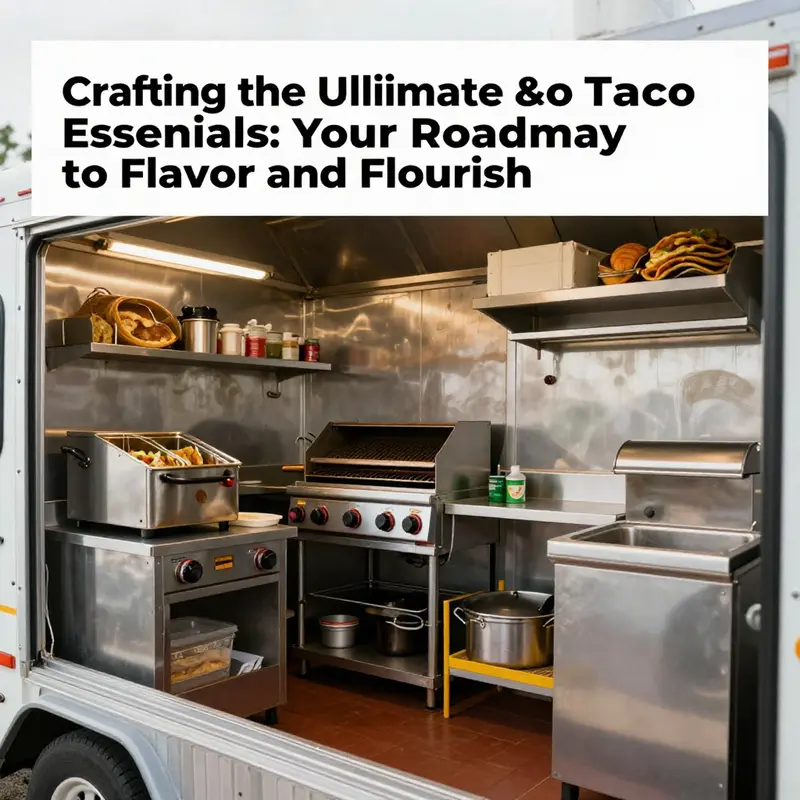
Sparks, steam, and sanitation are not just elements of a good kitchen; they are the heartbeat of a taco truck turned into a reliable business. In a compact mobile space, every inch counts, and the equipment you choose shapes both the menu you can execute and the health of your bottom line. A well-planned setup starts with a clear sense of flow: preparation, cooking, holding, and service all must move in a logical sequence from the moment you unlock the door to the moment the last customer leaves. The goal is a kitchen where heat and cold are controlled, where waste is minimized, and where safety is built into daily routines. The right equipment becomes less about brands and more about how it serves your process, your staffing, and your need for consistency across dozens of service windows in a week.
Central to this is the cooking backbone, the line on which your whole concept rests. A commercial flat-top griddle or grill serves as the true workhorse for tortillas and proteins. The size you choose should reflect your expected volume and the complexity of your menu. A 24 to 36 inch surface often strikes a balance between space and throughput, offering even heat distribution and the ability to multi-task across several proteins without constant tool-shifting. In a taco truck, heat source matters as much as surface area. Gas tends to deliver steadier, more controllable temperatures in the field, where ambient conditions can swing and electrical supply may be less predictable. The griddle is more than a skillet; it is a compact heat engine that shapes your timing, texture, and the very bite of a perfectly seared carne asada or a crisp, caramelized edge on onions and peppers.
Adjacent to the main cook line, a dedicated taco station with heat retention breathes life into your service rhythm. Think of a row of heated wells or a small, integrated warmer unit that keeps tortillas pliable without sogginess. The tortillas are your blank canvas, and keeping them at the right temperature is critical for fast, consistent assembly. The best setups provide adjustable controls so you can adapt to the pace of the crowd and the thickness of your tortillas. The goal is not to burn time but to shorten it; a smoothly functioning tortilla line reduces bottlenecks and makes every order feel effortless to the customer.
If your menu calls for fried items such as carnitas or al pastor, a commercial deep fryer becomes essential. Focus on a unit with a reliable thermostat and a simple grease filtration system to simplify maintenance. Grease management is more than cleaning a tank; it prevents smoke, reduces fire risk, and extends the life of your oil. A well-chosen fryer also supports portion control when paired with appropriate baskets and strainers, helping you maintain the precise crunch and texture customers expect. In a small kitchen, keeping the fat at a stable temperature minimizes oil absorption and ensures that fried components stay crisp long after they leave the scrape of the line.
Storage and prep logistics lie at the heart of a safe and efficient mobile kitchen. A refrigerated prep table with multiple drawers is not a luxury but a necessity for maintaining the cold chain on the move. Raw meats, sauces, and prepped vegetables need separation and clear labeling. The drawers and shelves should be sized to accommodate standard food-grade containers, and the table should be easy to clean with rounded corners and seamless surfaces. Under‑counter refrigeration can be a space-saving option when a full walk-in is impractical, but prioritize a model with easy access and dependable temperature control. Alongside cold storage, durable food-grade storage containers and shelving help you organize dry goods, sauces, and prepped components for quick retrieval. The containers should be BPA-free, nestable, and easy to seal, reducing the chance of cross-contamination and spoilage during busy shifts.
Water and sanitation are the bones that hold your operation upright. A dedicated potable water reservoir with a proven filtration system becomes your lifeline for drinks, washing, and utensil cleanliness. A handwashing sink with hot water, separate from the main prep area, is a health code requirement in most jurisdictions and a practical measure to protect your customers and staff. Even in a compact space, a properly designed handwashing station eliminates the awkward compromises that can creep in during a rush. A built-in sanitizing station, with a simple chemical sanitizer and disposable towels, creates a quick, reliable habit for staff to maintain surface hygiene between tasks. These sanitation elements also influence your workflow: with a reliable system, you can sustain a high service pace without sacrificing safety or quality.
No space is truly mobile without a thoughtful layout that supports what you do most—cook, assemble, serve, and restock—without crossing paths or creating bottlenecks. A modular interior design allows you to tailor cabinetry, pull-out drawers, and vertical storage to your workflow. Some operators adopt a kitchen island concept within the truck, a compact central hub that holds the main grill, prep surface, and sanitizer station, with secondary counters for garnishes and sauces. A robust ventilation system is non-negotiable. A dedicated commercial hood with grease filters protects staff, reduces smoke buildup, and keeps the air in a safe, breathable state during longer shifts. The hood should be paired with a properly sized exhaust fan and ducting that comply with local fire and health codes. Power is your unseen partner in this dance; a dependable generator in the 10 to 15 kW range often fits well with typical truck layouts, though some operators connect to grid power when parked at consistent locations. Whatever you choose, ensure all electrical components are grounded, protected by proper circuit breakers, and installed by qualified technicians who understand mobile food unit requirements.
In the customer-facing heart of the truck, the point of sale becomes a bridge between the back-end prep world and the front-end customer experience. A rugged, tablet-based POS system can handle orders, receipts, and card payments with reliability in a moving environment, while a compact, weather-resistant printer keeps lines moving. Design the service window so customers have a clear view of the menu and the cash handling area remains secure yet accessible. The layout should encourage a natural procession of guests through order, pickup, and any add-ons you offer. Parallel to the technical side, the branding inside and outside the truck should reinforce your concept and help customers feel the story behind each bite. Exterior graphics and interior signage aren’t merely decorative; they guide expectations, communicate freshness, and invite repeat visits.
Choosing the right equipment requires a balance between current menu ambitions and future growth. It is helpful to view your equipment as an investment in consistency, not just a purchase for today. A critical discipline is to evaluate suppliers on more than price. Consider technical capability, reliability of communication, and after-sales support. This is especially true when expanding to multiple service windows or adding new menu items that demand different cooking methods. When you plan, it can be beneficial to consult a comprehensive guide on choosing the right food truck to frame your decisions and set a benchmark for the standards your operation must meet. Choosing the right food truck provides a practical lens through which to evaluate layout, equipment compatibility, and long-term adaptability.
Beyond the day-to-day, it is wise to keep a tight lid on maintenance and cleaning. A schedule that covers daily wipe-downs, weekly deep cleans of the fryer and hood, and monthly checks for seals, gaskets, and connections makes a big difference in longevity and performance. When you design your truck, factor in ease of cleaning into every surface and seam. Rounded corners, removable panels, and washable floors simplify sanitation tasks and reduce downtime. You should also plan for spare parts and consumables such as seals, gaskets, and filters. The most durable setups are those that anticipate maintenance rather than react to it after a breakdown.
From a regulatory perspective, your equipment choices should align with the expectations of authorities who inspect mobile units. Compliance basics include UL standards for kitchen equipment in North America, CE certification for electrical systems in EU markets, and ISO 9001 aligned quality management practices from your suppliers. Although you do not see these codes at a glance during a quick build, they become critical when you seek permits, insurance, or franchise opportunities. The conversation about compliance also touches on material choices. Food-safe metals and coatings that resist corrosion, heat, and frequent cleaning reduce the risk of contamination and extend the life of your investment. Materials such as sturdy metals with protective linings and surfaces that tolerate high temperatures under repeated cleaning cycles are worth prioritizing. The structural integrity of your truck depends on these choices because fatigue and wear appear in the edge of a door seam or the corner of a prep bench long before it becomes a visible problem.
As you map this equipment and layout, remember that the goal is a kitchen that feels efficient and calm even during peak hours. The operator should be able to move from marination to grilling to assembly without retracing steps or wasting precious minutes. The design should accommodate a small crew but be forgiving of mistakes. Intentionally plan for scale so you can add a second station or a second line if your concept expands. And while you plan, take on a mindset of continuous improvement. The first build is your baseline; the best trucks evolve with feedback from staff and customers. The overarching message is simple: good equipment and thoughtful layout do more than support cooking; they enable a brand experience grounded in reliability and speed.
For guidance on broader business considerations around launching and running a food truck, it helps to consult resources that outline not just what to buy but how to operate. A structured approach to procurement, compliance, and ongoing maintenance will pay dividends in the long run. When you begin sourcing, keep the relationship with your supplier as a long-term partnership rather than a one-off transaction. This mindset supports easier upgrades, faster problem resolution, and better planning for expansion. In practice, you will find yourself revisiting the same core questions year after year: Is the equipment meeting my throughput targets? Are cleaning and maintenance routines simple enough for my team to perform without disruption? Is the layout flexible enough to handle menu shifts or seasonal changes? The answers to these questions are the difference between a truck that simply exists and a thriving mobile kitchen that earns trust from customers and communities.
External resource links and standards provide a framework to check your plans against established practice. For safety standards and fire service related considerations that also inform mobile food unit safety and construction, consult NFPA 1000 and related regulatory resources. While the primary focus of NFPA materials is not food service, the alignment of safety, training, and competence codes offers valuable context for the preparations you make as you build and operate your taco truck.
In short, the kitchen inside a taco truck is a crafted ecosystem. It blends the heat of the grill, the coolness of refrigeration, the reliability of a clean water and sanitation system, and the discipline of a workflow that keeps people fed quickly and safely. Equip it with purpose, design it for flexibility, and maintain it with care, and you create a foundation that supports a culinary concept from first service to hundreds of repeat days. The equipment you choose should embody a philosophy: quality over impulse, safety over speed, and scalability over fitting the present moment. When the truck finally rolls, it should feel like a place where the art of taco making meets the discipline of a well-run business.
External resource: https://www.nfpa.org/Publications/Code-Books-and-Other-Resources/NFPA-1000-Standard-for-Professional-Competence-of-Fire-Service-Workers
Final thoughts
The road to establishing your taco truck business requires creativity, diligence, and a keen focus on quality and compliance. As you navigate the flavorful world of mobile cuisine, remember that every component—from your menu design to your vehicle’s build—plays a crucial role in your success. With a unique concept, thorough planning, and the right equipment, you’re all set to delight customers and make your mark in the taco scene. So gear up, grab those spices, and hit the streets!