
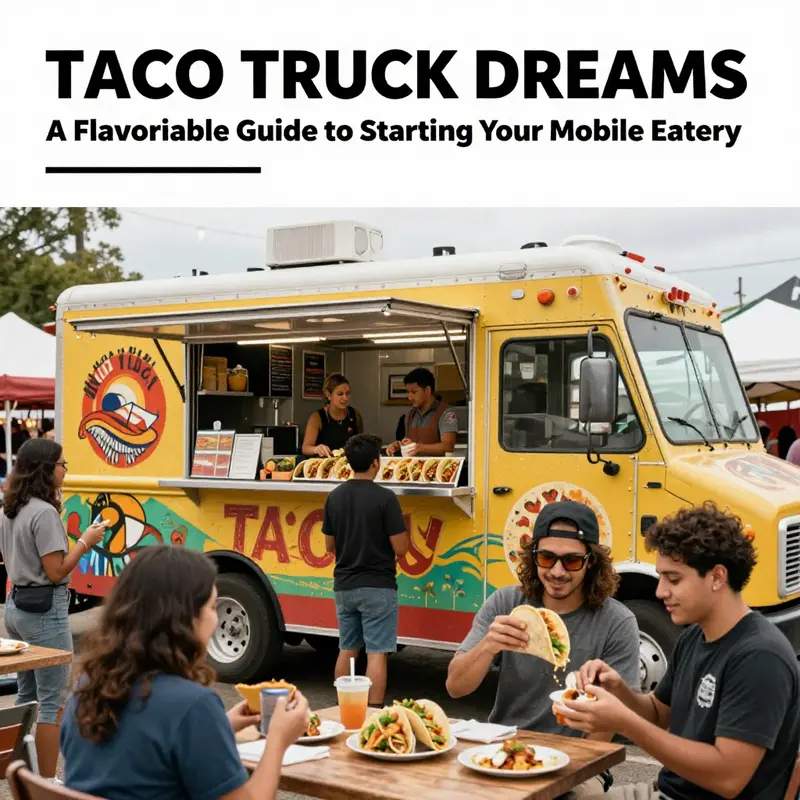
Launching a taco truck is like setting sail on a sea of flavors, innovation, and entrepreneurship. For taco lovers yearning to bring their passion for Mexican cuisine to the streets, understanding the financial investment involved is crucial. From the wheels that will carry you on your delicious journey to the vibrant flavors you’ll serve, every element of this venture has its associated costs. This guide provides an appetizing breakdown that explores vehicle choices and equipment, the often-overlooked permits and licensing, and budgeting for that enticing initial inventory and marketing. As you dive into each delicious chapter, you’ll gain the knowledge to whip up a successful taco truck operation, preparing you for the culinary adventure ahead!
null
null
null
null
Stock Up and Stand Out: Budgeting Inventory and Marketing for a Taco Truck That Sizzles
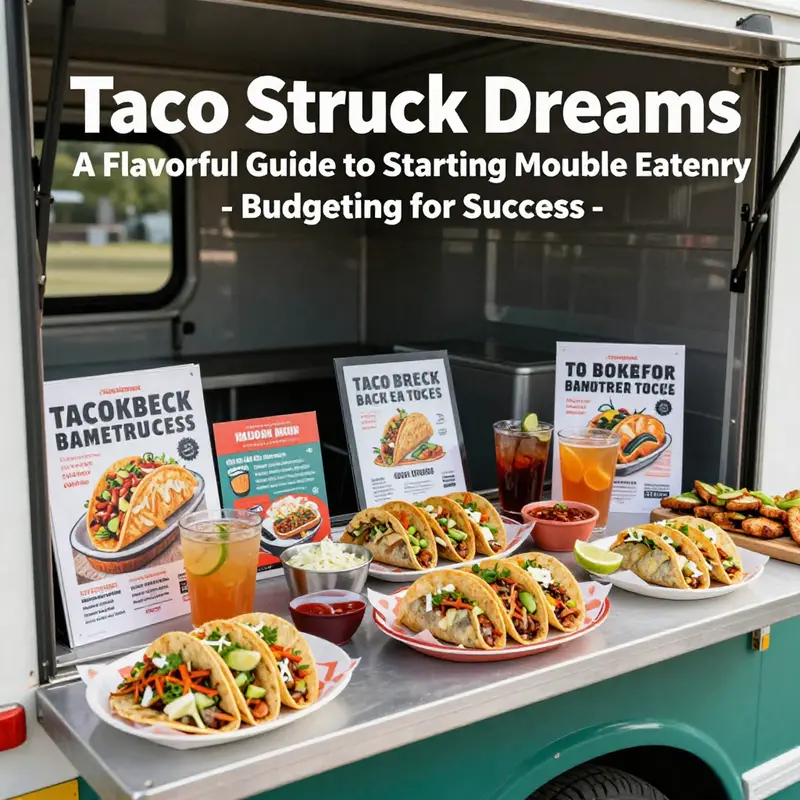
The heart of launching a taco truck lies not just in the sizzle of the grill but in the quiet, steady science of budgeting for what you stock and how you tell the world about your flavors. In the early days, the line between a thriving cart and a garage experiment is often measured in how well you anticipate the balance between inventory and marketing. You may have a sharp menu concept, a loyal recipe, and a truck that runs, but without the right initial inventory and a plan to shout your name from the street, even the best tacos can go cold before they ever hook a regular crowd. The budgeting framework you adopt in these first weeks will ripple through your profitability for months or years to come, shaping not just your cash flow but the quality of your service and the momentum of your brand.
Consider the numbers that industry guidelines propose: allocate roughly 10% to 15% of your total startup capital for initial inventory, and earmark another 10% to 20% for marketing efforts. These percentages are a starting compass, not a rigid rule. They apply whether you’re spinning up a modest cart on a shoestring or rolling out a larger, more ambitious operation. If you’re budgeting a $70,000 startup, that means about $7,000 to $10,500 for initial stock and roughly $7,000 to $14,000 for branding, signage, digital presence, and customer outreach. Those figures are not hard dollars carved in stone, but they give you a disciplined way to think about how much you need to have on hand to perform on day one and how visible you want to be in your first months of testing the market.
Inventory is more than a list of ingredients. It is a contract with your daily operation. Your initial run must cover the foundational components of your menu—tortillas that arrive fresh, proteins that meet your standard for texture and flavor, cheeses that melt in just the right way, vegetables that maintain crunch and color, and a cadre of sauces and condiments that define your distinctive profile. Then there is the packaging—tubs, clamshells, napkins, lids, and sealed bags—that ensures your product travels well and remains warm or protected until a customer bites in. You cannot simply order a “little of everything” and hope for the best. The goal is to forecast how many meals you can reasonably sell in the first two to four weeks and stock to that level without bottling cash in unused, unsold ingredients.
A practical approach is to forecast your inventory by the service model you envision. If you plan a trailed schedule, serving five days a week with two peak lunch windows and occasional weekend events, you’ll want enough tortillas for, say, 60 to 100 portions per day, scaled to your predicted sales velocity. The meat or protein you choose should align with that forecast; if you’re leaning heavily into beef, you must consider supplier lead times and potential price volatility. Dairy, produce, and fresh produce need even more aggressive inventory control because of perishability. The goal is not to maximize variety on the first day but to secure a reliable core menu and the staples that will consistently meet demand. Keeping inventory lean at the outset helps you avoid waste and frees cash to pivot quickly to the items customers respond to most.
The marketing portion of the budget operates on a parallel rhythm. Branding is not a one-off cost but an ongoing investment in visibility and trust. This includes a well-designed logo, cohesive signage, and a consistent color story that makes your truck recognizable from a block away. It also encompasses digital presence—images of your food that evoke the aroma of your kitchen, a landing page or simple site to anchor your social profiles, and a recipe for how customers discover you, whether through a recurring street location, a rotating circuit, or event appearances. In the early days, promotional energy should be concentrated on high-impact channels rather than broad, unfocused campaigns. A soft launch week with limited-time offers at a handful of events, followed by a refreshed push as you gain data on your audience, is typically more effective than a broad, expensive banner campaign with uncertain ROI.
Within the budgeting frame, there is a crucial distinction to consider: the modality of your vehicle. If you start with a repurposed van or a basic trailer, your upfront inventory and marketing budget can be allocated with more flexibility because the vehicle costs are comparatively contained. If you choose a motorized taco cart equipped with built-in grills, refrigeration, and warming units, the upfront investment climbs, and so does the complexity of operations. The higher initial cost is often justified by longer operating hours, improved food consistency, and the ability to service a wider range of events. However, this option also invites additional ongoing costs—maintenance, fuel or electricity, and potential licensing that covers the vehicle itself as well as the food service capability. In budgeting terms, you should plan for these indirect costs as part of your operating reserve, and you should factor the possibility of higher initial stock levels if the cart expands your service window and customer reach.
Permits and compliance sit at the base of your budgeting pyramid because no testing of product or marketing will sustain itself without lawfully operating. Local and state requirements vary widely, and the costs can range from modest to significant depending on your city’s health department, business licensing rules, and mobile vendor stipulations. For one major example, a city like Austin has shown how a thriving food-truck ecosystem can coexist with a robust licensing framework; the costs you face there—health permits, business licenses, and mobile vendor certifications—are real and accumulate quickly if you neglect them. The SBA emphasizes a thorough, location-specific review of permits and regulatory requirements before launch, because missteps here can lead to fines, temporary shutdowns, or revenue loss that dwarfs other initial investments. To put this into practical perspective, you might be looking at a range of roughly $1,000 to $5,000 in permit-related expenses in larger markets, though the exact figure depends on your jurisdiction and the scale of your operation. That portion of the budget is not optional; it is the scaffold that holds the entire enterprise upright.
In the spirit of grounded guidance, it helps to have a simple budgeting example that you can tailor. Suppose your total startup capital lands at $70,000. Your initial inventory and packaging might occupy the 7,000 to 10,500 range, while marketing investments sit between 7,000 and 14,000. Permit costs, insurance, and the first wave of licenses would be layered in on top of that, and you would reserve a portion for the capital needs of your first weeks of operations—fuel, minor repairs, and a small contingency fund to cover unplanned expenses. Adapt this framework to your real numbers: if you’re using a used truck with a basic interior, you may be able to push more into initial inventory and marketing; if you’re building a premium new truck with a high-end build-out, you’ll likely want to plan for a larger contingency and a more deliberate ramp on inventory purchases.
The practical art of inventory management comes down to forecasting sales, establishing vendor relationships, and building redundancy into your supply chain. You want dependable sources who can deliver fresh tortillas, meats, and produce on tight schedules, with back-up options if a supplier is temporarily unavailable. Establish a loop where you monitor usage daily, compare it with your forecast, and adjust your orders in weekly cycles. This discipline reduces the risk of stockouts that frustrate customers and reduces overstock that erodes cash flow. For your branding and marketing, think in terms of a staged approach: a strong initial footprint that draws the crowd, followed by a steady cadence of promotional activities that reinforce recognition and loyalty. The objective is to produce consistent quality and a memorable experience so that every customer walk-away feels like a repeat invitation rather than a one-off encounter.
A note on visibility: your marketing should be as mobile as your vehicle. If your cart roams a fixed circuit, you can optimize your spend by concentrating on preferred routes, partner events, and community gatherings where foot traffic and appetite align. If you’re part of a larger street-food ecosystem, you might coordinate with neighboring vendors to create a mini-brand presence that signals a shared quality standard. The content and visuals you deploy—photos of your signature tacos, crisp signage, and a clear value proposition—will become the first impression many potential customers have of your concept. In the earliest days, small, memorable promotions—such as a launch-day special, a loyalty card for repeat customers, or a “kids eat free with adult purchase” offer—can yield disproportionate returns by generating word-of-mouth momentum and social proof that attract new fans.
The SBA’s role in this process is not merely advisory; it’s practical. They encourage you to research the precise local jurisdictional requirements and to build a compliance plan into your startup budget. This means mapping out the permits you must obtain, the health inspections you should expect, and the regulatory steps your operation will traverse as it scales. The path to legal, sustainable beginnings is paved with homework, file reviews, and timely renewals, so that you can focus on what you do best—delivering flavorful tacos with reliability. For an overview of the regulatory foundation, see the SBA’s guidance on navigating legal steps for launching a food business. This is not just about safety; it’s about building trust with customers and with city authorities who ensure food trucks contribute positively to the local dining landscape. You can read more here: Legal steps for launching a food truck.
As you finalize the allocation between inventory and marketing, keep a vigilant line of sight on the total cost of ownership. It’s easy to fixate on the sticker price of a truck or a piece of equipment, but the long-term costs—insurance, maintenance, fuel, electricity, and occasional upgrades—will consume more of your financial roadmap over time. Your initial numbers should reflect this reality by including a modest emergency reserve that covers at least one or two months of fixed costs and a cushion for unanticipated price changes in ingredients or rising labor costs as you begin to hire or contract helpers for peak periods. A disciplined approach—counting every line item, attaching a realistic forecast to it, and revisiting the budget weekly in the first quarter—will prevent the cycle of chasing cash and white-knuckle demand you sometimes see in early-stage food ventures.
In sum, inventory and marketing are the dynamic duo that determines whether your taco truck becomes a fixture in the communities you serve. With careful planning, you can secure a reliable supply of core ingredients and a credible, appealing presence that makes customers want to return. The numbers give you guardrails; the daily discipline of ordering, stocking, and messaging turns those guardrails into a functioning machine. When you put the two together—quality stock that meets the moment and a marketing strategy that translates into real, repeat customers—you build the foundation for a sustainable, scalable operation. And while the road may require adjustments—seasonal menus, shifting event calendars, and evolving consumer tastes—the budgeting mindset remains consistent: allocate thoughtfully, monitor closely, and invest where return is most tangible for both your tacos and your brand.
External resources can provide further clarity as you map your path. For a broader, official view on how to approach this process, the U.S. Small Business Administration offers an extensive repository of guidelines and local resources that can help you drill into specifics for your city. Explore their insights to tailor your budget and compliance plan to your actual operating environment: https://www.sba.gov. And to keep your planning grounded in practical steering from peers and experts who have walked this road, you can also consult a range of industry-focused articles and checklists that cover choosing the right food truck, legal steps, and maintenance best practices. A solid, locally informed plan anchored by inventory and marketing discipline will reduce friction and increase your chances of turning a first month into a first year of steady sales and growing community trust.
Final thoughts
When it comes to starting a taco truck, knowledge is your best ingredient for success. From understanding the costs of vehicles and equipment to navigating the maze of permits and marketing strategies, each aspect plays a vital role in your culinary journey. As you embark on this flavorful adventure, remember to savor every step, and don’t hesitate to start small. With passion and the right insights, your taco truck can become a beloved staple on the streets, tempting taste buds and spreading joy through every delicious bite. Embrace the journey, keep experimenting, and let your taco truck shine!