
As weddings evolve, couples are seeking innovative and flavorful catering options, and what could be more exciting than a taco truck? For cuisine lovers and taco enthusiasts, a taco truck can transform your special day into a fiesta of delicious bites. However, understanding how much to rent a taco truck for a wedding involves factors like cost analysis, menu customization, location impact, duration of service, and vendor comparisons. This guide will immerse you in each element, ensuring your taco truck experience is as delightful as the culinary creations it brings to your celebration.
Pricing on the Move: Mapping the Real Cost of Renting a Taco Truck for Your Wedding
Renting a taco truck for a wedding is more than food; it’s a moving centerpiece that can shape the mood, flow, and budget of your day. Most quotes arrive as a base package plus per-guest additions, or as a full-day rate that covers a defined service window and a complete menu. In practice, many vendors offer a hybrid model that blends both approaches, making it possible to scale with guest counts and timing.
The broadest starting point is a base price that covers the truck, crew, setup, and teardown, plus a curated menu. In many markets this base sits somewhere around $1,500 to $3,500 for a full-day commitment, with higher figures in larger cities or for trucks with premium ingredients, live-fire preparation, or a dedicated event captain. Add-ons like extended hours, premium ingredients, extended staffing, or special equipment can push the total higher, while belts-tightened packages may keep you closer to the lower end.
Per-person pricing offers another common frame, typically ranging from about $15 to $30 per guest, with premium service models climbing toward $25–$35 per person. This approach can help when guest counts are uncertain or when you want to align food costs with the overall reception timeline. The final tally will still hinge on the same core factors: guest count, menu complexity, service duration, and travel or delivery requirements.
Beyond the headline price, consider how the truck’s footprint fits your day. Staffing levels, food safety practices, on-site service discipline, and timing all influence value. Transportation, insurance, permits, and on-site logistics can add meaningful line items, especially if the venue has strict rules or heavy load-in requirements. A long reception with late-night bites often means higher staffing ratios and additional equipment.
To compare quotes effectively, request a written scope that itemizes what’s included and what isn’t—setup, service window, staff-to-guest ratios, and any mandatory gratuities or delivery surcharges. Ask for tastings or sample menus to verify quality, and confirm how dietary accommodations are handled and billed. When you see the full picture at a glance, you can distinguish essential costs from optional add-ons and align the package with your wedding’s style and budget.
Flavor as a Framework: Menu Customization and the Real Cost of a Wedding Taco Truck
When couples imagine a wedding feast, the image often blends memories, cultures, and shared favorites into a single, savory story. A taco truck can be the vibrant centerpiece of that story, offering flavor, flexibility, and a memorable experience that mirrors the couple’s personalities. Yet the appeal of a mobile kitchen goes beyond convenience. Menu customization is the quiet engine behind the magic, shaping guest delight while quietly steering the cost of the event. The price you pay is as much about the scope of service as it is about the plates themselves. In other words, customization drives demand on the back end, just as it drives the applause at the tasting. A well-crafted menu can reduce lines, synchronize service with the dance floor, and accommodate a range of dietary needs without sacrificing the festive mood. The result is a cohesive event rhythm where food supports the flow rather than disrupts it, and that rhythm can be a decisive factor in how your guests remember the day.
At the core of customization are the choices you make before the truck arrives. Protein options typically include staples like carne asada, al pastor, carnitas, and chicken, with vegetarian options to ensure everyone finds something beloved on the menu. The tortilla decision matters too: corn or flour can change both texture and flavor profile, and many menus blend the two to offer a soft taco with a crisp finish. Toppings and salsas, from bright pico de gallo to smoky chipotle or house-made pickled onions, become the signature accents that elevate a wedding taco spread from good to unforgettable. A build-your-own approach, often rendered as a taco bar or bowl station, can speed service during peak moments while granting guests a degree of customization that makes the meal feel personal. In practice, this means fewer bottlenecks and more smiles as guests craft their own bites, which is especially valuable when the wedding timeline is tight and the reception space shifts between mingling, photos, and dancing.
Beyond the plate, interior layout customization allows the truck to adapt to the venue’s footprint and the couple’s aesthetic. Modern taco trucks frequently feature modular setups that can be reconfigured to accommodate additional equipment such as grills, warmers, and dedicated tortilla stations. That flexibility supports a broader menu, enabling operators to expand offerings to burritos, quesadillas, or even desserts without overhauling the kitchen. The result is a more resilient service model that can scale with guest counts and changing weather, a crucial consideration for outdoor receptions. It also means the couple can tailor the presentation to fit the wedding’s theme, whether they favor a rustic, beach, or urban chic vibe. Of course, this kind of customization encounters regulatory realities. Local rules governing the use of fryers and grease trap systems in areas with strict environmental standards can influence menu decisions, particularly if a venue requires certain waste management practices or odor control. Effective menu planning thus becomes a balance between culinary innovation and practical feasibility, ensuring that the most exciting ideas translate into delicious reality without triggering compliance snags.
Entrepreneurs and planners alike should approach this space with a dual lens: artistry and operability. For those exploring the option of a food truck for a wedding, platforms and suppliers that connect buyers with mobile kitchens offer a path to sanity-saving steps such as safety certifications, space requirements, and equipment configurations. The aim is not to chase novelty at the expense of reliability but to harness technology and design to deliver consistent quality in every service window. While the conversation often turns to the menu, the human element remains essential: attentive staff who can manage crowd flow, explain the offerings, and keep service moving with a friendly efficiency that makes guests feel cared for rather than corralled. In practice, it helps to engage early with the vendor about customization needs, confirm food handling standards, and discuss how dietary accommodations will be executed in the kitchen and on the line.
The financial aspect of customization sits at the intersection of menu breadth, staffing, and logistics. The overall cost to rent a taco truck for a wedding generally ranges from several hundred dollars to a few thousand per day, with the exact figure shaped by location, the truck’s reputation, menu complexity, and service duration. A typical basic package in smaller markets might sit around the lower end, while premium, well-known trucks in large metropolitan areas can push past the upper end, especially in peak wedding seasons. In practical terms, expect a baseline around five hundred to eight hundred dollars per day for simpler menus and limited staffing, rising to roughly one thousand to fifteen hundred dollars for more curated offerings and robust staffing. A full-day interpretation—six to eight hours—often includes the truck and its chefs, a customized menu aligned with the wedding theme, and setup and teardown, with basic staffing baked into the rate. Delivery and equipment logistics can add to the total, particularly if the venue lies outside the truck’s normal service radius or if the event requires special permits.
Negotiating the precise scope of service matters as much as the menu itself. In major markets, a taco truck might quote around twelve hundred dollars per day, sometimes with a deposit in the two to three hundred-dollar range, for a middle-tier experience that features a couple of protein options, standard toppings, and a dedicated service window. In smaller cities, a comparable level of service can be found for six hundred to eight hundred dollars, reflecting different labor costs, travel considerations, and market demand. Some vendors include staffing in the base price, while others charge per server, adding a predictable add-on as guest counts rise. Delivery fees, minimum guest requirements, and extended-hours surcharges can all influence the bottom line. When the guest list grows, so too can the need for additional staff or longer service hours, pushing the total closer to the premium end of the spectrum. It is therefore essential to obtain a clear, itemized quote that specifies whether food, labor, setup, teardown, and transport are included, and whether any premium ingredients or specialty menu items are billed separately.
For couples aiming to make informed decisions, it helps to compare quotes across several local operators. A practical starting point is to consult a guide that helps couples evaluate the right fit for a wedding, including how the truck’s capabilities align with the venue layout and the couple’s culinary preferences. A good approach is to request a proposed menu, a timeline for service, and a breakdown of all charges, from labor to delivery to potential overtime. This also offers an opportunity to discuss dietary accommodations, which can be integrated into the final plan without slowing service. When you land on a configuration that feels right, you may discover that a build-your-own taco bar is not only more engaging for guests but also more forgiving on cost, as it can streamline kitchen flow and reduce the need for multiple specialized stations. For further insight into choosing the right mobile kitchen, a practical guide on Choosing the right food truck can be a helpful reference. Choosing the right food truck.
The conversation around customization and cost does not end with the initial quote. A well-designed package often includes décor coordination or dietary accommodations as part of the service, reflecting the growing trend toward turnkey wedding experiences. Vendors may offer color- and theme-coordinated presentation elements or adapt the setup to align with a wedding’s aesthetic, from rustic to modern. In some cases, the cost savings come from smart menu design rather than fewer offerings. For instance, a focused set of signature tacos, thoughtfully paired toppings, and a couple of sides can deliver maximum impact with minimal complexity. This approach also reduces waste, speeds service, and keeps guests satisfied throughout the evening. And because weddings unfold over several hours, the ability to curate a menu that remains exciting without requiring continuous improvisation is a technical skill as much as a culinary one. The goal is to harmonize taste with tempo, ensuring the taco truck contributes to the day’s energy rather than competing with it.
As you plan, bear in mind that a robust menu and a flexible service model can be the most economical path to a memorable wedding feast. The cost framework—whether framed by a baseline package or an elevated, chef-driven menu—should always be evaluated in light of guest experience, venue constraints, and the couple’s priorities. The best path is to start with a clear sense of the guest count, dietary needs, and timing, then invite vendors to translate that into a workflow that satisfies both palate and pacing. For more context on supplier configurations and the dynamics of mobile kitchens, an industry profile of all-purpose truck setups provides additional perspective. In the end, the value of a taco truck at a wedding is not a single price tag but a carefully balanced equation of flavor, service, and atmosphere. The right combination creates a receptacle of joy where guests linger, savor, and celebrate—the moment when food becomes part of the story rather than a checkpoint on the timeline. And when that balance is achieved, the wedding day itself feels more effortless, more personal, and more delicious. For broader supplier context, see the external resource linked here: https://www.alibaba.com/product-detail/Allbetter-Fast-Food-Truck-Custom-Size-Mobile_1600825934735.html.
Geography at the Barbacoa Table: How Location Shapes the Price of Renting a Taco Truck for a Wedding
Geography can feel like a quiet sponsor of your wedding feast. When you picture a taco truck rolling onto the lawn, it isn’t just about the menu. It’s about where that truck sits, how far it must travel, and what the local market charges for labor, fuel, and permits. The broad price range—roughly $1,500 to $3,500 or more for a full day—reflects not a single recipe but a patchwork of costs that shift with location, logistics, and expectations. In urban centers with dense demand and higher wages, the price tends to creep toward the upper end, even for a relatively simple setup. In smaller towns, where the competition is softer and overhead costs are leaner, a full day can land in the mid to low range, sometimes under $1,200. Those numbers aren’t arbitrary; they’re a map of the realities behind mobile cooking on a wedding day.\n\nTake major metropolitan markets. A wedding in New York or Los Angeles means a taco truck must navigate tight parking, long drives, and city-specific permits that can add to the bottom line. Labor costs rise with the pace of city life, and the demand curve for event services is steep. A 6–8 hour service window is treated not just as a block of time but as a precious resource that vendors price with precision. Travel fees, minimums, and sometimes congestion surcharges can be layered onto the base package, especially if the service area spans multiple neighborhoods with different access rules or parking constraints. The result is a price tag that looks higher on the page, but often includes a more comprehensive on-site experience: a polished setup, a seasoned team, and a menu crafted to fit a formal wedding timeline.\n\nIn rural or smaller-town settings, the story shifts. The same eight-hour window can translate to a far friendlier price, driven by lower overhead, calmer traffic, and less competition for the vendor’s calendar. The lack of premium urban logistics means less spent on parking management, fewer power and permit hurdles, and often simpler delivery routes. However, rural pricing isn’t purely a budget win; it can still involve a premium if the venue is particularly remote or if the truck must cross long distances to reach a remote site. The net effect is that rural weddings often land toward the lower end of the price spectrum, with room to add on specialty items or extended service if the day runs longer than planned.\n\nThat geography matters inside a city as well. A wedding in a trendy urban district can carry premium rates, not just because everything costs more there, but because the logistics are more complex. Parking is scarce, traffic is unpredictable, and the timeline for setup can coincide with other events or street closures. A similar venue in a quieter suburb can be dramatically easier to serve—more predictable access, better parking, shorter drives for staff—and that ease is reflected in the price. The neighborhood never exists in a vacuum; it threads through every phone call, every trip to the venue, and every negotiation over who covers the delivery mile. A well-priced quote in one part of town can become a different number entirely a few miles away due to access, time windows, and local permit requirements.\n\nTravel is a frequent culprit behind the final tally. It’s common to see delivery charges tacked on for locations outside the vendor’s regular service area, and many teams include a buffer for fuel and time spent circling the venue to locate the ideal setup spot. If your ceremony and reception are split across campuses or if you’ve rented a park or garden that sits beyond the usual drive radius, those add-ons can push the total upward. And because so much of the wedding experience hinges on timing, any extra minutes spent on the road or a late arrival can ripple into staffing costs, additional hours, or even a modified menu to fit a compressed schedule.\n\nAll of this is not a cautionary tale but a landscape that invites smart planning. Location should inform more than just the choice of taco fillings; it should shape your entire expectations around service quality, timing, and what your guests will remember. If you’re in a city, build a cushion into your timeline for access problems or curbside constraints. If you’re in a rural setting, consider how the drive and the power needs might affect the overall package and whether the truck can operate comfortably within your venue’s amenities. The aim is to align the site with the service model you’re paying for, not to bend the truck to an arbitrary plan.\n\nWhen you start gathering quotes, you’ll notice packages that bundle more into the price and others that tease a lower entry point with à la carte add-ons. The typical inclusions—truck and its chef, a customized menu, setup and teardown, and basic staffing—often come as a baseline. But the real valuation lives in how well the location, timing, and guest count are integrated. Extended hours beyond the standard six to eight, premium ingredients, specialty taco or dessert stations, delivery beyond a certain radius, and even the option to serve alcohol can alter the math significantly. The trick is to see the full scope of what you’re buying and to compare apples to apples: a full-day package in one neighborhood against a shorter window or a more limited scope in another.\n\nTo navigate these choices, Choosing the right food truck becomes less about chasing the lowest price and more about ensuring the vehicle, the kitchen team, and the menu harmonize with your locale and your guest experience. Some couples find value in a truck that has the flexibility to tailor its hours and services to fit a city wedding’s rhythm, while others prefer a straightforward, all-inclusive rural package that minimizes day-of decisions. In either case, it’s wise to request a detailed itinerary from the vendor that reflects the actual site constraints: parking access, power needs, load-in time, and the exact service window. This transparency helps reduce stress on the wedding day and ensures the cost you commit to matches the day you envision.\n\nSeasonality and local market conditions can further complicate or simplify the equation. In peak wedding seasons, when demand surges and every weekend is booked months in advance, you may encounter higher baseline rates or shorter hold times on popular slots. In off-peak windows, vendors might be more willing to negotiate, throw in a few extras, or adjust the menu to accommodate a smaller guest count without compromising the experience. Either way, early engagement is your ally. By reaching out well in advance, you give yourself leverage to explore different site configurations, understand the travel implications for nearby venues, and tailor a package that feels both authentic to the locale and generous to your guests.\n\nLocation, at its core, is about more than geography; it’s about the flow of a wedding day—the pace at which food appears, the way guests circulate between spaces, and how easily a crew can anchor itself without crowding parking or disrupting nerves. If you choose a venue that sits in the heart of a dense neighborhood, you might trade a lower price for a more intricate planning process. If you opt for a pastoral setting with ample grounds, you may gain simplicity but potentially pay more for logistics that ensure a smooth, appetizing service. Either path invites a thoughtful approach: understand the constraints, align them with your guest experience, and let location be a guide rather than a gatekeeper.\n\nExternal reference and broader budgeting context can help you calibrate expectations. For broader budgeting benchmarks, see The Knot’s Real Wedding Costs.\n\n
Timing the Feast: How Long a Taco Truck Stays at a Wedding and What It Costs
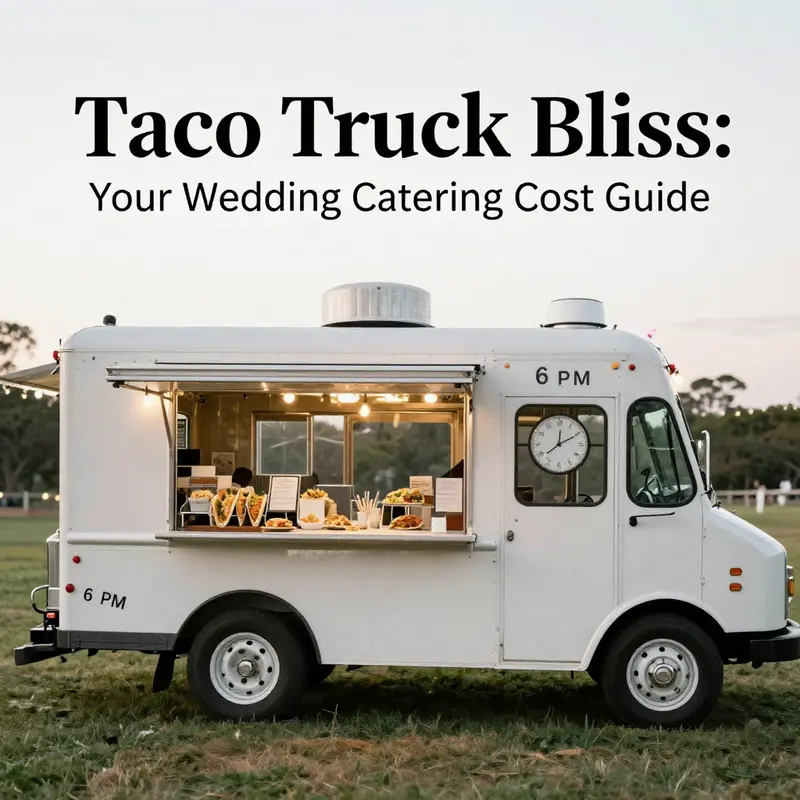
Timing the feast on a wedding day is about shaping the guest experience rather than a rigid clock. A taco truck, with sizzling grills and the aroma of citrus, becomes a mobile centerpiece that can set the mood alongside the vows and speeches. The duration of service is both a practical constraint and a creative opportunity. Most taco truck vendors offer packages that cover a window of four to eight hours, a range that mirrors how couples structure their day—from ceremony to cocktail hour to a dinner that flows into late-night mingling. A six-hour window often works well, typically from early afternoon through the early evening, such as a 12:00 PM to 6:00 PM timeline. This cadence allows guests to arrive, mingle, and savor tacos as the day unfolds, balancing ceremony formality with reception energy.
From a planning perspective, the chosen duration should harmonize with other catering, bar service, and entertainment. For longer celebrations, couples may extend service into a late-night bite or add a second wave of service after dancing begins. Others opt for a more focused approach, using the taco truck for a specific segment like a post-ceremony cocktail hour or a late-afternoon appetizer window. In these cases, the truck might operate for four hours, with other stations filling the rest of the evening. The key is to map the event timeline first, then fit the culinary moment to that map rather than bending the day to a clock.
Price dynamics follow the same logic of fit and flexibility. The base cost to rent a taco truck for a wedding typically sits in a broad band—often around 1,500 to 3,500 for a standard six-to-eight-hour window. This range reflects what the package usually includes: the truck and crew, a customizable menu, setup and teardown, and a basic level of staffing. Longer service, more complex menus, or premium ingredients push the price higher. Overtime charges for extra time and delivery fees for distance can also apply. Premium ingredients or alcohol service, if offered by the truck, further raise the cost.
Location adds another layer of variation. Metropolitan areas with higher costs and tighter logistics often see higher prices, while rural or suburban settings may offer more economical options, though travel, permitting, and access can still affect the bottom line. The truck’s reputation also matters: a well-known operator may command a premium for reliability and performance. Menu complexity matters as well: a straightforward taco lineup generally costs less than a chef-driven, multi-course approach.
For couples, the practical takeaway is to negotiate with clarity. Ask for a written scope that itemizes what’s included in the base price, such as setup, service time, staffing ratios, buffet or plated service, and whether overtime is included or charged separately. Inquire about power requirements and any venue restrictions, as well as weather contingencies. Some vendors offer add-ons like dish customization to fit a wedding theme or coordination services to align the truck with décor and dietary accommodations. The more transparent the conversation, the easier it is to avoid surprises while preserving the day’s flow.
Beyond the numbers, there is the experience. A taco truck can be a festive focal point that encourages social interaction and a relaxed atmosphere. The timing of service should feel natural to the day’s rhythm, not forced into a machine-like sequence. If a dramatic welcome with tacos is desired, a shorter early block might work. If the plan includes a long evening of dancing, a longer window with staggered service pieces can keep energy high without disrupting the flow. Sharing a customizable menu—such as a signature taco or two that nods to the couple’s heritage—can elevate the experience while staying within budget.
For additional context, readers can consult wedding planning resources for current pricing benchmarks by region and market trends. Compare quotes side by side, review what each package includes, and ensure a written contract with cancellation terms and a rain plan. The taco truck can travel with the day as a flavorful, flexible thread that aligns with time, budget, and the couple’s story.
The Taco Truck Equation: Reading Price, Prestige, and the Perfect Menu for a Wedding
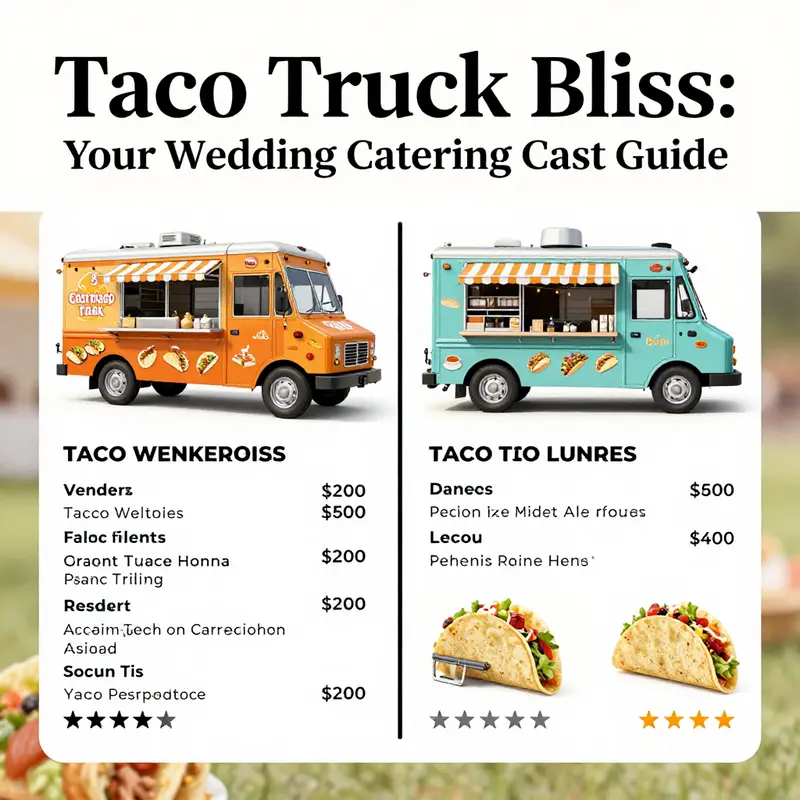
Choosing a taco truck for a wedding is rarely just about the bottom line. It is, in many cases, a negotiation between appetite and memory. The wedding day is a moment couples want to feel distinctly theirs, and food becomes a medium through which that sense of ownership is expressed. In practice, this means pricing is not a single number but a spectrum shaped by location, the truck’s reputation, the complexity of the menu, and how long the service lasts. The base rental for a full-service taco truck on a wedding day often lands somewhere between $1,500 and $3,500 for an 6–8 hour window. That range can feel straightforward until you factor in what’s included and what isn’t. The truck and its crew may come with a customized menu—think wedding-themed tacos or signature plates—along with setup, teardown, and basic staffing. But the moment you consider longer events, premium ingredients, or specialty items, the price ladder climbs quickly.
In these moments, vendors operate within a pricing ecosystem that nods to emotion as much as to economics. The proposition that couples are “doing this once” is often cited as a justification for premium pricing. It’s not merely the cost of the equipment; it’s the cost of a curated experience—the staff who plate and replenish, the permits that keep service compliant, the delivery logistics that ensure the truck arrives on schedule, and the menu engineering that translates a couple’s taste into a memorable service line. The full-service package typically includes more than food. It can feature coordinated décor elements, welcome beverages, and even live cooking stations that add theater to dining. Each added feature carries a price tag, and the sum of these tags becomes the final tally you’ll compare against other vendors.
Understanding what’s included in a quote is crucial. A straightforward rental might cover the truck and a chef or two, the foundational setup, and basic cleanup. But many couples find that the real value lies in the sum of the add-ons: staff beyond a single chef, dedicated food runners, beverage service options, and any equipment required for special diets or multi-station service formats. The difference between a “standard” package and a “premium” package is often not the caliber of the food alone but the flow of the experience—how smoothly guests move from welcome drinks to tasting bites, how the line manages peak moments, and how seamlessly allergen accommodations are handled.
Because weddings tend to involve a large guest list, the operational costs of a taco truck reflect that scale. These trucks are designed for high-volume preparation, with industrial-grade appliances that keep food moving and temperatures stable. The staffing model is equally important; trained chefs, line cooks, and servers help ensure timely service and consistent quality, especially during a long event. The price you pay at the outset is often an investment in reliability: a well-staffed station can prevent long waits that sour a guest’s impression and, by extension, a couple’s memories of the day. Yet that same reliability can push the total far above a simple per-person calculation if you’re not mindful of what’s actually being purchased.
For those planning a wedding, the practical next step is to compare vendors not only on price but on what’s included in the package. Some caterers will present a clean, all-inclusive quote that covers setup, service staff, and teardown, along with a menu tailored to weddings. Others break the package into components: base truck rental, per-hour rates for staffing, a la carte menu upgrades, and separate charges for delivery or special equipment. A good approach is to ask for a detailed breakdown and a written scope of service. This helps you see where a price bump comes from—whether it’s extra hours, premium ingredients, a certain number of staff, or a customized menu that includes specialty sauces or exclusive toppings. When you’re weighing quotes, it’s essential to consider the intangible benefits of the vendor’s approach. A truck with a polished presentation, a cohesive branding concept, and a team that demonstrates hospitality can elevate the entire wedding experience, even if the line item looks heavier than you anticipated.
The decision-making process is aided by thinking in terms of value rather than price alone. A vendor’s reputation, demonstrated through reviews and prior wedding performances, provides context about what you’re likely to get: fewer delays, more consistent service, and a menu that aligns with your wedding’s tone. It’s worthwhile to probe how flexible a vendor is with menu design, dietary accommodations, and timing. Some couples might want a welcome drink station or a tasting flight that introduces guests to a few taco concepts before the main service begins. Others may envision a signature dish that becomes a talking point at the reception. These are the elements that often justify a higher price, yet they should be carefully weighed against your guest count, venue constraints, and overall budget.
As you evaluate options, remember that the decision process can benefit from practical safeguards. Start by clarifying how many guests you expect and whether you want a plated, buffet, or station-style service. The logistics of a taco truck are different from a traditional catering setup, particularly when it comes to space, power needs, and the route for guest flow. If your venue has restrictive access or demanding loading zones, these factors can influence both the feasibility and the cost of service. It’s also wise to secure written assurances about staffing coverage for peak times and meal periods, since most wedding menus entail a short window of high demand.
To frame the choice more concretely, consider the value of a vendor who can offer a single, comprehensive package versus a builder of a custom menu and service plan. A comprehensive, wedding-tailored package can simplify decision-making, because you’re selecting a narrative rather than phasing in every individual element. A personalized menu offers the thrill of collaboration—the chance to embed your cultural or familial favorites into the taco lineup. In such cases, it’s reasonable to anticipate a higher price, but the upside is a cohesive dining experience that feels like a curated extension of the wedding itself. For couples who want to minimize surprises on the day, a packaged approach with clear inclusions often makes the most sense.
As you navigate vendor conversations, a practical tip is to explore the vendor landscape with an eye toward long-term value. A well-regarded truck with a strong service track record tends to deliver predictable experiences, which reduces stress on the wedding day. It’s also worth considering how a vendor can adapt to dietary considerations. Many couples need at least a couple of gluten-free, vegetarian, or dairy-free options. The ability to adjust menus without sacrificing flavor or presentation is a sign of a capable operation and can prevent last-minute changes that derail timing. When quotes arrive, compare not only the base price but the string of included services. Do some quotes include setup, breakdown, and staff in a single line item? Do others separate these functions, inviting additional charges? The clarity of the contract matters almost as much as the price itself because it’s the framework that will hold the wedding day together.
If you’re seeking a practical way to start evaluating options, look to resources that illuminate the decision process and provide practical guidance on choosing the right fit. For a focused look at how to align a catering vehicle with your event goals, consider reading selections that break down the practical considerations of selecting the right food truck for a special occasion. A dedicated guide such as one found at Choosing the right food truck can offer a road map for comparing trucks, menus, and service models without losing sight of the wedding’s emotional center. This is value you can measure when the planning energy begins to shift from dreaming to budgeting.
In the end, the tacos are not simply a meal; they are a set piece of the day that can echo in photos and memories. The price tag is a clue to the level of polish, coordination, and simplicity you’re buying into. A thoughtful approach balances practical constraints with the desire for a flow that feels effortless to guests. It’s about translating a couple’s tastes into a service narrative that remains fiscally responsible while preserving the surprise and delight that makes a wedding unique. When you see a quote with a well-lotted scope—covering staffing, permits, delivery, and thoughtful menu customization—you have a clearer sense of the theater and the nourishment you’ll offer your guests. And when the final arrangement aligns with your guest experience, your wedding day becomes not just a moment captured in pictures but a living memory of a shared feast that felt truly yours. For a broader technical perspective on equipment capabilities and the scale of operations suitable for weddings and large gatherings, see the external resource at the end of this chapter: https://www.chevrolet.com/food-truck-technical-specs.
Final thoughts
Renting a taco truck for your wedding is an exciting way to offer a unique and flavorful experience for your guests. Understanding the associated costs, menu possibilities, location influences, and service options is essential in making the right choice for your celebration. By diving into each aspect of taco truck rentals, you can savor the journey to finding the perfect culinary partner for your special day. Consult local vendors, explore pricing, and get ready to create moments filled with delicious tacos and joyous memories.