
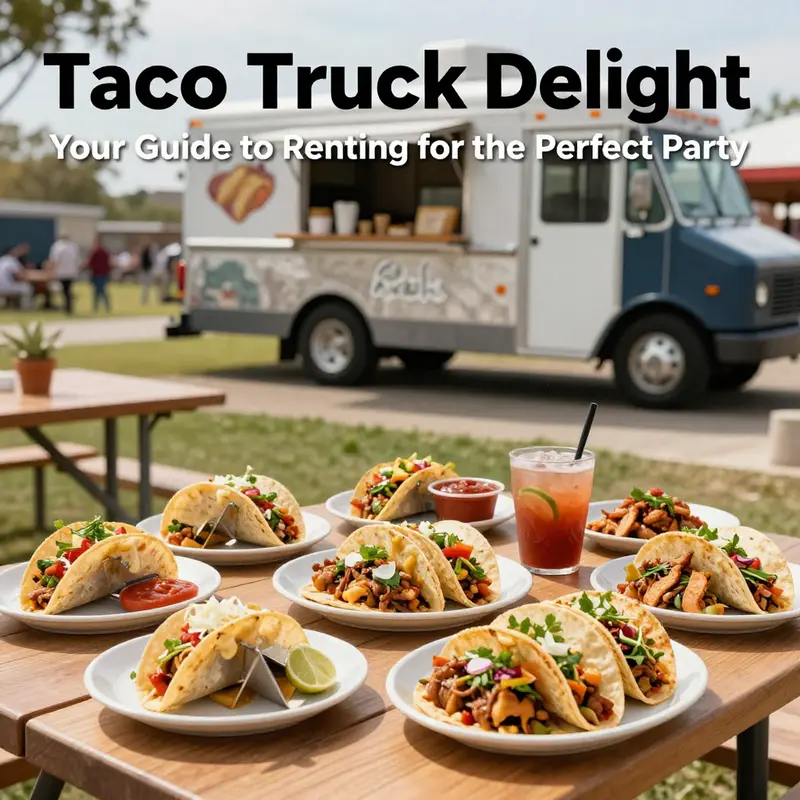
Imagine the tantalizing aroma of seasoned beef, cilantro, and lime wafting through the air as your friends and family gather around a vibrant taco truck. Renting a taco truck for your next party isn’t just about food; it’s an experience filled with excitement and flavor. However, understanding the cost to rent a taco truck involves a slew of factors that can sway the price tag dramatically. From the location and type of cuisine to the time of year, each element plays a crucial role in shaping your taco truck adventure. In this guide, we’ll delve into the details that affect taco truck rental costs, help you navigate the pricing range, explore how location impacts your choices, and uncover the seasonal variances that could benefit or challenge your budget. Let’s taco ‘bout how to sprinkle joy onto your next event!
Pricing the Party: How Much It Really Costs to Rent a Taco Truck for Your Event
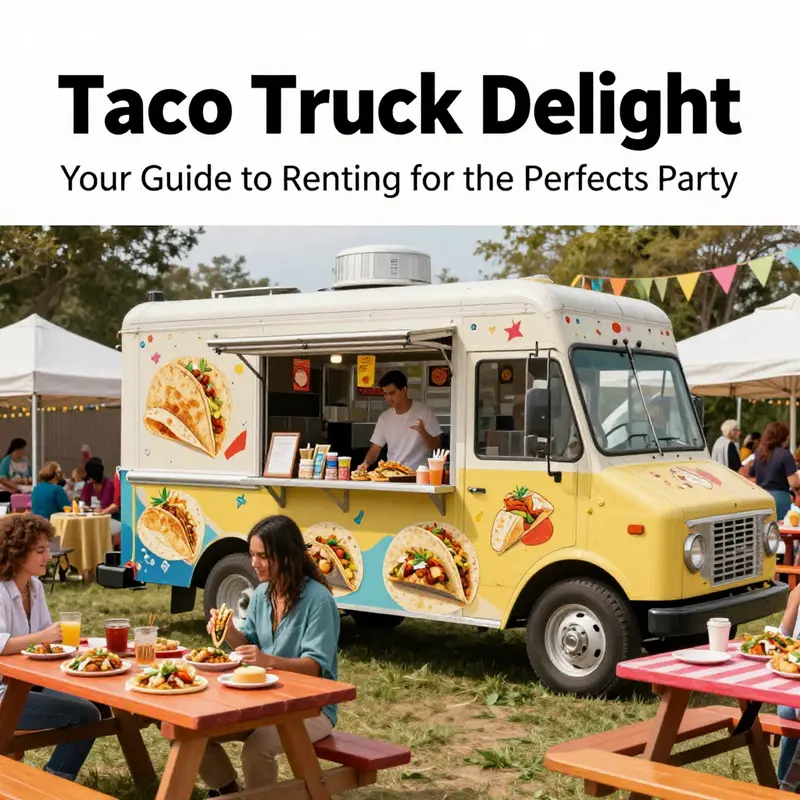
Renting a taco truck for a party is not a flat-rate achievement you can lock in with a single number. It is a multidimensional service whose price reflects the truck’s type, the event’s scale, the location’s realities, and the extras that turn a meal into a carries-with-it experience. To understand what you’ll actually pay, you have to step back from the hourly figure and look at the layers that sit atop it. The most important layer is the truck itself. There are two broad archetypes you’ll encounter: a basic mobile kitchen and a fully equipped gourmet truck. The basic option functions like a compact kitchen on wheels, offering limited cooking capabilities and a simplified menu. It keeps costs down by reducing equipment, staffing needs, and on-site setup time. The fully equipped gourmet truck, by contrast, behaves like a mobile restaurant. It comes with advanced appliances, a broader repertoire, and often more sophisticated service capabilities. This truck can deliver a broader menu, faster service, and a more polished presentation, but the price tag rises accordingly because you’re paying for the extra equipment, the flexibility of the kitchen, and the potential for a more expansive guest experience. When you weigh these options, you’re not just choosing a vehicle—you’re choosing a culinary show, a level of operational reliability, and a certain mood for the event.
But the truck type is only the beginning. The next layer is the size and duration of the event. A small backyard gathering that lasts a few hours will look very different from a longer celebration with staggered service windows, multiple guest groups, and a late-night crowd. In practical terms, longer service hours and larger guest rosters translate into higher costs because the truck will need more fuel, more time on-site, more staff, and more ingredients ready to go. It’s common for vendors to price in 6–8 hour blocks for standard events, with incremental charges for overtime or extended service. If your guest count climbs into the mid-to-upper hundreds, you’ll also see adjustments tied to how much food needs to be prepared simultaneously, how many service windows are required, and how many staffers are needed to keep lines moving without sacrificing quality.
Location and demand also reshape the price. In high-demand urban zones—the kinds of markets where food trucking is a staple of the social fabric—the price pressure comes from competition, peak-season demand, and the logistical realities of urban operations. The same truck that rents easily in a suburban setting can command higher rates in a dense city, where parking, permits, and waste management add layers of cost that are passed along to the client. Conversely, in more remote areas, travel logistics become the dominant variable. If a truck has to traverse long distances or navigate challenging terrain to reach your venue, the fee structure often includes travel time, fuel surcharges, and a potential minimums clause to cover the driver’s hours. You’ll notice a similar pattern when events fall into peak seasons such as late spring and summer, or when a date falls on a weekend or holiday—these are times when demand surges and prices push upward, reflecting the market’s equilibrium between supply and appetite for a memorable culinary experience.
A third layer concerns what’s included in the package beyond the food itself. Some taco trucks operate as self-contained units, bringing their own power supply, water, and necessary sanitation, while others require you to provide or arrange these utilities. The distinction matters because it can add or subtract a significant chunk from the overall cost. If a vendor includes staffing, setup, teardown, and cleanup, you’re looking at a higher base price, but you’re also receiving a turnkey experience that minimizes your middle-of-the-night logistics headaches. If you need a branded setup—with signage, custom menus, or thematic touches—that customization adds to the price but can yield a more cohesive party atmosphere. It is this mix of baseline kitchen capability, travel and labor, utilities, and optional branding or staffing that often determines whether a taco truck is a smart, economical choice or a premium, show-stopping centerpiece.
From a practical vantage point, a typical one-day rental of a reputable taco truck can range widely—from a few hundred dollars for a lean, basic setup to well into the thousands for a fully staffed, gourmet, on-site experience. The range cited by industry guidance places many standard, single-day rentals somewhere around five hundred dollars to two thousand dollars or more. That spread captures the spectrum—from lean operations that focus on quick service and simple menus to high-end configurations that emphasize culinary variety, premium ingredients, elaborate setups, and a curated guest experience. It’s important to note that even within this range, you’ll encounter core price drivers that you can negotiate or optimize for, depending on your priorities and the flexibility of your event.
To translate these ideas into a workable plan, imagine a backyard event with one hundred guests and a late-afternoon start. If you opt for a basic mobile kitchen with a modest menu and a couple of staffers to keep the line moving, you might land in the lower end of the spectrum. Add a second shift of cooks, extend service to a late evening window, or request a broader menu with vegetarian and gluten-free options, and the price rises accordingly. Now imagine an urban venue with a curated menu, custom branding, and a more theatrical service—the kind of setup that aims to be a centerpiece of the party rather than a background option. In that scenario, the cost can push toward the higher end of the spectrum, especially if the vendor brings extra services like on-site drink pairing, dessert tacos, or a live cooking display that doubles as entertainment.
The path to an accurate quote begins with transparency about your needs. You should clearly articulate the date, duration, guest count, and the level of service you expect. Important questions to ask include whether utilities are included and whether staffing and cleanup are covered in the price, or if those are add-ons. You’ll also want to discuss any permit requirements and insurance coverage, because overlooked regulatory or safety considerations can create unexpected charges later. If you’re unsure how to balance the variables, a vendor can walk you through a few scenarios that align with your budget while still delivering a flavorful and reliable experience for your guests. The aim is to forecast a total cost rather than just a snapshot price, so you can plan for the full scope of investment—the food, the service, and the ambience it creates on the day.
As you weigh options, it’s helpful to consider the broader context of event catering. The idea that a taco truck is merely a snack stand misses the point; it is a mobile culinary operation that combines food preparation, guest flow management, and visual storytelling on wheels. A well-run truck will not only feed guests but also contribute to the party’s energy, the pacing of the event, and the memories your guests take away. The question then shifts from “Can we afford a taco truck?” to “What kind of taco-truck experience do we want, and how does it align with our event goals and guest expectations?” This question invites a conversation about trade-offs. If you prioritize simplicity and speed, you may lean toward a lean setup with shorter service windows and a straightforward menu. If you want drama and culinary discovery, you’ll likely invest in a more expansive offering that justifies higher costs through variety, quality ingredients, and a more immersive presentation.
For those who want a practical framework, consider the guidance you would use for any major catering decision. Start with the basics: what is the core budget, and what portion of that budget would you allocate to the food service? Then define non-negotiables—gluten-free options, a vegetarian count, or a specific flavor direction—and assess how these fit with a vendor’s capabilities. Factor in the timeline: is there a delivery window, or will there be a need for staged service to accommodate a longer day? Clarify any setup or teardown requirements so you don’t encounter surprise labor costs after the event has begun. If the plan involves branding or theme alignment, you should be explicit about those expectations and how they affect the price. In short, the more precise you are about how the truck will operate during your party, the closer you’ll land on a price that matches your vision.
As you navigate those conversations, you’ll also encounter the practical realities of licensing, safety, and compliance that shape cost in subtle but meaningful ways. The vendor’s ability to provide proper documentation, health permits, and a safe service footprint can influence both price and peace of mind. Some clients prefer to include this in a bundled package, while others are comfortable negotiating these elements à la carte. Either approach works if it aligns with your comfort level and your event’s risk management standards. The practical takeaway is simple: you’re paying for a complete service envelope, not just a truck with burners on wheels. The envelope includes the cooking, the staff, the cleanup, the space the truck occupies, and the way the service integrates with your event’s rhythm and guest experience. When approached with clear expectations, a taco truck can be an affordable, memorable feature or a premium centerpiece that elevates the entire celebration.
To support your decision-making, it’s wise to gather quotes from a few reputable vendors and compare not only the bottom-line price but also what each quote includes. Look for consistency across quotes in terms of staffing levels, service hours, and whether utilities and cleanup are included. Ask vendors to detail any per-guest or per-hour surcharges and what triggers overtime charges. If you are tempted to trim costs by limiting menus or staff, test how that choice affects guest satisfaction and the event’s flow. In many cases, trimming early can save money upfront, but it may lead to longer queues, slower service, and a diminished guest experience that has a cumulative cost in terms of guest perception. The goal is to strike a balance where the price reflects a quality experience that aligns with your party’s tone, your guests’ expectations, and the memories you want to create.
For those who yearn for a concrete starting point in planning, the research landscape suggests a broad, practical rule of thumb: expect anywhere from roughly five hundred dollars to two thousand dollars for a single-day rental, with higher figures in major cities or for trucks offering premium features and staffing. This range is not a hard ceiling or a guarantee, but it does provide a framework for budgeting and negotiation. It reminds you that the question is less about chasing a single price and more about shaping a service that fits your occasion. If you are curious about the decision-making process and want a structured path toward choosing the right option, you can explore guidance that emphasizes vendor compatibility and logistical fit. For direct, actionable considerations on choosing the right food truck, see the resource that focuses on aligning capabilities with event goals. Choosing the right food truck.
As you ready your plans, keep in mind that the ultimate payoff is a smooth, delicious, and memorable experience for guests. A taco truck, thoughtfully chosen and properly resourced, can reduce the logistical burden on you while maximizing flavor, variety, and tempo at the party. It invites guests to participate in a shared culinary moment that feels both casual and special, a dynamic that often matters far more than the exact dollar figure. The price you pay should reflect a holistic view of the event—one that values reliability, quality ingredients, and attentive service as much as it values the spectacle of a vibrant street-food presence. When you approach the conversation with vendors with a clear sense of your event’s rhythm, guest needs, and budget guardrails, you’ll move toward a final agreement that feels fair, transparent, and attuned to the party you want to throw. And if you want a broader, corroborating perspective on the economics and planning considerations that inform food-truck events, you can consult external resources that illuminate how these moving kitchens fit into larger hospitality and budgeting frameworks. For further context, see additional insights from industry thought leaders at https://www.graceholden.com.
In sum, the cost of renting a taco truck for a party is a reflection of choices as much as it is a function of market forces. It’s the fusion of the truck’s capability, the event’s scale, the venue’s realities, and the level of service you demand. By treating price as the culmination of a series of deliberate decisions rather than a single dial to crank, you position yourself to craft an experience that is as affordable as it is satisfying. The result isn’t just a meal; it’s a shared moment in which food, movement, and memory converge on your chosen date, one conversation at a time, under a canopy of good planning and open, honest negotiation.
From Flavor on Wheels to Your Budget: Estimating the Cost of Renting a Taco Truck for a Party
When you start planning a party around a taco truck, the first question often isn’t what you’ll serve but how much it will cost to bring that savory, sun-warmed aroma to your doorstep. The price tag on renting a taco truck for a single event is not a fixed number; it dances with location, timing, menu complexity, and the level of service you expect. In practice, most hosts can anticipate a broad range, with entry-level options that cover the basics and premium offerings that fuse culinary artistry with high-end service. The market for on-site cooking and street-food-style entertainment has grown because it delivers a memorable experience beyond standard catering. Yet that same appeal can make pricing feel opaque if you don’t understand the moving parts that shape the final invoice. A clear path through the pricing landscape begins with recognizing the variables that influence cost and the ways operators structure their quotes, from base rental fees to the many add-ons that turn a simple meal into a tailored event experience. In this sense, budgeting becomes less a single number and more a conversation about what kind of event you’re hosting, how long you want the truck to work, and what you want to happen on-site beyond the tacos themselves.
The most visible driver of cost is geography. Location matters not only because of the local economy and standard of living but because demand for food trucks skews with urban density and event calendar pressure. A taco truck operating in a midsize city during a weekday is often able to offer a more affordable package than the same truck parked on a Saturday in a major metropolis where festival season and rooftop gatherings push demand upward. Travel and time on site compound this effect. If your party is out of the truck’s home base, most operators will add a travel fee to cover fuel, vehicle wear, and the time required to drive to and from the venue. Those charges can be a flat early-morning toll or a per-mile calculation, but either way they add a predictable, non-negotiable component to the bill. Alongside travel fees, there is usually a block of hours for the actual service, with many trucks requiring a minimum booking window. If you want the truck to stay on site for four hours but you only book three, the rate can rise on a per-hour basis to ensure the crew’s time is compensated fairly while still allowing you to meet your guest expectations.
Seasonality also plays a quiet but meaningful role. In warmer months, when outdoor gatherings peak and guest lists grow, trucks may command higher minimums or surge pricing to reflect demand. Conversely, slower periods can yield more favorable terms, particularly if the truck is trying to fill a calendar or attract repeat customers from nearby neighborhoods. There is a practical takeaway here: if you’re flexible about your event date, you stand a better chance of landing a more favorable quote. If you’re locked into a specific weekend, anticipate tighter availability and the possibility of premium pricing on top of standard charges. The broader market picture thus moves from a static price to a function: price equals base rate plus travel, plus duration, plus demand-driven adjustments, plus add-ons, all multiplied by the local tax that applies to catered services. The math is not opaque so much as intricate, and that underscores why the most reliable way to pin down a price is to request formal quotes from several vendors and compare the line items in detail.
Menu depth and customization are other levers in the pricing machine. A bare-bones taco offering—perhaps a couple of standard fillings, a simple salsa bar, and a basic service style—will carry a lower price tag than a fully customized menu featuring premium ingredients, multiple protein options, craft sauces, and elaborate toppings. These choices do not merely affect the food cost; they influence labor, equipment needs, and the footprint on your event site. A more elaborate setup may require the truck to bring additional kitchen equipment, extra staff for live assembly, or longer pauses between service windows to manage crowd flow. If you choose a chef-driven menu that includes fresh guacamole batches made on-site, hand-pressed tortillas, or made-to-order street-style stations, you should expect higher labor costs and possibly higher per-item pricing. When you balance the menu against your guest count, you begin to see how a single change—adding a second protein or expanding the toppings station—can cascade into the overall cost.
Service structure matters just as much as the menu. Some trucks offer a full-service package that includes a staffed line, setup and teardown, and cleaning, all bundled into a single quote. Others provide a more modular approach: you pay for the truck and the culinary staff separately, or you pay a flat rate for the truck and add specific services a la carte. The choice between these models affects budgeting clarity. A bundled solution often reduces the risk of “surprise” charges at the end of the night, while an add-it-as-you-go approach can offer more flexibility if your event has variable guest flow or if you foresee gaps in demand. Either path requires careful attention to what is included: is there a dedicated on-site supervisor, is there a required minimum gratuity for staff, and are there any prep or cleanup surcharges that could surprise you after a successful night of service?
Insurance and licensing are the quiet but essential safeguards that quietly shape every price. Most reputable food trucks carry general liability insurance to cover accidents on site, and some venues or city ordinances may require proof of insurance before agreeing to a service. If the venue has its own insurance requirements or if you intend to host the event in a location with strict regulations, you may be asked to show documentation or purchase a rider for the day of the event. These costs tend to be modest in isolation but are easy to overlook when you’re evaluating a base price. Understanding whether insurance is included in the quoted fee or whether it must be added separately helps you avoid a last-minute adjustment that could affect your budget ceiling. As you map these details, you’ll begin to see that the rough “$500 to $2,000” range is not a hard boundary but a starting frame, with real-world quotes weaving together all these variables into a single, event-specific figure.
When you translate these elements into a plan, you quickly realize that the right approach is to start with your guest count and the desired experience. The number of mouths to feed primarily drives the scale of service you’ll need, but it’s not the only parameter. The event style matters—whether you want a bustling, casual street-food vibe or a more structured dining experience with a steady line and curated sides. A buffet-style service requires different staffing and flow management than a made-to-order setup, and those differences ripple through the estimate. Consider also whether you want the truck to be a centerpiece with a visible grill and live prep, or a discreet kitchen-on-wheels that fries and files tortillas quietly in the background. These preferences influence the footprint on your site, the equipment needed, and the duration of the service, all of which tangibly impact price. A practical way to proceed is to draft a rough guest count, sketch a preferred service style, and then reach out to multiple vendors with the same baseline details. When vendors quote the same scope, you gain an apples-to-apples comparison that sharpens your budgeting accuracy. For many hosts, this is the moment where the decision becomes concrete: a little extra investment for a show-stopping experience, or a lean, efficient solution that still delivers dependable flavors and reliable service. The nuance is in the details—the staff’s presence, the on-site logistics, and the alignment of the menu with your event’s theme and your guests’ expectations.
To navigate quotes with confidence, you’ll also want to learn how vendors structure their pricing. Some may present a flat rate for a specified window, such as four hours, plus a separate travel charge. Others quote an hourly rate with a minimum number of hours, which can bump the effective price if your event’s actual service time falls short of the minimum. A few will provide per-guest pricing for the food itself, which can be appealing when you have a precise headcount but challenging if you’re still narrowing down how much to feed each guest. In any case, insist on an itemized proposal that clearly lists the base fee, travel and setup costs, staffing, equipment rental if any, liquor or beverage service if offered, service of toppings and condiments, taxes, and any discretionary gratuities. The clarity helps you see where your money is going and where you might trim without sacrificing the core experience. It is not unusual for a vendor to include a small contingency line—for example, to cover fuel spikes or last-minute menu adjustments—so you shouldn’t be surprised if a line on the quote carries an asterisk. Once you can read a quote as if it were a simple recipe, you’ll be equipped to negotiate more effectively and to decide when a higher price is justified by the value you’re receiving.
As you weigh the options, keep an eye on the logistics that undergird a smooth, delicious experience. They matter as much as the food itself because even the best tacos can fall flat if service bottlenecks appear or if there isn’t enough power or water for the on-site kitchen to function uninterrupted. If your venue has limited electrical capacity, you may need to arrange a generator or a designated power pathway, which adds both cost and complexity. If the truck requires water fill, a water source on-site becomes a factor, especially for venues with restricted access. If these needs are not clearly covered in the initial quote, you risk surprises on the day of the event. A smart strategy is to pre-empt these issues by asking vendors to outline their power and water requirements in their proposal, and to confirm that the venue can accommodate them. That simple step can prevent delays, ensure a steady service, and protect your budget by avoiding unexpected equipment rental fees.
Guests remember the experience, not just the food, which makes the decision about renting a taco truck a test of balance between flavor, theater, and value. If you want the event to feel festive and interactive, you may opt for a more dynamic setup—taco stations with live assembly, a salsa and topping bar, and a few “chef’s specials” rotated through the night. If your primary goal is efficiency and predictability, a straightforward, set-together service with a streamlined menu might fit better. Either path can be compelling; the difference comes down to intentional planning and transparent pricing. The key is to start with a realistic guest count and an honest assessment of your budget, then invite several vendors to present their best versions of the same experience. In doing so, you create a comparative landscape that makes the value proposition clear: what you get for the money, how the service elevates the event, and whether the premium for a higher-end presentation aligns with your party’s goals. As you move through quotes, keep the one-page, itemized format in mind and use it as your compass for decision-making, rather than letting a single appealing phrase or last-minute add-on tilt the balance. If you keep sight of the core objective—the enjoyment and satisfaction of your guests—you’ll likely find a solution that feels right financially and emotionally.
For readers who want a practical shorthand to guide their conversations with vendors, consider this framing: identify your non-negotiables (such as on-site staffing or a minimum service window), estimate your guest count and meal strategy, and then compare the quotes against a common baseline. This approach helps ensure you’re evaluating like-for-like offerings and not chasing a glossy page that omits essential costs. It’s also worth exploring the vendor’s track record for consistency and speed; a truck with repeated positive reviews for reliable service is often a better investment than a lower quote accompanied by a string of on-site hiccups. In the end, the number you pay is not merely a marker of scarcity or abundance but a reflection of what the truck’s team can deliver—the reliability of its food, the rhythm of its service, and the atmosphere it creates at your celebration. If you want to zoom out from the arithmetic and focus on the bigger picture, remember that the right taco truck can become a memorable centerpiece of your party, a conversational heartbeat that guests recall alongside the flavors, the music, and the laughter. And the pricing discussion, when approached with clarity and foresight, becomes less a battlefield of discounts and more a conversation about delivering joy within a thoughtful budget. For those who want to dive deeper into the decision-making framework around choosing the right food truck, you can explore further guidance here: Choosing the right food truck.
As you close the loop on your planning, consider the broader budgeting context that surrounds any party menu. A taco truck adds not just a meal but a performance: the sight of sizzling tortillas, the choreography of toppings, and the sense that guests are part of a shared, live experience. The cost, then, should be measured not only in dollars but in the value it adds to the guest experience, in how smoothly the service flows, and in how confidently you can move toward the rest of your event plan. The numbers will settle as you gather quotes, parse the line items, and align the flavor-led fantasy with practical constraints. If you keep your eyes on the horizon—your guest count, your service style, and your budget ceiling—the final decision will feel less like a gamble and more like a carefully calibrated investment in a night guests will remember well after the last bite has disappeared.
External resource: https://www.eventbrite.com/blog/how-to-budget-for-events/
Locational Gravity: How Place Shapes the Price and Experience of Renting a Taco Truck for Your Party
When you plan a party that relies on the spectacle and flavor of a taco truck, location is more than a setting. It is a living force that pulls the price, the logistics, and the guest experience in its orbit. The place you choose acts like a magnifying glass for how much you’ll pay and how smoothly the event will unfold. A central, high-visibility site with easy guest access and strong neighborhood foot traffic can transform a party from memorable to legendary, but it also invites higher rental fees and tighter scheduling. Conversely, a quieter, out-of-the-way spot might trim your line items, yet it risks dampening attendance and the kinetic energy a mobile kitchen can generate. The math behind renting a taco truck for a party is inseparable from the map of where that truck will operate, and recognizing that relationship helps planners balance cost with experience in a thoughtful, strategic way.
In practical terms, location influences cost in several intertwined ways. Prime locations—think bustling urban centers, popular parks on weekends, or a venue that promises uninterrupted access to a crowd—typically command higher rental fees. The truck isn’t just delivering food; it becomes a visible centerpiece and a practical draw for attendees who might otherwise wander past without stopping. When space and exposure are scarce, vendors and event organizers negotiate not only the price of the vehicle’s presence but also the terms that govern setup time, access, and the ability to run for a defined window. Because of this, a single-day rental for a reputable taco truck can span a broad range, often from roughly $500 to $2,000 or more, depending on the city, the truck’s reputation, the season, and how long the truck is expected to operate at the event. In vibrant metropolises with high demand, the upper end of that spectrum is more common, and sometimes higher, reflecting both the proliferation of events and the premium placed on street-level culinary theater.
Yet price is not the sole compass. Location shapes the guest experience in ways that extend beyond dollars and cents. A central location with easy parking, convenient public transit access, and a scenic or festive setting can amplify the party’s mood, encouraging guests to linger, mingle, and savor the moment. The sensory appeal of a taco truck—its sizzling griddles, aromatic spices, and the rhythmic bustle of a live kitchen—thrives where people naturally gather. A site that accommodates a comfortable queue flow, a clearly marked entry and exit, and a strong open-air ambiance can reduce perceived wait times and heighten anticipation, turning the food moment into a shared experience rather than a rushed transaction. On the flip side, a site with restrictive parking, limited maneuvering space, or sporadic power and water access can sap that energy, forcing awkward workarounds or compromising the truck’s performance.
Regulatory realities climb into the story of location with practical force. Local zoning rules, street-vendor ordinances, and permit requirements differ dramatically from one municipality to another. In some places, mobile vendors are tightly regulated or restricted to certain zones or event spaces. In others, the process is streamlined for city-sponsored festivals and sanctioned markets, with pre-approved routes and erected infrastructure that reduce the burden on the operator and the host. Those regulatory realities not only affect whether a particular site is viable but also influence the total cost. Permits, inspections, insurance requirements, and potential licensing fees can be added expenses that creep into a party budget, especially when the event location sits outside a vendor’s normal operating footprint. Even when permits are available, the administrative overhead to secure them can be nontrivial, creeping into the planning timeline and requiring lead time that affects pricing and scheduling.
Location also governs logistics in tangible, day-of terms. The simplest and most visible constraint is space. A site must offer sufficient room for the truck to park, for the crew to stage, and for guests to queue, mingle, and access the food without blocking walkways or emergency lanes. Then there is power. Some events can be served with the truck’s own generators or with nearby electrical hookups, while others demand on-site electrical capacity that may require coordination with the venue and additional rental fees. Water supply and waste disposal loom as another cost factor; even efficient trucks generate more waste than a typical kitchen, and sites vary in their ability to accommodate that waste stream. Weather, too, can shift the equation. Outdoor locations that offer shade or shelter during summer heat or spring showers may enable longer service hours and more comfortable guest experiences, while exposed locations can curtail service windows or necessitate tenting and additional infrastructure.
The interplay of location with event timing compounds the complexity. Peak seasons and weekend dates in major cities tend to push both demand and price upward, as more planners compete for a finite pool of ideal sites and dates. A location that aligns with the target audience’s routines—office districts for weekday lunches, residential hubs for weekend gatherings, or college campuses during special events—can create a higher-volume, higher-value service, justifying a higher rate for the truck’s presence and a tighter, more curated service window. A quieter location may offer better control and lower direct costs, but it may require more robust marketing to drive attendance or creative incentives to activate the space, such as coordinated entertainment or partner activations that draw a crowd and lend the truck additional visibility.
For event planners, the choice of location becomes a calculus that balances budget, accessibility, audience reach, and legal compliance. A thoughtfully chosen site can improve turnout and energy, which in turn elevates the perceived value of the catering and can justify higher pricing on the guest-facing side, such as ticketed events or premium add-ons. Conversely, a misaligned location can dampen enthusiasm or complicate operations, leading to delays, longer lines, or dissatisfied guests, which can ripple into negative word of mouth and a reduced sense of event success.
From an entrepreneurial vantage point, understanding location’s impact helps a taco truck business plan its calendar, target markets, and service model. Mobile vendors prosper where they can harmonize quick setup and breakdown with site access, parking, and stable power. An optimal site isn’t just a stage for the food; it’s a partner in efficiency. When a location supports easy ingress and egress for the crew, simple waste management, and predictable crowd flow, the operation becomes more reliable, and the business case for that site strengthens. The location, in this sense, becomes a driver of profitability as well as a determinant of the guest experience. This is why many planners and operators invest time in scouting sites, contacting venues early, and negotiating terms that clear regulatory hurdles while preserving flexibility for the menu and the service window.
The decision-making process also benefits from a broader map of resources that offer market data, regulatory guidance, and practical benchmarks. Platforms that aggregate location-specific guidelines and event calendars provide a valuable frame of reference for planners weighing where to host a taco truck. They help translate the abstract notion of “location matters” into actionable steps: confirming permit requirements, estimating parking logistics, and anticipating potential price adjustments tied to local demand. These resources remind planners that the cost of a taco truck at a party is not just the sticker price on the day of service; it includes the layers of location-aware planning, from site evaluation and permit procurement to on-site flow management and post-event cleanup.
For readers aiming to connect location with the broader strategy of party planning, there is a practical hook in the way trucks are chosen in tandem with sites. The choice of the right truck—and by extension, the support staff, equipment, and service style—interacts with location to shape the whole experience. A truck with a robust setup, ample power options, and a flexible footprint can adapt to a variety of spaces, from open plazas to fenced campuses, and this adaptability can unlock more favorable terms with hosts and venues. It is worth reflecting on the broader decision framework behind selecting the right mobile kitchen, as outlined in resources that walk through determining fit, capacity, and operational needs in concert with site realities. Choosing the right food truck offers a structured lens for aligning location with equipment and service approach, helping planners avoid mismatches that inflate costs or degrade the guest experience.
The location story does not end with cost containment; it also touches on expectations and its ethical dimension. The host’s budget and the guests’ experience both hinge on whether the site respects local residents and obeys the rules of the road in the venue’s district. A well-chosen site demonstrates consideration for access, safety, and inclusivity: clear signage for entry and exits, accessible pathways for all guests, reasonable queue management, and provisions for diverse dietary needs. A good site-aware plan reduces stress for staff and helps keep service times predictable, which in turn supports a smoother pace of service and a more enjoyable culinary moment for everyone involved.
As you navigate these decisions, it’s useful to anchor your thinking in a simple, actionable framework. Start with the budget ceiling and the guest-count target, then map potential locations that realistically accommodate the truck’s footprint, the crew’s workflow, and the logistics of power and water. Add a regulatory scan: what permits are required, what forms must be filed, and what fees are likely to appear? Consider accessibility and sightlines: is there ample space for guests to approach the truck comfortably without causing gridlock? Finally, test the experiential hypothesis by visiting a few candidate sites at similar times of day and week to observe crowd behavior and parking feasibility. When you fold location into every step of planning, you’re less likely to encounter surprises on event day, and you’re more likely to deliver an atmosphere and flavor that guests remember long after the last bite.
In the end, the location a host chooses to anchor a taco truck event is not a single decision but a synchronization of cost, access, regulation, and ambience. The more thoroughly you analyze each facet and the more you align them with your guests’ expectations, the more likely you are to stay within budget while creating a festive, flavorsome, and memorable gathering. The location won’t just frame the meal; it will frame the entire experience, from the moment guests hear the sizzle to the last cheerful toast as plates empty and conversations linger. And as you craft that experience, remember that the questions you ask about location—What permits do I need? What are access and parking constraints? How will power and water be handled? What are the peak-demand timeframes in this area?—are the questions that steer you toward a successful, cost-aware party.
For readers who want a more formal route to aligning site and service, exploring the broader decision landscape around mobile catering can be revealing. The approach is not about chasing the lowest price but about achieving the right balance between cost, convenience, and experience. It’s about choosing a site that amplifies the truck’s strengths—the theater of a live kitchen, the warmth of shared bites, and the communal celebration of flavorful food—without imposing unnecessary friction on the event. In that sense, the debate over location is really a debate about whether your party’s energy will be self-contained within four walls, or whether it will unfold in the open air with a rolling kitchen serving as a centerpiece and a catalyst for connection. When you get the location right, the price often follows suit—not as a punishment for choosing the spot, but as the natural consequence of aligning demand, access, and enjoyment in a single, coherent vision.
External resources can offer practical data to ground these considerations. For real-time market conditions, permit guidance, and area-specific insights, consult a broad, industry-focused resource that aggregates location-based guidelines and event calendars. This external data can help you adjust expectations for cost, timing, and capacity as you finalize a location plan that suits your guest list and your budget. To explore such market intelligence and stay aligned with regional realities, you can refer to external sources like Food Truck Nation: https://www.foodtrucknation.com.
In short, the location you select is a strategic hinge on which the entire taco truck experience—cost, logistics, and mood—depends. By anticipating how space, access, regulation, and crowd dynamics interact with price, planners can design events that feel effortless, generous, and delicious from first bite to last laugh. It is a reminder that renting a taco truck for a party is not simply a transaction with a mobile kitchen; it is a collaboration with a place that, in the right conditions, transforms a gathering into something extra special.
Seasonal Winds and Street-Side Bites: Understanding How the Calendar Could Shape Taco Truck Rentals for Your Party
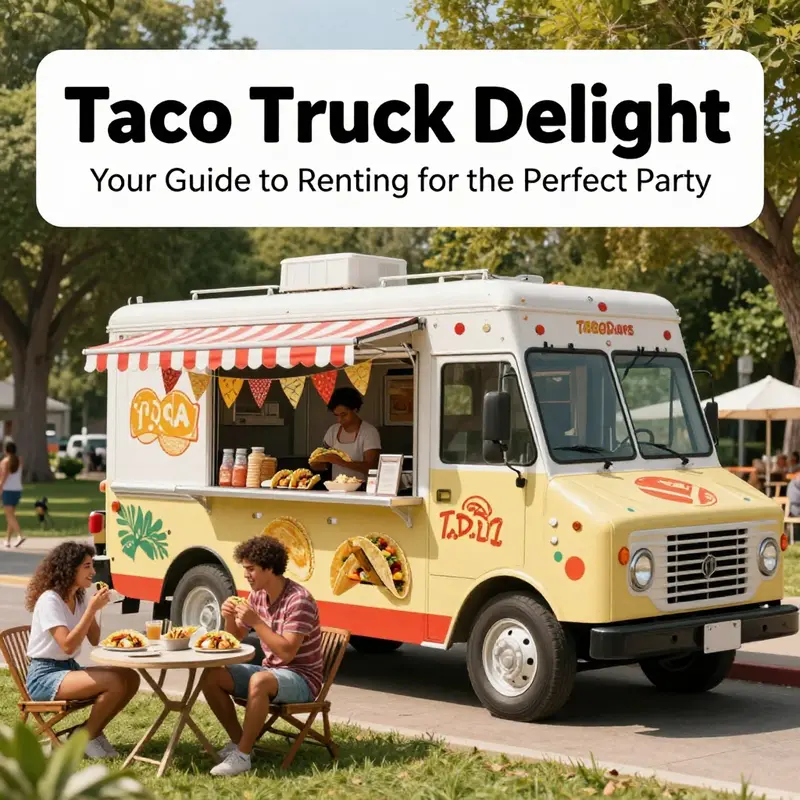
The calendar itself becomes a quiet force when you plan a party centered around a taco truck. Weather patterns, school breaks, and local festival calendars all conspire to push demand for mobile food—especially a crowd-pleasing option like a taco truck—into different tiers as the year turns. Yet the data available in the current research materials does not deliver a precise seasonal price map for taco truck rentals. What remains clear is that cost is seldom a fixed number. It moves with market dynamics, the reputation and reach of the vendor, the scope of the service, and the logistics of getting a truck from its home base to your event. With that backdrop in mind, it’s worth unpacking how the calendar could influence the money you set aside for a taco truck at your party and how to plan around the rhythms of the season without losing your grip on value and flavor.
Seasonality for taco truck rentals is less a simple two-dollar swing tied to a single month and more a tapestry woven from multiple strands. In many urban areas, summer signals a bright surge in outdoor gatherings—from neighborhood block parties to weddings and corporate picnics. The sun stays later, the days stay long, and the appetite for festive, casual dining tends to rise. This can push prices upward as vendors juggle high demand with the same limited number of serviceable hours in a day. The exact magnitude of that increase, however, depends on the city, the event’s scale, and how far in advance a client books. In a city with a robust festival calendar, a taco truck may be in higher demand not just for a single weekend but for back-to-back weekends, which could influence multiples in the quoted price.
Location, too, acts like a seasonal amplifier or dampener. In major metros with dense food truck scenes, the supply of trucks is typically steadier, but the competition for peak time slots increases. In markets where trucks are fewer and farther between, a seasonal uptick can be steeper, simply because the vendor knows the calendar has a few hot windows when event organizers are eager to secure distinctive entertainment. That dynamic is less about weather alone and more about how vendors price their calendars and allocate resources for travel, staffing, and permits.
The topic of duration and service scope naturally interacts with seasonality. A one-day party that runs from afternoon into evening might command a different rate than a multi-day celebration, and those day-part differences can become more pronounced in certain seasons. In peak demand periods, vendors may scrutinize the event’s start time, expected headcount, and the proximity of the truck’s home base to the venue with greater care. Add-ons—like on-site staffing, grill and prep support, or dessert stations—can tilt a quote upward during busy times, not merely as a luxury but as a way to ensure service quality amid higher foot traffic. Conversely, in off-peak weeks, a vendor might offer more flexible scheduling or modest discounts to secure a booking during a lull, particularly if the event date is midweek or in a location where Sundays are the dominant party day but the calendar isn’t crowded.
Another strand tied to the season is the operational cost embedded in a rental. Fuel prices, vehicle maintenance cycles, and even generator fuel consumption can ripple through a quote differently as temperatures rise or fall. Heat, for instance, can escalate the wear and tear on equipment and require additional cooling or food-safety considerations. Cold snaps demand different maintenance routines and possibly more energy use for heating or for keeping ingredients at safe temperatures during transit and service. While the base price for the taco truck may be framed as a single-day fee, the ancillary costs that support safe and efficient service can become more prominent in certain seasons, nudging the total beyond the day-rate.
Seasonal planning also intersects with local permitting and safety requirements. In some cities, summer events align with more lenient street-closure policies or longer permit windows, while winter or shoulder seasons might see tighter scheduling constraints. A rush to secure permits during a busy season can add time-related costs, particularly if your event’s location requires street access, parking accommodations, or generator use. Vendors may pass through some of these administrative costs as line-item charges or rolled into a more comprehensive package. Understanding these elements helps you anticipate where the calendar adds value or complexity, and it nudges you toward a more realistic budget rather than a best-case dream.
The unpredictable variable in any seasonal equation is demand—the most influential price lever. When dozens of groups vie for similar time slots, the market prioritizes those willing to pay a premium, and a quick quote can reflect that reality. Conversely, in a quiet period, a truck owner might be incentivized to fill a weekend with a modest offer or a bundled deal. The research notes that the cost range for a single-day rental can span from roughly five hundred to two thousand dollars or more, and it is not uncommon for premium, well-known trucks in major cities to land toward the upper end or beyond. The seasonal tilt, then, is not solely about the weather but about how much of the year’s demand aligns with your event date and geographic location. A Saturday in July in a big city will carry a different price texture than a Sunday in February in a smaller town, even if the menu remains the same.
In light of these realities, what should a planner actually do? First, acknowledge that seasonality is a factor, but treat it as one of many price determinants. Start with the basics: define the guest count, preferred service style (a simple taco-and-tides setup versus a full-service, staffed experience), and the day’s time frame. Then invite a handful of vendors to bid for your date and location, explicitly asking how the season impacts their pricing and what elements drive changes in quotes. The intent isn’t to chase the cheapest option but to understand how the calendar affects value. A responsible approach often reveals a sweet spot where a reputable truck offers a fair price during shoulder seasons, or where a midweek event can capture a favorable rate that still delivers on flavor and reliability.
As you navigate these conversations, consider how the cost-versus-value equation interacts with your event’s broader goals. If the party aims to deliver a distinctive culinary experience, the premium charged by a highly sought-after truck might be worthwhile, especially if it aligns with a peak season that promises vibrant crowds and social buzz. On the other hand, if you’re coordinating a neighborhood gathering with a modest guest list, it may be prudent to leverage the flexibility of an off-peak window or a less-demanded time slot to secure a more favorable price without sacrificing quality.
The literature you consulted notes a general principle that still rings true for taco truck rentals: price is not determined solely by the vehicle itself but by the ecosystem around it—location, demand, services, and the logistics of getting the truck to your site. Even without a formal seasonal price map for taco trucks, you can apply the same logic to manage costs across the year. Start with a realistic bottom line by identifying the essential elements you need from the truck (food quality, service level, staff presence, and equipment). Then layer in optional components if the season, or your budget, allows. If you discover you’re operating near the upper end of your budget during a peak season, one practical tactic is to scale back ancillary services temporarily or to opt for a shorter service window while maintaining core menu quality.
One tactic that often emerges when you plan around seasonal pricing is to book early and secure a firm contract before the season’s rush. Early commitments can sometimes yield more predictable pricing, while late-season bookings might be more flexible as vendors look to fill gaps. Beyond timing, it helps to explore whether the vendor offers package deals that combine food service with prep or post-event cleanup. In some markets, a package that includes staffing and setup can be more cost-effective than purchasing each service a la carte, especially during busy seasons when labor costs are elevated. The strategic choice here is to evaluate not just the sticker price but the total cost of ownership for your event—what you pay upfront, what you may pay later, and what you receive in return in terms of guest experience and operational peace of mind.
If you’re curious about practical guidance on choosing the right options and menus, there is value in reviewing resources that walk you through the decision matrix of food trucks at events. A thoughtful resource on choosing the right food truck can illuminate how to align your event’s goals with truck capabilities and logistical realities. It’s useful to anchor your research with a clear understanding of what makes a vendor a good partner for your particular celebration, especially when the season adds another layer of complexity. Choosing the right food truck can provide a framework for evaluating factors like menu flexibility, service style, and geographic reach, which are all relevant to navigating seasonal price considerations.
Even with limited season-specific data, you can set expectations more accurately by anchoring pricing conversations in concrete event details: exact date, venue constraints, guest experience goals, and the desired service level. Share these details with several vendors and request itemized quotes that disclose base rates, per-hour fees, travel charges, staffing, and any seasonal surcharges. A transparent quote helps you see where a potential seasonal bump comes from and decide whether it’s justified. It also invites vendors to propose cost-saving alternatives that preserve quality, such as adjusting the service window, swapping in a simpler setup, or offering a partial-service option during peak times. By treating seasonality as a spectrum rather than a single point, you gain leverage to negotiate without compromising your party’s culinary heart.
In sum, the seasonal variability of taco truck rentals for a party is a nuanced affair, shaped by demand cycles, regional differences, event duration, and the operational realities of mobile food service. While explicit, season-by-season pricing data for taco trucks may be scarce, the broader market dynamics offer a practical map. Expect higher quotes in peak warm-weather periods and in markets with dense competition and high expectations, and anticipate the possibility of more favorable terms during shoulder seasons, midweek slots, or with bundled service options. With deliberate planning, early outreach, and a willingness to adjust the service footprint to align with the season, you can secure a taco truck that delivers both the flavor your guests crave and the value you need to stay within budget. The calendar, when understood as an ally rather than a foe, can become a powerful tool in orchestrating a party that feels both distinctive and financially sound.
Final thoughts
Renting a taco truck for your party can create unforgettable memories filled with delicious flavors. Understanding the intricacies of cost—ranging from factors like service and menu options to the location and season—ensures you make the best choice for your needs. Always remember to contact a variety of vendors to discuss your unique requirements and receive tailored quotes. With proper planning and insight into these influencing elements, you’re well on your way to hosting an incredible taco party that will leave your guests raving!