
Thinking of starting a taco truck? It’s a spicy adventure filled with opportunities to serve up deliciousness on wheels! But, before you hit the streets, understanding the costs involved is crucial. From the vibrant vehicle that will carry your culinary creations to the essential kitchen equipment, licensing, and even insurance, each piece is vital in your taco truck journey. In the chapters ahead, we’ll dish out the details on vehicle purchase and modification costs, dive into the kitchen setup, break down the financial nitty-gritty of permits and insurance, and finally, provide juicy insights into profitability and the time it could take to break even. Get ready to roll into the taco truck world with us!
From Steel to Sizzle: The Real Cost of Buying and Fitting Out a Taco Truck
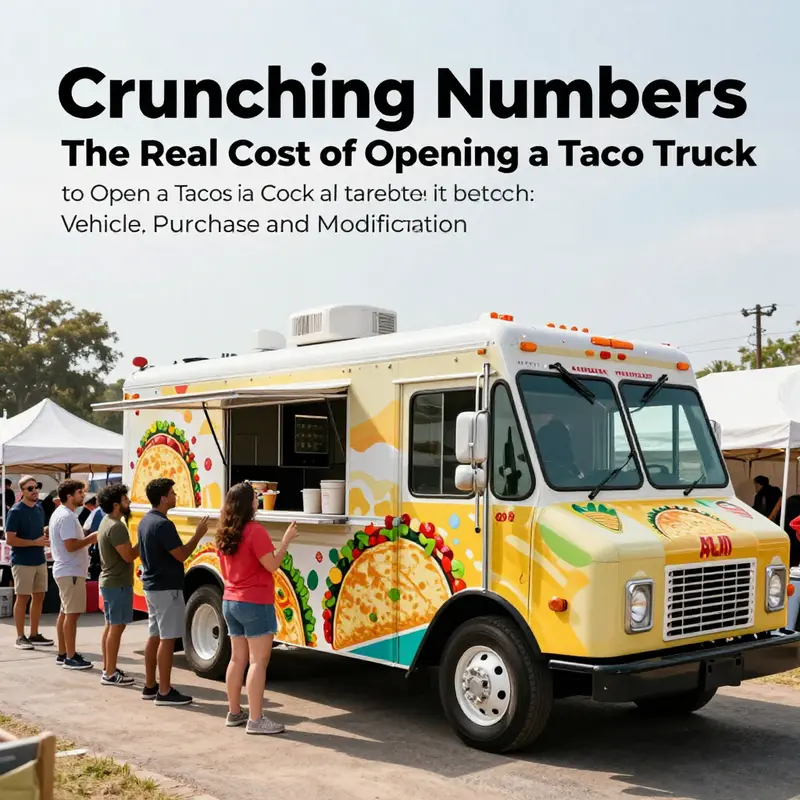
Buying a taco truck is a test of imagination and numbers alike. It is where a simple wish to serve great food on wheels collides with the hard math of a capital outlay. The vehicle you choose, and the way you transform it into a certified kitchen on the move, often determine whether the dream becomes a steady business or a draining liability. In this chapter, we look intimately at the core of that journey: the vehicle purchase and the kitchen fit-out that turns a rolling hull into a functioning, legal, profitable kitchen on wheels. The starting point is clear and stubbornly expensive. A new or used food truck can cost anywhere from fifty thousand dollars to well over a hundred and fifty thousand, depending on size, condition, and the features you insist on. A pre-owned truck might sound like a steal, but it can bring hidden maintenance and upgrade needs that nibble away at margins you hoped would be robust. If you want a turnkey experience, where a reputable manufacturer delivers a pre-fitted, fully compliant platform ready to cook, you should plan for a six-figure sum that can creep toward or past the hundred-thousand-dollar mark. These figures are not merely numbers; they map the practical corridor you must walk through to launch responsibly and avoid saddling the venture with unsustainable debt.
Even with a cautious approach, the vehicle and the kitchen are inseparable in this business. The base price of the truck is only the first line on a long invoice. The modifications that turn a bare shell into a compliant, efficient, safety-minded kitchen typically add a substantial chunk of change. A modern taco setup demands a commercial-grade kitchen layout: reliable grills and fryers, a robust refrigeration system, a sink and plumbing that meet health standards, ample storage, and a well-planned electrical and ventilation system. Each of these components carries a price tag, and the sum of them gathers momentum quickly. In practical terms, expect to add roughly twenty thousand to fifty thousand dollars on top of the base vehicle price for the kitchen installation and the related plumbing, electrical, and ventilation work. This means that even a modest, well-maintained vehicle with a basic but compliant kitchen can push the total investment into the seventy-thousand-to-two-hundred-thousand-dollar range.
The range reflects not only the quality of equipment but also the ambitions you bring to the project. A simple, compact setup in a small town can be more affordable, potentially landing in the lower end of that range. In contrast, a well-equipped mobile unit serving high-demand locations in a major metropolitan area can push you toward the higher end, driven by the price of the chassis, the complexity of the installation, and the higher expectations for compliance, safety, and speed of service. In places like large coastal cities or major metropolitan hubs, the cost of permits, zoning approvals, higher insurance requirements, and the premium on skilled labor to install and test the kitchen can drive the overall cost up significantly. The math isn’t merely about purchase price; it’s about the total system that keeps you legal, clean, and operational.
As you weigh options, think about the value proposition of a turnkey solution versus a do-it-yourself or semi-custom route. A turnkey, fully equipped truck from a reputable manufacturer comes with design optimization, certified electrical schematics, integrated ventilation, and a kitchen layout designed for efficiency. It is often the most expensive path, but it has the benefit of predictability: a fixed price, a single point of accountability, and a guaranteed level of compliance with health and safety standards. A DIY or partially customized route, by contrast, may permit you to customize more aggressively at the outset and spread costs over time through staged upgrades. The trade-off is the risk: missteps in plumbing, electrical loads, or ventilation can create delays, cost overruns, and compliance headaches that sting far beyond the initial savings. Either way, the choice will shape cash flow, finance strategy, and the speed with which you can bring the first service window to life.
A practical way to frame the numbers is to separate the vehicle from the fit-out, then factor the ongoing costs that accompany operation. The vehicle itself—whether new or used—will carry a price tag in the range of fifty thousand to one hundred fifty thousand dollars. The modifications and kitchen fit-out—which include a commercial-grade kitchen, serial equipment, plumbing, electrical systems, ventilation, insulation, and safety features—will typically add twenty thousand to fifty thousand dollars. Put those together and you land in a total investment band roughly between seventy thousand and two hundred thousand dollars before licensing, insurance, initial inventory, and working capital. In real-world terms, a well-equipped mobile taco truck in a major city may sit closer to the higher end of that band, while a basic, functional unit operating in a smaller market could be comfortably closer to the lower end.
The broader picture includes the costs of becoming a licensed, insured, and compliant business. Permits and licenses vary by city and state, but most jurisdictions require health permits, business licenses, and mobile vendor fees. For many operators, such permitting falls in the range of five hundred to three thousand dollars, depending on the location and the degree of oversight. Insurance for a mobile food operation is another recurring expense—the premium often lands between one thousand five hundred and four thousand dollars per year, depending on coverage levels, the vehicle’s value, and risk profile. These numbers matter because they translate into monthly cost anchors that influence profitability timelines. A higher upfront price in a city with stricter permitting and higher insurance costs can lengthen the time needed to reach break-even and begin turning a reliable profit. This is not a speculative claim; it is a practical reality that the start-off costs and ongoing overhead will determine how quickly a taco truck can become a sustainable venture.
Beyond the vehicle and modifications, a thoughtful operator also budgets for the initial inventory and the basics of operations. Initial stock of food supplies, disposables, cleaning products, and minor equipment upgrades can easily run into several thousand dollars. And then there is the matter of planning for contingencies: spare parts, maintenance, and a small reserve for unexpected repairs, which can be especially important for a used truck or a vehicle from a partial conversion. All these elements together create a comprehensive cost landscape that is often underestimated by first-time buyers who focus primarily on the base sticker price. The reality is clear enough: the total startup investment is a composite of multiple layers, each with its own timing and risk profile.
To ground these considerations in real-world context, many operators—and the experience of seasoned professionals—emphasize the importance of a thoughtful, staged approach to purchasing and outfitting. Some begin with a basic, legally compliant platform, then upgrade equipment or expand menu capacity as demand grows and cash flow stabilizes. Others pursue a turnkey, fully equipped unit to minimize the friction of installation and ensure a predictable launch timeline. In either course, a disciplined budgeting process and a robust business plan are essential. The financial road map should incorporate not only the initial outlay but also an explicit plan for debt service, working capital, and a cushion for lean periods when events are sparse or weather disrupts plans. It is also prudent to look at industry benchmarks and case studies to calibrate expectations for time to profitability and typical profit ranges after ramping up. Industry data suggest that successful taco trucks can achieve profitability within six to nine months, with some reporting monthly profits in the range of eight thousand to twelve thousand dollars when they leverage high-traffic events, festivals, or strategic locations like office parks and music venues. Those figures, while ambitious, illustrate what disciplined operations and smart location strategy can deliver over the course of roughly a year of operation. For a broader, more formal framework on the mobile food business, you can reference the U.S. Small Business Administration’s guide on starting such ventures, which lays out the steps and considerations that underpin these practical estimates.
As you read these numbers, a familiar pattern emerges. The upfront cost is high, yes, but so is the potential for a favorable return if you align your plan with clear market demand, a compelling menu, and a disciplined approach to costs. The process of choosing and outfitting a taco truck is as much about risk management as it is about kitchen design. Each choice—new versus used chassis, the scope of the equipment package, the scope of the permit package, the level of insurance—speaks to the kind of business you want to build and the pace at which you want to grow. For those who want to dive deeper into practical decisions around vehicle selection, there is a concise primer that emphasizes the importance of evaluating long-term fit and operational efficiency when choosing the right vehicle for a mobile kitchen. Choosing the right food truck is a resource that helps frame the decision in terms of maintenance costs, reliability, and the ability to scale as you add events and sequences of service.
The reality check, however, does not end with a single purchase decision. Financing the vehicle and outfitting it requires careful plan-making. Depending on your access to capital, you might consider a mix of personal savings, small-business loans, and lines of credit. The interest costs, terms, and repayment schedules will shape the monthly cash outlay and the viability of the venture in the crucial first year. The budgeting process should also anticipate the seasonality that is common in the food-truck world: the peaks of festival calendars, summer heat, and the rhythms of local events can lead to uneven revenue streams. Building a reserve to cover slow periods can be the difference between a thriving business and a cash-strapped operation that struggles to survive between events.
The broader lesson is straightforward. The cost to open a taco truck is not a single figure; it is a layered investment that includes the vehicle, the kitchen fit-out, and the ongoing costs of compliance and operation. The top-line numbers—fifty to over a hundred and fifty thousand for the vehicle, twenty to fifty thousand for the kitchen and associated work, and five hundred to three thousand for permits and licenses—underline a fundamental truth: the path to a profitable mobile kitchen depends on disciplined budgeting, realistic timelines for profitability, and a clear plan for turning event-based revenue into stable, repeatable business momentum. A well-constructed plan also recognizes that many operators succeed by starting with a lean, compliant platform and then growing incrementally, reinvesting profits into better equipment, more strategic locations, and higher service capacity. The alternative—the total cost being underestimated or the operating plan being insufficiently capitalized—can slow growth, erode margins, and push the venture into unplanned debt territory.
To weave these strands into a practical story, imagine a first-time operator who calculates a starting budget around seventy thousand to eighty thousand dollars for a modest, functional unit in a smaller market. They plan a staged upgrade path and reserve liquidity for maintenance, insurance, and licensing. They choose to pursue a lean but compliant setup to begin serving a handful of high-traffic events and office parks, with a goal of expanding to additional sites as the schedule fills and the revenue grows. In a city with higher costs and more rigorous permitting, the numbers will climb, but the operator who remains disciplined—by tracking every expense, negotiating with suppliers for competitive pricing on initial inventory, and prioritizing reliable maintenance—can still realize a profitable trajectory within the six-to-nine-month window. The contrast between a lean starter and a premium turnkey unit is not merely price; it is the rhythm of risk, timing, and cash flow that determines when and how the business begins to scale.
In closing, the vehicle purchase and the kitchen fit-out sit at the heart of the taco truck venture. They are the engines that power everything else—from compliant operations to consistent food quality and a service experience that keeps customers returning. The numbers are daunting but manageable when approached with deliberate planning, a clear sense of market opportunity, and a robust readiness to adapt. Whether you pursue a turnkey package or a staged, hands-on build, the cost to open a taco truck is more than a quote; it is a commitment to design, discipline, and diligent management of resources. For those who want to explore the broader cost landscape, including all the elements beyond the vehicle and the kitchen, the Food Truck Business resource offers a detailed overview that complements the practical budgeting here and helps ground expectations in real-world experience. External resource: https://www.foodtruckbusiness.com/starting-a-food-truck-business-costs/
Outfitting Your Taco Truck: Real Costs and Smart Choices for the Mobile Kitchen
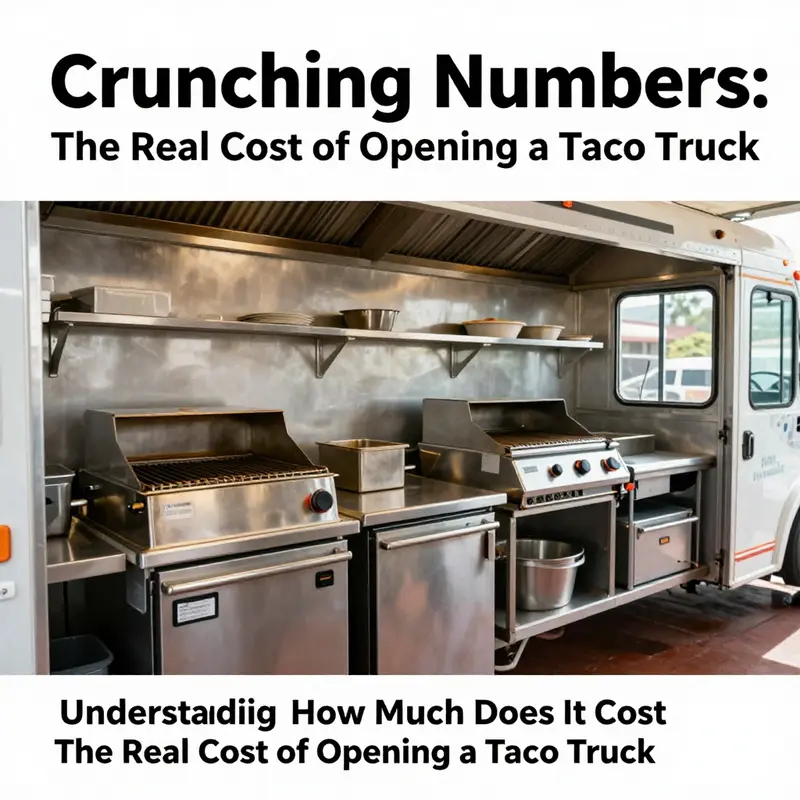
Launching a taco truck hinges on choices you make about the mobile kitchen. The vehicle, the layout, and the equipment determine not only your initial outlay but also daily workflow, menu limits, and long-term profitability. Understanding those trade-offs helps you hit the sweet spot between cost control and the functionality needed to deliver consistent, high-quality tacos. This chapter walks through the tangible costs and practical decisions behind outfitting a taco truck so you can shape an investment plan that fits your ambitions and market.
Begin with the vehicle. Many operators buy a used cargo van or a pre-owned truck and convert it, while others purchase a dedicated, custom-built food truck. A converted van can save tens of thousands on the sticker price, but a purpose-built truck often makes better use of space and comes with advantages in insulation, ventilation, and electrical systems. Expect a wide range: simple used vehicles might appear in the low tens of thousands, while a fully outfitted new chassis with a professionally installed kitchen commonly pushes the total into the upper five figures. If you plan significant customization, factor in possible mechanical work before the conversion can begin. That additional expenditure is common with older chassis and should be budgeted to avoid surprises.
The heart of the cost breakdown is kitchen equipment. Your menu determines the gear, but every taco truck needs a reliable cooking surface, refrigeration, hot-holding, sinks for sanitation, and storage. Commercial-grade grills or griddles are essential for rapid, consistent sear on proteins and for heating tortillas. A mid-sized griddle suitable for a busy taco truck typically falls within a moderate price band but must be built for continuous use. Refrigeration costs include a reach-in refrigerator and a small under-counter unit, plus a freezer if you plan to store larger quantities of proteins or frozen ingredients. Adding a prep table with built-in chilled wells can streamline service and improve portion control. Together, these core pieces commonly account for a large portion of the equipment budget.
Plumbing and sanitation are non-negotiable. Food safety regulations require dedicated hand-wash sinks and often a three-compartment sink for washing equipment, depending on local codes. Installing hot water heaters, gray-water tanks, and fresh-water tanks increases both equipment and installation costs. These systems must meet municipal health-department standards, so plan for proper materials and professional installation. Substandard plumbing will delay your permit approvals and can cost more to correct later.
Ventilation and fire suppression are safety-critical items that also affect cost. A commercial exhaust hood with a make-up air system keeps the workspace safe and compliant. Many cities demand installed fire-suppression systems tied to your cooking equipment. While these components add several thousand dollars to the build, they’re essential for permit approval and for protecting your crew and vehicle.
Electrical systems shape what equipment you can run and where you can park. A well-designed truck includes a power plan that balances generators, shore power capability, inverter systems, and battery backups if needed. Generators vary in cost based on capacity and emission type. If your truck operates in areas with tight idling restrictions, invest in quieter, low-emission generators or power-in-place solutions. Lighting and outlets are low-cost items by themselves but add up when combined with heavy appliances drawing continuous power.
Materials and layout choices influence both durability and ergonomics. Stainless steel surfaces are pricier up front but last longer and simplify cleaning. Slip-resistant flooring, properly sealed walls, and adequate shelving reduce long-term maintenance and help pass health inspections. The internal layout must support a quick service line: a clear flow from prep to cook to assembly to the service window speeds orders and reduces crew fatigue. A smart layout may cost more during the build but it pays back quickly in faster ticket times and fewer mistakes.
Costs vary by scale. A modest, tightly focused taco truck designed for high-volume, simple menus often requires less equipment and can be completed for a lower budget. In contrast, a truck aiming to offer an extensive menu with multiple protein options, specialty sides, or on-demand frying will need more burners, fryers, and prep stations—each adding to the total. For many taco concepts, keeping the menu small and equipment-efficient is a smart way to control spending while maximizing throughput.
Compare the taco truck model to other mobile food operations to understand why equipment choices matter. Beverage-focused trucks can lean on simplified equipment with higher margins and lower complexity, while BBQ trucks require large smokers, extended cook times, and heavy fuel use. Taco trucks hit a middle ground. They need dependable cooking surfaces and refrigeration but avoid the hours-long slow smoking process and often require less fuel. This balance makes the taco truck adaptable to urban streets, events, and late-night crowds, and explains their strong profit potential when outfitted correctly.
Budgeting realistically requires creating a layered cost estimate: the base vehicle, essential kitchen gear, safety and sanitation systems, electrical and plumbing, and finish materials. For many entrepreneurs, the total initial investment for a used truck with a new or refurbished kitchen lands between figures that reflect mid-level customization. Higher-end custom builds, particularly in large metros with costly permit hurdles, nudge that number upward. Plan for contingency funds to cover unexpected mechanical fixes, permit delays, or last-minute equipment replacements.
Think ahead about maintenance and replacement cycles. Commercial equipment runs hard in a mobile environment, so choose brands and models with accessible parts and service networks. Scheduling routine maintenance prevents major breakdowns that can sideline operations for days. Consider also how ease of cleaning affects labor and downtime: equipment with simple disassembly for cleaning reduces time between service shifts and lowers labor cost per ticket.
Space constraints in a truck push you to prioritize multi-use equipment. A versatile griddle, modular refrigeration, and stackable storage gels well with a compact footprint. Invest in efficient storage systems and standardized containers for faster prep and consistent portion control. These choices improve speed and reduce food waste, which directly impacts your bottom line.
Financing the build is another practical consideration. Many operators combine savings with small business loans, equipment financing, or leases. Financing terms vary, and securing a loan often depends on a detailed business plan and realistic projections. If you plan to sustain a rapid expansion or multiple units, designing the initial truck for replicability saves time and money when you scale.
Licensing, inspection, and compliance costs are entwined with equipment decisions. Some cities require specific certified components or inspections tied to the type of cooking equipment. Before investing, consult local health and fire departments to confirm requirements for sinks, ventilation, suppression systems, and waste tanks. Aligning your build to local codes from the outset prevents costly revisions later and speeds up your path to opening.
Finally, weigh the value of professional build shops versus a DIY route. Experienced fabricators understand regulatory expectations and produce efficient workflows. Their expertise can shorten build time and produce a more reliable final product, but at a premium. Some operators reduce costs by handling non-critical tasks themselves while leaving core installations to pros. Whichever path you choose, document specifications and secure warranties on installed systems. That documentation helps with insurance, permits, and future resale value.
Choosing the right configuration and equipment mix is about matching capacity to demand. A truck built for continuous lunchtime lines near office parks needs different gear than one focused on weekend festivals and late-night crowds. By aligning the build with your menu and market, planning for required safety and sanitation systems, and budgeting for reputable equipment, you position your taco truck to open on time and serve reliably. For a full, practical checklist of equipment and operational cost considerations, reference this detailed industry guide: https://www.shopify.com/blog/food-truck-cost-2025.
For help selecting the right truck model as you move from planning to purchase, consider this internal resource on choosing the right food truck: choosing the right food truck.
Inside the Cost: Licensing, Permits, and Insurance for Opening a Taco Truck
The financial puzzle of opening a taco truck often begins with the trio that quietly anchors every successful mobile kitchen: licensing, permits, and insurance. These line items are less visible than the sizzle of the grill, yet they set the baseline for legal operation, risk management, and long‑term stability. When you tally the all‑in cost of entry, the vehicle and equipment may steal the headlines, but licensing fees, permits, and insurance determine whether you can legally turn a key and serve customers day after day. Understanding these numbers is not a tedious addendum; it is the practical framework that shapes every business decision, from where you stage your truck to how you price your menu and hire staff.
Licensing is the first gate to pass, a small but essential annual or periodic expense that confirms you are authorized to trade in a given jurisdiction. In many places, the annual licensing cost sits in a relatively modest range, often between fifty and two hundred dollars. The exact figure each year can depend on city hall practices, the specific vendor classification, and whether you need to renew or reassess your business structure. Some municipalities treat mobile food as a distinct category with its own tag or license product, which can push the cost slightly higher than a standard business license. This is not a glamorous line item, but it is the kind of predictable cost you can model into a monthly budget and a year‑one financial plan. The key is not the price alone but the requirement to stay current with your licensing status to avoid penalties, fines, or interruptions to service.
Permits, by contrast, tend to be more variegated and can appear in several flavors across different levels of government. A health department permit is a near‑universal requirement for any kitchen performing food preparation, and it typically runs roughly between one hundred and five hundred dollars annually. That range reflects differences in inspection cadence, storage rules, and equipment verification standards. Local business permits, which formalize the right to operate within a street grid, can add another fifty to three hundred dollars. It’s not unusual for cities with more complex zoning or stricter enforcement to layer additional permit costs onto a startup, especially if you plan to operate at multiple sites or participate in sanctioned events. In some environments, you may also encounter special event permits—these are issued for cars and stalls that want to park in specific zones or participate in festivals and markets. Special event permits are often priced on a per‑event basis, ranging from one hundred to one thousand dollars depending on the location, duration, and the regulatory expectations of the hosting jurisdiction. When you map out a year of operations, the permits can be one of the most volatile line items, because your schedule of locations and events can swing the annual total up or down significantly.
Insurance is the third pillar, and in many operators’ eyes the most critical. It sits at the intersection of day‑to‑day risk and long‑term viability. General liability insurance is widely regarded as essential for any food business, providing coverage against claims of bodily injury or property damage arising from your service. Typical premiums for this core coverage run from roughly six hundred to twelve hundred dollars per year. If you intend to hire employees, workers’ compensation insurance becomes a compliance and safety necessity in most states. The cost for workers’ comp generally falls in the eight hundred to two thousand dollars per year band, depending on the number of staff, payroll, and whether you’re in a high‑risk or high‑expense market. Vehicle insurance, tailored to a mobile operation, covers the truck itself and its campaign as it travels from one site to another. Depending on the vehicle’s value, usage, and your coverage choices, this can range from about one thousand to three thousand dollars annually.
Taken together, licensing, permits, and insurance form a framework that can both constrain and protect your taco truck venture. In practical terms, for a basic setup in a modest market, you might expect the cumulative annual cost of these three categories to land somewhere in the low thousands—perhaps around one thousand five hundred to five thousand dollars for a first year, depending on how you structure the business, how many site commitments you secure, and how aggressively you pursue event opportunities. In higher‑cost markets, the same trio can push toward the upper end of that spectrum because permit fees are higher, renewal cycles are more demanding, and insurance premiums reflect the greater risk and asset value that operators face in dense urban cores. A well‑equipped truck in a city with expensive parking, stricter fire codes, and more rigorous health inspections will carry a proportionally higher baseline, even if the core licensing and permit prices appear reasonable on a national average.
That said, licensing, permits, and insurance are not merely costs to absorb; they are strategic tools. A clean licensing record reduces the chance of unexpected shutdowns or fines, while a comprehensive insurance plan can prevent a small accident from becoming a financial disaster. For an aspiring taco entrepreneur, the discipline of budgeting for these items from the outset pays dividends in the form of smoother operations, fewer disruptions, and greater confidence when negotiating with event hosts, landlords, or partner venues. The consistency in these costs also makes it easier to forecast cash flow and to communicate a credible budget to lenders or investors who are evaluating your business plan. When you look at the broader cost picture—vehicle purchase, kitchen equipment, permits, licenses, insurance, and ongoing maintenance—the licensing and insurance line items emerge as the steadfast anchor that keeps your business compliant and protected as you chase higher‑frequency sales at festivals, corporate campuses, or transit hubs.
Within the broader cost framework, there is value in learning from experience and from the shared playbooks of those who have walked this road. One practical step is to engage with guidance that translates the bureaucratic language of permits and licenses into actionable planning steps. For example, the decision to choose a particular city or event strategy can hinge on how licensing and permit regimes align with your target locations and hours of operation. If your plan includes frequent participation in large markets, preparing for higher permit costs and more frequent renewals can shape your menu design, staffing strategy, and inventory management so you can maintain profitability even as regulatory obligations fluctuate. If you envision a more stable schedule in a smaller town with regular weekend markets, you may benefit from a lower annual permit burden and more predictable insurance premiums, keeping your overhead lean while you build a local following.
For a practical starting point on how these considerations fold into a broader startup framework, consider the resource path that guides many food‑truck operators through the maze of costs and compliance. Choosing the Right Food Truck, for instance, offers a perspective on aligning equipment, vehicle choice, and regulatory steps with your business goals, helping you discern where to invest first and what to deprioritize without compromising safety or legality. This kind of guidance supports a more intentional budgeting approach, ensuring licensing, permits, and insurance are treated as core priorities rather than afterthoughts.
From a planning standpoint, it’s helpful to view licensing, permits, and insurance as a shared cost budget element—one that scales with your ambitions. If you plan to operate in multiple cities or frequent major events, reserve a higher contingency for permit variability and insurance needs. If your plan is more localized, you can negotiate more favorable terms over time, maintain strict compliance, and leverage a stable risk management posture to protect your brand and your revenue streams. Regardless of scale, keeping these costs transparent in your business plan—alongside the other startup outlays like vehicle and kitchen equipment—creates a more accurate forecast of when profitability can become tangible. In practice, that profitability often appears within six to nine months for many taco trucks that secure high‑traffic events and strategic locations, but the exact trajectory will hinge on your regulatory environment, the density of opportunities, and how efficiently you convert permits into permission to serve.
In closing, the licensing, permits, and insurance components of opening a taco truck are not merely compliance hurdles. They are the bedrock of sustainable operation and wise risk management. They shape your day‑to‑day realities and influence strategic choices, from the markets you chase to the contracts you pursue. By budgeting thoughtfully for these items, you set a clear path toward not just surviving the launch phase but thriving in the broader street‑food ecosystem. And as you refine your plan, you can draw on practical insights from industry writers and practitioners who map the journey from permit to profit, grounding your aspirations in the realities of regulation and protection. For a concise, actionable starting point on the decision‑making that drives the overall cost picture, check out Choosing the Right Food Truck, which offers a grounded look at how vehicle choice and regulatory readiness intersect with the business model you’re building. https://fireduptacotruck.com/choosing-the-right-food-truck/
External resource: For a comprehensive overview of startup costs, including equipment, inventory, and initial marketing, see the U.S. Small Business Administration’s guide on startup costs: https://www.sba.gov/business-guide/launch-your-business/startup-costs
Profit and Payback: Real Costs, Margins, and When a Taco Truck Breaks Even
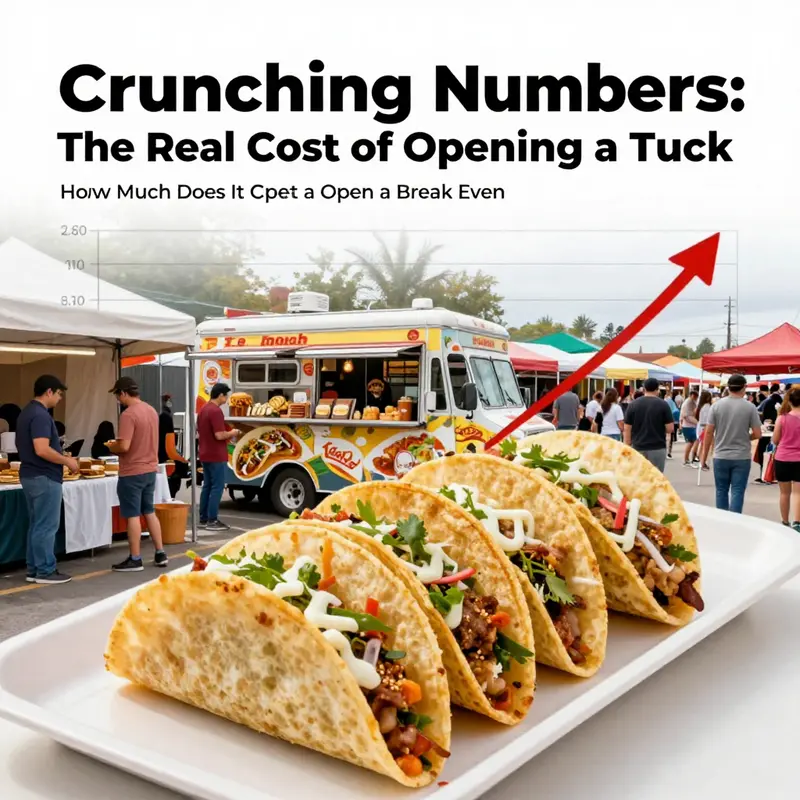
Understanding the investment and the path to profit is the heartbeat of every taco truck plan. Start-up costs vary widely, and so do the routes to break-even. This chapter connects the dollars you put in with the revenue you can realistically expect, and it maps how menu choices, location strategy, and operational discipline compress or extend the payback period.
The capital picture begins with the truck itself. Buying and customizing a vehicle is the largest single expense. Options range from converting a used cargo van to commissioning a new, fully outfitted truck. For many recent operators the decision centers on balancing up-front cost with reliability and efficiency. A used vehicle trimmed to basic needs reduces initial outlay but can raise maintenance risks. A new, custom build reduces downtime and may include more efficient equipment, but it comes with a higher price tag. Across the market, upfront vehicle and conversion costs often dominate the budget and can push total initial investment into different brackets.
Kitchen equipment and layout define both cost and capability. Commercial-grade grills, refrigeration, handwashing stations, ventilation, and storage are not optional. Quality equipment costs more but lasts longer and supports higher volume with consistent results. Expect to allocate a sizable portion of your budget to appliances that meet local health codes and handle peak service periods without failure. The choice of equipment also affects energy consumption and fuel needs, which filter down into operating costs.
Licensing, permits, and insurance are small compared to a truck purchase, yet they are essential and non-negotiable. Permit fees and the cost of complying with health department standards vary by city and county. Insurance for a mobile food operation covers vehicle liability, general liability, and often product liability; premiums depend on location, menu risk (fryer use, alcohol sales), and revenue projections. These recurring regulatory and insurance expenses must be planned into cash flow projections from day one.
Inventory and initial marketing complete the initial spend. Stocking high-quality ingredients, packaging, and a launch marketing push—social media, local listings, and event partnerships—require cash reserves. A strong opening generates immediate sales and customer feedback, which is crucial when break-even timelines are tight.
How much will you actually spend? Industry estimates vary by year and market, but a realistic range for a fully equipped mobile food operation today can extend from the lower tens of thousands into the low six figures. Some reports place the initial outlay between $30,000 and $80,000 for basic setups, while others, reflecting current customization and equipment standards, cite ranges from $100,000 to $250,000 for turnkey trucks. This wide band reflects differences in vehicle choice, the degree of customization, and the local cost of doing business.
Profitability depends on more than how much you spend. It depends on what you sell, where you sell it, and how efficiently you run service. Tacos are inherently well-suited to mobile operations because of their high perceived value, relatively low ingredient cost, and quick service time. When menu items use cost-effective proteins, beans, rice, and produce, gross margins can be strong. Well-structured taco menus often achieve gross margins in the 60–70% range on individual items. That level of margin is what turns decent daily sales into sustainable profits.
But gross margin is only one part of the equation. Fixed costs—loan payments for the truck, insurance, permits, and base utilities or commissary fees—must be covered before you see net profit. Variable costs—labor, fuel, ingredient shrinkage—scale with sales. The path to break-even requires selling enough volume at the right average ticket price to cover both fixed and variable expenses.
Location and event strategy tilt the balance considerably. High-foot-traffic urban centers and festival circuits accelerate sales, but they often come with higher permit costs and stiffer local competition. Cities with established street food culture provide constant demand and multiple revenue streams: weekday lunch crowds near office parks, evening service near bars and music venues, and weekend festivals. Truck operators who schedule themselves across these pockets of demand and who secure regular stops can smooth revenue across months.
Events and festivals are a multiplier. Trucks that participate in major events can report up to 40% higher sales volumes than peers who focus only on fixed or regular locations. Events bring concentrated demand and the willingness of customers to spend more per visit. A strategic mix of steady weekly locations and occasional high-volume events reduces reliance on any single source of traffic.
Menu design is a lever for both customer appeal and cash flow. Tacos built with inexpensive, flavorful components and streamlined prep are both profitable and fast to serve. Specialty or niche tacos—authentic regional styles or plant-based innovations—can command premium pricing and foster repeat business. The key is balancing complexity with speed. Each additional prep step or rare ingredient increases labor and inventory complexity, which erodes margins unless matched by a higher ticket.
Pricing must reflect local willingness to pay, competition, and perceived value. A well-priced combo that increases average ticket size without disproportionately raising costs can shorten the payback timeline. Upsells—drinks, sides, or signature toppings—lift ticket averages with relatively low incremental cost.
Operational efficiency accelerates break-even. Tight portion control, inventory rotation, and a simple, teachable prep system reduce waste and labor costs. Training staff to manage rushes and maintain consistent quality protects margins. Tracking daily sales and costs helps identify slow-moving menu items and opportunities for improvement. Many profitable operators run tight weekly reviews of food costs, labor hours, and fuel consumption to spot trends before they become problems.
How long until you break even? Estimates vary. Shorter timelines—6 to 12 months—are realistic in a few cases where operators acquire a low-cost vehicle, secure premium locations, and execute a high-margin menu. More commonly, break-even falls in the 12 to 30 month range. The wide span depends on initial investment size, monthly fixed costs, and achievable sales volume. In cities with robust truck cultures, such as Austin, achieving profitability within 18 months is common for disciplined operators who balance steady weekday revenue with weekend events and strong branding.
A practical example helps. Imagine a truck with a $120,000 start-up cost. If monthly fixed costs amount to $6,000 and variable costs run about 40% of revenue, the truck needs to cover roughly $10,000 in gross profit each month to break even. At an average ticket of $12, that equates to about 830 tickets per month—or roughly 40 tickets per day. In higher-traffic markets those numbers are achievable with a mix of lunch and evening service plus event weekends. In lower-density markets you either need a leaner cost structure or higher average tickets.
Financing choices also shape the timeline. Paying cash reduces monthly debt service but ties up capital. Financing spreads the cost and increases monthly outgo, extending the break-even horizon unless financing enables a higher-quality truck that significantly increases sales. Grants, small business loans, or equipment leasing can make expansion possible while preserving working capital.
Marketing and brand consistency speed customer acquisition. Consistent hours, clear social media updates, and participation in local marketplaces build a loyal following. Email and social promotions increase repeat visits and can be an efficient way to move slow nights or promote new menu items. For more on launch preparations and legal requirements, consult practical guides about operating and registering a mobile food business, which will help you avoid costly compliance delays.
Ultimately, the math behind a taco truck’s success is straightforward but unforgiving: invest prudently, design a high-margin menu, secure reliable locations, control costs, and promote consistently. With those elements in place, many operators reach profitability in under two years. The exact timeline depends on the choices you make about vehicle quality, equipment, marketing investment, and whether you prioritize steady weekday sales or chase high-volume events. With disciplined execution, the taco truck can be both a lean way to enter the food business and a fast path to profitable, independent ownership.
For insights into a thriving city example and to see how cultural context and event participation can accelerate growth, review coverage of a notable street food scene in Austin: https://www.texasmonthly.com/food/best-taco-trucks-austin-2026/.
For guidance on the legal and operational steps you should plan for when launching, see this practical resource on getting started with the truck selection and launch process: choosing the right food truck.
Final thoughts
Launching a taco truck is an exciting endeavor filled with opportunities, but it does come with overhead that requires careful consideration. As we’ve explored, vehicle purchase, kitchen equipment, and the necessary permits can add up—so planning your budget wisely is key. Remember, the path to profitability can be as spicy and satisfying as the tacos you serve. With strategic planning and a flair for flavors, your taco truck could not only break even but also thrive! Now, equipped with insights, you’re ready to take your first fiery steps into the taco truck business!