

In the bustling atmosphere of taco trucks, where the tantalizing scents of grilled meats waft through the air, one condiment reigns supreme: salsa verde. This vibrant green sauce is not just a mere afterthought; it is the zingy companion that elevates every taco from ordinary to extraordinary. In this journey through the world of salsa verde, we will explore what makes this green sauce so special. We delve deep into its core ingredients and how to whip up a fresh batch, savor its distinctive flavor profile and the myriad of ways to enjoy it, examine the delicious regional variations of this beloved sauce, and uncover its rich cultural significance. By the end, taco enthusiasts and culinary lovers alike will appreciate the delightful nuances of this zesty green sauce and why it’s a must-have at every taco truck.
Green Heat on the Street: Unraveling Salsa Verde at Taco Trucks
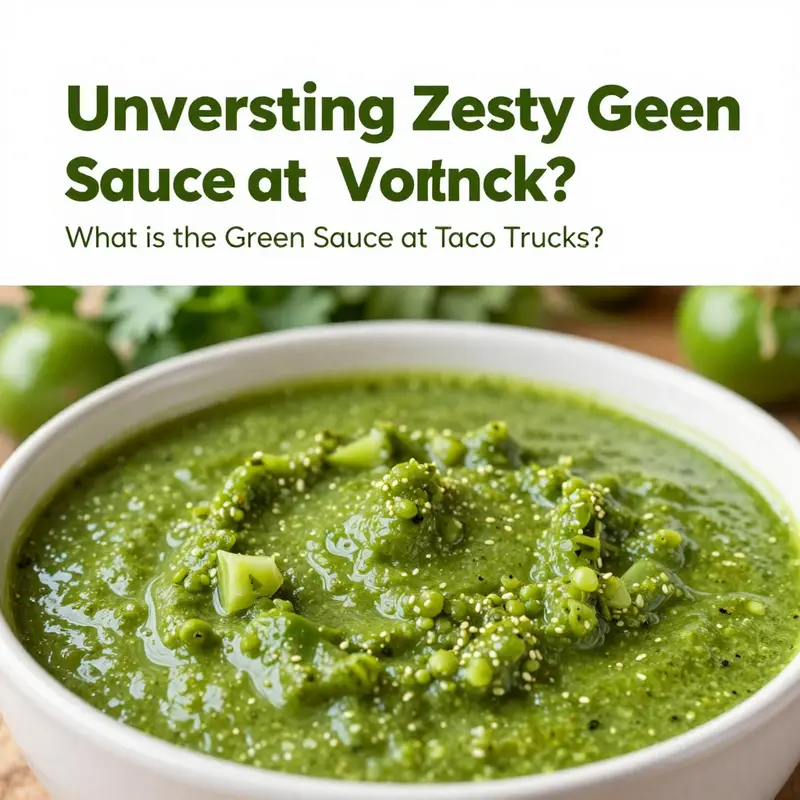
When you lean into a window at a taco truck and glimpse a bright, verdant spoon gliding over a warm tortilla, you’re witnessing more than a condiment. Salsa verde, the green sauce that neonizes many street- tacos, is a living thread in the fabric of regional Mexican and Latin American street food. It carries acidity bright enough to wake the palate, herbal notes that lift grilled meat, and a quiet heat that lingers with a clean, fresh finish. It is, in essence, a mirror of the street itself—quick, vibrant, and deeply connected to the ingredients that grow nearby. The story of salsa verde on the taco truck is a story about tomatillos, chiles, and a craft that balances rustic practicality with culinary nuance. It begins with the tomatillo, that tart, papery husk-wrapped fruit that looks almost like a small, green-gold lantern. Tomatillos are not just green cousins to the tomato; they carry their own tart citrus brightness, a tartness that is essential to the unity of salsa verde. When they are cooked—whether roasted to coax sweetness from their edges or boiled to soften their sharpness—their natural acidity becomes a kind of seasoning in itself. The act of cooking them is an invitation for flavor to bloom rather than merely to soften. They are then joined by fresh green chiles, cilantro, onions, and garlic. The chiles—often jalapeños or serranos—bring a brightness and a measured heat that can range from a gentle glow to a sharper bite, depending on the vendor and the age of the peppers. The cilantro and onion add a herbaceous and slightly sweet frame, while garlic contributes a subtle backbone. Lime juice is a common corner stone for some versions, a bright spark that sharpens the herbaceous notes. In many kitchens of the street, an avocado or a touch of crema might sneak in for creaminess, but the essence remains anchored in those clear, green flavors that proclaim freshness with every dip and drizzle. The magic of salsa verde lies in how this blend balances acidity, heat, and aroma. The tomatillos deliver a crisp, almost citrus-like tartness that cuts through the fats and char of grilled meats—think carnitas, al pastor, or a well-lusted piece of braised meat. The heat is not overwhelming; it is a gentle push that invites you to taste the meat in relief rather than overwhelm it. This is why many taco trucks rely on salsa verde as a supporting act that also shines as a star in its own right. You can find it poured on the side, allowing each diner to decide how much brightness they want, or spooned atop a taco to unify the textures and flavors in a single bite. The texture of salsa verde contrasts are part of its appeal. Some cooks blend it into a smooth, emulsified sauce that coats the tortilla evenly and creates a glossy sheen on the bite. Others keep it rustic and chunky, with finely chopped onions and cilantro pieces still visible, which gives a sense of garden-fresh texture in every mouthful. The choice between smooth and chunky is less about right or wrong than about the personality of the stall and the dish it accompanies. In many regional styles across the U.S. Southwest, the label “green sauce” might conjure memories of a slow-simmered impression of the same family of flavors, but salsa verde as it stands on the taco truck is often a pourable, ready-to-dip sauce. The result is a condiment that feels both immediate and timeless—a reminder that good street food is as much about balance as it is about fire and fresh ingredients. The variations you encounter at different trucks tell a map of taste rather than a single recipe. Some vendors lean into lime and garlic for an extra zing, others emphasize the clean vegetal note of cilantro and tomatillo with a touch of olive oil to carry the aroma. A few add a whisper of avocado for silkiness, a nod to regional preferences and the desire for a smoother mouthfeel that still keeps the sauce bright. Authentic salsa verde is indeed a celebration of freshness. It relies on bright, high-quality ingredients rather than canned shortcuts. The recipe is a dialogue with the market—whatever is freshest, sharpest, and most fragrant on that given day, shaping the sauce that will accompany a dozen different fillings. When you savor salsa verde at a taco truck, you are tasting a cooking philosophy: modest tools, bold flavors, and a willingness to adjust the flame and the grind to coax maximum character from raw materials. This is why salsa verde can feel both universal and intimately local. Its role as a finish and a flavor builder makes it a reliable partner to almost any protein or plant-based filling, letting the meat’s natural fats and the tortilla’s starches harmonize with a little acidity and herbaceous lift. In practice, this means salsa verde is not just a sidekick but a culinary instrument. It can temper the richness of a slow-roasted cut, brighten the flatness of a heavy tortilla, or even stand in for a bright, zesty base in enchiladas or huevos. Its versatility makes it a staple for vendors who operate on tight margins and fast lines: a single, high-impact sauce that can be used across multiple menu items without requiring a long, elaborate kitchen process. If you’re curious about the craft behind the sauce, the Fireduptacotruck blog offers practical explorations into street-level cooking, including how cooks balance acidity, heat, and texture in real-time service. Fireduptacotruck blog. The blog’s practical lens helps readers appreciate why certain tweaks—like roasting the tomatillos for a few minutes longer or dialing the heat up or down—can transform a sauce from good to indispensable. Beyond the plate, salsa verde embodies a broader culinary principle: the street kitchen thrives on clarity and freshness. It shows how a few complementary ingredients can harmonize into a sauce that enhances, rather than overwhelms, the primary flavors. The bright acidity acts as a palate cleanser, the herbs lift the smoky or fried notes from the meat, and the gentle heat nudges you toward the next bite rather than staging a sudden, overpowering moment. This is why salsa verde is a staple on taco trucks and a touchstone for anyone seeking an authentic and flavorful street-food experience. It is also a reminder that what might appear simple—green tomatoes, green chiles, cilantro, onion, garlic—can yield a sauce with real depth when the cook treats balance as the guiding principle. The more you taste, the more you recognize the careful choreography between sharpness and softness, freshness and heat, the way a well-made salsa verde can turn a modest taco into something memorable. And so, the next time you lean in for a bite, notice how the green sauce behaves on your tongue: it awakens the palate, complements the meat’s richness, and, in its own bright way, speaks of sunlit markets, quick-fire grills, and the shared ritual of street-food joy. External resource: https://www.foodnetwork.com/recipes/ingredients/salsa-verde-101-2453687
null

null
Salsa Verde Unveiled: The Bright Pulse That Defines Taco Truck Flavor
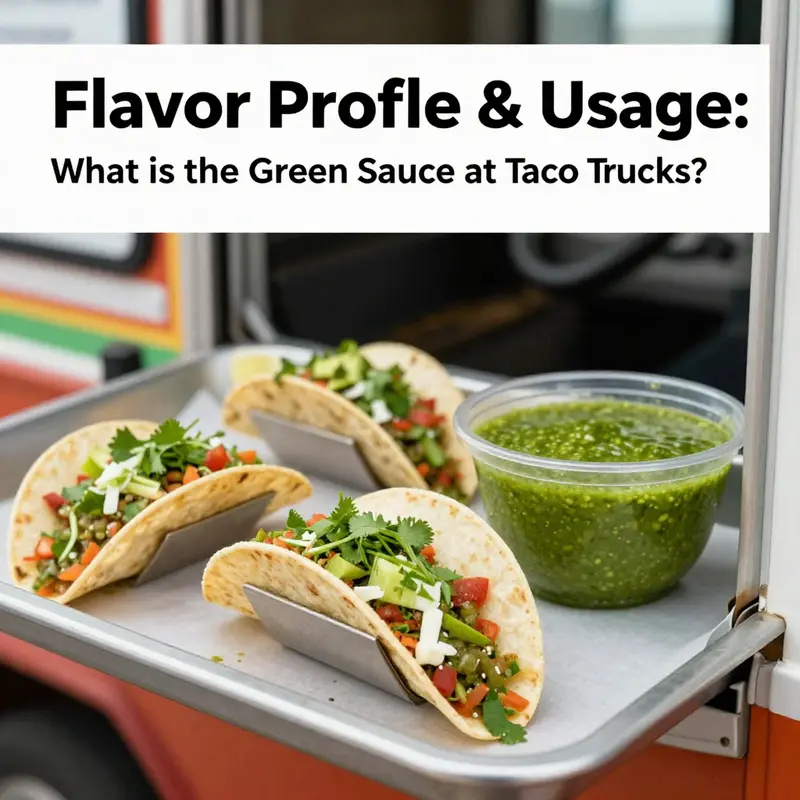
When you tilt a corner of a taco cart toward your mouth, the first thing that greets you is a green brightness that feels almost electrolytic in its freshness. The green sauce, commonly known as salsa verde, is more than a condiment. It is the pulse of a taco truck’s offerings, the quick alchemy that lifts smoky meats, tames rich sauces, and invites you to take another bite before you even realize it. Its appeal rests on a simple idea: high acidity balanced by a clean herb lift, with heat kept just enough to keep the tongue attentive rather than overwhelmed. It is a condiment that carries tradition in its texture and aroma, yet it moves with the speed and flexibility that a street kitchen demands. In this context, salsa verde is both a memory and a method, a link between grandmother’s kitchen and a cart that can turn any lonesome street corner into a bustling lunch hour. The basic structure—tart tomatillos, bright cilantro, onion and garlic, and green chiles—hints at a rustic simplicity. Yet the execution reveals a studio-level precision: the tomatillos can be softened by roasting or boiling, the chiles can be blistered to unlock their aroma, and the blend can emerge silky-smooth or lively and chunky depending on who is at the grinder that day. The result is a sauce that tastes like it was made in minutes, though many taco carts invest time in tuning it to the neighborhood palate. Its versatility is a core strength. It drapes over carnitas with a kiss of lime, it charms al pastor with a bright counterpoint to the spice, and it complements chicken with a herbal lift that makes each bite feel lighter. The sauce’s acidity is a counterweight to fat. It resets the palate, inviting another taco, another sip of agua, another moment of decision in a busy queue. The herbaceous note—speaking of cilantro in a way that makes the herb seem almost essential to the street-food equation—sings through, carrying a verdant freshness that feels inherently Mexican and expansively regional at the same time. The heat, drawn from serrano or jalapeño chiles, is usually modest but not inconsequential. It’s enough to wake the senses without masking the sauce’s bright fruitiness. For some cooks, the heat is tuned by the seeds that are left intact; for others, the seeds are removed to maintain a cleaner, crisper finish. Either way, the heat is there to sharpen the flavor, not to dominate it. The texture dances between liquid and light body; some carts favor a pourable, glossy finish, smooth and restaurant-ready, while others opt for a rustic, slightly chunky mouthfeel that invites a tactile bite as much as a taste. In many regional takes, the balance shifts with the wateriness of the tomatillos and the strength of the chiles. Tomatillos themselves are the heart. They are small, husked fruits that carry a citrusy tartness, a tang that can feel almost lemony in its brightness. When they are cooked—whether boiled to soften or roasted to caramelize—their sharp edge rounds into a mellow vegetal sweetness. The cooking method matters. Roasting tends to deepen the flavor and give a subtle smoky undertone, which can lend the sauce a more complex personality. Boiling preserves a sharper, fresher note, which some purists prize for its direct, almost electric acidity. The cilantro brings a verdant punch that also carries a faint peppery scent, a green note that keeps the sauce from tipping into oily richness. Garlic and onion anchor the mix with pungency and warmth, while lime juice or a splash of salt-driven acidity helps balance the overall bite. Some preparations flirt with avocado or a touch of cream to introduce a creamy counterpoint, but this is more common in modern versions that lean toward velvety texture than in the traditional street-counter approach. The core identity is a fresh, bright collaboration of herbs, citrus, and green heat. In the context of a taco truck, salsa verde does more than finish plates. It doubles as a marinade for meats on the grill, a drizzle that finishes fajitas, and a quick dressing for sautéed vegetables that accompany the tacos. Its acidity works as a palate cleanser, slicing through the fat from roasted pork or fried tortillas. The herbaceousness brightens the entire plate, preventing the richness from weighing things down. Its role as a versatile partner also means it can mingle with stock for a quick enchilada sauce or be swirled into soups to lift a bowl from everyday to comforting. This adaptability is what makes salsa verde a dependable character in a street menu. A loyal cook will tell you that there is more than technique at play here. There is a philosophy of balance: the acid must be bright but not sharp, the cilantro should feel fresh without turning grassy, the garlic must be present without dominating, and the heat should awaken the mouth rather than shout. Taste becomes a ritual. The cook adjusts with a practiced hand, adding salt, lime, or a whisper of sweetness from caramelized onions to smooth a harsh edge. In some regions, you’ll notice a stronger onion presence or a more generous garlic note, a nod to neighborhood tastes. In others, the cilantro takes more space, offering a cleaner, greener finish that almost tastes like it’s shouting from a garden. Whatever the regional nuance, the essence remains: salsa verde is a bright, crisp, and adaptable sauce that helps a taco truck stand out in a crowded skyline of street-food options. For readers seeking to recreate an experience at home, the most reliable approach is surprisingly straightforward. Roast or simmer tomatillos until they release their aroma, then blend them with green chiles, garlic, cilantro, and a squeeze of lime. Add a pinch of salt and taste. The balance is the craft; the technique is the art. The goal is to capture the sense that you’re tasting a street-cart moment—hot, fresh, and almost buoyant with acidity—without sacrificing depth or nuance. It’s a reminder that ingredients, when treated with respect, can speak for themselves. This reverberates beyond the plate. The same principle—bright acidity meeting herbaceous lift, quick execution meeting thoughtful adjustment—permeates the culture of modern food-truck craft. The spirit behind salsa verde mirrors the broader world of street cuisine in which cooks must improvise, balance, and serve with speed. It is not merely a recipe; it is a practice of attention. The way a cart manages its salsa verde speaks volumes about the crew’s discipline, their willingness to taste and re-taste, and their sense of place in a city’s fast-moving food ecosystem. In conversations about the green sauce, there is an undercurrent of continuity: the shared memory of days when families gathered around a stove to make a fresh batch for a weekend hunt of ingredients, and the equally shared recognition that the best carts honor that memory while embracing the modern palate. The result is not nostalgia alone, but a kitchen philosophy that privileges freshness, balance, and speed. It is in this balance that salsa verde earns its role as the emblematic green sauce of taco trucks. When you sip a lime-bright finish, when you feel the cilantro’s coolness cut through smoky meat, you are tasting a tradition that traveled far and arrived with a confident, modern swagger. For those curious about the craft and the possibilities, a deeper dive into the experimental edge of street-food condiments is readily accessible through the broader conversations about food-truck innovations—an idea linked here: food-truck fusions—a culinary revolution. And for a more technical, tested approach to salsa verde, the classic methods and ratios are laid out in reputable culinary resources that explore precise timings, roasting levels, and the delicate art of balancing acidity, heat, and herb. As a guide, they remind us that the sauce’s strength lies in its ability to adapt to context: a crowded late-evening window, a quiet lunch shift, or a family night at a neighborhood taquería. In every scenario, salsa verde performs with a clean crispness, a vegetal brightness, and a heat that is inviting rather than confrontational. It is, in short, the bright heart of the taco truck—an emblem of how simple ingredients, treated with care, can illuminate a plate and carry a culture forward to the next hungry customer hungry for something authentic, vibrant, and undeniably satisfying. External readers may find the deeper technique laid out in authoritative resources that trace the careful balance of ingredients and the steps that transform the raw into the remarkable. Serious Eats offers a detailed exploration of salsa verde that underlines the same core principle: freshness and balance, achieved through roasting, blending, and tasting in sequence. See the reference for a broader technical perspective on the method. https://www.seriouseats.com/salsa-verde-recipe
Green Sauce on the Street: Tracing Chili Verde Through Taco Trucks

On a sun-scorched corner where steam fogs the air and the sizzle of a grill marks the moment, a taco truck becomes a moving stage for flavor. The green sauce, bright as a new day, sits at the edge of the counter like a living companion to the aroma of citrus, roasted meat, and cilantro. This sauce is more than a garnish; it is a cultural thread that ties region to region, street to street, and plate to memory. In many taco trucks across the United States, what you are dipping into your taco is chili verde, a cooked, mellowed, and deeply flavored green sauce built from tomatillos and an ensemble of green chiles. Its texture is often smoother and its flavor more robust than the raw or lightly warmed salsa verde that might appear in other kitchens. The distinction is not purely stylistic; it reflects a lineage of technique and adaptation that has shaped how a simple condiment can elevate a dish into a meal that feels both familiar and adventurous.
Tomatillos are the bright heart of this sauce. When they are roasted or simmered, their tartness softens and their vegetal sweetness blooms, creating a canvas that can temper rich meats without losing its own distinct lift. The green chiles—serrano, jalapeño, poblano among them—offer a spectrum of heat and fruitiness, from crisp punch to a gentler, rounded glow. Onion and garlic lend a base note of savory depth, while cilantro threads through with an herbal lift that makes the sauce feel almost verdant, as if you could taste the green fields where the ingredients once grew. Often a squeeze of lime or a hint of avocado cream adds brightness or silk, but the core remains a straightforward, balanced blend: tart, herbaceous, and singeing just enough to wake the senses without overpowering the meat it accompanies.
In many southwestern taco trucks, the sauce seen is less a quick-dressed topping and more a brazing partner. The cooking method, the way the ingredients are coaxed from sharp to smooth, has a decisive impact on texture and purpose. Unlike the lighter, sometimes chunky salsa verde favored in certain traditional Mexican kitchens, chili verde in the truck world tends to be simmered to a velvety finish. The gentle reduction thickens the purée, creating a pourable, almost glaze-like consistency that can cling to a taco shell or envelop a strand of carne asada with reassuring coat. The heat is present but not domineering; the tang remains, but the flavor has rounded edges, a result of time spent on the stove rather than a quick blend in a blender. This is sauce as a partner in a meal, not simply a bright accent.
Regional variation does not end with texture. It travels with the people who cook and the tastes they chase. In New Mexico and parts of Texas, where the culinary memory holds a pride in chile verde dishes, the sauce often plays dual roles. It can be a standalone salsa for finishing tacos, or it can be the braising liquid that yields succulent pork or chicken in substantial chiles verde plates. Braising in green sauce is a tradition that makes the meat tender and infused with the sauce’s character—the tomatillos’ tartness softened to a kiss, the chiles’ heat integrated into every bite, and the cilantro’s brightness weaving through the long, slow simmer. This makes the sauce not only a topping but a backbone for a dish, giving the truck’s menu an unmistakable signature under bright summer skies or smoky afterdark service.
This is where the truck’s version diverges most from the home kitchen. In many traditional settings, salsa verde appears raw, bright, and sometimes chunky, or boiled and velvety, with layers built in stages. The taco truck’s green sauce, however, often resolves into a smoother, more cohesive purée that can stand on its own as a sauce, a dipping fluid, or a mother sauce for slow-cooked meat. The texture matters as much as the flavor; a thicker, smoother purée helps cut through the fattiness of pork or beef and coats tortillas without breaking them. It’s a practical choice born of street logistics, but it also shapes the eating experience. You get a gust of tartness, a wave of herbal perfume, and a steadier heat that continues to accompany you as you chew and savor.
In considering why this adaptation has endured, it helps to see the sauce as a meeting point between tradition and necessity. Mexican cooks have long varied their greens and chile blends by region, crop year, and the character of a kitchen. In the American Southwest, the taco truck becomes a traveling crossroads where those regional nuances intersect with American preferences for hearty, satisfying sauces that can be poured over multiple dishes. The result is a chili verde that is cooked, smooth, and versatile—capable of pairing with pork in a chile verde-inspired taco, draping over chicken for enchiladas, or simply standing as a zesty companion to grilled vegetables. The sauce’s acidity remains a bright counterpoint to the richness of meat, while its herbal note—the cilantro—keeps it fresh rather than heavy. It is this balance that makes the sauce indispensable in the truck’s repertoire.
What you taste as you bite into a taco with green sauce is more than contrast; it is a dialogue between elements—the vegetal snap of the tomatillo, the pepper’s warmth, the brightness of onion and citrus, and the leafiness of cilantro. The result is a finished dish that can feel almost paradoxically light yet deeply satisfying. The acidity keeps the palate alert, the herbs light up the back of the mouth, and the mild heat invites another bite without demanding it. It is a dance of restraint and fullness, a culinary craft that respects the ingredients’ natural characters while recognizing the practical demands of street service. The apparent simplicity of the sauce belies a careful balance achieved through the cook’s attention to timing, temperature, and the sequence in which flavors are introduced.
For readers who want to explore the broader context of these regional shifts and how they shape what customers encounter at the window, a deeper dive into the evolving form of chili verde in the truck ecosystem can offer perspective. As discussed in culinary commentary on regional sauces and their transformations, the truck version stands as a vivid example of how a traditional green sauce can be reimagined to fit a particular setting and audience. This is not merely a calculable recipe tweak; it is a cultural adaptation that respects the core ingredients while embracing a new pace and purpose. The street side becomes a gallery where history is tasted and memory is made, one spoonful at a time.
For a more detailed historical and culinary exploration of chili verde, see the exploration in Bon Appétit’s discussion of the dish, which illuminates its evolution and regional differences across kitchens and contexts: https://www.bonappetit.com/recipe/chile-verde.
To connect this understanding with practical reading on the truck ecosystem and its storytelling through food, you can explore further insights on the Fireduptacotruck blog, where the culture and technique of street-level cooking are discussed in accessible terms: fireduptacotruck.com/blog/. This resource helps frame how a traditional green sauce travels from kitchen to curbside and gains a life of its own in the hands of different cooks, customers, and communities.
The green sauce at taco trucks, then, is not simply a condiment. It is a living archive—one built from tomatillos, herbs, and chiles, tempered by fire and time, and served with pride on the curb. It binds together flavors from different regions, languages, and histories, turning each bite into a moment of shared memory that travels from a steaming plate to a bustling street corner and beyond.
null
null
Final thoughts
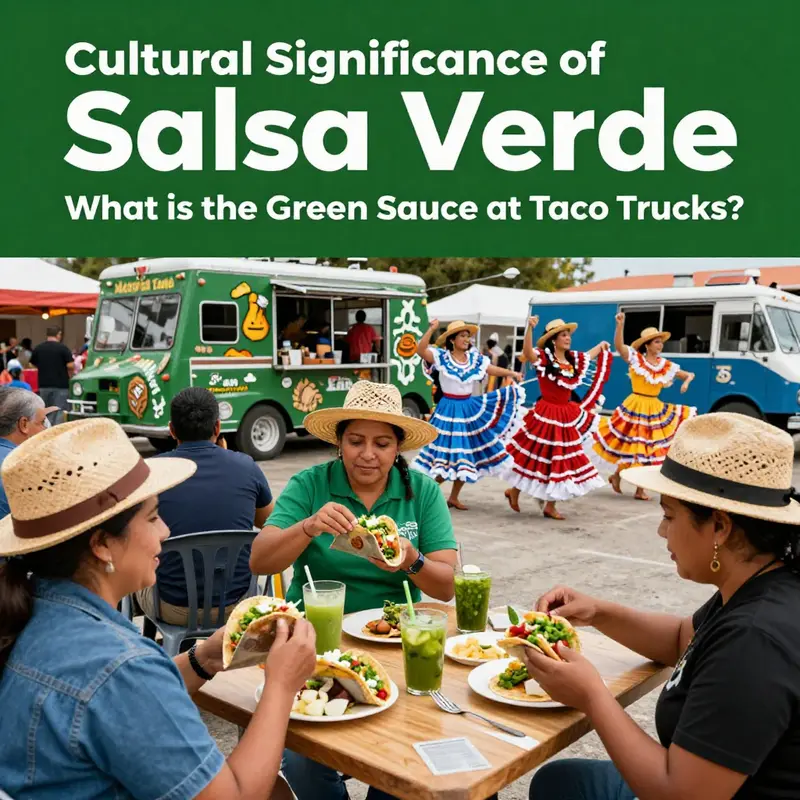
Salsa verde is more than just a condiment; it’s a celebration of flavor, culture, and tradition. This vibrant green sauce embodies the spirit of taco trucks, enhancing every bite with its bright, zesty notes and the earthiness of tomatillos. As you explore the delicious world of salsa verde, you’ll find a myriad of tastes, regional interpretations, and the universal love for this lively sauce that brings people together. From food lovers to taco business owners, recognizing the significance of salsa verde can inspire creativity and a richer dining experience. So, next time you relish a taco from a bustling truck, let that zesty green sauce take you on a flavor adventure!