
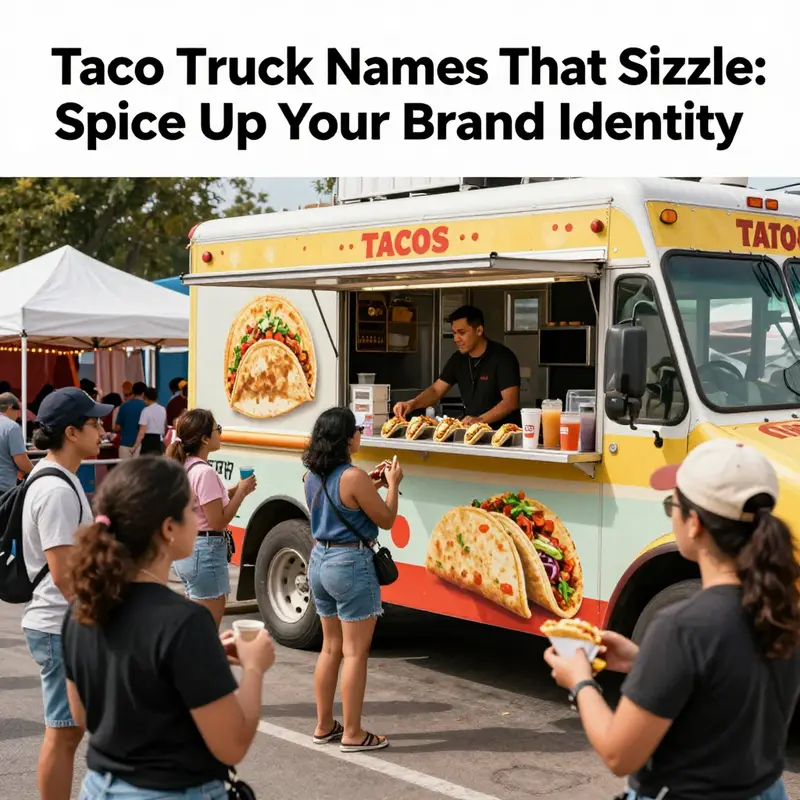
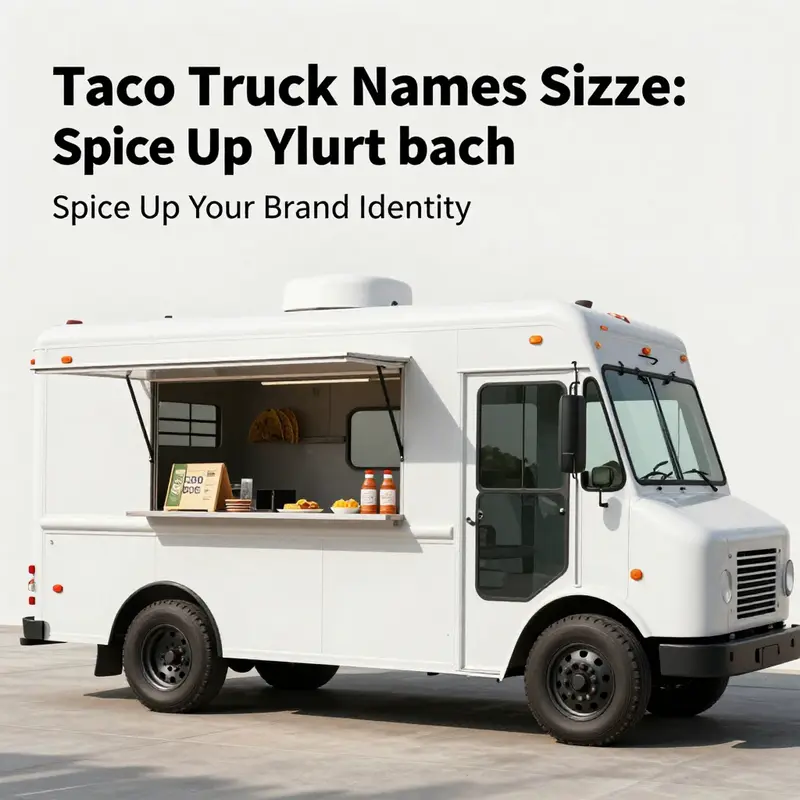
In a world filled with food trucks, a taco truck must do more than just serve delicious tacos; it needs a name that captures the essence of its flavor and culinary appeal. A great name is essential to building a brand identity that resonates with cuisine lovers and taco fans who are eager for flavor-packed experiences. From sizzling and spicy options to clever and punny plays on words, each chapter explores distinct naming styles that embody the spirit of your taco venture. Cultural and authentic flair names allow you to connect to your culinary roots, while minimalist and modern suggestions appeal to those seeking sleek, contemporary vibes. Dive into these chapter insights to find the perfect name that reflects your taco truck’s unique offerings and style!
Fire on Wheels: Naming That Sizzles and Signals a Taco Truck Brand
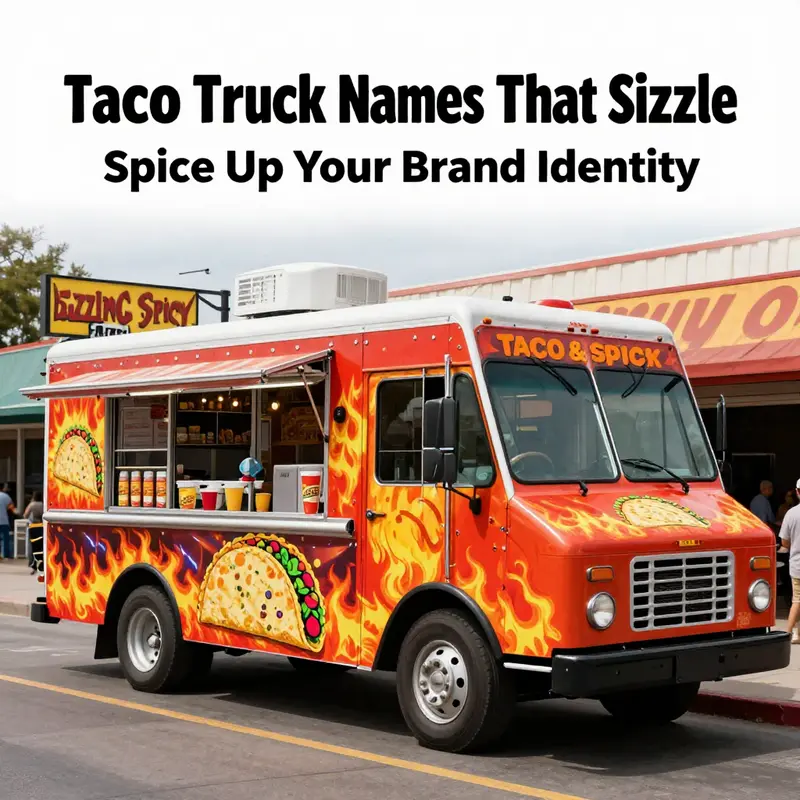
A taco truck does more than serve food; it invites a sensory memory, a cue that begins with the first glimpse of the name rolling across a sign, a chalkboard menu, or a social post. In the bustling world of street food, a sizzling, spicy name acts like a spark plug. It fires curiosity, signals heat and authenticity, and promises a particular kind of experience. The name you choose becomes a first handshake with customers who may never step inside before tasting a bite. That is why a sizzling and spicy name, carefully chosen, can carry the whole brand forward—through signage, social media, and word of mouth—long before the first taco is eaten. To cultivate this spark, one need not search far; the vocabulary is right there in the flavors, the heat, and the culture that tacos embody. Bold syllables, memorable rhythms, and sensory cues can be woven together to form a name that feels both immediate and enduring.
Consider how a name condenses the kitchen’s energy into a single moment. El Diablo’s Taco Cart, for example, evokes fiery passion and a hint of mystery. It signals heat, courage, and a dash of danger in a playful, approachable way. Spicy Southside Tacos points to a geographic and culinary compass—the American Southwest—while suggesting a trail of bold, adventurous flavors. The Cumin & Fire Truck leans into a fundamental kitchen element—cumin—paired with the elemental force of flame, delivering a recipe for flavor that customers can imagine before they take a bite. These names do more than describe food; they summon a mood, a cultural cue, and a promise that the menu will deliver something memorable.
Yet a sizzling name must be more than clever words peppered with heat. It should feel authentic to the cuisine and the vehicle that carries it. Here lies the tension between flair and fidelity: a name can be spicy and dynamic without veering into stereotype or caricature. The goal is to capture the essence of Mexican culinary enthusiasm while remaining respectful to its origins and open to a broad audience. This is not a plea for bland neutrality; it is a call for clarity and honesty. A strong spicy name can honor the tradition of street food culture while inviting curious tasters who may be new to the flavors. When a name communicates heat, it also communicates personality—the cook’s pride, the sizzling sound of the grill, the perfume of roasting spices, and a sense that the kitchen is alive with movement and craft.
In the process of naming, rhythm matters as much as meaning. The brain processes short, punchy phrases with ease, which is why many sizzling names rely on alliteration, assonance, or crisp consonants that snap on the tongue and cut through street noise. Taco Inferno uses a short, emphatic cadence that lands quickly in memory. Chile & Flame pairs a familiar spice with a primal image, producing a balance of cultural cue and elemental drama. Sizzle & Soul Tacos leans into auditory imagery—the sizzle of the skillet—while highlighting a rooted sense of cultural identity. Hot & Hearty Tacos offers a promise of substance and energy, a straightforward route to sensory expectation. Each choice exchanges a little cognitive space for vivid imagery, allowing the truck to stand out even when parked among many competitors.
The range of possible directions is wide, and the spectrum of impact is instructive. Some names lean into the theatrical, inviting customers to join a story. Others use straightforward descriptors that deliver clarity in a crowded market. Still others tap into verb-driven energy—verbs like sizzle, flame, and fire—to suggest action and immediacy. A name like Cocina del Fuego, or Kitchen of Fire, instantly communicates heat and culinary passion in two words, softening nothing about boldness. The nuance here is essential: the name must be legible from a distance, translatable enough for tourists, and memorable enough to survive repeats and social chatter. It should also be easy to pair with the logo design, color palette, and typography that will carry the brand across signage, decals, and online banners. The name is a seed, but its growth depends on how the rest of the branding ecosystem is tended.
Names also carry cultural resonance that can either invite or deter, depending on execution. The best sizzling names respect the origins of the flavors they celebrate, acknowledging culinary roots while avoiding tokenization. In practice, this means leaning into authentic terms when appropriate, or turning to evocative, nonstereotypical imagery that conveys heat and vitality without reducing a culture to a single trope. The list of sample names—El Diablo’s Taco Cart, Spicy Southside Tacos, The Cumin & Fire Truck, Taco Inferno, Chile & Flame, Sizzle & Soul Tacos, Hot & Hearty Tacos, Cocina del Fuego—offers a spectrum of tonalities. Some are playful and cheeky; others are more grounded and traditional. The lesson here is not to chase a single style but to sense which style aligns with the intended customer—families looking for comforting heat, foodies seeking bold, boundary-pushing flavors, workers on the go who want fast, memorable branding. In all cases, the name should spark appetite, curiosity, and recognition at a glance.
An equally important consideration is the practical realm in which the name will live: signage, social media handles, domain availability, and legal clearance. A name that sounds exciting may stumble when it comes to trademark conflicts or if the corresponding social handles are taken. This is not a dry procedural step but a real determinant of how quickly and smoothly a brand can grow. A bold, spicy name that cannot be protected legally or cannot be consistently used online risks becoming a fragile asset, easily misremembered or misrepresented. The best names, therefore, do not merely embody heat; they also demonstrate portability across channels and a clear path to sustainable branding. This is why many aspiring truck operators begin by testing names in real-world contexts—on a sign in the parking lot, in a few social posts, and in quick conversations with potential customers—before committing to final artwork and menus.
For readers who want a broader map of branding decisions, a point of reference lies in the practical planning that surrounds naming. The decision to choose a spicy, memorable name is deeply connected to the overall mission of the truck. It interlocks with the menu’s flavor philosophy, the service style, and even the color story of the branding. If the menu emphasizes smoky chiles, charred corn, and roasted garlic, the name should echo that smoky warmth. If the menu emphasizes bright herbs and vibrant salsas, a name that bursts with color and vitality can be more fitting. The process is iterative: ideas flow, images form, feedback is gathered, and the best options are refined into a concise, resonant identity. The aim is coherence across every surface where a customer encounters the brand—on the street corner, on menus, on social feeds, and in person at the window as a steaming tray of tacos slides over the counter.
In practice, the act of naming becomes a collaboration between taste and storytelling. A name is a short, persuasive narrative that customers can share with friends. The more a name can be spoken aloud, the better its word-of-mouth potential. Think of the rhythm of Taco Inferno or the cadence of Chile & Flame; both invite a quick, memorable overture that can be easily repeated in a voice-over, a radio ad, or a friendly recommendation. The social trail begins there—people repeat what is easy to say and easy to remember. In the same breath, the name should be rich enough to support variations on the menu without becoming a misfit. A brand that starts with a spicy core yet remains adaptable as the menu shifts—adding new toppings, new regional influences, or new concept extensions—will have a stronger long-term trajectory.
What happens next is an invitation to experiment with the sensory cues that flavors provide. A sizzling name can be a doorway into the kitchen’s aroma—the crackle of a hot skillet, the bright sting of lime, the warmth of roasted peppers. It can also be a doorway into the culture that inspires the food, providing a sense of place and heritage while inviting a broad audience to participate in the experience. The balance is delicate, but it is also the source of this chapter’s central insight: a good sizzling name is not merely about heat; it is about the story that heat tells. The most durable names weave flavor, culture, rhythm, and practicality into a compact, plucky package that travels well across signs, menus, and social posts. They stand up under scrutiny and remain legible when scaled, translated, or reimagined across different market contexts.
For readers who want a more navigable path to naming, the following approach can help while preserving the chapter’s spirit. Start with a short list of core flavor cues: heat, smoke, spice, fire, sizzle, cumin, chipotle, lime, roasted, char. Then layer in cultural signifiers that feel respectful and genuine, such as references to authentic cooking techniques (asado, al pastor, plancha) or regional slang that resonates locally without becoming a stereotype. Then test the list for phonetic ease and signage readability. Finally, assess availability: can you secure a matching social handle? Does a domain exist that aligns with the name? If not, refine while preserving the essence. This method yields names that not only sound exciting but also function as durable brand assets that can grow alongside the business.
The conversation around naming also invites readers to consider the broader ecosystem in which the truck operates. A sizzling name can set tone even before a customer reads a menu. It can guide the color palette and typography to reflect heat and vitality, informing logo shapes that mimic flames or sizzling lines. It can shape the lighting of a stall at a night market, where a bright, high-contrast name helps a truck stand out among a sea of vendors. It can influence the shape of menus and the way options are presented, reinforcing the flavor narrative on every plate. In short, the name triggers a chain of branding choices that, when aligned, yield a cohesive, memorable identity.
This is not a step-by-step procedure but a generative practice. It invites you to listen to the sounds and textures of the kitchen, to feel how heat translates into emotion, and to test ideas in real time with potential customers. It means allowing room for evolution: a name can start bold and a little reckless, then settle into a version that stays true to its core while maturing with the business. It means being willing to prune away a name that sounds exciting in the moment but proves impractical in everyday life. It also means embracing a mix of tradition and innovation, honoring the roots of the cuisine while signaling that your truck is a living, evolving enterprise on wheels. The result is a sizzling, spicy name that becomes a reliable conduit for your brand’s energy, promise, and flavor.
If you are ready to broaden your exploration beyond the sample list, a useful next step is to seek broader guidance on brand-building for food trucks. See Choosing the right food truck for practical alignment between your name, your truck, and your business strategy. Doing so can illuminate how your name interacts with factors such as location, licensing, equipment, and menu design, ensuring that your branding harmonizes with operational realities. Throughout this journey, remember that a good name is an invitation: a doorway that beckons customers to stop, notice, and taste. It should feel like a promise delivered by a sizzling, smiling kitchen on wheels, ready to share a story through heat, color, and flavor.
For readers who want to ground their flavor exploration in wider culinary context, the research points to cumin’s global resonance as a reminder of how spice travels and adapts. Cumin has long connected people across borders, shaping profiles that are at once familiar and exotic to different palates. Exploring these spices is not merely about adding heat; it is about communicating a shared human love of bold taste and shared meals. The Global Impact of Cumin offers a concise window into how one spice can travel and influence cuisines around the world, a reminder that naming a taco truck with a spicy, authentic vibe can align with a broader, meaningful culinary conversation. (External reference: https://www.bbc.com/travel/article/20230713-the-global-impact-of-cumin)
If you are seeking a practical starting point for refining your branding approach, you might also consider looking at one resource that contextualizes how a brand begins its journey. A concise entry point is Choosing the right food truck, which offers guidance on aligning cuisine, truck design, and operational goals in a way that complements a sizzling name. This alignment helps ensure that the name does not stand apart from the menu and the service but rather acts as a robust anchor for the entire venture. The result is a brand that feels coherent from the first bite to the last impression, a name that invites repeat visits rather than a single moment of curiosity. As you iterate, keep your audience close, test your ideas in real settings, and let the kitchen’s heat guide the evolution of your brand identity.
In the end, the most compelling sizzling names do more than describe flavor. They curate mood, signal cultural listening, and promise an experience that is tangible and exciting. They give customers a reason to pause, to engage, and to linger, if only for the moment it takes to savor a perfectly crafted bite. They also offer a scalable foundation for growth—from cart to convoy, from festival stand to regular haunt—because the name has already carried with it the energy of the kitchen: heat, movement, and the shared joy of good food enjoyed on the street. This is the core of what a good sizzling and spicy name offers: a doorway into taste, story, and community that feels irresistible in a crowded, vibrant world of taco trucks.
Choosing the right food truck can serve as a practical companion as you navigate from initial ideas to a final, durable brand. And when you’re ready to deepen your flavor knowledge and see how spice travels beyond borders, the exploration of cumin’s global impact provides a useful broader context for your menu and its name. The journey from heat to heart is shorter than you think when a name carries not only heat but intent, resonance, and a clear path to a memorable dining moment.
Witty Wheels on the Street: Crafting Clever, Punny Names that Make Your Taco Truck Memorable
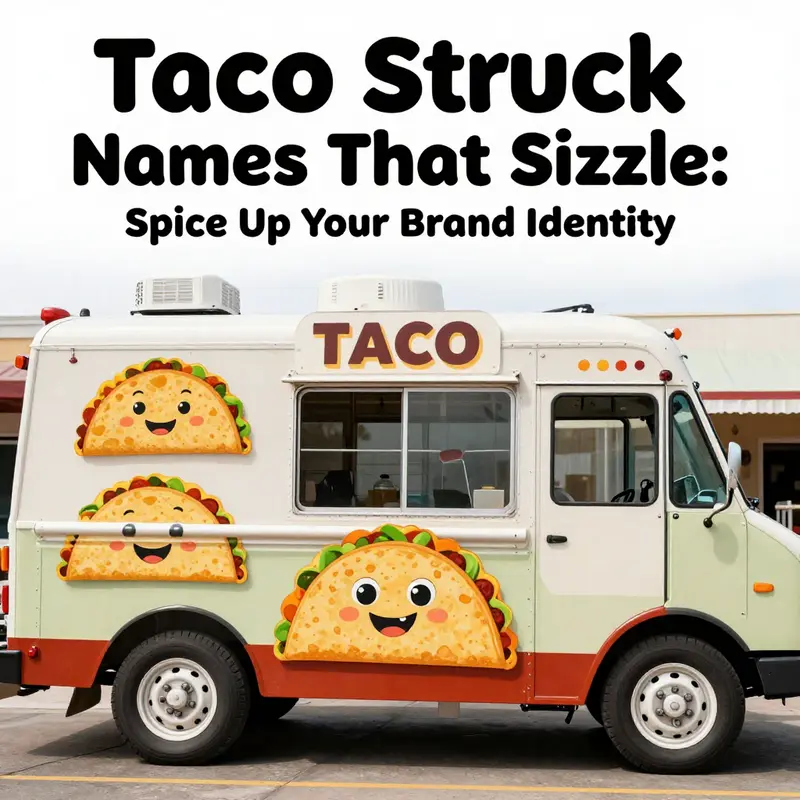
A taco truck hits the curb with more than just sizzling meat and bright salsa. It arrives with a voice, a personality, a promise. The name you choose is the first conversation you have with a potential customer, and in a crowded street market every word counts. Clever, punny names carry a double duty: they entertain the moment and educate the palate. They signal that the menu will be approachable, perhaps even playful, while still communicating a clear sense of Mexican-inspired flavor and street-food craft. The goal is not merely to be funny; it is to be memorable, to evoke a vivid image, and to invite a return visit when the craving for something fresh and flavorful reappears. The process of naming, when done with care, becomes a subtle form of branding that travels from sign to signage, from mouth to mind, and finally into the memory bank of regulars who begin to anticipate the exact tone your truck will bring to a block party or a late-night break in the food scene. In reviewing the methodical range of ideas that exist in the field, we see a spectrum that includes sizzling and spicy expressions, culturally flavored terms, minimal and modern tones, and, above all, clever, punny twists that turn everyday phrases into taco-time invitations. The core insight from the research—and the conversations it spawns with operators who have tested names on the street—is that a good taco truck name does more than tell what you sell. It tells how you sell it and whom you want to reach.
To build a name that endures, it helps to think in three layers. First, the layer of flavor: a name should imply the kind of bite the customer will experience. Second, the layer of image: the name should evoke a visual story that can be translated into signage, menu design, and merchandise. Third, the layer of accessibility: the name must be easy to say, spell, and search. When these layers align, a pun or twist can function as a memorable hook without becoming a puzzle. Consider how rhythm and phonetics help a name stick. Names that employ alliteration, rhyme, or a punchy cadence lend themselves to quick recall. They also generate a rhythmic chant when a crowd gathers around the truck—something the eye-catching wrap and the aroma already promise. In practice, a clever name acts as a teaser, inviting customers to discover the flavor profile behind the joke. It lowers the barrier to engagement by making the moment feel light, approachable, and entertaining, while carefully steering expectations toward bold, fresh, and thoughtfully prepared food.
The appeal of punny naming lies not in cleverness alone but in the careful balance between wit and clarity. Humor can mislead if it overshadows the actual menu or the cultural influences that shape the cooking. A name that leans heavily on a joke about time, a pop culture phrase, or a fanciful personification might grab attention, but if the person in line cannot connect the joke to the food they crave, the moment fades. This is why the best punny approaches stay tethered to taco culture. They signal, through wordplay, that the menu will explore textures, heat levels, and cultural references in ways that feel honest and full of character. The research highlights categories where these names tend to thrive: clever pun-driven options that wink at familiar phrases, cultural flair that nods to authentic flavors, and minimalist, modern choices that promise a clean, confident bite. In practice, the street brings an appetite for names that roll off the tongue and linger in memory long after the bite has disappeared. A name that travels well in conversation becomes the seed for social chatter, repeat orders, and word-of-mouth growth that no single sign or flyer can guarantee.
A strong punny approach does not exist in a vacuum. It operates within a broader branding ecosystem that includes sign design, voice in customer interactions, packaging, and even social media persona. When a name lands well, it becomes a shorthand for the tone the truck adopts in every encounter. For example, a pun that plays with lighthearted, friendly energy can harmonize with a vehicle wrap that uses bright colors, a playful menu format, and a staff that welcomes guests with warmth. The alignment between name, visuals, and service helps create a consistent impression that customers carry away after their first visit. That consistency is essential because it transforms a one-time street encounter into a potential habit—an impulse to return on a lunch break, a late-night run, or a weekend stroll where friends scout the best new flavors in town. If a name feels disjointed from the actual product and experience, the moment of recognition dissolves into confusion. The name loses power, and the brand struggles to translate its intended personality into real-world perception.
From an audience perspective, the value of clever naming is most visible in how it speaks to different segments of the market. Families with kids respond to playful, approachable language that promises reliability and consistent flavor without risk. Young professionals and late-night crowds respond to edgy, witty twists that feel fresh and shareable in social spaces. Food enthusiasts appreciate cultural resonance and a sense of craft that elevates a simple taco into an experience. A well-chosen pun or playful phrase can bridge these audiences by offering a shared wink while also signaling a unique angle—whether a regional influence, a signature technique, or a creative pairing of toppings. The naming process thus becomes a balancing act: you want a joke that plays well in a crowded line, but you also want a signal that tells people what to expect in the bowl—whether that means bold heat, bright acidity, or slow-cooked depth. The street is unforgiving with noise and haste; a strong name acts as a lighthouse that helps the truck stand out without shouting too loudly.
Cultural authenticity is another critical axis in this conversation. A name that nods to a specific tradition or region should carry respectful, informed intent. It should celebrate the heritage behind the flavors rather than caricature it. The clever trope can still honor that heritage while inviting curious diners to explore. The challenge is to avoid clichés and stereotypes that reduce culture to a cartoon. The most resonant names recognize the richness of the cuisine, the people who prepared it, and the moments that make a taco a gateway to a broader culinary conversation. The naming path then becomes a collaboration between memory, respect, and imagination. When done well, it invites customers to learn the story behind the food as much as to savor the taste. It remains true to the core idea of a taco truck—that is, a traveling kitchen that brings neighborhood flavors to the streets with accessibility and delight.
Beyond wit and culture, there is the practical side of vetting a name. A great name is easy to spell, easy to pronounce, and easy to remember. It travels well in a crowded market, and it looks right on a truck wrap, a chalkboard menu, a coffee-stained receipt, or a neon sign after dark. The name should be searchable online, leading customers to menus, locations, and reviews without friction. In today’s digital world, a name that is too long, too clever, or too similar to another business can cause confusion and lost traffic. This is where a deliberate testing process matters. Operators often test several options in their local area, listen to how people talk about them, observe signage on the street, and check how the words look visually when painted on the vehicle. The goal is not to chase the trendiest phrase but to find a durable hook that aligns with the menu, the personality, and the long-term aspirations of the business. A strong name also supports the broader branding system, including logo design, color palette, typography, and tone of voice in all communications. If the name is the spark, the rest of the branding system is the flame and the fuel that keep the fire going week after week, season after season.
To connect these ideas to concrete practice, it helps to consider how the 89 creative name ideas described in the research illuminate different routes, even if exact phrases cannot be reproduced here. Some names lean into heat and intensity, promising bold flavors and drop-in drama. Others lean into wordplay that relies on familiar phrases reframed for tacos, evoking a quick smile and an easy recall. Still others lean into cultural flair, drawing on regional linguistics, culinary stories, and the shared memories people carry of home cooking and street food. The most successful examples often combine two or three of these threads, producing a name that feels like a promise and a story at once. The key is to keep the link between joke and flavor intuitive rather than opaque, so a passerby can absorb the idea in a single glance and a single bite. This is precisely why the best punny names become more than a joke—they become a doorway into an experience.
As you plan, consider engaging with the broader brand ecosystem early. The name will guide how you design the truck’s exterior, the tone you use in social media, and the way your team talks about the menu to customers. It can steer your choices about spice levels, signature toppings, and even the cadence of your daily service. In this way, the act of naming becomes a cornerstone in building a durable, loyal following. For readers who want practical guidance on steering branding decisions, the broader article offers a window into aligning naming with the realities of running a food operation. A helpful touchpoint is the guidance embedded in discussions about choosing the right food truck, a resource that helps translate naming strategy into a cohesive business plan. Choosing the right food truck offers a lens into how branding decisions ripple through location strategy, staffing, and day-to-day operations, reinforcing why a strong name matters as more than a clever line on a chalkboard.
In sum, a clever, punny taco truck name does not exist in isolation. It is a gateway to a brand personality that must endure under the bright sun and the late-night glow of streetlights. It invites customers to smile, to trust the flavor, and to believe that the experience behind the sign will be well worth the stop. The most successful names are not merely a joke; they are a compact narrative you carry with you as you travel from one neighborhood to another. They signal a tone, a flavor philosophy, and a sense of welcome that invites repeat visits and word-of-mouth advocacy. When you weave humor with clarity, culture with modern practicality, and playfulness with respect, you craft a name that does more than describe a meal. It creates a memory. And in a world where food trucks compete for minutes of attention, memory is the true currency that turns a one-off encounter into a beloved local institution.
From Hearth to Highway: Crafting Cultural & Authentic Flair in Taco Truck Names
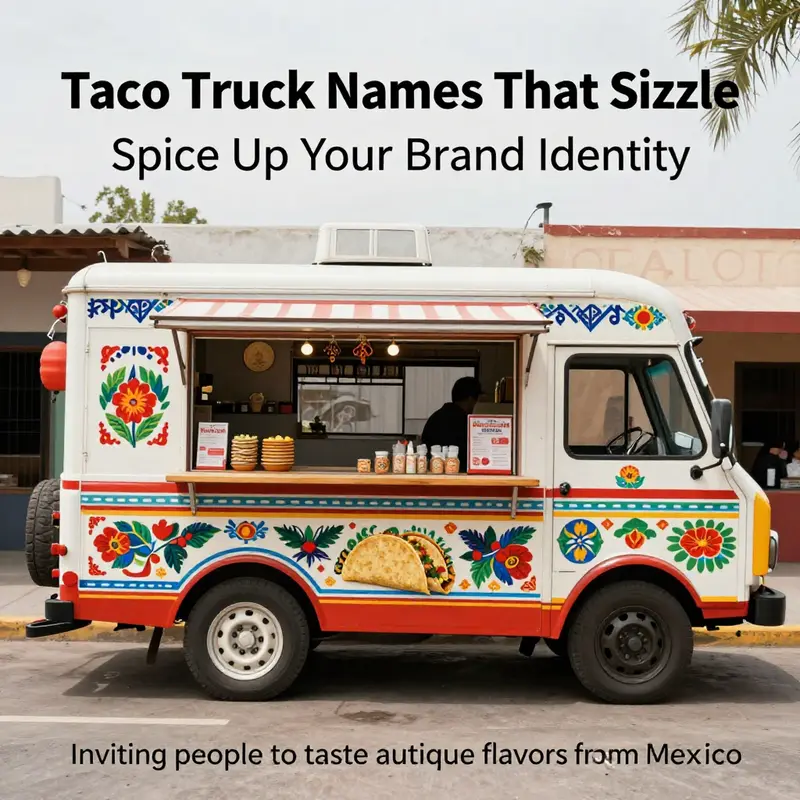
A taco truck name is more than a label. It is the first bite of a story, a doorway through which customers glimpse the flavors, memories, and landscapes that shaped the menu. In a crowded street scene, a well chosen name does more than signal what the kitchen serves; it invites a journey. It speaks to heritage and place, while remaining accessible to curious diners who may be trying these flavors for the first time. The objective is not to imitate a culture but to honor it with honesty and clarity, so that the food that follows feels earned, not borrowed. When a truck embraces cultural and authentic flair in its name, it signals a promise: what you taste will reflect a relationship with the land, the market, and the people who have kept these recipes alive through generations. The name becomes a compass for branding, menu design, and the way the truck speaks to customers as it slides into a new neighborhood each night.
Authenticity in naming starts with listening. It begins by acknowledging the people who cook, the regions that inspire the flavors, and the rituals that make a dish sing. A name like Tacos de la Abuela rises from the warmth of a grandmother’s kitchen and implies recipes steeped in memory, hands-on technique, and the kind of patience that only generations can offer. It is not a mere label; it is a memory bank in glaze and tortilla. Other names anchor the truck to a birthplace or a regional pride. El Tapatío nods to Guadalajara and the wider state of Jalisco, recognized for its legacy of street cooking and the famous al pastor. Sabor de Michoacán speaks not only of taste but of a geography that has shaped a repertoire of techniques, from maize cultivation to the specific spice profiles that mark this central Mexican region. These are not capricious adjectives; they are signposts that guide expectation, conversation, and loyalty.
Name and place grow together. A kitchen that emphasizes the land—the land’s colors, textures, and seasons—invites naming strategies that reflect those elements. Cocina de Tierra, for instance, conjures a kitchen where ingredients are local and the craft of cooking is attentive to soil, climate, and seasonality. The phrase positions the menu as a celebration of place, a culinary conversation about where food begins before it becomes a plate. This is complemented by a brighter, sunlit image such as La Taquería del Sol. The sun becomes a metaphor for care, energy, and the rhythm of street life in daylight hours. Names that pair earthy imagery with light or warmth can anchor a brand’s visuals, language, and environment from signage to social media. The result is a cohesive brand that feels rooted rather than opportunistic, a crucial advantage in markets saturated with flashy, transient concepts.
It is equally possible to celebrate regional identity through more direct culinary references that still maintain broad appeal. A name that nods to a specific technique or dish, such as Tacos al Pastor de Oaxaca, signals a precise lineage and a distinctive cooking method. Oaxaca is celebrated for its layered spices and the way meat meets smoke, and naming with this specificity invites diners to seek out the particular flavor profile offered at the window. Another approach foregrounds foundational elements, such as Fuego y Maíz, which centers the fundamental pair of heat and corn that anchors Mexican street cooking. The emphasis on masa, maize, and flame communicates not just what is being cooked but how it is being treated—careful flame management, careful tortilla making, and a respect for ingredient-driven craft.
Names that emphasize process and craft can feel intimate and artisanal without becoming fussy. Tacos de Masa places the tortilla at the center of attention, elevating the corn dough from a mere wrapper to a defining feature. When the tortilla is highlighted, the branding can extend to a menu that explains masa sourcing, nixtamalization, and tortilla thickness, inviting guests to participate in a shared understanding of what makes a taco authentic. Norteño Grill embodies a bold regional identity that hints at the sensory profile of the food—the robust meat, the smoky char, the hearty warmth of a street meal enjoyed after a long day. It also communicates a certain sturdiness, suggesting a truck that keeps pace with evening crowds and late-night cravings. In this way, the name is not just a mnemonic but a taste profile, a forecast of the experience to come.
Yet authenticity in naming is more than a litany of regional labels. It relies on linguistic texture—the way words roll off the tongue, how they absorb the street’s rhythm, and how easily they travel on social feeds and word of mouth. A good authentic name balances identity with accessibility. It invites pronunciation by a broad audience without diluting specificity. It should be memorable yet straightforward enough to be read at a quick glance on a sign or a menu board. The best names function as both a cultural greeting and a practical beacon: a quick instruction on what customers might expect, followed by a warm invitation to explore. The language of the name matters as much as the language of the menu, because diners read with their eyes before they bite with their tongues.
Brand storytelling naturally follows naming. A culture-forward name becomes a natural portal for a broader narrative about sourcing, family histories, and the cooks behind the scenes. It can be a prompt to share a grandmother’s recipe, the story of a regional market, or the memory of a summer trip that inspired a signature salsa. The storytelling is not a lecture but a living conversation, one that can unfold in menu notes, at the window, and across social channels. The storytelling should be honest and generous, acknowledging complexity rather than reducing culture to a single caricature. In practice, this means the menu can include brief notes about ingredients, regional specialties, and the craft behind tortillas or spice blends, inviting curious diners to learn more about the tradition behind the dish. The name then serves as a reliable chorus for the chorus of stories to follow, a steady anchor as the truck pivots through new neighborhoods and evolving menus.
A cultural and authentic approach also invites a thoughtful design dialogue. Color, typography, and imagery can echo the name’s cultural cues and strengthen recognition on busy streets. A name associated with earthy tones and maize might lead to warm, terracotta signage and natural textures that evoke sun and soil. A name anchored in sunlight and openness might pair with bright, high-contrast colors that read clearly from a distance and photograph well for social sharing. The best outcomes arise when branding is developed hand in hand with the naming—logo shapes that hint at a tortilla press, salsa bowls, or a grill grate; packaging that carries the same language of heritage; and social media that uses the same cadence and imagery that the name promises. When all these elements harmonize, the truck becomes a coherent experience rather than a collage of disparate ideas.
Of course, authenticity must be practiced with care and respect. The culinary world benefits from curiosity, but it also relies on responsible representation. A name that leans into regional dishes or family traditions should be accurate, respectful, and free of reductive stereotypes. The goal is to illuminate rather than tokenize, to invite dialogue rather than to present a one dimensional caricature of a culture. This requires research, listening to community voices, and engaging with the stories behind the dishes in a way that honors the people who keep these traditions alive. The branding then becomes a platform for cultural exchange rather than a banner for one-sided spectacle. In a city that hosts a mosaic of culinary communities, a culturally authentic name can become a bridge—an invitation to explore, taste, and learn, rather than a barrier that signals only novelty.
The value of authentic naming becomes most evident when it meets actual diners. A name that conveys history and care tends to cultivate trust. Guests may come for the first bite but stay for the sense that they have found something genuine—an experience that respects the origins of the dish and the people who cook it. Trust grows into repeat visits, social recommendations, and a natural sense of community around the window. The name then anchors the entire customer journey, guiding not only expectations at the bench but also how the truck speaks about its food on every platform. A well chosen name remains legible and meaningful as seasons shift, as menus evolve, and as the truck expands to new neighborhoods. It becomes a living signal that can adapt without losing its core identity.
In the exploration of authentic naming, it is useful to reflect on the ideas already surfacing in thoughtful branding discussions. Names like Tacos de la Abuela carry warmth and kinship; El Tapatío signals regional pride; Cocina de Tierra emphasizes locality and craft; Sabor de Michoacán celebrates a regional identity; La Taquería del Sol suggests brightness and sociability; Tacos al Pastor de Oaxaca nods to a regional specialty with a distinctive flair; Fuego y Maíz centers the elemental forces of heat and corn; El Rancho de los Sabores paints a rustic, expansive sense of taste; Tacos de Masa foregrounds the tortilla itself as a hero; and Norteño Grill conveys a bold kitchen persona. These references are not checklists; they are starting points for a larger conversation about who the truck is, how the food is sourced and prepared, and what the diner should feel when encountering the name at the curb. They invite further refinement, local adaptation, and brand alignment that respects tradition while inviting new patrons to participate in the shared table.
The process of moving from name to ongoing branding is iterative and collaborative. It benefits from testing with real diners, from listening to how the name travels in conversation, and from watching how it performs in signage, digital platforms, and social feeds. A good name becomes a living element of a brand system that grows with the business. It can accommodate menu changes, supplier relationships, and shifts in the neighborhood’s tastes without losing its essential character. The best names also provide a flexibility that supports future expansions of the menu or the business model, whether the truck adds regional specialties, introduces new salsas, or serves in different markets with distinct preferences. The capacity to evolve while maintaining core authenticity is a sign of a well chosen name that has real staying power.
Beyond the individual name, the broader branding ecosystem benefits from consistency. The culinary storytelling, the sign copy, the menu board language, and the social voice all echo the same cultural heartbeat. The naming choice, in effect, seeds a style guide that makes it easier to maintain coherence when the truck scales up. It helps ensure that every new recipe, partnership with local farmers, or collaboration with other street food artisans stays aligned with the original intention. This coherence deepens trust with patrons who repeatedly encounter familiar language and imagery across encounters—on the street, on Instagram, and on the vendor’s own website—and it strengthens the customer sense of reliability in a mobile dining landscape that can feel ephemeral.
For readers who want to explore these ideas further, consider visiting the Fireduptacotruck blog to learn more about branding and naming strategies. It offers guidance on aligning a name with a logo and signage, as well as practical steps for testing ideas with diners. This resource can help transform a cultural impulse into a tangible, thriving brand that feels both respectful and fresh. Fireduptacotruck blog.
In summary, cultural and authentic flair names for a taco truck are about listening to the land, honoring the cooks who keep traditions alive, and inviting others to taste the story. They are not a final decree but the opening page of a living narrative that unfolds with every order, every conversation, and every shared plate. When done with care and curiosity, a name becomes a compass for ingredients, technique, and community connections. It guides the design of the truck, the texture of the menu, and the tone of every interaction with customers. It can turn a simple curbside bite into a destination, a place where memory, craft, and the bright energy of regional cooking converge at the window. This is the promise of naming with cultural fidelity: a durable brand grounded in reality, ready to welcome locals and travelers alike to a table that feels both familiar and new. The next step is to test these ideas in the streets, to listen to what diners tell you about pronunciation and recall, and to let the name, over time, grow into a trusted beacon that reflects the soul of the food and the heart of the community it serves.
null
null
Final thoughts
Choosing the right name for your taco truck goes beyond aesthetics—it’s about flavor, identity, and connection. Whether you go for a sizzling name to evoke passion, a pun to bring a smile, cultural hooks that honor heritage, or a sleek minimalist vibe, remember that your brand voice ought to resonate with your audience. Explore different naming themes, brainstorm with your team, and perhaps even taste a few tacos along the way for inspiration! The perfect name is waiting to spark the joyful anticipation of taco lovers everywhere.