
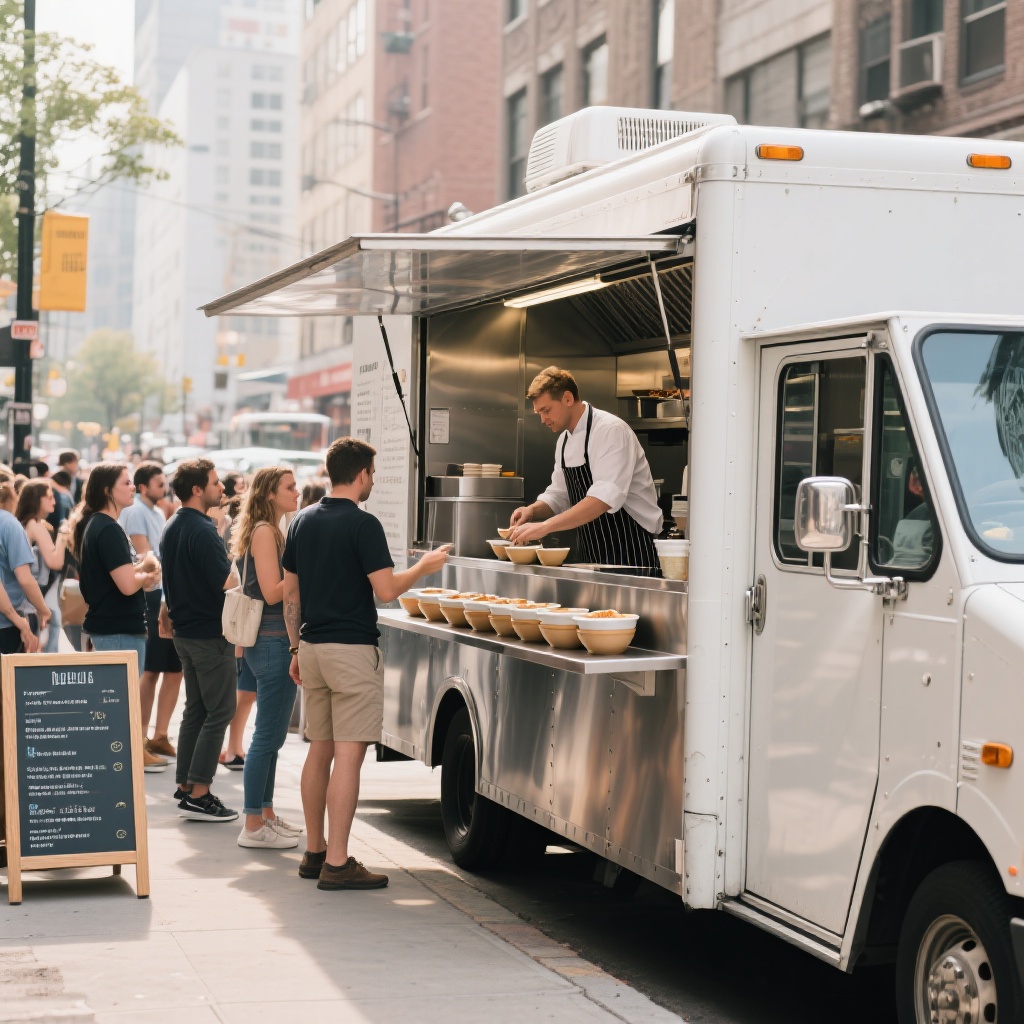
Ambition meets curbside reality. Choosing the right food truck model is critical. Too many hopeful operators start with the biggest kitchen. They miss budget and flow. This guide breaks down models by space, price, and workflow. You will map your menu to a chassis and plan growth. The goal is to match demand without over spending.
The problem
- Space and kitchen fit often misaligned with the menu.
- High upfront costs hide total ownership risk.
- Service networks and repairs matter more than price.
- Regional rules and climate affect equipment needs.
The solution and value
- A framework maps menu breadth to chassis space.
- A cash mindful approach compares total cost of ownership.
- We guide cargo van, step van, and trailer choices.
- A clear path to scalable growth without overspending.
- Read on to map your menu to the right model and protect cash flow.
Think of this guide as a navigator. Choose a chassis that grows with your menu. Keep it simple at first then scale. Short, clear steps reduce decision fatigue. Plan for service, cleaning, and upgrades. A steady pace keeps cash flow healthy. You will finish with a clear path.
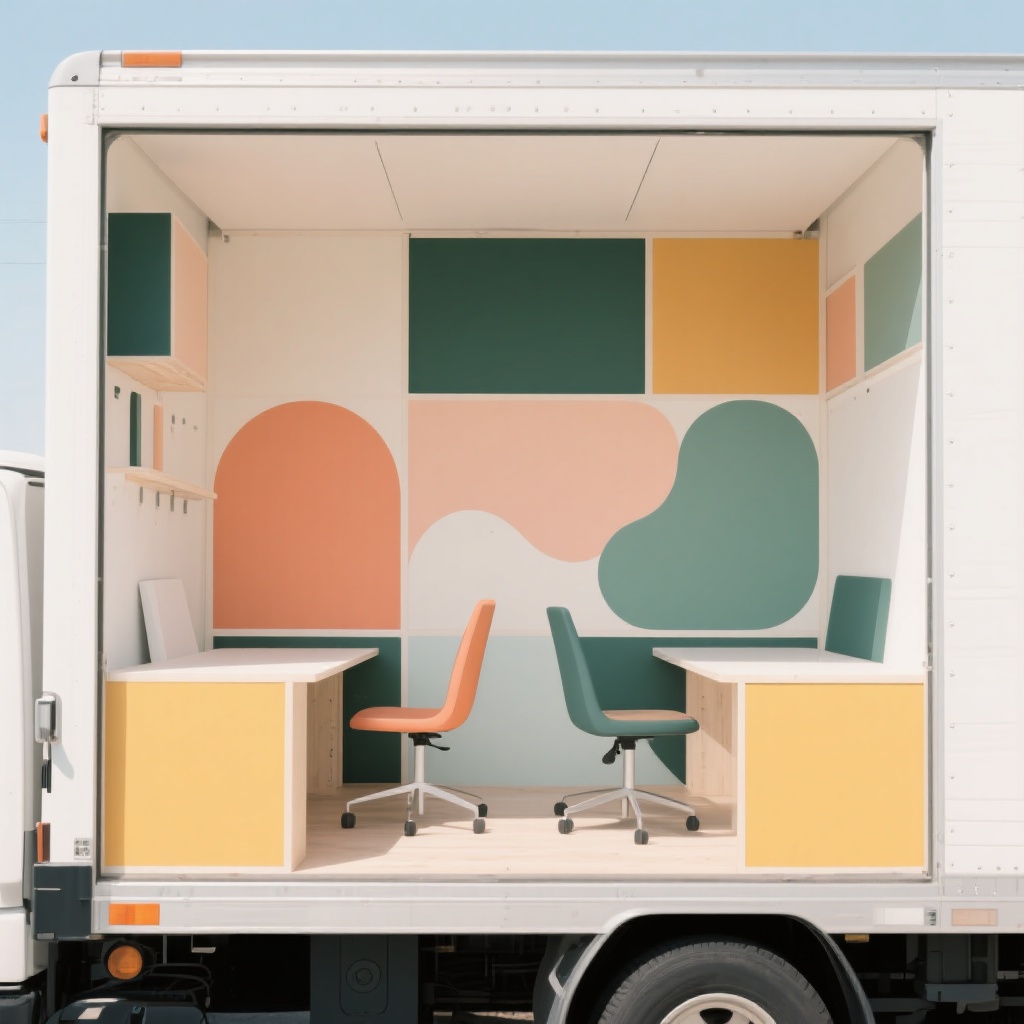
Selecting a food truck model starts with translating your menu, team, and travel pattern into a practical chassis. The goal is a balance of menu breadth, kitchen flow, and long term cost that supports reliable service within budget. Use this framework to compare common options such as Ford Transit, RAM ProMaster, Nissan NV, Mercedes Sprinter, and other cargo or step vans.
Space and layout for menu breadth
- Define interior footprints that support prep, cooking, and service
- Design zones for cold storage, ventilation, and easy movement
- Allow headroom for tall equipment while keeping the footprint compact
Kitchen equipment fit and workflow
- Map machine sizes, plug requirements, and service clearances
- Create a one-pass workflow from receiving to plating to cleaning
- Coordinate cold and dry storage with access during peak hours
Travel patterns and required range
- Analyze daily miles and route mix
- Choose a chassis with sufficient range for a shift
- Factor fuel type and maintenance
Maintenance and financing considerations
- Compare upfront price to financing terms
- Check warranty and parts access
- Plan for on-road support
All of these tie back to menu breadth and growth; the right model scales with your menu without expensive surprises.



Evidence panel
- As of 2023, there were 36,000 food trucks in service in the USA.
- Typical chassis costs:
- Ford Transit around 46,000
- RAM ProMaster around 44,000
- Nissan NV Cargo under 30,000
- Mercedes Sprinter around 50,000
- 2023 common chassis include Chevy P30 and Freightliner MT45
- NamedEntities: Workhorse, Chevy P30, Freightliner MT45, Ford P700, RAM ProMaster, Ford Transit, Mercedes Sprinter, Diamond Cargo Trailers
- Pull quotes:
-
“P30” is actually the name of the chassis the truck is built on, and Chevy stopped building them in 1999.
-
“If your equipment will consist pretty much of one machine, like a soft-serve ice cream machine, or you’ll just be mixing smoothies, a Ford Transit or Ram PROMASTER cargo van should do.”
-
- Additional notes:
- For budget planning, relate menu breadth to chassis cost
- The data supports choosing a versatile cargo van for small to mid sized menus
- SEO elements:
- Main keyword: food truck models
- Related keywords: step vans, cargo vans, food trailers, Chevy P30, Freightliner MT45, Ford P700, RAM ProMaster, Ford Transit, Mercedes Sprinter, Diamond Cargo Trailers, barbecue smoker, pizza oven
- Budget versus menu breadth matters; a larger menu typically justifies a higher end chassis while a smaller menu benefits from a compact cargo van.
- In the field the Ford Transit and RAM ProMaster cargo vans are frequently recommended for their balance of space and service network.
- Notable chassis makers in 2023 include Workhorse alongside Diamond Cargo Trailers as flexible options for certain menu needs.
| Model | Vehicle Type | Typical Space/Capacity | Common Equipment Fit | Estimated Price Range | Key Pros | Key Cons | Notable Variants |
|---|---|---|---|---|---|---|---|
| Ford Transit | Cargo Van | Large cargo space with flexible interior for mid to large kitchens | Fridge, cooking equipment, prep area, vent hood, electrical distribution | $46,000 (new) | Pros: Balanced space with a broad service network; easy to customize | Cons: Interior height may limit tall equipment; resale value varies | Ford Transit, RAM ProMaster, Mercedes Sprinter, Nissan NV Cargo |
| RAM ProMaster | Cargo Van | Similar large cargo space; good for mid to large menus | Fit for ovens, griddles, prep area; easy service access | $44,000 (new) | Pros: Accessible price, good interior height, solid service network | Cons: Limited aftersales for some parts in certain regions | RAM ProMaster, Ford Transit, Mercedes Sprinter, Nissan NV Cargo |
| Nissan NV Cargo | Cargo Van | Ample interior height and width for kitchen layouts | Large interior for racks and equipment; easy service access | Under $30,000 (new) | Pros: Very affordable, simple maintenance | Cons: Older design era; limited dealer network in some regions | Ford Transit, RAM ProMaster, Mercedes Sprinter, Nissan NV Cargo |
| Mercedes Sprinter | Cargo Van | Versatile cargo space; best for slim urban footprints | Good for compact kitchens; strong relative fuel economy | Around $50,000 (new) | Pros: Strong dealer network, high resale value, efficient engines | Cons: Higher upfront cost; maintenance can be pricier | Ford Transit, RAM ProMaster, Mercedes Sprinter, Nissan NV Cargo |
| Chevy P30 | Chassis Cab / Step Van Chassis | Very large chassis with substantial space for kitchen setups | Can accommodate large equipment like steamers; robust for heavy duty | Used market varies widely; new not offered | Pros: Large payload capacity, robust chassis availability | Cons: Obsolete design, limited new parts; older frames may require maintenance | Chevy P30, Freightliner MT45, Ford P700, Diamond Cargo Trailers |
| Freightliner MT45 | Chassis Cab / Step Van Chassis | Similar large platform for custom kitchens | Suitable for high volume kitchens | Used market varies widely; new not offered | Pros: Strong heavy duty chassis, good payload | Cons: Higher maintenance, limited new supply | Chevy P30, Freightliner MT45, Ford P700, Diamond Cargo Trailers |
| Ford P700 | Chassis Cab / Step Van Chassis | Big capacity for large kitchens | Good for heavy cooking loads | Used market varies widely; new not offered | Pros: Robust powertrain, wide service network | Cons: Rare and older; parts may be scarce | Chevy P30, Freightliner MT45, Ford P700, Diamond Cargo Trailers |
| Diamond Cargo Trailers | Trailer | Space depends on trailer model; can be used with separate kitchen setups | Typically requires separate tow vehicle; modular for trailers | Price varies; tens of thousands | Pros: Flexible modular setups, easy to reconfigure | Cons: Requires tow vehicle and separate space; not a self contained unit | Chevy P30, Freightliner MT45, Ford P700, Diamond Cargo Trailers |
| Isuzu NPR | Box Truck | Moderate cargo capacity with higher load floor options | Great for mobile prep, refrigeration; good access | About $40,000 (used) | Pros: Durable chassis, widespread service; comfortable ride | Cons: Not as modern as newer vans; limited new parts availability | Isuzu NPR, Ford E-series, Freightliner M2 |
Climate and design needs
- In hot climates trucks must run reliable cooling refrigeration and ventilation to keep food safe and comfortable during peak hours. Insulation quality and roof vents or air conditioning options matter for energy efficiency and staff comfort. Kitchen layout should support fast service without overheating cramped spaces.
- In cold climates strong insulation and efficient heating become essential. A robust water heating system and well protected plumbing prevent freezing. Diesel or gasoline engines may need winterization and block heaters to start reliably in freezing conditions. A taller interior height helps with bulky equipment and safe movement during winter gloves.
Permitting and health codes
Local health departments and city rules govern how a mobile kitchen operates. Expect requirements for venting fire suppression systems, grease management, waste water disposal, and propane storage. Some regions also restrict where trucks may park or require reflective signage and permit decals. Understanding these rules early can prevent costly redesigns after a purchase.
Regional examples and how chassis fare
- California and New York cities tend to have strict health code expectations and permitting processes that favor well documented models with robust service networks.
- Texas and Florida offer more flexible permitting in warmer weather yet still demand reliable ventilation and fire safety.
- In the Midwest snow and cold spread demand durable heating and straightforward maintenance in responding fleets.
Model considerations tied to climate
- Ford Transit and RAM ProMaster cargo vans are popular across regions for balancing space and service networks.
- Nissan NV Cargo offers a budget friendly option in areas with smaller menus.
- Mercedes Sprinter provides strong resale value and efficient engines where upkeep is manageable.
- The Chevy P30 and Freightliner MT45 remain flexible for large kitchen setups in regions with heavy demand.
Align the main keyword food truck models with the regional reality to select a chassis that scales with the menu and rules in place.
Meet Lila Park, a veteran street food operator who wants to upgrade from a compact trailer to a self-contained kitchen on a cargo van. Her goal is a dependable unit that can handle a growing menu without breaking her cash flow. She runs a 6-dish bowls concept plus sides, which means steady cold storage, a modest vented cooking line, and enough prep space for fast service. Her target budget sits around forty-five to fifty thousand dollars for the vehicle and outfitting, with room to finance a portion if needed.
Space and menu first
- Space needs shaped the shortlist: a clean 8 to 10 foot work counter, one prep table, cold storage for dairy and produce, a compact vent hood, and room for a small toaster or griddle.
- Menu breadth matters: while she could run a razor sharp two-machine kitchen, a broader menu benefits from a chassis with flexible interior layout.
Model options and the cost picture
-
Ford Transit cargo van
- Pros: Large cargo space, broad service network, easy to customize for a mid to large kitchen
- Cons: Interior height can be limiting for tall equipment; resale value varies
- Price anchor: around $46,000 for a new unit
-
RAM ProMaster cargo van
- Pros: Good interior height, strong service network, straightforward outfitting for mid-sized kitchens
- Cons: Similar to Transit in maintenance needs in some regions
- Price anchor: around $44,000 for a new unit
-
Nissan NV Cargo
- Pros: Very budget friendly, simple maintenance
- Cons: Older design era, smaller dealer network in some regions
-
Chevrolet P30 / Freightliner MT45 family (step van chassis)
- Pros: Large kitchen payload and space flexibility
- Cons: Older chassis, limited new parts, usually used market only
- Note on history: P30 is the chassis name the truck is built on, and Chevy stopped building them in 1999.
Decision framework and the verdict
- If your equipment is dominated by one machine, like a heavy cooker or ice cream machine, a Ford Transit or RAM ProMaster cargo van should do
- For a mid sized menu that balances space and service network, the RAM ProMaster emerges as the most practical fit for Lila’s plan
- The Transit is a strong runner up, especially if she anticipates frequent upgrades or a larger service footprint in the near term
Recommended choice and justification
-
Choose RAM ProMaster cargo van with a high roof, outfitted for a six to eight item kitchen plus cold storage
Why this works well for Lila:
- Sufficient interior height and width to accommodate a compact line up without crowding
- Competitive price point around forty four thousand for the base unit and sensible outfitting costs
- Strong service network and compatible parts ecosystem simplify maintenance and upgrades
- Flexible interior layout supports menu breadth today and future growth without a full redesign
Short concluding takeaway
A well chosen model balances space and budget with menu growth; start with a practical cargo van like the RAM ProMaster and design a workflow that scales with demand instead of chasing the largest kitchen possible from day one.

Practical Decision Framework: Steps to Pick the Best Food Truck Model
To choose the best food truck model for your business goals, follow this step by step framework. It aligns speed of service, menu breadth, travel versus fixed location, and financing with a chassis type. Use it to decide whether a cargo van, a step van, or a trailer best suits your operation and your budget.
-
Define your top business goal
Start by naming the single most important objective such as speed of service or menu breadth. If speed matters, prioritize a compact layout and reliable equipment. If menu breadth matters, plan for extra prep space, ventilation, and flexible storage.
-
Map menu breadth and kitchen workflow
Outline how many dishes you will offer, the sequence from receiving to plating, cold storage needs, and ventilation requirements. Ensure the interior footprint supports the workflow without crowding the kitchen.
-
Assess mobility and route strategy
Consider daily miles, parking options, and whether you will move locations or stay fixed. Cargo vans excel in tight urban lanes, step vans offer larger kitchen footprints for high volume, and trailers fit in spots where a dedicated site exists with modularity.
-
Review financing and total cost of ownership
Compare upfront price, financing terms, insurance, maintenance, and resale value. A lower upfront cost may be attractive but higher ongoing maintenance can raise total costs.
-
Shortlist chassis types with clear callouts
- 5.1 Cargo van
Choose cargo vans for compact to mid sized menus, strong cost efficiency, and easier financing. They suit tight streets and fast service in busy markets.
- 5.2 Step van
Select step vans when your menu requires higher payload, tall equipment, and steady high volume. They provide a robust kitchen footprint and support larger ovens.
- 5.3 Trailer
Opt for a food trailer when you want the largest expandable kitchen, modular reconfiguration, and a fixed setup in a parking lot or at events. Trailers pair with a separate tow vehicle and allow flexible deployment.
- 5.1 Cargo van
-
Final decision checklist
Confirm space needs, budget, service footprint, and service networks. Revisit the main keyword food truck models and related keywords to ensure alignment with your growth goals.

Conclusion and Next Steps
Choosing the right food truck model is a balancing act that links your menu breadth, kitchen workflow, and budget. When you select a model with enough space for essential equipment and reliable service support, you create a foundation that can grow with demand without draining cash flow. This approach keeps the focus on food truck models while recognizing the value of step vans, cargo vans, and food trailers as practical paths for most budgets and growth plans. Popular chassis families mentioned in this guide include Chevy P30 Freightliner MT45 Ford P700 RAM ProMaster Ford Transit Mercedes Sprinter and Diamond Cargo Trailers, each offering a different balance of space reliability and price.
The best practice is to begin with a sensible cargo van such as RAM ProMaster or Ford Transit and tailor the outfitting to a compact kitchen that can scale. If your concept expands to more dishes or higher daily volumes, a step van or a trailer can provide additional square footage and flexible layouts. Regional realities will influence the final pick, but the decision framework stays consistent: match your chassis to your menu, service pattern, and budget.
Next steps you can take today:
- Define your top goal for speed of service or menu breadth
- Map your menu and kitchen workflow to estimate required space
- Build a simple total cost of ownership by comparing upfront price financing insurance and maintenance
- Create a vendor short list including RAM ProMaster Ford Transit Nissan NV Mercedes Sprinter and a reputable outfitter
- If a trailer path is appealing contact Diamond Cargo Trailers for modular kitchen options
- Set a 90 day plan with milestones for vehicle shopping outfitting and soft launch
- Establish a budget and seek preliminary financing from a bank or credit union
- Schedule site visits to trucks and outfitting shops to gather quotes
With this plan you can move forward confidently toward a profitable food truck venture.

Food truck models for practical growth and guidance
Options
- Option 1: “Food truck models for practical growth and guidance”
- Option 2: “Food truck models: a practical buyer’s guide”
- Option 3: “Food truck models to optimize menu and operations”
Recommended title
Food truck models for practical growth and guidance
Justification
Placing the exact phrase food truck models at the start signals clear relevance to both readers and search engines, matching the common queries of entrepreneurs evaluating equipment options. The wording uses practical, action oriented terms that promise concrete guidance, which aligns with the article’s informative tone. The title balances keyword visibility with readability, supporting higher click through without sacrificing clarity about the article’s practical how to focus on choosing the right chassis and setup.
Overview
Choosing the right food truck model is about matching menu complexity, space needs, and budget. Cargo vans such as Ford Transit RAM ProMaster and Mercedes Sprinter are the most common starting points for many operators. Consider interior layout, kitchen equipment clearances, and service access when comparing options. For higher throughput or larger menus, step vans or pallet-ready trailers offer more room but come with higher ownership costs and regulatory considerations. Build a simple space plan that maps each menu item to required equipment and flow. Use this plan to estimate individual van or chassis space, electrical requirements, and ventilation needs. Finally, balance upfront price with maintenance, service network, and resale value to choose a durable platform that can scale with growth. This approach keeps you focused on what matters—food, service speed, and profitability.
Ambition meets curbside reality. The journey to a successful food truck venture starts not with the largest kitchen, but with a kitchen that fits the menu, the crew, and the daily rhythm of service. To sharpen this journey we revisit the hook, tie it tightly to a practical insight, weave in real world evidence, and thread a concrete case study through a single, cohesive narrative that ends with a clear call to action.
Linking insight to opportunity, the core decision is translating your menu into a practical chassis. The goal is a balance: enough space for the breadth of dishes, smooth kitchen flow, and a path to sustainable costs. When you translate each menu item into required equipment and clearance, you illuminate the real footprint of a given model. Space and layout determine breadth, the workflow determines speed, and travel patterns shape reliability and maintenance over time. This practical framework keeps you from chasing scale before you have proven demand.
Evidence matters because it anchors intuition in data. The industry snapshot shows steady fundamentals: thousands of mobile kitchens operating nationwide, with widely varying price points. A typical cargo van offers a pragmatic middle ground between cost and capacity, while chassis such as the Transit, ProMaster, and Sprinter keep a broad service network and predictable support. The numbers reinforce a simple truth: forecast demand, then choose a platform that can scale without forcing a redesign of your entire operation.
Case in point: Lila Park Bowls. A veteran street vendor looking to upgrade from a compact trailer to a self contained kitchen on a cargo van, she planned a six to eight item bowls concept with sides. Her target was a budget around forty five to fifty thousand dollars for vehicle and outfitting, with room to finance. Space first guided her choices: a clean eight to ten foot work counter, one prep table, cold storage, a compact vent hood, and room for a small toaster or griddle.
Model options and the verdict for Lila were clear. A RAM ProMaster cargo van rose to the top because it offers good interior height and a robust service network while remaining within budget. The Transit was a close runner up, especially if growth and upgrades are anticipated. The takeaway is practical: start with a chassis that fits your menu now, then design the outfitting to scale as demand grows rather than overbuilding from day one.
Conclusion and call to action. Start by mapping your menu to a chassis and then validate that choice with a simple total cost of ownership. Use the following steps to begin today:
- Define your top goal whether it is speed of service or menu breadth
- Outline a workflow that aligns with the chosen chassis footprint
- Compare upfront price to ongoing maintenance and service costs
- Create a short list of vetted vans and a trusted outfitter
- Consider a trailer only if you need maximum expandable space for events
- Set a ninety day plan with milestones for shopping outfitting and a soft launch
- Establish a budget and seek preliminary financing if needed
- Schedule site visits to trucks and outfitting shops to gather quotes
With this approach you gain clarity on what to buy and how to operate it, so you can move forward confidently toward a profitable and scalable food truck venture.