
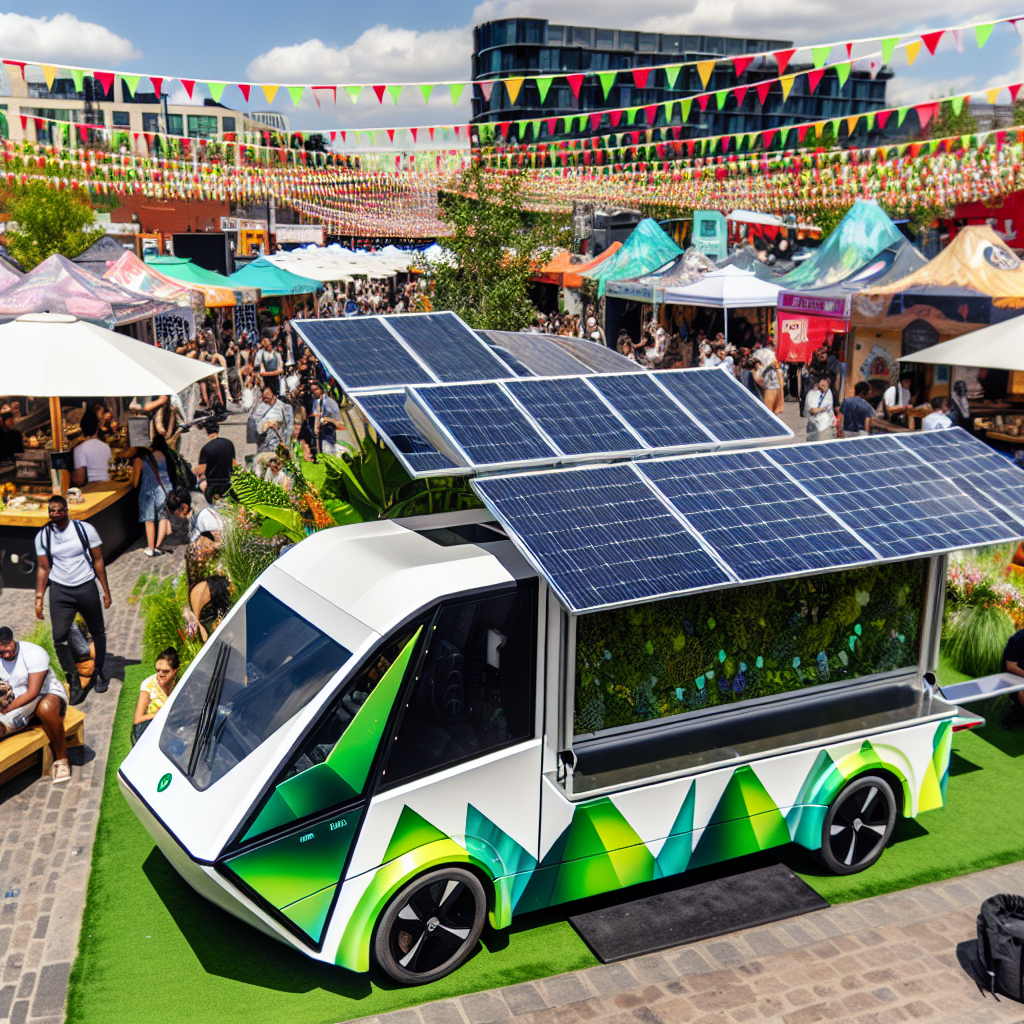
In an evolving culinary landscape, food trucks are now embracing the transition to electric conversion as a means of modernizing operations and reducing their environmental footprint. As consumers grow increasingly conscious of eco-friendly practices, food truck owners are presented with an opportunity to not only comply with these expectations but also enhance their business efficiency.
Electric vehicle conversion kits represent a practical solution that enables food truck operators to streamline their operations while minimizing maintenance costs and benefiting from government incentives. By making the shift to electric power, food trucks can significantly decrease their reliance on fossil fuels, ultimately fostering a sustainable future in the street food industry.
This article delves into the advantages of electric conversion, highlighting essential aspects of the technology and its impact on the food truck sector.
Financial Benefits of Electric Conversion
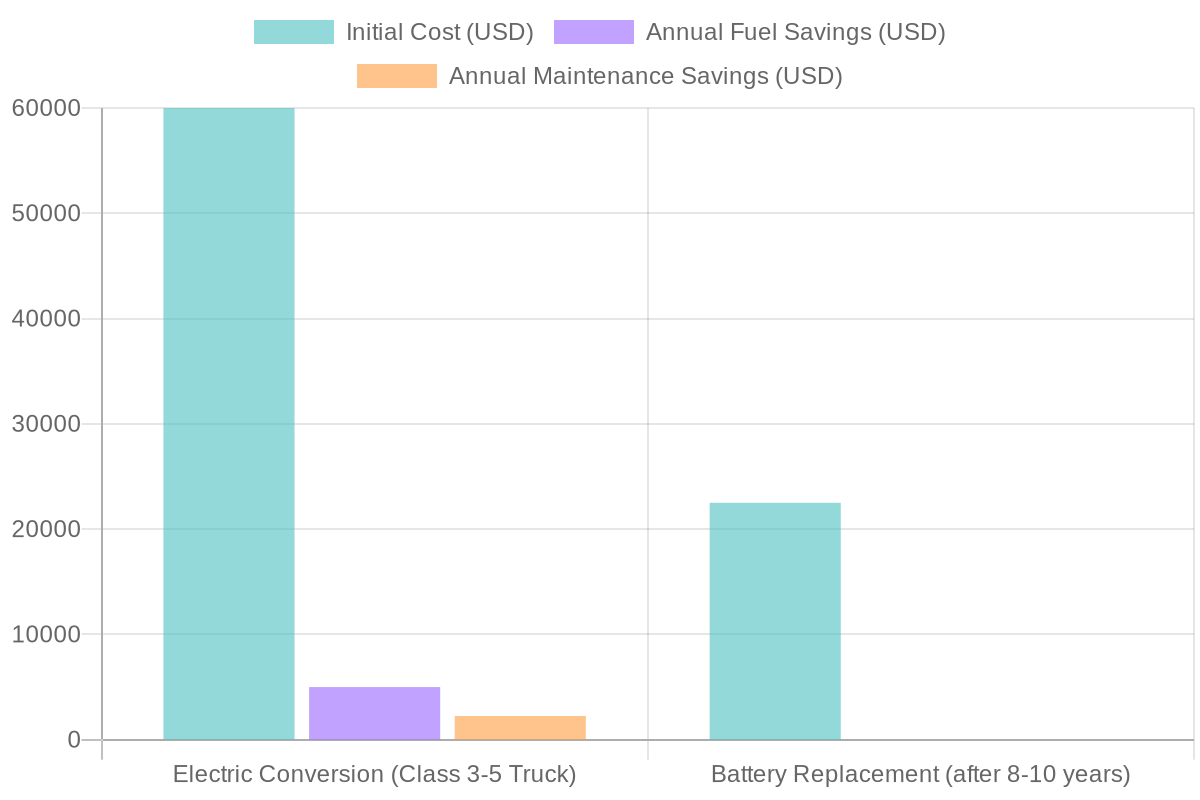
Transitioning food trucks to electric power disproportionately weighs upfront costs against long-term financial advantages. The initial costs for electric conversion can range from $30,000 to $80,000, depending on battery capacity and required equipment upgrades (FoodTruckEmpire.com). While these costs may seem daunting, they represent an investment that yields substantial returns over time.
Long-Term Savings on Fuel and Maintenance
By switching to electric, food trucks can save between $4,000 to $8,000 annually on fuel. This is primarily due to significantly lower electricity costs compared to traditional diesel fuel (Green Truck Association). Furthermore, maintenance costs can drop by 40 to 60 percent because electric vehicles have fewer moving parts and do not require oil changes (FoodTruckEmpire.com). For instance, a case study of a taco truck in California reported $12,000 in savings in its first year post-conversion, despite a $55,000 conversion cost. Breakdown: $7,200 in fuel savings, $3,200 in maintenance savings, and $1,600 from state incentives (Green Truck Association).
This payback period of approximately 4.5 years illustrates that food trucks will quickly recoup their initial investment.
Government Incentives Make a Difference
Additionally, multiple incentives are available to ease the financial burden of conversion. The Commercial Clean Vehicle Credit can provide up to $40,000 for qualifying electric vehicles, plus a 30% tax credit for charging infrastructure installation (U.S. Department of Energy). State programs further enhance these savings; for instance, California offers up to $120,000 in combined incentives for medium-duty electric vehicles (National Renewable Energy Laboratory).
Overall, the financial calculus favors electric conversions when considering long-term fuel and maintenance savings alongside attractive government incentives. Such a transition not only fosters sustainability but also champions a financially savvy business model for food truck operators.
| Charging Option | Charging Time | Costs | Compatibility with Food Truck Models |
|---|---|---|---|
| Level 1 Charging | 8-12 hours | Low (approx. $300-$600) | Compatible with most models |
| Level 2 Charging | 4-8 hours | Moderate (approx. $700-$1,200) | Many new models, especially larger ones |
| DC Fast Charging | 1-3 hours | High (approx. $15,000+) | Newer models designed for fast charging |
| Wireless Charging | 3-6 hours | Very High (prototype stage, costs vary) | Select advanced models only |
| Solar Charging | Variable | Initial investment ($10,000+), ongoing maintenance | Custom installations only |
Overview of Charging Options
- Level 1 charging utilizes standard household outlets, making it the most accessible but slowest option.
- Level 2 charging offers a balance of speed and cost, commonly found in public charging stations.
- DC fast charging is ideal for quick top-ups during breaks, albeit at a higher initial infrastructure cost.
- Wireless charging is an emerging technology that provides convenience but remains largely experimental.
- Solar charging provides a sustainable option, although it requires significant upfront investment and custom setups.
Advancements in Battery Technology for Electric Food Trucks
The food truck industry is undergoing a transformative phase due to significant advancements in battery technology. These improvements dramatically enhance the viability and appeal of electric food trucks. Let’s discuss some of the key developments that are particularly relevant to this sector:
Increased Energy Density
Modern lithium-ion batteries have reached remarkable energy density levels, now achieving up to 1 kWh per kilogram. This improvement means that food trucks can now store more energy in a lighter package, directly impacting the overall range and efficiency of the vehicles. As highlighted by a recent Industry Report, battery technology advancements have resulted in an 88% reduction in costs per kilowatt-hour over the last decade, making electric vehicles like food trucks more economically viable (Source).
Enhanced Range
New battery technologies also significantly extend the operational range of electric food trucks. With modern systems, food trucks can now cover up to 160 miles on a single charge, making them viable for longer service hours without the constant need for recharging. This increased range allows food truck operators to reach a wider customer base and reduces downtime associated with recharging their vehicles.
Faster Charging Speeds
One of the most exciting advancements in battery technology is the introduction of ultra-fast charging solutions. Recent developments in charging infrastructure mean that food trucks can now utilize chargers capable of replenishing batteries in just 15 minutes, raising the efficiency of operations. Additionally, these innovations often allow chargers to provide up to 30% more power, enabling quick top-ups during short breaks (Source).
Smart Battery Management Systems
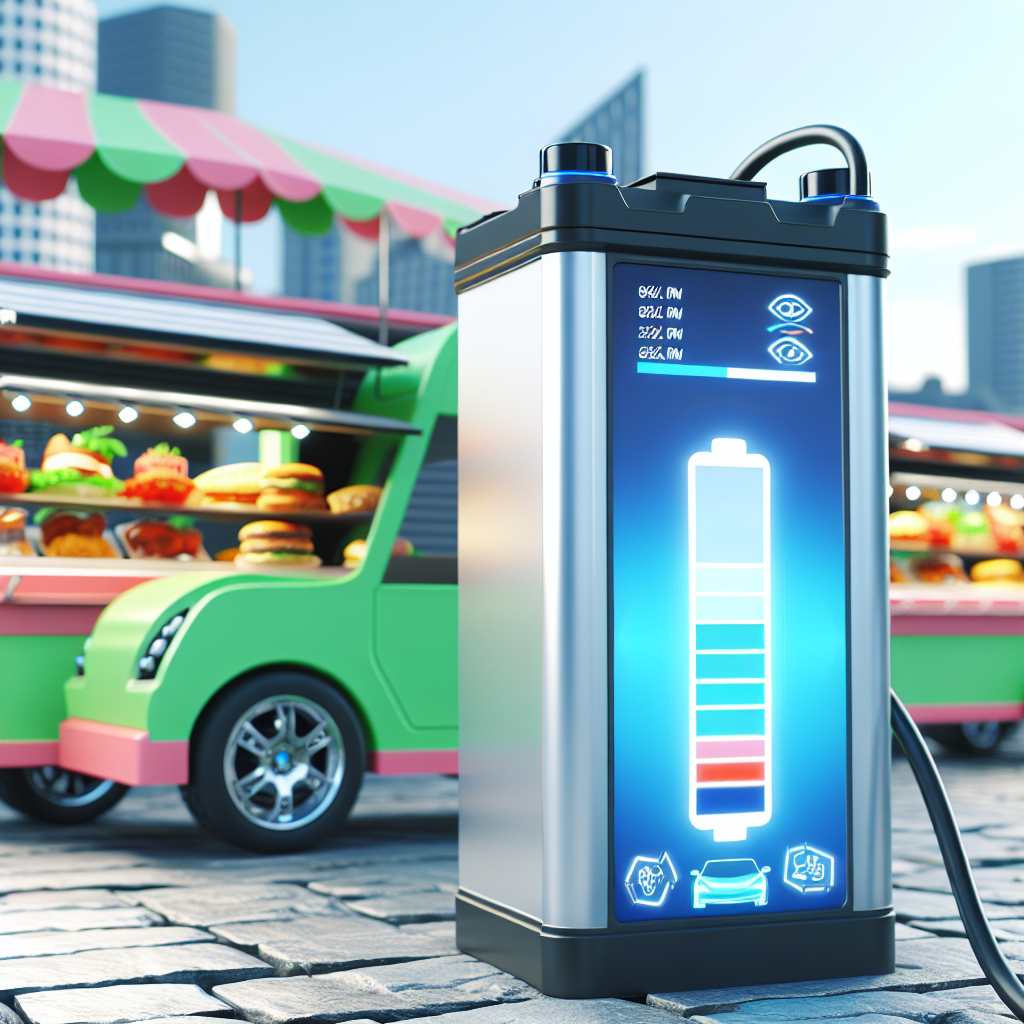
Modern electric food trucks are equipped with sophisticated battery management systems that optimize charging cycles and extend battery life. These systems actively monitor battery health, charge status, and thermal management to ensure optimal performance and longevity. As a result, food truck owners can focus on their culinary endeavors rather than worrying about battery performance.
Conclusion
The rapid advancements in battery technology are reshaping the landscape of electric food trucks, providing operators with the tools to improve efficiency and expand their reach. With increased energy density, enhanced range, faster charging options, and smart management systems, these electric vehicles are not just environmentally friendly but are also becoming a practical and profitable option for food entrepreneurs.
Government Incentives for Electric Conversion
Transitioning to electric vehicles offers a myriad of environmental and operational benefits for food truck businesses, and government incentives significantly ease the financial burden associated with this conversion. Below, we detail various available incentives at both the federal and state levels that can help food truck operators make the switch to electric:
1. Federal Tax Incentives
- Commercial Clean Vehicle Credit: This incentive provides up to $40,000 for qualifying electric vehicles. This is particularly helpful in offsetting the initial conversion costs associated with transitioning vehicle fleets to electric.
- Charging Infrastructure Tax Credit: Businesses can benefit from a 30% tax credit for the installation of charging infrastructure, making it more affordable to set up the necessary electric charging stations as part of their operations.
2. State-Level Incentives
- States, such as California, offer extensive programs and incentives, allowing businesses to access grants that can go up to $120,000 for medium-duty electric vehicles. This makes it economically compelling for businesses to switch.
- Local Utility Programs: Various states run utility incentive programs that provide rebates and financial incentives to businesses that invest in charging stations, further alleviating costs associated with the transition.
3. Grants and Subsidies
- Numerous local and state grants are available to support businesses transitioning to electric vehicles. These can provide direct financial help to cover part of the conversion expenses.
- Cash-for-Clunkers Programs: These initiatives often include subsidies that artificially lower the costs of purchasing electric vehicles while enabling businesses to trade in older combustion engines, thus financially enhancing the viability of the transition.
4. Fuel Efficiency Grants
Special grants are dedicated to promoting the adoption of fuel-efficient technologies, including electric vehicles. These incentives typically reward businesses with financial benefits based on vehicle size and fuel economy improvements, promoting broader electric vehicle use.
5. Local Government Initiatives
Many city governments offer additional benefits, such as preferred parking for electric vehicles or reduced permit fees for food trucks operating electric models. These local incentives can significantly reduce operating costs during the transition period.
By understanding and leveraging these various government incentives, food truck operators can recognize that switching to electric vehicles is not only beneficial for reducing their carbon footprint but also economically feasible. The combination of grants, tax benefits, and operational cost savings offers an attractive pathway for transitioning into a more sustainable future.
Conclusion
In conclusion, transitioning to electric conversion for food trucks offers numerous advantages that can modernize operations while promoting sustainability. While initial costs may be higher, the substantial long-term savings in fuel and maintenance make it a sound investment. Food truck owners can enjoy significant reductions in operating costs through lower electricity prices and less frequent vehicle servicing shifts, translating to annual savings between $4,000 and $8,000.
Moreover, government incentives can alleviate financial burdens, providing up to $40,000 for electric vehicles and additional tax credits for charging infrastructure. This integration of fiscal benefits complements the efficiency gains from advancements in battery technologies, allowing food trucks to operate longer distances with quicker charging times than ever before.
By adopting electric vehicle conversion, food truck proprietors not only enhance their competitive edge but also play a vital role in reducing their environmental impact. This strategic shift towards electric power ultimately positions food truck businesses for both economic success and ecological responsibility, redefining the future of mobile cuisine.
Maintenance Benefits of Electric Vehicles
Electric vehicles, especially electric food trucks, have much lower maintenance costs compared to traditional vehicles that use fuel. Electric motors have fewer moving parts, which leads to less wear and tear and results in less frequent maintenance. An industry expert states, “Electric trucks need less engine servicing, meaning fewer oil changes and fewer moving parts to worry about.”
This simplicity in design reduces service costs significantly. Studies have shown that maintenance expenses for electric vehicles can decrease by 40 to 60 percent (source: Truck Tasting). This means food truck owners can avoid the high costs often associated with engine repairs in traditional trucks. A fleet manager also pointed out, “The maintenance costs of electric vehicles are often hundreds of dollars lower, given the fewer components that require upkeep compared to diesel engines.”
Many businesses report that their annual maintenance expenses are significantly lower than those of gas-powered trucks. Hence, adopting electric technology not only supports sustainability goals but also makes financial sense for food truck operators.
Customer Testimonials and Case Studies on Electric Food Trucks
Here are some noteworthy customer testimonials and case studies on electric food truck conversions:
- Case Study on Electrada: A Cincinnati-based food truck owner transitioned to an electric truck and reported fuel cost savings exceeding $10,000 annually. The owner highlighted the quieter operation, free from generator noise and exhaust fumes, enhancing the customer experience during urban events. The transition was facilitated by Electrada’s Charging as a Service solution.
- The Green Truck: In a profile by EV Magazine, the owner noted a nearly 70% drop in operating costs after switching to electric, eliminating expenses for gas and diesel. The owner also emphasized the brand’s positive sustainability image, attracting environmentally conscious customers in green-minded cities.
- Maria Rodriguez’s Account: Featured in Forbes, Maria detailed her savings of over $1,200 per month on fuel, translating to $14,400 annually, plus over $600 on reduced maintenance. She benefits from being able to operate in areas where diesel trucks are prohibited, opening new revenue opportunities.
- Power Electronics News Study: This technical examination showcased the lower heat and noise levels after transitioning to electric, increasing comfort for food truck staff. Although initial investment in infrastructure is a challenge, the long-term total cost of ownership is reported as lower, indicating a favorable transition.
These testimonials and case studies robustly illustrate the financial and operational benefits of electric conversion for food trucks.
In an evolving culinary landscape, food trucks are now embracing the transition to electric conversion as a means of modernizing operations and maximizing electric food truck benefits while reducing their environmental footprint. As consumers grow increasingly conscious of eco-friendly practices, food truck owners are presented with an opportunity to not only comply with these expectations but also enhance their business efficiency. Electric vehicle conversion kits represent a practical solution that enables food truck operators to streamline their operations while minimizing maintenance costs and benefiting from government incentives. By making the shift to electric power, food trucks can significantly decrease their reliance on fossil fuels, ultimately fostering a sustainable future in the street food industry. This article delves into the advantages of electric conversion, highlighting essential aspects of the technology, its impact on the food truck sector and the sustainable food service it promotes.
Financial Benefits of Electric Conversion
Transitioning food trucks to electric power disproportionately weighs upfront costs against long-term financial advantages. The initial costs for electric conversion can range from $30,000 to $80,000, depending on battery capacity and required equipment upgrades (FoodTruckEmpire.com). While these costs may seem daunting, they represent an investment that yields substantial returns over time.
Long-Term Savings on Fuel and Maintenance
By switching to electric, food trucks can save between $4,000 to $8,000 annually on fuel. This is primarily due to significantly lower electricity costs compared to traditional diesel fuel (Green Truck Association). Furthermore, maintenance costs can drop by 40 to 60 percent because electric vehicles have fewer moving parts and do not require oil changes (FoodTruckEmpire.com). For instance, a case study of a taco truck in California reported $12,000 in savings in its first year post-conversion, despite a $55,000 conversion cost. Breakdown: $7,200 in fuel savings, $3,200 in maintenance savings, and $1,600 from state incentives (Green Truck Association). Such food truck energy savings can reinforce the economic case for switching.
This payback period of approximately 4.5 years illustrates that food trucks will quickly recoup their initial investment through electric food truck benefits.
Government Incentives Make a Difference
Additionally, multiple incentives are available to ease the financial burden of conversion. The Commercial Clean Vehicle Credit can provide up to $40,000 for qualifying electric vehicles, plus a 30% tax credit for charging infrastructure installation (U.S. Department of Energy). State programs further enhance these savings; for instance, California offers up to $120,000 in combined incentives for medium-duty electric vehicles (National Renewable Energy Laboratory).
Overall, the financial calculus favors electric conversions when considering long-term fuel and maintenance savings alongside attractive government incentives. Such a transition not only fosters sustainability but also champions a financially savvy business model for food truck operators.
Maintenance Benefits of Electric Vehicles
Electric vehicles, especially electric food trucks, have much lower maintenance costs compared to traditional vehicles that use fuel. Electric motors have fewer moving parts, which leads to less wear and tear and results in less frequent maintenance. An industry expert states, “Electric trucks need less engine servicing, meaning fewer oil changes and fewer moving parts to worry about.”
This simplicity in design reduces service costs significantly. Studies have shown that maintenance expenses for electric vehicles can decrease by 40 to 60 percent (source: Truck Tasting). This means food truck owners can avoid the high costs often associated with engine repairs in traditional trucks. A fleet manager also pointed out, “The maintenance costs of electric vehicles are often hundreds of dollars lower, given the fewer components that require upkeep compared to diesel engines.”
Many businesses report that their annual maintenance expenses are significantly lower than those of gas-powered trucks. Hence, adopting electric technology not only supports sustainability goals but also makes financial sense for food truck operators.
Authoritative Sources Supporting Electric Vehicle Conversion Claims
-
Green Truck Association report states that electric vehicle maintenance costs can be reduced by 40 to 60 percent. This emphasizes the significant savings in running electric food trucks compared to traditional diesel vehicles.
Green Truck Association -
U.S. Department of Energy outlines federal tax credits, including the Commercial Clean Vehicle Credit, providing up to $40,000 for qualifying electric vehicles, reinforcing the financial benefits available to food truck operators.
U.S. Department of Energy -
TruckTasting notes that electric food trucks experience lower operational costs, including reduced fuel expenses averaging between $4,000 to $8,000 a year. This supports the financial rationale behind switching to electric.
TruckTasting -
The Inflation Reduction Act establishes additional incentives for electric vehicle purchases, targeting small business owners who may benefit from various rebates and credits designed to ease the financial transition to electric vehicles.
Market Research Report -
California Clean Vehicle Rebate Project (CVRP) offers significant rebates for electric vehicle adoption, motivating food truck businesses in California to transition to electric and benefit from operational cost reductions.
CVRP
These sources provide a solid foundation for understanding the financial and operational advantages present in electric food truck conversions as well as the available government incentives.