
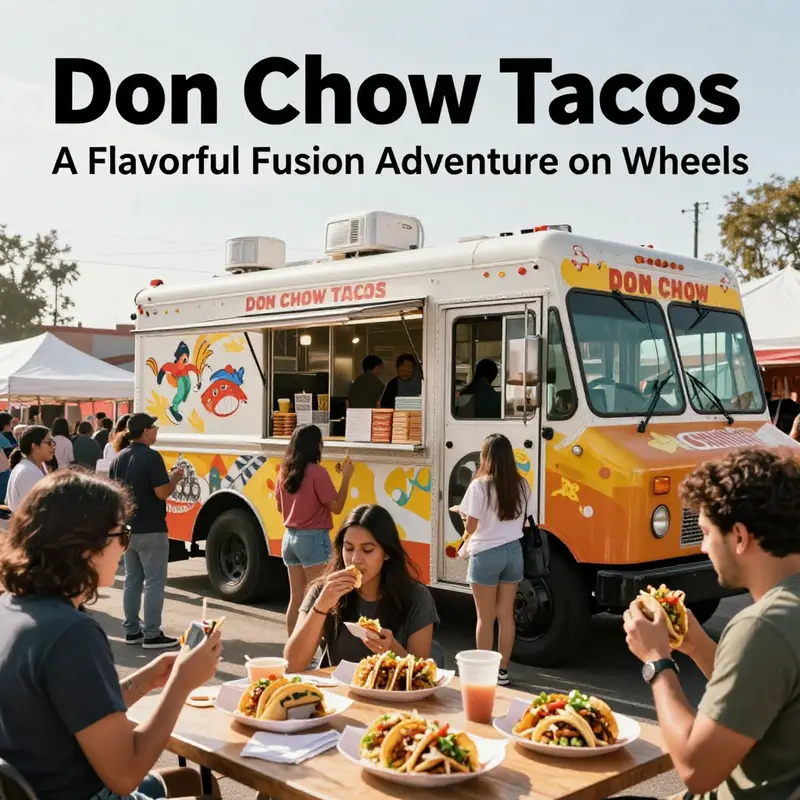
Los Angeles is famous for its vibrant food scene, and one of the remarkable gems within this culinary landscape is the Don Chow Tacos food truck. Specializing in an unprecedented fusion of Chinese and Mexican flavors, this unique eatery has captured the hearts of taco lovers and food enthusiasts alike. With menu items like the Chimale – a delightful blend of chimichanga and taco – Don Chow Tacos doesn’t just serve meals; it offers a flavor-packed experience that tantalizes the taste buds. In this article, we will embark on a flavorful journey exploring the truck’s innovative fusion concept, signature dishes crafted with love and tradition, and how to track down this mobile gastronomic treasure across the dynamic streets of LA.
Fusion on Wheels: Don Chow Tacos and the Flavor Map of Los Angeles
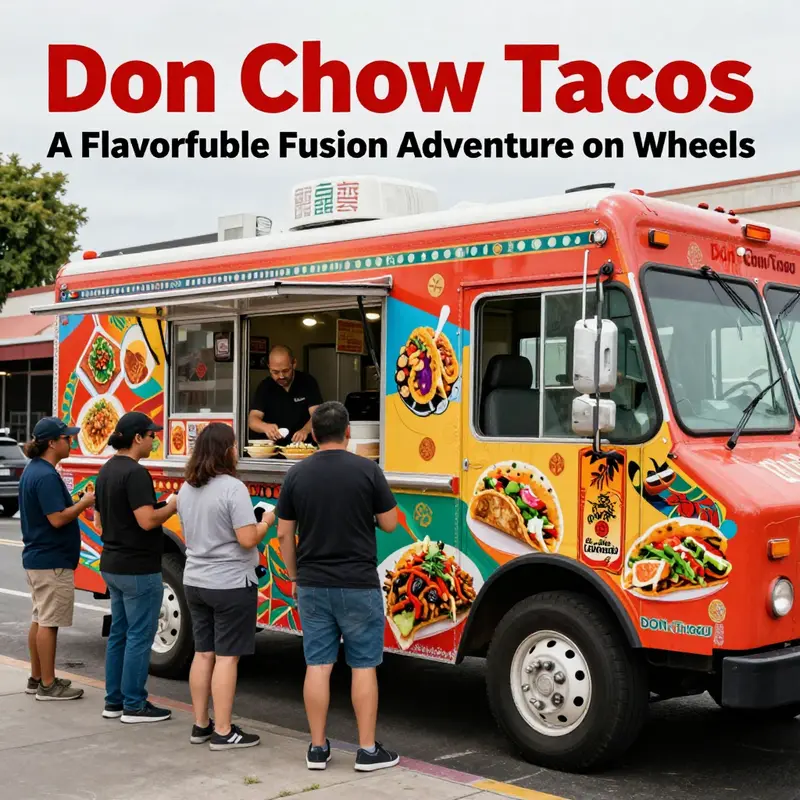
Los Angeles moves on a flavor map that never sits still. The Don Chow Tacos truck circles the city with a simple mission: to braid Chinese technique with Mexican street-food soul, turning everyday bites into a traveling gallery of tastes. Each curbside stop becomes a small event, a microcosm of how a city eats when borders loosen and curiosity leads the way. The truck is a mobile kitchen as classroom, a place where wok heat and tortilla softness converse in a language that feels both new and familiar.
At the heart of the operation is a team that treats craft as conversation. Ernie Gallegos, the recipe architect, translates tradition into adaptable steps that work under a hot sun and a tight window. He doesn’t force a collision of cuisines; he choreographs a duet where garlic, soy, lime, and chili meet in rhythm with cilantro and avocado. The result is not a single flavor but a dialogue, where each bite hints at a shared history while inviting new interpretations.
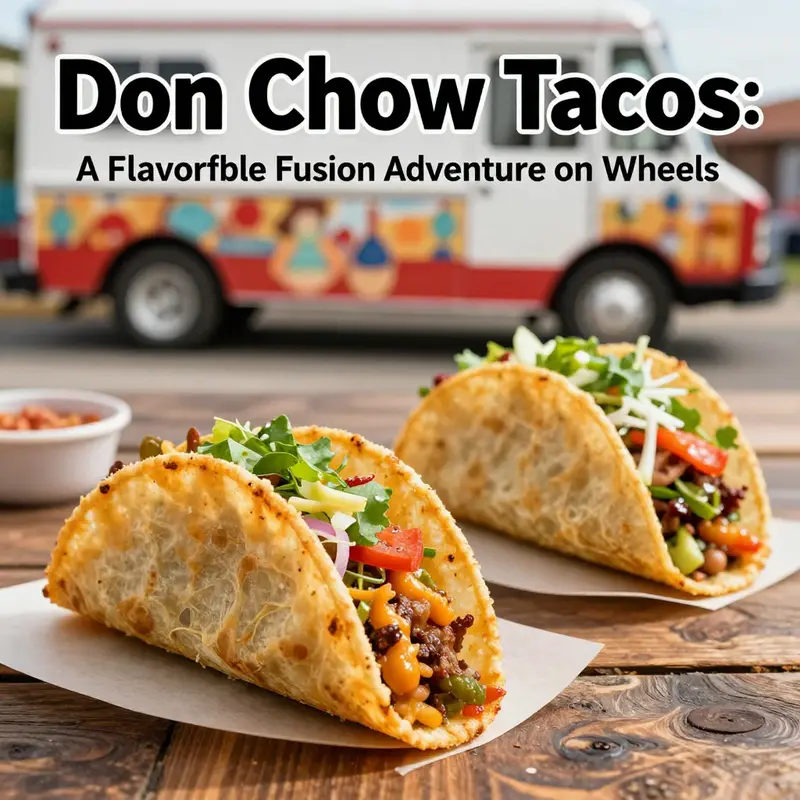
The menu reads like a map. Kung Pao Chicken Tacos push Sichuan spice into a tortilla, delivering a bright chatter of heat and numbing pepper that keeps the palate awake. The chimale extends the carnival of ideas—chimichanga meets taco and bends toward a Don Chow flavor profile: garlicky notes, citrus brightness, and a whisper of sesame oil. There are also sweeter, smoke-kissed expressions that feel born of late-day streets and neon signs. Beyond novelty, the dishes aim for balance: heat and citrus, crunch and tenderness, tradition and invention all harmonizing on a portable canvas.
What makes the project feel larger than a menu is its mobility. The truck’s route becomes a shifting gallery tour of Los Angeles neighborhoods, each stop inviting regulars and newcomers to reimagine what a taco can carry. Social media posts and live-location updates turn a simple lunch into an event, a shared moment to anticipate the next stop and to read the city through its plate. In this way, Don Chow Tacos acts as cultural reporter, translating local memory into edible form and inviting the city to taste its own evolution.
The people behind the wheel believe that great street food grows from respect for origin and fearlessness in experimentation. Dominic Lau and Lawrence Lie steer the project, but the kitchen’s pulse beats in sync with Ernie’s precise, playful approach. The trucks echo a broader truth about modern cuisine: authenticity does not demand rigidity, and fusion does not require erasing heritage. It asks for listening, testing, and a willingness to let flavors travel—and then return, somehow richer, to the table.
null
null
Tracking the Trail: Real-Time Access and Fan Engagement with Don Chow Tacos on the Move
In the sprawling mosaic of Los Angeles’ food scene, a certain swagger comes from a vehicle that never stops moving. Don Chow Tacos embodies a traveling delta where street snacks become conversations and flavors cross cultural borders with each mile logged. The truck has earned a distinct place in the city’s culinary imagination for more than a menu; it is a moving experiment in fusion dining. At any given hour, a hungry crowd might be gathered around a chrome-hued cart that feels less like a storefront and more like a social event. The real-time heartbeat of this operation lies not just in what is plated on the griddle, but in how enthusiasts track its whereabouts as it negotiates the urban map from daylight to dusk. This chapter follows that pulse, tracing how Don Chow Tacos stays accessible to fans while operating as a nimble, ever-adapting mobile kitchen. It is a story not only of taste, but of timing, digital touchpoints, and the way a city learns to chase a truck that never sits still.
Don Chow Tacos stands out in part for its bold fusion philosophy. The team blends Chinese and Mexican culinary cues to create dishes that feel both comfortingly familiar and cheekily inventive. Among the crowd-pleasers are items like the Chimale, a playful marriage of chimichanga and taco, and the Ultimate LA Taco, a signature that captures the city’s appetite for layered flavors. Carne Asada remains a core offering that anchors the menu in recognizable muscle while letting the house-made touches and sauces carry the surprise. The kitchen behind the wheels is led by Ernie Gallegos, whose craft helps translate the concept into made-to-order freshness, even as the truck roams from one neighborhood to the next. The owners, Dominic Lau and Lawrence Lie, position the operation as a portable culinary studio rather than a static storefront, underscoring a philosophy that the best opportunities for discovery come from moving toward diners rather than waiting for them to come to a fixed address.
The mobility of Don Chow Tacos is more than a logistical choice; it is a core element of its identity. In a city where traffic, parking, and location can make or break a pop-up dining moment, a daily relocation schedule transforms each stop into a new story. The truck moves across the greater Los Angeles and Orange County regions, offering a rotating set of neighborhoods where the fusion menu can resonate with diverse palates. The choreography of its location is a dance with the city’s rhythms: business districts that wake early, neighborhoods that turn festive at dusk, and events that draw food lovers who crave something beyond the ordinary. Because the truck does not anchor itself to a single curb, the fan base evolves into a reservoir of regulars who track the route as if following a seasonal tour. The allure is not merely the food; it is the anticipation that tomorrow’s stop could be in a different part of town, a different crowd, a different conversation to join.
To a first-time visitor, the practical reality of chasing a moving feast might seem daunting. The chapter of Don Chow Tacos unfolds through channels that have become nearly as essential as the cart’s wheels: real-time updates on social media, a dedicated web presence, and community-driven tips from fellow enthusiasts. The official channels are the primary lifeline for locating the truck. They provide the current whereabouts, the daily schedule, and any special pop-up appearances that might appear as quick, ephemeral moments rather than a predictable routine. The absence of a universal live-tracking system—at least in the publicly available materials—doesn’t hinder the experience; it amplifies the thrill of the pursuit. Fans learn to blend real-time posts with pre-existing patterns: certain days push the truck toward specific zones; certain events draw larger crowds; certain dishes spark lines of devoted fans who know the exact moment to swoop in for a Chimale or a slice of Carne Asada goodness.
Yet the world outside Los Angeles is not immune to the cross-pollination of possibilities that come with a mobile concept. Austin, Texas, has often been cited by culinary travelers as a potential future stop or expansion locale. The available data, however, call out a clear boundary: the existing public information emphasizes the Los Angeles and Orange County footprint, with no confirmed real-time location data indicating a current Austin operation. For enthusiasts who crave a sense of where the truck might appear next, this distinction matters. It invites readers to balance optimism with practical checks—follow the official Don Chow Tacos channels, monitor social updates, and prepare for the possibility of a day trip to a new neighborhood when the cart appears on a map near them. The broader lesson here is not about constrained geography but about how a brand uses mobility as a strategic asset. The truck’s ability to rotate through communities creates a dynamic signal in the local food ecosystem, one that compels customers to stay engaged, to subscribe to alerts, and to share sightings with friends.
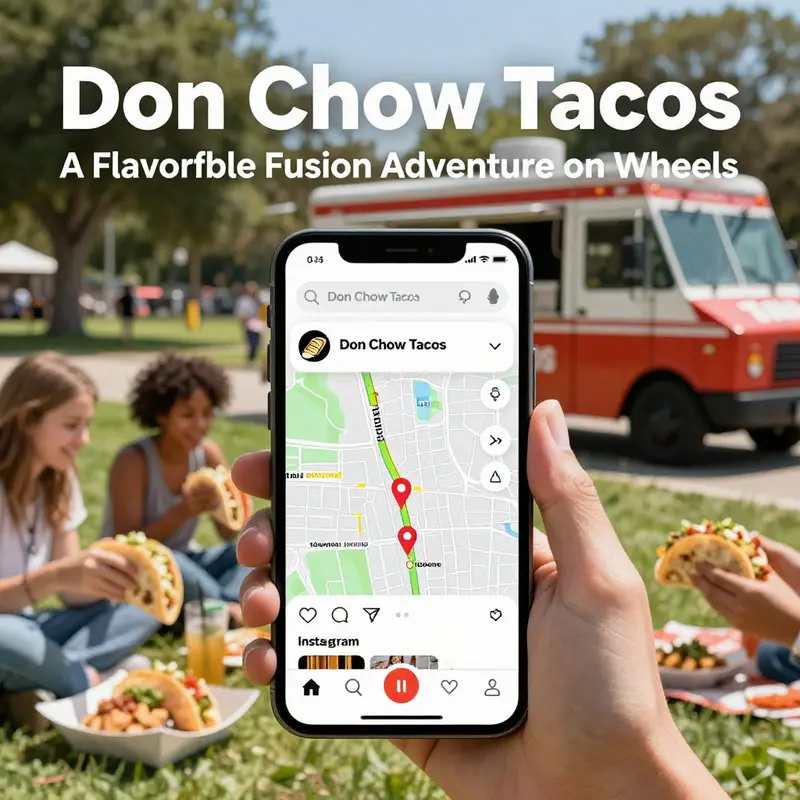
One of the most useful tools in this ecosystem is a real-time tracking platform that aggregates movement data from multiple trucks, including Don Chow Tacos, and translates it into accessible information for hungry followers. Apps like Grub Trucks offer a practical solution for readers who want to visualize where the next stop might be in near real time. The value extends beyond the moment of purchase: it helps minimize aimless wandering, reduces the fatigue of speculative searching, and enables fans to structure their day around a reliable culinary beacon. For someone planning a weekend urban food crawl, the ability to map several stops and time windows into a single itinerary is a game changer. The live updates foster a sense of community among eaters who share tips, photographs, menu previews, and reviews. In this space, a loyal audience evolves into a feedback loop that informs the cook’s decisions, the owners’ schedule planning, and the overall rhythm of the truck’s life on the street.
The practical act of locating Don Chow Tacos thus begins with a deliberate sequence. A fan opens the official website or social channels to confirm a day’s whereabouts. They scan for posted hours, the exact street corner, or any note about a special event that might affect accessibility. If a person is new to the city or exploring a neighborhood they have never visited, the search becomes a mini-adventure in urban geography. The experience is enriched by the sense that every location has its own micro-community, a constellation of regulars who show up with their own rituals—photos snapped in front of the cart, a shared table at a public square, or a short line that becomes a forum for friendly chatter about the latest fusion dish. The human element—fans greeting the cooks, writers from local food blogs, and the spontaneous conversations that erupt around the cart—complements the digital stream of updates with a tangible, real-world vibe.
As a narrative of access, the Don Chow Tacos story also invites readers to consider how mobility changes a brand’s relationship with customers. The truck fetches an audience through movement rather than through permanent fixtures. In practical terms, that means customers must become regulars of a different order: not only do they know the menu, but they also know the route. They learn the cadence of the truck’s daily life, the way the crew handles peak hours, and the small rituals that signal quality and speed—the way Ernie Gallegos might adjust a sauce’s balance after a batch has cooled, or how a new twist on a familiar dish is tested in a live setting. This is not merely a supper in a parking lot; it is a mobile dining workshop where the din of traffic mirrors the sizzle of the griddle, and where feedback travels as quickly as the truck’s wheels.
The fusion menu, in particular, benefits from this agile model. A Chimale could be imagined as a recipe that travels well, carrying the essence of chimichanga with the comfort of a taco’s fold. The Ultimate LA Taco becomes a canvas for regional ingredients, urban nostalgia, and the playful audacity that marks Los Angeles’ culinary imagination. The decision to keep a dynamic menu—made fresh to order—aligns with the operational realities of a truck that must respond to what is fresh, what is locally available, and what the day’s traffic demands. In this sense, the real-time accessibility of Don Chow Tacos is inseparable from the flavor strategy: the truck’s movement invites a corresponding movement in taste, a continuous loop where location informs recipe adaptation and customer response shapes future iterations.
The broader takeaway for enthusiasts who want to understand how to engage with a mobile chef like Don Chow Tacos is twofold. First, the path to a satisfying experience is built on a reliable digital scaffolding. A consumer mustn’t chase fragments of information but should rely on a streamlined set of trusted channels that provide location, hours, and a glimpse of the upcoming menu. Second, the encounter is enhanced by the social fabric that follows the truck. Fans become ambassadors, sharing sightings, posting photos, trading tips on the best times to arrive, and documenting what changes in the kitchen over time. This social currency is as important as the currency in the tip jar. It creates a community around the food, which in turn sustains interest when the truck travels to new corners of the region or when a signature dish undergoes a subtle evolution.
For readers who are curious about how such mobility translates into a sustainable business model, one can draw insight from the broader ecosystem of food trucks. The case of Don Chow Tacos exemplifies how a mobile concept can achieve a kind of clarity of purpose: to deliver fresh, made-to-order dishes that carry a distinctive cultural voice while remaining accessible to a wide audience. The daily relocation is not a gimmick but a vehicle for storytelling. Each stop adds a paragraph to the ongoing narrative of fusion cuisine, a culinary travelogue that invites regulars and newcomers alike to participate in the experience. The real-time dimension becomes the backdrop against which this narrative unfolds. It is a form of contemporary gastronomy in motion, where pace, place, and plate collaborate to shape memory and expectation.
In considering the practical tools of this experience, readers might explore how technology supports the human urge to connect with good food wherever it is found. The combination of a nimble schedule, social updates, and real-time tracking creates a seamless flow from curiosity to appetite to fulfillment. It is an elegant reminder that in the age of mobility, accessibility is as much about information as it is about proximity. Don Chow Tacos embodies this balance: the truck’s cuisine remains anchored in a particular flavor identity, while its accessibility travels with the traveler, no matter where the cart happens to be parked on any given day. The result is a living, breathing culinary itinerary that invites fans to become part of a larger story—a story that moves with the truck as it cruises through lanes of the city, turning each stop into a small event in the life of Los Angeles’ food culture.
For those who want to optimize their own experience as fans, operators, or curious newcomers, a strategic approach helps. Begin with reliable sources for daily updates. Check the official website and social feeds for posted coordinates and hours. When possible, align your outing with a planned route that minimizes backtracking. If you are new to the scene, look for a pattern: some days may favor the same neighborhoods at the same times, while other days may pivot to a different part of the metropolitan area. Over time, a habitual fan develops a mental map, a practical atlas of where the truck is likely to appear and when. This mental map, in combination with a live feed, helps convert a casual craving into a satisfying, timely experience. And as you become more attuned to the rhythm of the truck, you may notice the subtle shifts in the menu—how a sauce is adjusted after a busy lunch rush, or how a seasonal ingredient makes a brief appearance that—though ephemeral—leaves a lasting impression on the palate and on the conversation around the cart.
As the Don Chow Tacos story continues to unfold, the chapter of real-time location and accessibility remains central to its appeal. This is not merely about being able to locate a cart; it is about participating in a shared urban ritual. It is about joining a community of diners who treat the city as a living restaurant map, one that can be read and followed with the same excitement as a favorite television series, only here every episode is written by the foot traffic, the weather, and the serendipity of a new neighborhood. The truck’s wheels carry with them an invitation to taste, to learn, and to engage with a city that thrives on movement. The result is more than sustenance; it is an ongoing encounter with culture, craft, and community—an ever-evolving itinerary that will continue to draw the curious, the hungry, and the loyal into the orbit of Don Chow Tacos.
For those who want a concise pointer to navigate this dynamic space, the combination of direct updates from the truck’s official channels and independent tracking platforms offers a reliable framework. It is a model of how modern street food can balance spontaneity with structure, flavor with forecast, and wandering with return. In this balance lies the charm of Don Chow Tacos: a culinary journey that invites you to chase not just a meal, but a moment of shared discovery across a city that loves to move as much as it loves to eat. If you ever find yourself standing at a curb, hungry, eyes scanning the horizon for a chrome cart with steam rising from its windows, remember that you are part of a larger urban chorus. You are following a truck that turns every day into a new stage, a new conversation, and a fresh opportunity to taste how boldly two cuisines can collide and harmonize when guided by a chef’s hand and a driver’s sense of timing.
To deepen your understanding of how mobile food businesses balance identity, accessibility, and growth—while remaining agile enough to chase new signals in the urban landscape—you can explore practical guidance on choosing the right food truck as part of your broader culinary journey. The resource linked here offers frameworks for thinking through operations, branding, and logistics in the context of a mobile enterprise. Choosing the right food truck.
External resources that complement this chapter can broaden the lens on how real-time location and accessibility shape the modern street-food experience. For readers who want a broader view of live-tracking ecosystems and how they integrate with customer expectations, the Grub Trucks platform offers a robust example of how technology facilitates discovery, planning, and community engagement around moving food vendors. Learn more at https://www.grubtrucks.com.
Final thoughts
Don Chow Tacos has undeniably carved a niche for itself within the bustling culinary landscape of Los Angeles. With its inventive fusion of Chinese and Mexican flavors, the food truck not only satisfies cravings but also inspires a culinary exploration that brings people together. As they roll through the city, offering comfort food with a twist, don’t miss your chance to experience these flavorful creations. Keep an eye on their social media channels to stay updated on their daily locations—every taco lover deserves a taste of this masterpiece!