
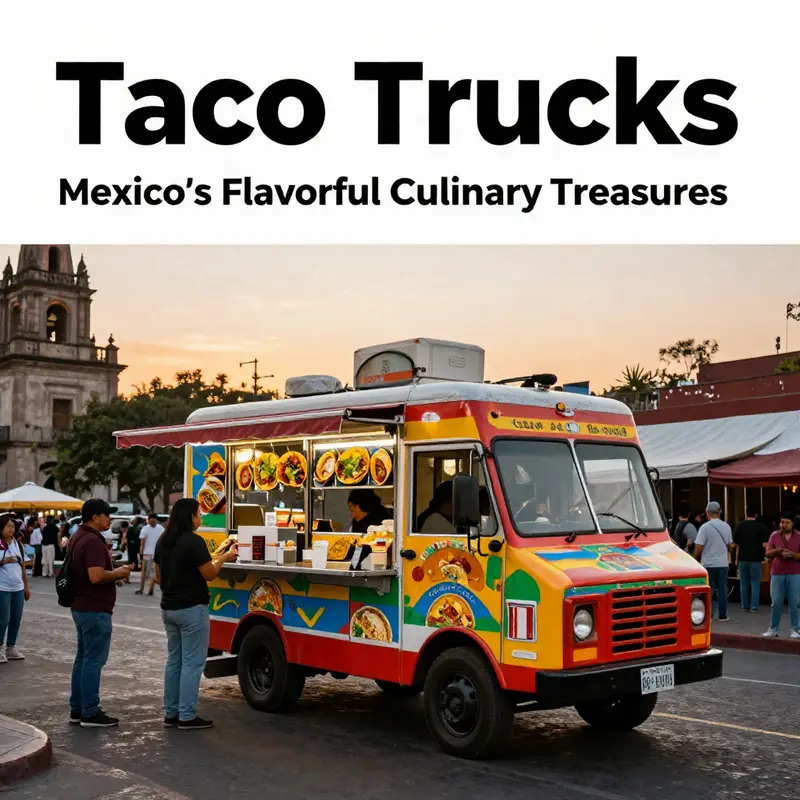
Taco trucks are more than just mobile culinary units; they’re an essential thread woven into the very fabric of Mexico’s rich gastronomic tradition. Throughout bustling cities like Mexico City, these trucks, or more accurately, mobile taco stands, are a ubiquitous sight, illuminating street corners with their tantalizing offerings. From the sizzling sounds of marinated pork to the enticing aroma of freshly grilled tortillas, each taco truck unveils not just food, but a culinary experience steeped in history and community. In the upcoming chapters, we will delve deeper into the presence of taco trucks as a cherished element of Mexican culture, explore the diverse culinary delights they offer, examine their cultural significance, and consider their economic impact—offering readers a comprehensive understanding of why taco trucks are not only present in Mexico but celebrated.
Under the Neon Canopy: Taco Trucks as Mexico’s Moving Kitchen and Cultural Pulse
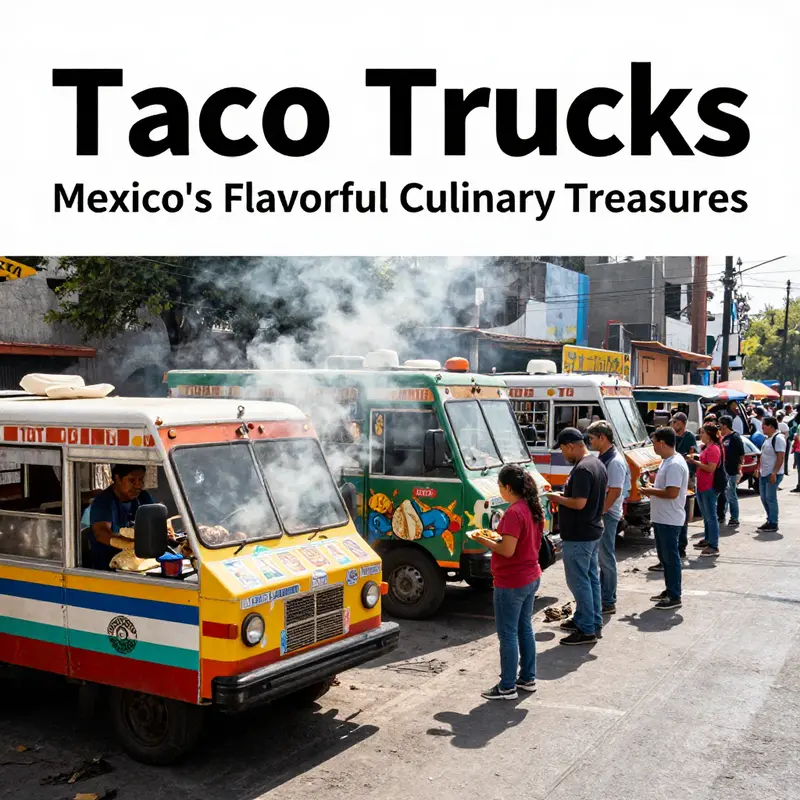
In the bustling rhythm of Mexican cities, the taco truck is not a temporary intruder on the street but a moving kitchen that travels the city’s pulse. Across neighborhoods from CDMX to border towns, these carts ferry everyday meals to people on their way home, between shifts, or after late-night journeys along avenues that never quite sleep. The aroma of grilled meat, the hiss of the grill, the clatter of tortillas on a hot comal, and the bright fizz of lime being squeezed—these sensations cohere into a daily ritual. The taco truck becomes a portable commons, a shared table on wheels that invites conversation as much as it invites taste. It is in this sense that the trucks are a culinary staple, offering a window into how food travels and settles within a city, becoming part of its memory and its identity.
From the vantage point of daily life, taco trucks are a testament to mobility as a form of accessibility. Vendors move where crowds gather—on busy corners near markets, outside transit hubs, at lights that change with the tempo of the city. They juice flavor from regional ingredients, performing recipes handed down through generations with a practical know-how that prizes speed and consistency as much as authenticity. The fillings vary, but the core experience remains recognizable: a hot corn tortilla, a handful of chopped cilantro, a sprinkle of onions, a squeeze of lime, and a protein that carries the signature of a place. In the smoky air of the grill, one can hear a quiet conversation between tradition and improvisation. The grill master might adjust a marinade, a salsa, or a warming sauce in response to what customers are craving that day. The result is an edible map of Mexico’s micro-regional tastes—pork al pastor with pineapple, grilled beef al gusto, beans with fresh guacamole, or a simple, satisfying pair of onion and cilantro with a robust salsa.
The variety of offerings speaks to the country’s culinary geography. Each truck becomes a portable archive of recipes that have traveled with families as they moved through towns and cities, picking up regional touches along the way. Some trucks specialize in street-level classics, while others explore fusions that emerge from kitchens where formal dining and informal street cuisine meet. The salsas themselves tell stories—the quick-fire tang of freshly chopped herbs, the gentle sweetness of roasted peppers, the heat that lingers on the palate and in memory. These are not mere condiments; they are living testimonies to regional farming, to the seasonality of ingredients, and to the way taste is shaped by climate, soil, and tradition. The tortillas tie everything together, too. Fresh corn tortillas are more than a convenience; they are the texture that carries flavor and gives bite to the filling. They are a reminder that in many Mexican neighborhoods, meals begin with corn and end with community.
Mobility is not only about reaching customers but about creating a sense of immediacy and belonging. The trucks move through the city’s fabric, allowing residents who might otherwise rely on a single, predictable form of food access to experience variety without straying far from home. This adaptability makes taco trucks deeply democratic. They serve students, office workers, laborers, retirees, and families alike. Prices are designed to be affordable, enabling people from different economic backgrounds to share a meal. In this way, taco trucks function as a social equalizer: the same sizzling sound and the same bright lime wedge can be appreciated by a teenager counting change after school and by an elder who has watched the neighborhood evolve for decades. The trucks’ mobility also allows vendors to respond quickly to demand, to test new fillings, and to adjust portions to what customers crave at different hours. When the city settles into night, the trucks become beacons, guiding late-night diners toward warmth and nourishment after a long day.
Culturally, taco trucks are iconic not only for taste but for the entrepreneurial spirit embedded in their operation. They are portable businesses built from small budgets and larger dreams, often sustained by family labor and neighborly networks. They symbolize a form of work that is accessible and resilient, a model in which skill and reputation accumulate through repeated service and word of mouth. The street becomes a classroom where younger cooks learn the craft from seasoned mentors, where the discipline of keeping a grill clean, handling meat safely, and maintaining consistent quality is passed along in practical, hands-on ways. The social dimension of the scene—shared tables on sidewalks, impromptu conversations with customers as they wait for tortillas to come off the grill, the exchange of tips and recipes—nourishes more than the body. It sustains memory, identity, and community cohesion in neighborhoods that might otherwise feel divided by distance or pace.
In cities like CDMX, the relationship between street food and urban life has grown into a cultural institution. The taco truck here is not merely a source of nourishment; it is a yardstick by which locals measure the city’s vitality. The street has always been a place where people come together, where stories are exchanged, and where a meal can feel like a shared ceremony rather than a private indulgence. The trucks contribute to this sense of ceremony by creating predictable moments in an otherwise fast-moving life. As evening settles and the lights of corner stalls begin to glow, the street becomes a stage for a continuous performance: a cook tests a new salsa, a customer shares a family memory linked to a particular topping, a group of friends laughs as they trade bites and stories. The sensory overload—the crackle of the grill, the citrus brightness of lime, the brightness of cilantro, the warmth of the tortillas—works to draw people into conversation and into a shared appreciation of place. In this light, the taco truck becomes an ambassador of everyday culture, carrying not only food but also a sense of belonging.
The economic and social dimensions of these mobile kitchens deserve close attention, because they illuminate how street food fits into the broader fabric of the city. Most taco trucks are run by small business owners who juggle permits, supply chains, and labor costs with the street’s unpredictable rhythms. Their businesses support families, provide steady work for cooks and helpers, and create micro-economies that circulate money within neighborhoods. The affordability of the meals makes street food a practical option for people at many income levels. In this sense, the food truck scene mirrors the social fabric it serves: an environment where entrepreneurship, tradition, and community intersect, and where innovation is measured not only by novelty but by consistency and reliability on a daily basis.
Another layer of significance emerges when considering how these mobile kitchens respond to urban life and globalization. The trucks are adaptable. They pick up influences from various regions, seasons, and even immigrant communities who bring their own flavors into the mix. Some vendors experiment with new combinations, blending local ingredients with techniques learned elsewhere, while others polish long-standing formulas that have endured through generations. This balancing act—between preserving tradition and embracing change—keeps the street food scene dynamic while ensuring that roots remain visible in every bite. Tourists, too, are drawn to the phenomenon, not just to taste but to witness a way of eating that is unceremoniously intimate. Nighttime taco truck tours offer a way to experience the city’s culinary theatre up close, a chance to observe how a rumor of a tasty taco can travel across a crowd and how a crowd, in turn, shapes the plate that reaches it.
The scene is not without its challenges. Vendors navigate city regulations, equipment costs, and the need to maintain cleanliness and safety in street environments. Yet many continue confidently, driven by a simple premise: people deserve access to flavorful, affordable meals in the places they live and work. The mobility of these vendors means that new corners, markets, and routes become opportunities rather than obstacles. In this sense, the taco truck embodies not only the resilience of the cuisine but the resilience of a people who have long found nourishment in shared, accessible settings. The trucks serve as a reminder that food, in its most elemental form, is a social act—a choreography of preparation, service, and exchange that binds strangers into a community with a common appetite.
For readers who want a practical lens on what it takes to participate in this sector, the broader literature on mobile food ventures offers guidance while staying grounded in the street-level realities described here. The philosophy is simple: begin with a respect for craft, a respect for local ingredients, and a respect for the neighbors who will become regulars. The operational details—from choosing a reliable grill, selecting a portable prep space, to understanding how to manage a portable permit—are as important as the flavors. Yet the heart of the matter remains the same: a taco truck is a neighborhood kitchen that travels, listening to the street’s needs as it moves and responding with something that tastes like home to whoever happens to be passing by. This is what makes the taco truck not just a business model but a living piece of Mexico’s culinary culture.
A Moving Feast: The Diverse Tapestry of Taco Trucks Across Mexico
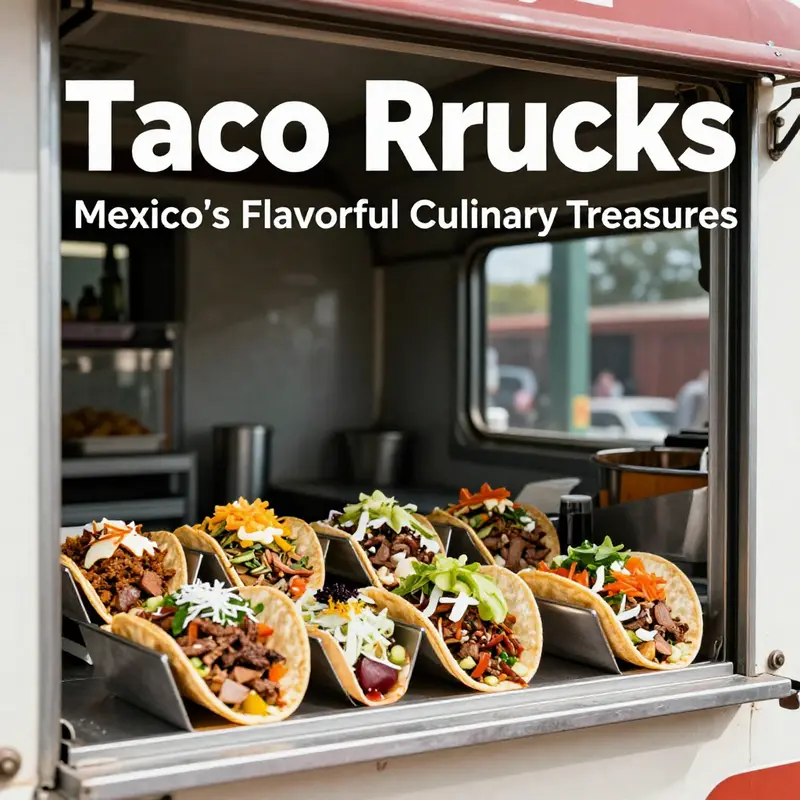
Across Mexico, the taco truck is not a novelty or a mere convenience but a living thread woven into the daily rhythm of cities and towns. These mobile kitchens travel through neighborhoods, sweep along busy avenues, and pause near markets, turning sidewalks into open-air dining rooms. In many places, the presence of a carrito de tacos or a small taco stand is as familiar as the morning sun. The trucks’ mobility makes them more than vendors; they are ambassadors of the country’s culinary memory, translating the kitchen doors of home into the open air where everyone can gather, sample, share, and linger over a simple, honest meal. The appeal goes beyond hunger. It is about the intimate theater of cooking: the hiss of a hot grill, the careful layering of cilantro, onions, and lime, and the moment when a warm tortilla buckles with the weight of its fillings. In this sense, taco trucks are not just about food but about belonging—an edible thread that stretches across social divides and urban landscapes alike. They are part of the street’s heartbeat, a daily ritual that sustains families, workers, students, and late-night wanderers who crave something soulful after a long day. And above all, they reflect a culture that prizes immediacy, community, and the pleasure of flavor shared in the open air.
The variety within these moving kitchens is astonishing, and the offerings evolve with the local palate, the season, and the vendor’s own craft. When people speak of the most classic taco forms, they often begin with a handful of enduring archetypes that each vendor may interpret in a different way. Carnitas—the slow-simmered pork that acquires a delicate balance of fat and crisp edges—appears on many carts, its tenderness offset by a bright squeeze of lime and a scatter of fresh cilantro. Barbacoa, a braised or steamed preparation that has long roots in central and northern culinary circles, offers a deep, meaty richness that rewards slow cooking and patient seasoning. Tripe, a less ubiquitous but highly coveted option, showcases a texture that rewards a skilled hand in cleaning, braising, and glazing with robust sauces. Tinga, with shredded chicken steeped in a tomato-chile bath, provides a punchier, citrus-kissed heat that lingers on the palate. Each of these forms travels the country, yet every region leaves its own stamp on technique, fat, salt, and aroma, so that a carnitas taco in one neighborhood may feel notably different from another’s, even when the core filling remains the same.
This regional variation is one of the most compelling parts of the taco truck story. In central Mexico, including parts of Puebla and Tlaxcala, there is a strong tradition of serving tacos on handmade corn tortillas, with salsas that bring together roasted chiles, herbs, and a brightness that mirrors the soil and climate. The emphasis often lands on balance: a tortilla that wears its fillings without becoming overwhelmed, a salsa that wakes the senses without eclipsing the meat’s character, and a handful of cilantro leaves that provide a crisp, green finish. In northern states such as Chihuahua and Sonora, the culinary vocabulary leans toward grilled meats and bold, smoky profiles. Here, the fire and the smoke do more of the talking, and tacos may present with crisper textures and flavors that echo border cuisines and the practicality of outdoor cooking in drier, hotter urban environments. The tortilla remains a constant, but the fillings and accompanying condiments ride a spectrum from gentle to assertive, offering a map of the country’s divergent appetites.
A few innovations expand the canon without eroding tradition. Tacos de canasta, or basket-tacos, arrive steamed in wicker or woven baskets and carry a soft, almost pillow-like texture that’s perfect for morning cravings or a quick, satisfying bite on the go. Tacos de suadero, made from beef plate with a glistening, almost buttery finish, highlight a technique that rewards a slow, precise sear and careful trimming. These variations illuminate how mobility does not diminish craft; it presses it to adapt. The core decisions—where the meat comes from, how tortillas are made, and what salsas or toppings accompany the filling—remain the heart of the offering, even as vendors explore new textures, temperatures, and combinations. The result is a living menu that can be both deeply traditional and surprisingly inventive, all staged on a small cart or a mobile stand that can turn a corner and disappear into a different neighborhood by nightfall.
Understanding the authenticity of these experiences means looking beyond taste alone. It means appreciating the foundational elements of the taco truck operation: the sourcing of ingredients that honor seasonal availability, the way tortillas are made or warmed, the gear used to sustain high-volume service, and the rhythms of prep that allow a cart to turn out consistent plates. A seasoned operator will speak of the tortilla’s role as more than bread—that it should be pliable enough to embrace the filling yet sturdy enough not to crack under pressure. The salsa, too, carries its own art: some vendors emphasize brightness through fresh herbs and lime, while others lean into roasted chiles and char to deepen the profile. Salt is not incidental but a calibrating force, guiding the way all flavors meet on the tongue. Those who study the craft note that the most reliable truck kitchens combine bold spices with fresh, locally sourced ingredients, and a commitment to making tortillas by hand wherever possible. The result is not merely a quick meal but a coherent taste of place, crafted with care under a sunlit canopy or beneath a simple awning when the weather turns
To lend a sense of architecture to this vibrant scene, consider the equipment that keeps these kitchens rolling. A taco cart, whether stationary or semi-permanent, becomes a small, efficient kitchen on wheels. The vertical spit—especially associated with al pastor—embodies a hallmark technique: layering marinated meat, letting it stack and caramelize as it cooks, then shaving off thin, smoky-edged slices that catch the heat and release a meadow of aromatics with the first bite. The cart’s design prioritizes speed, sanitation, and reliability, often with built-in warming racks, easy-access ingredient bins, and a compact grill or griddle that can handle multiple fillings in rotation. This is not glamorous machinery but practical ingenuity, a set of tools that supports a daily ritual of feeding, conversation, and communal exchange. The result is a portable kitchen that travels across neighborhoods, markets, festivals, and late-night streets, turning every stop into a possible gathering where strangers become neighbors over a shared meal.
For anyone interested in the deeper mechanics of these mobile kitchens, there exists a body of practical knowledge about how to balance tradition with modern demands. Guides on Mexican food truck operations emphasize not only the flavor and technique but also the business and logistical realities of high-volume service: fuel management, waste disposal, compliance with local health codes, and the need to adapt to varying customer flows. The insights illuminate how diverse offerings can thrive while staying faithful to core values: bold, fresh flavors, handmade components, and a sense of hospitality that welcomes everyone to the table. In the hands of skilled vendors, authenticity is not a fixed artifact but a living practice—one that evolves as cooks experiment with regional preferences, customer feedback, and shifting urban landscapes. The carritos de tacos thus become laboratories of culinary culture, where tradition and innovation meet under open skies and the hum of city life.
This dynamic is why the taco truck scene feels so deeply Mexican in its resilience and adaptability. The trucks move through the city as weather and demand dictate, yet they always return to the same social function: to provide affordable, satisfying food that people can trust. They serve everything from a quick breakfast before work to a late-night, post-curfew supper that offers nourishment and companionship to groups winding down after a long day. The mobility itself is a cultural statement, a working democracy of food that travels where it’s needed and where it is wanted. Nighttime taco truck tours, popular with visitors seeking an authentic, “eat like a local” experience, further illustrate how these vendors contribute to a city’s nocturnal economy and social fabric. Such experiences remind outsiders and locals alike that Mexico’s street food is not a tourist-side show but a living, breathing expression of the country’s culinary heart.
An important takeaway from this landscape is that diversity in taco offerings is not a novelty but a foundation. The same street can host a carnitas taco that tastes like home and a barbacoa taco whose steam carries the scent of a long simmer. A vendor might fold in a canasta-style taco for a different texture and a canny nod to regional customs. A suadero taco offers a richness that lingers and begs another bite. Each bite carries a story: of families who pass recipes down through generations, of markets where ingredients are bought fresh every morning, of cooks who have learned to read the flames and the crowd’s mood. The result is a sensory map of Mexico, where variations exist not to complicate the palate but to honor the country’s vast landscape, climate, and cultural memory. This map speaks eloquently to the core question—are there taco trucks in Mexico? The answer is an emphatic yes, and the story they tell is one of abundance, craft, and community.
For readers who want to explore practical dimensions or find a broader context online, there is a wealth of resources that capture the spirit of this tradition. For insights into running a mobile kitchen and balancing tradition with growth, you can explore perspectives shared on the Fire Up Taco Truck blog, which offers practical guidance for those stepping into the world of food truck entrepreneurship while staying committed to quality and authenticity. Fire Up Taco Truck blog. This chapter draws on those themes to illuminate how a single cart can be both a stable livelihood and a flexible platform for culinary storytelling. As with any living tradition, the best taco trucks are those that listen to their communities, adapt without losing their core identity, and keep the flame of craft burning bright as they travel through Mexico’s diverse cities and towns.
In the end, the taco truck phenomenon in Mexico is less about a specific dish on wheels than about a culture of mobility, craft, and conversation. It is a practice that honors the quiet power of a good tortilla, the depth of a well-seasoned salsa, and the generosity of a vendor who serves a line of customers with a smile, a nod, and a hot plate. The trucks refuse to be siloed into one stereotype; instead, they unfold as a collage of regional flavors, seasonal ingredients, and evolving techniques that together tell a broader story of Mexican food culture. They show how a nation can maintain its culinary roots while embracing the possibilities of a mobile future. And they remind us that, yes, there are taco trucks in Mexico—everywhere, on every corner, and at the heart of everyday life.
External resource: https://www.foodandwine.com/mexican-taco-trucks-101
Moving Kitchens, Lasting Connections: How Taco Trucks Anchor Mexico’s Culture and Identity
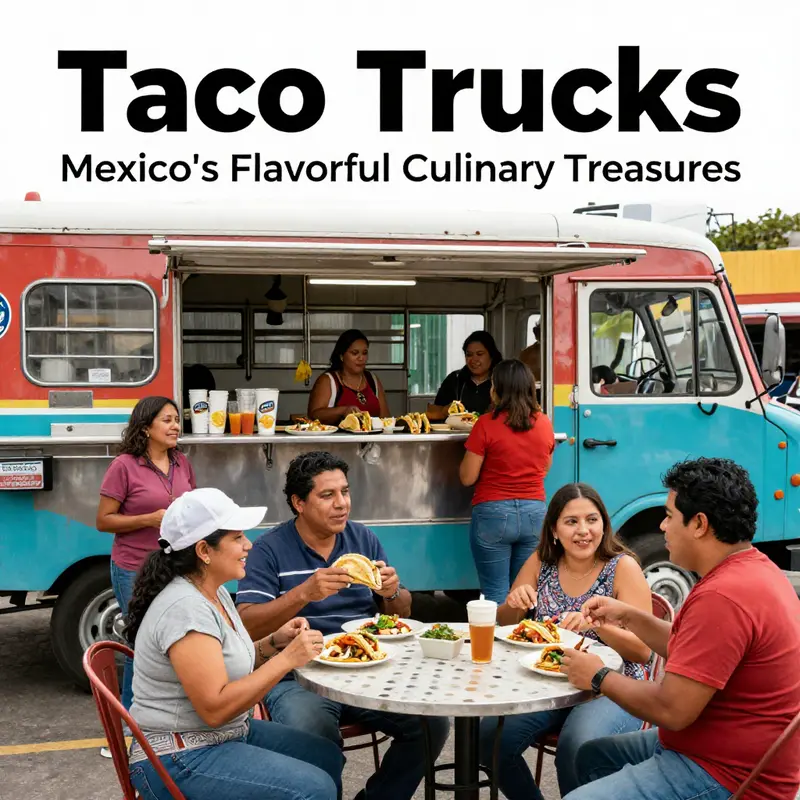
Taco trucks in Mexico are more than food on wheels; they are living threads in the fabric of daily life, stitching together labor, neighborhood, memory, and adaptation in a way that few other urban elements can claim. In Mexican cities, especially Mexico City, these mobile kitchens have evolved from practical meal solutions for workers into a culturally resonant institution. They move with the city’s rush and its quiet hours, echoing the rhythms of a society that values modularity, resilience, and shared spaces. The earliest stages of this phenomenon can be traced back to late nineteenth and early twentieth centuries, when women vendors carried baskets of tortillas and simple fillings to factories, mines, and construction sites. The “mobile kitchen” emerged as a response to need—cheap, quick, nourishing food that could keep pace with long shifts and demanding labor. In those days, the street became the first network of social provisioning, and the tortilla, warmed by sun and fire, carried the promise of sustenance and a space to gather after a long day.
Over time, these informal stalls and now-iconic taco trucks took root in the city’s structure. They dotted busy corners, lingered near markets, and slipped into residential neighborhoods where late-night hunger and social exchange converged. The trucks adapted to the city’s topography, moving with shifts in labor, migration, and urban policy. They learned to thrive on a mix of reliability and improvisation: a steady core menu built on al pastor, asada, beans, and fresh toppings, alongside a constant readiness to answer the day’s changing tastes. Corn tortillas, bright cilantro, chopped onions, lime wedges, and a blaze of salsa became the recurrent cues of a shared experience. The appeal is not merely culinary; it is social and architectural: a portable kitchen that doubles as a neighborhood fixture, a place where neighbors meet, vendors exchange news, and newcomers glimpse a living tradition through a meal.
In this sense, taco trucks function as social hubs, a contemporary iteration of the traditional taquería, but with mobility that expands the circle of who can participate. They serve as a kind of public living room where people from different backgrounds cross paths, share stories, and negotiate the day’s limits and opportunities. These are not sterile food points; they are improvisational theatres where technique and affection show up in the same breath. The cook’s hands move with practiced ease, flipping meat on a vertical spit, slicing onions with a practiced rhythm, and ladling salsa in a way that signals both care and urgency. The result is a table without walls—a way to eat that invites conversation as a natural byproduct of sharing a single, delicious bite.
The social importance of this mobility becomes even more evident when one considers gender, labor, and economic access. The late nineteenth and early twentieth centuries framed street vending as an entry point for working-class women who, far from being passive recipients of male patronage, shaped a new economy with ingenuity and persistence. They transformed scarcity into opportunity by routing their lunches through the city’s infrastructure: factories, markets, transit hubs, and, increasingly, the dynamic nodes of urban life. The taco truck, then, is not merely a vehicle for a meal; it is a vehicle for a workforce’s dignity, a site where hours, value, and identity can be negotiated in real time. As the city grows, the trucks adapt—recalibrating their routes to serve new neighborhoods, new schools, and new nightlife pockets—while maintaining the consistency that makes a good taco both reliable and comforting.
In Mexico City, the density of street life makes the taco truck more than an economic actor; it is an aesthetic and sensory institution. The aroma of grilled meat, the sound of tortillas hitting a hot surface, the bright green of cilantro and the warm glow of limes—these elements compose a recognizable cityscape. The trucks also carry a repertoire of flavors that reflect regional variations and personal histories. While al pastor remains a central icon, the options stretch along a continuum from simple, satisfying fillings to more eclectic combinations that still honor tradition. Flavor is a language here, spoken in the cadence of sizzling meat, the tang of citrus, and the clean snap of fresh onions. The ritual of eating—pulling back a tortilla, squeezing lime, dusting with cilantro—becomes part of a shared vocabulary that city dwellers use to articulate belonging in a sprawling metropolitan life.
The cultural reach of taco trucks is not confined to the borders of Mexico. As migration patterns carried Mexican communities into the United States, the trucks crossed geographic lines and spawned a transnational dialogue about food, memory, and belonging. In places with long-standing Mexican populations, such as California and Texas, taco trucks — and the broader mobile food movement they helped inspire — became laboratories for cultural exchange. Family-run vendors translated traditional recipes into new settings, listening to local preferences and adapting ingredients, textures, and cooking times to fit a different climate and customer base. The result is a cuisine that remains deeply rooted in its origin while embracing hybrid influences that reflect the multicultural landscapes of its hosts. The mobile kitchen’s mobility is precisely what allows it to act as a bridge: a way for people to access a taste of home while engaging with new flavors forged in a different air and on unfamiliar streets.
This cross-border dynamism is not simply about food; it is about how communities perceive themselves and their neighbors. The taco truck becomes a platform for conversation, a space where the city’s social fabric is renegotiated in real time. It is in these informal exchanges that the line between “authentic” and “fusion” becomes porous, reminding us that culture is not a static museum piece but a living, evolving phenomenon. In this sense, the taco truck embodies a broader force of modernization that does not abandon tradition but rather repurposes it. It is a visible, edible testament to a society that values mobility, resilience, and the capacity to reinvent itself while preserving a sense of place.
The literature on this phenomenon often frames the taco truck as a symbol of urban modernity and social complexity. A scholar once described each taco cart as a diary of the city, a portable document that records poverty, perseverance, creativity, and identity in a single, savory moment. This metaphor captures how the trucks function in the public sphere: they invite observers to witness the negotiation of labor, family economics, and community care in a setting where near strangers share a meal and a moment of recognition. The street thus becomes a canvas on which urban life is painted in flavor, voice, and movement. The economic dimension cannot be ignored, either. The trucks offer a path to economic participation for many who might lack access to formal employment networks. They operate with relatively low start-up costs, flexible hours, and the ability to scale according to demand. The result is a micro-economy that sustains households, nurtures entrepreneurship, and, at times, stimulates local commerce in surrounding areas through the increased foot traffic and extended nighttime activity that street food can generate.
In discussing the global implications, it is important to acknowledge the tension between the personal economy of the street vendor and the broader commercial landscape that includes large, scalable brands and formal food outlets. The mobility and charm of the taco truck challenge conventional notions of success in the food industry. They demonstrate that value can accrue through mobility, authenticity, and relationship-building, rather than through a single, fixed storefront. This tension—between the humble, labor-intensive origins of the trade and the aspirational, scalable models that global markets sometimes demand—creates a rich field for cultural analysis. It also punctuates the ongoing negotiation between tradition and innovation as communities respond to urbanization, policy changes, and evolving tastes.
The narrative is not monolithic. Across neighborhoods and countries, there are variations in how these mobile kitchens function, who drives them, and which flavors dominate the menu. Yet the underlying social function remains consistent: to offer nourishment that is affordable, immediate, and instantiated with care. In many communities, the presence of a taco truck after a long workday is not a mere convenience but an affirmation of social life—that even in the face of economic precarity, people can come together around a shared plate. The ritual of choosing a filling, watching it be assembled, and standing at the curb to eat becomes a form of communal ritual that makes the urban experience more humane and navigable.
As globalization accelerates and migratory patterns continue to shape cities, the taco truck’s role as a cultural ambassador intensifies. In diaspora settings, it becomes a conduit for preserving memory while inviting curiosity from outsiders. People who might not have had access to Mexican street food gain a doorway into a broader culture, and Mexican communities see their everyday life reflected back to them in new ways as menus evolve to meet local curiosities and dietary needs. The result is a culinary anthropology in motion: a study of how people from different backgrounds negotiate space, time, and appetite through the humble taco cart. The material consequences are visible in neighborhood economies, street safety dynamics, and even urban planning discussions that consider how market stalls and mobility can be integrated into city life in a way that respects vendors’ rights and fosters public welfare.
To honor this complex tapestry, it is useful to acknowledge the pedagogical value of these mobile kitchens. They teach about resourcefulness, about how a family recipe, a practiced technique, and a willingness to adapt can create a sustaining enterprise. They show how food can be a political act—one that asserts cultural presence, challenges stereotypes, and builds community resilience in the face of economic pressure. In classrooms, kitchens, and community centers alike, the taco truck storytelling allows people to examine migration, labor, gender roles, and urban identity from a perspective grounded in taste and touch. The lesson for policymakers and scholars is not merely to protect an occupation but to recognize the tacit knowledge embedded in these mobile institutions—the know-how of stacking orders, balancing spice levels to suit crowds, and staying flexible enough to weather price fluctuations or weather-related disruptions.
The sense of place tied to the taco truck also extends to the aesthetics of urban life. A city that supports thriving street food culture signals a certain openness to sharing space and valuing everyday experiences. The truck’s presence on a corner can animate a public square without the need for grand ceremony. It invites social contracts: a promise that people can convene, eat well, and feel seen. In this sense, the truck is less a mere commodity than a social technology—a simple but powerful way to facilitate conversation, exchange, and belonging in a crowded metropolis. And as cities around the world observe and borrow from this model, the taco truck becomes a versatile instrument for molding urban culture in ways that honor history while inviting experimentation. The dialogue between old and new, local and immigrant, serves as a living archive of a society in motion.
For readers curious about the scholarly foundations of these ideas, a closer look at the broader literature on mobile food and urban culture can be illuminating. In particular, a recent, widely cited account examines how the taco truck rose from labor cultures in Mexico to become a global restaurant phenomenon, challenging assumptions about globalization’s homogenizing effects and highlighting instead the power of mobility to preserve flavor, dignity, and community. The article traces the mobility, labor networks, and cultural storytelling that animate these carts and offers a framework for understanding how such small-scale operations can have outsized social and cultural impact. This perspective reinforces the argument that taco trucks are not peripheral to Mexican life but central to its ongoing evolution, a dynamic that continues to unfold as communities adapt to new environments and new appetites.
In short, taco trucks in Mexico embody a living culture that travels with the city. They carry with them the labor histories of a generation, the tastes that families have refined over decades, and the innovative spirit of vendors who refuse to let tradition stagnate. They remind us that culture is not a museum display but a set of practices that people perform together—daily, in the street, with a plate that is as much a story as it is sustenance. The result is a culinary and social landscape where mobility does not erase identity; it amplifies it, letting a simple, beloved meal announce a shared sense of place across neighborhoods and borders.
For those exploring the evolving landscape of street food and its cultural significance, the journey through Mexico’s taco trucks offers a compelling guide to how food, labor, and place intersect to shape social life. It shows that the taco cart is, at heart, a theatre of everyday life—where ingredients meet ingenuity, where strangers become neighbors, and where a bite-sized symbol of Mexican heritage travels far and wide, carrying with it the warmth and resilience of a people who know that nourishment is inseparable from belonging. In this light, the question “are there taco trucks in Mexico?” is answered with a richer, more nuanced understanding: yes, and they are among the most telling, enduring forms of cultural expression that living cities produce.
Internal link reference (for readers exploring related culinary innovations): food-truck-fusions-a-culinary-revolution.
External resource for further reading: The Rise of the Taco Truck, JSTOR Daily, https://daily.jstor.org/the-rise-of-the-taco-truck/.
Under the Neon Canopy: The Economic Pulse of Mexico’s Taco Trucks
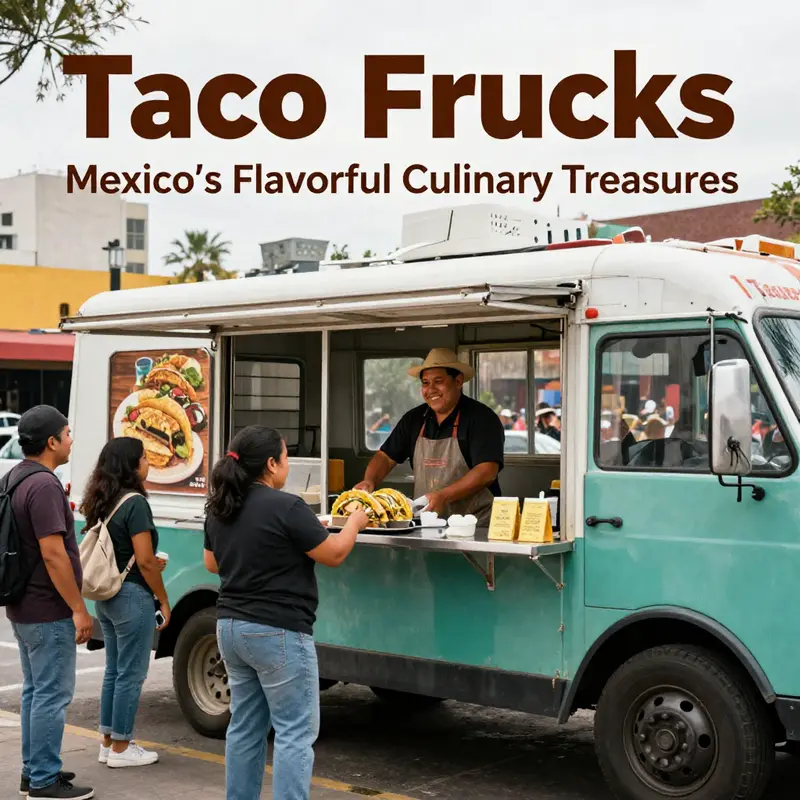
In the sprawling dance of city streets and neighborhoods across Mexico, the taco truck operates not merely as a vendor of food but as a living archive of daily life. From dawns spent prepping tortillas to nights spent under a flickering streetlight, these mobile kitchens thread continuity into the fabric of urban and periurban economies. They are not grand corporations with polished logos; they are small, nimble enterprises that respond to the rhythm of the street. Their economic significance, though rarely cataloged in formal balance sheets, is felt in resilience, opportunity, and community, in the way a single cart can seed a family’s income, widen a neighborhood’s culinary horizon, and add a dependable, affordable source of nourishment to tens of thousands of people. The story of taco trucks in Mexico is therefore not just about what people eat; it is about how work happens, how value is created in everyday settings, and how informal entrepreneurship can sustain a city while preserving a sense of place and belonging.
Low barriers to entry are a defining feature of the taco truck economy. A cart, a stove, a supply of masa and marinated meat, and a few trusted vendors can launch a business that becomes a livelihood for a household. The initial investment is often modest when compared to more formal restaurant ventures. Many operators begin with secondhand equipment and flexible floor plans that can be adapted to different corners or markets as demand shifts. In this sense, taco trucks function as micro-enterprises that absorb shocks and redistribute risk at a scale that a single family can manage. They offer a pathway into independence for young cooks, for cooks who previously labored in kitchens with rigid hierarchies, and for families who want to combine labor with caregiving, schooling, or other responsibilities. The ability to scale is built into the model: one cart can multiply into multiple stalls or be relocated to newly vibrant corners as populations grow or shift.
The mobility of these vendors matters as much as their cooking. Their presence in busy corners, near vibrant markets, and along transit corridors brings food closer to where money flows in a city. This mobility reduces the need for permanent storefronts, which are expensive and subject to rent volatility. Instead, the cart and grill become a portable extension of a household economy. In cities where real estate prices climb and informal labor is a substantial share of total employment, mobility is more than convenience; it is a strategic hedge against urban churn. When a district experiences a surge in shoppers or a festival that draws crowds, the same cart can follow the tempo, serving dozens or hundreds of meals in a single evening. The economic payoff is not merely in dollars earned but in time saved for workers who would otherwise invest hours commuting to a fixed site or battling shut doors in an uncertain retail climate.
The core of the taco truck’s economic draw lies in the balance of cost and turnover. Ingredients—corn masa, pork marinated al pastor, cilantro, onions, limes—come with price fluctuations that ripple through a vendor’s daily decisions. A cook must manage bulk purchases to secure favorable prices while maintaining consistent quality. The lean cost structure, with relatively low fixed costs and high labor flexibility, allows for quick adjustments in response to demand. Venturing into a neighborhood with a sudden influx of customers may require extra hands and more fuel for cooking and heat, but it also unlocks higher daily revenue through volume. The same logic applies on slower days when a vendor can scale back, preserving margins and protecting the family budget from sharper swings. In this way, taco trucks operate as a practical application of demand-driven pricing in a market where price points are sensitive to both local income cycles and broader macroeconomic conditions.
The economic footprint of taco trucks extends beyond the cash that flows into a family’s hand. These mobile peddlers create demand for other local services and goods, helping to sustain a broader ecosystem. Fresh cilantro and onions from nearby markets, tortillas from regional tortillas producers, and pineapple for al pastor marinades aren’t just ingredients; they are nodes in a local supply chain that benefits farmers, market stalls, and small-scale processors. Even the fuel that powers grills—gas canisters or portable propane setups—channels revenue to suppliers who often serve multiple small operators rather than one large enterprise. In many neighborhoods, the presence of a taco truck helps anchor a cluster of informal businesses: a nearby fruit stand, a small repair shop for carts, a dented metal stall repurposed as a spice seller, or a bench where a vendor can take a short break between orders. The cumulative effect is the creation of a small but resilient local economy built from interdependent micro-activities rather than from a single, centralized employer.
In the social economy, the taco truck has a disproportionate impact on livelihoods, family income, and community identity. For many households, operating a cart is a family enterprise, with different members contributing in shifts across the day. This structure enables parents to balance work with caregiving and schooling for their children, while older siblings may take on prep tasks or assist with cash handling. The tacit knowledge embedded in recipe variation, cooking tempo, and customer rapport is passed down through generations, creating a cultural capital that translates into trust and repeat customers. Networks of vendor associations and informal cooperatives emerge not primarily to maximize profit but to share best practices, coordinate health and safety steps, and negotiate municipal rules that allow stall operations in certain districts. These networks can also play a protective role, offering guidance on how to navigate licensing procedures, how to respond to inspections, and how to adapt to seasonal weather that affects footfall and turnout.
Tourism and city life intersect with the taco truck economy in nuanced ways. Visitors drawn to the idea of eating like a local encounter a practical version of cultural immersion when they experience a late-night taco run or an early morning vendor. The economic significance of this tourist interest is not just in spending on meals; it is in the broader dispersion of economic activity—taxis, souvenir shops, and small eateries in vicinity of popular taco corridors benefit from the foot traffic that a renowned street food scene generates. Nighttime taco truck tours, common in some urban centers, demonstrate how street food can diversify a city’s tourism offering without erasing local character. The value to the economy, then, sits not only in the revenue from meals but in the way a thriving street food culture extends networks of trust and mobility, inviting new residents, workers, and visitors to participate in a shared urban experience.
Policy and governance shapes the economic contours of taco trucks in subtle and essential ways. Municipal environments vary in how they approach street vending. Some cities maintain permits or designated zones that explain where a cart may operate, what health standards must be met, and how waste must be managed. Others rely on informal arrangements and community norms, where enforcement is less predictable but where vendors have historically adapted to local realities. The tension between preserving a vibrant street food culture and ensuring health, safety, and fair competition can be navigated through thoughtful regulation that recognizes the value of these small enterprises. For operators, this means seeking clarity around licensing, waste disposal, and permissible hours. For policymakers, it means acknowledging the role of taco trucks as a steady source of employment for many households, as well as a cultural asset that adds texture to urban life. A balanced approach can preserve the livelihood of countless families while maintaining consumer confidence in the safety and quality of what is served from a cart on a busy corner.
The economic significance of taco trucks also rests on the adaptability of the business model. Some operators lean into specialization, offering a signature set of tacos that build a consistent customer base. Others experiment with new flavors, fusing regional Mexican traditions with contemporary tastes, and therefore expanding their audience. This adaptive capacity—combining tradition with incremental innovation—helps keep costs manageable while allowing for experimentation that can yield greater returns over time. The growth of such businesses is rarely measured in banners and storefronts; it is measured in the number of households supported, the stability of family incomes, and the resilience of a neighborhood economy when other sectors falter. In an era when formal employment can be uncertain, the taco truck remains a flexible, reliable, and deeply rooted option for economic participation.
For operators looking to strengthen and expand their ventures, the path is not only about cooking well but about understanding business models that align with local realities. The journey often starts with optimizing the basics: reliable supply chains, efficient workflows, consistent sanitation practices, and transparent pricing. It then moves toward strategically choosing locations, building customer relationships, and developing a brand that remains faithful to cultural roots while inviting new patrons. A practical touchstone for growth is to consider a framework that weighs capital needs, risk tolerance, and scale potential. For those who want to explore this further, a useful guide on evaluating growth models for mobile food ventures can be found in resources like Top Food Truck Models for Success. Top Food Truck Models for Success. This kind of guidance helps operators translate the organic, street-level learning that develops on a corner into a coherent plan for investment, hiring, and diversification without sacrificing the authenticity that makes street taco culture so compelling.
In sum, the economic significance of taco trucks in Mexico is not a single metric but a constellation of impacts that illuminate how people work, how communities organize around food, and how urban life is sustained by small, adaptive enterprises. They are not just engines of dining but engines of opportunity, weaving work, culture, and social ties into a day-to-day economy that is both practical and meaningful. Their presence makes cities more livable for workers who crave flexible hours and minimal overhead, for families seeking income stability without long commutes, and for neighborhoods that benefit from the vibrancy and social cohesion that street food culture fosters. They remind us that a city’s appetite for flavor is often matched by its appetite for resilience, and that the road between a simple tortilla and a robust local economy is shorter than it might appear when one looks closely at the street-level economy that feeds countless households every night and every dawn.
Final thoughts
In conclusion, taco trucks are so much more than just food vendors; they are a vital component of Mexico’s culinary heritage and social culture. From their presence on the streets to their diverse offerings, these trucks connect people, contribute to the economy, and embody the spirit of community. Enthusiasts and business owners alike can find inspiration in the resilience and creativity of taco trucks, making them an enduring element of Mexico’s rich tapestry of flavors and cultural identity.