
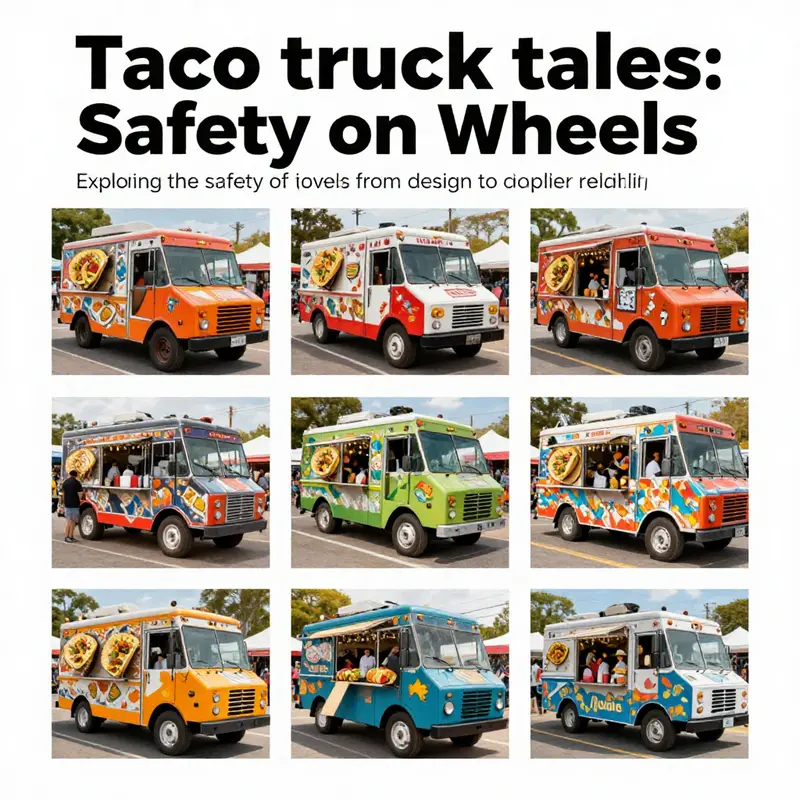
Taco trucks serve up mouthwatering flavors on-the-go, but how safe are they? With so many taco-filled dreams waiting in line, it’s vital to ensure these culinary chariots are safe for both patrons and operators. In this tasty exploration, we’ll delve into structural integrity, food safety compliance, and the importance of choosing reliable suppliers, providing an all-encompassing view of taco truck safety. Prepare to crunch into insights that will keep your taco cravings—and safety standards—high!
Built to Last on Wheels: How Structural Design Determines Taco Truck Safety
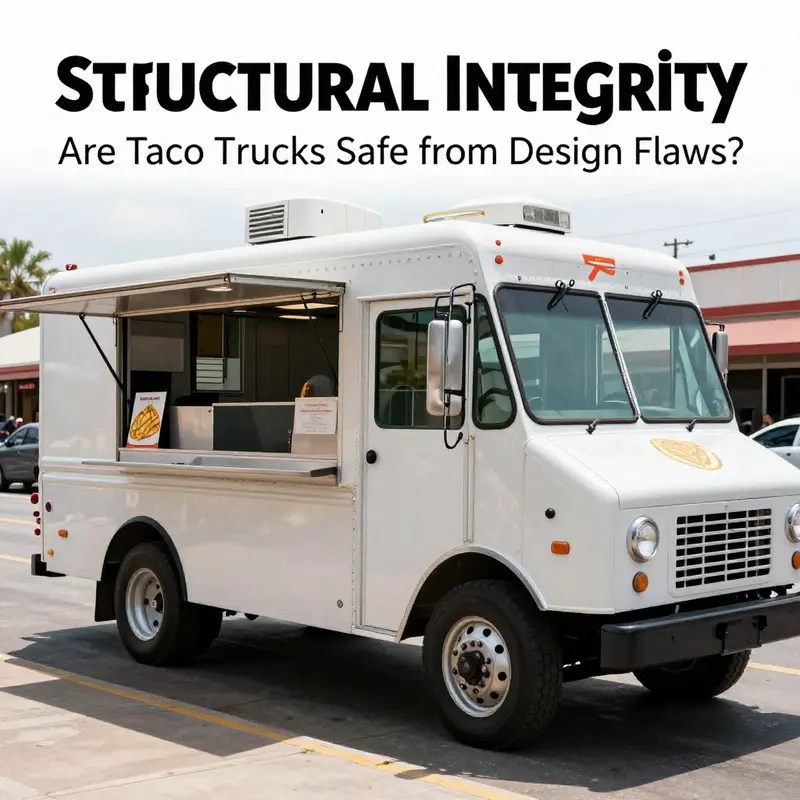
Taco trucks can feel spontaneous, lively, and informal. Behind that energy, though, sits an engineering problem. A mobile kitchen must combine strength, stability, and serviceability within a moving shell. When those elements are designed and assembled correctly, taco trucks operate safely day after day. When corners are cut, or modifications go unchecked, serious risks emerge. This chapter examines how structural design, materials, and regulatory compliance come together to keep tacos safe — and what to watch for when they do not.
The most fundamental element of any taco truck is its chassis. Many mobile kitchens begin life as a commercial van or light cargo truck. That base provides load ratings, axle spacing, braking capacity, and a vehicle identification number that ties the unit to established safety rules. A proper build keeps loading within the chassis rating. Poor builds overload axles or raise the center of gravity. That combination undermines braking, handling, and rollover resistance. Engineers who design food trucks treat the chassis as the primary load path. They calculate weight distribution around the axles and check that installed equipment does not exceed the vehicle’s gross vehicle weight rating (GVWR). When that discipline is missing, unexpected stresses travel through weak points and accelerate fatigue.
Above the chassis sits the body, a structure that must be both lightweight and durable. Materials commonly used include aluminum sandwich panels, stainless steel framing, and fiberglass-reinforced plastics. These choices are not arbitrary. Aluminum and FRP resist corrosion and reduce weight. Stainless steel is preferred for interior food-contact surfaces because it is hygienic and strong. Using 304-grade stainless steel, for example, gives a balance of corrosion resistance and formability. What matters more than the material name, though, is how components are joined. Weld quality, mechanical fasteners, and sealants must work together to transfer loads. If welds are poorly executed or bolts loosen under vibration, the structure becomes a series of weak links. Good manufacturers document joint details, weld procedures, and fastener grades. These records are evidence of intentional design rather than ad hoc assembly.
Anchoring of internal equipment is a safety-critical detail often overlooked by buyers. Refrigeration units, fryers, grills, and storage cabinets concentrate mass and can shift during transit. Proper anchoring means bolting equipment to reinforced substructures or integrating it into load-bearing walls. It also requires accounting for dynamic loads during sudden stops and turns. Engineers use brackets, gussets, and vibration dampers to absorb movement without transferring it to the primary frame. Flexible connections for gas lines and electrical wiring provide strain relief where useful. Rigid piping and wiring without room for movement can fracture, leading to gas leaks or short circuits. These connections should include approved fittings and be routed so they avoid chafing points.
Gas and electrical systems deserve special attention because their failure modes are immediate and dangerous. Installations should follow the codes issued by competent authorities and adopt widely recognized standards. That means using approved hoses, regulators, and shut-off valves for propane or natural gas. For electrical systems, proper circuit protection, correct wire sizing, and secure grounding are essential. Beyond code compliance, practical practices reduce risk. For instance, locating gas shut-offs in accessible places and labeling electrical panels simplifies emergency response. Appliances should carry recognized listings from reputable testing bodies for the market where the truck will operate. Listings indicate that the device passed certain safety tests under controlled conditions.
Fire protection systems are a second line of defense in a cooking environment. Ventilation hoods that effectively remove grease-laden vapors are integral to keeping surfaces clean and reducing ignition sources. Hoods should incorporate grease filters and be sized for the cooking equipment beneath. Fire suppression systems designed for commercial cooking enclosures protect against flame spread. These systems should be installed by certified technicians and inspected regularly. A suppression system’s piping and nozzles must be securely mounted and protected from accidental damage. A system that can’t reach a hazard area is functionally useless, so nozzle placement and coverage require careful planning.
Vehicle stability hinges on center of gravity, suspension design, tires, and chassis stiffness working together. Adding heavy equipment high in the body can raise the center of gravity. That makes the truck more prone to rollovers when cornering or during abrupt maneuvers. Suspension upgrades are sometimes necessary to support the added weight. However, after-market suspension modifications can create new problems when not engineered to match axle ratings and brake capacity. Lowering a vehicle significantly for aesthetic reasons — commonly called “squatting” — changes suspension geometry and reduces crashworthiness. Such alterations can concentrate stress in unintended places and are often banned for good reason. Where local authorities restrict or prohibit vehicle lowering, the rules reflect documented safety concerns about handling and structural integrity.
Corrosion control affects structural life and hygiene. Road salt, moisture, and condensation under insulated panels invite rust. Corrosion can eat through fasteners, thin structural members, and floor pans. Corroded floors fail under load and compromise anchoring points. Good practice includes using corrosion-resistant fasteners, sealing seams, and designing for drainage. Interior floors should incorporate scuppers or drain paths to avoid standing water. Surfaces exposed to food and cleaning chemicals must be selected to resist pitting and degradation. Maintenance disciplines such as regular inspections, touch-up painting, and timely replacement of degraded components prolong life and preserve safety margins.
Third-party inspections and certifications help separate well-made units from risky ones. Independent inspectors evaluate welds, structural attachments, gas installations, and electrical systems. They test for leaks, verify circuit integrity, and assess the adequacy of fire suppression layouts. Some markets also require vehicle-level inspections for roadworthiness and adherence to commercial vehicle safety rules. Requesting inspection reports before purchase is a reasonable step. Manufacturers who follow quality systems such as ISO 9001 tend to offer better documentation and traceability. That means the materials used, the supplier audits, and change controls are documented. Those records make it easier to trace a problem back to its source and correct it.
Sourcing is a strategic decision that directly affects structural safety. New trucks built by reputable fabricators typically include design drawings, load calculations, and compliance statements. Used trucks require extra scrutiny. A used vehicle may have hidden repairs, undocumented modifications, or fatigued structural members. When shopping used, a prospective buyer should insist on a thorough structural survey, an assessment of past repairs, and a check for any signs of collision damage. A vehicle that has been in a major crash may have frame distortions that are not obvious on a visual inspection. The vehicle identification number (VIN) can be checked against title records to identify prior salvage branding.
Purchasing from international suppliers, including overseas manufacturers, adds layers of due diligence. Importers must verify that appliances and electrical systems meet North American or European safety standards as required. Look for evidence of recognized conformity marks appropriate to the destination market, such as UL listing in North America or CE marking in Europe. Note that those marks apply to specific components and appliances, not necessarily to the assembled vehicle. A responsible importer will maintain documentation showing compliance for each major system. They will also provide clear after-sales support, spare parts availability, and assembly guidance. Contracts should specify warranty terms and the process for addressing latent defects discovered after delivery.
Modifications are a frequent cause of structural compromise. Owners often customize trucks to add windows, awnings, or heavier appliances. Each change should be evaluated for effects on weight distribution, wind loading, and attachment strength. For example, adding a large serving window on one side can create asymmetric wind loads at highway speeds. Awnings add wind area that increases torque on the roof and body attachments. Even seemingly benign changes like adding storage racks can shift the center of gravity. All modifications should be undertaken with reference to the original design intent and accompanied by structural reinforcement where necessary.
Maintenance is perhaps the most important ongoing safety practice. Routine checks of anchor bolts, fasteners, suspension components, brake systems, and tire condition catch deterioration before it becomes critical. Periodic pressure testing of gas lines, electrical load tests, and inspection of suppression systems should be scheduled and documented. Preventive maintenance reduces the likelihood of sudden failures during service and preserves the value of the unit. Operators who follow a disciplined maintenance plan also find it easier to prove diligence to inspectors and insurers in the event of an incident.
Insurance companies and regulators look for documentation when assessing risk. A truck with up-to-date inspections, service logs, and compliance certificates attracts broader insurance options and better premiums. Those records demonstrate that the operator manages risk proactively. Conversely, missing service records or a history of undocumented repairs typically raises red flags. When a truck is involved in an incident, records help determine whether a failure was the result of unforeseeable events or of preventable neglect.
Operational practices are part of structural safety because the way a truck is used affects its longevity. Overloading a truck for a busy event, for example, increases stresses beyond design parameters. Securing loose cargo, cycling heavy equipment correctly, and parking on level ground reduce the chance of stress-induced damage. When operating at events, deploying stabilizers and wheel chocks adds stability and prevents unintentional movement. Training staff to watch for unusual noises, leaks, or loose fittings helps catch problems early. A truck driven hard without regular checks will develop failures that compromise structural and food-safety systems alike.
Regulatory frameworks exist because mobile kitchens combine vehicle operation and commercial food service hazards. Adhering to DOT rules for vehicle safety and to fire codes covering kitchen equipment is not optional. Requirements differ by jurisdiction, but they usually include vehicle roadworthiness, equipment clearances, ventilation capacity, and suppression systems. Enforcement varies, so a conscientious operator will aim to meet the most rigorous applicable standards. Doing so reduces liability and improves safety for crew and customers.
Avoiding common pitfalls is both practical and cost-effective. Do not accept undocumented modifications. Insist on seeing build drawings and load calculations. Confirm that appliances are listed for commercial use and that any gas piping has been pressure-tested. Verify that the chassis has sufficient payload capacity and that suspension upgrades were engineered, not improvised. Take a test drive to assess steering feel, braking, and noise. Have a qualified inspector perform a structural review before completing a purchase.
Finally, treat structural integrity as an ongoing program rather than a single checkbox. Design choices, material selection, and certified installations establish a safe baseline. From that point, regular maintenance, careful operations, and sensible sourcing decisions preserve safety. An informed buyer can reduce exposure to danger by demanding transparent documentation, insisting on recognized standards, and by selecting builders who demonstrate consistent quality control. A taco truck built and maintained this way provides reliable service while minimizing risks to operators and customers alike.
For practical guidance on selecting the right unit and avoiding structural and compliance pitfalls, consider practical buyer resources such as Choosing the Right Food Truck. For a deeper look at how safety standards translate into inspections and local regulations, see a summary of industry guidance and regulatory expectations here: https://www.foodtrucknews.com/2023/09/15/taco-truck-safety-standards-and-regulations/.
Food-Safety Standards on Wheels: Ensuring Taco Trucks Protect Public Health
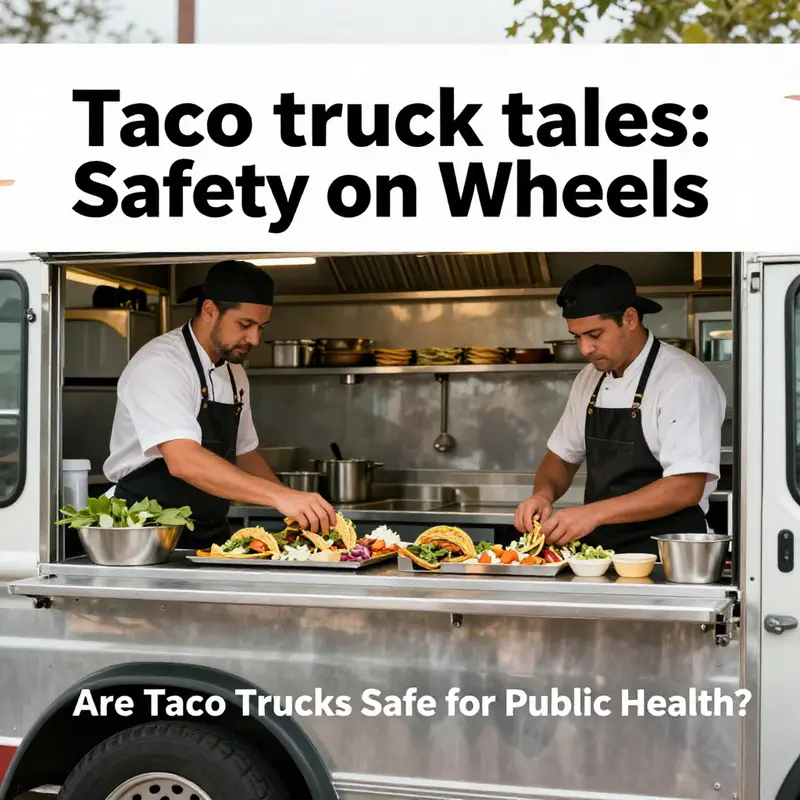
Food-safety standards on wheels: how taco trucks must meet public health expectations
Taco trucks can be safe for public consumption, but safety depends on systems. Clean surfaces, reliable refrigeration, sound construction, and consistent regulatory compliance are required. When any of those fail, the risk rises for foodborne illness. The reality on the street is varied. Some operators follow strict routines. Others cut corners. Public health outcomes depend on enforcement, operator training, and equipment quality.
A single statistic illustrates this variance. A county-level review showed that roughly 27% of inspected food trucks received less than an “A” grade over two years. That finding does not mean most trucks are unsafe. It does mean a significant minority struggle to meet basic hygiene and temperature-control standards. Those shortfalls typically stem from the same handful of problems: inadequate refrigeration, poor hand hygiene, cross-contamination, and unsanitary workspaces.
Understanding how those problems arise helps both operators and consumers reduce risk. Mobile kitchens face constraints that fixed restaurants do not. Space is limited. Storage capacity is smaller. Water supplies may be temporary or rely on onboard tanks. All of this raises the bar for careful design and disciplined operations. A taco truck that meets public health standards treats each constraint as an engineering or procedural challenge. It adapts equipment, layout, and routines to maintain safe temperatures, prevent contamination, and allow effective cleaning.
Regulatory expectations reflect those realities. Health departments require mobile food vendors to maintain safe cold and hot-holding temperatures, provide potable water, dispose of wastewater properly, and use approved materials for surfaces that touch food. Many jurisdictions require a commissary or licensed base where trucks can access potable water, dispose of waste, and perform deep cleaning. Operators must carry permits, post inspection scores when required, and supply documentation on food sources and temperature logs when asked.
Equipment and materials matter. Surfaces that contact food should be smooth, non-absorbent, and corrosion-resistant. Stainless steel of a suitable grade, commonly 304, is the standard for counters, sinks, and cooking surfaces. Approved refrigeration ensures consistent cold storage. Ventilation and fire suppression protect both staff and food safety. Lighting must be adequate for safe food handling. When sourcing a new or used truck, verify those technical features, and confirm they meet local code. Suppliers that follow quality management systems reduce the chance of hidden defects. Look for suppliers who can demonstrate compliance with internationally recognized standards and who provide clear documentation on materials and electrical or gas systems.
Compliance is not only about equipment. Training and routine are where compliance becomes daily practice. Operators must train staff on personal hygiene, cross-contamination prevention, and safe cooking temperatures. Simple measures substantially reduce risk. For example, designated cutting boards for raw proteins and separate tools for prepared foods prevent cross-contact. Thermometers must be available and used to verify that proteins reach safe internal temperatures. Cold-holding units should be stocked in a way that allows air circulation and accurate temperature readings.
Temperature control is a persistent weak point. Mobile vendors often lack the storage capacity of restaurants, creating pressure to keep more perishable items at the ready. The solution is layered. Use high-quality refrigeration with reliable temperature monitoring. Maintain chilled stock in insulated containers during service. Rotate items by first-in, first-out. Keep digital or paper temperature logs and calibrate thermometers regularly. When refrigeration fails, a clear plan for safe disposal prevents hazardous decisions made under time pressure.
Water, waste, and sanitation create another set of risks. Food trucks must have a safe supply of potable water for cooking and handwashing. They must also collect wastewater in a dedicated tank and dispose of it at approved dump sites. Without that structure, operators may squeeze out more service hours at the expense of safe cleaning and sanitation. Handwashing stations and soap availability are non-negotiable. Food handlers who cannot wash their hands frequently make mistakes more likely.
Cross-contamination extends beyond raw and cooked food. Utensils, gloves, and cloths transfer pathogens when used improperly. Single-use gloves are useful, but improper glove use creates a false sense of safety. Gloves must be changed between tasks and after contact with non-food surfaces. Clean cloths should be used for sanitizing surfaces and should be laundered or replaced frequently. Using chemical sanitizers at appropriate concentrations keeps surfaces safe.
Inspection programs and grading systems play a central role in public transparency. Visible inspection results give consumers a quick sense of a vendor’s compliance history. Health departments typically conduct routine inspections and respond to complaints. The most effective programs combine scheduled oversight with targeted enforcement based on risk factors. For mobile vendors, inspections should focus on critical controls: temperature logs, potable water access, waste handling, and handwashing facilities. A strong public reporting system encourages compliance. It pushes operators to correct deficiencies before customers are harmed.
Sourcing a safe truck requires attention to both the vehicle and its kitchen equipment. Used trucks may have hidden problems. Structural modifications that alter vehicle height or integrity can also compromise safety and sanitation. Modifications that reduce clearance or obstruct ventilation can create zones where heat and grease accumulate, making cleaning difficult. That increases fire risk and complicates maintaining hygienic surfaces. When possible, buy from reputable manufacturers or dealers who provide documentation and warranties. Check for evidence of recent maintenance, valid certifications, and clear records of any retrofits. When exploring options, read manufacturer documentation and ask for compliance certificates.
Global sourcing adds complexity. Trucks or equipment manufactured abroad must meet local electrical, gas, and safety standards. Look for evidence of compliance with recognized testing marks used in your region. In North America, independent certification by an accredited laboratory indicates equipment meets documented safety criteria. In Europe, compliance markings serve a similar purpose. Quality management systems at the manufacturer level reduce the chance of inconsistent construction. When buying internationally, verify that the product was built to the specifications required by your local code. Ask for documentation and certificates, and plan for proper commissioning and inspection once the vehicle arrives.
Beyond the hardware, supplier support matters. After-sales service, spare-part availability, and clear assembly or installation instructions increase the likelihood that a truck will remain safe over time. Mobile kitchens endure significant wear. Racks shift. seals fail. Refrigeration compressors wear out. Vendors who can access reliable maintenance and parts are less likely to compromise safety because of deferred repairs. That matters for public health. A refrigeration repair delayed by weeks increases the chance that perishable ingredients are handled unsafely.
Food sourcing also affects public health risk. Operators should buy from licensed distributors and maintain records of purchase. Traceability helps during outbreaks and aids regulators investigating foodborne illness. When an ingredient is suspect, a clear chain of custody makes it possible to remove contaminated lots quickly. Menu design and preparation methods also reduce risk. Preparing high-risk items to order rather than holding them for long periods lowers bacterial growth opportunities. Simple menu choices can make a big difference in operational safety.
Training and documented procedures tie everything together. Many successful mobile vendors use written standard operating procedures. These cover cleaning schedules, handwashing policy, glove use rules, thermometer calibration, and corrective steps when critical limits are missed. Implementing a simplified hazard analysis and critical control points (HACCP) mindset helps operators identify where errors could cause harm. For many mobile operations, a pragmatic HACCP plan focuses on a few critical controls and the monitoring steps required to keep them in check.
Enforcement and incentives shape behavior. Where inspections are regular and transparent, compliance improves. Where fines are low or inspections infrequent, risks rise. Some health departments offer training and low-cost resources to help vendors comply. Those programs are effective. They reduce violations by making compliance easier and by building relationships between inspectors and operators. A cooperative approach to education, backed by clear enforcement for repeat serious violations, balances public health with the realities of small business operations.
Consumers also have roles to play. You cannot assume every street vendor follows best practices. Looking for visible signs of hygiene matters. A posted inspection score is an important indicator. Visible handwashing stations, clean food prep surfaces, covered storage, and staff changing gloves between tasks tell a lot. Trust and reputation matter, but they should be evidence-based. Online reviews and social media can signal consistent problems, but official inspection results are the most reliable public measure.
Public health risk is not static. Seasonal trends, staffing changes, and equipment failures cause fluctuations. High service volumes increase the chance of shortcuts. Allergens present another dimension of risk. Mobile vendors should be prepared to communicate about ingredients and to prevent cross-contact when customers report sensitivities. Simple procedures, like separate prep areas for allergen-free orders, clear labeling, and staff training, reduce both health risks and legal exposure.
Commissaries often form the backbone of safe mobile operations. A licensed commissary provides potable water, waste disposal, and deep-cleaning facilities. It also offers refrigeration space for overnight storage and a secure place for maintenance tasks. Regulations in many jurisdictions require commissary use. Even where not required, using a commissary dramatically reduces the operational hazards that arise from relying on ad-hoc water and waste arrangements.
Documentation and recordkeeping support both compliance and continuous improvement. Keep temperature logs, cleaning checklists, training records, and purchase invoices. Those documents demonstrate due diligence during inspections. They also help operators identify recurring problems before they harm customers. Small efforts like weekly checklist audits create cumulative improvements in safety.
A final dimension is equity and access. Street food provides affordable, culturally important meals for many communities. Ensuring safety without shutting down small operators requires policies that are fair and supportive. Training programs, subsidized access to commissary services, and simple compliance guides lower barriers while maintaining public health protections. When regulators partner with vendors, compliance rises and public health outcomes improve.
For operators seeking guidance on equipment, layout, and purchasing decisions, resources exist that detail practical options for mobile kitchens. Choosing a vehicle that fits your menu and complies with local code reduces risk from the start. For those evaluating options, reviewing targeted buyer guidance improves outcomes; see this guide on choosing the right food truck for practical advice and decision points. (https://fireduptacotruck.com/choosing-the-right-food-truck/)
The public-health picture for taco trucks is nuanced. Many adhere to high standards and serve safe food. A measurable minority fail to meet critical controls, creating risk. That risk is preventable. Operators who prioritize reliable refrigeration, potable water, cleanable materials, sound waste management, and staff training create safe outcomes. Jurisdictions that inspect, educate, and enforce thoughtfully create environments where small vendors can thrive without threatening public health.
For those seeking deeper information about inspection data and public-health studies in mobile food vending, consult local health department publications and county-level review reports. For example, the Los Angeles County Department of Public Health maintains resources and inspection summaries that explain how grading works and what violations commonly appear. https://publichealth.lacounty.gov/
Supplier Reliability: How Sourcing Choices Make Taco Trucks Safe
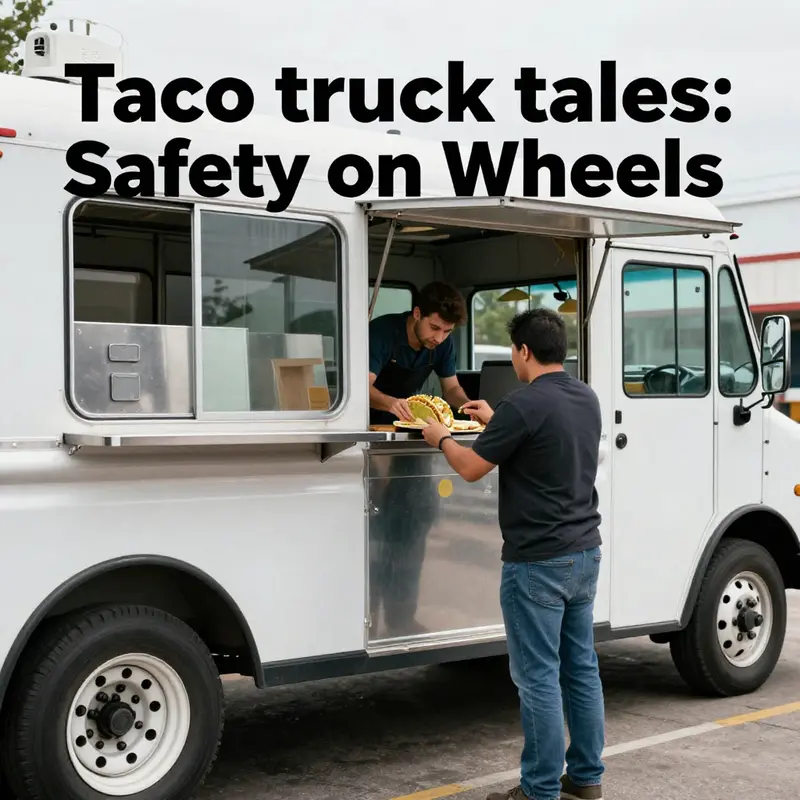
Supplier reliability is the safety foundation for any taco truck. A truck’s safety is not a matter of chance. It depends on who built it, what materials were used, which standards were followed, and how the vehicle is supported after delivery. When entrepreneurs ask, “are taco trucks safe?”, the practical answer starts with procurement. A well-sourced truck can meet or exceed safety and health requirements. A poorly sourced one can create legal exposure, operational hazards, and public health risks.
Selecting a supplier begins with understanding what safety actually means for a mobile kitchen. Safety in this context spans structural integrity, vehicle crashworthiness, and drivability. It includes robust electrical and gas systems. It requires functional ventilation, properly installed fire suppression, and reliable refrigeration. Food safety is tied to the same decisions: materials that resist corrosion, surfaces that are easy to sanitize, and equipment that maintains safe temperatures. A safe taco truck brings all these elements together under clear, verifiable standards.
Certifications and management systems are practical signals of reliability. Look for evidence that electrical and gas components comply with respected standards such as UL in North America or CE in Europe. These marks mean components meet third-party testing for safety. Equally important is proof that the manufacturer follows a recognized quality management system like ISO 9001. ISO 9001 is not an automatic guarantee of perfect product quality, but it shows the supplier uses controlled processes and continuous improvement. When combined, these credentials reduce the risk of dangerous shortcuts during fabrication.
Materials matter. Food-contact and structural surfaces should be built with corrosion-resistant metals such as 304-grade stainless steel. That alloy resists rust and tolerates frequent cleaning with commercial sanitizers. Using inferior metals or thin gauge panels can save money up front, but leads to rapid deterioration in wet, salty, or acidic environments. Insist on material specifications in writing. Verify gauges, finishes, and welding standards. A reliable supplier will provide this documentation without delay.
Used trucks can be both safe and economical. The global used-taco-truck market has matured, and reputable refurbishers can offer turnkey units at competitive prices. However, buying used shifts the burden to inspection and documentation. A refurbished truck may look solid but hide issues like patched frames, compromised brake systems, or substandard electrical retrofits. A thorough physical inspection and evidence of component-level testing are essential. Ask for service histories, receipts for replacement parts, and before-and-after photos for major repairs.
Modifications that alter fundamental vehicle geometry create outsized risk. One well-documented problem is the lowered or “squatted” truck. Alterations that reduce ride height or change suspension geometry can weaken crashworthiness. Many jurisdictions ban such modifications because they increase rollover likelihood and interfere with crash energy management. When evaluating a supplier, confirm that the chassis and suspension adhere to original specifications. Avoid trucks with nonstandard alterations unless a certified engineer signs off on permitted changes.
Procurement should be systematic. Treat sourcing like a risk management exercise. Begin with a supplier evaluation framework that scores technical capability, communication transparency, and after-sales support. Technical capability measures the supplier’s experience building mobile kitchens, engineering resources, and ability to meet regional regulatory requirements. Communication transparency gauges how promptly and clearly the supplier responds. After-sales support assesses warranty coverage, spare parts availability, and willingness to assist with inspections or certifications upon arrival.
Documentation is the backbone of accountability. The supplier must provide a clear package that includes bill of materials, wiring diagrams, gas line schematics, material test reports, and certificates for major components. For electrical panels and appliances, request verification of UL or CE listings. For gas systems, require pressure testing reports and a list of approved valves and regulators. For fire suppression systems, ask for manufacturer documentation proving compliance with applicable standards. If the supplier resists sharing documentation, treat that as a red flag.
Third-party verification reduces uncertainty. Commission an independent inspection by a qualified mobile food vehicle inspector or a licensed mechanic who understands food service equipment. For international purchases, engage an inspector who can examine units before shipping. A pre-shipment inspection should cover chassis condition, suspension, brake systems, steering, and frame integrity. It should also validate internal systems: proper electrical grounding, correct gas line routing, functional ventilation, and securely mounted heavy appliances. Independent testing of refrigeration performance and fire suppression activation is also advisable.
Contracts should allocate responsibilities clearly. Specify acceptance criteria, inspection timelines, and remedies for nonconformance. Include a clause that allows withholding final payment until the truck passes a pre-delivery inspection. Define warranty terms for structural and equipment defects. Require the supplier to assist with export paperwork and provide export compliance documentation if the unit ships internationally. These contractual details align incentives and protect buyers from hidden defects.
Lead times and logistics influence safety indirectly. Short lead times are attractive, but they should not come at the cost of skipped tests or rushed fabrication. Suppliers promising unusually fast turnarounds may cut corners. When shipping trucks internationally, confirm packaging and lashing methods. Rough handling can damage refrigeration components, gas lines, or mounted equipment. Specify insurance coverage for transit and define who arranges customs clearance. If the supplier offers installation or commissioning support upon arrival, ensure this is written into the agreement.
After-sales support is a differentiator. Reliable suppliers offer spare parts kits, remote troubleshooting, and training for operators and technicians. They maintain clear channels for warranty claims. An accessible parts supply reduces downtime and encourages proper maintenance. Ask about typical lead times for common replacement items. Prefer suppliers who commit to stock lists and shipping windows. A supplier who disappears once the truck leaves the yard is a liability.
Safety continues after purchase. Establish a maintenance regimen from day one. Regularly inspect gas connections, check for electrical wear, verify refrigeration temperatures, and test fire suppression systems. Create a logbook recording maintenance actions and inspections. This record not only improves safety but supports legal compliance and insurance claims. Train staff to recognize early warning signs such as odd smells, intermittent power, or fuel leaks.
Regulatory compliance is local. Even a perfectly built truck must pass municipal health and vehicle inspections. Familiarize yourself with local codes governing mobile food units. Requirements often include specific ventilation rates, grease management, waste disposal procedures, and approved materials for countertops and walls. Engage local inspectors early to clarify expectations. Some suppliers can preconfigure units to meet regional requirements, but buyers should always verify final compliance in person.
Insurance and liability depend on reliable sourcing. Insurance underwriters look at build quality, safety features, and maintenance history. Trucks built to recognized standards and backed by clear documentation attract better coverage terms. Conversely, noncompliant modifications, missing certifications, or absent maintenance records can increase premiums or lead to denied claims after accidents. Treat insurance conversations as part of supplier assessment.
Cost considerations matter but should not override safety. Low initial purchase prices can mask downstream costs. Cheap materials corrode, low-quality appliances draw excessive current, and thin wiring raises fire risk. Calculate total cost of ownership when comparing suppliers. Factor in likely maintenance, parts replacement, potential downtimes, and retrofit costs to meet local regulations. A moderately higher upfront cost for a compliant, well-built unit often yields lower lifetime expense and fewer safety problems.
Cultural and language differences matter when buying internationally. Miscommunication can lead to mismatched expectations. Use clear, written specifications and include images or diagrams where helpful. If language barriers exist, use bilingual contracts or an independent translator. Confirm technical terms and standards to avoid assumptions. A supplier’s eagerness to clarify details and provide samples is a positive sign.
Red flags to watch for are consistent. Avoid suppliers who cannot provide component certifications. Steer clear of those who offer no warranty or provide only vague timelines for parts. Be cautious when suppliers downplay structural modifications or dismiss the need for independent inspections. Poor responsiveness during negotiations often predicts poor post-sale support. Trustworthy suppliers welcome scrutiny; unreliable ones avoid it.
Operational training rounds out safety. Even the best-built truck requires knowledgeable operators. Train staff on safe driving with a loaded mobile kitchen, emergency shutoffs, and fire suppression activation. Teach safe fuel handling and permit only qualified technicians to work on gas and electrical systems. Regular drills help teams act calmly during incidents.
When problems emerge, act quickly. Address wear and tear immediately. Replace suspect components rather than patching them temporarily. If a safety-critical defect is identified, document it, notify the supplier, and request remedial action per the contract. If the supplier is uncooperative, preserve evidence and consult legal or regulatory authorities as needed.
Decision frameworks help. Use a scoring matrix that weights critical factors such as structural quality, certification evidence, supplier track record, and after-sales support. Rank suppliers and require minimum threshold scores before advancing to negotiation. This removes emotion from purchasing decisions and highlights safety-relevant trade-offs.
For buyers who prefer guidance, the topic of selecting the right vehicle is discussed in existing practical resources. If you are evaluating chassis options or seeking buying checklists, see this guide on choosing the right food truck for step-by-step advice. That resource covers vehicle classes, common pitfalls, and prioritizes safety alongside business needs.
Ultimately, safety is a system. It begins with smart sourcing, continues with diligent inspection, and endures through proactive maintenance. The truck’s origin is less important than the rigor of the selection and acceptance process. By insisting on verifiable certifications, demanding transparent documentation, engaging independent inspectors, and securing robust after-sales support, buyers can significantly reduce operational risk. A properly sourced taco truck can be not just safe, but dependable, resilient, and ready for daily service.
For an expanded discussion of supplier evaluation and market trends in used taco trucks, consult the industry sourcing guide referenced here: https://www.sourcingguide.com/used-taco-truck-supplier-evaluation-2026
Final thoughts
Taco trucks symbolize adventure and savor in every bite, yet their safety deserves just as much attention as their delicious offerings. By focusing on structural integrity, adhering to food safety protocols, and sourcing from reputable suppliers, you can ensure that your taco enjoyment is both tasty and secure. With the right choices, the taco truck experience can continue to roll through neighborhoods, serving culinary delights with peace of mind. So, whether you’re an enthusiast or a budding taco entrepreneur, keep these safety insights in mind and savor every delicious moment on wheels!