
Who can resist the tantalizing aroma of sizzling tacos wafting through the air? Taco trucks are sprouting up like wildflowers, capturing hearts and appetites everywhere. But is this mobile solution to deliciousness just a fleeting trend, or can these culinary chariots turn a profit? The numbers suggest there’s plenty of room for taco trucks to thrive. Throughout this flavorful exploration, we’ll delve into the critical ingredients for success: the impact of prime locations, the art of operational efficiency, menu magic, and powerful marketing techniques. Join us as we navigate the winding roads to understanding how taco trucks can not only survive but flourish in a competitive food scene.
Finding the Golden Spot: How Strategic Locations Unlock Taco Truck Profitability
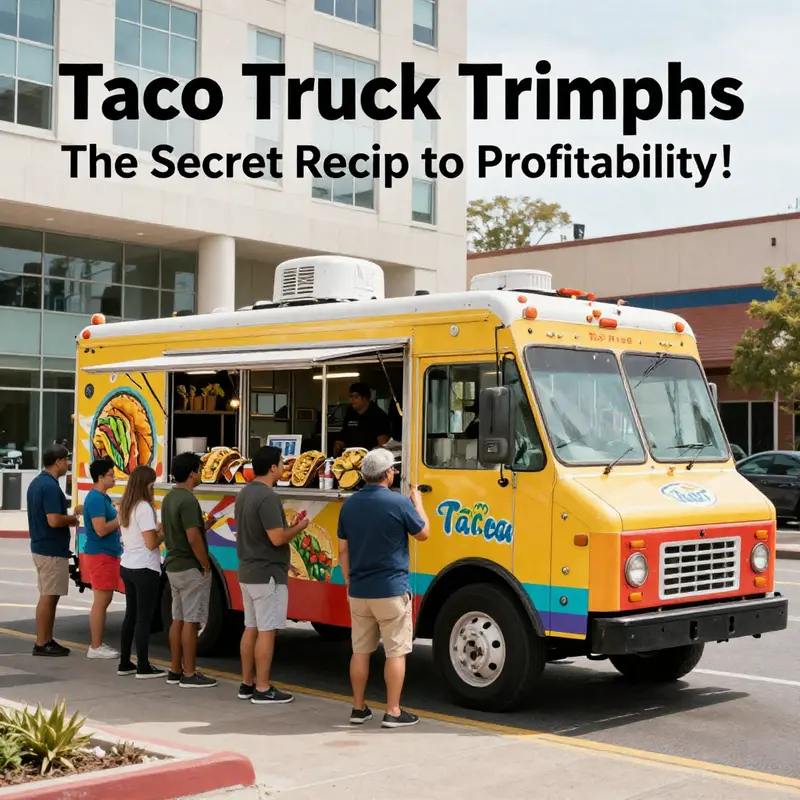
In the world of mobile dining, the location of a taco truck often determines not only the daily turnout but also the overall profitability of the business. This chapter discusses how parking in the right spot transforms a simple culinary venture into a lucrative enterprise. Every day, taco truck operators face the challenge of balancing quality, speed, and cost-effectiveness, yet none of these factors matter as much as where the truck is stationed. A strategic location is the foundation upon which profitability is built. Successful placement can drive high volumes of customers, boost brand visibility, and ultimately secure a steady flow of revenue.
The location of a food truck is akin to a retail store’s storefront. Just as businesses invest in high-traffic commercial spaces to capture the attention of passersby, taco trucks must find areas abundant in foot traffic. High-traffic zones such as busy downtown districts, office complexes during lunch hours, bustling shopping areas, and event venues provide the necessary exposure to attract hungry customers. Each of these locations carries distinct advantages. For instance, by parking close to office buildings, a taco truck can capitalize on the midday rush as workers seek a quick, yet flavorful, lunch option. In contrast, a spot near a university campus can provide robust evening and weekend sales, as students gather for social meals once classes have ended. These considerations illustrate that the location is not merely about a physical address but also about ensuring the truck’s presence matches the demand cycles of its target demographic.
A prime location does more than simply draw in crowds; it shapes the buying behavior of customers. A taco truck parked in a vibrant, highly visible location builds a strong brand presence almost by default. Onlookers naturally associate visibility with reliability, and repeated exposure often transforms casual visitors into loyal patrons. This phenomenon highlights the critical importance of position in establishing a recognizable identity in a competitive marketplace. The idea that “location is everything” has been echoed by many in the industry, and real-world examples prove that even a well-designed menu and efficient operations cannot compensate for the effects of poor location selection.
Real-world data underscores the significance of choosing the right spot. Many operators use historical sales data and customer feedback to evaluate location performance. They analyze varying foot traffic patterns, seasonal fluctuations, and customer demographics to determine which spots offer the best return on investment. This data-driven approach leads to strategic decision-making that can pivot the truck’s daily location to where demand is highest at that particular time of day or week. For example, a taco truck may choose to operate near a popular event on weekends, whereas weekdays might see higher profits by targeting business districts. Such thoughtful location planning ensures that the truck is not only discovered by potential customers but also frequented by a crowd likely to make repeat visits. The reliance on real-world metrics rather than assumptions is what separates profitable ventures from those that merely survive without thriving.
Location also plays an essential role in mitigating operating costs. When a taco truck is positioned in an area where there is high demand, the operator can optimize operational processes. Reduced idling times, shorter waiting periods to receive orders, and the benefits of grouping orders due to higher customer density contribute to lower labor and fuel costs. Moreover, being in a well-known high-traffic area diminishes the need for aggressive marketing expenditures since word of mouth and repeat business often follow. Therefore, choosing a spot that aligns with customer patterns not only drives sales but also helps in keeping overhead expenses in check. For many entrepreneurs launching into the world of mobile dining, these financial efficiencies are crucial in ensuring that the revenue generated can cover the startup costs, which often range from $50,000 to $150,000, and eventually lead to steady profits.
There is also an inherent interplay between the location and the pricing of the menu offerings. In competitive areas with high foot traffic, customer expectations can unlock greater willingness to pay premium prices, especially when the quality of food stands out from the competition. Conversely, in less-trafficked locations, lower prices may be necessary to attract a smaller pool of consumers. Operators who present a unique culinary vision, such as gourmet variations of traditional tacos or diverse menu options that cater to dietary restrictions, frequently find that a well-chosen location amplifies these benefits. Positioning near areas known for discerning clientele can justify slightly higher prices, enabling better profit margins and reinforcing customer perception of quality and value.
Aside from customer-centric dynamics, the importance of an optimal location extends to the operational and logistical aspects of running a taco truck. Sourcing a reliable mobile kitchen unit is a vital step in establishing the business. Many entrepreneurs opt for durable, high-quality taco carts manufactured in provinces like Henan and Shandong in China. These regions are known for their expertise in cost-effective, robust fabrication techniques, producing units that can stand up to the rigors of daily service. However, even the most impressively engineered truck will fall short if it is not positioned in an area where people are looking to eat. As such, the decision on where to park the truck should be made in tandem with considerations for vehicle quality and reliability. Operators are encouraged to invest time not just in the food preparation technology but also in mapping out the best possible locations for their operations. For further guidance on choosing these critical assets, read more about the process in this in-depth discussion on choosing the right food truck.
Geography, time, and demographics are also inextricably linked when discussing effective locations for taco trucks. Many operators approach this challenge with a flexible mindset by varying their location based on factors such as weather, local events, and even time-of-day demographics. For instance, a rainy afternoon in a normally busy district might result in a significant dip in foot traffic, thereby making it beneficial to relocate temporarily. Conversely, a sunny weekend near a local attraction could become a consistent revenue-generator on a regular basis. The willingness to adapt and relocate as needed also distinguishes resilient operators from those who are static in their approach. Experimenting with different spots allows entrepreneurs to discover hidden gems – previously unnoticed but high-yield locations that may become ideal long-term bases of operation.
The importance of transparency and customer interaction also becomes clear when operators frequently adjust their location strategy. By engaging with their clientele and incorporating feedback, taco truck operators can refine their understanding of the best spots. Patrons often appreciate the flexibility, and their insights can reveal nuances in location dynamics that raw data might overlook. For example, local customers might alert the business to emerging hotspots or warn of traffic snarls and parking challenges that affect service speed. This community-driven approach to location management further solidifies the truck’s role in the local food scene, fostering stronger relationships and ensuring that the business remains both relevant and profitable.
Technology has increasingly become a vital ally in making location decisions. Modern food truck operators utilize digital mapping systems which help in pinpointing high-traffic areas based on real-time data. Advanced apps that track foot traffic, customer density, and even social media trends can offer guidance in selecting the most lucrative spots at any given moment. This integration of technology not only saves time but also peels back layers of complexity in customer behavior. Operators can now refine their daily routes, optimize the times they operate, and even predict surge periods with a fair degree of accuracy. With these tools in hand, it becomes much more manageable to achieve a level of operational efficiency that directly enhances profitability.
A critical factor that underlies all these considerations is the timeliness of the decisions made. Location, in this case, may change its profitability quotient from one hour to the next. Therefore, operational agility is key. Decision-making must incorporate both historical data and real-time information to ensure that the truck remains in proximity to its target market. The mantra for many seasoned operators is not to settle for the first available spot but to constantly re-evaluate and adjust the truck’s positioning based on changing circumstances. Such a proactive stance ensures that the business does not become stagnant and that opportunities for higher profit margins are continually seized.
In addition to proactive shifting and technological integration, the expertise gleaned from industry reports and firsthand testimonials must serve as guiding lights. One industry report, titled Food Truck Location Strategies: Find The Best Spots – Dinevate, emphasizes the essential nature of location choices in ensuring daily sales volume. This detailed piece illustrates that no amount of menu planning or quality improvement can counteract the challenges posed by a poor location. As one successful operator famously put it, “Location is everything,” a statement that resonates deeply with the experiences of many on the road. This reliance on proven insights from industry experts not only validates the strategies employed but also encourages new entrepreneurs to adopt a rigorous approach from day one.
Beyond the immediate benefits of high customer traffic, an optimal location contributes to the brand’s long-term growth. A well-known location builds trust with a community that becomes accustomed to spotting the familiar taco truck at a reliable location. Over time, this reliability converts into customer loyalty, which is arguably one of the most valuable assets for any business. Loyal customers are more likely to recommend the truck to their friends and family, thereby generating free word-of-mouth marketing that further solidifies the operational base. The cumulative effect of these recurring visits can lead to sustained monthly profits that many entrepreneurs report to be in the range of $5,000 to $15,000 or more, depending on the operational scale. With such numbers in mind, the value of a high-yield location becomes unmistakably clear.
While a prime location guarantees higher sales, it also puts pressure on the operator to deliver consistently high quality in both food and service. The stakes are elevated when customers are located in areas with numerous dining alternatives. In such competitive arenas, every aspect of the service – from the promptness of order delivery to the presentation of the food – is under constant scrutiny. Therefore, alongside careful location selection, it is essential to invest in efficient operations and maintain a level of service that meets the high expectations of the target audience. This holistic approach to both location and operational execution ultimately pushes a taco truck from being merely a food vendor to a memorable dining experience.
A location’s success is not solely measured by the number of customers but also by how well it distributes revenue over time. Areas with predictable and steady foot traffic offer better revenue stability than those with erratic spurts of activity. This predictability, coupled with the ability to plan and manage inventory effectively, reduces wastage and prevents overstaffing during quiet periods. The financial management benefits do not end there; steady flow and consistent customer engagement mean that the taco truck can better manage its monthly operating costs. When the revenue stream is predictable, food truck operators can invest further in enhancements, whether in marketing, staffing, or even upgrading equipment. This reinforces the idea that the right location can lay the groundwork for not only immediate profits but also long-term business viability.
Despite the apparent benefits of any high-traffic area, it is important to recognize that there are challenges inherent to prime locations. Parking restrictions, local regulations, and sometimes even saturation of similar food vendors can complicate the process. To navigate these potential pitfalls, many seasoned operators develop a deep understanding of local zoning laws and maintain close relationships with property managers and local authorities. This proactive engagement can lead to permission for long-term arrangements or designated parking zones, further cementing the truck’s presence in strategic areas. It is this level of preparation, combined with frequent location adjustments based on data analysis, that helps mitigate risks associated with regulatory hurdles or competitive oversaturation.
Moreover, the story of profitability does not end once a prime spot is secured. Continuous monitoring of location performance is crucial. Operators are encouraged to maintain meticulous records of daily sales, customer counts, and even weather conditions. Such data not only help in evaluating current performance but also in forecasting future trends. Many successful taco truck entrepreneurs have evolved their business models to include location analytics as an integral part of their operational strategy. This commitment to continuous improvement ensures that the business remains adaptable in an ever-changing market environment. An external perspective can also be extremely valuable. For example, a broader review of industry strategies can be found in the guide provided by Dinevate on food truck location strategies, which offers insights into how data and customer interactions shape the daily success of a mobile eatery. For additional insights, please visit Dinevate’s Guide to Food Truck Location Strategies.
In summary, the profitability of a taco truck hinges on a delicate blend of factors, with location serving as the cornerstone. The right spot does not simply yield increased sales; it enhances brand recognition, streamlines operations, and paves the way for sustained growth. The journey to profitability involves a dynamic interplay between monitoring traffic patterns, leveraging technology, and engaging with customers to adapt to shifting demands. Whether parked near busy office complexes, thriving university environments, or vibrant downtown districts, a taco truck’s success is fundamentally dependent on being in the right place at the right time. The integration of a strategically sourced, durable taco cart with an adaptive and data-driven location strategy provides a blueprint for entrepreneurs aiming to maximize their returns. As the mobile dining scene continues to evolve, it is clear that those who understand and expertly manage the nuances of location will continue to reap significant benefits in an industry defined by rapid mobility and constant competition.
Ultimately, the continuous process of selecting and re-evaluating the perfect location is one of the most critical steps in ensuring that the taco truck remains profitable. Operators who combine the discipline of data analytics with the art of discerning customer behavior can position their trucks at the crossroads where flavor meets opportunity. In a realm where the physical space directly correlates with financial success, finding the golden spot is not just a tactical decision—it is an essential strategic maneuver that underpins long-term profitability and growth.
Mastering Mobile Food Success: Unleashing Operational Efficiency and Profitability in Taco Trucks
Taco trucks have emerged as modern symbols of entrepreneurial success in the mobile food service industry, offering a winning combination of operational efficiency, a tailored menu, and strategic positioning that drives profitability. In an era when consumers crave not only delicious food but also convenience, taco trucks have reinvented the dining experience by blending streamlined operations with dynamic business models that meet the demands of busy urban dwellers and event goers alike. This chapter delves into the essential ingredients that spark the success of taco trucks, weaving together insights on menu streamlining, cost management, location strategy, and digital enhancements to create a comprehensive narrative of how these mobile kitchens can become lucrative ventures.
At the heart of every profitable taco truck lies a commitment to operational simplicity and smart decision-making. Most taco trucks have found that focusing on a narrow menu dedicated to tacos—and sometimes a few complementary items—not only simplifies the cooking process but also results in significant cost savings. By limiting the range of food options, operators can reduce ingredient waste and benefit from consolidated inventory management practices that prevent spoilage and help maintain fresh supplies of core ingredients. This deliberate menu design not only speeds up service and minimizes errors during busy periods, but also elevates the customer experience by delivering consistent, high-quality meals with every order.
The financial blueprint of a taco truck is built on the principles of low overhead costs and rapid cost recovery. Compared to traditional brick-and-mortar restaurants, taco trucks typically demand a startup investment ranging between $50,000 and $150,000—a sum that covers the acquisition or lease of a suitably equipped vehicle, licensing, permits, insurance, and the initial inventory. This lower entry barrier, combined with the absence of high rent or long-term lease commitments, translates to significantly reduced fixed costs. It allows food truck operators to channel their resources into optimizing operational processes and fine-tuning customer service protocols, a move that frequently results in faster positive cash flow. Many successful operators recoup their initial investments within 6 to 9 months, an achievement that is both impressive and a strong testament to the effectiveness of lean operating models.
Location strategy is arguably the most crucial variable in ensuring the profitability of taco trucks. Placing a mobile kitchen in a high-traffic urban area such as bustling downtown neighborhoods, office complexes, and vibrant festival circuits can dramatically increase visibility and customer engagement. In regions where foot traffic is dense, the convenience and pain-relief offered by a quick, delicious taco often translate into high sales volumes. Operators who scout strategic spots—whether parked under the shade of a busy shopping district or set up at local events—can expect not only an upswing in immediate revenue but also the creation of a loyal customer base that values consistency and quality. The interplay between location and consumer behavior underscores the importance of external factors in determining a business’s success, reminding entrepreneurs that the perfect mix of product and placement can elevate a simple food truck to a profitable enterprise.
Another significant advantage of the taco truck business model is its agility and the ability to pivot swiftly in reaction to market trends. Operators are able to adapt their services to respond to changes in local demand. Whether it is introducing a gourmet taco option, offering vegan twists on traditional recipes, or experimenting with fusion-style ingredients, successful food truck owners continually refine their menus to set themselves apart from competitors. This dynamic approach not only reinforces customer loyalty but also creates a flexible business environment where innovations can quickly be rolled out without the burden of overwhelming menu diversity. The streamlined operations that result from a focused menu also allow for a more efficient response during peak demand times, ensuring that service remains swift and effective even when simultaneous orders flood in.
The journey to profitability is further enhanced by the inherent cost efficiency associated with operating a mobile kitchen. Unlike traditional dining establishments that must contend with escalating rental leasing fees, extensive utility bills, and large staffing requirements, taco trucks are designed to minimize fixed costs. Reduced rent and the elimination of a full-scale dining facility mean that a considerably lower proportion of revenue is diverted toward overhead expenses. This lean cost structure supports a rapid transition from break-even to profitability, laying the foundation for reinvestment in quality ingredients, upgraded equipment, or even the expansion of the business. With many taco trucks achieving positive margins in a matter of months, the business model highlights how streamlined costs and strategic decisions empower entrepreneurs to build sustainable, scalable operations.
Scalability is a theme that resonates strongly within the taco truck industry. Many innovative entrepreneurs have taken a single successful truck and transformed it into a fleet, mastering the art of geographic and demographic expansion without compromising the quality of service. The ease of scaling operations in a mobile food business lies in the replicability of the model. Once the core operational processes—such as inventory management, food preparation, customer interaction, and digital ordering—are fine-tuned in one location, the transition to multiple units becomes a natural progression. Some ambitious operators even forge partnerships with local businesses or participate in pop-up collaborations during community events, translating localized brand strength into broader market dominance. This model of controlled expansion not only stimulates further revenue growth but also allows for the sharing of best practices across vehicles, reinforcing the overall brand identity.
In today’s digitally interconnected environment, technology plays an instrumental role in catalyzing the growth of taco trucks. Social media platforms have emerged as indispensable tools for both marketing and customer engagement, enabling food truck owners to communicate directly with their audience, share daily locations, and promote special menus or discounts. Digital ordering platforms streamline the process of placing and receiving orders, cutting down on wait times and ensuring a higher volume of transactions even during peak hours. For operators aiming to perfect their mobile business model, understanding the significance of an online presence can be transformative. More details on effective strategies in the mobile food space can be explored by reading insights on the art of choosing the right food truck, which emphasize the symbiotic relationship between digital engagement and operational success.
The operational efficiency of taco trucks also hinges on the rigorous application of cost control measures that extend beyond the kitchen. Efficient scheduling, smart inventory tracking, and proactive maintenance preventive practices constitute the backbone of a thriving food truck enterprise. By implementing digital inventory solutions or even basic inventory tracking systems, operators can reduce waste substantially and avoid over-ordering expensive ingredients. Additionally, the emphasis on fast, repeatable service models not only reinforces a sense of trust among customers but also contributes to operational performance metrics that are vital to sustaining profitability. The careful balance of cost control with quality assurance ensures that every dollar invested in the business yields returns in the form of increased customer satisfaction and consistent sales figures.
One of the most remarkable aspects of the taco truck phenomenon is its rapid path to profit recovery. Unlike traditional restaurant models that may take years before reaching a break-even point, many mobile kitchen operations report a return on investment within a few short months. This brisk turnaround is a direct consequence of efficient operating models, targeted market placement, and the dynamic capacity to adapt to consumer needs. The reduced financial burden of property leases and maintenance costs allows taco trucks to operate with a leaner financial structure, enabling operators to reinvest profits into enhancing service quality and exploring further market opportunities. The speed of profit recovery not only enhances the immediate financial viability of the venture but also contributes to a growing reputation that invites both repeat customers and potential franchise opportunities.
Equally important is the role of community engagement in boosting the profitability of taco trucks. By participating in local festivals, charity events, and community gatherings, food truck operators build a rapport with local customers and gain invaluable word-of-mouth advertising. This symbiotic relationship between service and community creates robust, lasting customer relationships. The opportunity to interface directly with consumers allows operators to receive immediate feedback, refine their offerings, and demonstrate a commitment to the local community. Such grassroots marketing efforts not only reinforce a positive brand image but also stimulate local pride, ensuring that the taco truck becomes an integral part of the community’s culinary landscape.
A comparative look at traditional restaurants versus taco trucks underscores the advantages of mobile food service models. While brick-and-mortar establishments often struggle with high rent, labor-intensive operations, and rigid business models that leave little room for innovation, taco trucks stand as agile entities that can quickly modify their service based on market conditions. The ability to park at various locations, shift menus according to seasonal trends, and adopt innovative marketing approaches—such as leveraging social media trends—provides taco trucks with a competitive edge that is hard to replicate in a fixed venue. Moreover, the lower overhead means that even minor increases in sales volume can translate directly into higher profit margins, inspiring more entrepreneurs to explore this business model.
The evolution of taco trucks over recent years signals a broader trend in the food service industry, one where efficiency, flexibility, and consumer responsiveness prevail over size and formality. The continuous integration of digital tools into everyday operations has allowed these mobile kitchens to embrace data-driven decision-making. Real-time analytics on sales trends, customer demographics, and peak order times empower operators to optimize every facet of their business, from staffing levels to ingredient orders. This holistic approach to operational excellence not only maximizes profitability but also paves the way for future innovations such as contactless payments, loyalty programs, and even personalized menu recommendations based on customer purchase history.
In navigating the competitive landscape, taco truck operators distinguish themselves not solely through culinary flair but also through an unwavering commitment to operational discipline and continuous improvement. Regular assessments of performance metrics, from service speed and customer satisfaction ratings to cost-per-unit analysis, form an integral part of daily operations. Such rigorous self-evaluation ensures that even as market conditions evolve, the business can adapt without compromising on its core values or quality standards. This relentless pursuit of efficiency—whether in the kitchen, behind the scenes, or through digital enhancements—remains a cornerstone of profitability in an industry that continuously reinvents itself.
The thriving taco truck industry is not without its challenges, yet it remains a model of the modern entrepreneurial spirit. As consumer tastes shift and economic pressures demand cost-effective solutions, the taco truck model has proven resilient. Its operational efficiencies, fast adaptability, and capacity for rapid profit recovery create a business environment where calculated risks yield real rewards. For potential investors and aspiring food entrepreneurs, the taco truck story is one of passion combined with meticulous planning, where every decision—from menu curation to location selection—plays a critical role in shaping financial outcomes.
As the landscape of mobile food service continues to evolve, the future of taco trucks looks increasingly promising. Operators are capitalizing on technological advancements, improved supply chain management, and innovative marketing techniques to secure their positions in competitive markets. The integration of online ordering and social media engagement into daily operations has not only expanded reach but also enhanced operational efficiencies, as customers are able to place orders quickly and conveniently without the usual overhead of a traditional establishment. This synthesis of technology and culinary craftsmanship creates a win‐win scenario: customers receive speedy, high-quality offerings, while operators benefit from a continuous stream of revenue and the agility to pivot their strategies when necessary.
For those analyzing whether taco trucks are profitable, the answer lies in a deep understanding of how strategic decisions at every level can create a synergistic effect that boosts both profitability and customer satisfaction. With a holistic view of cost management, efficiency in operations, digital marketing prowess, and local community integration, taco trucks have transcended the simple image of a food cart to become sophisticated, profitable business enterprises. In this rapidly evolving sector, every aspect—from the initial choice of ingredients to the final smile on a satisfied customer’s face—contributes to a cumulative effect that underscores the financial viability of the venture.
As the mobile food revolution gathers pace, the taco truck model stands out as a beacon of innovation and efficiency. With every successful venture, industry experts and entrepreneurs gain further insight into how cost-effective strategies, operational discipline, and digital marketing can be leveraged to navigate an increasingly complex market. This dynamic ecosystem, driven by both consumer demand and entrepreneurial ingenuity, serves as a testament to the transformative potential of small, agile business models in an era where speed, quality, and adaptability reign supreme. For enthusiasts and investors alike, the taco truck represents a compelling case study in how modern businesses can achieve rapid financial success while continuously evolving to meet consumer expectations. For additional external insights and statistics on the success of taco trucks, please refer to the research available at Food Trucks Industry Trends.
In summary, the narrative of taco trucks is not simply one of culinary innovation; it is a story of operational mastery, financial acumen, and the ability to harness the power of both tradition and technology. Entrepreneurs in this space know that every element—from the streamlined menu to the strategic choice of location, from adaptive digital practices to community engagement—must work in concert to create a business that is both resilient and profitable. The journey of a taco truck, marked by rapid profit recovery, controlled costs, and scalable growth, exemplifies how a clear focus on operational efficiency can yield extraordinary financial rewards. As the food service industry continues to evolve, taco trucks are set to remain at the forefront, continually redefining what it means to serve food on the go while delivering impressive returns on investment.
Strategic Menu Innovations: Unlocking High Profits for Taco Trucks
Taco trucks have evolved into more than simply mobile food vendors; they are dynamic culinary stages on wheels that capture the essence of street food with innovative twists. At the heart of a successful taco truck business lies its menu—a carefully curated collection of offerings that not only satisfy diverse taste buds but also strategically drive revenue. When craft, pricing, efficiency, and customer appeal blend seamlessly, the menu becomes a powerful tool, effectively transforming a food truck’s bottom line and unlocking profit margins that many entrepreneurs might only dream of.
Developing a robust menu strategy begins with an in-depth understanding of the customer base and the competitive landscape. For taco trucks, the interplay between cost control and creative expression can be challenging, yet it offers ample room for experimentation. A strategic approach to pricing is integral as well as balancing affordability with profitability. Rather than a one-size-fits-all approach, successful operators often employ subtle price adjustments that reward high demand while accounting for operational costs. For instance, by identifying high-margin items and instituting modest price increases during peak hours or special events, trucks can capture extra revenue without alienating loyal patrons. This dynamic pricing strategy ensures that when foot traffic surges near busy office districts or event venues, the menu adapts, and pricing reflects the unique circumstances of the moment without compromising customer satisfaction.
Efficiency is equally crucial when it comes to menu design and implementation. A carefully composed menu that features key items with high profit margins can make operations smoother and reduce waste. Many taco truck owners have found that trimming a bloated menu down to focus on items that require fewer, cost-effective ingredients results in both operational efficiency and improved margins. By emphasizing ingredients that are versatile and available at competitive prices—such as beans, chicken, and seasonal vegetables—the menu maintains a balance between quality and cost-effectiveness. This kind of strategic menu optimization not only stabilizes the supply chain but also enables the operational staff to manage inventory and preparation with heightened efficiency.
A lesser-discussed aspect of menu strategy is the benefit of simplification. In an era where variety is often celebrated, a streamlined menu can actually serve as a competitive advantage. By reducing the number of items offered, trucks avoid the pitfalls of ingredient wastage and the complexity of managing numerous recipes during busy periods. This reduction in complexity leaves room for showcasing limited-time specials and seasonal specialties. Offering these intermittent items not only piques the curiosity of regular customers but also takes advantage of seasonal produce and promotional themes that can lead to cost savings. The reduced complexity also results in a more focused branding message; in essence, customers learn that when they order from a particular taco truck, they are guaranteed consistency in the quality and taste of their selected items.
Innovation in the menu extends to balancing classic flavors with adventurous twists. Taco trucks that experiment with fusion recipes—merging traditional taco elements with flavors from different culinary traditions—often capture niche markets and generate buzz. These modern culinary fusions allow food truck operators to experiment with options such as plant-based alternatives or locally inspired ingredients, which can command premium pricing. For instance, incorporating a gourmet taco that features unique salsas or locally sourced artisanal cheeses can elevate the customer’s experience, making them willing to pay extra for what they perceive as a special treat. By combining creativity with cost-effective sourcing, these taco trucks can generate additional revenue streams. A look at the broader landscape of food truck innovation reveals that many operators have harnessed this strategy to differentiate themselves in a saturated market, which in turn drives repeat customers and increasing profit margins. Additional insights on innovative culinary techniques can be found in discussions such as those on food truck fusions – a culinary revolution, where creative approaches are paired with successful business models.
Beyond the adjustment of prices and menu simplification, a critical component of a successful menu strategy lies in the meticulous control of ingredient costs. Negotiating supplier contracts to secure lower pricing on staple ingredients such as tortillas, beans, vegetables, and even protein sources fosters a buffer against market volatility. This proactive approach not only reduces operational expenses but also allows for greater pricing flexibility when necessary. Taco trucks that establish strong relationships with multiple suppliers might benefit from competitive pricing and reliable quality, ensuring that the menu remains both appealing and profitable. In many cases, partnerships with local vendors can offer the dual benefit of supporting homegrown businesses and maintaining a fresh inventory. This symbiotic relationship can lead to seasonal exclusives that further enhance the menu’s appeal by highlighting local flavors and culinary trends.
The meticulous attention to pricing, ingredient sourcing, and menu design culminates in a customer-centric offering in which every item is designed with the consumer’s experience in mind. Value options, such as meal combinations or customizable items with options for add-ons, deliver an enhanced sense of customization, thereby increasing the perceived value of the purchase. This not only fosters customer satisfaction but also nurtures loyalty, as patrons feel that the menu has been tailored specifically to their tastes and preferences. The strategic inclusion of high-margin add-ons—such as extra cheese, premium toppings, or unique salsas—provides an avenue for additional revenue without significantly altering the cost structure of the base offering. By giving customers the opportunity to personalize their meals, taco trucks can create a memorable dining experience that encourages repeat business and positive word-of-mouth recommendations.
These strategic adjustments must be integrated into everyday operations with precision. Every aspect of the menu strategy—from dynamic pricing to ingredient sourcing and creative menu presentation—requires constant assessment and real-time adjustments. The dynamic nature of the food truck industry, in which locations and customer flows shift rapidly, necessitates that owners remain agile and responsive to market conditions. For example, a taco truck parked near a sports event or a bustling festival might experience significantly higher demand compared to one positioned in a suburban setting during off-peak hours. Therefore, tactical pricing modifications and the strategic emphasis on high-profit menu items during these periods ensure that revenues meet or exceed operating costs. A well-planned menu strategy can even reduce the time it takes for a new venture to reach its breakeven point, often achieving sustained profitability within a couple of years.
In addition to direct financial benefits, a refined menu strategy contributes to the overarching brand identity of a taco truck. The menu often becomes synonymous with the overall customer experience, acting as the primary touchpoint through which potential customers gauge quality, creativity, and value. A well-executed menu bolsters the reputation of the business by creating a sense of anticipation and excitement around each new offering. This positive brand equity can translate into not just higher immediate sales, but also into the long-term success of the business. When customers remember that a taco truck offers both innovative flavor combinations and reliable quality at competitive prices, they are more likely to return and to share their positive experiences with others.
The continuous evolution of the taco truck menu is also fueled by feedback and data collected over time. Operators who invest in customer surveys, monitor sales trends, and track ingredient costs possess a wealth of information that can be used to further fine-tune their offerings. In an environment where consumer tastes are continuously evolving, staying attuned to feedback is a cornerstone of success. This iterative process of menu refinement allows truck owners to adapt swiftly—updating recipes, introducing new items, or retiring underperforming dishes based on real-world data. It ensures that the menu does not stagnate but remains vibrant, relevant, and attuned to the desires of its target audience. Through an ongoing process of evaluation and adjustment, the menu becomes not merely a list of items for sale but a living document that evolves in response to market demands and culinary trends.
Moreover, the interplay of these various strategic elements creates a ripple effect that extends beyond simple food preparation and sales. A thoughtfully designed menu paves the way for streamlined kitchen operations, reducing prep time and simplifying the training process for staff. When the kitchen environment is manageable and well-organized, it becomes easier for employees to maintain consistency and for the truck to manage high customer volumes during busy times. It minimizes errors, reduces waste, and ensures that each order is fulfilled with precision, all of which contribute to a smoother, more efficient operation. This level of operational excellence, in turn, supports better profit margins and a stronger reputation in a competitive industry.
As the taco truck business gains momentum and matures, the menu strategy stands out as one of the most significant investments an operator can make. It requires careful planning, a willingness to experiment, and a commitment to feeding not just the stomachs but also the imaginations of customers. Given the relatively modest startup costs of a taco truck compared to a brick-and-mortar restaurant, every strategic decision made along the way plays a pivotal role in sculpting a profitable enterprise. The cumulative effect of methodical price adjustments, menu optimization, ingredient cost control, and customer-centric design is a resilient business model that not only navigates market fluctuations but capitalizes on them.
In the highly competitive arena of mobile food catering, standing out often means the difference between scraping by and achieving substantial financial success. To this end, leveraging innovative menu strategies can create a distinct competitive advantage that is not easily replicated. These tactics encompass focusing on high-yield components of the menu, such as easily customizable tacos with enticing add-ons, as well as capitalizing on trending flavors and dietary preferences. By artfully combining cost-effective ingredients with customer-desired gourmet touches, an operator can create a menu that appeals to a broad cross-section of food enthusiasts. Many taco truck operators report that fine-tuning their menu not only leads to increased customer engagement but also results in enhanced operational efficiencies that lower overhead and reduce food waste. Through this multifaceted approach to menu development, taco trucks find themselves well-equipped to meet both the short-term challenges of fluctuating supply costs and the long-term goal of establishing a trusted culinary brand.
An important consideration is that these menu strategies must be implemented with a keen eye on the overall business model. Every decision—from negotiating supplier contracts to setting daily specials—has a direct impact on both the immediate profitability and the scalability of the operation. Entrepreneurs in this arena must balance the desire to experiment with novel dishes and flavor profiles with the fundamental need to control costs and standardize operations. In doing so, they enable the business to pivot quickly in response to market pressures without jeopardizing the integrity of their brand. This balance between creativity and fiscal responsibility is perhaps the most nuanced aspect of running a profitable taco truck.
Furthermore, the role of technology in menu strategy cannot be overlooked. Modern point-of-sale systems and data analytics tools offer operators real-time insights into sales patterns and customer preferences. By leveraging these technological resources, food truck owners can make informed decisions regarding price fluctuations, inventory needs, and even which menu items deserve a second look. Integrating these digital tools with traditional menu planning not only streamlines operations but also provides a competitive edge in an industry where agility and responsiveness are paramount. As digital innovations continue to reshape the culinary landscape, staying abreast of these trends is essential for leveraging the full financial potential of a mobile food business.
Ultimately, the journey to heightened profitability through menu innovation is a continuous one. Each adjustment, each pricing decision, and every finely tuned ingredient selection contributes incrementally to the overarching goal of building a robust, profitable taco truck business. This strategy extends beyond mere menu curation; it represents a holistic approach that integrates marketing, operational efficiency, cost control, and creative culinary expression all in one package. For the dedicated entrepreneur, the menu is not just a list but a strategic roadmap that guides the growth of the business, establishes a loyal customer base, and consistently delivers satisfying results.
For further insights and a deeper dive into how strategic menu approaches can significantly drive profitability, interested readers can refer to the detailed examination available in this external resource: Forbes on Food Truck Profitability Strategies.
In conclusion, the adoption of smart, carefully considered menu strategies is central to the success of taco trucks in today’s competitive environment. By continuously refining pricing structures, optimizing menu offerings, simplifying operations, and focusing on cost control while catering to the evolving preferences of customers, taco truck owners can achieve remarkable profitability. The integration of creativity with solid business fundamentals creates a unique competitive advantage that helps these mobile enterprises thrive in a bustling marketplace. The menu is the heart of the taco truck’s identity, resonating with patrons and driving sustained business growth, ultimately proving that a well-thought-out menu strategy is one of the most effective tools for turning tacos into robust profits.
Turbocharging Taco Truck Success: Cutting-Edge Marketing Strategies for Maximum Profit
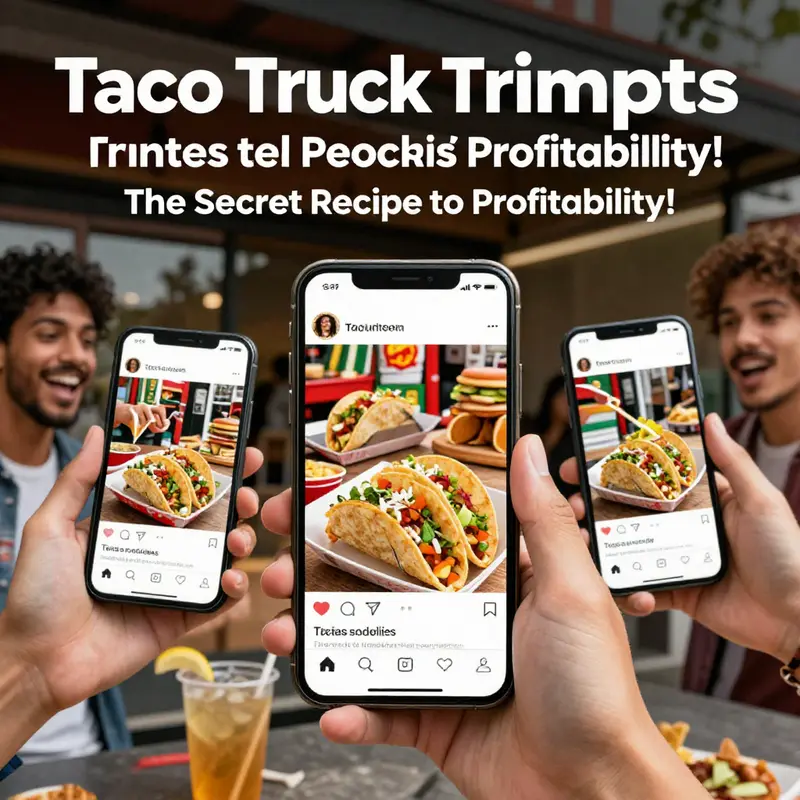
Embarking on the journey to boost the profitability of a taco truck is much like preparing a signature taco recipe that requires a perfect blend of high-quality ingredients, precise technique, and a dash of innovation. In this chapter, we delve into the powerful role that marketing plays in turning a humble mobile kitchen into a thriving business. The narrative weaves together timeless marketing principles with modern digital strategies to create a comprehensive guide that resonates with both longtime taco truck veterans and new entrepreneurs eager to succeed in a competitive market.
Imagine a brisk morning at a busy intersection in a city known for its vibrant street food scene. The aroma of grilling spices and slow-roasted meat wafts through the air, drawing a crowd from nearby offices and passers-by. This is the essence of a successful taco truck location—a place where the product, the pricing, the location, and the promotion all come together in flawless harmony. The key lies not only in serving authentic, mouthwatering tacos but also in strategically promoting them so that every potential customer comes to know about the unique value offered. This narrative is built on the foundation of the Four Ps of Marketing: Product, Price, Place, and Promotion, which together create a sustainable engine for profitability.
At the heart of any successful taco truck operation is the product itself. The menu is more than just a list of offerings; it is the flagship of the entire business. Customers who crave the traditional flavors of al pastor, carne asada, or carnitas are equally drawn to innovative takes such as fusion tacos that combine classic ingredients with modern culinary twists. Consistency is critical, and the product must rise above the competition through impeccable quality and a unique twist that sets it apart in a saturated market. Every taco is an opportunity to cement a brand’s reputation—a reputation built on the promise of a memorable dining experience that can lead to repeat visits and positive word-of-mouth endorsements. Moreover, a well-curated menu opens up opportunities for seasonal specials and limited-time offers, which not only drive up immediate sales but also keep the brand dynamic and exciting to its loyal customers.
However, creating a stellar product is only half the battle. Pricing requires an equally thoughtful strategy. A critical aspect of pricing involves striking the balance between accessibility and perceived value. Tactically designed pricing strategies, such as lunch specials, discount bundles, or even a happy hour with reduced prices, can stimulate sales during off-peak hours and ensure a steady stream of revenue. These strategies are indispensable in maintaining a flow of customers throughout the day. Price promotions must be carefully managed so that they do not erode the perceived quality of the product. Furthermore, dynamic pricing can be employed based on an analysis of customer habits and local demand patterns. For instance, a slight increase in price during high demand periods or at special events can significantly enhance profitability without deterring loyal patrons. With careful calibration of cost structures and disciplined financial oversight, a taco truck can realize the potential of small price adjustments that cumulatively make a large impact on the bottom line.
Location is perhaps one of the most significant elements affecting profitability. The inherent mobility of taco trucks offers the flexibility to choose locations that match the specific target demographic at different times of the day. A successful operator understands that prime locations change with shifting patterns of human movement. Early in the morning, areas near commuter hubs or office blocks offer a captive audience craving a quick breakfast. At lunch, densely populated workplaces ensure a ready market, while late afternoons may see increased foot traffic near schools or community centers. A taco truck’s mobility is its competitive edge, allowing it to adapt to the natural rhythms of urban life. Therefore, deciding where to park is more than a matter of geography; it is a strategic decision that relies on real-time customer data, local trends, and an acute awareness of the urban landscape.
Promotion, a cornerstone of effective marketing, now takes center stage. The beauty of modern marketing is the wealth of digital tools available to reach and engage a diverse customer base. Social media platforms such as Instagram, Facebook, and TikTok have transformed how small businesses interact with their audience. For taco trucks, these platforms are ideal for showcasing vibrant food photography, behind-the-scenes glimpses into the kitchen, and even live updates about the daily menu. Digital promotion goes beyond mere advertisement—it builds an identity, a community, and an unforgettable brand personality. By curating a compelling online presence, a taco truck not only garners attention but also generates excitement that spills into offline interactions.
A remarkable example of modern promotion is the effective use of email marketing campaigns tailored for mobile food vendors. These targeted communications keep customers informed about upcoming specials, seasonal events, and promotions that can only be experienced in-person at the food truck. An online guide on email marketing for food trucks explains these strategies in detail, offering insights and real-life examples to further illustrate how digital marketing and traditional food service can blend seamlessly. Integrating such techniques into an overall marketing plan ensures that a taco truck remains top-of-mind among its audience, prompting regular visits and fostering brand loyalty.
Community engagement also plays a pivotal role. Taco trucks are often more than just food service providers; they are an integral part of the local cultural fabric. The story of a taco truck is written in its interactions with the community: sponsoring local events, taking part in food festivals, and collaborating with other local businesses to create mutually beneficial partnerships. This reciprocal relationship builds trust, invites word-of-mouth recommendations, and strengthens the overall brand image. Being visibly invested in community welfare and local events adds another layer of credibility to the business, encouraging customers to not only patronize but also advocate for the brand.
While traditional techniques such as the Four Ps still hold prominence, modern tactics leverage technology to provide real-time insights and allow for agile adjustments. For instance, food trucks are now harnessing data analytics to monitor customer behavior and adjust their strategies on the fly. Incorporating tools that capture customer feedback in real time—be it through digital ordering platforms, social media interactions, or mobile apps—can offer immediate insights for adjustments in menu items or promotional tactics. This responsiveness is crucial: the ability to quickly shift gears based on customer feedback not only optimizes operations but also strengthens customer relations by validating their preferences and enhancing their overall experience.
The effective use of digital advertising further amplifies promotional efforts. Beyond organic social media content, targeted paid ads enable taco trucks to reach audiences that might not yet be familiar with the brand. Geo-targeted adverts can promote a truck’s location in real time, directing hungry customers exactly where they are needed most. Likewise, strategic ad placements around high-traffic areas ensure that the brand’s messaging is continuously encountered by potential customers, reinforcing its presence in the urban landscape.
In addition to digital advertising, the creation of a robust online presence through a sleek, user-friendly website is also critical. A well-designed website offers customers not only the convenience of locating the taco truck’s daily spot and current offers, but also functions as a portal for ordering ahead or even scheduling delivery through third-party services like Uber Eats or DoorDash. Interfacing these technologies with the physical operation of the taco truck bridges the gap between offline service and online convenience, driving both impulse purchases and planned visits. This digital integration creates a comprehensive experience that appeals to tech-savvy customers and encourages a more consistent revenue stream.
Rounding out the promotion strategy is the effective deployment of influencer collaborations. Local influencers, whether food critics or lifestyle bloggers, have the power to dramatically raise the profile of a taco truck. These partnerships provide authentic endorsements and expose the brand to a niche audience that trusts the influencer’s recommendations. By aligning with respected figures in the local community, the taco truck not only extends its reach but also fortifies its reputation as a local culinary standout.
No marketing strategy is complete without addressing potential challenges and ensuring proper management of resources. For taco trucks, managing the dual challenge of maintaining operational efficiency while executing a dynamic marketing plan requires careful planning and a diligent focus on logistics. Often, the greatest risk is overextending the budget by investing too heavily in one area at the expense of another. There may be inevitable periods when local events or seasonal trends do not yield the expected level of foot traffic. In such moments, having a flexible marketing plan that can be adjusted on the fly is essential. This might involve ramping up digital promotions during slow periods, revisiting pricing strategies, or even exploring pop-up collaborations with local businesses to capture attention.
Equally important is the need to constantly assess and refine the overall strategy. Marketing in the modern era is not static; it evolves as customer preferences, trends, and technologies change. Continuous learning and adaptation remain at the core of profitable operations. Taco truck operators should be willing to experiment with different approaches, whether that is tweaking the menu, rethinking pricing strategies, or exploring novel promotional channels. Successful businesses are those that remain agile and responsive to both market trends and customer needs.
Moreover, the journey to enhanced profitability through marketing is not a solitary path. Building operational partnerships can play a pivotal role. When suppliers of quality ingredients are reliable and consistently provide high-quality products, the taco truck’s reputation for quality is reinforced. Similarly, collaborations with technology providers, such as app developers or data analytics services, can streamline operations and offer actionable insights. These partnerships extend the reach of traditional marketing by creating a network of support that promotes stability and growth.
It is important to note that the process of effective promotion is gradual and requires an investment in both time and resources. For many entrepreneurs, the initial focus is on city blocks of foot traffic and the immediate visual appeal of their trucks. However, as the business grows, the brand image must evolve to capture the broader narrative of culinary excellence and community involvement. Marketing must not be seen as merely a sales tactic but as a fundamental part of the business model. Innovative approaches that combine creative storytelling with the precision of data-driven insights will inevitably lead to a stronger, more resilient brand.
A crucial aspect of successful marketing is the art of storytelling. Every taco truck has its own unique narrative—an origin story that can resonate with customers on a personal level. Whether it is a family-run venture with roots embedded in tradition or a young entrepreneur who began with a passion for culinary art, every story has the potential to connect and inspire. By weaving a narrative that reflects the authenticity of the product and the vision behind it, taco trucks can transcend the realm of simple service providers to become beloved community fixtures. Consumers increasingly seek authenticity and transparency in the brands they support, and a well-told story can transform a casual diner into a lifelong patron.
Even in a landscape dominated by technological advancements, the human element remains irreplaceable. The connection formed between the taco truck team and its customers can be the ultimate marketing asset. A friendly, consistent presence and the genuine care shown in every interaction foster a sense of intimacy and loyalty. Such personal touches, when amplified by a strategic marketing plan, create a powerful synergy that ultimately drives profitability. The confluence of modern digital marketing strategies with the warmth of community engagement culminates in a brand experience that is both memorable and profitable.
Innovation in marketing for taco trucks does not solely come from the digital realm. Creative promotions that incorporate art, music, and cultural elements can also yield impressive results. Whether it is hosting a live local band next to the truck during a community festival or launching a limited-edition taco inspired by a local landmark, such innovative ideas capture the imagination of the audience and generate buzz that extends beyond traditional marketing channels. These creative initiatives not only enhance customer engagement but also set the stage for an evolving brand identity that can adapt to changing market demands.
Throughout this journey, it is essential to remember that every marketing dollar should be viewed as an investment rather than an expense. The returns from a well-executed marketing strategy are measurable not only in immediate sales but also in brand equity, customer loyalty, and the eventual scalability of the business. By leveraging both traditional marketing principles and modern digital tools, taco truck operators can craft a strategy that elevates their operations from a simple mobile food service to a standout culinary phenomenon.
In conclusion, the path to profitable taco truck operations is paved with a deep appreciation of product excellence, strategic pricing, tactical location choices, and dynamic promotion. Embracing the full spectrum of marketing techniques—from harnessing the power of social media to engaging in community partnerships and continuously refining strategies based on real-time insights—forms the cornerstone of a successful business model. The integration of innovative digital tools with a heartfelt connection to the local community exemplifies the modern approach to this age-old culinary art.
For those aiming to maximize profitability and solidify their position in the competitive market, the journey is one of continuous innovation and evolution. As marketing strategies mature and adapt to both consumer behavior and technological advancements, the humble taco truck is transformed into a flagship mobile venture with immense potential. For further clarity on the underpinning principles of these marketing strategies, interested readers can explore additional insights from industry experts at Investopedia here.
Ultimately, the narrative of a taco truck is built one promotional effort at a time—a story woven together by quality, strategic insight, and community trust. Every tweet, every post, every local event participation is a stitch in the fabric of a brand that aims for long-term success. As entrepreneurs navigate the vibrant world of mobile culinary delights, the effective intertwining of time-tested marketing frameworks with the modern dynamism of digital tools continues to unlock new avenues for growth and profitability. Whether you are just starting out or are looking to recharge your current strategy, this holistic approach to marketing can propel a taco truck business to new heights—one delicious taco at a time.
Final thoughts
As we wrap up this delicious journey through the profitability of taco trucks, it’s clear that success is not just about serving great food but also about hitting the sweet spots of location, operational finesse, tantalizing menu choices, and savvy marketing. With vibrant communities looking for quick, flavorful options, taco trucks can dish out not just tacos but financial success too! Whether you’re a taco fan dreaming of a food truck dream or a current owner refining your strategy, remember: every element—location, efficiency, menu, and marketing—plays a pivotal role in driving your taco truck prosperity. So gear up, roll out, and let those tacos fly!