
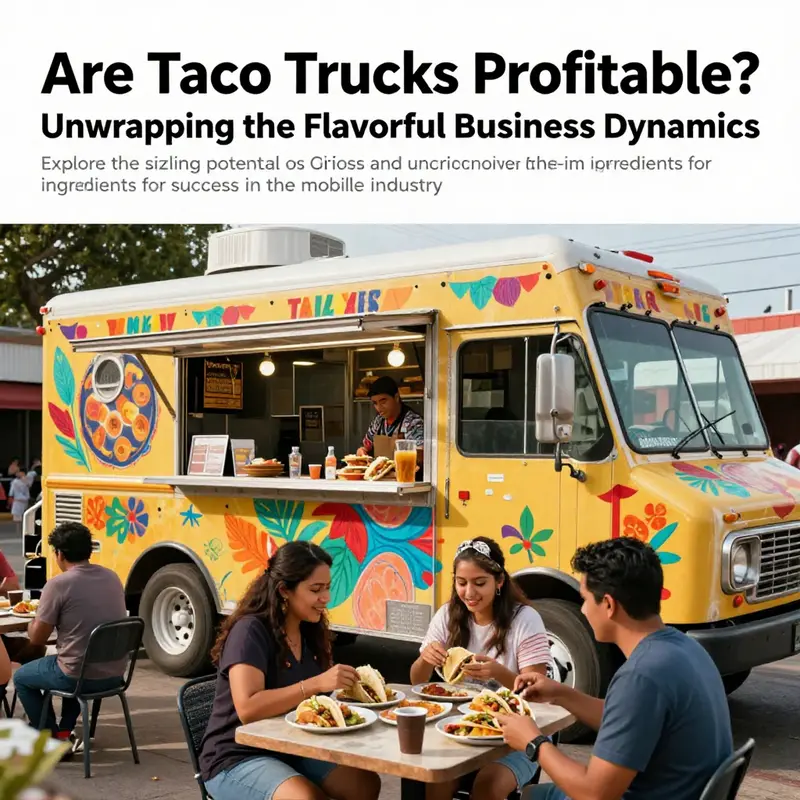
The concept of taco trucks has swept through cities, filling urban spaces with tantalizing aromas and vibrant flavors. For lovers of this beloved cuisine, taco trucks are more than just a food source; they evoke a sense of community and excitement. But are taco trucks truly profitable? This question hangs in the air as entrepreneurs and foodies alike ponder the viability of mobile restaurants. Each chapter of this exploration unfolds critical elements—from profitability factors like location and demand, to the cost structures that can determine the balance sheets of such ventures. We’ll also slice into menu strategies that create delicious value, analyze how flexibility and mobility influence profit margins, and finally, consider the long-term sustainability of taco truck operations. Together, these insights will paint a full picture of what it takes to roll out a successful taco truck business.
Profitability in Motion: Unlocking Taco Truck Profits Through Location, Timing, and Demand
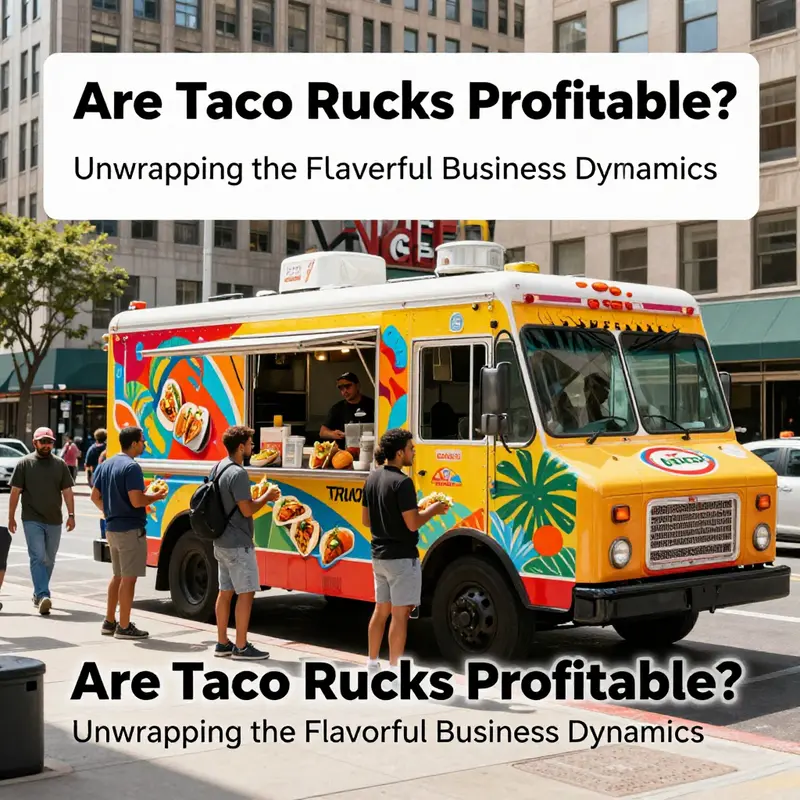
Profitability in motion is rarely a matter of luck. It comes from aligning where you operate, when you serve, and how efficiently you run the unit. Across industry analyses, taco trucks typically report profit margins in a practical band, roughly 30% to 50%. Those margins reflect tight control of food costs and overhead, plus the ability to capture strong demand in the right places. But margins are not automatic; they hinge on the same three levers that shape any mobile food venture: location, timing, and cost discipline. When these levers align, a truck can sustain healthy earnings even in crowded urban markets. When they don’t, the same opportunities that create foot traffic can grind margins to a whisper, especially if scheduling, inventory, or maintenance slips.
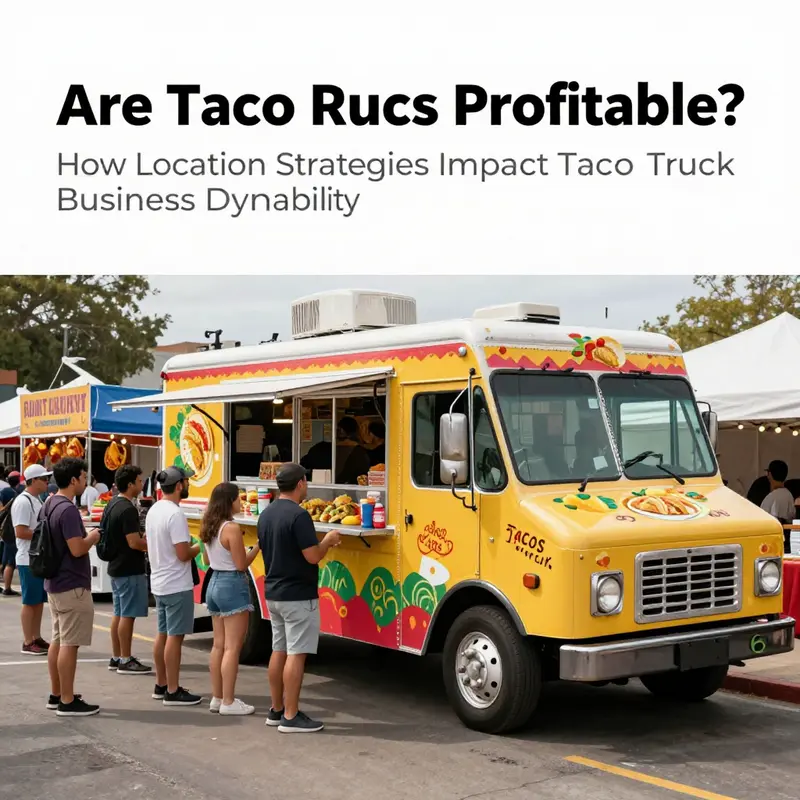
Location factors are foundational. High-traffic urban areas—city centers, busy commercial districts, near transit hubs, or adjacent to event venues—offer the most reliable demand streams. The best sites aren’t simply busy; they are predictable in the rhythms they create. A truck that parks near a steady lunchtime crowd, then pivots to a post-work or evening crowd, can smooth revenue across the day without multiplying labor or fuel costs. In practice, success often comes from a deliberate calendar of placements: a core corporate district during weekdays, a shopping corridor on weekends, and a festival or stadium vicinity when crowds swell. The flexibility of a mobile unit is a strategic asset here, and it becomes a force multiplier when paired with a disciplined route plan and permission to operate where demand is forecast to peak.
Timing considerations amplify that effect. Peak hours, seasonal events, and community gatherings act as revenue accelerants. Festivals, sports games, farmers markets, and neighborhood fairs draw more customers over short windows than a permanent storefront might. The ability to reposition quickly to align with peak foot traffic creates a multiplier effect on each hour of operation. The broader takeaway is simple: the value of a taco truck multiplies when it can move toward where the action is, rather than waiting for customers to come to it. This is not just about chasing crowds; it is about synchronizing service capacity with the velocity of demand, so service speed, quality, and price parity stay in harmony with throughput.
Demand analysis rounds out the practical framework. Operators who study local demographics tend to tailor menus to fit the neighborhood flavor profile. In markets with sizable Hispanic communities, regional specialties can build loyalty and repeat visits, while in more diverse neighborhoods, a flexible menu that honors broad tastes can capture a wider audience. The key is to stay responsive without overextending the kitchen. Menu adaptability matters: introducing seasonal items or rotating specials in response to feedback keeps the menu fresh and relevant without bloating overhead. Even small adjustments to portion sizes, sides, or pricing can shift profitability when they reflect what customers value most. It is this tune of listening and adjusting—without eroding the core brand—that sustains long-term demand.
Pricing strategy and menu design further influence profitability. A lean, well-curated menu helps maintain kitchen throughput and minimize waste, which in turn stabilizes food costs. Yet pricing must reflect local purchasing power and competitive context. A dependable staple with healthy margins can anchor the day, while a carefully chosen mix of premium items can lift the average ticket without inflating labor. The balance is delicate: price too high, and line lengths shorten; price too low, and the margins suffer. The art lies in crafting value that echoes the market reality while preserving speed and consistency on the line. In practice, the most successful operators avoid excessive discounting and instead rely on efficient workflow and reliable portions to protect profitability.
Operational cost efficiency anchors the financial math. Mobile units inherently benefit from lower fixed costs: no rent, smaller teams, and reduced utility bills. But mobility introduces its own cost structure—fuel, maintenance, permits, insurance, and routine cleaning. The latest industry insights emphasize that well-managed operations can reach break-even more quickly than a traditional restaurant, sometimes within a matter of months. Entry costs for mobile ventures have softened as the market for used equipment expands globally, with units available at prices lower than Western refurbished options. This accessibility accelerates market entry and expansion, though it adds a layer of diligence: operators must vet suppliers carefully, ensure that equipment meets safety standards, and confirm that the vehicle can sustain consistent kitchen performance in the field. The payoff, when these pieces are in place, is a lean operation that can weather downtime and still protect margins.
Supplier considerations and equipment reliability matter just as much as location. A rigorous supplier evaluation framework goes beyond price. It should verify corrosion-resistant materials, such as robust stainless steel, confirm electrical safety, and ensure compliance with local health and safety regulations. Reliability matters because a breakdown at a busy event or during peak service erodes both revenue and trust. Operators should plan for contingencies—power or fuel redundancy, spill containment, and a preventive maintenance routine that minimizes unscheduled downtime. In addition, selecting the right combination of vehicle, kitchen layout, and equipment reduces repair risk and extends life cycles, supporting steadier cash flow and long-term profitability.
Strategic planning completes the profitability picture. The interplay among location, demand insight, and dependable procurement shapes sustainability. Long-term success comes from building a calendar of high-probability events, maintaining strong supplier relationships, and investing in a kitchen setup that travels well while delivering consistent quality. Seasonal shifts and regulatory changes must be anticipated, and cost-tracking must be ongoing. The objective isn’t a single blockbuster sale; it is a steady stream of effective sales that keep the unit busy and margins healthy. The disciplined combination of discipline, flexibility, and market knowledge turns a taco truck from a simple food option into a reliable, repeatable business model.
To support decision-making, consider guidance on choosing the right food truck as part of your pre-launch preparation. Choosing the right food truck. This resource helps align vehicle choice, kitchen layout, and equipment with your target markets and service style, strengthening profitability from day one. As you plan, it is also useful to think about waste and inventory management as a profitability lever. Smart forecasting of ingredients, tight portion control, and careful waste tracking can dramatically improve food costs over the life of a truck. Building strong supplier relationships for flexible timing and reliable deliveries reduces storage needs and spoilage, further protecting margins. And while daily operations must stay focused, exploring revenue channels such as catering or private events can market-test new menus while spreading fixed costs over more units of service, improving overall unit economics.
For a broader industry perspective, see the external analysis that aggregates trends, cost drivers, and profitability ranges across markets: https://www.foodtruckreport.com/2026/02/23/food-truck-profitability-composition-classification-and-industrial-trends/. This external view complements the micro-level planning discussed here and helps frame expectations in a dynamic urban landscape. The combined emphasis on location, timing, demand, and disciplined cost control reveals a common truth: profitability in the taco-truck realm is less about luck and more about orchestrating movement, appetite, and efficiency with precision.
Rolling Margins: Decoding Investment, Costs, and the Path to Profitability for Taco Trucks
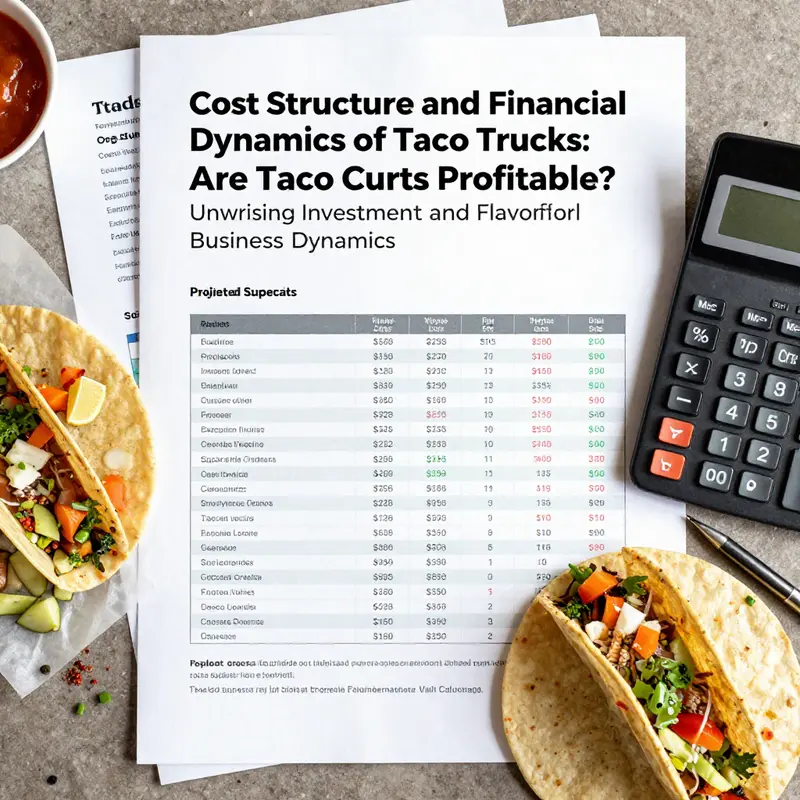
Profitability for taco trucks rests on a careful balance of capital, costs, and the speed with which a business can capture demand. The cost structure is not a single number on a receipt; it is a layered system that influences every decision from location and menu to staffing and maintenance. Operators entering the market often confront a spectrum of upfront choices. Full-sized, road-ready trucks demand a higher upfront investment, typically well into the five- to six-figure range, with prospective owners weighing the trade-off between capacity, durability, and city or county compliance. More compact, affordable mobile setups—such as trailers or smaller kitchen modules—offer a lower barrier to entry and faster experimentation, sometimes for under a few thousand dollars. This spectrum matters because it determines not just how quickly a business can start but how resilient it can be when the first wave of customers begins to ebb and flow with events, office traffic, or seasonal shifts. A lower entry cost can shorten the break-even period, yet it may also constrain cooking capacity or menu breadth, challenging profitability if demand grows beyond what the initial setup can efficiently serve. The core calculus is straightforward: the right level of investment aligns with anticipated demand, local competition, and how rapidly the operation can convert a truckload of ingredients into steady, repeatable customers.
Beyond the purchase price, ongoing expenses form the backbone of every monthly P&L. Fuel is not just a line item; it shapes route strategy and location choices. A truck that shuttles between clusters of high-foot-traffic mintues near office parks at lunch, or in the evenings at lively nightlife districts, must absorb fuel costs as part of a broader mobility plan. Vehicle maintenance is another recurring necessity, especially for operators who aim to keep service consistent across long hours and frequent location shifts. Regular servicing helps avoid breakdowns that can disrupt service and erode customer trust. Insurance is a protective layer that reflects the vehicle, equipment, and liability exposure, and it evolves as routes broaden or audiences change. Ingredient procurement, while seemingly straightforward, is a delicate balancing act between quality and cost. High-quality components attract repeat customers, yet premium ingredients require disciplined inventory management to prevent waste. Labor costs hinge on hours of operation, service speed, and the complexity of the menu. A two-person operation can be lean and fast, but it may also stretch during peak rushes or catering events, impacting both speed and consistency. Permits, health compliance, and regular inspections add another dimension of cost and administrative overhead that must be integrated into cash flow planning. Each of these factors multiplies with scale: the more locations pursued, the more sophisticated the scheduling, supply chain, and risk controls must become to sustain profitability.
Tangible advantages accompany mobility. The ability to move to higher-demand windows, to pivot menus based on crowd preferences, and to tap into festivals or private caterings creates revenue opportunities that a stationary restaurant can seldom match. This dynamism is a central reason many operators pursue taco trucks in urban hubs. The flexibility also serves as a hedge against location risk. If a particular plaza or district experiences a downturn in traffic or a new competitor sets up shop, an agile operator can reallocate assets, adjust hours, or test a new menu concept without the heavy sunk costs of a brick-and-mortar storefront. This adaptability can help protect profit margins when demand patterns shift due to seasonal events, weather, or evolving consumer tastes. Yet flexibility comes with its own expense profile. Reconfiguring a truck for different menus or events can require additional equipment, specialized cleaning protocols, and more intensive maintenance regimes to maintain consistent quality across a rotating set of offerings. For some operators, the promise of dynamic pricing becomes a practical reality only when the back end supports it: reliable inventory systems, robust waste control, and disciplined cost tracking that can translate in real time into better margins.
Financial analysis in the taco-truck space often centers on fixed versus variable costs and a disciplined approach to break-even analysis. Fixed costs include the baseline investment, insurance, permits, and essential maintenance that occur regardless of sales volume. Variable costs rise and fall with sales; ingredients, fuel spent to reach locations, and hourly labor used during service periods are classic examples. A profitable operation strikes the right balance between these two cost types, using pricing strategies and menu choices to cover variable costs while ensuring fixed costs are amortized across volume that justifies the investment. Many successful operators focus on high-margin items, streamline production to minimize waste, and optimize sourcing to protect margins against price fluctuations. They also employ tactical marketing to elevate average ticket size—bundling items, offering limited-time combos, or introducing rotating specials that leverage the trompo or other signature cooking methods to build a distinctive brand identity. The discipline of forecasting becomes essential here: forecast demand by location, day, and time, then align procurement and staffing to that forecast so that peaks are profitable rather than burdensome.
Location strategy remains a pillar of profitability, but the story is not purely about traffic. The conservation of cash hinges on operating efficiency. A truck operating in a high-traffic commercial zone may enjoy robust volume, but if fuel, labor, and waste management run too high, margins can suffer. Conversely, a carefully selected, lower-traffic location can deliver cleaner margins if labor is tightly controlled and inventory is managed with precision. Location is also tied to brand perception and the ability to deliver on promises to customers who value speed and quality. A consistent customer experience—hot, fresh, and reasonably priced—drives repeat business and word-of-mouth referrals, reducing the need for expensive customer acquisition tactics. Operational discipline—measured by turnover rates, plate waste, and supply-chain reliability—translates directly into profit. In practice, this means planning menus around what can be produced efficiently with limited equipment, training staff to maintain speed without sacrificing quality, and maintaining a clean, compliant operation that can scale as demand grows.
From a strategic perspective, aspiring operators should craft a comprehensive financial plan that guides decision-making from the outset. This plan should estimate upfront acquisition costs, outline a realistic timeline to break-even, and project ongoing cash flow under multiple scenarios, including seasonal fluctuations and event-driven spikes. The plan is not static; it must incorporate a mechanism for reviewing supplier terms, adjusting menus to reflect cost realities, and exploring revenue streams such as catering for large gatherings or private functions. The best practice is to treat the truck as a mobile kitchen anchored by a well-defined brand and a known value proposition: authenticity, freshness, and dependable service at a price that remains competitive in a bustling market. When a plan is paired with deliberate location choices and disciplined operations, a taco truck can transform fluctuating daily sales into sustainable profitability over time. The narrative is less about chasing a big single sale and more about building a reliable pattern of high-quality service, predictable costs, and controlled growth.
For readers seeking practical steps anchored in experience, consider exploring targeted guidance on tax planning and deductions that can improve cash flow without sacrificing compliance. tax deductions for food-truck owners offers a tangible starting point for operators aiming to optimize before-tax profitability while they scale. As always, the path to profitability is iterative: test locations, calibrate menus, tighten inventory controls, and monitor the evolving cost landscape so margins can expand alongside revenue. The trajectory is not linear, but with disciplined capital management and a clear sense of how each cost pushes or protects margins, a taco truck can deliver a compelling blend of agility and profitability in a crowded urban marketplace. External observations reinforce that, even with modest entry costs, strong execution around pricing, sourcing, and service can yield healthy margins when the operation remains tightly managed and strategically positioned. External resource: https://www.aliexpress.com/item/1005003894297655.html
Flavor, Value, and Velocity: Crafting a Taco Truck Menu That Converts Quality into Profit
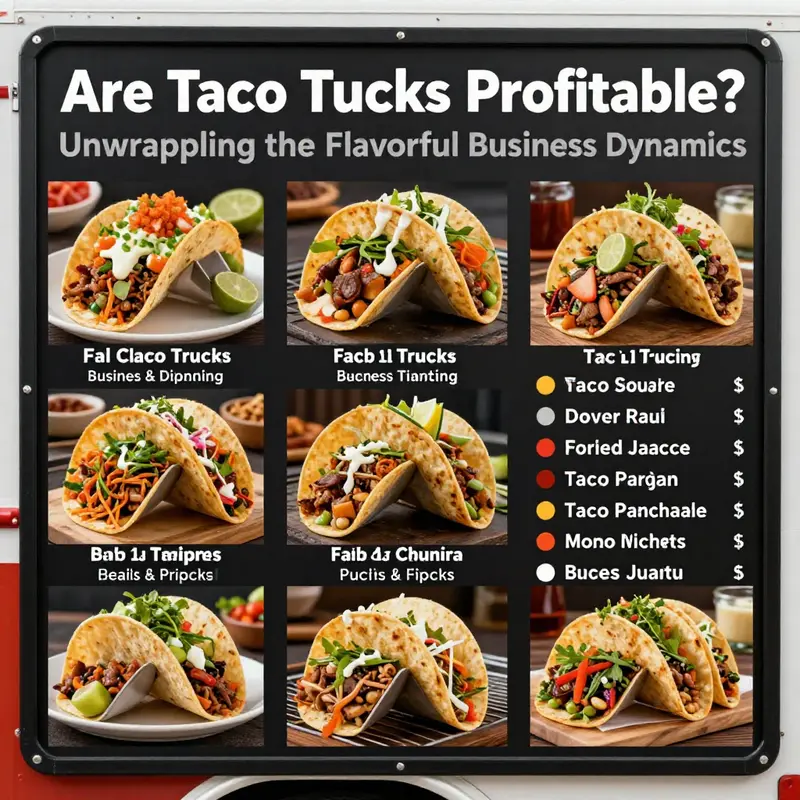
The menu of a taco truck is never just a catalog of food. It is a carefully designed value proposition that shapes sourcing, prep, speed, and even where the truck can best operate. In vibrant culinary hubs where options abound, a menu that signals authenticity while maintaining clear price points becomes the primary engine for daily traffic and steady repeat business. A well crafted lineup communicates confidence to passersby and promise to festival-goers that what they order is worth the line, the price, and the wait. The chapter that follows treats the menu as a strategic asset, one that aligns with the broader goal of profitability by balancing perceived value, ingredient quality, and efficient execution.
Authenticity sits at the heart of menu strategy. Customers are not just buying a taco; they are buying a story they can trust. To translate that trust into repeat orders, trucks must prioritize authenticity and flavor consistency across every cook time and batch. This means sourcing premium ingredients and handling them with care. Slow braises, like beef shoulder that benefits from long, patient simmering, or al pastor marinated with traditional spices, anchor the menu in flavors customers associate with care and tradition. Where possible, using fresh, locally sourced produce reinforces that narrative and justifies pricing that places a premium on quality. The narrative itself becomes a form of value communication, especially when the truck can point to specifics like in house slow cooking or daily hand made tortillas. It is not only the taste but the transparency of care that builds trust and positions the truck as premium yet approachable.
Pricing strategy on the menu cannot be an afterthought. It must reflect both the cost of goods and the speed at which service can be delivered. In dense markets like Austin and other urban centers, customers are willing to pay more for a unique, high quality experience if the value is evident and consistent. This means set points that feel fair, not arbitrary. Psychological pricing, such as pricing items at 6.95 rather than 7.00, can subtly influence perceived value. Bundle offers—a Taco Trio for a single price, for example—deliver a sense of abundance without eroding margins. Seasonal specials also play a crucial role. A summer salsa verde chicken taco, for instance, can create curiosity and drive trial during slower periods, encouraging newcomers to experience the brand while maintaining a healthy profit margin on core items. When pricing, it helps to keep a lean menu but to build one that delivers multiple value pathways: one easy to walk up and order, another that rewards a curious crowd with a slightly elevated experience.
A robust menu tells a story, and storytelling is a powerful driver of loyalty. The most effective menus weave in a sense of heritage, family recipes, or fusion twists that feel rooted in a place yet open to new influences. The words on the menu, paired with consistent execution, convert first time visitors into returning fans. A simple line such as slow cooked beef shoulder, 12 hours in-house, or hand tortilla made daily, can transform a dish from just another option to a trusted choice. This storytelling must be supported by the operation: if the menu promises tradition, the kitchen must deliver the same taste and texture every time, and each item should be feasible within the truck’s workflow. Efficiency and quality reinforce each other here. When a dish is designed to be assembled quickly without compromising flavor, it speeds service, increases table turnover where applicable, and reduces wait times that can frustrate customers during peak hours.
Operational efficiency is inseparable from menu design. A menu that emphasizes a few signature items but presents them in flexible formats can maximize labor utilization and minimize waste. Cross utilization of ingredients means that a handful of proteins, toppings, and sauces can dress multiple tacos and side dishes without creating bottlenecks in prep. Standardized portions and consistent finishing steps translate into predictable plate quality, less time spent rework, and fewer refunds. In this sense, the menu acts as a blueprint for the entire day, guiding what to prep, what to stock, and how to staff for peak periods. It also helps control costs by clarifying exactly what ingredients are necessary for the most popular configurations and which items are best reserved for special events when demand spikes.
The alignment between authenticity, pricing, and speed is especially important when tacos are the centerpiece of a mobile business in a crowded market. A strong menu helps the operator avoid price wars by focusing on value rather than discounting. Customers perceive value not only in dollars saved but in the experience—the clarity of what they are paying for and the confidence that it will taste the same next time. In markets with high foot traffic, the ability to upsell—adding a suggested beverage or a premium topping—can increase average order value without derailing the lean cost structure. It is crucial, however, to maintain integrity in the menu’s core offerings. The most profitable trucks do not chase every trend but selectively embrace ideas that enhance the brand’s authenticity and streamline operations. By limiting the number of items to those that perform well and can be executed consistently, the truck preserves speed and quality, which in turn supports healthier margins.
The numbers tell a story that aligns with this approach. Industry analyses from 2026 indicate that profit margins for well managed taco trucks typically fall between 30 and 50 percent, depending on food costs and overhead. That range depends on thoughtful menu design as much as on location and traffic. A balanced menu that blends high demand items with premium, story-driven options allows for flexibility in pricing while keeping the average cost of goods sold within a tight band. In practical terms, this means that a truck can maintain competitive prices in a busy area and still protect margins when demand spikes through events or festivals. The key is to track performance at the item level, identify which dishes carry the strongest perceived value, and adjust the mix as costs shift or as consumer preferences shift. The menu then becomes a living instrument, not a static list, able to respond to market signals without losing the brand’s core identity.
For operators exploring the blueprint of a successful mobile food business, the menu is a critical starting point. It defines what customers will expect, how quickly they will be served, and how the business will scale across locations and events. The right combination of authentic flavors, transparent sourcing, strategic pricing, and streamlined execution creates a powerful cycle: superior taste drives demand, clear value sustains loyalty, and efficient preparation preserves margins. This cycle is the backbone of profitability in a sector where location, traffic, and events can shift from week to week yet a well designed menu offers consistency and resilience. Those who master this balance often find that a thoughtfully engineered menu is not just a list of offerings but a lever that can elevate overall profitability of the taco truck operation.
As one navigates the path from concept to cash, the menu should be treated as the most visible sign of the business philosophy. It should invite curiosity while delivering on promise. It should tell a story that resonates with local palates and reflect a commitment to quality that customers can sense in every bite. The best taco trucks translate this philosophy into a menu that is as easy to order as it is delightful to eat, and in doing so, they convert quality into profit without compromising the very thing that drew customers in the first place. For those seeking a practical starting point, the broader blueprint of menu design and profitability often intersects with the decision on where to operate and how to market. See Choosing the right food truck for a broader perspective on building the foundation that supports this menu strategy, and consider how the menu can reinforce that choice. https://fireduptacotruck.com/choosing-the-right-food-truck/
External resource: For a broader view of how Austin style and storytelling drive taco appeal in mobile dining, see the comprehensive coverage of the best tacos in Austin strictly from food trucks at the Austin Chronicle.
null
null
Scaling for the Long Haul: Building a Profitable, Sustainable Taco Truck Operation
Scaling for the Long Haul: Building a Profitable, Sustainable Taco Truck Operation
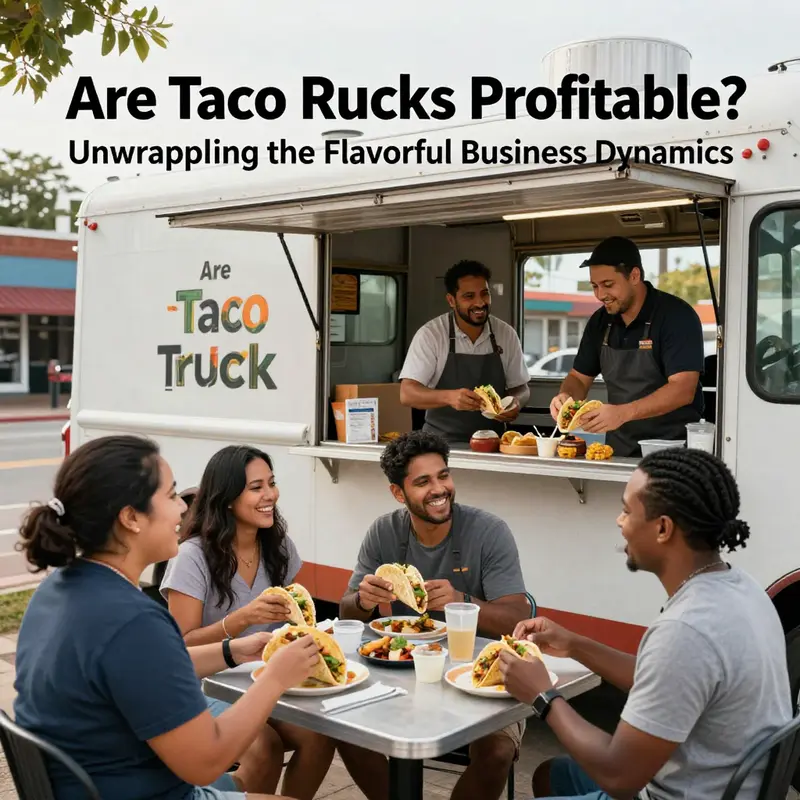
Sustainable growth for a taco truck begins with sharpening what already works. Expansion that outruns operational capacity erodes margins and damages reputation. A reliable foundation—consistent food quality, tight cost control, and fast service—creates the margin and goodwill needed to add trucks, enter new neighborhoods, or book larger catering contracts.
Operational efficiency is the backbone of scale. Inventory management must move from ad-hoc ordering to predictable cycles. Track ingredient turnover, set par levels, and reorder on triggers. This cuts tie-up in perishable stock and reduces spoilage. Simple portioning tools and standardized recipes keep food costs stable and make training faster. Waste audits, done weekly, reveal where losses occur and where suppliers or menu tweaks can lower costs.
Service quality drives loyalty, and loyalty powers repeat sales. Speed, friendliness, and accuracy matter most. Train staff to execute a tight service flow: greet, take order, confirm, prepare, and deliver. Cross-train employees so one team handles front-of-window tasks without leaving the line idle. During peak windows, a single missed order can ripple into long waits and lost customers. Staff cadence should be practiced and measured.
Technology multiplies small teams. A cloud-based POS captures sales, simplifies taxes, and logs item-level performance. Integrating payment and loyalty into that POS lets patrons collect rewards automatically. Mobile ordering smooths peak surges by letting regulars place orders before arrival. Use POS data to forecast busy days, plan prep volumes, and staff accordingly. When possible, leverage analytics for simple cohort marketing: send offers to weekday lunch regulars or students who visit in the afternoons.
Loyalty programs should be low-friction and focused. A punch-card app or integrated loyalty through payment systems encourages repeat visits. Offer meaningful rewards, not token discounts. Personalization increases effectiveness—reward frequency with a free side after five purchases, or offer a birthday special. Loyalty data becomes an asset: it shows repeat frequency, average ticket, and peak behavior. That data should inform menu tweaks and targeted promotions.
Durable vehicles are an investment in uptime and consistency. Enclosed, insulated trailers or purpose-built units protect gear and inventory from weather and theft. They also make it possible to integrate refrigeration, dedicated cooking stations, and structured storage. While the upfront cost is higher, a reliable vehicle reduces downtime and expensive emergency repairs. A thoughtful equipment layout speeds service and reduces staff errors.
Maintenance is growth insurance. Preventive schedules for refrigeration, exhaust, water, and generators minimize unexpected closures. Document maintenance tasks and intervals, and keep a repair log to spot recurring issues. If using alternative drivetrains or conversions, follow specialized maintenance regimes to protect warranties and avoid service interruptions. Good maintenance extends life and preserves resale value when it’s time to trade up.
Location strategy should shift from opportunistic to strategic as you scale. Map foot traffic, target verticals, and diversify your location portfolio. A mix of office-district weekdays, community evenings, weekend festivals, and booked events reduces revenue volatility. For predictable lunchtime revenue, secure a recurring spot near offices or campuses. For spikes in visibility and higher margins, rotate into festivals and private catering. Route planning should optimize for fuel, time, and ticket potential.
Multiple revenue streams stabilize cash flow. Catering, office delivery, event bookings, and pop-ups at breweries or markets increase weekday and weekend revenue. Each stream has different operational demands—catering needs advance prep and different packaging, while festivals require scaled staffing. Build modular prep systems so you can toggle between service models without disrupting core street-service operations.
Staffing and culture scale with SOPs. Document standard operating procedures for prep, service, cleaning, and safety. Use checklists to onboard new staff quickly and consistently. Encourage a culture where feedback is routine and customer comments are logged and addressed. Empower frontline workers to resolve small customer issues; quick fixes avoid negative reviews and keep loyal patrons returning.
Metrics guide expansion decisions. Monitor food cost percentage, labor percentage, average ticket, daily cover count, and repeat rate. Track downtime hours and maintenance costs per mile. A consistent set of KPIs makes it clear when a second truck can be profitable and when it would cannibalize an existing route. Use break-even analysis for each new location or event type before committing capital.
Brand and community ties compound value. A clear brand identity—rooted in flavor, service speed, or cultural authenticity—creates word-of-mouth traction. Participate in neighborhood events, sponsor local gatherings, and partner with complementary vendors. Community engagement turns occasional customers into advocates who recommend the truck to coworkers and friends.
Finance growth sensibly. Reinvest early profits into vehicle upgrades, staff training, and marketing. Consider leases or low-interest loans for additional trucks to preserve working capital. Keep an emergency fund equivalent to several weeks of operating expenses. Financial discipline keeps margins healthy and avoids desperate decisions during slow months.
Finally, get tactical about scaling pace. Start by optimizing a single unit until margins and systems are predictable. Pilot a second truck on a limited schedule to test staffing, logistics, and brand transferability. Use the lessons to refine SOPs, tech integrations, and maintenance plans before wider rollout. Sustainable expansion is iterative, not instantaneous.
For a practical blueprint on scaling operations—beginning with refining existing processes, exploring new revenue streams, and adopting the right technology—see this industry guide: https://www.linkedin.com/pulse/how-scale-food-truck-business-2025-james-smith/.
For help choosing the right vehicle that matches your growth plans, consult a focused guide on selecting equipment and layouts: Choosing the Right Food Truck.
Final thoughts
Navigating the vibrant world of taco trucks showcases a profitable potential if executed with knowledge and skill. By strategically analyzing location demand, maintaining a keen grasp of financial dynamics, curating a quality-driven menu, employing flexible mobility, and fostering long-term customer loyalty, taco truck operators can establish a flavorful footprint in the culinary scene. As the aroma of sizzling tacos fills the air, so too does the sweet scent of success for those willing to embrace the challenges and joys of mobile dining. Your taste for adventure may well lead you down the path to taco truck profitability.