
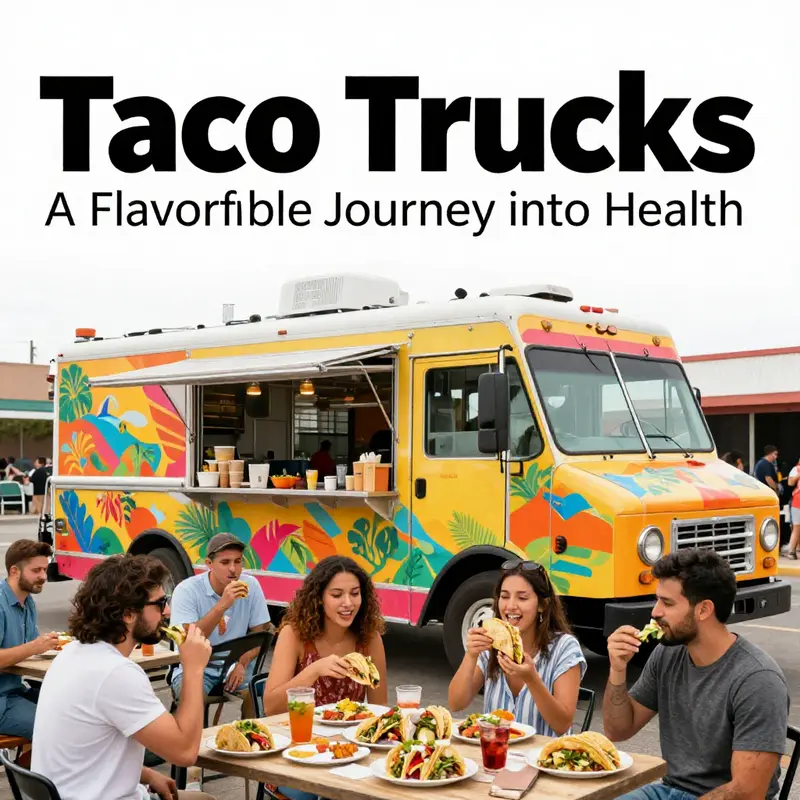
When you’re in the mood for a burst of flavor and an array of culinary delights, taco trucks often come to mind. These mobile eateries are loved for their vibrant offerings that can tantalize any palate. But how healthy are the options within those tantalizing tortillas? Are taco trucks merely vessels for indulgence, or can they also be the champions of balanced meals? This article dives into the health spectrum of taco trucks, examining both sides of the coin. From exploring nutritional insights to uncovering the hidden pitfalls in certain offerings, we journey through varied ingredient quality and regional influences. Ultimately, we equip you with practical tips for making healthier choices, ensuring your next taco truck adventure leaves you feeling satisfied and energized.
Balanced Bites on the Street: A Nutritional Look at Taco Trucks
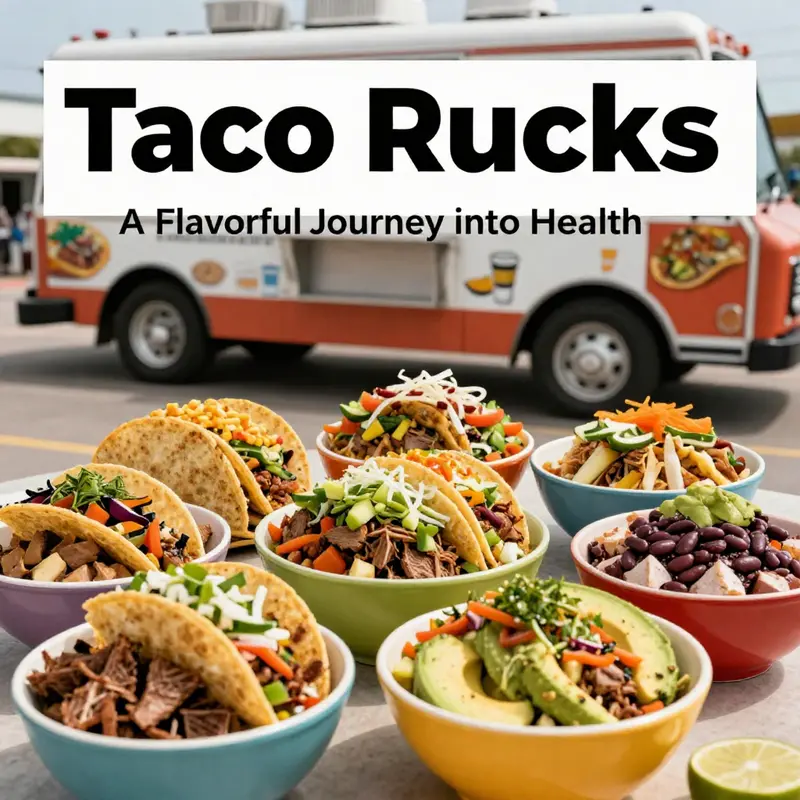
Taco trucks line city blocks with color and aroma, turning lunch or late-evening hunger into a ritual of choice. The common perception that street food equals indulgence remains powerful, yet the reality on many curbside menus is more nuanced. When you look past the sizzling pans and the crowd around the windows, you begin to see a pattern: healthful options are not an afterthought but a deliberate part of the menu strategy. The question of healthiness is not about a single item but about the pattern of choices a diner makes within a given truck’s offerings. In this sense, a taco truck becomes less a source of guilt and more a platform for balanced eating when it leans into fresh ingredients, portion control, and practical substitutions.
Healthful menus around town share several core traits. They feature lean proteins such as grilled chicken or fish, not fried preparations, as the backbone of a meal. They rely on beans—black beans or pinto beans—that add fiber and texture without a heavy grease load. They present whole-grain or corn tortillas that emphasize fiber and slower digestion compared to refined flour. They pile on the vegetables, from crisp lettuce and tomatoes to peppers, onions, and cilantro, to deliver vitamins, minerals, and a satisfying crunch. They also showcase house-made or lightly processed components, like tortillas prepared in small batches, salsas prepared with fresh herbs, and sauces kept to a minimum in fat and sugar. This is not nostalgia dressed up as nutrition; it is a practical approach to delivering flavors while aligning with contemporary nutrition norms that favor whole foods, plant-forward options, and thoughtful fats.
A key strength of many taco trucks is the build-your-own model. By allowing diners to choose protein, beans, vegetables, and toppings, vendors empower customers to shape meals around personal needs. For someone watching calories, it’s possible to opt for a lean protein, add fiber-rich beans, and limit cheese, heavy sauces, or fried toppings. For others, the same framework accommodates plant-based preferences by offering bean-forward fillings, avocado, and a spectrum of fresh vegetables. The opportunity here is not simply better choices but better communication. When menus clearly label which items are grilled rather than fried, which tortillas are whole-grain, and which salsas are lower in sodium, customers can make informed decisions quickly. In practice, this can translate into a meal that delivers satisfaction without compromising dietary goals over the course of a day.
Sodium control emerges as a quiet but decisive factor in judging the healthfulness of a taco. Sauces, toppings, and salsas can add salt in stealthy ways, especially when portions are generous. The same batch of salsa that brightens a taco may also deliver a flood of sodium when used liberally. Fortunately, many operators adjust by offering low-sodium or homemade salsa options that preserve flavor without overwhelming salt. For listeners who monitor salt intake, asking for sauces on the side, or choosing toppings that are naturally lower in sodium, becomes a simple yet effective tactic. It’s a reminder that the healthfulness of a meal often rests in the details of how ingredients come together rather than in any single component.
The bean options deserve special mention. Black beans and pinto beans not only add texture and protein but also boost fiber, which supports satiety and digestion. Choosing these over refried beans, which may be fried or prepared with added fats, can tilt the meal toward a more favorable fat profile and steadier energy release. This choice is not about dogma but about how a single substitution—opt for beans with more natural preparation—can influence the overall nutrient density of the plate. When combined with vegetables and a modest portion of lean protein, beans help create a balanced plate that can stand up to long workdays and late-night shifts without tipping into excess.
Balance is not only about what you eat but also what you drink and how you pair items. A fresh fruit cup or a small serving of unsweetened iced tea can complement a taco meal without the sugar load of sodas. Hydration matters, too; water remains the simplest and most effective choice for most people who want to support their daily hydration goals. In the context of a busy street-food environment, where flavor can be bold and satisfying, these small substitutions become practical levers for health. The goal is not to constrain pleasure but to weave nourishment into the experience so that a quick bite becomes part of a thoughtfully composed day rather than a standalone indulgence.
Portion size is an ongoing conversation in the world of taco trucks. Some trucks offer generously sized entrees that are tempting because of the sheer abundance of protein and toppings. Others emphasize lighter builds, perhaps with smaller tortillas or a focus on vegetables as the dominants rather than dense protein. The spectrum is wide, and that is precisely why mindful choice matters. If the goal is a lighter meal, a cue can be to reduce the starch component or to lean into vegetable-forward fillings, while still enjoying the texture and zing of a well-seasoned taco. In many cases, the most satisfying meals come from choosing a lean protein with a hearty veggie load, paired with a tortilla that provides enough structure without excessive carbohydrate carry.
The cultural and culinary dimension of taco trucks also informs health, sometimes in surprising ways. The street-food ethos invites improvisation, seasonal produce, and local flavors. Vendors often experiment with house-made tortillas, roasting vegetables on a spinning grill, or finishing dishes with fresh herbs rather than heavy butter sauces. This culinary creativity can align with nutrition goals when the focus remains on fresh ingredients and careful cooking methods. The result is a menu that honors tradition while embracing modern sensibilities about portion control, plant-forward ingredients, and flavor-packed, low-fat profiles. The best trucks cultivate trust with regulars by being transparent about cooking methods, sourcing, and any potential allergens or high-sodium components, which helps diners make choices that align with their personal health plans.
To translate these observations into a practical approach, readers can adopt a simple mindset when approaching a taco truck. First, survey the protein options and opt for grilled items rather than fried. Second, choose tortillas that are whole-grain or, if available, corn varieties with higher fiber content. Third, load up on vegetables—lettuce, tomatoes, onions, peppers, cilantro, radishes—so the plate feels substantial without adding excessive calories. Fourth, choose beans as a filling or side to boost fiber and protein without saturated fat. Fifth, be selective with cheese and heavy sauces; request them on the side if possible, and use them sparingly. Sixth, read the menu for clues about preparation methods—words like “grilled,” “roasted,” or “steamed” signal healthier possibilities than “fried” or “creamy.” Finally, pair the meal with water or unsweetened tea to avoid unnecessary sugars and to support overall hydration.
The practice of management and consumer education matters as well. If a truck offers clear ingredient lists or a brief note about cooking methods, that transparency helps diners align meals with their health goals. In communities where street food plays a central role, this transparency can foster a culture of informed eating without sacrificing the joy and immediacy of a quick, flavorful meal. The healthfulness of these meals, then, becomes a dialogue—between cook and customer, between tradition and nutrition science, and between the desire for convenience and the need for nourishment.
For readers who want to explore more about how health-oriented thinking intersects with mobile cuisine, a broader view from food-truck culture and its nutrition-conscious evolution can be found in industry reflections and food-writing communities. FireUp Taco Truck blog offers perspectives on how operators adapt menus, source ingredients, and design offerings that honor flavor while still accommodating dietary preferences and health considerations. This reference is not a prescription but a lens through which to understand the ongoing negotiation between speed, shine, and sustenance on crowded streets.
In sum, taco trucks can be a partner to a balanced diet when customers approach menus with curiosity and a plan. Lean proteins, hearty vegetables, fiber-rich beans, and careful management of fats and sodium create meals that satisfy cravings without derailing nutritional goals. The rhythm of street food—fast, flavorful, and community-centered—need not collide with a healthful lifestyle. Instead, it can enrich it, offering occasional indulgence in the context of thoughtful choices and mindful portions. The key lies in recognizing that healthiness is not a single dish but a pattern of decisions—choice, preparation, and pairing—that can be practiced in the moment and carried forward into daily life.
External resource: CDC Healthy Eating https://www.cdc.gov/healthyweight/healthy_eating/index.html
Beyond the Sizzle: Reframing Unhealthy Narratives in Taco Truck Offerings and the Quest for Healthier Streets
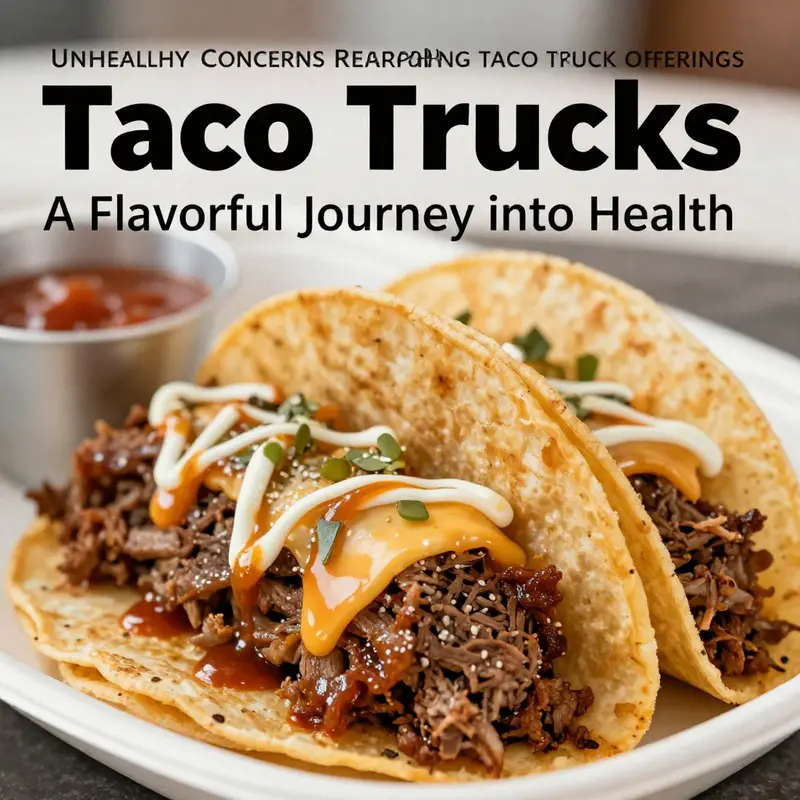
The sizzle of a taco truck draws crowds and feeds appetites, but health considerations rarely share the spotlight with flavor, speed, and price. For many urban dwellers, these portable kitchens are a practical staple, offering quick meals that fit into busy days. Yet the same street-based appeal that makes tacos so beloved also fuels concern among nutrition researchers, policymakers, and health advocates. The chorus of worry centers on the nutritional content of many offerings when frequently consumed: calories that accumulate with generous portions, saturated fats from fried meats or highly processed cheeses, and sodium levels that can blur into daily thresholds. In this uneasy balance, tacos become more than a meal choice; they become a reflection of broader food-system dynamics that shape how people eat in city neighborhoods, especially where fresh options are scarce and convenience matters. The urban taco truck scene thus sits at a crossroads, inviting both critique and opportunity as communities seek to align cultural vibrancy with healthier eating patterns.
The concerns are not merely theoretical. In many cities, the trucks are popular with younger consumers who prize bold flavors and novelty. They offer a menu that is easy to customize, but customization can work in two directions: it can amplify healthful choices when customers steer toward lean proteins, vegetables, and whole grains; or it can magnify risk when those same customers opt for fried components, refined carbohydrates, and heavy sauces. The problem, in part, lies in the visibility of what goes into a dish. A single taco may seem modest—until you realize that multiple tacos, plus a starchy side or a high-sodium salsa, add up. This dynamic matters most in neighborhoods where affordable, quick meals are a daily norm and where residents rely on mobile vendors as one of the few accessible food sources. The result can be a pattern of dietary intakes that contribute to long-term health issues, including obesity, type 2 diabetes, and heart disease, especially when meals are consumed regularly rather than occasionally.
Policy researchers have begun to grapple with these realities by examining how regulatory and economic levers can tilt the balance toward healthier mobile options without eroding cultural authenticity or affordability. A growing body of work, including studies published around 2021, suggests that cities can reduce health disparities by creating incentives for mobile food operators to offer more nutritious choices. Programs that provide grants, reduce permit fees, or offer public marketing support for vendors who adopt healthier menus have shown promise in improving community health outcomes while preserving the mobility and vitality of the food-truck ecosystem. These initiatives recognize that healthier options can coexist with the social and economic vitality of street food—if supported by thoughtful policy design and a recognition of the operating realities that trucks face, such as time pressures, ingredient costs, and the need to appeal to broad palates.
On the culinary front, progress is not merely about removing unhealthy choices; it is also about elevating the ways in which food is prepared and presented. Some forward-looking taco trucks are exploring innovative cooking methods that can maintain or even enhance flavor while reducing undesirable fats and calories. Sous-vide, for example, offers a controlled, gentle approach to cooking proteins, helping to preserve moisture and tenderness without resorting to heavy frying oils. When paired with careful use of healthier oils and controlled fat, this technique can yield dishes that satisfy cravings without tipping the scale toward excess calories. Others are turning to house-made tortillas, fresh seasonal vegetables, and shorter ingredient lists that limit processed components. Locally sourced, organic ingredients are increasingly common in the more adventurous corners of the mobile scene, aligning flavor with a sense of transparency about where food comes from. These shifts signal more than a trend; they reflect a broader cultural movement toward sustainability, community health, and accountability in what ends up on a plate.
The conversations around nutrition and taco trucks also intersect with questions of equity. In low-income neighborhoods where access to fresh, affordable options is often constrained, street vendors can be a lifeline, offering meals that are less costly and more accessible than some conventional sit-down dining options. In these contexts, the potential health impact of tacos is amplified: improving the nutritional quality of what is offered can have meaningful ripple effects on families and neighborhoods that rely on these trucks for a substantial portion of their meals. The challenge is to design incentives that encourage better choices without increasing costs to the point of pushing people toward higher-priced alternatives or away from street food altogether. In this sense, healthier taco offerings are not merely a matter of personal choice but a matter of urban food policy that must acknowledge economic realities, cultural identity, and the demand for convenience.
Another layer of complexity lies in how customers perceive health in the context of a flavorful tradition. The appeal of tacos often lies in ingredients that celebrate regional heritage—grilled meats, vibrant salsas, and color-rich toppings that stimulate appetite and conversation. Steering away from healthier options can feel like erasing a cultural practice; conversely, embracing healthier choices without sacrificing flavor or authenticity requires careful menu design, thoughtful sourcing, and clear communication about preparation methods. It is here that a practical, customer-facing approach matters most: menus that clearly delineate lean protein options, whole-grain bases, and vegetables, along with transparent notes about added fats and sodium, empower consumers to make informed choices without feeling constrained by a stereotype of healthful eating being at odds with street food culture.
Within this evolving landscape, health advocates emphasize the importance of build-your-own formats and menu labeling as tools to guide behavior. A build-your-own approach can become a powerful everyday nutrition strategy when coupled with accessible options—grilled chicken or fish, black beans, brown rice, avocado, and an array of fresh vegetables—so that diners can assemble meals that align with dietary goals. The concept aligns with broader trends toward personalization in nutrition, where individuals are empowered to curate meals that fit their needs, tastes, and budgets. Yet this empowerment must be supported by affordability and clarity; if the healthiest toppings come with premium prices or confusing nutrition information, the impact may be limited. The effectiveness of such strategies rests on a combination of price parity, clear labeling, and a culture of openness about ingredients and preparation methods.
For readers who want to explore this dimension through a practical lens, some resources highlight how a creative, health-forward approach to mobile dining can thrive. In particular, the fusion-driven, culinary-reinventive trajectory of some trucks demonstrates that healthful options can be woven into exciting, culturally resonant menus. To dive deeper into this broad trend, you can explore this piece on food-truck fusions—a culinary revolution. The discussion there situates healthier menu design within a broader conversation about innovation, accessibility, and flavor that resonates with both long-standing street food traditions and contemporary nutritional expectations. This thread—where culinary creativity meets nutrition—helps explain how healthier choices can be part of the everyday, not a distant ideal.
Yet even as innovation and policy progress offer pathways to healthier mobile meals, the reality on the ground remains nuanced. Some trucks continue to rely on ready-made sauces, pre-packaged ingredients, and cooking methods that emphasize speed and cost over nutrition. In dense urban corridors, where competition is fierce and margins are tight, the temptation to cut corners can be strong. The result is a spectrum: from trucks that boast lean proteins, whole grains, and vibrant vegetable toppings to those that offer high-sodium sauces and fried components that undermine nutritional intentions. Acknowledging this spectrum is essential for a fair assessment of the healthiness of taco trucks. The label should be applied with care, recognizing that health outcomes depend not on a vehicle itself but on the choices made within its kitchen, the supply chain behind its ingredients, and the economic and cultural context in which it operates.
For policymakers and advocates, the imperative is to retain the cultural vitality of street food while elevating the baseline nutrition of the offerings. Programs that encourage nutritious choices—without compromising affordability or speed of service—can help ensure that taco trucks contribute to healthier urban food environments rather than detract from them. The evidence base is still growing, but the direction is encouraging: public support, when paired with vendor innovation and transparent communication, can expand the menu of healthy options available to city residents. In practical terms, this means that a person’s decision about whether tacos are healthy is less about a fixed label attached to a truck and more about the menu items chosen, the methods used to prepare them, and the context in which they are consumed.
Those who want to see how these dynamics play out in real life can look at how some trucks describe their cooking processes and ingredients. The more openly a vendor communicates about grilling versus frying, the use of fresh vegetables, and the choice of grains, the more readers can gauge the potential healthfulness of a meal. This transparency matters not only for health-conscious consumers but also for communities seeking to build trust with the street-food ecosystem. It is about turning a quick, portable meal into a consistent, understandable option that supports healthier daily eating patterns without erasing the cultural richness of street food.
As readers consider the health implications of taco truck meals, it is useful to keep in mind that health outcomes hinge on choice as much as context. When a customer selects lean proteins, a generous helping of vegetables, and a whole-grain base, the result can be a satisfying, nutrient-dense option. When choices skew toward fried components, dense sauces, and large portions, the same meal can contribute to the daily intake of calories and sodium at a concerning level. The essential point is not to vilify taco trucks but to recognize that their health impact is variable and highly dependent on menu design, preparation methods, and consumer decision-making. In this sense, the healthfulness of taco trucks is a dynamic quality—one that can improve with thoughtful policy, clear information, and a shared commitment to offering flavorful, affordable, and nutritious meals on the go.
For readers seeking a broader context on how policy and innovation shape healthier mobile food environments, see Health Affairs. The ongoing conversation about incentives, transparency, and sustainable sourcing offers a roadmap for cities aiming to support healthier meals without sacrificing the cultural and economic value of street food. And for those who want to explore how culinary creativity can intersect with nutrition in the mobile food space, the linked article on food-truck fusions—a culinary revolution provides a thoughtful lens on how new approaches to flavor and technique can coexist with healthier options. As the chapter that follows will explore other dimensions of the taco-truck conversation, the takeaway remains clear: tacos can be healthy, but realizing that potential requires attention to what’s on the menu, how it’s prepared, and the structures that help sustain healthier choices in urban neighborhoods.
Quality at the Curb: How Ingredient Sourcing Shapes the Health Profile of Taco Trucks
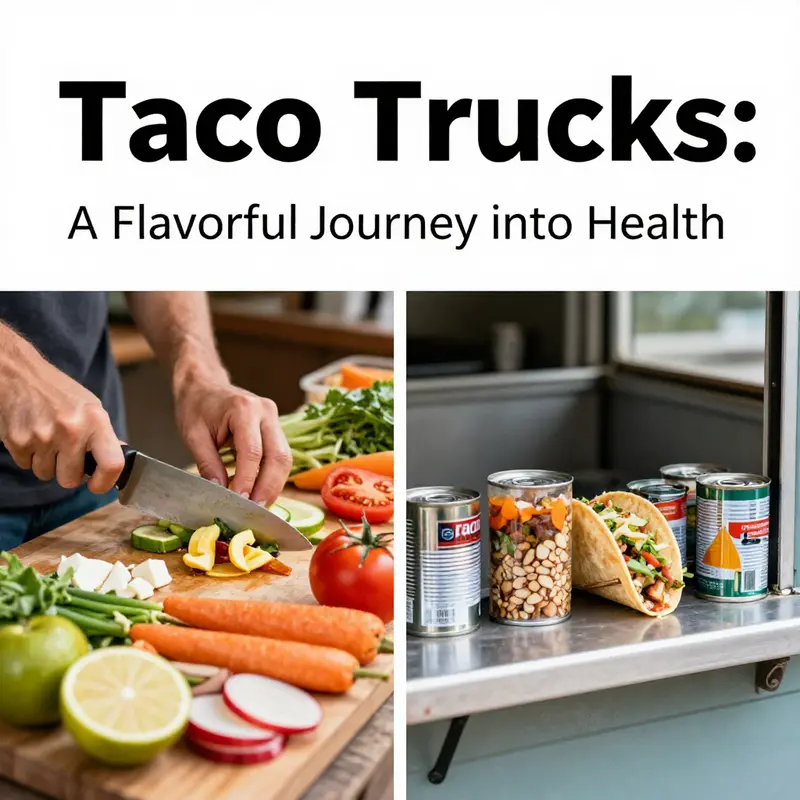
The curbside allure of a taco truck often lies in its immediacy, intensity of flavor, and the freedom of choosing from a rotating cast of fillings. Yet behind every tasty bite sits a hidden ledger of choices about where ingredients come from and how they are treated before they reach the grill. When assessing whether taco trucks are healthy, the most consequential factor is not merely the technique of cooking or the presence of vegetables, but the quality of the ingredients themselves and the methods by which they are prepared. In practice, the healthfulness of a meal from a taco truck sits on a spectrum shaped by sourcing, processing, and cooking, with room for both nutrient-rich options and decidedly indulgent ones. This chapter follows that thread, tracing how the quality of what goes into a taco truck dish translates into the nutrition on the plate and the potential implications for daily dietary patterns. It is a narrative that weaves together the tangible realities of street-level procurement with the evolving ambitions of vendors who seek to offer healthier choices without sacrificing the speed and excitement that define mobile food.
At the core of healthier offerings is ingredient quality. Taco trucks that prioritize fresh, local, and even organic components tend to assemble meals with a more favorable nutritional profile. When the protein comes from well-raised sources and the vegetables are bright, seasonal, and minimally preprocessed, the resulting dish often supplies more protein per gram of fat, more fiber, and a wider range of micronutrients. Whole grains, such as brown rice or other minimally refined bases, elevate the fiber content and slow digestion in a way that supports steadier energy release after a meal. Avocado, leafy greens, tomatoes, onions, peppers, and herbs provide not only flavor and visual appeal but also a spectrum of phytonutrients and minerals that contribute to overall diet quality. In these cases, the menu can feel like a celebration of real food rather than a concession to speed or cost.
Conversely, there is a stark downside when ingredient quality is compromised for convenience or margin. Some vendors, pressed to turn a quick profit, lean on lower-quality inputs, including processed meats, refined carbohydrates, and artificial additives. Ultra-processed foods, typically characterized by additives, preservatives, and high levels of sodium and unhealthy fats, tend to dilute the overall quality of a dish and contribute to a lower diet quality when such options are chosen frequently. The health implications of relying on lower-quality ingredients are not just abstract concerns; they translate into higher saturated fat, sodium, and empty calories in meals that can, accumulate over time, shape taste preferences and dietary patterns in less beneficial directions. In many urban settings, the contrast between trucks that source well and those that cut corners is visible in the texture, aroma, and aftertaste of the meals they serve. The Food and Agriculture Organization has repeatedly underscored the health relevance of ingredient quality, highlighting how the type of ingredients used can play a decisive role in long-term health outcomes. This isn’t about demonizing street food; it is about recognizing that healthy choices are best supported by transparency about sourcing and a commitment to quality that stands up to the relentless pace of service.
Preparation methods add another layer of consequence. Even when ingredients are high quality, how they are cooked can swing a dish toward healthiness or toward excess calories and fat. A growing body of research, including findings from 2025, notes that cooking techniques that integrate healthy fats in thoughtful ways can influence satiety and the body’s hormonal responses related to hunger and digestion. For example, lipid-enriched cooking methods may enhance feelings of fullness and modulate starch digestion by affecting gut hormones such as GLP-1 and ghrelin. This suggests that a well-composed taco that uses healthy fats appropriately can actually support portion control and more balanced blood sugar responses, especially when paired with high-fiber vegetables and whole-grain bases. But the same principle applies in reverse: when fats are added indiscriminately or when cooking greases are reused, the meal can become energy-dense without a corresponding boost in essential nutrients. The nuance here matters for consumers, because it means choosing not just what you eat, but how it is prepared, can meaningfully influence the health impact of a taco truck meal.
For consumers, the implication is clear: seek vendors who are transparent about where ingredients come from and how they are prepared. A truck that can articulate its sourcing—whether it relies on locally grown vegetables, responsibly raised meats, or house-made components like tortillas and salsas—is signaling a dining option with more predictable nutrient content. Transparency supports healthier decision-making because it converts guesswork into informed choices. When a truck can point to a supply chain that minimizes the use of ultra-processed additives and emphasizes whole, recognizable ingredients, diners gain a practical framework for selecting meals that align with their nutrition goals. The same logic applies to cooking methods: if a truck highlights grilling over heavy frying, or if it emphasizes sauces and toppings that are heavy in sodium but light in hidden fats, a consumer can weigh trade-offs more effectively. The broader trend in the mobile-food sector reflects this shift toward healthier options, with some vendors experimenting with house-made tortillas, seasonal produce, and cooking protocols designed to preserve natural flavors rather than mask them with excess oil.
Another layer of nuance emerges when considering how the popular “build-your-own” taco model can steer choices toward healthier outcomes. When customers assemble their own combinations, they often exercise greater control over protein portions, carbohydrate bases, and the balance of vegetables. Lean proteins—such as grilled chicken, grilled fish, or plant-based alternatives—paired with ample vegetables and a modest portion of whole grains, can yield meals that feel satisfying while staying mindful of energy density. Low-fat or plant-based cheeses can further tilt the nutrition profile toward balance. However, the benefits of a build-your-own approach hinge on menu design and staff guidance. If the system encourages an abundance of high-fat toppings, fried components, or high-sodium sauces, even a patient consumer can be nudged toward less healthy choices. Vendors who guide customers toward healthier defaults—suggesting smaller tortilla sizes, recommending greens as a base, or highlighting portions and cooking methods in plain language—can empower diners to improve their meals without sacrificing enjoyment or speed.
In practical terms, healthier options at taco trucks often come down to how a truck navigates the tension between tradition and health-conscious innovation. In cities with streat-food cultures that celebrate bright, seasonal produce, cooks can introduce vibrant, nutrient-dense toppings and fresh salsas that add flavor without overwhelming sodium levels. The culinary scene around some urban centers has embraced house-made components—tortillas fashioned from whole grains, salsa made with roaster vegetables, and beans prepared without heavy processing. Such approaches align with broader food-system movements toward sustainability and improved diet quality, signaling that healthy choices can coexist with the authenticity and speed that street food is known for.
To be sure, not every option will be a model of nutrition. It remains essential for diners to read menus carefully and to ask pointed questions about ingredients and preparation methods. Consumers should inquire about whether proteins are grilled or fried, whether toppings rely on processed cheeses or real, flavorful fillings, and whether sauces contain hidden sugars or excessive salt. The willingness of vendors to respond to these questions correlates with a healthier dining environment, because transparency invites accountability and encourages continuous improvement. The industry’s gradual shift toward more sustainable, health-conscious practices reflects an awareness that ingredient quality matters not only for taste but for public health outcomes. The dialogue between customers and cooks about sourcing and technique is, in effect, a negotiation over the health value of the meals served at the curbside.
This evolving landscape is not merely theoretical. It translates into practical, everyday decisions for people who rely on taco trucks as a frequent source of meals. The choice between a high-quality, nutrient-rich option and a less nourishing alternative often comes down to a few simple steps: favor trucks that showcase fresh vegetables and whole grains, opt for lean proteins rather than fried options, and be mindful of sauces and add-ons that can elevate sodium and unhealthy fats. Even small shifts—like choosing a build-your-own option with more vegetables and a smaller base, or selecting a tortilla made from whole grains—can accumulate to meaningful differences over time. For readers who want to explore how the broader food-truck ecosystem is embracing healthier practices, a compelling framing appears in the discussion of culinary evolution in street food culture. In particular, the concept of food-truck fusions—a culinary revolution that blends traditional street flavors with modern, health-forward techniques—captures the spirit of how quality-focused sourcing and cooking can intersect with the vitality and adaptability of mobile cuisine. For readers curious about this trend, see the discussion in Food-Truck Fusions: A Culinary Revolution.
Overall, the healthfulness of meals from taco trucks rests on a triad: ingredient quality, preparation methods, and consumer choices shaped by menu design and vendor transparency. When a truck prioritizes fresh, local, and minimally processed ingredients; employs cooking methods that respect the integrity of foods; and supports diners in making thoughtful selections through clear information, a taco-truck meal can sit comfortably within a balanced diet. The more customers seek out and reward those practices, the more the street-food ecosystem will lean toward healthful, sustainable options without sacrificing the joy, speed, and variety that make taco trucks a beloved feature of urban life. For readers who want a deeper dive into the broader health implications of processed foods and the evidence underpinning these recommendations, the FAO provides a comprehensive resource that expands on these themes. https://www.fao.org/3/ca6789en/ca6789en.pdf
Regional Variations in Taco Truck Health Standards: How Local Codes Shape Nutrition on the Go
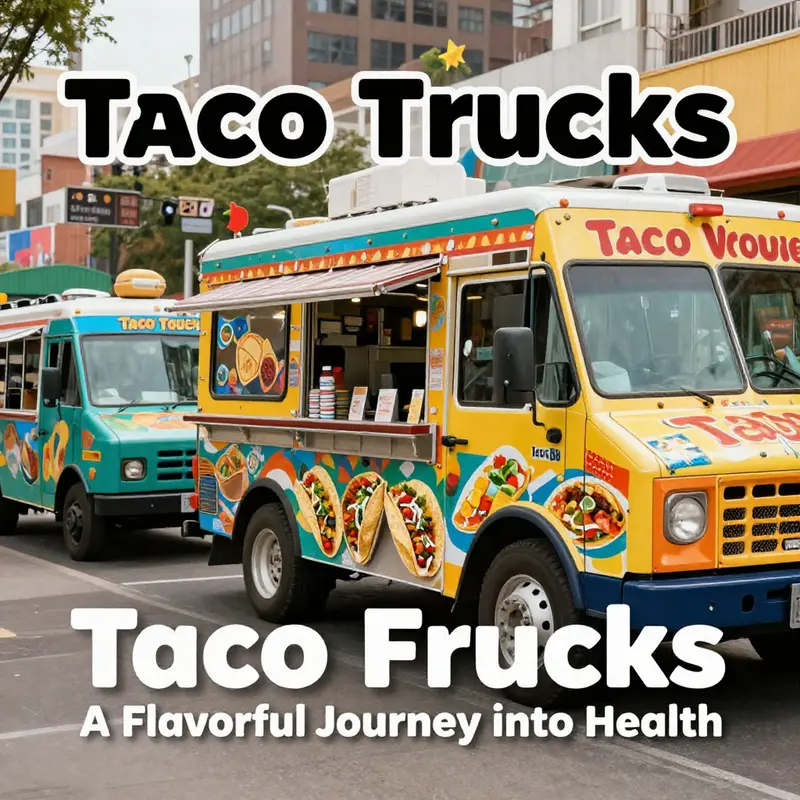
Across the nation, taco trucks operate at the edge of public health rules and culinary improvisation. The question of whether taco trucks are healthy isn’t answered by a single universal standard. Instead, it unfolds in the details of where they operate, which inspectors frequent their stalls, and how their ingredients are sourced and prepared. This chapter traces how regional health standards create a mosaic of safety and nutrition, where the baseline remains constant but the practice varies with the locale. In that variation lies both opportunity and risk: some jurisdictions push for menu elements that emphasize fresh produce and straightforward cooking, while others rely on familiar street methods that can tilt toward richer, saltier fare. The answer to the overarching question, then, depends as much on geography as on the choices a customer makes once a truck doors open.
Core safety principles cross borders and time zones. Regardless of region, taco trucks must manage temperature properly, keep facilities and equipment clean, prevent cross-contamination, and ensure staff wash hands at appropriate times. These are not negotiable; they are the gravity that keeps street food safe. The Food Code issued by federal authorities serves as a blueprint that states and localities adapt to their realities. In practice, that means inspectors look for cold-holding units that stay within safe ranges, hot foods held above safe thresholds, and utensils and surfaces kept free from splash and grime. It also means that the truck’s setup—where raw ingredients are stored, where cooked items are plated, how trash and waste are managed—reflects a chain of custody that begins with sourcing and ends with customer service. In bustling cities with crowded streets and long days, compliance becomes a visible routine, a rhythm that customers may notice only when failures occur, but that operators count on daily. The reach of basic sanitation can feel invisible until a line forms or a kitchen unit fails to perform, underscoring why regional oversight matters in shaping everyday food safety.
In urban centers, the enforcement tenor often appears more stringent and more frequent. Dense populations and high volumes arrange a daily calculus of risk management: more customers can mean more variability in who handles food, more opportunities for cross-contact, and more pressure to squeeze service into tight time windows. These realities prompt municipal health departments to schedule regular inspections and to publish or share inspection scores with the public. A high-score truck becomes a signal of reliability, while repeated violations can trigger corrective actions, recalls, or temporary closures. In contrast, rural or smaller-town settings may experience fewer visits, yet they still uphold the same fundamental rules about temperature control, sanitation, and safe storage. The differences are not about the core science but about the cadence of oversight, the availability of training, and the resources neighbors and vendors bring to bear. Fire safety codes and permitting processes, too, migrate with local building codes and zoning laws, shaping where a truck can operate and how it must be equipped. A truck that moves from one jurisdiction to another often faces a shifting checklist, as what counts as a compliant ladder rack or a fire extinguisher may differ from one corner of the country to the next. These regional variations matter because they influence how a truck’s kitchen is organized, how equipment is used, and how operators plan for lineups and restocking. The practical impact is that some regions cultivate a culture of proactive safety, while others emphasize adaptability within a shared safety framework. For diners, this means a safety net—one that is more visible in some places than others—but the net’s existence is a unifying thread that underwrites trust when foods travel from street to table.
From the healthfulness perspective, the regional backdrop matters because it colors what is typical on the plate. In some districts, there is a cultural and regulatory push toward lean proteins, fresh vegetables, and portion-conscious meals, with a preference for house-made elements that minimize processed ingredients. Street vendors who use grilled chicken or fish, black beans, brown rice, and a spectrum of vegetables can offer balanced bowls or build-your-own tacos that empower customers to control fats and salts. In others, the menu might lean on fried meats, cheese, and abundant sauces, which—while still delicious—can skew toward higher saturated fat and sodium. The regional palate, along with the inspector’s expectations, nudges cooks toward different techniques. A truck might showcase seasonal produce, nimble prep that reduces waste, and tortillas made in-house, which often substitute healthier fats for more refined processing. The urban food scene, especially in cities known for culinary innovation, has also moved toward transparency: menus that offer clear nutrition information or that separate high-fat items from lighter options tend to be better for diners who want to balance flavor with health considerations.
For consumers, regional standards set a floor, not a ceiling. A healthful choice can be found in many regions if shoppers know how to look and what to ask. Lean protein options, grilled rather than fried preparations, generous servings of vegetables, and the option to customize with whole grains or light cheeses can transform what might otherwise be a simple indulgence into a nutritious meal. It helps to approach a taco truck with clear questions in mind: How is the protein prepared? Are the tortillas house-made or mass-produced? Is there a vegetarian or vegan option that emphasizes legumes and vegetables rather than cheese? Are sauces and dressings offered on the side? And what are the portion sizes like for a typical plate or taco? These questions align with a broader habit of mindful street-food dining, where healthfulness emerges from attention to both ingredients and technique. A practical approach is to look for a menu that foregrounds produce and lean proteins, with options to customize sauces and toppings to reduce added sugars and sodium. In regions where public health departments encourage transparency, you may even find visible indicators of dietary options, such as clearly labeled greens or bean-forward dishes that balance flavor with nutrition.
A practical touchstone for those navigating this terrain is the way some operators are structuring their menus to accommodate health-conscious customers while maintaining speed and flavor. For readers who want real-world ideas on how to balance fast service with nutrition, the Fire Up Taco Truck blog offers a range of perspectives born from field experience. The blog often documents adjustments—like swapping in fresh produce, testing different lean proteins, or crafting sauces with less added sugar—that reflect a shared ambition: to keep street food vibrant without sacrificing dietary expectations. For a concise read that translates regulatory awareness into everyday practice, you can explore that accessible resource here: Fire Up Taco Truck blog. This link provides practical examples of how operators adapt to local expectations while pursuing healthier options, underscoring that healthful street food is an ongoing craft rather than a fixed formula.
The regional framework also helps explain why the same dish can feel different depending on where you eat. A traditional street taco in a city with aggressive health oversight might showcase simple, bright flavors with careful portioning and minimal added fats, while a truck in a less regulated environment might rely more on robust seasonings and richer accompaniments that push the dish toward indulgence. The variability isn’t inherently good or bad; it simply mirrors the unevenness of oversight, local supplier networks, and consumer demand across a country that prizes both convenience and culinary expression. What remains steady across regions is the potential for tacos to contribute to a balanced diet when diners choose wisely and when trucks implement consistent, safe cooking practices. The regional backdrop also shifts how supply chains operate: some areas emphasize local harvests, others prioritize shelf-stable components that can be transported with reliability. This influence on ingredients matters because fresh, minimally processed components typically carry fewer hidden fats, sugars, and salts than heavily processed counterparts. The result is a spectrum where healthfulness can rise with region-specific commitments to nutrition, even as safety remains the unifying core.
In the end, regional health standards provide the framework that makes taco trucks a credible option for meals on the go. They set the stage for safe handling, proper storage, and hygienic kitchens, and they establish expectations that customers can reference when assessing a truck’s offerings. They do not, by themselves, define healthfulness, which continues to be shaped by the specific ingredients, cooking methods, portion sizes, and the willingness of vendors to offer lighter, more transparent options. The result is a food-on-wheels ecosystem where health can be part of the conversation, not an afterthought. As communities vary in how they enforce and interpret the rules, so too will the menus reflect local tastes and local values about convenience, flavor, and nutrition. For readers charting the landscape of healthy mobile food, awareness of these regional differences invites smarter choices, a greater sense of the food safety net that underpins street meals, and a deeper appreciation for how public health regulations meet the realities of the road.
External resource: FDA—FDA Food Code 2022: https://www.fda.gov/food/fda-food-code/food-code-2022
Choosing Healthful Tacos on Wheels: A Practical Guide to Making Smarter Taco Truck Bets
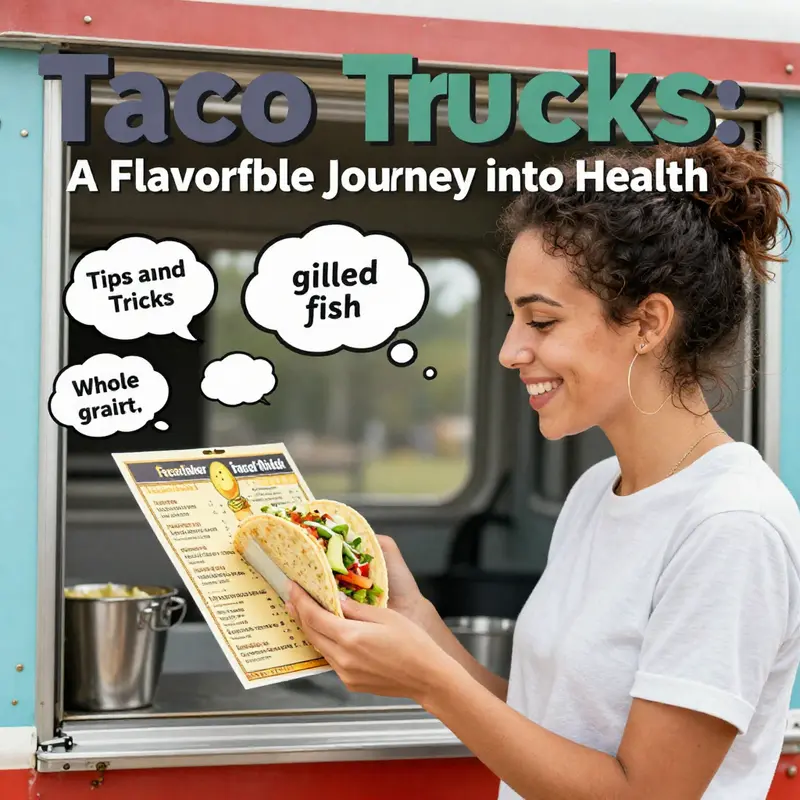
Taco trucks sit at the crossroads of convenience, culture, and culinary immediacy. They offer quick, boldly flavored meals that can capture the spirit of a neighborhood in a single, sizzling tortilla. Yet the healthfulness of what you find on those menus isn’t a given. The initial research framing this chapter notes that the health value of a taco truck meal hinges on three intertwined factors: the specific menu items, the ingredients used, and how those ingredients are prepared. In other words, a street-side kitchen can serve a balanced, nourishing plate as easily as it can deliver a calorie-dense indulgence packed with saturated fat and excess salt. The challenge—and the opportunity—lies in navigating that spectrum with intent. If you approach a taco truck with a flexible, informed mindset, you can enjoy a flavorful, satisfying meal without derailing your health goals.
One of the most reliable anchors for healthier choices is protein quality. Lean proteins—grilled chicken, grilled fish, or plant-based options such as beans—offer the backbone of a meal that supports satiety and muscle maintenance without tipping the scale toward excess saturated fat. Compared with fried or processed meats, these alternatives reduce the intake of unhealthy fats while still delivering the protein your body needs after a busy day or a long workout. The practical upshot is straightforward: when you order, prioritize the grilled or boiled options and treat fried selections as occasional treats rather than regular staples. This simple choice, repeated across multiple meals, has a meaningful impact on overall daily fat intake and the balance of nutrients you receive from your taco selection.
Beyond the protein, a generous helping of vegetables can shift a taco from a tasty snack into a satisfying, nutrient-dense meal. Fresh produce contributes fiber, micronutrients, and volume, which promotes fullness with relatively modest calorie additions. When a truck offers extra vegetables—crisp lettuce, juicy tomatoes, onions, peppers, cilantro, and a few slices of avocado—these additions help fill you up without sending calorie counts skyward. Avocado, in particular, is a nutrient-dense fat source that can elevate the dish’s satiety, but like any fat, it’s best enjoyed in measured portions. The key is not to overlook these produce components at the counter. If you have the option, request extra vegetables or assemble your own build-your-own taco with a focus on produce-first layering, so you can savor the texture and freshness while keeping the meal buoyant with fiber and water content.
Cheese and sauces, while delicious, are the sneaky culprits behind a higher calorie and sodium load. Creamy toppings and salty condiments can transform a lean protein taco into a more indulgent option in a single bite. The healthy approach is to use them sparingly—on the side, or in small amounts—as a flavor accent rather than the main event. A squeeze of lime, a handful of chopped cilantro, a few dashes of fresh salsa, or a dab of pico de gallo can deliver brightness and complexity without piling on fat and calories. If a truck offers lighter cheese options or plant-based cheese, these can be viable substitutes, but portion control remains important. The overarching principle is to keep rich toppings as a secondary note rather than a lead instrument in the dish.
Tortilla choice also matters. White corn tortillas, while traditional, are refined carbohydrates that can spike quick-release blood sugar in some people. If a truck provides whole-grain tortillas or fresh, house-made tortillas, opting for those can raise the meal’s fiber content and overall nutrient profile. An even more dramatic option—if available—is to request a lettuce wrap. A lettuce-shell taco can dramatically cut carbohydrates and calories while preserving the flavors you love through fillings and salsa. This approach can be especially appealing for people who are monitoring energy intake, searching for lighter lunch options, or simply wanting to vary their texture experience without sacrificing satisfaction.
Portion size is another critical variable that often gets lost amid the bustle of a popular truck’s ordering window. Tacos in the street-food world can come in generous sizes, with multiple components stacked on a single tortilla and abundant toppings. The healthful discipline here is to assess portions against your hunger and your daily dietary plan. If you’re with friends, consider sharing one or two tacos and pairing them with a side of salad or steamed vegetables. Even when you crave more, balancing a larger taco with lighter sides or choosing a smaller build can help maintain energy balance over the course of a day or a week. The aim isn’t fragility of appetite but deliberate, mindful portioning that respects your broader nutritional goals.
Beverages often fly under the radar, yet sugary drinks can quickly magnify a meal’s calorie and sugar load. A simple, but surprisingly effective, health move is to skip the sweetened beverages and opt for water, unsweetened iced tea, or infused waters with lemon or cucumber. If the truck offers a low-sugar or caffeine-free option, those can be reasonable choices too. Hydration matters for digestion and satiety, and swapping to non-sugary drinks can make a noticeable difference over the course of a few meals.
Transparency in ingredients and hygiene practices is more than a comfort—it’s a practical signal of quality. A taco truck that clearly lists ingredients or is prepared in a clean, well-organized space is more likely to be using fresh produce and avoiding excessive reliance on pre-packaged ingredients. While many smaller vendors pride themselves on handmade tortillas or house-made salsas, not all menus disclose every detail. In the heat of a busy shift, it’s reasonable to ask a few direct questions: Where do the primary ingredients come from? How are the proteins prepared—grilled, steamed, or fried? Are sauces made in-house or bought pre-made? Most trucks appreciate these questions; they signal that you care about the nourishment you’re choosing and encourage transparent practice. If you’re uncertain, observe signs of cleanliness and organization at the cart, and consider choosing vendors who display a simple, visible commitment to safe handling and freshness.
The appeal of a taco truck is not just the flavor, but the flexibility of choices that allow a diner to tailor a meal. Many vendors now emphasize a build-your-own model, with lean proteins, whole grains, and a selection of fresh toppings that can be assembled with fewer processed ingredients. This approach aligns well with a health-conscious mindset because it invites the diner to dictate the balance of macronutrients and the volume of vegetables. It is also a cue to seek seasonal produce and regional flavors, which can enrich meals with antioxidants and phytochemicals while supporting local suppliers. The result is a more satisfying experience—physically and culturally—because the meal reflects both nutritional intent and the city’s dynamic street-food economy.
These practical choices don’t emerge in a vacuum. They reflect a broader social and economic context in which informal food economies shape what’s available on any given block. In cities where street-food culture thrives, there is often an evolving emphasis on healthier options as consumer demand grows and small operators respond with fresh ingredients and curated menus. The documentary memory of such food systems—how vendors adapt to supply constraints, weather, and customer feedback—helps explain why some trucks lean into lighter recipes while others celebrate indulgence. Reading menus with an eye for lean proteins, fresh produce, and careful portioning becomes more than a health tactic; it becomes a way to participate in a living ecosystem that honors craft, affordability, and community. In a city known for its street-food vitality, this balance is not only possible but increasingly common, as vendors experiment with house-made tortillas, seasonal produce, and minimal added fats.
To navigate this landscape effectively, a few habits can guide a healthier approach without dulling the pleasure of eating street food. First, start with the protein and vegetables. If you can, choose a lean protein and load up on vegetables. Second, treat cheese and sauces as accents rather than anchors. Third, opt for whole-grain tortillas or a lettuce wrap where possible to boost fiber and reduce refined carbohydrates. Fourth, monitor portion sizes and pair meals with a side of greens or a simple salad when available. Fifth, prioritize hydration with water or unsweetened beverages, avoiding the lure of sugar-sweetened drinks. Finally, seek trucks that offer transparency about ingredients and safe handling practices, as these signals correlate with higher-quality, fresher components.
For readers who want to explore practical techniques for healthier eating in informal settings, consider visiting the Fireduptacotruck blog for cooking tips and menu planning strategies that translate well to street-food contexts. The content there can help you translate these general principles into concrete choices when you’re standing in front of a busy window on a warm afternoon. Fireduptacotruck blog
As you apply these ideas, the healthfulness of a taco truck meal becomes less a matter of reputation and more a matter of intentional selection. You can honor tradition while protecting your health by treating a street-food encounter as a chance to practice balance: a protein you can trust, vegetables that satisfy, a tortilla that provides texture without excess starch, and flavors that come alive through fresh herbs, zesty salsas, and bright citrus. The result is not a rigid, prescriptive diet but a flexible, flavorful approach that respects both the culinary moment and long-term wellness goals. This approach also acknowledges the cultural reality of taco trucks as a marketplace of quick ideas, seasonal ingredients, and local ingenuity. It invites a more thoughtful form of fast eating—one that nourishes the body without erasing the cultural value of the street foods many communities have loved for generations.
In sum, healthy options at taco trucks are not rare; they are a matter of preference, preparation, and the willingness to ask. Lean proteins, abundant vegetables, mindful use of cheese and sauces, and a tortilla choice that emphasizes fiber or lower carbs can transform a meal. Mindful portions and wholesome beverages close the loop, while transparency and hygiene reassure us that the ingredients are handled with care. The healthiness of a taco truck meal, then, is less about a universal standard and more about the choices you make within the available framework. If you walk away with one idea, let it be this: a taco truck can be a legitimate, nutritious option when you approach it with curiosity and a few simple rules. The street-food landscape is adaptable, and so are the meals it offers when you demand nutrition without sacrificing flavor.
For readers seeking a broader academic context on informal food economies and urban street markets, a helpful scholarly resource provides a larger frame for these everyday culinary exchanges. See the discussion of informal food economies in American cities for a broader lens on how street vendors navigate supply, demand, and health considerations in rapidly changing urban environments: https://www.jstor.org/stable/10.1086/692567
Final thoughts
In the colorful world of taco trucks, healthiness is a matter of choice among a rich tapestry of flavors and options. With an understanding of what’s available—from the nutritious to the indulgent—you can confidently navigate the many delights these mobile eateries offer. Taking the time to inquire about ingredients and preparation methods will empower you to enjoy a delectable taco experience without compromising health. Whether it’s choosing fresh vegetables, lean proteins, or unique regional dishes, making informed decisions turns taco truck stops into opportunities for flavorful yet nutritious meals. So next time you’re at a taco truck, embrace the array of options and savor the experience of eating well on the go.