
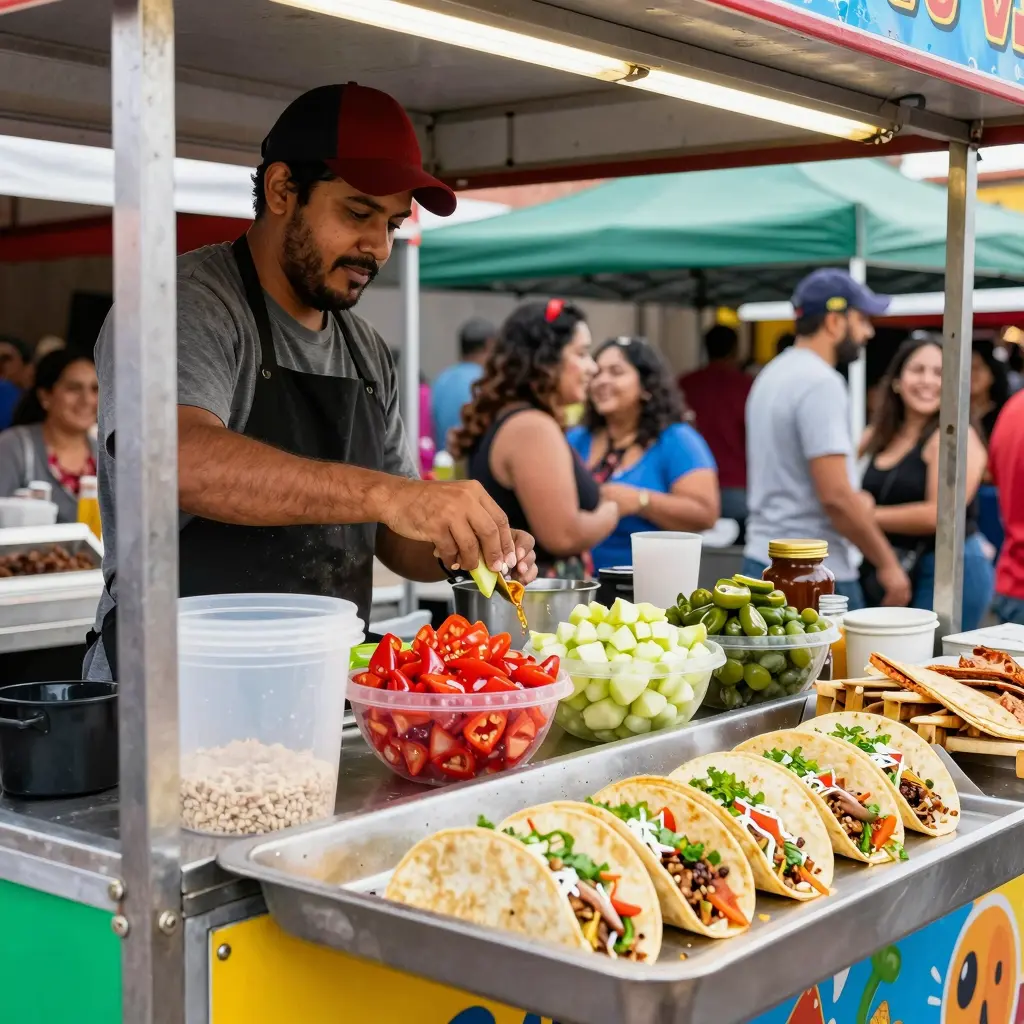
The Rise and Fall of Taco Trucks: Unpacking Taco Truck Paralysis
Tacos-those delightful hand-held wonders bursting with flavor-have captured the hearts and taste buds of food lovers across the globe. Picture yourself standing in line, the tantalizing aroma of grilled meats and spices wafting through the air, all while you eagerly anticipate devouring a fresh taco from your favorite taco truck. These colorful culinary havens have transformed the street food scene, bringing authentic flavors to neighborhoods and bustling events alike. However, the taco truck universe is not without its challenges. Ever heard of ‘taco truck paralysis’? It’s not just a whimsically coined phrase; it reflects the struggles faced by taco truck owners when they encounter hurdles that leave them temporarily immobilized, from financial woes to regulatory roadblocks. Join us as we explore the gripping story of a taco truck that was once vibrant and bustling, now facing the unavoidable reality of paralysis. Discover the reasons behind such setbacks and find out how these hidden struggles could manifest for taco business owners everywhere. Buckle up-this journey through the flavorful yet challenging world of taco trucks is one you won’t want to miss!
Want to learn more about the essentials of running a successful taco truck? Check out our guide on the top food truck models for success!

The Flavorful Origins of Taco Trucks
Taco trucks have become a fundamental part of street food culture in America, especially for taco lovers everywhere! But where did this delicious phenomenon actually begin? The origins of taco trucks can be traced back to the 1970s in California, a time when Mexican cuisine started gaining traction in the United States.
Initially introduced through mobile food vendors in urban areas, these trucks offered the authentic flavors of Mexican tacos to an eager public. According to a Los Angeles Times article, taco trucks became emblematic of Mexican-American culture, transforming the way people perceived traditional Mexican foods. These trucks not only brought the taste but also the vibrant atmosphere of Mexican street food to the forefront, accessible to all.
Evolution and Popularity
As the years flowed by, taco trucks evolved into more than just mobile kitchens; they became critical to the identity of urban spaces, especially in cities with thriving Hispanic communities. The rise of taco trucks in the 1980s parallels the increasing immigration from Mexico, which played a pivotal role in popularizing authentic Mexican street foods across the U.S. Taco trucks provided an affordable and delicious dining option, perfect for busy people looking for quick meals without sacrificing flavor.
Fast forward to today, taco trucks have transformed again amidst a gourmet food truck boom. Chefs and food entrepreneurs have found a low-cost entry into the culinary world through taco trucks, leading to diverse menus that encompass not just traditional recipes but also innovative fusions. From fusion tacos to vegan options, the taco truck landscape is as vibrant as ever. The demand for unique culinary experiences has helped taco trucks thrive, turning them into cultural icons in cities ranging from Los Angeles to New York.
A notable piece from Eater elaborates on how taco trucks have remained a delightful staple in American street food, appealing not just to taco enthusiasts but anyone longing for a taste of authenticity. In various regions, these trucks have adapted their offerings based on local preferences, ensuring their relevance and popularity in diverse communities.
Taco Trucks Today
Today, taco trucks are more than just food stops; they are community hubs where culture and flavor collide. With the growing trend of street food, taco trucks are not shrinking back; they are expanding. They exemplify the rich tapestry of the American culinary scene and serve up a culture that celebrates diversity, accessibility, and, of course, mouth-watering tacos.
In conclusion, taco trucks may have begun with humble roots, but they have certainly taken a flavorful journey, evolving into essential players in the culinary landscape. So next time you spot a taco truck, you’re not just indulging in delicious food-you’re partaking in a vibrant history that continues to evolve!
Taco Truck Business: A Flavorful Growth Trend
Despite the current lack of specific statistical data, taco trucks reflect a significant segment of the food truck industry, known for their vibrant offerings and cultural significance. As culinary delights continue to mesmerize food lovers across the globe, taco trucks have captured a substantial share of the market. Here are a few points highlighting their growth and impact:
Popularity and Cultural Significance
-
Culinary Fusion: Taco trucks excel in showcasing diverse ingredients and innovative recipes. They are often hubs for culinary fusion, allowing customers to explore traditional Mexican flavors alongside local and contemporary twists.
-
Accessibility: Taco trucks offer quick, affordable dining options, making them highly appealing to busy urban dwellers and students. They typically feature prominently in city hotspots and events, enhancing their visibility and customer reach.
User Adoption Trends
-
Increasing Demand: The rise in food truck culture has seen greater patronage of taco trucks, particularly among younger demographics who appreciate quick-service culinary experiences. The trend is propelled by social media, with platforms like Instagram showcasing mouth-watering taco visuals that draw consumers to food trucks.
-
Mobility and Innovation: The adaptability of taco trucks enables them to reach wider audiences across varied locations. This mobility, partnered with their ability to innovate menus regularly, keeps the offerings exciting and fresh, attracting repeat customers.
Demographic Insights
-
Target Audience: The primary customers of taco trucks include millennials and Gen Z, who value not only taste but also the experience and authenticity of the food. These groups tend to prioritize street food culture, seeking diverse dining experiences at reasonable prices.
-
Cultural Appeal: Taco trucks serve as cultural ambassadors, bringing traditional Mexican cuisine to diverse populations and helping bridge cultural gaps in urban environments.
Conclusion
While we lacked concrete statistical data in the recent searches, the taco truck industry thrives on its cultural roots, culinary innovation, and increasing consumer interest. For taco business owners and enthusiasts, these trucks represent more than just food; they embody a lifestyle and a community experience. For those looking to dive into this flavorful venture, it’s essential to stay abreast of market trends and consumer preferences.
If you are considering launching your own taco truck, learn more about the top food truck models for success or check out the legal steps for launching a food truck to get started.
With a vibrant culture surrounding taco trucks, the future looks promising for new entrepreneurs looking to join this tasty journey!
Word Count: 517
Taco Truck Triumph: The Tale of Taco Maria
In the vibrant city of Santa Ana, California, Taco Maria stands out not just as a taco truck, but as a culinary landmark. This taco truck, little more than a colorful kitchen on wheels, has become synonymous with a celebration of heritage and flavor, blending traditional Mexican recipes with a Californian twist. But its story is more than just one of tasty dishes; it’s a journey filled with obstacles, perseverance, and community spirit.
A Flavorful Narrative
Taco Maria, founded by chef Carlos Salgado, serves up authentic Mexican fare inspired by his childhood in Mexico. The truck’s specialty, the “Short Rib Taco”, is a savory delight that features braised beef short ribs topped with roasted chili salsa and cilantro. This glorious creation is not only delicious; it tells a story of Mexico’s rich culinary traditions. The truck became famous after it participated in local food festivals and earned a spot in the hearts of food enthusiasts.
But the road to success was an uphill battle.
Facing Challenges
With the rise of gourmet food trucks, Taco Maria had to carve its niche amid fierce competition. Regulations posed another challenge, as Chef Carlos faced the daunting task of securing permits and adhering to stringent health codes. The intricacies of navigating the legal landscape caused many food trucks to stall in their tracks. Many aspiring taco vendors often found themselves at a standstill, sometimes termed as ‘paralyzed’ by the overwhelming nature of the bureaucracy involved in launching a food truck business.
As Chef Carlos reflects, “It’s not just about cooking; we also learned that community presence, knowing the rules, and interacting with our customers directly influence success.”
A Community Connection
Despite these hurdles, Taco Maria thrived thanks to its loyal customer base and a strong community connection. Collaborating with local farms ensured that ingredients were fresh and seasonal, which resonates with increasingly health-conscious consumers. Moreover, Taco Maria engaged in local events and supported neighboring businesses, reinforcing its role within the Santa Ana community.
To further enhance its offering, the truck also embraced social media, using platforms like Instagram to showcase mouth-watering images and engage with fans, highlighting how community ties could bolster business visibility. In a city where food trucks are ubiquitous, Taco Maria didn’t just sell tacos; it sold culture and connection.
Inspiration for Aspiring Food Truck Owners
For other aspiring taco truck owners, Taco Maria’s journey emphasizes the importance of resilience and adaptability. There are countless tales in the world of taco trucks, but connecting with your audience, understanding the local culinary landscape, and sustaining your business through challenges are vital takeaways. If you’re planning to launch your taco truck, don’t forget to explore legal steps for launching a food truck to ensure you’re ready for the ride ahead.
In conclusion, Taco Maria is more than a food truck; it is a flavorful triumph over adversity, a beacon of cultural pride, and an inspiration for all who dare to bring their culinary dreams to life. Whether you’re a taco enthusiast or a business owner, the story of Taco Maria serves as a reminder: overcoming challenges in the food business is part of the journey, and the joy of serving delicious food can make every obstacle worth it.
| Taco Truck        | Specialties                          | Price Range | Features                              |
|-------------------|--------------------------------------|-------------|---------------------------------------|
| Kogi BBQ Truck    | Korean BBQ tacos, short ribs        | $2.50 - $5  | Fusion cuisine, Gourmet               |
| El Chato Taco Truck | Carne asada, al pastor             | $1 - $3     | Late night service, Simple menu      |
| Guerilla Tacos    | Seasonal toppings, gourmet creations | $4 - $7     | Unique flavors, Chef-driven menu      |
| Taco Sweets Truck | Dessert tacos                        | $3 - $5     | Sweet fillings, Creative dessert options |
Summary of Taco Truck Insights
-
Kogi BBQ Truck: This truck is celebrated for blending Korean flavors with traditional Mexican tacos. It’s a pioneer and is heralded for its culinary creativity.
-
El Chato Taco Truck: Known for its authentic tacos, particularly carne asada, operating mainly in late-night hours, catering to post-party crowds.
-
Guerilla Tacos: This taco truck is noted for its innovative creations using seasonal ingredients, offering a gourmet twist on classic tacos.
-
Taco Sweets Truck: Unlike typical taco trucks, this one focuses on dessert tacos, giving a sweet spin to a savory staple.
This table and summary serve as a quick guide for food enthusiasts and potential taco truck owners to understand the variety existing within the taco truck scene in Los Angeles. For further insights into starting your own taco truck, check out how to start a taco truck.
Common Challenges Taco Trucks Face
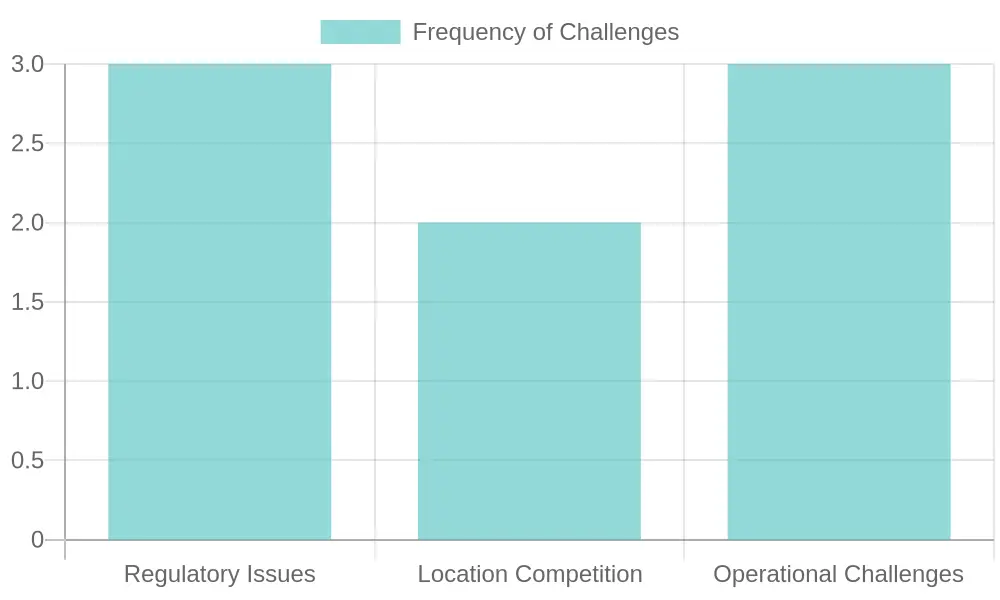
Taco trucks have become a beloved part of the culinary scene, serving up authentic flavor on the go. However, the path to success in this mobile food industry is often strewn with challenges that can leave aspiring and established taco truck owners feeling paralyzed. These obstacles can originate from various factors, including regulatory hurdles, location competition, and operational complexities.
1. Navigating Regulatory Challenges
One of the most significant barriers taco trucks face are the regulatory issues functioning within local environments. Depending on the city, taco trucks must often deal with:
- Permitting and Licensing: Obtaining the necessary permits can be a lengthy process. Cities have different requirements, and like a taco stuck in the assembly line, these can delay launch times.
- Health Inspections: Compliance with food safety standards is crucial. Health departments conduct regular inspections to ensure that food trucks adhere to safety protocols, which can sometimes lead to alterations in operations or added costs.
- Zoning and Building Codes: Different locations impose diverse zoning laws that can restrict where taco trucks can park and operate, resulting in an ongoing search for the best locations that comply with local ordinances.
2. Location Challenges: Finding the Perfect Spot
Location is another aspect where taco truck owners face paralysis. The right spot can bring in a bustling crowd, while the wrong one can mean slow sales. Common challenges include:
- Competition for Prime Locations: Urban areas are often saturated with food trucks. Finding a coveted spot that is both legal and frequented by high foot traffic can feel like a high-stakes game of musical chairs.
- Seasonal Variability: Some locations may be vibrant during festivals but deserted in off-peak season, contributing to concerns over consistent income.
3. Operational Challenges
Beyond regulations and location, taco trucks face several operational hurdles:
- Space Limitations: The compact nature of taco trucks means that efficiency is a must. Handling inventory, working in a small kitchen space, and serving high volumes can be overwhelming.
- Equipment Maintenance: Just like a classic taco recipe, equipment needs regular upkeep. From grills to refrigeration units, technical failures can lead to significant downtime or costly repairs.
- Staffing and Training: Hiring the right people who understand the essence of taco making can be tricky. Training staff in a fast-paced environment requires effective communication and management.
The Impact of Paralysis
When taco trucks find themselves paralyzed by these challenges, it can stall growth, reduce profit margins, and diminish their market presence. Yet, overcoming these hurdles often leads to greater resilience and innovation in the food truck industry.
To better illustrate the common challenges food trucks face, refer to the following graph highlighting some primary issues:
Conclusion
While running a taco truck comes with its fair share of challenges, understanding these obstacles is the first step in overcoming them. From adhering to regulations to outperforming competition and managing operations effectively, taco truck owners can turn their culinary dreams into a thriving reality. Learn more about starting a taco truck for additional guidance on kicking off your taco journey!
Further Reading
Embracing a proactive mindset and being ready to innovate amid challenges will ensure your taco truck does more than just survive-it will thrive!
Growth of Taco Trucks Over the Last Decade
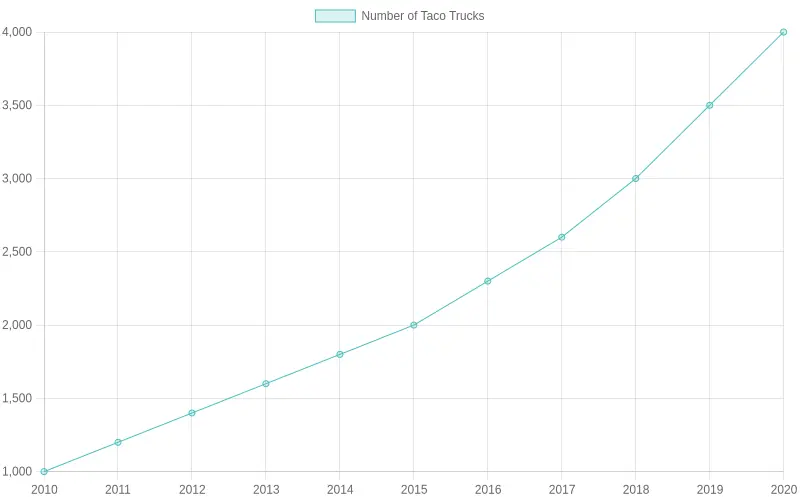
The taco truck industry has been experiencing a significant upward trend, showcasing a remarkable increase in the number of taco trucks operating across the country. Below is a chart that depicts the growth trajectory of taco trucks from 2010 to 2020:
Taco Truck Growth Data
| Year | Number of Taco Trucks |
|---|---|
| 2010 | 1000 |
| 2011 | 1200 |
| 2012 | 1400 |
| 2013 | 1600 |
| 2014 | 1800 |
| 2015 | 2000 |
| 2016 | 2300 |
| 2017 | 2600 |
| 2018 | 3000 |
| 2019 | 3500 |
| 2020 | 4000 |
The growth from just 1,000 taco trucks in 2010 to 4,000 by 2020 illustrates how popular taco trucks have become, reflecting changing consumer preferences and the successful adaptation of food trucks into various culinary experiences. For those interested in starting their own taco truck, the industry is ripe with opportunities. Learn more about how to launch a taco truck business and explore successful food truck models.
Dive into the World of Customization with Summit Fairings!
Are you ready to spice up your motorcycle like you would a taco? Just as a taco can be customized with a variety of delicious toppings, your bike deserves the same attention and flair! At Summit Fairings, we invite you to explore a world of motorcycle customization that not only transforms the look of your ride but also enhances its performance and aligns with your individual style.
Our commitment to quality means you can expect durable, high-performance fairings tailored to your preferences. Whether you’re going for a sleek, sporty look or something more vibrant and expressive, we’ve got you covered! And while the process of building the perfect taco may take a little time, rest assured that we’re here to support you every step of the way. Need advice on materials? Want to explore colors that pop? Our team is just a message away to ensure your motorcycle styling journey is as smooth as a fresh guacamole.
Special Offers Await!
Don’t miss out on our seasonal promotions that allow you to get your dream fairings at great prices. We prioritize your satisfaction and work hard to provide the best in service and support. Just like every taco has its unique flavor, your bike’s customization will reflect your personality and riding style.
Let’s Get Started!
So why wait? Treat yourself to the exhilarating adventure of motorcycle customizing with Summit Fairings! Check out our offers today and transform your two-wheeled beauty into a masterpiece that’s uniquely yours. Ready to ride in style? Explore our motorcycle fairings today! It’s time to mix up your ride, just like the perfect taco bar!
The Love for Taco Trucks
Taco trucks have become an iconic piece of culinary culture, serving delicious, quick bites that bring communities together. Celebrities and food enthusiasts alike can’t resist the flavorful offerings of taco trucks. As Chrissy Teigen, a well-known cooking personality, once expressed,
“Tacos are the best comfort food. They’re like a hug on a plate.”
This sentiment echoes the feelings of many taco lovers who cherish the unique and vibrant experience that a taco truck provides. Whether it’s the thrill of discovering a new spot or the joy of sharing tacos with friends, these mobile kitchens fuel the love for Mexican cuisine.
For those looking to delve deeper into the world of food trucks, check out our guide on top food truck models for success or discover the legal steps for launching a food truck.
From bustling city streets to local festivals, taco trucks are more than just food; they embody a lively, communal spirit that inspires culinary enthusiasts everywhere.