
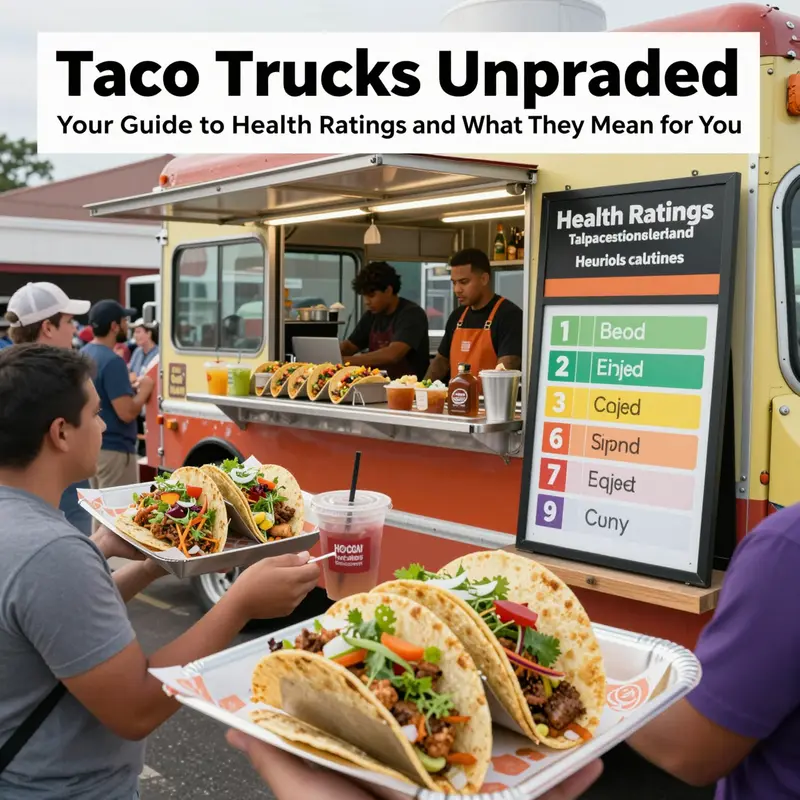
When you’re craving those mouthwatering tacos from the local taco truck, do you ever wonder what goes into ensuring your food is both tasty and safe? Understanding health ratings assigned to taco trucks not only helps you savor your meal worry-free, but it also supports taco business owners in maintaining high standards. This flavorful journey unpacks the importance of health regulations, the inspection process, and how public access to health ratings contributes to consumer awareness and business success. Each chapter dives deep into essential insights that benefit both taco fans and vendors alike.
Health Ratings on the Move: How Taco Trucks Meet Public Health Rules
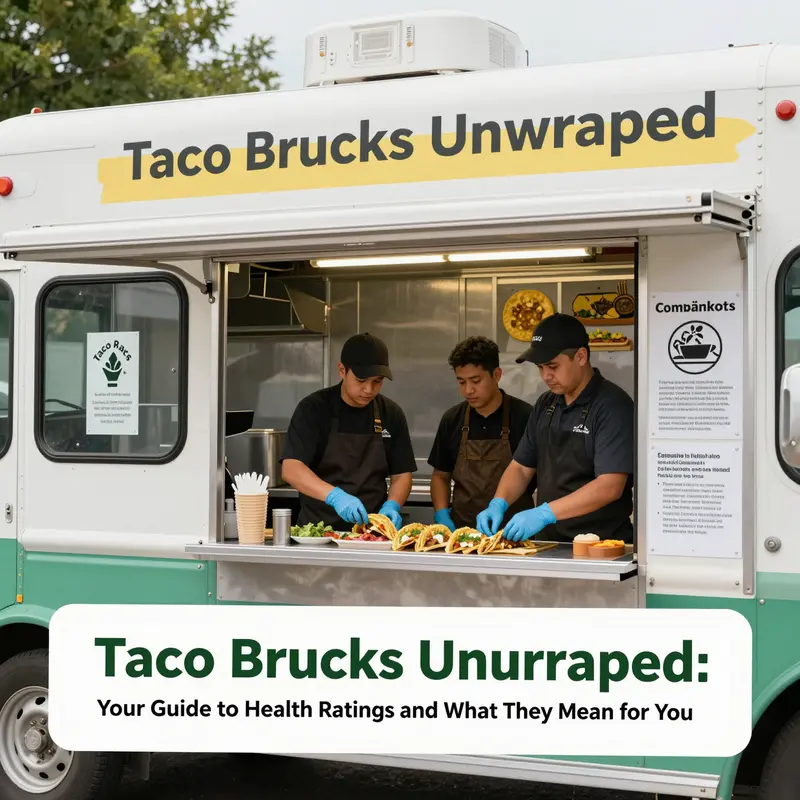
Public health rules apply to mobile kitchens as surely as to brick and mortar restaurants. Permits, inspections, and routine audits form the backbone of the system, and a taco truck’s health rating turns complex checks into a simple signal for customers. Inspectors review storage, cooking temperatures, cross-contamination controls, hand hygiene, and sanitation of the truck interior and equipment. The rating often appears as letters or a star system, varies by jurisdiction, and travels with the truck on every trip. A high rating signals strong compliance; a lower rating highlights areas needing corrective action and re-inspection. Digital dashboards and online databases extend the reach of these ratings beyond the truck window, enabling shoppers to verify safety history before choosing a stall. For operators, ratings drive training, process improvements, and routine maintenance, turning compliance into a competitive advantage. The framework aims to protect public health while supporting small-scale entrepreneurship, using transparent reporting to encourage ongoing vigilance rather than punitive punishment. Consumers are empowered to ask questions about handling practices and to compare vendors, while regulators gather data to identify trends and focus education where it is most needed.
Inspections on Wheels: Reading Health Ratings for Taco Trucks and What They Mean for Diners
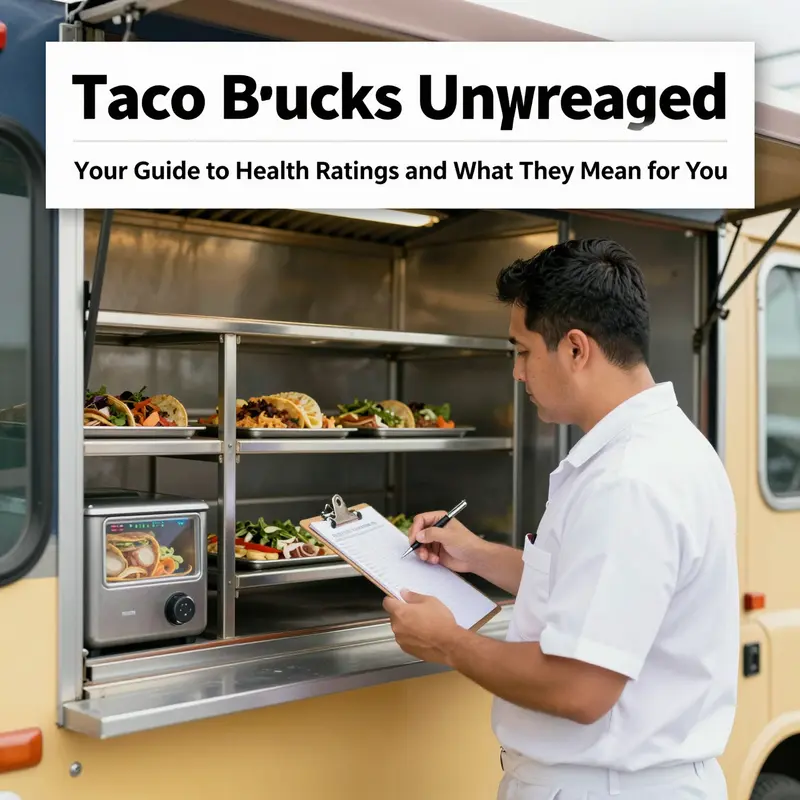
Across cities, taco trucks occupy a unique space where street food energy meets formal health oversight. They move through neighborhoods, parks, and busy corners, offering quick meals that carry a sense of local character. Yet behind the sizzle and aroma lies a system designed to protect public health: inspections, licenses, and, in many places, public health ratings. The intersection of mobility and safety can feel paradoxical, but it is precisely this tension that makes the health rating of taco trucks a meaningful signal for diners and a barometer for how deeply a city wants to supervise food-on-wheels.
In many jurisdictions, including major urban areas in the United States, taco trucks are not exempt from the same health and safety regulations that govern brick-and-mortar restaurants. They must meet the same standards for sanitation, food handling, temperature control, and employee hygiene. Inspectors arrive with checklists, not differen- tially tailored forms, and their findings are translated into public ratings or grades. Those ratings are hardly abstract numbers; they are tools for consumers to assess risk at a glance and for regulators to drive continuous improvement across the mobile food sector.
The public face of these inspections often appears on city health department portals or on parallel platforms that publish inspection histories and current scores. A concrete example from Los Angeles highlights how these ratings function in a real city with a vibrant taco truck scene. A well-known truck in Pico-Union received a B grade after a health inspection, a result that underscores the fact that mobile vendors do indeed receive formal health ratings. The rating itself serves multiple purposes: it validates compliance in the eyes of the public, signals areas where food safety measures are strong, and, when necessary, points to improvements that could reduce risk for future service.
What makes the rating landscape especially meaningful today is the increasing transparency around mobile food safety. In some towns, the health department’s online platforms task customers with verifying a truck’s inspection history and current score before they decide to order. This practice empowers diners who want to align their choices with safety practices and personal risk tolerance. It also creates accountability for operators, who know that a negative rating can affect customer trust and, by extension, business. The transparency model is part of a broader public health strategy: ensure that every point of sale—whether a sleek brick-and-mortar restaurant or a wheeled kitchen on a van—that handles high-risk foods is subject to routine checks and ongoing scrutiny.
Among the core inspection priorities are the basics: proper food storage temperatures and the maintenance of safe temperatures for both hot and cold held foods. Temperature control is not merely a matter of taste or quality; it is a direct safeguard against the growth of pathogenic microbes. Inspectors scrutinize how food is stored, whether dairy products are kept at safe cold temperatures, and whether hot foods stay hot enough to prevent rapid spoilage. They look at the chain of custody for ingredients, ensuring that raw and cooked foods are separated to avoid cross-contamination. The handling practices of staff come under a watchful eye: how they wash hands, whether gloves are used appropriately, and whether utensils are clean and properly sanitized.
Cleanliness is another focal point. The inspection extends to the vehicle itself—the truck’s interior surfaces, cooking equipment, food preparation areas, and waste management. Sanitation is assessed not only in the moment but also in how the truck is organized to minimize risk, with attention to how surfaces are cleaned between tasks and how waste is stored and disposed of to prevent contamination. Even the seemingly mundane aspects, such as the color of floor mats or the presence of pests, can influence a grader’s perception of overall sanitary conditions. In the mobile environment, inspectors also consider how sanitation is maintained during transit and at temporary stops, where hasty cleanups can lead to lapses in hygiene that linger once the truck restarts service.
Employee hygiene is another line of sight into safety culture. Inspectors verify that workers practice clean clothing and proper handwashing. They may observe whether gloves are used when handling ready-to-eat foods and whether jewelry or long sleeves are managed in ways that minimize contamination risk. The work environment for taco truck crews can be high-pressure, with limited space and tight timelines; nevertheless, the accepted standard emphasizes disciplined routines and explicit, observable practices that reduce the chance of foodborne illness.
Beyond the food itself, inspectors review compliance with necessary permits and documentation. A taco truck may carry multiple licenses, insurance proofs, and records of sanitization procedures. The contemporary regulatory picture acknowledges the mobility of these operations, yet it demands that all documentation be up to date and readily accessible. This requirement is not only a matter of paperwork; it is a signal that the operation operates within a legitimate framework, with accountability measures that regulators and diners alike can rely on.
The regulatory conversation around taco trucks has evolved in some large cities. For instance, Los Angeles recently introduced a city statute that tightens the operational footprint of taco trucks: after parking in a given location for no more than one hour, they must move for at least three hours before returning. This rule is more restrictive than the prior two-hour limit and is part of a broader strategy to manage curb space and ensure that mobile vendors do not monopolize neighborhoods. The net effect is not solely about traffic or aesthetics. It is arguably a move toward more consistent oversight, making the inspection regime more predictable for operators and clearer for residents who rely on public health signals when they choose where to eat.
This policy shift hints at a larger truth: enforcement resources for mobile vendors are finite, and the city must balance competing priorities. While some business owners perceive the system as inherently biased in favor of stationary establishments or complain about perceived laxity in enforcement, the core point remains unaffected: taco trucks are subject to health codes and inspections. The perception of regulatory unfairness tends to surface when political and logistical realities collide. But the underlying framework—in which health ratings are public, standardized, and enforceable—serves the public interest by creating a consistent baseline for safety, regardless of the vendor’s mobility.
For readers seeking practical knowledge, understanding how to navigate these ratings can feel empowering. To verify a specific truck’s status, a straightforward approach is to search for the truck’s name alongside the city or county’s health department portal. In many cases, you will find a public score, a recent inspection date, and notes that summarize any corrective actions taken. The process is not a mystery; it is a transparent mechanism that allows diners to make informed decisions about where to eat based on verifiable safety data. Reading an inspection report may reveal more than a static grade. It can illuminate the precise areas where a truck excels and where it has historically shown vulnerability, such as maintaining equipment cleanliness or ensuring consistent cold storage.
For readers who crave deeper context on how operators navigate these expectations, there is value in looking beyond the numeric rating to the lived reality of running a mobile kitchen. A well-run taco truck aligns speed with safety; it builds a culture of clean practices into daily routines and ensures that the risk-lowering habits become second nature. This alignment—between efficient service and rigorous safety—helps explain why the rating, although a snapshot, often reflects sustained discipline rather than a momentary success. In places where inspections are routine and ratings are updated regularly, diners benefit from a continuous thread of accountability that keeps safety front and center, even as businesses strive to innovate within the constraints of mobile service.
To round out the practical side, those eager to explore more about the realities of operating a mobile food business and how safety practices translate into everyday decisions can turn to the broader conversation hosted by the community and industry writers. The related resources offer narratives, tips, and practical demonstrations of how compliance translates into better service. For readers who want a direct pathway to ongoing insights, the Fireduptacotruck blog provides accessible storytelling and pragmatic angles on managing a mobile kitchen. It serves as a useful companion for anyone curious about how safety culture unfolds in real time on a food truck, from daily prep routines to the logistics of staying compliant on crowded streets. Fireduptacotruck blog
Ultimately, a taco truck’s health rating is more than a single number. It is a window into the process that keeps street food safe, a record of the operator’s commitment to sanitary practices, and a signal to diners about the current state of readiness in the kitchen-on-wheels. The rating can guide choices in the moment, and it can influence how communities think about public health in a setting that is both informal and essential to the city’s culinary landscape. The more that health departments publish and maintain clear inspection histories, the more robust the safety net becomes for everyone who enjoys these mobile meals. And as cities continue to refine their rules to reflect changing urban dynamics, the health rating system will likely evolve in tandem, becoming not just a bureaucratic checkbox but a living conversation about how to keep food on the move safe for all.
For a deeper dive into official guidance and standardized practices for mobile vendors, reference the Los Angeles Department of Public Health – Food Safety page. This authoritative resource outlines the inspection process, requirements, and regulations that apply to all mobile food vendors, including taco trucks, and it serves as a reliable anchor for anyone seeking to understand the regulatory framework behind the ratings.
External resource: https://www.lapublichealth.org/programs/food-safety/
Safe by the Meter: How Public Health Ratings Shape Taco Truck Choices and Community Trust
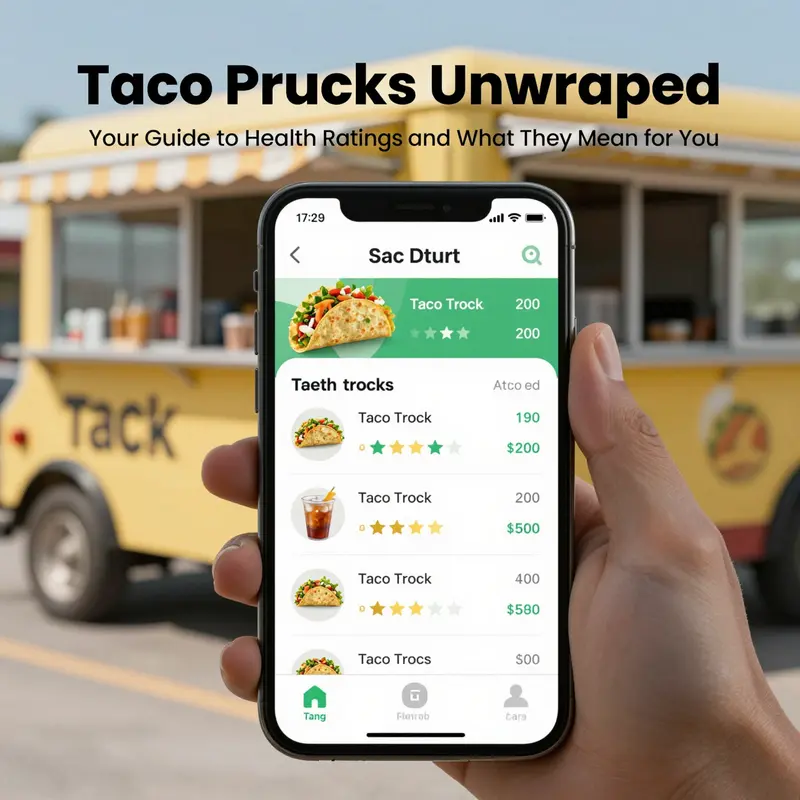
On city streets and in bustling markets, taco trucks have become more than quick meals; they are a gauge of urban taste, entrepreneurial energy, and a shared commitment to public health. The question do taco trucks have a health rating? is not merely logistical. It taps into how communities expect safety to be reflected in everyday dining, how inspectors translate complex kitchen practice into public scores, and how transparency can elevate both consumer confidence and vendor quality. In many places, the answer is yes, and the system behind those ratings is as informative as it is specific, designed to protect patrons while encouraging continual improvement among vendors who operate on tight margins and fast service timelines. The broader arc connects to a simple truth: when health ratings are accessible and well explained, diners make more informed choices, and vendors respond with cleaner, more careful operations that benefits everyone involved. The result is a dining ecosystem where health data moves from a behind-the-scenes requirement to a trusted, user-friendly resource that guides everyday decisions and long-term reputations alike.
To understand how these ratings function, it helps to map the regulatory landscape that governs mobile and brick-and-mortar food service alike. In the United States, local health departments enforce sanitation standards that cover a spectrum from safe temperatures and cross-contamination prevention to pest control and employee hygiene. While the specifics vary by city and county, the underlying objective is consistent: ensure that foods served on the street or in a storefront meet minimum safety expectations. For taco trucks, this means inspections that assess equipment maintenance, food-handling procedures, storage practices, and the cleanliness of both preparation and service areas. The result is a formal score, grade, or pass/fail designation that becomes part of the truck’s public identity. In practice, these scores are not relegated to invisible files. They surface on dashboards, public records portals, or health department postings, and savvy consumers routinely search for them before choosing a stall over another. The public nature of these inspections is crucial; it moves health monitoring from a secretive process to a transparent dialogue between city agencies, vendors, and diners.
Taking Los Angeles as a concrete example helps illustrate how ratings are presented and perceived. The city has demonstrated that public health grades for mobile food facilities are discoverable online, often tied to broader initiatives that push visibility and accountability. A real-world case shows a taco truck receiving a B grade after an inspection, signaling compliance with core sanitation standards while highlighting areas for improvement. Publicly accessible records—whether through a health department’s portal or complementary initiatives like city-wide consumer platforms—offer a narrative beyond a single number. They provide inspectors’ notes, dates of last inspection, and a history of violations or corrective actions. This historical context is invaluable for families planning meals, travelers evaluating options in unfamiliar neighborhoods, and operators seeking to benchmark performance against peers. The emphasis on transparency is not merely bureaucratic theater; it translates into real-world trust and informed decision-making.
The Austin model provides another useful lens on how public access operates in practice. In cities where the health department maintains searchable databases for both restaurants and mobile vendors, a consumer can pull up a food truck’s latest inspection score, recent violations, and whether those issues were promptly corrected. Such ecosystems combine granular data with user-friendly presentation, allowing diners to consider patterns over time rather than reacting to a single snapshot. This is particularly valuable in an urban food truck scene where variability in daily operations can be substantial—from fluctuating crowd sizes to evolving menus. When this data is easy to locate and interpret, it empowers consumers to reward consistently hygienic practices and to avoid patterns of repeated violations. It also incentivizes vendors to maintain rigorous internal controls, because ongoing compliance becomes a competitive advantage rather than a burdensome requirement.
Parallel to the regulatory framework, consumer awareness has grown as a decisive factor in how health ratings are valued and acted upon. Research conducted in 2019 highlighted a strong preference among Brazilian food truck consumers for hygiene and personal cleanliness. When nearly eight in ten patrons prioritized these factors, it underscored a broader expectation that, in the fast pace of mobile service, safety standards must remain visible and credible. More recently, a 2026 study on consumer behavior emphasized the increasing importance of understanding food safety labels and the practices behind them. The takeaway is clear: the more transparent a vendor is about operations and the more consistent the hygiene narrative, the more likely diners are to trust and return. This shift reflects a growing maturity in consumer expectations, one that aligns with public health goals and the economic realities of food trucks that must balance speed, quality, and safety.
For readers who want a pragmatic sense of how to engage with rating information, the path is straightforward and empowering. Start with the city or county health department’s online portal and search for the truck’s name or license number. If a real-time dashboard is not available, historical inspection scores and violation histories still provide meaningful insight into how seriously a vendor treats safety and cleanliness. Additionally, consumer-oriented outlets and local publications frequently integrate health data with practical guidance about where to find the best and safest tacos. In places where there is a strong culture of transparency, such as cities with robust public dashboards and community feedback mechanisms, you may even encounter profiles that discuss how trucks handle temperatures, food prep logistics, and sanitary practices during peak hours. The effect is not only about satisfying curiosity; it represents a shared social contract that diners have with the street-food economy.
As important as the data are the stories that surround them. A score is not a verdict on a chef’s talent; rather, it is a formal assessment of procedures that reduce the risk of foodborne illness. The numbers—scores, grades, or pass/fail determinations—must be read alongside narratives about how violations were corrected and what systemic changes were implemented. When a truck demonstrates timely corrective action after an inspection, that history signals resilience and responsibility. Conversely, repeated violations may indicate deeper gaps in training, equipment, or process design. In either case, the health rating becomes a narrative thread that ties together food safety, daily operation, and community trust. The net effect is a dining environment where safety considerations are normalized and normalized again, embedded in ordinary decisions—where to eat, whom to trust, and how to support vendors who invest in clean practices as part of their brand identity.
For operators, this landscape presents both a challenge and an opportunity. Maintaining hygiene is not simply about avoiding penalties; it’s about sustaining a reputation in a highly competitive street-food economy. Many mobile vendors adopt rigorous sanitation protocols, from dedicated cold- and hot-storage zones to color-coded cutting boards and regular staff hygiene training. The connection to public ratings becomes a practical driver for continuous improvement: consistent enforcement and visible improvements translate into better scores, which in turn attract more customers. In consumer-facing terms, this creates a positive feedback loop where high ratings reinforce safe practices, encourage repeat visits, and foster community confidence in a local food ecosystem that can otherwise feel fragmented. The moral of the story is not that health ratings punish; it is that they reward discipline and accountability in the busy, kinetic world of taco trucks.
Within this context, the concept of public access to health ratings and consumer awareness takes on a wider cultural resonance. When diners can consult inspection results, read about violations and corrective actions, and then corroborate those insights with local media coverage and community recommendations, they participate in a more informed marketplace. They can differentiate between novelty and reliability, flavor and safety, spontaneity and accountability. The result is not simply safer meals; it is a more resilient street-food culture that values consistency, openness, and continuous learning. The public availability of health data elevates the everyday decision-making process into an informed consumer habit, one that respects the complexity of street entrepreneurship while keeping health at the center of dining choices.
For those who want a concrete, ongoing example of how this plays out in practice, consider the maintenance and safety culture that underpins hygiene compliance. Operational wisdom often points to proactive maintenance as a key driver of inspection performance. In practical terms, this means regular equipment servicing, precise temperature control, routine cleaning protocols, and comprehensive staff training. A helpful resource that captures this approach—focusing on practical upkeep that supports safety—offers a useful, hands-on blueprint for operators seeking to align with health expectations. While the specific content of such a resource is beyond this chapter’s scope, the existence of these checklists underscores a central principle: hygiene thrives where maintenance is deliberate, systematic, and integrated into daily workflows. For readers seeking a concrete example of how to translate maintenance practice into safer service, see this practical guide on truck upkeep: 10 essential maintenance tips to extend your electric food trucks lifespan.
Looking ahead, the trajectory of public access to taco truck health ratings seems likely to grow more nuanced, not simpler. As cities update their health data platforms, we can anticipate greater standardization across jurisdictions, more intuitive dashboards, and better ways to interpret inspections in the context of everyday dining. The consumer side may also evolve, with apps and community portals offering personalized guidance based on location, cuisine type, and past inspection histories. Yet the core principle remains enduring: health ratings exist to protect people. When they are easy to find, clearly explained, and grounded in transparent processes, they become a natural part of how communities experience street food. They encourage accountability without sacrificing the spontaneity and delight that draw people to taco trucks in the first place. In this sense, public access to health ratings aligns with a broader civic goal—making everyday food experiences safer, more predictable, and more trustworthy for everyone who chooses to enjoy a meal on four wheels.
External resources and further reading can deepen understanding of how these systems operate in real communities. To explore a vibrant example of how Austin’s taco scene intersects with safety-conscious coverage and local journalism, see The Austin Chronicle’s in-depth guide to top taco experiences, which highlights the relationships between flavor, authenticity, and consistent hygiene practices: https://www.austinchronicle.com/food/2026-02-17/the-best-tacos-in-austin-tx-strictly-from-food-trucks. This external reference complements the internal data and city-led transparency efforts, offering readers a grounded perspective on how people navigate safety, taste, and trust in a dynamic urban food landscape.
On Wheels Under Watch: The Implications of Health Ratings for Taco Truck Businesses
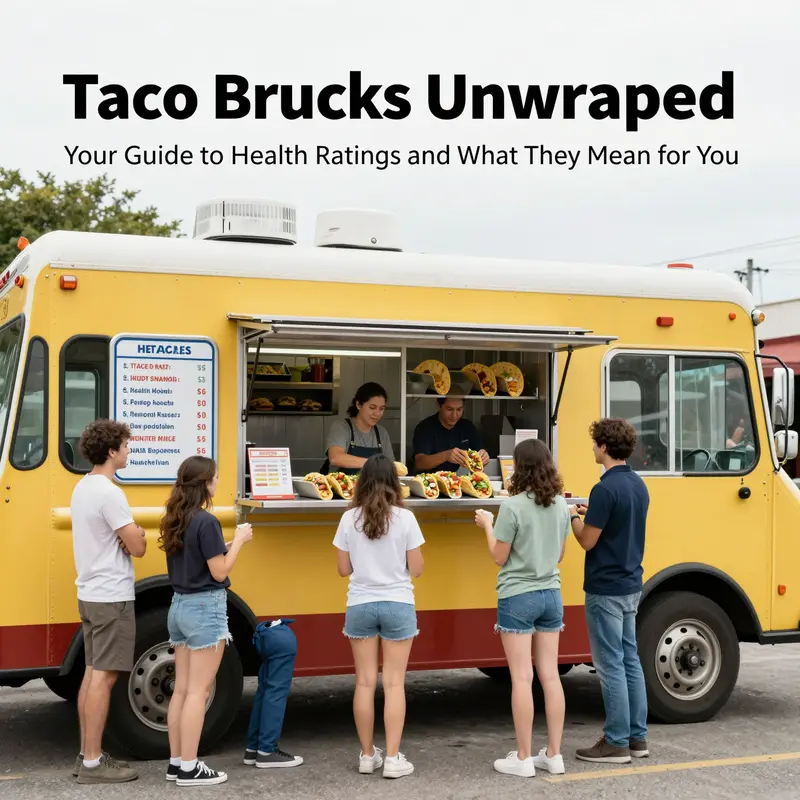
Taco trucks move through neighborhoods with the speed of a rumor and the aroma of bright promises. They tempt with schedules that bend to demand, menus that shift with the day’s supplies, and the thrill of discovering a new flavor tucked in the side of a wheeled kitchen. But behind the sizzle and the sunlit chrome lies a more methodical and less glamorous truth: health ratings. In many places, these ratings are not an afterthought but a required measure of safety, a public scorecard that accompanies every bite and every order. The premise is simple and rigorous at once. Local health departments inspect mobile food operations just as they inspect bricks-and-mortar restaurants, evaluating how food is stored, cooked, cooled, and served. The results are published, and the public—that is, the customers who lean in for a preference-based bite or a trusted recommendation—can choose where to eat based on more than flavor alone. The existence of these ratings, conferring a sense of accountability, redefines what it means to dine on the go and makes the taco truck’s reputation legible to anyone who cares to look.
The practical reality of health ratings for taco trucks is clear in the way cities structure and publish information. Inspections measure a bundle of practices: how cold foods are kept at safe temperatures, whether knives and cutting boards are cleaned properly, whether employee hygiene is adequate, and whether the premises are maintained to minimize cross-contamination. The assignment of an A, B, C, or similar grade translates complex observations into an accessible signal that a consumer can interpret quickly. When a truck lingers at a curb or pulls into a market, the rating becomes part of the visible narrative surrounding that vehicle’s offerings. In the abstract, ratings serve public health; in practice, they become a competitive factor that can shape traffic, footfall, and repeat business. The public visibility of these grades encourages operators to view inspection results not as a punitive obstacle but as a form of quality control that aligns daily work with higher standards.
Recent data from a major metropolitan area illustrates both the potential and the peril of this system. A review of county health department records shows that roughly a quarter of food trucks received a grade below the top tier over a two-year period. This is not a marginal footnote; it signals a significant portion of operators navigating a narrow margin between everyday demands and regulatory expectations. For customers, a lower grade can be a deterrent, especially in neighborhoods where competition among vendors is intense and first impressions matter. For operators, a string of subpar marks can trigger closer scrutiny, more frequent inspections, and, in worst-case scenarios, penalties or suspensions that disrupt service and threaten livelihoods. In a sector built on mobility and personal brands, the consequences of a poor rating extend beyond dollars and cents. Trust, once earned through proximity and familiarity, can be siphoned away by a single unfavorable inspection cycle. This dynamic underscores a central paradox: the same mobility that gives taco trucks their edge also magnifies the weight of health compliance. When a truck can relocate weekly or daily, maintaining consistent practices across different sites, shifts in food safety performance become both more complex and more consequential.
Yet the flip side is equally instructive. When a truck consistently earns high ratings, the public narrative shifts. In practice, a strong health score serves as a powerful, low-cost marketing asset. It signals reliability and care, two attributes that resonate with customers who value not only taste but trust. Places with a cultural embrace of street food—cities where food trucks are woven into the urban fabric—often find that a robust safety record complements the sensory appeal of the cuisine. In these environments, a high rating becomes part of the brand’s identity, akin to a formal recommendation that travels with the truck as it moves through neighborhoods, markets, and events. The rating turns from a bureaucratic metric into a narrative device that reinforces credibility. For operators who rely on word-of-mouth, social media visibility, and repeat customers, that credibility is often more valuable than a single menu addition. The rating, in other words, becomes a platform for storytelling—a way to say, without saying it, that the kitchen travels cleanly as it travels boldly.
The implications of health ratings extend into the operational core of a taco truck’s day-to-day life. For many owners, the pursuit of a high score translates into a disciplined regime of food safety practices: meticulous temperature logs, standardized cleaning schedules, and thorough training that equips staff to respond to the most common faults inspectors identify. It may also prompt more careful vendor selection and inventory management, since keeping foods within safe windows depends on reliable supply chains and the absence of risky substitutions. The mobile nature of a truck amplifies the need for consistency; a single unsafe practice in one stop can cast a shadow over the entire schedule. In response, operators often invest in portable equipment, better cold-holding solutions, and dedicated work zones that keep raw and ready-to-serve items separate, just as a brick-and-mortar kitchen would. These investments are not merely defensive; they are strategic choices that support growth. They free crews to pivot quickly between locations without sacrificing safety, allowing the business to expand its radius while preserving trust with customers who encounter those ratings before they choose a stall or a stall’s queue.
Consider the broader public health dimension. Health ratings systematize a baseline of protection for diners across a moving landscape of street cuisine. They encourage transparency, a factor that many consumers value highly in an era of rapid information exchange. When ratings are publicly accessible, customers can complement their taste preferences with an evidence-based sense of hygiene. This transparency is especially important in diverse urban ecosystems where a taco truck might operate in residential neighborhoods one week and at a festival the next. The score becomes a common reference point, a shared shorthand that helps communities navigate a crowded street-food field. It also creates a feedback loop for inspectors who can track improvements or recurring issues over time, nudging operators toward continuous enhancement rather than episodic compliance. The Los Angeles example—where health grades for mobile vendors are approved and integrated into public-facing dashboards—illustrates how a city can turn a regulatory process into a public good. When consumers are empowered to review inspection histories, a culture of accountability emerges that benefits everyone along the supply and service chain.
From the operator’s vantage point, the social and economic calculus of ratings is nuanced but navigable. A high rating is not a mere sticker on a napkin; it is a lever that can tilt customer choice in a crowded street market. In cities where taco trucks have become cultural fixtures, a strong rating reinforces identity and reliability, allowing vendors to cultivate loyal followings that translate into repeat business even when the weather or the menu shifts. The same rating can also inform expansion strategies—where to park, how long to stay at a given locale, and which events to target. Conversely, a pattern of lower scores can be leveraged as a catalyst for process overhaul. The best operators treat this as a disciplined diagnostic tool: a chance to audit every step from supplier selection to plating, from handwashing frequency to cross-contact controls. In this frame, inspections become less about fear of penalty and more about pursuit of excellence—an ongoing quality-control program that travels with the truck as reliably as the tires.
For consumers, the practical takeaway is straightforward: health ratings are a meaningful piece of the decision-making puzzle. They sit alongside aroma, price, proximity, and the alchemy of flavor. A rating may not capture every nuance of a kitchen’s day-to-day reality, just as a bad day might not fully reflect a kitchen’s standard operation. Yet the score provides a defensible, comparable signal across vendors. It invites questions: Has the truck met the same sanitation standards you expect from a fixed-location restaurant? Are there recent violations or recurring concerns that warrant closer observation? Is the truck willing to share its inspection history or corrective actions? When consumers ask these questions and see transparent responses, they participate in shaping a culture of safety that benefits diners and workers alike. This culture is not merely about compliance; it’s about the shared responsibility of food safety as a public good that travels with the cuisine itself.
To integrate this perspective into everyday practice, operators can rely on a practical playbook that aligns business goals with safety imperatives. Start with robust training and straightforward rituals: standardized handwash timing, dedicated work zones, and clearly labeled temperatures for hot and cold holdings. Document every step with simple checklists that staff can use at the start and end of each shift. Such routines become muscle memory, reducing the likelihood of an inspection-triggering slip. Build a transparent relationship with customers by posting or linking to inspection scores in a visible, accessible way, and invite feedback that informs ongoing improvements. In the long run, the health rating process becomes part of the brand story—a testament to consistency, care, and community responsibility, not merely compliance paperwork. The municipal framework that governs these ratings is not an obstacle to creativity but a channel that channels innovation toward safer, more trustworthy mobility. A truck that embraces this ethos can test new recipes and formats with the confidence that its safety practices keep pace with ambition.
For readers who are operators seeking concrete connections between regulation and profitability, consider a practical path that connects safety investments with financial realities. Safe food handling and proactive maintenance translate into fewer incidents, less downtime, and steadier revenue streams. This is where a line of thinking that ties health compliance to business performance proves fruitful: a well-run operation reduces waste, improves energy efficiency, and sustains a better customer experience. These improvements, in turn, reinforce positive ratings, creating a virtuous cycle that magnifies the value of every inspection. And because health ratings are public, they also offer a reputational advantage that can be leveraged in marketing, hiring, and franchising discussions. The transparency component does not lessen the artisanal magic of the trade; it rather frames that magic within a structure of trust that customers can validate with a few clicks or a quick inquiry at the curb.
The interdependence of health ratings and taco truck success becomes clearer when we recognize the social dimension of the street-food economy. Food trucks often serve neighborhoods underserved by traditional dining options, bringing meals, stories, and a sense of place to people who might otherwise drive longer distances for similar fare. In this context, health ratings perform a public service by ensuring that mobility does not come at the expense of safety. They balance speed with stewardship, flavor with hygiene, and excitement with accountability. That balance is not always easy to achieve, but it is increasingly non-negotiable in a market saturated with options and with customers who can compare experiences across platforms instantly. When a city invests in transparent rating systems and when operators respond with sustained improvements, the entire ecosystem benefits. Diners gain confidence; workers gain a sustainable workplace; communities gain a safer and more vibrant culinary scene. The chapter of the taco truck story where health ratings move from regulatory hurdle to shared value is not a victory lap but a turning point—one that nudges the entire mobile-food sector toward higher ground while preserving the spontaneity and inventiveness that make street food so compelling.
For readers who want to connect practical insights with quick, actionable steps, a simple invitation remains relevant: when you encounter a taco truck trend, look up its health rating as part of your ordering decision. City health department portals typically host inspection histories and current scores, and searching the truck’s name alongside your city or county can yield precise results. This habit not only informs your own choices but also reinforces a broader culture of accountability that helps maintain safety standards across the mobile food landscape. As health departments continue refining their rating frameworks and as vendors adapt to rising expectations, the relationship between safety, taste, and trust evolves—yet the core promise endures: the joy of a well-made taco should always be paired with confidence in how it’s made.
Internal note for operators exploring financial planning: considerations like tax deductions for food truck owners can help align fiscal strategy with safety investments, ensuring that safety measures translate into sustainable growth. Learn more about these opportunities here: Tax deductions for food truck owners.
External context can be found in broader conversations about how health ratings are implemented in major urban centers. For a comprehensive look at how public health authorities formalize and publish these grades, see the following external resource: Health Grades for Food Trucks & Carts Gets Final Approval.
Final thoughts
Understanding the health ratings of taco trucks is vital for both taco enthusiasts and business owners alike. These ratings not only reassure you of food safety but also encourage taco trucks to uphold quality standards. By staying informed about these health practices, you can enjoy every taco in peace, while supporting businesses dedicated to providing a delicious and safe culinary experience. So next time you spot a taco truck, check its rating and dive into a world of flavors with confidence!