
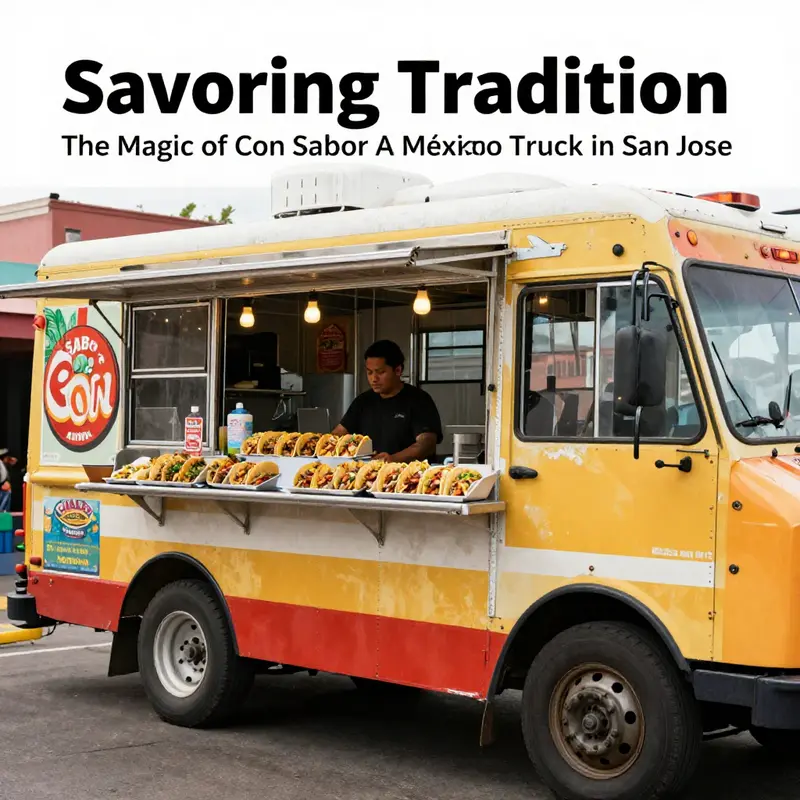
Nestled just three blocks from the iconic SAP Center, Con Sabor A México taco truck has carved a niche in the bustling food scene of San Jose since its debut in 2018. Its vibrant ambiance and mouth-watering offerings, especially the exquisite birria tacos, have not only captivated the palates of locals but also attracted hordes of sports fans yearning for authentic Mexican cuisine. This article dives into the cultural significance, menu highlights, strategic location, customer experiences, and community engagement of this food truck that embodies the rich flavors of Mexico. Each chapter will unfold a different dimension of what makes Con Sabor A México a beloved staple in the community.
A Tasting of Home, Community, and Innovation: The Cultural Significance of Con Sabor A México in San Jose
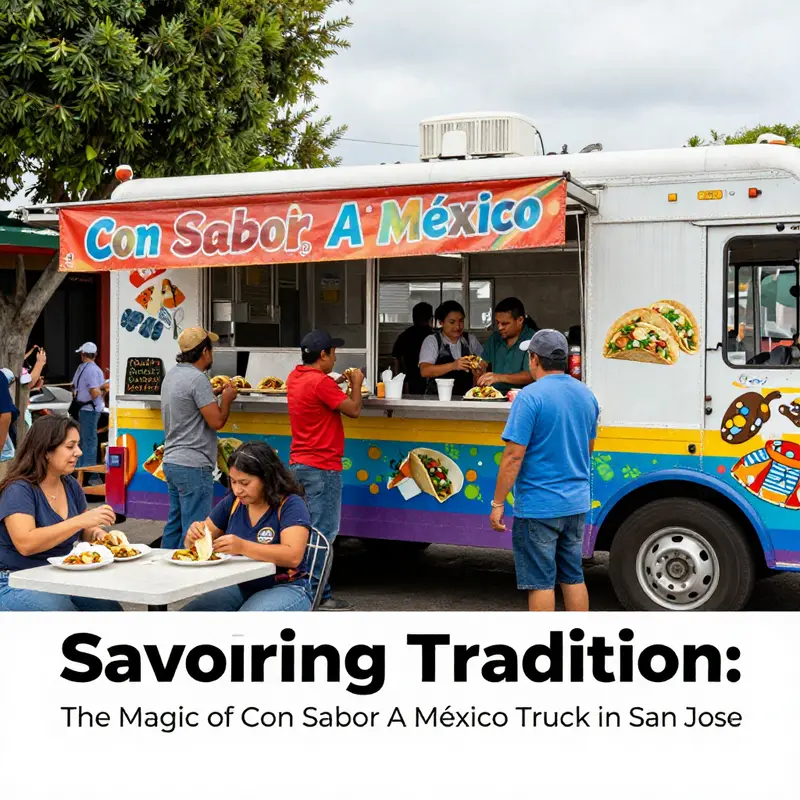
Three blocks from the SAP Center in San Jose, Con Sabor a México has built more than a steady line of customers. Since its launch in 2018, the mobile kitchen has become a pulse point for a neighborhood that keeps shifting its own sense of belonging. The cart’s burners hiss, the air fills with smoke and citrus, and a chorus of orders arrives in a rhythm that feels both urgent and familiar. The menu centers on birria, a beloved traditional preparation, but the setting—airy, informal, plainly welcoming—invites people from many walks of life to share a table of simple pleasures. It’s a place where a family’s Sunday brunch might meet a student’s late shift snack, and where a fan waiting for a game can snag a warm bite after a rooting-for-the-home-team cheer. In that intersection, food becomes a language spoken by many tongues and one shared appetite.
More than a source of sustenance, Con Sabor a México stands as a cultural statement about Mexican-American identity in a city known for constant flux. The truck preserves and transmits memory—recipes carried in memory, brought into practice on a California street. It respects tradition through careful technique, but it also welcomes experimentation that does not erase origin. The birria-based innovations, such as a ramen iteration that places braised meat beside noodles, illustrate how immigrant craft can translate across cuisines and generations. This is not a spectacle of novelty; it is a careful dialogue between old country flavors and new world demands. Each bite becomes a small proof that culture survives through adaptation, and that adaptation can be a form of homage rather than compromise.
Within the bustle of the stall, a larger social function emerges. The truck acts as a gathering place, a mobile plaza where conversations begin between strangers and turn into shared stories. The taco, when viewed through this lens, is a symbol that travels with the eater: a portable piece of heritage that travels alongside life’s other moves. The surrounding crowd—families, students, workers, fans—finds common ground in the act of eating, in the colors of the toppings, in the warmth of the service. In moments like this, a street corner shifts from mere transit to a cultural crossroad. The street’s energy is redirected into nourishment, memory, and connection, reinforcing a sense of belonging for people who may feel stretched thin by the pressures of city life.
San Jose’s culinary landscape benefits when such food-on-wheels ventures demonstrate how commerce and culture can reinforce one another. As immigrant entrepreneurs, the operators of Con Sabor a México negotiate budgets, equipment needs, and supply chains, while also curating an accessible, joyful product. The choice to serve in a casual format—no reservations required, no brick-and-mortar pretension—invites people who might not venture into formal dining to participate in a wider cultural conversation. The proximity to a major arena ensures that sports fans, workers finishing night shifts, and daytime visitors alike can encounter Mexican flavors with ease. In this way, the truck contributes to a civic atmosphere that values both tradition and entrepreneurial risk. It makes the idea of a neighborhood taquería portable, portable enough to appear wherever crowds gather.
Within this narrative, resilience becomes legible. Food becomes a scaffold that holds families together across generations and geographies. The truck’s presence signals that culture is not confined to static objects but travels through streets, stories, and shared meals. It becomes a quiet counterweight to marginalization by placing Mexican culinary artistry in plain sight and inviting critique, praise, and curiosity from a broad audience. The result is a more nuanced urban memory of Santa Clara County’s evolving identity, a memory that includes the labor, humor, and care of cooks who wake before dawn and feed the city long after it has dimmed. The experience says something essential about community: that belonging is built daily, one plate, one conversation, and one moment of hospitality at a time.
Fusion, when grounded in respect for roots, can expand how people imagine a cuisine’s possibilities. Con Sabor a México embodies this with dishes that honor tradition while testing new partnerships of flavor and form. A birria-inspired ramen, for example, offers a bridge between two culinary histories without erasing either. This kind of culinary innovation is a practical metaphor for cultural negotiation in a diverse metropolis: people with different memories find common ground not by erasing differences but by savoring shared flavors in new arrangements. For many visitors, the stall becomes a crash course in how migration shapes taste—and how taste, in turn, shapes memory. In short, the truck makes visible the quiet, ongoing work of communities learning to thrive in a place that demands adaptation.
To explore the broader conversations around mobile kitchens and urban culture, readers can look to related discussions that examine how food trucks fuse traditions into new forms. Food-truck fusions: a culinary revolution.
Ultimately, the significance of Con Sabor a México rests in its ability to turn a casual meal into a shared ceremony of belonging. It invites newcomers to feel welcome, while inviting long-time residents to see their city anew through the lens of flavor. The carapace of a simple taco hides a complex, luminous story about identity, labor, and community resilience. The truck does not merely feed people; it teaches them how to hold a culture with pride in a landscape that is always in motion. As life in San Jose continues to unfold—games, commutes, gatherings, late-night walks—the cart remains a constant reminder that culture travels well when it travels together. For a broader community perspective, see Yelp: https://www.yelp.com/biz/con-sabor-a-mexico-san-jose
Taste Maps of San Jose: Unpacking the Menu at Con Sabor A México Taco Truck
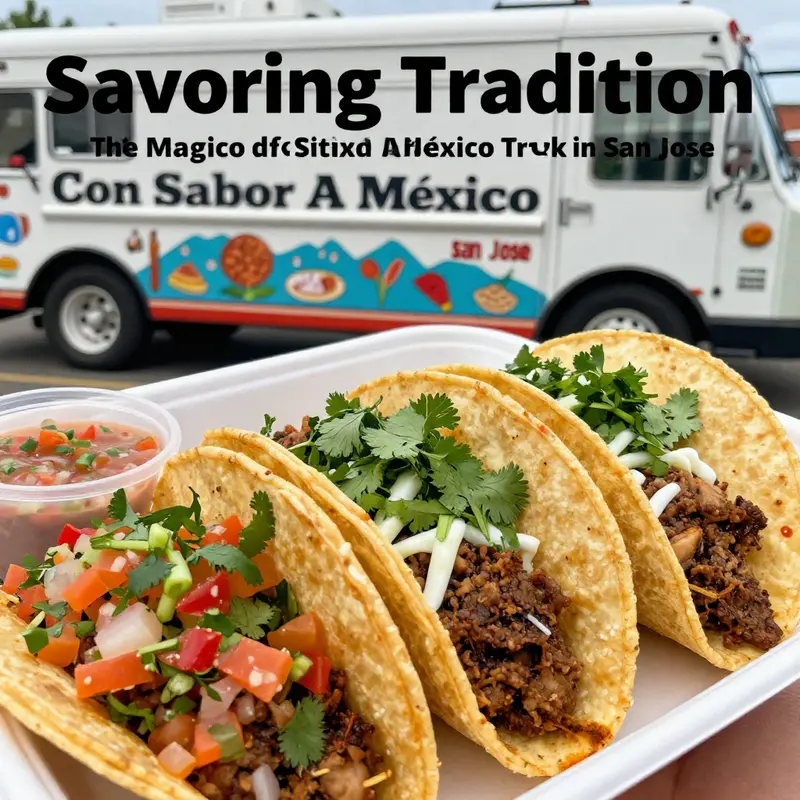
In the heart of San Jose, where the city hums with the energy of sports fans, neighborhood regulars, and food lovers chasing the next bold bite, Con Sabor A México sits like a bright beacon of street-level Mexican cooking. Nestled a few blocks from the SAP Center, the truck has grown into a ritual for locals and visitors alike. Its scent trail—charred edges, citrus brightness, and a whisper of cinnamon from horchata—invites anyone passing by to pause, listen to the sizzle, and choose a plate that promises a memory of a street market in Mexico City, a seaside pier town in Oaxaca, or a bustling border town in Sonora. The experience is casual, but the flavors are deliberate, the portions generous, and every dish seems tailored to be enjoyed without ceremony. This is not just quick fuel; it is a deliberate immersion into a particular tradition, carried out with pride on a San Jose curb and served to anyone hungry for a taste of home or discovery.
What makes the menu at Con Sabor A México feel singular is its balance between reverence for tradition and a willingness to let the kitchen breathe with fresh ingredients and daily improvisation. The meticulous choice of components—bright cilantro, onions sliced at the moment, and meat that meets heat and time in a way that tames nothing but elevates everything—speaks to a chef’s confidence in a mobile format. The tacos are the heart, but the lineup extends far beyond them, inviting guests to chart a flavor map that can evolve with the seasons and the day’s supply. Even as the crowd grows on evenings when a basketball game pulls people toward the arena, the truck remains a steady compass for the senses, a place where you can chart a route from smoky, cumin-laced al pastor to a gentle, slow-cooked carnitas that flakes apart on the tongue with an almost comforting ease.
The taco offerings function as a curated tour through Mexican street cooking, each option presenting a distinct personality while remaining part of a coherent family. Al Pastor arrives with marinated pork that carries the sweet tang of pineapple, a classic pairing that brightens the meat and creates a balance that feels almost musical. The cilantro and onions that accompany it aren’t garnish but essential punctuation—tiny bursts of brightness that punctuate the pork’s deeper notes. Carnitas, on the other hand, bring a different kind of magic: slow-roasted pork with edges that toast to a crackling finish, then soften under the steam of a warm tortilla, offering a comforting, almost Sunday-like savor that invites another bite without a second thought. Lengua—the tongue that might surprise the uninitiated—offers a luxurious silkiness, a tenderness that seems to melt into the tortilla with a richness that whispers of lard and spice coaxed over time. And Pollo, whether grilled or shredded, carries citrus and subtle marinade notes that remind you this is a kitchen that respects the sun-warmed ingredients and the hands that transform them.
Beyond the taco stand, the menu unfolds into a broader, equally compelling world. Burritos arrive as generous bundles wrapped in large flour tortillas, packed with a choice of meat, rice, beans, and salsa. The richness of the filling is matched by the comfort of the sturdy wrap, making a burrito feel like a meal you can carry with you into a long afternoon or a late-night stroll after a show. Tortas, the Mexican sandwich tradition, arrive on crusty bread that bears the memory of a bakery’s crust and a kitchen’s care. They mimic the sentiment of comfort food while delivering a punch of flavors: fresh toppings, a balance of pickled brightness, and a protein that holds up to the bread’s weight, ensuring every bite is satisfying and complete.
Quesadillas follow with a simpler, focused pleasure—griddled tortillas filled with cheese and a choice of meat, then sliced for easy sharing or single-handed enjoyment. The cheese threads through each bite, binding the fillings in a way that makes the simplest combination feel indulgent. The sides round out the main dishes with the staples many diners seek: rice and beans that act as a neutral canvas for the brighter elements, and a selection of salsas that invite you to calibrate your heat and acidity level. The salsas range from mild to bold, allowing a guest to tailor the experience: a gentle drizzle here, a sharper flicker of heat there, and the flavors bloom with the same immediacy a live flame brings to a grill.
If there is a throughline to the kitchen’s approach, it’s the insistence on freshness and on making dishes to order. The difference is felt in the way the meat is cut, the moment the salsa is spooned, and the way a tortilla is warmed—soft and pliable, yet sturdy enough to hold a robust filling. It is also a reminder of the space’s location: a compact footprint that uses a few well-chosen tools to deliver a spectrum of tastes that would feel more at home in a bustling market than a formal dining room. The menu’s architecture—tacos, burritos, tortas, quesadillas, sides, salsas, and drinks—offers a linear yet expansive journey. It invites you to start with a single bite and, with one decision after another, assemble a meal that reflects your appetite, your curiosity, and your mood.
The beverages deserve their own note of attention. Horchata, with its cinnamon kiss and creamy texture, provides a cooling sweetness that lifts the heat and complements the porky richness of some fillings. Aguas frescas arrive in a parade of fruit-forward brightness—mango, tamarind, or perhaps a more unusual seasonal blend—each sip cleaning the palate while allowing the next bite to feel like the first. These drinks are not mere add-ons; they are integral to the rhythm of the meal, a reminder that the best street-food experiences are the ones where drink and food negotiate a moment of balance, not just a pair of elements offered together. The culinary logic is clear: the chef wants you to finish your plate with a sense of satisfaction rather than a lingering heaviness, and the beverages are crafted to help achieve that.
Birria is a thread that many locals carry with them when they discuss Con Sabor A México, even if it isn’t listed as a permanent item on the current menu highlights. The community’s affection for birria tacos—served with their flavorful consommé on the side for dipping or sipping—speaks to the truck’s ability to honor tradition while remaining adaptive to demand. This is not a fixed museum exhibit of a single dish; it is a living, breathing menu that can honor long-standing favorites while welcoming new variations and seasonal offerings. The fact that birria remains a talking point among regulars underscores how seriously the kitchen treats its Mexican roots, even as it embraces the fast-paced tempo of a San Jose street-food scene.
What makes the whole experience memorable, beyond the flavors themselves, is the setting: a casual, lively space where fans from game day and neighbors from the neighborhood share the same counter, the same grill smoke, and the same friendly exchange. The truck’s proximity to major venues turns a meal into a ritual that can accompany a sporting event, a concert, or a late-night stroll through downtown. It is not merely about feeding an appetite; it is about feeding a moment—the moment when a person realizes that a neighborhood taco truck can offer the comfort of a family recipe and the spark of a new discovery in a single, satisfying encounter. The menu, in its careful arrangement and the clear confidence with which each item is prepared, invites readers to pretend they are local for a night: to pace themselves, to share a plate with a friend, to savor each element as it arrives, and to walk away with the sense that they have experienced something distinctly San Jose, something that feels both timeless and timely.
For those curious to explore more about how menus like this evolve in the food-truck world, there is a broader conversation to be had about the forces that shape a mobile kitchen’s offerings. A quick visit to the Fireduptacotruck blog provides a wider lens on how street-food menus adapt to audience, seasonality, and supply, offering context without taking away from the intimate, crowd-focused charm of a single truck’s menu. Fireduptacotruck blog.
As the night cools and the crowd thins, Con Sabor A México remains a point of return for those who crave a strong, direct hit of Mexican flavors, prepared with care and served with a smile. Its menu reads as a map you want to follow again and again, with new detours and familiar landmarks alike. The sandwich-like comfort of a torta, the playful brightness of al pastor, the slow, almost meditative pull of carnitas, and the glossy finish of a well-made quesadilla all work together to frame a single, resonant truth: in the heart of San Jose, you can eat with the energy of a street market and the sincerity of a family kitchen, all from a compact, tireless truck that knows how to keep your appetite occupied and your memories vivid. The next bite, the next drink, the next drizzle of salsa—these are not just choices; they are invitations to participate in a shared ritual of flavor, community, and place.
External resource: https://www.yelp.com/biz/con-sabor-a-mexico-san-jose-2?hrid=1j4wZmV3XqBfWd9cHnJU8Q
Where Flavor Meets Foot Traffic: The Strategic Location of Con Sabor A México in San Jose
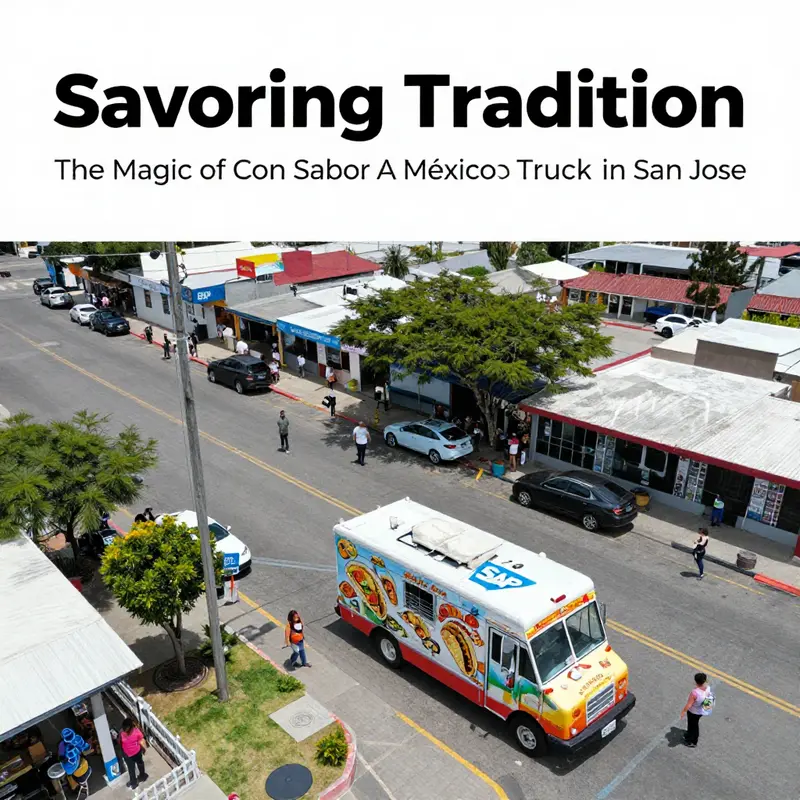
In San Jose, the pulse of a city often reveals itself not just in its landmarks but in the everyday choreography of streets, sidewalks, and the hungry crowds that move through them. Con Sabor A México sits at 845 Commercial St, a site that is more than a coordinates pin on a map—it is a node where the energy of downtown San Jose, the weekday rhythm of office workers, and the weekend thrum of arena events converge. Three blocks from the SAP Center, the truck benefits from a built-in audience that arrives with purpose and exits with a craving that only a quick, flavorful bite can satisfy. This proximity matters as much as the recipe itself, because it frames the experience before a bite is taken. The aroma of searing meat and simmering consomé travels out onto the street, slipping into conversations and turning casual passersby into curious visitors. In a city known for its diverse culinary landscape, the location acts as the first ingredient in the flavor equation, inviting people to add personal ritual to the meal—whether it is a pre-game ritual, a post-event wind-down, or a lunch break that briefly transforms a workday into a small celebration.
From the moment the truck opens its doors, the downtown neighborhood becomes a backdrop for a meal that is both familiar and excitingly new. Con Sabor A México has built its reputation on authenticity and immediacy: birria tacos, served hot and freshly made to order, carry with them the promise of a connection to a place that many locals have only tasted through its savory stews and hand-folded tortillas. The location amplifies that promise. When crowds gather for a game or concert, the street between the SAP Center and the surrounding blocks is a corridor of anticipation, and the truck sits at a crossroads where appetite and event energy meet. People planning a quick bite before a game suddenly discover a flavorful option that feels like a shortcut to a larger cultural experience, a small immigrant-owned ritual that travels well with the city’s own storied history of street food and communal meals.
The business implications of this positioning are as practical as they are cultural. Foot traffic becomes not just a metric but a storytelling device: a steady stream of potential customers who want something reliable after an afternoon of sprinting between schedules. The proximity to a venue that gathers thousands on event nights translates into predictable peaks and valleys in demand. The truck’s staff learns to read the city’s calendar—events that pull families, students, and traveling fans—anticipating what flavors are most appealing when a stadium crowd comes looking for something hot, comforting, and fast. This is not merely about selling food; it is about extending the arc of a sports or concert evening with a meal that feels like an exhale after the exhilaration inside the arena. The routine becomes part of a broader San Jose experience, where a single bite can seal a memory of a night out and encourage a repeat return on a quieter weekday, when the same streets still hum with life but at a gentler tempo.
The location also shapes how Con Sabor A México communicates its identity. In a city with a generous mix of ethnic influences and a thriving street-food narrative, a truck perched near a major downtown hub signals accessibility, approachability, and continuity with the city’s growing appetite for authentic regional flavors. The birria tacos, a centerpiece on the menu, are more than a dish; they are a doorway to a larger cultural conversation that resonates with both longtime residents and newcomers who are seeking a genuine taste of tradition that travels well. The setting—open air, close to public transit, and embedded in a walkable, lively district—encourages customers to linger, to share plates, and to enact a social ritual of gathering that complements the meal itself. In this way, location and cuisine reinforce one another, turning a simple street meal into a social event that passengers and locals alike can become part of.
Online presence and community validation reinforce the physical location’s impact. The truck has cultivated a robust digital footprint, with a dedicated following that often mirrors the foot traffic itself. Positive reviews, plentiful photos, and consistent ratings become a map of trust that travelers consult before deciding where to eat after a game or during a lunch break. A strong online presence is most powerful when it aligns with a location that invites spontaneous visits: a traveler on Yelp or a local commuter who sees a line outside the truck knows that what they will taste is both reliable and beloved by many. The interplay between the tangible appeal of a busy street corner and the intangible power of online word-of-mouth creates a feedback loop that elevates a meal into an event, an ordinary Monday into a moment worth posting about. The result is a loyal customer base that spans locals who pass by daily and visitors who discover the truck through event-driven crowds, then return because the flavors and the setting feel like a cohesive, welcoming experience.
For those who observe Con Sabor A México with an eye toward replication or expansion, the location offers a compact case study in how geography can shape perception and demand. The three-block proximity to a major arena is not a guarantee, but it is a catalyst that amplifies the likelihood of consistent turnout. It also places a premium on the truck’s ability to deliver speed without sacrificing quality, a balance that the community has come to expect. When a city’s residents are nourished by both routine and variety, the places they choose to eat become anchors in their weekly calendars. In San Jose, where local pride meets culinary curiosity, Con Sabor A México demonstrates how a well-chosen curbside perch can transform a plate of birria into a shared experience that travels beyond the ambulance-like efficiency of a quick serve into something warmer and more enduring.
The interplay between location and flavor extends beyond the immediate dining moment. The truck’s existence near a beacon of city life—three blocks from a major arena—helps broaden the neighborhood’s culinary map. It invites visitors to see downtown not only as a business district or transit hub but as a place where food creates an ongoing conversation about culture, memory, and belonging. In an urban landscape that often emphasizes novelty, this location underscores continuity: authentic Mexican cuisine, made to order, seated at a stand on a busy street, accessible to anyone who walks by, anyone who follows the scent of something comforting and familiar. The experience becomes a microcosm of the city itself—dynamic, diverse, and unpretentious, offering a taste of tradition that travels well with the tempo of multitudes.
As the chapter of Con Sabor A México unfolds, the locus of its operations remains a silent but powerful contributor to its story. The address anchors a narrative that begins with the spark of a street-side kitchen and ends with the social resonance of shared meals, the comfort of authentic flavors, and the sense that the city itself has embraced this small, itinerant kitchen as a regular feature of its own urban life. And so, the story extends beyond the counter: it becomes a testament to how place, moment, and memory fuse to create an experience that travels with a customer long after the plate has emptied. For readers following the broader arc of this article, the San Jose example offers a tangible reminder that successful food-truck ventures often hinge on more than recipes. They hinge on the way location invites, frames, and sustains appetite, turning a quick bite into a lasting impression.
If you’re exploring the broader implications of venturing into street food or considering how to calibrate proximity, accessibility, and brand identity, think of the way Con Sabor A México leverages its corner. The combination of a high-visibility perch near a time-hub of crowd flow and a menu anchored in regional authenticity demonstrates how place can amplify flavor and vice versa. This synergy—not merely the quality of the dish but the entire context in which it is enjoyed—helps explain why the truck has earned a loyal following since 2018 and why it consistently attracts new fans drawn by the immediacy of the experience. It is a reminder that the city’s layout, the events that fill its arenas, and the steady stream of pedestrians who move through its streets create a living stage where food can become a shared ritual rather than a solitary act. To consider these dynamics is to acknowledge that a successful food truck is as much about location as it is about labor, technique, and taste. And in San Jose, Con Sabor A México offers a vivid example of how this balance is practiced in real time, on a street corner that feels like a natural extension of the city’s appetite for community and culture.
For those curious about how to navigate the considerations of choosing the right setup or optimizing a truck’s placement, helpful guidance can be found here: Choosing the right food truck. This resource invites readers to contemplate not only where to park but how location interacts with the product, the audience, and the daily rhythms that shape a street-food brand’s long-term resilience. And, for a broader sense of how this particular spot is perceived by diners and critics alike, one can consult industry observations and customer feedback on external platforms that catalog experiences, such as the neighborhood’s reviews and photos that chronicle the ongoing relationship between a beloved cart and its community. The convergence of street-level craft and city life is not a novel idea, but Con Sabor A México makes it tangible, memorable, and uniquely San Jose.
External reference: https://www.yelp.com/biz/con-sabor-a-mexico-san-jose
Taste on Wheels: The Living Experience of Con Sabor a México Taco Truck in San Jose
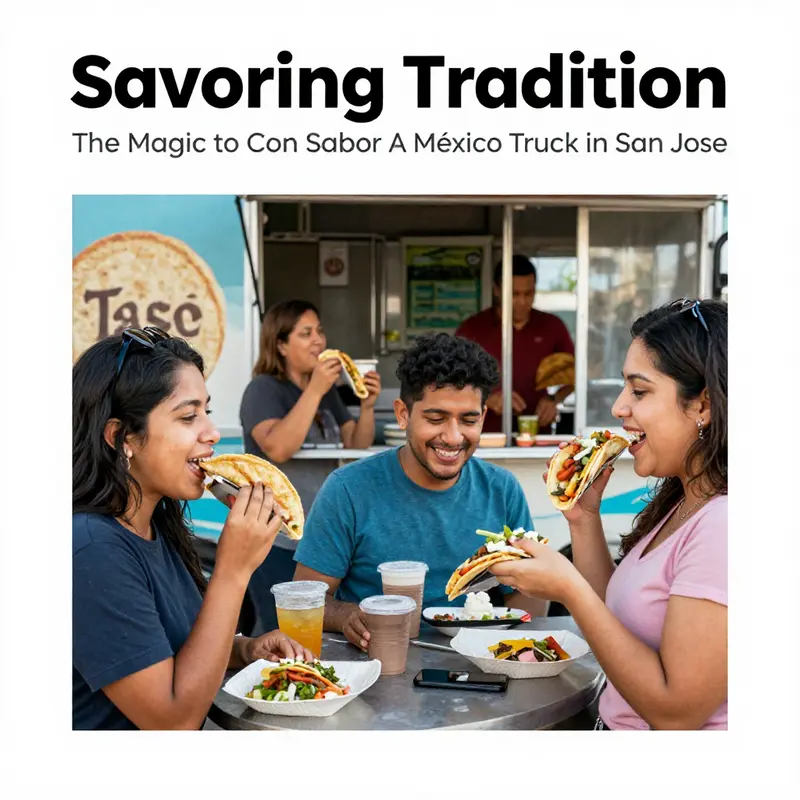
Three blocks from the SAP Center, a compact, diesel-tinted hum slips through the busy street, and a bright, welcoming scent threads its way past the storefronts and into the lungs of walkers, commuters, and fans stepping off the light rail. This is Con Sabor a México, a taco truck whose reputation in San Jose has grown by serving more than meals—it’s delivered a sense of place, a reminder of the streets of a city where Mexican flavor meets Silicon Valley pace. Since its start in 2018, the truck has become a reliable beacon for authentic, unabashed Mexican cooking. It is a place where the air tastes of smoke, lime, and coriander, and where the distinctions between street food and home cooking blur into a single, intimate dining moment that anyone can share after a game, at a farmers market, or between meetings in nearby tech campuses. The neighborhood around it is diverse and busy, a blend of families, students, office workers, and curious visitors who come seeking more than a quick bite; they come looking for a memory of Mexico that travels well, and the truck delivers with a consistent, unpretentious charm.
What makes the experience so coherent and satisfying is less a single signature dish and more the thorough, faithful craft that underpins every item. The menu leans into traditional Mexican staples that have long traveled far beyond the borders of the country, yet here they arrive with a clarity that makes their origins unmistakable. The al pastor is soft and caramelized at the edges, the carnitas melt with a richness that never hides behind heavy sauces, and the masa-based items—soft tortillas, little packets of warmth—bear the mark of real time spent at the tortilla press and on the griddle. Birria, the dish that often stands at the heart of the truck’s acclaim, is prepared to order, arriving at the table with a broth that looks simple but carries a depth earned through patient reduction and a careful balance of spice. Yet there is nothing faddish about it; the flavors are rooted in the culture they come from and delivered with a straightforward honesty that respects the ingredients.
The sensory profile is the first invitation. The aroma of grilled meat and the airy lift of fresh tortillas mingle with the brightness of cilantro, lemon, and a dusting of salt. Each bite feels like a small travelogue—a bite of street-side Mexico that travels a few miles and sits in the eater’s hand with a practiced ease. The tortillas deserve particular praise. They’re handmade, warm enough to coax a sigh of relief from even a weary commuter, and pliant enough to wrap a generous filling without breaking. The salsas are not merely a splash of heat but a chorus of fresh, house-made blends. Some are brisk and tangy, others mellow with roasted pepper sweetness; all arrive with a noticeable intention behind their level of heat and acidity. The result is a meal that feels alive, crafted, and personal in a way that makes the act of eating a little ceremony rather than a routine.
Portion size is generous in a way that reinforces the sense of value, a practical gift for people who juggle work, travel, and hunger in a single afternoon. The meat is plentiful, the toppings ample, and the sides—such as a modest helping of beans or a well-seasoned rice side—feel like a thoughtful complement rather than an afterthought. It is easy to overestimate the convenience of a food truck, to imagine that speed must come at the expense of heart or substance, but Con Sabor a México consistently proves otherwise. The portions are designed for sharing or for a single hungry person who wants to feel fully sated, and the pricing remains accessible enough that a casual meal becomes a repeatable option rather than a special occasion.
What elevates the experience beyond the plate is the warmth of service. The crew treats diners as if they have stepped into a family kitchen rather than a transactional food stop. The welcome is practiced but genuine, the servers quick with a smile and a nod that acknowledges the predictable rhythm of a long line. There is a comfort in the way orders are taken: steady, precise, and unhurried, with a readiness to answer questions about spice levels or ingredient origins. This is not a performance for social media—it’s the enactment of a simple, reliable hospitality that makes people return. In a city where many meals arrive with a sense of franchise or trend, the feeling here is human-scale and intimate, a memory of a shared table rather than a solo indulgence.
The ingredients themselves deserve a brief ode. The decision to emphasize fresh, seasonal elements is evident from the first bite. The handmade tortillas are the backbone of the experience, providing structure and warmth that carry the fillings without overpowering them. The house-made salsas—bright, opaque, and bold—alter the flavor landscape with each choice, inviting diners to build a personal combination rather than merely accept a fixed option. Fresh herbs and crisp vegetables provide color and texture, while the meat recipes reflect patient technique and a respect for the traditional flavors that define the cuisine. The result is not a reimagining of Mexican street food but a faithful, well-executed rendition that makes each visit feel like dipping into a well-loved family cookbook brought to life on a street corner.
Location adds layers to the experience beyond the plate. The truck’s frequent appearances at the downtown San Jose Farmers Market and near tech campuses ensure it remains a convenient, go-to choice across a broad spectrum of daily life. The markets draw a crowd that is attuned to freshness and locality, which aligns perfectly with the truck’s emphasis on fresh ingredients and real flavors. The proximity to the arena and the energy of game days create an additional context for the meals—fans arriving with a shared appetite after a long day or a match finding a quick, satisfying option that matches the tempo of their mood. Convenience here isn’t merely about proximity; it’s about a rhythm that supports a casual, spontaneous choice that still feels satisfying and meaningful in a memorable way.
Community is perhaps the most intoxicating ingredient of all. The taco truck operates at the intersection of diasporic cuisine and neighborhood tradition. It brings a slice of Mexican street life into a bustling Californian city and makes it accessible to locals who want something comforting and familiar as well as to visitors who crave an authentic bite of a culture different from their own. The result is a sense of belonging that travels with the food, a small social ecosystem built around shared meals and the stories that accompany them. People who come for a single quick bite often linger, drawn by the warmth of the space, the familiar smells, and the chance to connect with people who share a curiosity about flavors that speak to both home and place. This community aspect is reinforced by the reliability of the product and the predictability of the experience—an important note in a city where new pop-ups emerge regularly and old favorites must prove their staying power.
In terms of value, the combination of quality, generosity, and accessibility positions Con Sabor a México as a dependable option for a wide range of patrons. The meals deliver a sense of fullness and satisfaction that outlasts the moment’s hunger, and the price point makes it practical for students, professionals, families, and casual visitors alike. The experience is designed to feel like a trusted local resource rather than a trendy pit stop, a memory you can count on on crowded days or after a long commute. It is a place where the act of choosing food becomes a small ritual of comfort, a habit formed through repeated visits, and a reminder that great flavors can arrive from a compact, deceptively simple setup.
For readers curious about selecting a reliable mobile kitchen, you can read more about choosing the right food truck. This is not a mere shopping guide but a philosophy of what makes a visit trustworthy, consistent, and genuinely flavorful—the kind of guidance that complements the lived experience described here and helps explain why Con Sabor a México has earned its place in San Jose’s vibrant food scene.
As a chapter in a larger narrative about con sabor a México in San Jose, this experience underscores how a well-constructed, locally rooted food moment can translate into lasting impressions. The city’s appetite for authentic, accessible Mexican cooking is not a passing trend but a steadily growing movement that welcomes both native and newcomer flavors into shared spaces. Con Sabor a México embodies that ethos: it treats authenticity as a craft, hospitality as a practice, and taste as a memory to be collected, year after year, plate after plate. Its presence near the arena and at the farmers market anchors a community in which people can rely on a flavorful, honest meal as part of their ordinary routines and special occasions alike. A map can tell you where to find it, but it is the experience—the warmth, the aroma, the generous bites—that keeps people coming back, again and again, to this small but mighty corner of San Jose where Mexican sensibilities meet California vitality.
External resource: https://www.google.com/maps/place/Con+Sabor+a+M%C3%A9xico+Taco+Truck/@37.334216,-121.880375,17z/data=!3m1!4b1!4m6!3m5!1s0x808f3a2e3d4c7e9f:0x1b75c586e1f31c7f!2sCon+Sabor+a+M%C3%A9xico+Taco+Truck!3m2!1d37.334216!2d-121.880375?hl=en
Flavor as Community: How Con Sabor A México Shapes San Jose’s Tacos, Culture, and Local Life
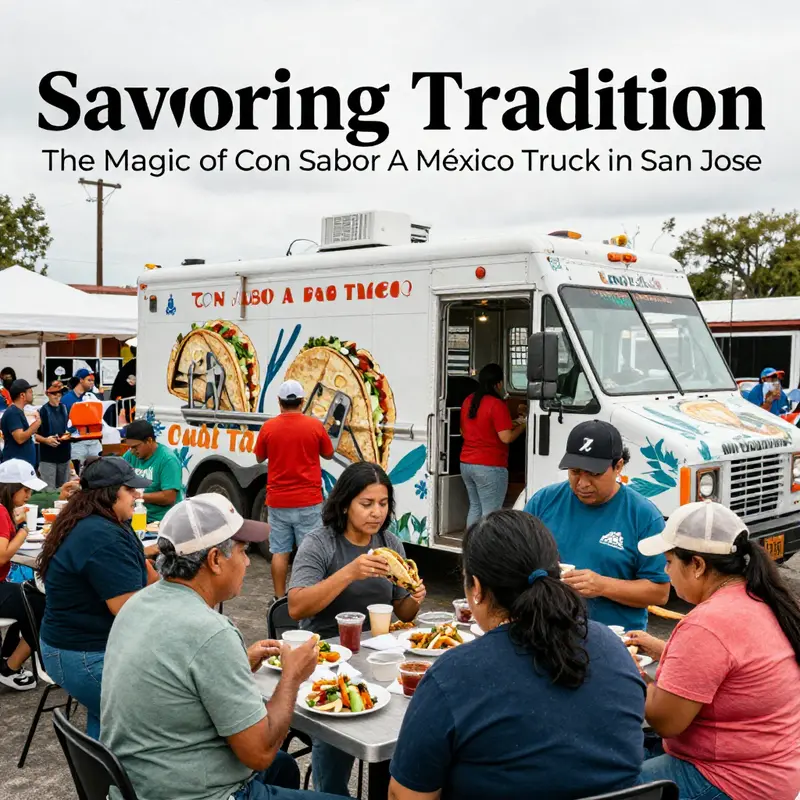
In the heart of San Jose, a bright red and blue food truck stands more than a place to grab a quick bite. Con Sabor a México has grown into a community touchstone since opening in 2018, a small but vibrant thread in the city’s culinary fabric that ties together neighborhoods, fans, families, and visitors who crave a taste of authentic Mexican tradition. Three blocks from the SAP Center, the truck has naturally become a popular stop for sports fans and concert-goers alike, but its reach extends far beyond a single meal between events. What makes this mobile kitchen remarkable is not only the bold, simmered depth of its dishes but the way it has woven itself into the daily rhythms of the city. The birria, cooked to order and served with a generous spread of consommé for dipping and a bright stack of onions, cilantro, and lime, is the lure. Yet the real draw lies in the sense of place it creates—an invitation to linger, to share, to learn, and to connect with neighbors one plate at a time.
That sense of place is born from a simple ingredient: accessibility. The truck’s regular presence at a consistent schedule makes it both a reliable option and a familiar landmark, a cue that says, “You’re close to home, and you’re about to taste something rooted in long-standing Mexican culinary traditions.” It’s not just the food but the setting that builds trust. People walk up with a sense of anticipation, and for many, the experience becomes a ritual: a familiar flavor profile that signals comfort after a long day and an opportunity to explore new textures and techniques in each bite. The birria here is a culinary passport of sorts, a doorway into the broader conversation about Mexican regional cooking and the ways it travels and evolves in a California urban landscape. The truck is not a tourist stop; it is part of a living, breathing community dialogue that includes vendors, residents, students, and professionals who cross paths along San Carlos Street and beyond.
Con Sabor a México has also positioned itself as a cultural ambassador through its presence at events, venues, and a steady stream of everyday encounters. The proximity to a major sports venue means the truck often welcomes people who are walking from a game or a show, and there is a natural energy in those moments. Fans arrive with a post-event appetite and a curiosity about the cuisine that fuels the city’s social life. The truck does more than satisfy hunger; it amplifies an experience that couples taste with memory, a pairing that endures long after the napkins are tossed and the last cup is emptied. The result is a sense of shared memory in the making—ephemeral yet meaningful, personal yet communal—where each visit adds a note to a broader chorus about what it means to enjoy Mexican food in the Bay Area.
A large part of that chorus comes from a deliberate use of digital storytelling. The messaging is not merely about menu updates; it’s about inviting audiences into the kitchen, offering glimpses of how ingredients are prepared and how flavors develop. The team leverages platforms like TikTok and Instagram to provide real-time updates on locations, menus, and special items. Behind-the-scenes clips reveal the rhythm of a busy day: peppers blistering on a hot griddle, the steam lifting with a hiss as birria simmers, a quick flash of a customer smiling after a first bite. Such content does more than inform; it creates an emotional bridge. People who have never walked up to the truck can still feel the scent of the broth, hear the sizzle of the pan, and sense the warmth of a small team that takes pride in its craft. Those moments translate into a sense of belonging, a feeling that you are part of a broader, dynamic community that shares a love for good, honest food.
The social media approach is complemented by a thoughtful, community-forward promotional strategy. The team invites patrons to engage not just with the truck but with the story behind the food. They encourage visitors to share their dining experiences using specific hashtags, which helps thread individual stories into a larger tapestry. This practice has a practical return as well: it builds a library of user-generated content that celebrates authentic moments—friends reconvening after a game, families gathering for a quick, flavorful meal, coworkers briefly breaking from a hectic day. It creates a sense of continuity and anticipation, encouraging people to return not just for what’s on the plate but for the shared memory of what they experienced together at that moment.
Community life around Con Sabor a México extends beyond the food. The truck and its crew frequently participate in local events that emphasize culture, resilience, and connection. They show up where people are gathering—street fairs, markets, school events, post-game celebrations—and bring with them the kind of hospitality that invites conversation as easily as it invites a bite. This consistent presence helps anchor a wider network of food lovers who might otherwise drift from one pop-up to another. When a family returns to the truck every couple of weeks, they are not just returning for a meal; they are returning to a familiar space where they know they will be greeted with a smile, a respectful conversation about ingredients, and an experience that honors the dishes they have grown to love. In this way, the truck becomes more than a source of sustenance; it becomes a community hub that mirrors the city’s own diversity and rhythm.
That sense of cultural exchange is palpable in the way the kitchen greets a new face. A first-timer learns about the range of preparations that Mexican cooking offers, while longtime fans enjoy the comfort of a familiar order with a tweak or a new topping. The dialogue around food becomes a way to bridge gaps—between generations, between longtime residents and newcomers, between those who learned the recipes from their grandparents and those who discover them anew in a modern city. Con Sabor a México does not claim to rewrite a tradition; it presents a living, evolving version of it, one that respects the roots while welcoming change and curiosity. The conversations around the table at the curbside are as much about community as they are about cuisine. The wealth of stories—where the birria found its own flavor profile, how the broth picks up a hint of citrus or a kiss of herb, how a customer’s grandmother used to make the same dishes—becomes a shared archive that enriches the city’s culinary memory.
In considering the role of this truck within the broader San Jose landscape, it is impossible to ignore the practical yet powerful way in which it makes regional cuisine accessible. The address at 500 W San Carlos St situates the truck in a corridor of mobility and foot traffic, a place where people move through their days and pause to savor a moment of respite. The regular scheduling turns a simple dining decision into a reliable ritual, one that people plan around or fit into a larger outing. Accessibility is not only physical but social: the truck welcomes everyone who passes by, whether they are seasoned connoisseurs of Mexican food or curious first-timers. It’s this welcoming atmosphere that underpins the ongoing sense of community—an inclusivity that makes the experience feel personal, even when it’s just a quick bite between activities.
For those who want to remain connected to the latest offerings and hours, the local Yelp page provides a practical touchstone. The reviews reflect a shared appreciation for the authenticity and warmth that the truck delivers, reinforcing the sense that Con Sabor a México is more than a stop on a map; it is a corner of the city where people gather to celebrate flavor and fellowship. As with any beloved neighborhood fixture, the true value lies not just in what’s plated on the tray but in the conversations and connections built as a result. The truck’s evolving menu, its willingness to invite feedback, and its ongoing community involvement together form a living, edible ledger of San Jose’s cultural exchange, a record of how food can unify a diverse urban populace around a common appetite for good, honest cooking.
Those who study the reach of food trucks in dynamic urban spaces often point to the quiet power of consistent presence and open engagement. Con Sabor a México demonstrates this in practice: a steady, approachable platform for sharing flavor and story; a space where people can meet, learn, and trust. The mixture of traditional technique and modern storytelling makes the experience resonate beyond the plate. It becomes a memory people want to repeat, a social moment they want to relive, and a doorway to broader conversations about Mexican cuisine’s place in California’s multicultural kitchen. In the end, the truck’s impact is less about novelty and more about continuity—an everyday reminder that food can be a faithful thread in a city’s evolving narrative. For readers seeking a practical path to cultivating similar community bonds, the lesson is clear: consistency in presence, generosity in hospitality, and a willingness to invite others to participate in the story are as important as the flavor itself. And as the city continues to grow, the road to shared meals and shared memories runs straight through places like Con Sabor a México, where flavor, culture, and community converge on a single curb with every steaming, aromatic bite.
External resource: For a broader sense of community trust built around local eateries and public-facing testimonials, see the city’s vibrant local review platform: https://www.yelp.com/biz/con-sabor-a-mexico-san-jose. Internal study and practical strategies for extending engagement online can be explored in resources focused on audience reach and customer loyalty, such as the article on Email Marketing for Food Trucks.
Internal reference: Learn more about practical outreach and audience engagement strategies in the food-truck context by visiting the article on Email Marketing for Food Trucks, which offers actionable guidance on building and maintaining relationships with customers while expanding reach and return visits.
Final thoughts
Con Sabor A México taco truck stands out not only for its tantalizing menu, especially the beloved birria tacos, but also for its robust cultural presence in San Jose. Through its strategic location, engaging customer experiences, and active community involvement, it has seamlessly blended the flavors of Mexico with the local spirit. As taco lovers and business owners seek inspiration from this thriving food truck, they can learn the importance of embracing authenticity, connecting with the community, and offering quality, delicious food that keeps patrons coming back for more. This taco truck is more than just a place to eat; it’s a vibrant cultural hub that continues to delight the senses.