
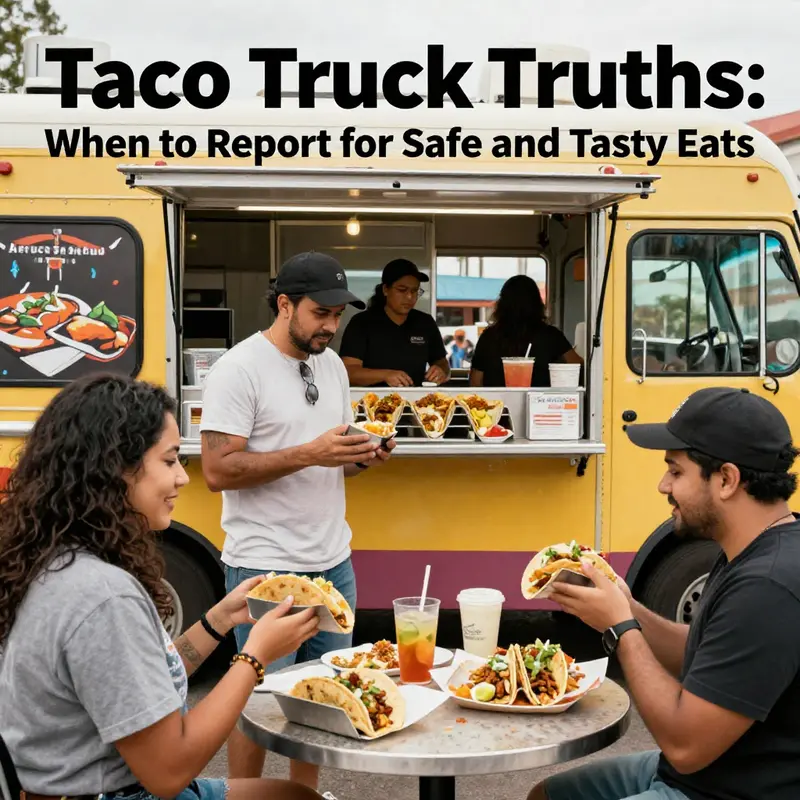
The vibrant world of taco trucks offers delicious flavors and an unforgettable culinary experience, but what happens when the savory allure turns sour due to unsafe practices or local violations? As taco lovers and business owners, it’s crucial to ensure that these mobile treasures follow health and safety regulations. Learn when and how to report a taco truck, whether you’re a frequent diner relishing those tantalizing tacos or an entrepreneur navigating the industry. Each chapter dives into spotting unsafe practices, understanding local regulations, and guiding you through the reporting process, empowering you to stand up for food safety without compromising flavor!
Ensuring Public Health: A Comprehensive Exploration of Reporting Taco Truck Violations
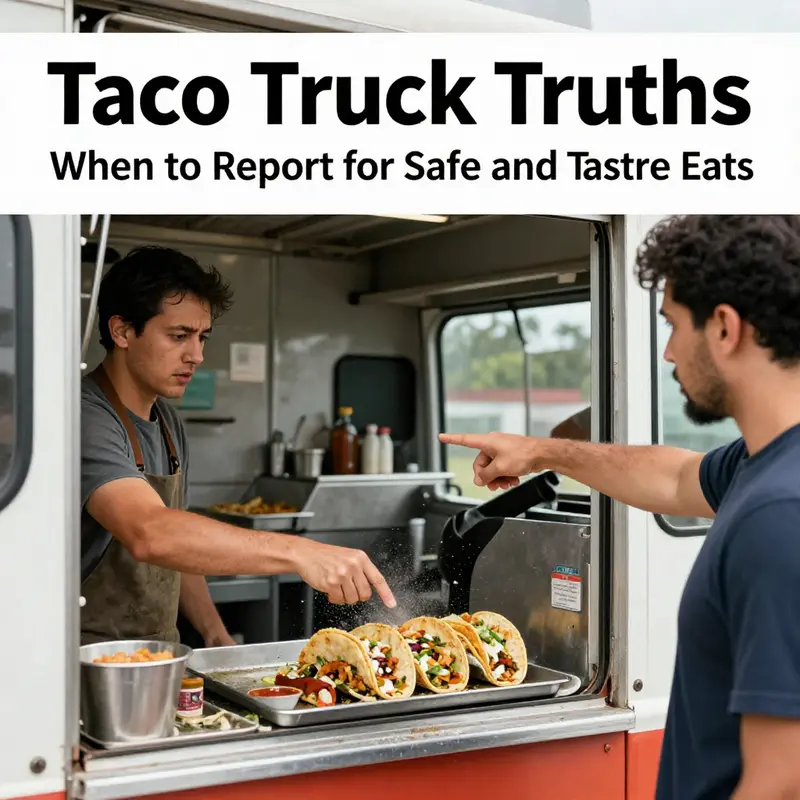
In cities and towns across the nation, taco trucks have become a vibrant and essential part of local culture. They provide convenient, flavorful meals and contribute to the local economy, yet their mobility and informal setting can sometimes lead to lapses in regulatory compliance. When food vendors like taco trucks fail to meet health standards or adhere to safety guidelines, the implications can affect not only the reputation of the food service industry but also the well-being of the public. Reporting unsafe practices is an essential mechanism for community members who are committed to maintaining high standards of safety and health. This narrative offers a comprehensive account of how and why citizens should take action against taco trucks that compromise public health, and it illustrates the detailed steps one must follow to ensure a safe dining environment for all.
The foundation of any safe food service operation is adherence to strict guidelines concerning food handling, storage, and overall sanitary conditions. When these standards are not met, the consequences can be severe. For example, a taco truck that neglects proper temperature control or uses ingredients that have been improperly stored increases the risk of foodborne illnesses. Such hazards may be exacerbated by the lack of visible inspection certificates, which serve as an assurance that the truck has passed rigorous health inspections mandated by local authorities. In other words, a truck operating without the necessary permits or failing to display certification clearly can put an unsuspecting consumer at risk. These lapses not only undermine public trust in mobile food vendors but also have the potential to cause significant health crises if left unchecked.
The urgency of addressing unsafe practices in taco trucks is amplified by the nature of the food items served. Taco trucks often serve a variety of perishable ingredients such as raw meats, fresh vegetables, and dairy products. Without strict temperature control and sanitation practices, these ingredients can quickly become a breeding ground for bacteria such as Salmonella or E. coli. Even a minor oversight, such as leaving raw meat exposed in high temperatures or neglecting thorough hand washing, can set off a chain reaction of contamination. Observing these practices, a vigilant citizen should feel empowered to report the incident to the appropriate regulatory body. Doing so not only aids in preventing potential outbreaks of foodborne diseases but also helps to uphold the integrity of the local food service industry.
Beyond the direct implications for consumer safety, there exists a broader spectrum of concerns related to the operational safety of taco trucks. Many of these mobile vendors rely on repurposed vehicles that might not fully meet modern safety standards. A taco truck, for instance, which is not properly maintained or has electrical or fuel system malfunctions, could pose additional hazards on the streets. Such mechanical risks have the potential to lead to accidents or even fires if not properly addressed. Reporting issues related to vehicle maintenance is just as critical as reporting issues related to food safety. In many cases, the physical structure of the truck itself is subject to rigorous standards designed to prevent contamination as well as maintain the overall safety of the motor vehicle while navigating public roads.
Mobile food services operate in a unique intersection of health, safety, and regulatory oversight. Municipal authorities, health departments, and federal agencies have established guidelines that must be met by any food vendor. The U.S. Food and Drug Administration (FDA) plays a central role in this ecosystem through the FDA Food Code, which outlines safety protocols such as proper temperature controls, hand hygiene practices, and cross-contamination prevention techniques. These guidelines serve as the benchmark for food safety across the country. Ideally, taco truck operators adhere strictly to these directives by ensuring that all food is stored at safe temperatures and that preparation areas are sanitized regularly. Further, visible health inspection stickers are not mere formalities; they are public assurances that a truck has met, and continues to meet, the required standards.
When these guidelines are not followed, concerned citizens must be prepared to take direct action. Reporting a taco truck for unsafe practices involves several steps, beginning with the careful documentation of any observed shortcomings. It is essential for observers to note key details such as the location of the truck, the time and date of the incident, and specific issues like unsanitary conditions or improper food handling practices. Providing such detailed information is crucial for regulatory agencies to respond effectively and conduct a thorough investigation. Authorities are more likely to act decisively when a report is backed by concrete evidence. In this context, the role of community members extends well beyond mere observation; it is a proactive commitment to maintaining public health.
The process for reporting these violations can often be initiated through local health departments, which frequently provide hotlines or online portals designed to handle public complaints swiftly. For instance, cities such as Austin, Texas, have developed robust digital resources where residents can file complaints regarding food safety concerns. This not only speeds up the response process but also provides an official record for the investigation. In addition to local health departments, code enforcement offices also serve as a point of contact when disturbances such as noise or improper parking come into play. In the case of a taco truck whose operation is causing safety hazards on the road or obstructing pedestrian paths, it becomes necessary for citizens to reach out to these agencies. Combining reports related to both health and safety concerns invariably paints a fuller picture of the potential risks posed by the taco truck in question.
It is also important to recognize that reporting violations is not solely about pointing out problems; it is about ensuring that the systems in place for public oversight are functioning effectively. While the majority of taco truck operators work hard to maintain high standards, there are occasions when lapses occur. The formal process of reporting such issues thus serves multiple purposes. Not only does it correct immediate hazards, but it also reinforces the importance of consistent regulatory adherence among all vendors. Over time, a robust reporting culture contributes to stricter enforcement of health and safety regulations, ultimately leading to higher standards within the industry. In this way, community vigilance benefits the entire ecosystem—from consumers to the business owners who strive to provide quality service while complying with regulations.
In addition to food safety, attention must be paid to the overall maintenance and structural integrity of taco trucks. The rise in the popularity of used or repurposed trucks means that many vendors operate vehicles that have not been originally designed for food service purposes. This can introduce additional risk factors, as older vehicles may lack modern safety features or have been subject to wear and tear over time. The structural integrity of the truck matters significantly when one considers issues like potential contamination from rust or corrosion, which can compromise the cleanliness of food preparation surfaces. Vendors who invest in upgrading or regularly maintaining their vehicles typically avoid these pitfalls. However, for those who do not, the onus falls on the community to report these deficiencies before a minor issue escalates into a public hazard.
A particular challenge arises from the fact that mobile food vendors often make quick changes in operating locations to follow demand, sometimes resulting in parking and zoning violations. When a truck parks in an area where it disrupts pedestrian traffic or violates local zoning laws, it is not just a nuisance; it may also be a safety risk. For example, a taco truck parked at an unusual angle or in an area not designated for commercial operations can impede emergency services or create hazards for nearby vehicles. This intersection between zoning compliance and public safety is another critical area where public oversight is necessary. Citizens reporting such issues help regulatory agencies enforce parking guidelines and ensure that urban planning and safety measures are respected consistently.
Further adding to the complexity of the situation is the element of noise and other disturbances. Although primarily thought of in terms of food safety, taco trucks also have impacts on local communities through aspects such as loud music or the general hustle and bustle associated with high-traffic mobile food vendors. These disturbances can be particularly disruptive in residential areas, where the expectation is for a quieter, more controlled environment. In these contexts, local government bodies must balance the benefits of having a vibrant street food culture against the potential detriments of public disturbance. When noise or other related issues become severe, the option to report these problems to municipal authorities stands as one more tool available to citizens aiming to preserve neighborhood quality of life.
In many cases, proactive maintenance can serve as a preventative measure against many of the concerns discussed. Reliable operators are often very aware of the risks associated with their trade and invest significantly in ensuring their trucks meet or exceed local standards. Maintaining a clean workspace, following proper storage protocols, routinely inspecting equipment for potential hazards, and training staff are all actions that contribute to safer food service. Operator diligence is fundamental, yet it must be complemented by oversight from local agencies and active civic participation. For instance, operators who engage in regular self-auditing and invest in preventive maintenance not only improve their own business outcomes but also ease the burdens on public regulatory bodies. Interested readers can learn more about the importance of regular upkeep by exploring resources that provide advice on truck maintenance, such as insights into essential practices for extending a truck’s operating life. A practical guide on maintenance tips for food trucks can be found in this article on comprehensive strategies for extending the lifespan of an electric food truck.
The responsiveness of public health institutions also plays a significant role in ensuring the viability of the reporting process. Many cities have adapted swiftly to the challenges posed by mobile food vendors by implementing digital platforms for public complaints. These online tools make it possible for community members to submit detailed reports quickly and efficiently. In addition, they offer a centralized database that helps authorities track recurring issues, thereby making it easier to spot patterns of noncompliance. This data can be instrumental in the formulation of future policies, as well as in the strategic deployment of resources for inspection and enforcement. Timely action taken through these channels not only mitigates risks in the short term but also acts as a deterrent for future lapses in compliance.
It is crucial to recognize that vigilance does not mean constant criticism. Many taco truck operators take pride in providing excellent service and adhere strictly to regulatory guidelines. Instead, a culture of reporting unsafe practices acts as a quality control measure that benefits all stakeholders. When operators know that customers and local officials are vigilant, they are more inclined to remain diligent in their practices. In this sense, reporting provides an accountability mechanism that promotes continuous improvement across the board. By engaging in this oversight, communities foster an environment where excellence is rewarded and potential hazards are quickly addressed, ultimately leading to a more robust network of safe and reliable mobile food services.
Sometimes, the conversation around reporting taco truck violations extends to more technical considerations. For instance, when used trucks are repurposed for food service, the initial appearance of a vehicle may hide underlying problems that have accumulated over years of wear. Potential issues such as corrosion, outdated refrigeration technology, or insufficient insulation are critical from both safety and health perspectives. An imperfectly retrofitted structure might inadvertently create microenvironments where bacteria thrive, turning what should be a safe culinary experience into a potential health hazard. Ensuring that every element, from the physical structure to the refrigeration systems, is maintained at optimal levels is therefore essential, and when citizens observe discrepancies, they must exercise their right to report such inefficiencies.
Alongside local regulations, the FDA’s Food Code stands as an essential national guide for food handlers. This code is not merely a set of recommendations but a critical standard that underpins food safety protocols across the United States. The guidelines it establishes are designed with the intention of protecting public health by reducing the likelihood of contamination, encouraging proper sanitation practices, and ensuring that food is prepared in environments free of structural hazards. For citizens, this means that if a taco truck is seen flouting these fundamental principles—such as neglecting to maintain proper hand hygiene or failing to control the temperature of perishable goods—the FDA Food Code provides a clear basis upon which to justify reporting the violation. For those interested in a thorough understanding of these national benchmarks, the complete text of the FDA Food Code is accessible at the official FDA website.
In an age where consumer awareness is increasing and technology is advancing rapidly, reporting unsafe practices has never been simpler or more effective. The convergence of digital platforms, community engagement, and clear regulatory frameworks means that potential hazards can be addressed almost in real time. Moreover, this level of engagement highlights the collaborative nature of public safety, where every citizen can contribute to a culture of accountability and improvement. The active participation of community members not only helps in identifying and correcting issues early on but also serves as a reminder to operators that safety and hygiene should always be a top priority. The process of reporting is not adversarial; rather, it is a constructive measure to ensure that everyone involved—vendors and consumers alike—reaps the benefits of high standards in food service.
Through these combined efforts, the industry as a whole can maintain an environment in which the pleasures of street food are not tempered by the risks associated with negligence. It is a collective responsibility, one that calls for vigilance, prompt reporting, and a willingness to work with local authorities. Ultimately, when a taco truck is reported for health or safety violations, the outcome is not merely punitive for the operator but is a positive reinforcement of community standards. The collective benefit is significant: safer food, improved hygiene practices, and a food service industry that is both dynamic and responsible.
Public health and safety are inextricably linked to the everyday practices of we the citizens; reporting unsafe taco truck operations is a powerful mechanism to support the common good. It enables local health departments to allocate resources efficiently, ensures consumer confidence in local street food, and reinforces the need for regular, rigorous inspections. With each report, a stronger enforcement environment is built, which deters further lapses in safety and encourages continual improvements from vendors. Citizens who take the time to note even seemingly minor discrepancies can, in aggregate, drive meaningful change. This ensures that the colorful tapestry of mobile culinary providers continues to flourish in a manner that is safe, hygienic, and respectful of the guidelines set forth by official health and safety bodies.
In summary, reporting unsafe practices in taco trucks is about more than just denouncing a single instance of negligence. It is about actively engaging in a protective effort that benefits the entire community. This commitment to vigilance, when combined with a structured regulatory framework and the use of modern digital reporting systems, creates a reliable means of assuring that every taco truck on the street is held accountable to the highest standards. For those looking to further educate themselves on the finer points of vehicle and equipment maintenance—factors that are so directly linked to ensuring food safety—a detailed and informative guide is available that discusses essential maintenance tips for food trucks. Taking such proactive measures not only safeguards public health but also bolsters the reputation and operational longevity of these beloved mobile vendors.
For more detailed guidelines on the national benchmarks and safety protocols, interested parties are encouraged to review the comprehensive standards provided by the FDA, available at www.fda.gov/food/fdcc.
Navigating the Regulatory Maze: Ensuring Safe and Lawful Taco Truck Operations
In the dynamic world of mobile food services, taco trucks operate at the intersection of culinary creativity and stringent regulatory requirements. Successful taco truck operators prioritize not only the flavor of their offerings but also a thorough understanding of local health, safety, and business regulations. This chapter delves into the complex regulatory frameworks governing taco trucks, offering insights that move beyond simple compliance to building a sustainable and safe food service venture. The narrative explores the multifaceted aspects of permits, zoning, health and safety standards, parking ordinances, waste disposal procedures, and noise limits. Each factor plays a crucial role in ensuring that taco truck operations are not only legally compliant but also trusted by the communities they serve.
From the outset, operators must grapple with the necessity of obtaining proper permits and licenses. Municipalities across the nation require food truck businesses to secure mobile food vendor licenses, and these permits often come with a host of prerequisites. For instance, prospective vendors may need to pass background checks and provide proof of insurance. There is also a rigorous process to demonstrate compliance with local health codes, which ensures that food is prepared in conditions that minimize risks of contamination. Operators are advised to develop a comprehensive strategy for gathering necessary documentation and completing application processes well before they plan to hit the road. This preparatory phase is not only mandatory but also instrumental in preventing unexpected disruptions in operations.
Even before a taco truck begins serving its signature dishes, aspiring vendors should study local zoning restrictions. Municipalities impose zoning rules that dictate where a food truck can safely and legally operate. In many cases, these rules are designed to protect established brick-and-mortar restaurants by preventing food trucks from clustering excessively in commercial districts. Zoning rules may also restrict operations near schools, hospitals, or areas with densely populated residential buildings, where high traffic and noise can be problematic. Operators must be diligent in finding locations that serve their customer base while simultaneously adhering to zoning mandates that often require careful planning and sometimes even negotiations with local authorities.
Health and safety standards are perhaps the most critical aspect of running a taco truck. Local health departments regularly inspect food service vehicles for adherence to sanitation practices. These inspections focus on proper food handling, storage, and the overall cleanliness of the preparation area. Operators must ensure that perishable ingredients, including meats, dairy products, and fresh vegetables, are stored at the correct temperatures and are not exposed to contamination risks at any point. The regulatory framework can be very detailed here: even the materials used in constructing counters and sinks are sometimes subject to strict guidelines. By establishing a culture of safety, taco truck operators not only protect their customers but also shield their businesses from fines, legal actions, or even the revocation of their licenses.
A further layer of complexity arises with parking and time-of-day restrictions. While the allure of high foot traffic is indisputable in urban areas, food trucks must comply with local ordinances that dictate where and when they can park. Many cities enforce regulations intended to prevent food trucks from blocking sidewalks or creating hazards on busy streets. Such restrictions are vital, as they help maintain the flow of pedestrian and vehicular traffic and preserve the aesthetic and safety standards of neighborhoods. In practice, this means that operators need to design their schedules and route plans meticulously, considering peak business hours alongside legal time frames. Careful route planning that adapts to variable local regulations can be a decisive factor in a taco truck’s long-term success.
Environmental and waste disposal regulations also form an integral part of the compliance landscape. Municipalities typically require food trucks to have a clear and effective waste disposal plan that aligns with local sanitation norms. This involves not just the daily disposal of food waste and recyclables but also the correct handling of grease, packaging materials, and any hazardous waste. Many local governments insist on regular inspections of waste disposal practices to ensure that food trucks play their part in maintaining environmental hygiene. In this regard, operators benefit from establishing strong partnerships with certified waste management services that are experienced in handling commercial garbage. Integrating these practices into your routine operational checklist not only ensures adherence to environmental standards but also boosts your credibility in the eyes of health inspectors and local residents.
Noise ordinances present another regulatory challenge that cannot be overlooked. As taco trucks often serve as vibrant community hubs, they can inadvertently contribute to noise pollution, especially in densely populated or predominantly residential areas. Local governments may impose noise limits that restrict the hours during which trucks can operate or mandate the use of noise-dampening technologies. While these rules might seem like minor nuisances, repeated violations can lead to formal warnings or fines. Therefore, adopting a proactive approach to manage noise—whether through the careful positioning of equipment or investing in quieter machinery—can help operators build goodwill with local residents while averting potential legal complications.
The regulatory framework does not remain static. Many jurisdictions update their guidelines in response to evolving public health concerns, technological advances, and community feedback. As such, taco truck operators must view compliance as an ongoing process rather than a one-time hurdle. Continuous education, engagement with local authorities, and regular audits of internal practices form the backbone of a robust compliance strategy. For instance, some cities have embraced online platforms that allow operators to verify permits, schedule inspections, and even access downloadable guides detailing up-to-date standards. By leveraging digital resources, vendors can streamline many administrative tasks, reducing the likelihood of inadvertently violating new or revised regulations.
For those planning to import used taco trucks or upgrade their mobile kitchens, an additional set of challenges arises. The equipment sourced must meet technical specifications required for safe food preparation. Local regulations might demand that vehicles incorporate corrosion-resistant materials, especially in areas where exposure to weather elements is significant. Documentation proving adherence to these standards is not just a formality, but a legal necessity. Suppliers are often required to provide certification that the equipment has passed safety tests conducted by recognized authorities such as the U.S. Department of Agriculture (USDA) or the Food and Drug Administration (FDA). Embedding these practices within your procurement process can significantly mitigate risks associated with equipment failure or non-compliance during health inspections.
One of the common pitfalls encountered by new operators is the underestimation of local regulatory nuances. Reports of unauthorized food handling, improper storage practices, and even instances of noise disturbances have prompted local authorities to take a closer look at mobile food vendors. When community members or competitors report a taco truck for non-compliance, regulatory agencies are quick to act, conducting inspections that may lead to severe penalties ranging from monetary fines to the suspension of operating licenses. The complexity of these regulations underscores the importance of remaining informed about local requirements and keeping an open channel of communication with municipal bodies. It may be beneficial to develop a checklist of local ordinances and periodically review the status of your operations against these benchmarks.
An often-overlooked benefit of close adherence to regulations is community trust. A taco truck that consistently meets local health and safety standards earns a reputation for reliability and care. This trust can translate into a loyal customer base, enhanced word-of-mouth reviews, and even favorable press coverage. At its core, regulatory compliance is not just about avoiding fines but about ensuring that every taco served is prepared in a manner that respects public health. Operators who understand this balance are better positioned to build integrated business models that enhance both their operational success and their public image.
In addition to the tangible benefits of regulatory compliance, there is a strategic aspect to consider. Proactive adherence to local laws can serve as a competitive advantage. In crowded food truck markets, vendors who invest the time and resources to ensure full compliance often stand out as higher-quality providers. Potential customers are increasingly aware of hygiene and safety issues, and in an environment where online reviews and social media influence consumer choices, maintaining impeccable standards becomes essential. A well-documented operational history, inclusive of regular health inspections and adherence to legal mandates, can be a strong selling point that differentiates your taco truck from less scrupulous competitors. For a detailed look into legal considerations for launching a mobile food service, you might find the discussion on legal steps for launching a food truck particularly insightful.
As you navigate this regulatory maze, it is important to recognize that each city and even each neighborhood might approach these rules differently. No single playbook exists that covers every possible scenario. Thus, maintaining a degree of flexibility and adaptability in your business practices becomes paramount. Establishing a close working relationship with local enforcement agencies can lead to insights into upcoming changes or allowances that might affect your operations. Participating in local business associations or food truck collectives is another effective strategy. These groups often share experiences, advice, and updates on regulatory changes, and they can be a valuable resource in deciphering complex municipal requirements.
It is equally important to invest in continuous professional development. Workshops, seminars, and training courses focused on food safety and regulatory compliance are offered by numerous local and regional institutions. These educational opportunities provide practical tips on food storage, waste management, and other critical operational areas. Competence in these areas not only helps in preventing violations but also promotes a culture of excellence that can lead to operational innovations and increased customer satisfaction.
The broader impact of these efforts extends beyond legal adherence. Operators who prioritize safety build a foundation of trust with their communities. For residents who are mindful of where they eat, knowing that a taco truck is consistently in compliance with local health regulations offers peace of mind. Over time, this trust can result in an enthusiastic and loyal customer base. It can also influence the local regulatory landscape by demonstrating that the mobile food service industry is willing to self-regulate and maintain high standards. In turn, this can lead to more favorable regulations and a smoother operational climate for all vendors.
Beyond the immediate operational benefits, there are long-term strategic and economic advantages to stringent regulatory compliance. For one, adherence to safety norms will likely reduce the likelihood of costly legal disputes and the resultant negative publicity. Investors and financial institutions are more inclined to support businesses that maintain a consistent track record of legal compliance and operational excellence. By documenting every step taken to meet and exceed regulatory requirements, operators create a repository of best practices that can be invaluable if they ever decide to expand their business or franchise their model.
Moreover, stringent adherence to rules creates opportunities for partnerships with local suppliers and service providers who also value compliance. For example, maintenance services specializing in commercial-grade kitchen equipment understand the importance of meeting safety conditions. These providers often offer tailored solutions, from routine maintenance schedules to emergency repair services, which are designed to keep food trucks running without interruption. Through these partnerships, operators ensure that not only is their daily operation compliant, but that they are also prepared for unforeseen circumstances that could otherwise lead to regulatory violations or service interruptions.
Local authorities are acutely aware of the critical role that taco trucks play in urban food culture and in local economies. As such, many cities are working on creating more streamlined and supportive regulatory frameworks for these vendors. However, these improved policies still require vendors to be accountable. New technologies, for instance, have been introduced to facilitate better record-keeping and the scheduling of inspections. These digital systems are designed to reduce the administrative burden on vendors by automating permit renewals and inspection appointments. Operators who take full advantage of these tools not only reduce their workload but also enhance their ability to comply with the established regulations.
The regulatory landscape continuously evolves, and as public policy adapts to new challenges—such as emerging health threats or environmental concerns—taco truck operators must be agile enough to modify their practices promptly. A proactive stance in updating operational procedures can safeguard a business even when unexpected circumstances arise. Many successful vendors have turned regulatory challenges into opportunities by reviewing their practices periodically, consulting with legal experts, and training their staff on the latest standards. This dynamic approach to compliance ensures that even rapid changes in the regulatory environment are met with a prepared and resilient business model.
Perhaps one of the most important lessons for any taco truck operator is the value of transparency. Transparency means open communication with both regulatory bodies and the customer base. When a taco truck openly displays its current health inspection certificates, permits, and other certifications, it sends a clear message of reliability and commitment to standards. This display of transparency can be especially effective in building customer trust and can even become a unique selling point in a competitive market. Prospective customers are more likely to patronize a truck that demonstrates a visible commitment to following the rules.
The journey toward full regulatory compliance is not a solitary one. Successful operators often engage legal advisors, compliance specialists, and industry mentors who provide guidance tailored to their specific local context. These professionals can assist with everything from the initial permit applications to ongoing monitoring of changing regulations. By investing in expert advice, taco truck operators can avoid common pitfalls and ensure that their business remains on the right side of the law. This investment in expertise not only mitigates the risk of non-compliance but also allows operators to focus on their core competency: serving great food.
The process of understanding and integrating regulatory requirements is intrinsically tied to community engagement. Many cities hold public forums and meetings where business owners, residents, and local government representatives discuss the challenges and opportunities presented by mobile food vendors. Active participation in these discussions can provide operators with a direct line of communication to decision-makers, giving them a voice in shaping local policies. Such engagement not only helps in preemptively addressing potential regulatory changes but also reinforces the notion that taco trucks are vital components of the urban fabric.
At the end of the day, regulatory compliance is as much about safeguarding public health as it is about protecting a business. Taco truck operators who commit to understanding and implementing local regulations build a resilient foundation for long-term success. They transform potential obstacles into opportunities for innovation and excellence. By meticulously following permit processes, respecting zoning laws, maintaining high standards of cleanliness, managing parking challenges, and adhering to waste disposal and noise regulations, operators set themselves apart in a competitive marketplace.
This deep dive into local regulations reveals that the path to operating a successful taco truck is paved with careful planning, continuous learning, and tangible community connections. Each regulatory requirement can be seen not as an administrative burden but as a stepping stone toward creating a trusted and sustainable mobile food enterprise. For operators who might be questioning, “Can I report a taco truck?” or who themselves worry about inadvertently violating regulations, understanding the comprehensive nature of these policies provides clarity and direction. Rather than being seen solely as a tool for punitive measures, the reporting process and regulatory adjustments serve as essential feedback mechanisms that drive improvement across the industry.
In embracing these regulatory challenges, operators can achieve operational excellence and foster a culture of responsibility that benefits customers, communities, and the business itself. The interplay between local regulations and day-to-day activities is a constant reminder that success in the taco truck industry depends on both culinary innovation and a steadfast commitment to legal compliance and community standards. For further insights into building a legally robust operation, exploring additional guidance on establishing a solid regulatory foundation can offer here legal steps for launching a food truck.
For an in-depth look at current regulations, including the processes for mobile food vendor permits and detailed health inspection protocols, interested readers and operators should consult official resources such as the Austin Public Health website at Austin Public Health – Mobile Food Vendor Permits. This external resource provides comprehensive, up-to-date information that reflects national trends in local regulation and underscores the critical importance of adhering to safety and environmental standards.
Navigating the regulatory maze requires dedication, clarity, and an ongoing commitment to excellence. Taco truck operators must view regulatory compliance not as a one-off hurdle but as an integral part of their operational ethos. By doing so, they not only protect public welfare but also create a business environment where creativity and culinary excellence can thrive without compromising safety or legal integrity. Therefore, understanding and internalizing these regulatory dimensions is a continuous journey that promises robust, sustainable success for any taco truck dedicated to serving safe, high-quality fare to its community.
Navigating Legal and Community Channels: A Comprehensive Guide to Reporting Taco Trucks
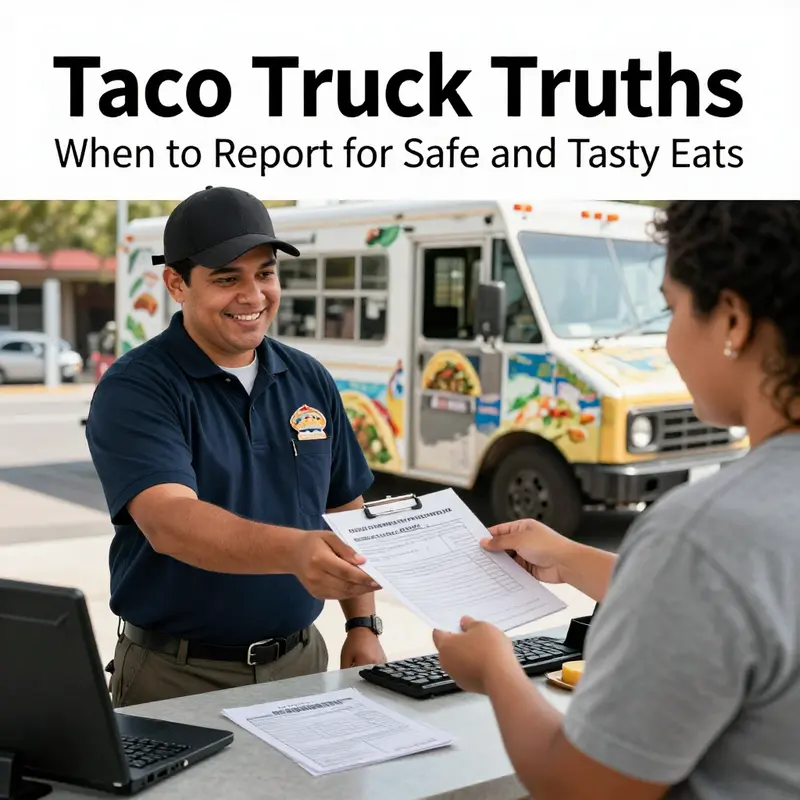
Taco trucks burst onto the urban landscape with vibrant signs, sizzling grills, and mouthwatering aromas that evoke memories of homemade family meals. Their presence, however, is not without challenges, and in certain situations they can become a source of community concern. When a taco truck is found to be flouting local regulations or compromising the well-being of residents, it is essential to navigate the multifaceted process of reporting these mobile vendors. This chapter presents an in-depth examination of the procedures, considerations, and community responsibilities that come into play when reporting taco trucks that may be operating outside the bounds of health, safety, or zoning regulations.
In many cities, taco trucks are a cherished part of the local food culture. They offer culinary diversity, quick meals, and a degree of convenience that brick-and-mortar establishments might not match. Yet, the very nature of their mobility means that they are often subject to a labyrinth of local ordinances. When issues arise, whether it be unsafe food handling, improper parking, or other disturbances such as excessive noise, community members sometimes feel compelled to report these vendors. The need to report is not driven by a desire to dampen the spirit of entrepreneurship; rather, it is a necessary step in ensuring that public health, safety, and orderly urban behavior are maintained. In many respects, reporting a taco truck is about safeguarding the delicate balance between a thriving street food culture and the lawful operation demanded by municipal oversight.
Residents who decide to report concerns about taco trucks typically do so because they have observed practices that border on negligence or outright violation of local codes. For instance, a truck that is operating without the proper permits may be found parked in a location that not only restricts its operations but also endangers pedestrian safety by blocking sidewalks or busy counter streets. Similarly, issues such as unsanitary conditions in food preparation—ranging from improper storage of ingredients to visible filth in the cooking area—can have dire implications for public health. Even seemingly minor disturbances like the persistent hum of loud generators or amplified music that disturbs the local peace contribute to the community’s sense of unrest. In all these scenarios, the process of reporting is designed to bring these issues to the attention of municipal authorities who have the mandate to inspect, regulate, and, if necessary, enforce corrective measures.
At the heart of successfully reporting a taco truck is the understanding of which local authority to approach and how to provide the details necessary for an effective response. Most cities offer a range of options including online submission forms, telephone hotlines, and in some cases, in-person visits to city hall or designated municipal offices. The most often recommended initial step is to contact the local health department. These departments are well-versed in food safety standards and possess the technical expertise to discern whether a taco truck’s operations are in line with health codes or if they present a risk to the public. For example, if murmurs of unsanitary food handling practices or expired permits surface, the health department is typically the go-to agency.
However, issues may extend beyond the realm of food safety. Taco trucks that are improperly parked or create hazards due to obstructed traffic require the intervention of the code enforcement department. These departments ensure that businesses, regardless of their mobile nature, comply with zoning laws and parking regulations designed to keep both vehicular and pedestrian traffic flowing safely. In situations where residents experience disturbances such as excessive noise that spill over into the residential quality of life, local police or noise abatement departments might step in, particularly where such activities breach local ordinances.
A crucial aspect of the reporting process is the gathering and presentation of evidence. Without concrete documentation, a complaint may lack the necessary weight to prompt a formal investigation. Residents are therefore advised to collect photos and videos that clearly depict the issue at hand. For example, an image of a taco truck parked in a prohibited area, or a video capturing the noisy operation of a truck during early morning hours, can serve as powerful supporting evidence. Additionally, details such as the specific location, date, time, and a description of the observed violations make it easier for officials to verify and investigate the claim. The importance of accurate documentation cannot be overstressed, as the thoroughness of the evidence often determines the speed and effectiveness of the response from municipal authorities.
There are useful digital avenues that have simplified reporting responsibilities for community members. Many cities have integrated the reporting process into user-friendly online platforms. With a few clicks, residents can complete a digital form that captures all the required details and automatically dispatches the complaint to the appropriate agency. In some areas, mobile apps have emerged as effective tools for reporting neighborhood concerns. These apps not only streamline the process of filing a complaint but also often provide status updates, ensuring that complainants are kept in the loop regarding any follow-ups or actions taken by the authorities.
The reporting process is not without its challenges. One of the principal concerns is ensuring that the complaint is genuine and not driven by personal grievances. With taco trucks often representing a beloved local institution, there is an inherent tension between the rights of vendors to operate and the rights of residents to enjoy a comfortable living environment. Hence, reports should be made responsibly and only when there is clear evidence of a violation. The community must exercise due diligence and avoid misreporting practices that might otherwise lead to undue harm to a business that may be otherwise operating responsibly and legally.
For example, consider a scenario in a bustling urban neighborhood where a taco truck has set up near a popular residential area. The truck’s operations are lively and attract a steady stream of customers, yet residents begin to notice a pattern of minor infractions: irregular disposal of waste, occasional noise during later hours, and parking in a spot that blocks a frequently used sidewalk. The frustrated residents decide to act not as a punitive measure against a successful business but out of concern for health and safety and the preservation of community standards. They document the irregularities, noting the times and dates, and then submit their complaint through the city’s online portal. The local health department, upon receiving the complaint, dispatches an inspector who verifies the reported infractions. In another instance, complaints about a taco truck’s offending parking practices lead the code enforcement division to issue a warning to the operator, urging them to relocate to a permitted area. These examples illustrate that reporting, when done correctly, can serve as a constructive dialogue between community members and local authorities, ultimately benefitting both the vendor and the neighborhood.
It is noteworthy that the dynamics of taco truck reporting can vary widely depending on regional specifics. In large urban centers, regulatory bodies often have specialized units that focus solely on mobile food vendors. In cities like Houston and San Antonio, for example, municipal agencies have set up dedicated channels to address issues uniquely associated with taco trucks. This specialization often results in a swifter resolution of concerns, as the authorities are already familiar with the nuances of mobile vending. In smaller towns or rural settings, the procedures may be less formal but are no less important, as adherence to basic health and safety standards remains a universal priority. The diversity in reporting processes underscores the need for community members to familiarize themselves with local regulations and the preferred methods of complaint in their specific jurisdictions.
An integral part of this reporting framework is the ongoing dialogue between community members and vendors. Many taco truck operators take immense pride in their offerings and are acutely aware of the community’s expectations surrounding cleanliness and courtesy. In several instances, operators have proactively reached out to address complaints, either by voluntarily improving conditions or by seeking clarity on certain regulations. Such responsiveness not only helps mitigate the immediate concerns but also fosters a deeper sense of communal trust and accountability. The dynamic environment in which taco trucks operate means that there is always room for improvement—a factor that benefits from constructive community feedback. It is this interplay between regulation and voluntary improvement that ultimately shapes the responsible operation of taco trucks in neighborhoods.
The role of technology in facilitating complaint resolution has grown considerably over the past few years. Digital platforms have not only made it easier for residents to report issues but have also increased the transparency of the process. When a complaint is submitted, many municipal agencies now provide an estimated timeline for follow-up, and in some cases, allow residents to track the progress of their report. This level of transparency builds confidence in the system and reassures community members that their concerns are being genuinely considered. For instance, if a resident submits a complaint about a taco truck’s unsanitary practices via an online portal, they may receive a confirmation email with a case number and the name of the assigned inspector. Such innovations underscore the importance of harnessing technology to manage public concerns efficiently and effectively.
Evidence remains the cornerstone of an effective complaint. A well-documented report is more likely to yield a timely response from local authorities. In many cases, officials request that residents provide photographs that clearly depict the issues at hand. An image that shows, for example, the absence of proper food handling practices or the improper parking of a taco truck not only clarifies the nature of the complaint but also prevents the possibility of misinterpretation. The precision with which details such as timestamps, geographic coordinates, and even contextual background (like weather conditions or busy foot traffic) are recorded can help to ensure that the complaint is not dismissed as anecdotal evidence. When residents take the time to compile a thorough dossier of evidence, their voices are bolstered by undeniable proof, making it far more difficult for authorities to overlook their concerns.
Moreover, the benefits of reporting extend beyond the immediate remedy of an individual incident. Consistent monitoring and reporting can help local authorities identify broader patterns of behavior that may indicate systemic issues. For instance, if multiple complaints are received about unsanitary practices at various taco trucks within a specific district, it might prompt a more extensive review of food safety regulations or inspection frequencies in that area. This proactive approach can lead to the implementation of stricter guidelines and more frequent audits, thereby elevating the overall standard of mobile food vending across the community. As communities become more vigilant and engaged, the collective feedback can drive improvements that benefit not only residents but also the taco truck operators themselves, who may be unaware of certain oversights in their operations.
At the same time, it is essential that the process of reporting is balanced with an understanding of the inherent risks and benefits for the vendors. Many taco truck operators are small business owners who rely on positive community engagement for their livelihood. When complaints are made, it is important that they are placed within the context of a broader conversation about community standards rather than being used as an unbalanced tool for competition or personal vendettas. Instead, responsible reporting should be viewed as a way to foster accountability and promote improvements that ensure a high standard of service for everyone. In this way, the process of reporting becomes not merely an act of enforcement but an opportunity for constructive change.
Within this context, it is also helpful to be aware of available community resources and support networks. Local business associations, neighborhood councils, and even social media groups can be excellent platforms for discussing concerns about taco truck operations before taking the step of an official report. In many cases, these forums allow for a preliminary dialogue with the vendors, who are often willing to address minor issues if they are made aware of them. This collaborative approach can frequently resolve concerns without the need for formal intervention by local authorities. However, in instances where the challenges are more severe or when there is a clear violation of the law that puts public health or safety at risk, formal reporting is both justified and necessary.
Part of being an informed and proactive community member is also understanding the broader regulatory environment. Local governments are responsible for establishing and enforcing standards that ensure all food vendors, including taco trucks, adhere to the same basic levels of hygiene, safety, and community responsibility. These regulations are designed not only to protect consumers but also to create a level playing field for all vendors. In this regard, many municipal websites provide detailed information on the parameters that taco trucks must meet, from the proper display of health inspection certificates to compliance with parking and zoning laws. For those interested in exploring the legal obligations of food trucks in greater detail, a useful resource is an online guide on legal steps for launching a food truck, which offers insights into the regulatory framework that governs these mobile businesses. This guide can be accessed through an internal link here, providing valuable context for both vendors and residents alike.
In some instances, restaurants and food trucks alike have found themselves at the center of regulatory debates, raising questions about how best to balance freedom of business with public safety. The evolving nature of urban life, combined with the rapid expansion of mobile food services, means that municipal codes sometimes struggle to keep pace. New challenges, such as the integration of diverse types of food service operations and the need for adaptive regulation, have pushed cities to adopt innovative approaches to enforcement. In these circumstances, residents who report violations are also providing critical feedback that can influence future policy decisions. Their insights, gathered through careful documentation and reflective reporting, contribute to a broader dialogue on how best to structure regulations that accommodate both economic and social objectives.
The process of reporting a taco truck is therefore both a practical and a civic exercise. It requires a measured approach, with an emphasis on factual accuracy, documented evidence, and an understanding of local regulations. As residents step forward to voice their concerns, they are engaging in a form of civic participation that underscores the importance of community oversight in ensuring that all local businesses comply with the rules designed to protect public welfare. It is a dialogue with local government that, when done properly, reinforces the responsibilities of vendors and the rights of residents.
Community trust is built on the assurance that every complaint is treated with the due diligence it merits. Municipal agencies that handle these reports frequently have dedicated teams trained to assess the validity and urgency of each claim. In cities with a high density of food trucks, specialized units ensure that inspectors are well equipped to identify both the minor violations that require a simple warning and the severe breaches that might necessitate more stringent measures. This systematic approach to regulation serves as a reminder that the goal is not to stifle the vibrant energy of the street food scene but to ensure that it flourishes under a framework that guarantees public safety and community well-being.
Ultimately, the act of reporting a taco truck that poses potential dangers or disruptions to the community is a testament to civic engagement. When residents take the time to gather evidence, document their experiences, and follow the prescribed channels—whether through a phone hotline, an online form, or even in-person at a municipal office—they are contributing to a safer, more regulated environment for everyone. It is an affirmation that while taco trucks are an integral part of a city’s cultural tapestry, they must also operate within the boundaries set by the community and local law. The formal processes established by various city departments not only provide clear, structured avenues for reporting but also ensure that every complaint is met with a measured response.
For those interested in additional insights into the multifaceted challenges facing mobile food vendors, resources such as the Code Compliance Division of the City of Houston can offer further guidance. Detailed information on municipal enforcement and regulatory guidelines can be found on the official website of Houston’s Code Compliance Division at https://www.houstontx.gov/codecompliance/.
In conclusion, the comprehensive process of reporting a taco truck involves understanding the deep interplay between community standards, local regulations, and civic responsibility. The methodical approach to reporting—through clear communication, robust documentation, and an understanding of the specific department to contact—ensures that concerns are addressed promptly and effectively. As vibrant as the presence of taco trucks may be within our urban landscape, it is equally crucial that these businesses adhere to established rules to safeguard public health, safety, and community harmony. In this balanced regulatory framework, every report serves not as a punitive measure but as an opportunity for improvement, mutual engagement, and the shared goal of maintaining safe, thriving neighborhoods.
Final thoughts
By staying informed about taco truck safety and regulations, you can enjoy your favorite mobile dishes while ensuring that health standards are upheld. Whether you’re a passionate taco consumer worried about food hygiene or an ambitious owner wanting to navigate the business landscape correctly, understanding how to report violations is essential. Together, let’s ensure that taco trucks continue to serve up mouthwatering meals safely and compliantly. Stay vigilant, report if necessary, and always champion the food safety principles that keep our beloved taco trucks thriving!