
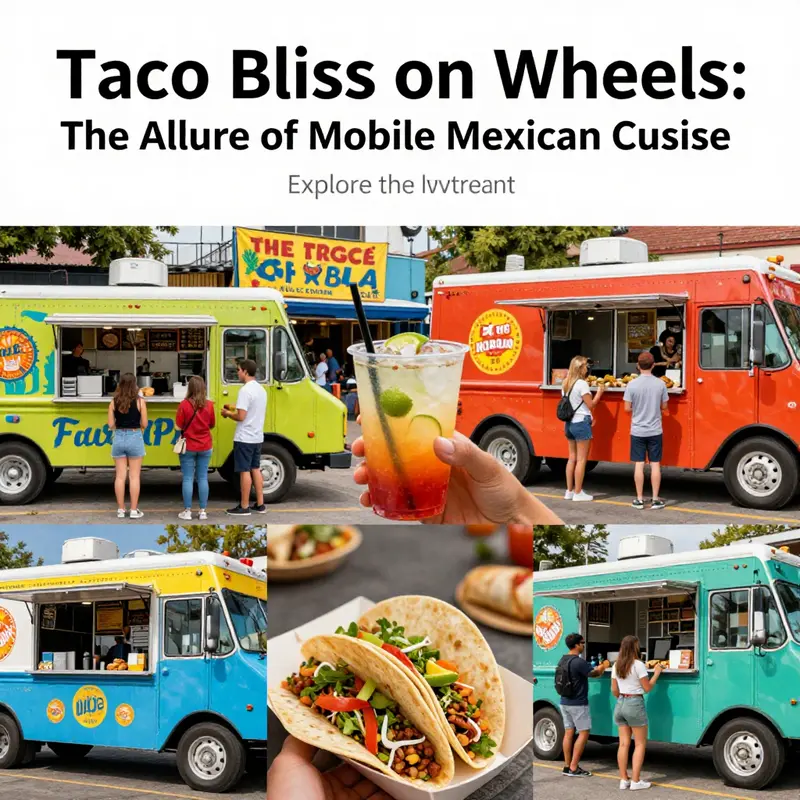
Food trucks have become synonymous with culinary adventure, capturing the hearts and taste buds of flavor seekers everywhere. Among the plethora of options, trucks that specialize in tacos, burritos, and drinks stand out, blending mobility with mouthwatering goodness. As global street food culture continues to thrive, these trucks offer not only quick, customizable meals but also a social dining experience that draws in customers from all walks of life. In the following chapters, we’ll dive into the magnetic appeal of these eateries, the operational dynamics that keep them rolling, and the latest market trends shaping the future of taco trucks. Each facet reveals exciting insights for cuisine lovers and taco business owners alike, providing both inspiration and practical knowledge for those looking to savor or serve delicious Mexican fare.
Wheels of Flavor: The Global Allure of Tacos, Burritos, and Drinks on the Move
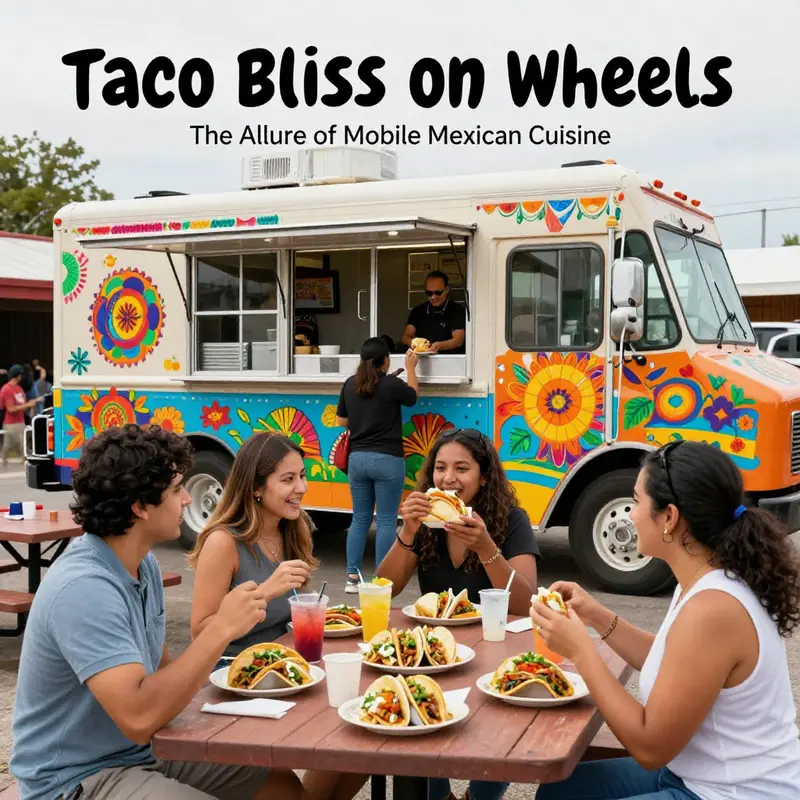
Across city streets and weekend markets, a lean, well-timed spark of smoke and spice travels on wheels. A food truck that serves tacos, burritos, and drinks is not merely a place to eat; it is a mobile kitchen that carries culture, memory, and hunger in a compact, working frame. The appeal rests in a simple, almost universal equation: authentic, affordable, convenient, and vividly social. When you roll up to a curb and watch the cook press a tortilla, fold in a handful of ingredients, and pour a drink with a practiced tilt, you are witnessing a ritual that has moved with people across borders, neighborhoods, and generations. This is not only about satisfying appetite; it is about participating in a street-level performance that makes flavor feel accessible to anyone, anywhere.
Authenticity sits at the core of the experience. The best trucks maintain a link to their roots even as they move through different city blocks and seasonal events. Fresh tortillas emerge from a hot press, fillings are assembled in minutes, and toppings are chosen with a care that speaks to home cooking rather than mass production. Even without naming particular regional specialties, the heart of the craft remains identifiable: a tactile, human cooking method that favors hand-made texture, aroma, and balance. The street grill is a stage, and the chef at the helm is both conductor and storyteller, shaping each plate with a confidence earned from years of practice, weathered by street life, and tested against how busy a lunchtime queue can become.
Affordability is not merely a tag on a menu; it is a structural virtue that makes the mobile kitchen so inclusive. Across urban landscapes—from dense downtowns to college campuses—the price architecture tends to favor quick, satisfying meals that respect a budget. A simple, well-executed taco is priced to clear hunger swiftly, while a burrito can offer a complete, portable meal within a neat, value-driven bundle. A drinks option complements the meal, providing hydration and a touch of refreshment that rounds out the experience without overwhelming the wallet. This combination—fast, flavorful, and reasonably priced—creates a predictable pattern for regular customers and an inviting entrée for first-time visitors who might be passing through for the first time and later return for a preferred ritual.
Convenience is the engine that drives the day-to-day momentum of food trucks. The need for speed in a world filled with competing distractions is not a deficiency; it is part of the design philosophy. The kitchen is compact, but it is engineered for efficiency: ingredients are prepped in advance when possible, cooking zones are organized to minimize movement, and ordering can be done in person or on the go. Customers enjoy the ability to choose their fillings, customize toppings, and watch the assembly unfold in a few quick moments. In this sense, the truck becomes a hub of activity, a movable anchor that people navigate toward during a lunch rush or after a long work shift. The pace mirrors the tempo of city life itself, where time is scarce and flavor is a fast, reliable reward.
Beyond the sensory rush, there is a social dimension that elevates the food truck from a simple vendor to a temporary cultural gathering point. The experience is tactile and communal: the sizzle of a hot surface, the steam rising from freshly folded tortillas, the aromatic cues of roasted peppers and spices, and the soundscape of chatter from patrons and staff. People learn to recognize the rhythm of a particular truck—the moment when a perfect balance of fillings goes in, the exact fold that seals a burrito, the manner in which a lime wedge is cut and squeezed for a final bright aroma. In many places, these trucks become informal meeting points, offering a snapshot of the neighborhood’s character in a single square block. They invite curiosity from expats and locals alike, forming a cross-cultural exchange where language barriers dissolve in the shared language of scent and taste. The social value extends to families, students, and workers who seek a familiar dish in a new city, a reminder of a home kitchen translated into a street-side ritual.
The cultural experience is the feature most often cited by regulars and observers alike. Eating from a street-side kitchen places the diner inside a living tradition. It is a direct encounter with culinary craft, not a curated museum experience. People watch as dough is stretched, fillings are seasoned, and tortillas are heated to order. The moment becomes a mini festival of senses—the crackle of the grill, the fragrance of toasted spices, the bright tang of a citrus-driven finish, and the comfort of a warm, hand-held meal that can be eaten on the go. In many cities, this ritual embodies the city’s pulse—the tempo of a daily rhythm that shifts with the weather, the time of day, and the ebb and flow of local life. The global spread of these trucks, from megacities to smaller towns, reveals a broader appetite for street-level craft that respects tradition while inviting personal adaptation. In this sense, the truck is not only selling food; it is offering an accessible doorway into a cultural experience that travelers and locals can share, regardless of background.
Adaptation and innovation distinguish the thriving fleets from the merely adequate. The mobility of the model invites experimentation with local ingredients, seasonal produce, and audience-driven demand. Some operators lean into their roots and others lean toward fusion ideas that reflect global tastes and trends, all while preserving core flavors that signal the origin and heart of the cuisine. This balance—staying true to familiar flavor profiles while inviting discovery—keeps the offering dynamic and relevant. The on-site nature of preparation supports this rapid innovation, enabling cooks to adjust fillings, textures, and assemblies in real time in response to what crowds are drawn to on a given day. The result is a cuisine that feels both intimate and adventurous: a portable version of a street-food journey that travelers can undertake in a single meal while locals reinterpret favorite comfort foods in their own context.
The economic and logistical side of street food must align with the romance of the narrative. A well-run truck negotiates supply chains, labor, compliance, and maintenance with the same care it devotes to seasoning and heat control. While the romance of street food is often told through the aroma and the spectacle, the day-to-day operational discipline matters just as much. Efficient inventory management, predictable prep rhythms, and adherence to safety standards enable a truck to serve clean, consistent meals to a steady stream of customers. The budgeting math—how many tortillas to keep in stock, how many pounds of rice or beans to pre-cook, how to price combos to maximize revenue without compromising value—becomes part of the craft. In markets where foot traffic surges, trucks that can adapt to high-volume demand without sacrificing quality earn loyal followings, while those that struggle with supply or timing may lose the moment to competitors moving through the same spaces. The skill lies not only in cooking but in orchestrating a mobile business that can thrive wherever the road takes it.
The broader urban culture around these trucks also matters. In some places, food trucks anchor a broader ecosystem of night markets, pop-up events, or festival circuits that turn city corners into evenings of shared eating and socializing. The environmental footprint is a practical concern that operators increasingly address through smarter vehicle design, waste reduction strategies, and responsible sourcing. Yet the heart of the matter remains the same: a space where people can gather, watch food come together in seconds, and savor a meal that feels crafted especially for them at that moment. In this dynamic, the truck embodies a modern approach to traditional street foods, honoring the past while embracing the tempo and variety of contemporary life. It is a short, efficient journey from curiosity to appetite to satisfaction, and then to memory—the memory of a flavor experienced in motion.
For those who study or work with these mobile kitchens, the takeaways are clear. Authenticity must be preserved in the hands-on preparation that defines the eating experience, even as the business model embraces efficiency and scale. Affordability matters because it democratizes access to flavorful options that might otherwise be found only in more formal dining settings. Convenience is the practical promise that keeps customers returning, time and again, with predictable expectations. And the social, cultural, and sensory dimensions—the feeling of being part of a shared street-level ritual—are what make these trucks a durable cultural artifact rather than a passing trend. In this way, the appeal of these trucks operates on multiple levels: as a source of sustenance, as an urban social space, and as a living conduit of cultural exchange that travels from neighborhood to neighborhood, city to city, and country to country.
The narrative of these mobile kitchens also offers a lens into how food culture migrates and evolves. In many urban centers, the street becomes a stage where immigrant and local communities converge, where language and background melt away under the warmth of a shared plate. This is where a simple decision to eat on the go becomes a larger moment of discovery. It is where the aroma of grilled fillings, the brightness of citrus, and the claim of a warm wrap invite a dialogue across cultures without words. The mobile kitchen thus acts as a facilitator of connection, turning a casual meal into a moment of belonging, a small act of hospitality that travels with the customer wherever they go.
Finally, the global spread of these trucks highlights the influence of adaptability in a crowded, competitive landscape. The trucks’ ability to shift flavors, adjust portion sizes, and respond to varying tastes keeps them in demand across different markets. They become a canvas for culinary experimentation while offering a doorway to the familiar comfort of handheld meals. This balance—between tradition and evolution—is what allows the concept to endure across continents and decades. It explains why a simple street bite, served from a compact vehicle, can garner loyal fans in places far from where such foods first emerged. In this light, the appeal is less about a single dish and more about a pattern of eating that is immediate, affordable, and deeply human, a pattern that continues to drive the popularity of trucks offering tacos, burritos, and drinks to diverse audiences.
As readers explore this topic further, a glimpse into the ongoing dialogue around mobile food culture can be found in discussions hosted on industry blogs, where operators share experiences, tips, and evolving strategies. For example, the community conversation on a dedicated industry blog offers a window into how operators frame quality, speed, and customer interaction in practical terms, reinforcing the idea that the truck is as much about service as it is about flavor. These conversations help explain why a food truck can cultivate a dependable reputation while remaining nimble enough to adapt to changing urban landscapes. Such sources illuminate the day-to-day realities that enable the romance to endure—the careful choreography of prep, cooking, serving, and cleanup—without losing sight of what makes the food concept timeless: the human connection that happens when someone hands you a hot, freshly made handheld meal.
For readers seeking a deeper dive into the cultural breadth and historical resonance of street foods that travel on wheels, a broader exploration of Mexican culinary heritage and its global influence is available at the Mexican Tourism Board’s official portal, which provides authoritative context on authentic Mexican cuisine and its worldwide footprint: https://www.gob.mx/turismo. This larger framework helps situate the food truck phenomenon within a long arc of tradition and modernity, reminding us that the truck’s speed and adaptability do not erase history; they bring it forward, reimagined for new neighborhoods and new generations.
Internal reference note: For practitioners curious about storytelling and audience engagement in the mobile-food space, see the ongoing discussions and practical resources on the Fireduptacotruck blog. These reflections help connect the craft of frying, folding, and flavoring with the realities of running a small business in a crowded marketplace. Fireduptacotruck blog
Moving Kitchens in the Urban Pulse: The Dynamic Ecology of Taco, Burrito, and Drink Trucks
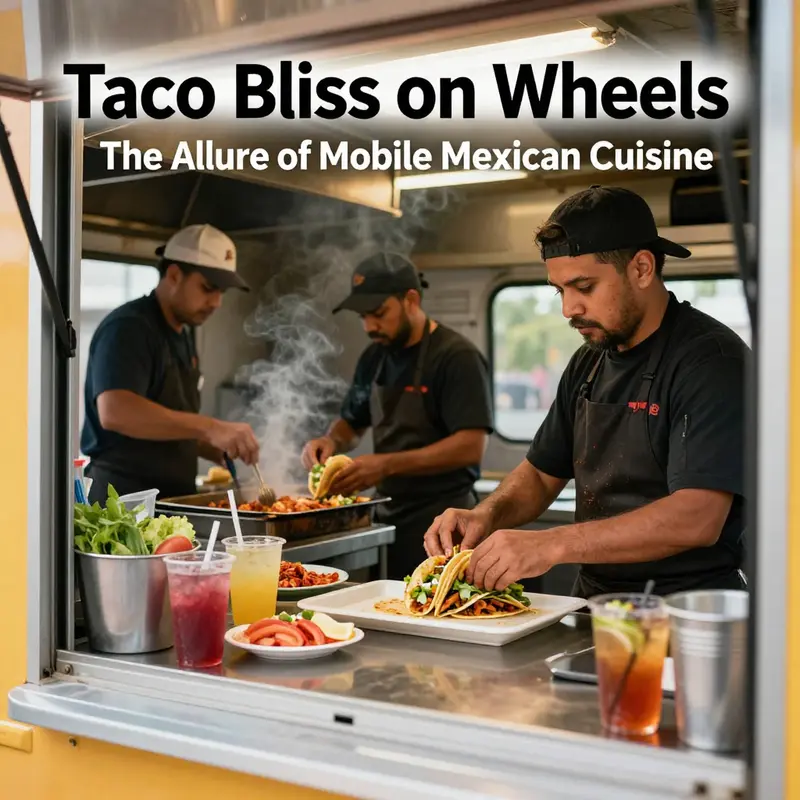
On city streets and in the shadow of glass towers, the food truck acts as a compact theater where culinary skill, timing, and street-level logistics perform in tandem. The menu—tacos, burritos, and a carefully curated set of drinks—reads as a promise of quick gratification: bold flavors that can be assembled in minutes, customization that makes every order feel personal, and a price point that fits a lunch sprint or a casual dinner. The appeal lies not just in the food, but in the mobile choreography that brings it to life. A skilled operator must choreograph more than cooking. They must choreograph location, inventory, speed, health compliance, and customer engagement in a single, moving day. The result is a business model that thrives on adaptability as much as on appetite, a model that looks almost like a micro-economy contained within a stainless-steel kitchen on wheels.
The operational heartbeat of these trucks rests in their ability to acquire customers where they congregate. Urban centers with dense footfall, office corridors during the lunch rush, and festival grounds that pulse with crowds are not simply places to sell; they are stages for a daily cash flow that hinges on speed and reliability. The truck’s mobility is not a distraction from efficiency; it is the engine of efficiency itself. This mobility enables operators to respond to shifting patterns of demand: a lunch crowd that swells near a business park, a late-afternoon surge around a transit hub, or a weekend event that concentrates diverse tastes in a single place. In practice, this means choosing routes and stand locations with a mix of predictability and surprise. Predictability comes from patterns—peak hours, common event types, and known customer flows—while surprise comes from the ability to pivot when a new event emerges or a neighborhood changes its routine.
The bedrock of successful location strategy is knowing where to set up and when. Trucks often gravitate to locations with high foot traffic and predictable streams of potential buyers: a cluster of office buildings around midday, a busy park adjacent to a concert venue, or a farmers’ market that gathers both locals and visitors. Yet the best sites are not simply about the number of people. They are about the quality of the crowd’s appetite for convenience, flavor, and customization. The urban palate tends to crave the familiar—tacos and burritos that deliver dependable comfort—paired with the flexibility to tailor fillings and toppings. This blend of familiarity and choice is what keeps a line moving and a customer coming back for a second visit.
Behind every successful shift is the careful management of inventory. The truck’s small interior is a tightly wound system where every item has a shelf life, every ingredient has a cost, and every supply run must align with anticipated demand. Inventory management is as much about predicting what will sell as it is about ensuring nothing on the truck spoils before the end of service. Operators rely on sales data to forecast, day by day and site by site. A seemingly simple lunch hour can reveal complex patterns: a spike in orders for chicken, a surge in vegetarian fillings in a neighborhood with a large expat community, or a preference for certain drinks that complements spicy toppings. These patterns inform how much flour tortillas, beans, rice, proteins, salsa varieties, and beverage options to stock. The calculation is not a single forecast but a balancing act that weighs cost, waste, and the opportunity cost of empty shelves.
Equally crucial is the speed of service. In the narrow street between two blocks or inside a bustling event hall, there is little margin for delay. The truck’s interior layout is not a luxury but a constraint that, when optimized, becomes a competitive advantage. Each station—the grill, the assembly line, the drink station, the cold storage—must be positioned to minimize steps and maximize flow. This often means a strategic separation of raw and cooked ingredients, a clear line of sight from the display window to the prep area, and a method for quick, on-the-fly assembly that preserves fresh, vibrant flavors. In practice, speed and quality are reconciled by design: a compact workspace configured to support parallel tasks, such as grill-and-fill operations that happen side by side, or prepped toppings kept within arm’s reach for rapid final assembly. The geometry of the truck—the width, the height, the location of vents and exhausts—also matters, since a well-ventilated kitchen not only protects health and safety but can ease the tension of a busy service.
Health and safety regulations are the invisible metrics that govern the daylight hours of a food truck. Compliance with local codes is not a formality but a nerve center for daily operations. Food safety practices—proper cold storage, cooking temperatures, cross-contamination prevention, and sanitation routines—must be woven into every shift. This is especially critical when a truck shifts between neighborhoods or events, where different jurisdictions may apply varying requirements. The insistence on consistency in food handling becomes a form of service quality. When a customer receives not only a satisfying taco or burrito but also a clean, well-presented, and safely prepared meal, trust builds quickly. The truck’s team learns to map out tasks that minimize risk: separate utensils for raw and cooked products, regular temperature checks, sanitized surfaces between batches, and clear labeling that reduces error and enhances traceability. The result is a culture where attention to safety and care for the customer’s well-being is as integral as the sizzle of a hot grill.
Customer behavior, though often observed in real time, also benefits from a probabilistic lens. The chapter’s initial framing—defining event A as a customer buys a taco and event B as a customer buys a drink—offers a practical window into daily operations. The probability P(A or B) = 0.45 signals a meaningful overlap: nearly half of all customers are purchasing at least one of the two core items, sometimes both. This insight is not a mere curiosity but a strategic signal. It guides where to place the beverage station, how to present bundle options, and how to design promotions that capture those who might otherwise buy only one item. It also reveals room for growth: if 55 percent of customers do not buy either item, there is potential to extend the menu, adjust pricing, create combination deals, or reposition the truck to draw in a broader audience during certain hours or at different events. The probabilistic lens is not abstract; it translates into practical experiments—trial bundles, limited-time toppings, or targeted discounts that steer customers toward a more balanced mix of offerings.
The hardware of the operation—the physical infrastructure—merges form and function in daily practice. Modern food trucks lean into stainless interiors for durability and hygiene, with ventilation systems designed to move heat and steam away from the cook line. The configuration of the truck dictates how many cooking stations can operate simultaneously and how fresh stock is rotated. Smaller trucks offer nimble mobility for casual street vending, letting operators chase high-traffic nubs of city life and pop up near popular lunch corridors. Larger, more fully equipped models find their strength in catered events and high-volume locations where the scale of demand justifies additional refrigeration, multiple burners, and enhanced storage. The decision between sizes is rarely simply about cost; it is about the tempo of the business. A smaller unit may excel at speed and flexibility, while a larger one can support a broader menu and more robust beverage offerings, which in turn expand the ways to cross-sell and upsell.
Market adaptability is the quiet engine that keeps a truck relevant. Real-time data from point-of-sale (POS) systems allows operators to observe which menu items are beloved, when customer traffic peaks, and what preferences emerge in different neighborhoods or at different events. Agile adjustment—whether it means rotating toppings, introducing a new drink option, or tweaking hours to align with worker flows—becomes a core practice. This agility is not reckless experimentation but a disciplined responsiveness: a testing mindset backed by data, not guesswork. It requires ongoing attention to inventory, a cadence for restocking that minimizes waste, and a readiness to reallocate staff hours to the most productive times. The chef-partner who understands the market will not be stubborn about a single recipe but will embrace the craft of iteration, balancing the comfort of known favorites with the lure of new, satisfying experiments.
Differentiation in a crowded landscape rests on three intertwined levers: distinctive recipes that carry a recognizable signature, sustainable sourcing that resonates with values customers increasingly hold, and exceptional customer service that turns a simple transaction into a quick, memorable moment. The tacos and burritos must deliver a consistent taste profile that butters the edges of appetite with bold spices, fresh produce, and a finish that invites a repeat bite. Even small touches—careful wrap techniques, the aroma of grilled peppers, or the precise texture of a warm tortilla—contribute to a differentiated experience. Sustainable sourcing, beyond a buzzword, translates into responsible choices about proteins, vegetables, and packaging. It can become a talking point with customers, a way to build trust during a busy service, and a factor that lightens the crew’s conscience when margins feel tight. And then there is the customer-service dimension: a smile at the window, a quick explanation of ingredients for dietary restrictions, a readiness to customize without slowing the line—these relational aspects often determine the difference between a first-time buyer and a loyal fan who returns week after week.
In this ecosystem, the tail wags the dog in small, telling ways. Expats and families may frequent trucks that offer familiar flavors translated into street-food playbooks, while locals may expect faster service and consistent quality as they navigate their daily routines. The cultural texture of a city—whether infused with international flavors, neighborhood traditions, or the tempo of a business district—shapes the rhythm of each truck’s day. This is why the operational playbook must be as adaptable as it is precise. The best operators anticipate shifts in the urban fabric: a new office development that expands the lunch window, a festival that intensifies demand for drinks along with savory offerings, or a neighborhood where early dinners turn into late-night cravings. Each scenario demands a recalibration of staffing, inventory, and even the truck’s public-facing presence, which may involve temporary signage, a revised menu board, or a different configuration of the service window to engage with a new stream of passersby.
The narrative of a taco, burrito, and drinks truck is thus a story of balance. There is balance between speed and quality, between menu variety and kitchen discipline, between the immediacy of a street lunch and the longer arc of a brand or a reputation. It is a story of how a mobile kitchen negotiates space—between curbside real estate and the hungry imagination of a diverse customer base. It is also a story about how seemingly small decisions—the timing of a restock, the arrangement of storage, the layout of the grill line—coalesce into reliable daily income. The operator who learns to read the crowd, to adjust the menu in light of data, and to maintain rigorous safety and cleanliness, builds a business that can travel with the city’s changing weather and changing mood. In that sense, the mobile taco and burrito concept becomes not only a source of quick meals but a microcosm of urban commerce: a lean, responsive, and human-scaled enterprise that thrives on the very logistics and pace of city life.
For readers seeking practical orientation as they imagine or begin their own foray into this field, a useful starting point is the balance between a robust, well-curated core menu and the flexibility to adapt. The core—tacos, burritos, drinks—provides reliable anchors in a sea of variables. The adaptability—the ability to revise inventory, to adjust service flow, and to embrace new neighborhoods or events—transforms that core into a resilient model. The operation then becomes less about chasing every trend and more about maintaining a steady tempo that can weather the ebbs and flows of daily traffic, seasonal shifts, and the inevitable surprises of street commerce. In essence, the moving kitchen is a compact, live laboratory where flavor, logistics, and customer relationships are continually tested and refined. A well-run truck does not just sell food; it orchestrates a small, dynamic system where supply, demand, safety, and service cohere into a reliable, repeatable experience for every passerby who decides to pause, order, and taste.
As operators consider the practicalities of launching and sustaining this mobile venture, the question of a physical vessel comes into sharper focus. A truck is not merely a container for a kitchen; it is a portable platform for a business model that depends on pace, location, and the human element. The choice of truck, with its internal layout, ventilation, insulation, and capacity, interacts with the brand’s promise and the level of customer trust it can command. It must support a flow that feels fast yet unhurried, efficient yet attentive to detail. A ready-to-go unit communicates competence and reliability; a well-timed pivot communicates resilience. And in every shift, the operator must be prepared to revise the plan in response to what the day teaches: which items fly off the heat, which toppings invite the most customization, which hours draw the longest lines, and which neighborhoods respond best to a new beverage option. This is the daily craft of the moving kitchen, where the art of cooking meets the science of operations, and where the city’s pulse is both the schedule and the audience.
For those who want to explore further how these elements come together in practice, consider the broader literature on how food trucks optimize their models and how they balance speed, safety, and customer delight across a spectrum of environments. A deeper exploration of truck configurations, procurement strategies, and event-driven staffing can provide actionable guidance for new entrants and seasoned operators alike. The interdependence of location, menu architecture, and service tempo remains the core driver of performance, while the ability to read and respond to real-time data—sales by item, time-of-day patterns, and customer feedback—serves as the engine for continuous improvement. The street-to-store arc in this context is not merely a narrative of selling meals; it is a study in micro-entrepreneurship, where the speed of decision-making, the clarity of operations, and the warmth of customer interactions converge to sustain a small but vibrant business within the city’s larger economy.
To anchor these reflections in a practical frame, consider how a potential operator might approach the question of scaling and consistency. The journey begins with a careful assessment of the local market: the density of potential customers, the cadence of foot traffic, and the diversity of tastes among residents and workers. It proceeds with a phased approach to equipment and menu development, starting with a dependable core offering and a flexible side that can be adjusted based on demand signals. It continues through the daily discipline of inventory management, where data-driven forecasts inform every food run and restock, and where waste is minimized through precise ordering and timely promotion of slower-moving items. It culminates in a customer-centric mindset: a commitment to quick, accurate fulfillment, friendly service, and a memorable taste experience that invites return visits and word-of-mouth referrals. In that sense, the mobile kitchen becomes not just a place to eat, but a responsive, living system that reflects the city’s own tempo and appetite.
As the day closes and a line dissolves into the evening, the truck tidies its station, catalogs sales for tomorrow, and prepares to roll toward a new neighborhood or a different event—always guided by the lessons learned from today’s traffic, flavors, and feedback. The story is ongoing, with each shift offering fresh data points and new opportunities to refine the craft. The moving kitchen thus embodies a philosophy of urban food culture that prizes speed without sacrificing quality, adaptability without compromising safety, and a customer experience that makes a simple street meal feel like a small, personal victory. And in that convergence—the flavor of a well-timed burrito, the aromatic lift of a perfectly roasted pepper, the efficiency of a well-practiced crew—lies the true measure of a tacos, burritos, and drinks operation: not just a business on wheels, but a living dialogue between a city and its appetite.
For readers seeking practical orientation as they imagine or begin their own foray into this field, a useful starting point is the balance between a robust, well-curated core menu and the flexibility to adapt. The core—tacos, burritos, drinks—provides reliable anchors in a sea of variables. The adaptability—the ability to revise inventory, to adjust service flow, and to embrace new neighborhoods or events—transforms that core into a resilient model. The operation then becomes less about chasing every trend and more about maintaining a steady tempo that can weather the ebbs and flows of daily traffic, seasonal shifts, and the inevitable surprises of street commerce. In essence, the moving kitchen is a compact, live laboratory where flavor, logistics, and customer relationships are continually tested and refined.
A useful mental model for this journey is to view each shift as a component of a larger pattern, a pattern that rewards consistent performance and intelligent experimentation. The truck’s movement through space is mirrored by its movement through time: the way it occupies a street corner at noon, how it pivots to attend a weekend festival, or how it returns to a familiar route with a slightly adjusted menu and a refreshed beverage lineup. In those moments, the operation reads like a choreography of supply and demand, constrained by space and time yet liberated by the operator’s capacity to improvise within those constraints. The city, in its complexity, becomes a partner in this enterprise, offering both markets to serve and lessons to learn about what that market values on any given day.
As a closing reflection, the dynamic of tacos, burritos, and drinks on wheels is a study in the art of compact entrepreneurship. It highlights how a small footprint can generate large, recurring demand when the elements of speed, safety, taste, and service are aligned. It invites operators to be both precise and adventurous, to respect the discipline of inventory and food safety while embracing the flexibility necessary to chase opportunities as they appear. And above all, it celebrates the human element—the crew’s coordination, the customer’s smile at the window, and the shared moment when a quick meal becomes a reason to linger a little longer in the urban chorus of a city’s everyday life. For those who wish to deepen their understanding of the practicalities behind this narrative, a useful baseline is to explore established guidance on choosing the right vehicle and setting up a mobile kitchen that reflects the needs of the business, the venue, and the community it serves. See Choosing the right food truck for a structured starting point, and consider how that choice interacts with the operational principles described here. Choosing the right food truck.
External resource for broader context: https://www.example.com/food-truck-specs
Market Currents Redefining Taco, Burrito, and Drink Trucks: Authenticity, Wellness, and Convenience on Wheels
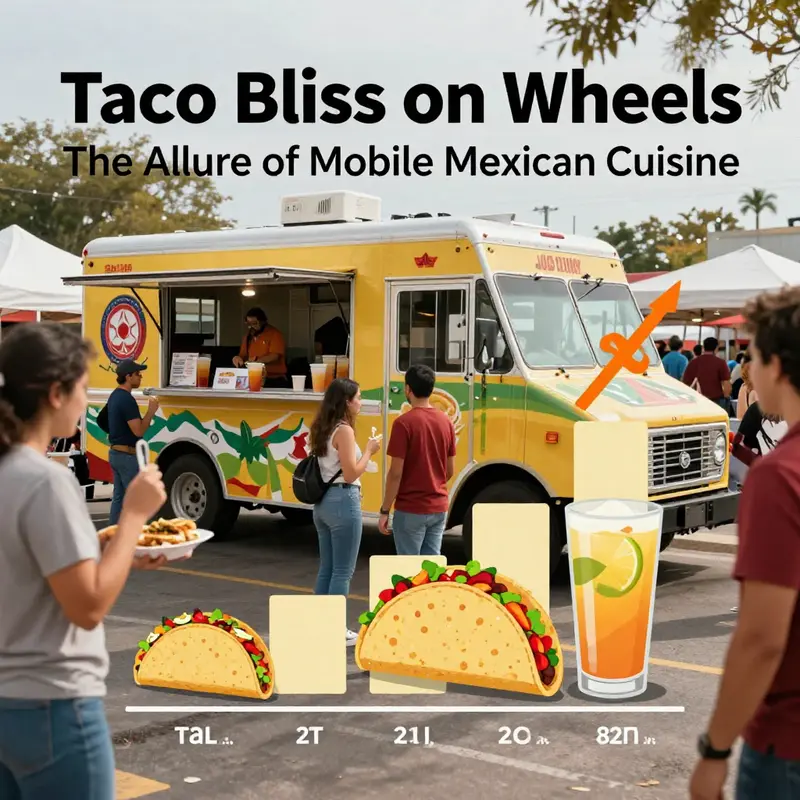
Across many cities, the sight and scent of a mobile kitchen framing a street corner or a park plaza signals more than a quick meal. It signals a culture in motion. Food trucks that focus on tacos, burritos, and drinks sit at the intersection of tradition and modern dining, tasting rooms on wheels, and social hubs for people who want speed without sacrificing personality. The vehicle itself becomes part of the experience—the way steam fans out of a sizzling griddle, the way the team can lean into a lineup that changes with the day’s crowds, and the way a well-curated drink menu can complete a flavorful, hand-rolled bite. In this landscape, market dynamics matter as much as the recipe. They shape what a truck offers, how it communicates, and where it sets up for the next wave of listeners and customers who crave both authenticity and a sense of belonging in their meals. The broad picture is clear: the mobile taco and burrito economy is not just an itinerant version of fast food; it is a living synthesis of culture, health, convenience, sustainability, and technology, all deployed with the flexibility only a truck can provide. It is a business model that has evolved from a niche-A to a mainstream strategy, riding a robust forecast that places the industry on a trajectory of growth and reinvention, with a compound annual growth rate that confirms the momentum behind these on-site kitchens. This growth is not merely about more trucks; it is about the depth of what those trucks offer to diners who want a meal that travels with them and respects their evolving expectations.* The core shifts in consumer behavior—toward genuine flavors, healthier options, customization, and responsible practices—are reframing what constitutes value in this sector. When buyers define value, they weigh taste and speed against a broader palette of considerations: provenance, sustainability, and the sense that their meal resonates with their daily routines and personal identities. Against that backdrop, a taco or burrito becomes more than a combination of filling and tortilla; it becomes a story, a texture, a chance to explore a memory, or a new idea about what a street-food experience can be. The wider market data and industry insights collected in recent outlooks reinforce this idea by underscoring how authenticity, wellness-minded options, and convenient moments are not ancillary advantages but core drivers of demand. This is the climate in which operators of taco, burrito, and drink trucks craft menus that are both recognizably Mexican in spirit and modern in execution, balancing traditional techniques with contemporary dietary expectations and urban rhythms. The result is a menu that travels well, adapts quickly, and invites repeat visits from people who may be new to the cuisine or looking for a familiar fix in a new setting. It is in that blend of heritage and optimization that the market sees its strongest signals of growth and resilience. The numbers tell a story that resonates with the qualitative aspects: consumers are not just buying a meal; they are buying access to a cultural moment, a social experience, and a dependable source of nourishment in the midst of a busy day. The mobile kitchen becomes a platform for expression, experimentation, and connection, all of which align with the broader arc of the food service industry, where convenience, customization, and storytelling have risen to the forefront of what qualifies as compelling value in a crowded field. This is not a simple trend line; it is a shift in how people choose to spend their money and time, and it invites operators to think beyond the grill at a fixed location toward a more dynamic, responsive, and sustainable approach to serving taco and burrito lovers who want it all—speed, flavor, and a sense of place. The persistence of this trend is reinforced by the broader market environment that recognizes the power of globalized street flavors to anchor local economies. In many urban centers, the street has become a laboratory for culinary innovation, where chefs and operators test new fillings, sauces, and beverage pairings against the live feedback of passersby. The ability to adjust in real time—adds, substitutions, spice levels, or vegetarian and vegan options—gives these mobile kitchens a competitive edge that traditional brick-and-mortar outlets often struggle to match. In the context of tacos and burritos, the versatility is particularly pronounced. Tortillas can be warmed to the precise degree of pliancy, fillings can range from lean proteins to plant-based stews, and toppings can be arranged to accommodate the wide spectrum of dietary preferences that marks modern food culture. The drinks companion is not an afterthought but a carefully considered extension of the meal, designed to cleanse the palate, balance heat, or simply celebrate the flavors with a refreshing contrast. Together, the trio of tacos, burritos, and drinks forms a complete experience—one that travels well, speaks to diverse communities, and adapts to events, neighborhoods, and changing consumer moods. In this sense, the market is testing the elasticity of the concept: how far can a food truck go with a menu centered on Mexican-inspired favorites while maintaining the authenticity that customers seek and the operational practicality that allows trucks to reach new places and new audiences? The more operators observe and respond to these signals, the more the mobile taco economy becomes a platform for storytelling and sensory satisfaction rather than a mere quick-service option. The narrative is not just about what is on the plate, but where the plate is and how easily a customer can get it, often on a busy street corner, near a bus stop, at a festival, or inside a campus complex. In this context, the market’s growth metrics are evidence of a more nuanced win: consumers are willing to pay a premium for experiences that feel crafted, for meals that feel like a moment carved out of a bustling day, and for brands that can deliver both reliability and novelty in a single, portable footprint. The experience must satisfy—not only through taste but through the cadence of service, the comfort of consistent quality, and the passion that shines through the preparation and presentation. This is where the conversation becomes practical. Operators must translate the aspirational aspects of authenticity and craft into sustainable business practices that can withstand foot traffic, weather, and the unpredictable pace of outdoor service. The trend toward authenticity calls for careful ingredient sourcing that honors regional flavors while respecting time constraints and cost considerations. It means choosing produce that can shine under heat lamps or in refrigerated cases, while maintaining the textures and brightness that make a taco or burrito memorable. It also means balancing traditional fillings with contemporary options that appeal to health-conscious diners who still want bold flavors. The emphasis on gut health and nutrient density directs many menus toward whole grains, lean proteins, fiber-rich vegetables, and fermentation-friendly elements that can contribute to digestive comfort. The inclusion of probiotic or prebiotic ingredients, whether through cultured toppings or fermented salsas, can offer a subtle but meaningful differentiation. This trend dovetails with the broader movement toward plant-forward choices that do not force a binary decision between flavor and wellness. The “Powerhouse Protein” subset of this trend pushes operators to highlight high-quality protein sources—grilled chicken, fish, legumes, or other clean-label options—that support sustained energy without heaviness. It is not just about meeting dietary ideals; it is about delivering meals that satisfy appetite with a sense of well-being, a blend that resonates with busy professionals, families after school, and students looking for a fast but nourishing option. The importance of convenience and personalization cannot be overstated in this arena. The Made for Moments mindset captures the reality that meals are rarely eaten in a vacuum. People are grabbing food on the way to meetings, to events, or as a social ritual with friends. A truck that recognizes this reality earns loyalty by offering streamlined service while still letting customers curate their bowls, wraps, and plates with a spectrum of salsas, toppings, and drink pairings. The customization extends beyond toppings. It includes portion sizes, spice levels, and even a choice of sides or beverage formats—hot cocoa, agua fresca, limeades, or a mocktail—each chosen with the same intent: to make the meal feel personal without slowing the line. For many consumers, speed and predictability do not have to come at the expense of choice. The best operators learn to harness technology to accelerate the decision process, with digital menus, clearly labeled options, and contactless payments that shorten the window between order and satisfaction. The technological layer also supports marketing that feels instant and relevant. Social media updates, location notices, and real-time queue information can shape a customer’s plan for the day and draw a crowd to a particular corner or event. A truck that communicates clearly about where it will be next gains a following that turns into a dependable stream of revenue and creates opportunities for seasonal menus and限定-time offers that drive excitement. In tandem with these shifts, there is a rising expectation that the industry behaves responsibly toward the communities it serves and the environment it occupies. The Justified Choices trend, with its focus on sustainability and ethical sourcing, pushes trucks toward packaging that minimizes waste, the reuse of containers or compostable materials, and partnerships with local farms and suppliers who share a commitment to transparent and fair practices. It is not enough to claim a menu is sustainable if the operation fails to implement waste reduction programs, efficient prep and packaging, and a circular approach to leftovers. The market rewards trucks that bake these practices into daily routines, from the way ingredients are stored to the end-of-day cleanup. The public increasingly notices such commitments, interpreting them as indicators of integrity and responsible business practice, which in turn strengthens loyalty and willingness to pay for the experience. Finally, technology remains a constant driver of change, not a one-off enhancement. Mobile payment systems, online ordering, and social media marketing are not insertions into the business model but essential infrastructure. A well-implemented digital layer supports every trend described above: customers can see a menu that reflects authentic influences and wellness options; they can customize with confidence; they can pay quickly and safely; and they can receive timely updates about location and hours where the food truck will appear next. Real-time updates, geofenced promotions, and interactive storytelling about ingredients and preparation methods enrich the customer journey. The resulting business becomes more than a cart on wheels; it becomes an agile platform that can respond to events, seasons, and community needs with minimal friction. The projected growth of the market—driven by these converging forces—points to not only more trucks but a more sophisticated ecosystem of operators who blend craft with convenience, culture with care, and flavors with science. In practical terms, this means training teams to execute consistent, high-quality meals in variable environments; designing menus that retain their identity while offering flexible options for dietary restrictions; and cultivating supply chains that balance local sourcing, cost control, and freshness. It also means investing in user-friendly digital experiences that reduce friction, invite engagement, and reward loyalty. As this ecosystem matures, the role of the truck operator evolves from simply executing recipes to orchestrating a holistic experience that respects time constraints, delivers on taste expectations, and fosters community through shared meals. The social dimension—how a taco or burrito becomes a gathering point or a casual social signal—may be the most enduring indicator of success. People return not only for the flavor but for the sense that they are part of a live experience, part of a continuing story told in tortillas and cups, in salsas that carry regional heat and the bright notes of fresh herbs, and in beverages that echo the meal’s spirit. This is the market in motion: an economy of mobility that makes authenticity accessible, healthiness appealing, and moment-to-moment nourishment possible wherever the city’s sidewalks and plazas grant permission for a quick, flavorful interlude. For operators who want to thrive in this environment, the path is less about chasing a single innovation and more about weaving together a coherent, adaptable approach to sourcing, preparation, service, and storytelling. It is about recognizing that the customer’s day is a sequence of moments—between meetings, during a commute, at a festival, or after a long shift—and ensuring that a single truck can be the reliable, flavorful, and responsible choice in each of those moments. In that sense, market trends do not merely describe consumer appetite. They prescribe the operating philosophy that will define the next era of taco, burrito, and drinks on wheels. The most successful trucks will be those that can balance reverence for tradition with the urgency of contemporary wellness, streamline with the pride of craft, and scale through technology while preserving the human touch that makes food a shared experience. The result is a dynamic, resilient, and increasingly sought-after segment of the food service industry, where every order is an opportunity to honor a culture, support a local supply chain, and deliver a meal that feels both authentic and effortless. It is a future written in tortillas and ice, in salsas and smiles, in the steady movement of a crowd toward a window where someone behind a stainless steel counter is turning basic ingredients into something memorable. For readers who want to explore the practical implications of these shifts, the discussion on the Fireduptacotruck blog offers additional context and real-world insights into how operators translate market signals into everyday practices on the truck floor. Fireduptacotruck blog. As the industry continues to evolve, the voice of the street remains the strongest compass—the neighborhood corner, the festival lineup, the campus quad, all shaped by the same guiding forces that influence a global market: authenticity, health, convenience, sustainability, and the smart use of technology to connect, inform, and delight customers wherever they roam. External market analyses corroborate this trajectory, underscoring a robust future for food trucks in this category. For a broader, data-driven perspective on market size, share, and trends, see the external resource linked at the end of this chapter. https://www.businessresearchinsights.com/market-reports/global-food-truck-market-analysis-report-2026-2035
Final thoughts
The journey through the world of food trucks serving tacos, burritos, and drinks reveals just how significant these mobile eateries have become in embracing culinary diversity and fostering community spirit. Their appeal lies not just in the vibrant food offerings but also in the stories they tell and the connections they foster. For taco enthusiasts, there’s no better way to celebrate the love of flavor than by seeking out these culinary gems on wheels. For aspiring food truck entrepreneurs, understanding the operational intricacies and market dynamics paves the way for success in a rapidly evolving industry. As we savor our favorite bites, let’s continue to support and celebrate the food truck culture that brings delightful tastes and rich experiences to our streets.