
Imagine a vibrant street filled with the tantalizing aroma of freshly made tacos paired with the crisp, refreshing taste of a perfectly brewed beer. The rise of taco trucks has revolutionized casual dining, creating a dynamic space where food lovers gather to enjoy their favorite foods on the go. For taco fans and entrepreneurs alike, embracing this combination opens up a world of flavor and possibilities. In the following chapters, we’ll explore the delightful intersection of taco trucks and beer sales, guide aspiring taco truck owners on acquiring the right equipment for beer sales, and reveal the best local spots where you can indulge in this mouthwatering duo. Join us on this flavorful journey and learn how to elevate your palate and business!
Tap on Wheels: Sourcing Beer for Taco Trucks and the Road to Mobile Beer Sales
The street level intersection of food and drink creates a unique operating challenge for taco trucks that want to offer beer. The move from kitchen to curb requires a system, not just a few taps, and a disciplined approach to safety, sanitation, and local law. In practice, this means planning for equipment that preserves beer quality, permits that cover alcohol service, and a service workflow that keeps the line moving and the kitchen clean. The goal is not to bolt on a dispenser but to integrate a mobile bar that feels like a natural extension of the taco operation.
Operators typically begin by mapping practical procurement routes. Many buyers start with B2B marketplaces that list mobile bar trailers, beverage carts, and integrated beer stations. Look for features beyond a glossy finish: reliable refrigeration for beer, secure keg storage, food grade taps and lines, and surfaces that are easy to sanitize between shifts. Turnkey solutions offer a tested footprint with built in components, warranties, and after sales support that can accelerate opening and reduce compliance risk. A custom assembly can deliver flexibility but requires careful coordination of plumbing, electrical, and maintenance.
Licensing and compliance: Alcohol service on a mobile unit is a privilege governed by local authorities and can involve separate beverage licenses, permits to transport alcohol, and location restrictions near sensitive zones. Training for staff in responsible service complements the paperwork and helps build trust with inspectors and customers. Insurance coverage tailored to beverage operations adds another layer of protection.
Equipment and layout: The heart of a mobile beer program is the interface between kitchen and bar. A compact refrigerated space for beer, a keg or can storage system, a draft or dispense tower, lines that meet sanitation standards, CO2 or nitrogen support, and a waste management plan. The design should minimize movement of warm air from the grill area into the beer zone and keep beer lines accessible for cleaning. The power supply must handle refrigeration, pumps, and cooling lines without tripping the curbside service. Build quality materials, easy access for cleaning, and clear separation of food and drink zones.
Procurement strategies: One path is to integrate a bevy of components into a single package from a mobile bar manufacturer. The advantage is predictable performance and a simplified compliance story; the downside is less flexibility and higher upfront cost. The alternative is to select individual components and assemble a bespoke system, which can save money but requires stronger project management and ongoing maintenance oversight. In either path, prioritize equipment that is easy to clean, uses food grade materials, and has a service network that can respond quickly.
Partnerships and consumer experience: Most consumers encounter beer on taco trucks not as a free standing bar but as part of a licensed vendor arrangement or an event setup. Partnerships with licensed beverage operators or event organizers help ensure proper oversight, responsible service, and compliance with regulations. For customers, a smooth experience relies on clear signage, a defined policy for IDs and legal drinking age, and a well paced service line that respects pedestrian traffic. The best taco trucks blend hospitality with street culture, treating beer as a curated pairing rather than a cheap add on. The visual language of the unit, the noise level, and the way the staff handle the flow all contribute to the trust that the beer is safe and the process is fair.
Roadmap for operators: Start by mapping licensing requirements in the operating area, then identify a shortlist of equipment suppliers and request detailed specifications for footprint, power, and cold chain. Seek modular systems that can scale with growth and verify after sales support. When engaging regulators, present a sanitation plan, staff training program, and a waste management strategy. Pilot in a controlled environment before expanding to high traffic events.
Consumer pathway: For the consumer, the best experiences are those that are clearly regulated and well marked. Consumers should see clear indication of beverage policy, ID checks, and a reliable service window. A well managed taco truck program builds trust through consistency, visibility, and a respectful pace that matches street life. The aim is to make beer feel like a natural extension of the meal rather than a separate detour from the street food moment.
Future and conclusion: The mobile beer space will continue to evolve with portable, modular beverage stations, better inventory and compliance software, and a growing emphasis on sustainability and safety. Operators will increasingly rely on partnerships, data driven workflows, and branding that reinforces a shared social moment. For readers seeking practical grounding, guidance can be found in resources that discuss mobile food and beverage integration and the balance of legality, safety, and hospitality. For example, guidance on choosing the right food truck offers practical considerations for aligning footprint with beverage ambitions without sacrificing core kitchen strengths. The bottom line is that a responsibly equipped taco truck with beer can differentiate a brand, extend operating hours, and create a destination on wheels. If you want to explore further, see the broader ecosystem of mobile beverage service and city level policies that shape how taco trucks and street food operate within regulated environments. https://fireduptacotruck.com/choosing-the-right-food-truck/
Sourcing Taco Truck Equipment for Beer Service: Building a Mobile Kitchen That Serves Sip and Snack on the Street
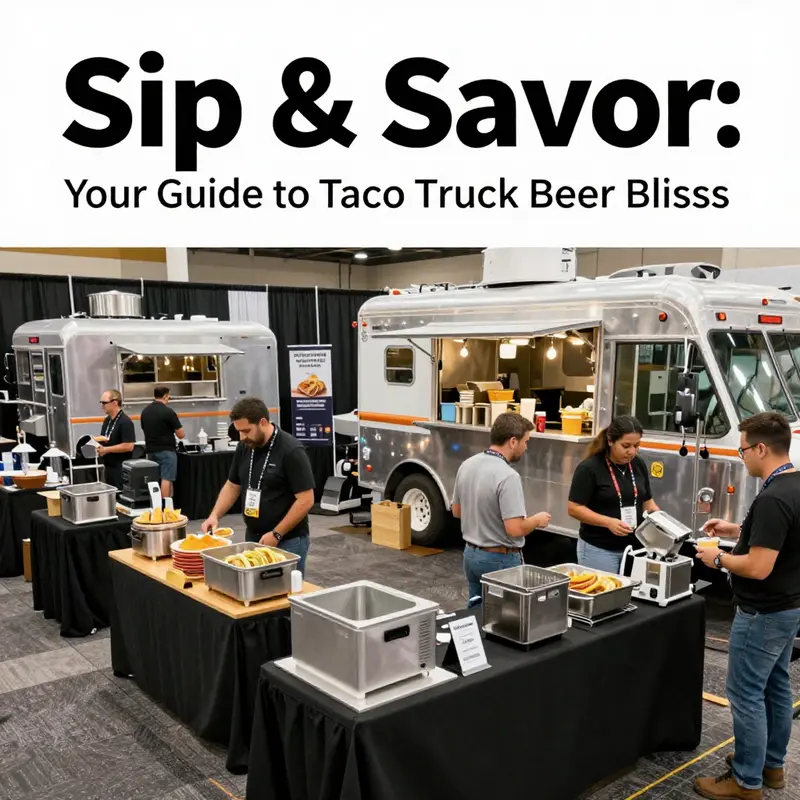
When readers inquire about where to buy taco truck beer, the question often reveals a bigger truth: there isn’t a single consumer marketplace for a fully built, go‑to taco truck that pours cold beer the moment you turn the key. What you really need is a careful, integrated approach to acquiring equipment, designing a workflow, and aligning licenses and logistics so a mobile unit can both cook flavorful tacos and deliver a steady flow of beverages. The idea of a taco truck that also serves beer sits at the intersection of street food culture and beverage hospitality, a space that rewards thoughtful planning as much as it rewards appetite. In practice, that means weighing possibilities—from turnkey mobile beer bars to retrofitting an existing food truck with a beverage service module, to commissioning a purpose‑built mobile unit that treats beer service as a primary function rather than an afterthought. Each path carries different costs, timelines, and regulatory considerations, but they all share a core requirement: equipment that can handle both the heat of a taco kitchen and the chill of beer storage, all while staying compliant, safe, and efficient for staff and customers alike.
A good starting point is to map out the exact concept you want to deliver. Do you envision a compact, festival‑ready cart that tucks neatly into a corner of a busy street, or a full‑sized mobile kitchen that operates like a small restaurant on wheels? The distinction matters because it determines where you source equipment, how you layout the space, and what kind of power, plumbing, and ventilation you’ll need. A mobile beer service unit benefits from dedicated refrigeration and dispensing systems, but it also must accommodate food preparation zones that can withstand frequent washdowns, cross‑contamination controls, and compliant waste management. The most successful operators treat the truck as a single, cohesive platform where cooking and bottling, pouring, and service are synchronized rather than siloed. That shift—from separate gears to a unified system—shapes every sourcing decision and every dollar spent.
One practical implication is choosing between a turnkey mobile unit and a modular approach. A turnkey solution offers an integrated chassis, a kitchen module, beverage equipment, and sometimes a service window with built‑in dispensing. It’s appealing for speed to market and for minimizing design risk, but it usually comes with a higher upfront price and less flexibility to customize layouts for a specific taco concept or event profile. A modular strategy, by contrast, lets you design the food prep area and the drink station separately, then couple them into a shared mobile shell or trailer. This path can be more cost‑effective and allows you to upgrade one side without rewriting the entire electrical or plumbing plan. It also invites you to source components from a broader ecosystem, including both commercial kitchen equipment suppliers and beverage equipment specialists. Either route should factor in the realities of outdoor operation: robust signage, weather protection for the service windows, secure locking mechanisms for equipment during transit, and a workflow that minimizes staff movement while preserving speed and hygiene.
At the heart of any taco truck beer concept lies the heavy lifting: refrigeration, cooling, and beverage dispensing. The equipment roster typically centers on refrigerated storage for beer and mixers, a beverage dispensing system capable of handling draft or bottled beer as well as non‑alcoholic drinks, and a sanitary, easy‑to‑clean food prep zone. Even with a compact footprint, well‑appointed systems enable you to keep beer at the desired temperature, pour consistently, and meet health and safety standards across service periods. You’ll want refrigeration that can maintain beer at the correct serving temperature, plus additional cold storage for garnishes, citrus, and ingredients. A properly designed draft system may include lines that run to a dedicated beer tower or keg drop, with consideration given to CO2 or nitrogen systems and back‑of‑house waste management. Importantly, the layout should prevent cross‑contamination and ensure that cleaning protocols are straightforward enough to perform between shifts or events.
Equipment decisions are also a matter of power and water strategy. In many markets, you’ll rely on electricity drawn from the event site or municipal power, so units must be compatible with a range of voltages and amperages. Some operators opt for versatile power options, including on‑board generators or hybrid solutions, to guarantee operation in locations with limited electrical access. Water supply and disposal are equally crucial. The food side of the operation needs sinks, handwashing stations, and a reliable drainage plan, while the beer side benefits from cleanable dispensing systems and easily sanitized surfaces. Thoughtful plumbing design reduces downtime and simplifies maintenance, two critical factors if you intend to stage frequent appearances at festivals, farmers markets, or crawls where reliability reigns supreme. In addition, health and safety certifications for equipment—such as corrosion resistance in wet environments, electrical safety standards, and materials that stand up to frequent sanitation—become foundational criteria rather than afterthought assurances.
When you begin to explore buying channels, you’ll quickly see that there are two broad tracks: B2B marketplaces and specialist builders or manufacturers. The marketplace route is appealing for its breadth and price competition. It often features a spectrum of mobile kitchens, beverage carts, and modular carts that can be customized to a certain extent. The trade‑off is that you may need to perform more engineering work in-house to fit food and beverage modules together, verify electrical loads, and ensure a clean, safe workflow. The builder route offers more precise alignment with your concept. A professional mobile kitchen and beverage equipment dealer can listen to your menu, volumes, and event cadence, then design a system that meets local health codes and energy requirements. This path tends to require longer lead times but yields a cohesive, tested layout with documentation for inspections and licensing.
A growing portion of the market for mobile beer service comes from operators who leverage mobile beverage trucks or cocktail bar carts designed for both alcohol service and light food offerings. These vehicles are purpose‑built to manage beer storage, dispensing, and the tight knot of culinary tasks that accompany street food. The real value lies in the architecture: how the beer module integrates with the kitchen, how lines and taps are routed to minimize tripping hazards, and how the layout supports the flow of customers—from order to pickup to consumption. It’s not just about adding a keg; it’s about designing a portable bar that can withstand outdoor conditions, with security features to protect equipment when parked and during transit. Within this framework, you’ll also consider whether to incorporate a small waste management system for food waste and packaging, and how to separate used dishes, utensils, and cleaning water from beer service to uphold hygiene standards in every setting.
If you are exploring acquisition on a stricter budget, the secondary market offers a compelling route. Older, well‑maintained equipment stacks can be repurposed for mobile use with careful planning and professional inspection. You can often find used refrigeration units, refrigerated display cases, and modular workstations that, with refurbishment, regain many years of useful service. The advantage of buying used is the potential for rapid deployment. The risk, understandably, is hidden wear or noncompliant components that require costly upgrades. A thorough due‑diligence process—inspecting insulation in cold storage, testing refrigeration seals, verifying electrical wiring and grounding, and confirming the integrity of dispensing hardware—helps mitigate these risks. The consequence of skipping diligence is not only expensive repairs but the frustration of rolling upgrades at the height of a busy season. In this context, it can be prudent to work with a consultant or a trusted technician who understands both food service equipment and beverage systems. They can help you scope refurbishments, estimate ongoing maintenance costs, and prioritize upgrades that deliver the best return while preserving food safety and service quality.
Sourcing channels aside, the design phase remains central to your ability to execute with confidence. A clean, intuitive workflow reduces the chance of mistakes during service and accelerates turnover, a critical factor when festival lines extend and customers expect prompt service. A well‑designed layout positions the beer taps and draft lines near a protected service window, with a separate route for food orders to minimize congestion. A dedicated cleanup sink and a clearly defined waste management area reduce spill risk and simplify sanitation routines between events. The more you front‑load these considerations in the design, the easier it is to select equipment that fits like a puzzle piece rather than forcing compromises later on. It is also worth considering modularity: can you swap in a different beer dispensing module or expand cold storage capacity for peak seasons? Flexibility pays dividends when you want to scale operations or adapt to varying event footprints.
When you turn to actual procurement, you will likely encounter a spectrum of configurations. To meet beer service goals, the equipment mix will typically include a refrigerated beverage cabinet or keg storage, a dispensing system capable of handling draft or bottled beer, and a work surface that accommodates both burrito or taco assembly and drink assembly without crowding. You may also want temperature‑controlled storage for citrus and other garnishes, a sink that supports rigorous sanitation schedules, and a dedicated space for utensils and cleaning supplies. Power planning should account for peak loads, including the requirements of refrigeration units, pumps, and dispensing hardware. A common pitfall is underestimating electrical demand, which can cause tripping or voltage drops that disrupt service during a busy shift. The most robust operators size their electrical system with headroom, and in many cases, incorporate a combination of on‑board storage batteries, a generator, or access to on‑site power that can be secured and stabilized for reliable operation. In addition, inland markets and coastal climates alike amplify the importance of weather protection for service windows and equipment enclosures, as humidity and rain can accelerate wear on exposed components.
From a legal and operational perspective, the journey toward selling beer from a taco vehicle requires forethought beyond hardware. In many jurisdictions, mobile alcohol sales are subject to licensing regimes that require a premise license, a specific vehicle designation, and periodic compliance checks. In some places, you’ll need to verify that the vehicle is eligible to operate as a mobile bar, that the beer dispensing system is compliant with safety and sanitation standards, and that your staff carries appropriate training credentials. Health departments may inspect the kitchen module and beverage system to ensure that cross‑contamination controls are in place and that ventilation prevents grease and odor buildup in enclosed spaces. Insurance, of course, must cover both the food‑service and beverage components, with riders that address transport, event liability, and product liability in case of spoilage or service mishaps. The education curve here is nontrivial, but a measured, documented approach reduces risk and smooths the licensing path, letting you focus on delivering a compelling street‑level experience.
In the midst of all these considerations, it helps to anchor your decisions to a clear event strategy. Are you aiming for weekend farmer’s markets, city street fairs, or private events? Do you envision a permanent rotational presence in a fixed area, or a hopping schedule where you chase peak demand across a region? The rhythm of your calendar informs the kind of equipment you should invest in and how you allocate capital for maintenance and updates. A high‑traffic festival calendar may justify a larger refrigeration footprint and a more robust draft system, while ongoing street‑side operation might demand compact, highly reliable components that are easy to service on the fly. Regardless of the tempo, a crucial best practice is to schedule regular preventive maintenance and staff training. Cleanliness and consistency of beer pours are not only a matter of taste; they influence customer satisfaction and repeat business. A simple daily routine—checking temperatures, sanitizing contact surfaces, verifying the integrity of taps and lines, and recording any anomalies—keeps the operation trustworthy and compliant.
So where to actually buy taco truck beer equipment? The practical answer blends both broader marketplaces and specialized expertise. For those who want fast deployment, a turnkey mobile unit from a reputable dealer can compress the journey from idea to kickoff. If you value customization and incremental growth, partnering with builders who understand both culinary and beverage service offers a more scalable path. For the budget‑conscious operator, the used equipment route—subject to thorough inspection—can provide a viable bridge to a functioning kitchen and bar on wheels. Across these paths, the common thread is the need for a cohesive specification that covers cold storage, dispensing, food prep, sanitation, power, water, and regulatory readiness. In the end, acquiring the right taco truck beer equipment is less about chasing a single source and more about assembling a dependable system that can be trusted on busy days, in changing weather, and in the unpredictable rhythms of street commerce.
Within this broader landscape, one practical step is to engage with a resource that keeps a finger on the pulse of how operators turn concepts into street realities. A central part of that knowledge is not just the hardware but the workflow—the way orders flow, how beer is poured, how food and drinks are kept separate yet delivered together, and how customer expectations are managed as the truck rolls from one venue to another. If you are exploring this path, consider following a resource that regularly discusses food‑truck operations, business planning, and the intersection of menu design with mobility. It can help you align your equipment choices with a broader strategy that encompasses branding, pricing, and regulatory compliance. For readers who want a grounded, practical perspective on the broader ecosystem of food trucks and street catering, this kind of resource can provide ongoing guidance and a community perspective that complements the technical details described here. And if you’re ready to dive directly into supplier search, one widely used gateway offers an expansive catalog of mobile beverage units and related components—an entry point to compare features, pricing, and configurations before you commit to a plan that truly fits your taco and beer concept. To explore verified suppliers and detailed product specifications, visit: Alibaba.com – Beer Trucks & Mobile Drink Bars.
If you’re seeking a direct path to a community of operators, designers, and technicians who share experiences, advice, and practical tips about launching and growing a taco truck that also serves beer, consider visiting the following internal resource that focuses on the practical realities of running a food‑truck business: Fire Up Taco Truck blog. This resource can offer insights into regulatory navigation, maintenance planning, and hands‑on tips for keeping equipment reliable across a busy season, while staying aligned with the culinary mission of your taco concept. As you read, you’ll notice how successful operators layer practical operations with thoughtful design choices, turning a mobile kitchen into a reliable, scalable business rather than a novelty act. The combination of careful equipment selection, intelligent layout, and disciplined operations turns the prospect of selling beer from a taco truck from a speculative dream into a repeatable, sustainable enterprise. External resources and supplier directories, like the one noted above, help you begin the due diligence that turns ideas into an executable plan, and they remind you that the right equipment is not just a purchase but an enabler of a service customers remember.
In sum, acquiring taco truck equipment for beer sales is less about locating a single perfect product and more about constructing a coherent system that integrates cooking, cooling, pouring, sanitation, and mobility. It demands a clear concept, careful budgeting, and a strategic sourcing approach that balances turnkey convenience with modular flexibility. It invites you to imagine a day when the window opens, a line forms, and customers not only savor a well‑crafted taco but also toast a cold beer served from a compact, well‑engineered venue on wheels. The process rewards patience and diligence: define your concept, evaluate the space you’ll need, plan for power and water, vet suppliers and builders, and insist on documentation that supports safety and compliance. If you keep the customer experience at the center and treat the truck as a single system rather than a collection of disparate parts, you’ll find that the right equipment is essential, but the strategic design—how you connect the kitchen to the bar to the street—will determine your success across markets, seasons, and events.
External resource for broader context: https://www.alibaba.com/trade/search?keywords=beer+truck+mobile+drink+bar&from=trade-search
Beyond the Curb: Navigating How and Where to Find Taco-Truck Beer in Your Local Scene
On the streets where food meets festivity, the taco truck has become a portable hub of flavor and sociability. The allure is simple and compelling: a hands-on, neighborhood bite paired with a cold beer, enjoyed in the open air, with friends or solo after a long day. Yet the reality behind that pairing is a little more complex than it appears on a sunny curb. There isn’t a single, easy storefront you can walk into to buy a “taco-truck beer” as a consumer, because the beer is not sold as a separate product of the truck. It is part of a carefully structured service that depends on licenses, compliance, and local regulations. To understand where to find this pairing in your local scene, you must move beyond the stereotype of a simple street cart and look at the ecosystem that makes beer-on-wheels possible. The journey starts with recognizing two distinct paths: the consumer seeking a ready-made experience at events and in neighborhoods, and the entrepreneur who wants to operate a taco truck with a beer program in a compliant, sustainable way. Both paths converge on a shared set of practical realities: the equipment that keeps beer cold, the permits that allow service, and the relationships that bind food and drink into a responsible offering that travelers and locals can trust.
The first thing to reckon with is the environment in which beer accompanies street food. In many places, alcohol service from a mobile unit is not a casual option; it requires a dedicated beverage program that aligns with health codes, fire safety, and liquor laws. For the consumer, this means that a taco truck may appear at a festival or a market where beer is served under a temporary permit, or at a location where a licensed partner is present to handle the alcohol side of the business. For a food truck owner, the path involves securing the right permissions, designing a beverage system that fits a mobile setting, and building a program that respects the rules of the road and the bar. The two realities—what you can buy off the shelf for a taco truck and what you must secure legally to pour beer—shape every step of finding and enjoying beer with tacos in your local scene.
In practical terms, the consumer’s world is shaped by where the taco truck chooses to operate and who is legally allowed to serve beer at that spot. You may encounter a truck that has partnered with a licensed operator for beer service at a festival, or you might find a truck that has a dedicated setup on wheels—a compact bar module that can tap kegged beer, kept cold by a small but efficient refrigeration unit. The magic happens when these elements align: a well-seasoned menu, a well-chilled beer, and a setting that feels like a casual event rather than a routine transaction. When you’re scouting local options, look for cues that indicate a responsible beverage program. Is there an explicit beer or beverage component listed in the truck’s offerings? Do the operators display licenses or permits when required? Do they have a way to manage waste, glassware, and the safety of customers around hot grills and moving equipment? These signals matter because they reveal that you’re not simply buying food and beer; you’re participating in a legally compliant, safety-conscious experience that respects neighbors and the environment.
If you want to partake in beer with tacos at a street-side spot, you should also be mindful of how the social landscape shapes availability. In vibrant urban neighborhoods, taco trucks often appear near nightlife clusters, food halls, and weekend markets. These are the places where local regulations tend to offer the most flexibility for outdoor dining and beverage service, but they also carry the responsibility of enforcement. Arrangements vary by city and district, but the pattern remains: beer service on the move is typically anchored to a licensed operation that understands the nuances of serving alcohol outdoors, including limitations on sales to minors, hours of operation, and noise controls. For a curious eater, this means you can track down where the taco truck scene overlaps with the brewery or beverage company that helps create a shareable, responsible beer experience. The pairing becomes a sustainable practice rather than a one-off impulse buy.
From a logistical angle, the consumer’s search is often shaped by timing and location. Festivals, night markets, and street-food nights become the most reliable hunting grounds because they assemble multiple vendors in a controlled setting. The beer component, in these environments, is usually coordinated through a central permits framework and a shared plan for waste disposal, seating, and safety. When you’re planning to visit such a scene, ask the organizers or the truck operators about the beverage program. In some places, trucks bring their own bar setup; in others, there is a dedicated beverage partner who handles taps and refrigeration while the food comes from the truck itself. Either arrangement can work beautifully when it’s clear who is responsible for alcohol service, how patrons will be served, and what the rules are for consumption on the go. As a patron, you are investing in an experience that blends flavors and camaraderie, not merely purchasing a glass with a label. And because the experience is rooted in local law and culture, it’s worth appreciating the care that goes into making it possible.
For those who dream of turning this curbside charm into a business, the path is both technical and regulatory. A taco truck with beer service is a mobile beverage operation as much as a culinary venture. It requires a robust plan for procurement and dispensing, a reliable refrigeration and keg system, and a compliance framework that covers health, safety, and liquor rules. The equipment landscape for a beer-capable mobile unit is essentially a blend of compact commercial kitchen appliances and mobile bar components. The goal is to balance utility with portability. Think of a compact draft system that can be powered by a generator or a stable power source, a cold box or a kegerator that fits under a counter, a small CO2 setup to pressurize and dispense, and a selection of glassware and cleaning supplies that can travel and be sanitized between events. All of these pieces must travel securely on a truck that is roadworthy, well-insured, and compliant with local vehicle and health regulations. When you consider equipment, you are not simply choosing gadgets; you are shaping the customer experience. A well-designed, beer-capable mobile unit can extend the appeal of a taco menu far beyond the standard street-side interaction, opening opportunities at events, markets, and private gatherings where the demand for quick, responsible beer service with food is high.
The legal architecture behind this is not merely a box to check but a living framework that guides daily decisions. A taco truck operator who wants to serve beer must obtain the appropriate licenses and permits, and they must work with wholesalers or distributors to obtain the beer itself. The relationship is not one-dimensional; it’s a partnership built on trust, compliance, and ongoing oversight. Operators learn to schedule deliveries to accommodate travel and event times, manage inventory around outdoor conditions, and design a beverage program that minimizes waste and optimizes cost. This is where the entrepreneurial effort becomes most visible: behind the scenes, there is a careful calibration of menu, pricing, licensing, and safety protocols. For those who study these practices, the local scene offers a model of how street-food culture can evolve into a more complex gastronomic experience without losing its sense of community and spontaneity.
In your search, you will also encounter the practical side of sourcing. For those aiming to operate a beer-enabled taco truck, the journey toward equipment and setup often runs parallel to guidance on regulatory pathways. You may hear about modular equipment suppliers and multi-use carts that can support coffee, snacks, and beer-related components in a single chassis. The emphasis is on adaptability: you want a system that can be reconfigured for different events, different menus, and different licensing environments. The value lies not in a single gadget but in an integrated approach where refrigeration, dispensing, and clean-up are designed to travel efficiently. In this regard, the local scene rewards operators who treat their mobile bar as a small, well-run business with predictable processes rather than a loose, last-minute add-on. This is the distinction that clients and organizers notice. It is also the difference between a temporary attraction and a trusted community staple.
For the consumer who simply wants the experience, there is a satisfying path as well. The most reliable way to discover whether beer is part of a taco truck’s offering is to observe the cadence of a neighborhood’s street food calendar. Watch for trucks that appear in regular schedules, check event calendars, and listen for word-of-mouth chatter about the best pairings. When a truck appears with a beer component, it often signals a deliberate program rather than a casual add-on. The tasting becomes a social ritual: you choose a bite of spicy meat, you select a beer that complements it, you share the moment with companions, and you move on with a memory of communal pleasure rather than just a meal. The dynamic is social as much as culinary, and it thrives when the local authorities and organizers support a responsible, accessible environment. It also thrives when the trucks invest in sustainable practices—efficient CO2 systems, careful waste handling, and careful repurposing of materials. Small choices here, like choosing glassware that travels well or selecting recyclable packaging for takeaway, reinforce the sense that you are part of a thoughtful, evolving local culture rather than a transient display of appetite.
From a research perspective, the question of where to buy taco-truck beer starts with understanding the two sides of the equation: the culinary art of tacos and the governance that makes beer service possible in a mobile format. The consumer path emphasizes serendipity and community, where you learn by watching, tasting, and asking questions at the point of sale. The operator path emphasizes design, compliance, and a disciplined approach to hospitality. Both paths eventually point to a shared principle: living up to the responsibility of serving alcohol in a mobile setting. This means recognizing limits, respecting neighbors, and prioritizing safety above all. If you approach the local scene with that mindset, you will discover not just where to find beer with tacos, but how such a pairing sustains itself in the long run—how it evolves with new rules, new tastes, and new communities that grow around the curb.
For those who want to deepen their understanding and connect with practical guidance, a broader body of knowledge exists in the food-truck ecosystem. There, discussions about budgeting, tax considerations, and maintenance often intersect with beverage service in meaningful ways. A well-run operation is not just about selling delicious food and drink; it’s about building a dependable workflow that supports repeat customers and steady growth. The insights available through industry-focused resources highlight that the most successful mobile beverage programs treat beer service as an extension of the culinary experience. They design the workflow to ensure that service remains quick, friendly, and compliant, even as events change at a moment’s notice, and even as foods evolve with the seasons. The best operators build a culture of continuous improvement: they revisit how beer is stored, how it’s poured, how they clean and sanitize, and how they train staff to engage customers with warmth and knowledge. They plan for busy nights and quiet days alike, because the ability to serve responsibly is not a luxury but an ongoing obligation.
If you’re curious to learn more about the broader landscape of food-truck ventures and the practical steps involved in launching and sustaining a mobile business, you can consult the practical guides available on the Fire Up Taco Truck blog. The collection of articles there offers a window into the day-to-day realities of running a mobile operation, from tax considerations to essential maintenance and even the art of fusing different cuisines into new experiences. These discussions can illuminate how a beer-enabled taco truck fits into a larger enterprise, how to evaluate which licenses are needed in your jurisdiction, and how to plan for events that showcase your best offerings. The blog serves as a compass for operators who want to navigate the regulatory terrain with confidence and to present a cohesive, appealing product to the public. For readers who want to see how these experiences unfold in practice, the linked resource provides a grounded point of reference that aligns with the themes of this chapter and the ongoing conversation about local food-truck cultures. You can explore those perspectives at fireduptacotruck.com/blog/.
In this journey from curb to compliance, the local scene becomes both a map and a memory. You learn where beer and tacos commonly intersect, you understand the constraints that shape those intersections, and you begin to appreciate the nuance of serving beer on the move. It is a practice that rewards patience, planning, and a respect for the communities that support it. The result is more than a drink and a bite; it is a shared ritual that travels with the truck, seasons the street with laughter, and leaves a trail of satisfied patrons who know that this pairing, done right, can become a beloved part of the neighborhood fabric. If you are ready to dive deeper, you can follow the practical threads through the broader content on the practice and business of mobile food and beverage service. The local scene rewards those who approach with curiosity, responsibility, and a willingness to learn from the experiences of others.
External resources can offer concrete steps as you look to the broader landscape of ideas and examples. For readers who want to explore beyond the local, an external reference to the wider discussion about soups, tacos, and how such combinations live in everyday food culture can be insightful. See the external link for further context on regional spots and patterns that shape how these experiences are imagined and realized in places with similar urban rhythms. https://www.google.com/search?q=Best+Soup+And+Taco+Spots+In+Fredericksburg
Final thoughts
The delicious world of taco truck beer brings flavor, fun, and opportunity right to your fingertips. Whether you’re a taco enthusiast eager to explore the savory offerings of your local taco trucks or an aspiring business owner ready to dive into the entrepreneurial hustle, understanding where to buy taco truck beer is crucial. Embrace the fusion of these two culinary delights to enhance your experience or your business. A perfect pairing of tacos and beers awaits you just around the corner!