
Welcome to the sizzling world of taco trucks! If you’re a cuisine lover or a taco fan dreaming of sharing your culinary delights on the go, you’ve landed in the right place. Running a taco truck isn’t just about whipping up delicious tacos; it’s about blending flavors, connecting with your community, and delivering an experience that’s unforgettable. In our flavorful journey, we’ll delve into developing your unique taco truck concept and menu, navigating the often daunting legalities and permits, choosing the right vehicle to serve your masterpieces, and sourcing the finest ingredients and equipment to keep your business rolling. Each step is a chapter in your taco truck saga—let’s turn up the heat!
Crafting a Distinctive Taco Truck Identity: Concept, Menu Design, and Brand Story on the Road
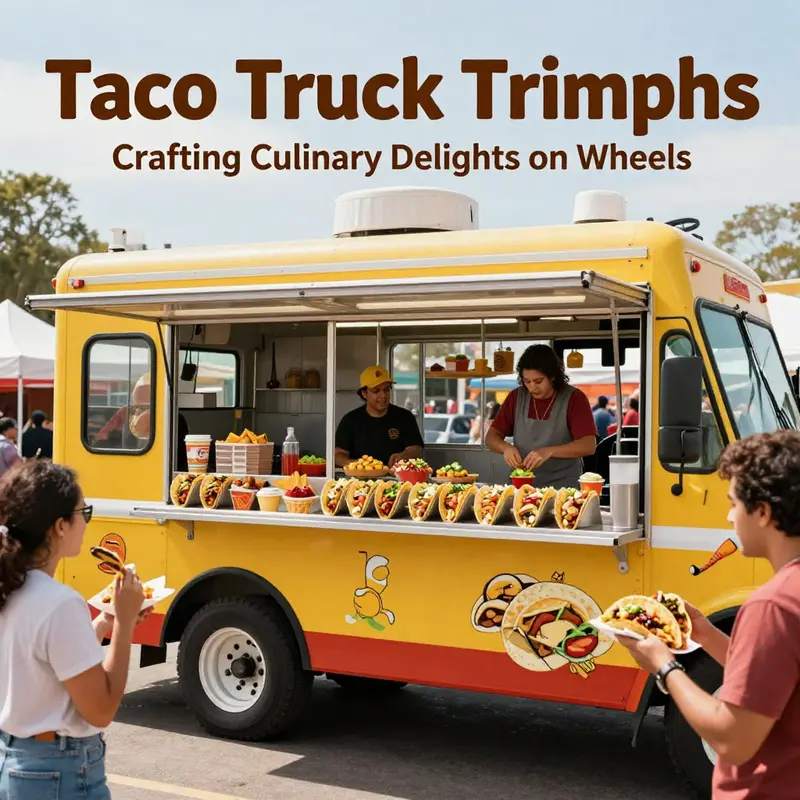
The path to running a successful taco truck begins long before the first sizzle of the grill and the first customer footsteps. It starts with a clear, compelling identity that merges concept, menu design, and a narrative your customers want to be part of. A truck’s charm isn’t just the flavors it delivers; it’s the story it tells with every turn of the key, every tweet or post, and every line of hungry patrons waiting for that first bite. When you approach your venture as a cohesive identity project, you align your culinary skills with business strategy and logistical realities in a way that sustains momentum long after opening day. The goal is to craft an on‑the‑streets experience that feels inevitable—the kind of routine that people plan their week around, not simply a place they happen to pass by. This begins with a thoughtful concept and a practical, profitable menu that reflect your vision while delivering consistent quality in a mobile setting.
Defining your concept is the first decisive move. A taco truck’s concept is more than a theme; it is a lens through which every decision—recipe development, sourcing, branding, even vendor partnerships—will be filtered. You might gravitate toward a fusion approach, where traditional Mexican flavors meet local ingredients in inventive ways. Or you could emphasize sustainability, prioritizing locally sourced produce, responsible packaging, and a transparent supply chain. A niche focus, such as vegan tacos or gourmet street food with a playful, chef-driven vibe, can set you apart in a crowded market. The central question becomes: what is your voice, and how will it resonate with the communities you serve? The answer should drive your menu architecture, your branding, and your daily operations, because a strong concept will guide the way you describe your food, present your truck, and tell your story to customers who crave more than just a quick bite.
With the concept in mind, menu design becomes the practical articulation of that identity. The menu should be both flavorful and manageable, typically featuring a core portfolio of six to ten items that can be executed quickly, consistently, and at healthy margins. The emphasis is on simplicity that scales well in a mobile kitchen. Each item should share fundamental components—think proteins, tortillas, toppings, and sauces—so you can streamline prep, reduce waste, and keep inventory lean. A clear throughline across the menu helps both the cook and the customer. If you lean into fusion or regional influences, a handful of signature items can anchor the menu while a rotating set of daily or weekly specials keeps things fresh without complicating the kitchen. The challenge is balancing novelty with reliability: customers want new experiences, but they also want consistency in every bite. A well‑designed menu helps you achieve that balance by focusing on a handful of high‑performing items and a disciplined approach to sourcing and preparation.
The process of menu development is inseparable from sourcing and cost control. You should deliberately design core items around ingredients that can be purchased in bulk and used across multiple dishes. This not only reduces waste but also strengthens your negotiating position with suppliers. When you select proteins, vegetables, and toppings, consider their shelf life, prep requirements, and the speed with which you can reproduce each dish during peak hours. Seasonal ingredients provide natural variability that keeps the menu exciting and can sometimes allow you to command slightly higher prices when you can advertise true freshness. Pricing then becomes a careful calculation: it should reflect ingredient costs, labor, and overhead, while staying competitive in your local market. A practical rule of thumb is to aim for a food cost in a range that supports sustainable margins, with room to adjust as you learn more about demand patterns in your routes and events. This math is never merely theoretical; it informs menu choices, portion sizes, and the speed with which you can fulfill orders under pressure.
As you craft your signature items, think of them as anchors around which the rest of the menu orbits. Signature items should be memorable, reproducible, and representative of your brand voice. They are the recipes customers will mention to friends, the items you test at events, and the easiest to produce reliably at a distance from a full kitchen. In a concept like fusion or regional homage, signature items can carry a strong narrative—stories born from sourcing trips, family or community traditions, or collaborations with local producers. The story behind each signature item matters as much as the flavor; it encourages customers to connect with your truck on an emotional level. Even if you never quite name every influence aloud, the way you describe ingredients, origins, and techniques communicates authenticity. For example, you might emphasize a method learned from a community kitchen, or highlight a local farm partner who provides a steady stream of produce. These tales create a sense of place and belonging that elevates the act of dining into a shared experience.
A practical tip for building your brand through the menu is to consider packaging and presentation as an extension of the dining experience. Eco‑friendly materials align with sustainability‑minded concepts and resonate with customers who value responsible business practices. Your packaging can echo your truck’s design language—from color palettes and typography to the placement of your logo on sleeves and napkins. The presentation in the window, the way you display prep on the counter, and the visual cues on your menu board all reinforce the identity you are building. In a mobile business, aesthetics are a form of efficiency: a clean, well branded interior and exterior helps customers understand what you offer at a glance, speeds up line flow, and reduces confusion during busy checkouts. This is not merely cosmetic; a cohesive visual package improves perceived value and strengthens trust in your product.
Brand storytelling is the connective tissue that binds your concept to your customers. People buy into stories as much as they buy food. Your backstory—where the recipes came from, who prepared them, and the communities you serve—provides a human context that makes your offerings more relatable. You might tell the tale of a kitchen where family recipes were kept alive, or of partnerships with local growers that ensure your ingredients travel a short distance from farm to truck. Share the ethos behind your menu and the people who stand behind the stove. A compelling narrative invites customers to become part of your journey, not merely spectators who happen to pass by a truck. This storytelling should be woven into every touchpoint: social media captions that reveal a day on the road, a post highlighting a farmer partner, a brief video of the cooking process, and a simple, heartfelt note on your packaging about sourcing and care. The more tangible and transparent your story, the deeper the emotional bond with your audience. A well‑told story also offers practical marketing leverage: it gives you recurring hooks for content and prompts for community engagement that extend beyond a single menu item.
Testing and real‑world refinement are essential to translating concept into commercial viability. Before committing to a fixed route or a long lease on a larger vehicle, test the concept in community markets, pop‑ups, festivals, and farmer’s markets where your target audience already gathers. Real‑world testing reveals how customers respond to flavor combinations, portion sizes, pricing, and the overall brand impression. It also uncovers operational realities—how quickly you can plate, how much space is needed for effective assembly, and whether your procurement plan holds under demand surges. Collect feedback diligently: solicit direct input on what people love, what falls flat, and what they’d like to see in future menus. This feedback loop should inform recipe adjustments, item prioritization, and even changes to your branding elements that customers associate with quality and value. The goal is to reach a point where the concept feels fused with your daily routine, making decisions automatic rather than debated under the pressure of service. When you have achieved that alignment, growth can feel organic rather than forced, with the confidence to experiment within a defined framework.
As you mature, you may find it valuable to consult resources on design and branding to sharpen your truck’s visual identity. Design platforms and templates can help you convey a consistent look that matches your concept, from menu boards to social media templates. A well‑executed visual identity reinforces your narrative and aids recognition across multiple touchpoints. And while your menu remains the heart of your operation, the surrounding brand experience—color, typography, signage, and even your staff uniforms—becomes the skin that customers notice first and then remember long after they leave. When these elements work in concert, you create a memorable, repeatable experience that people seek out again and again, and that becomes the backbone of your word‑of‑mouth growth.
For readers curious about practical models that other trucks have adopted, there is value in exploring established patterns in the field. A good resource to consult is a concise overview of top food truck models for success, which distills lessons from successful mobile operations and translates them into actionable design and operating principles. This resource can provide a helpful compass as you test and refine your own concept while you stay true to your unique voice. See: Top food truck models for success. While models differ, the underlying themes—clarity of concept, efficient workflow, consistent quality, and an authentic brand story—remain universal.
In building your concept, menu, and brand, you also cultivate a practical plan for growth. The core idea is to start with a strong, clear identity that can scale without losing its essence. A well‑defined concept guides your route planning, your relationships with suppliers, and your marketing approach. It informs how you hire and train staff so that your service remains fast and friendly, regardless of crowd size. It also shapes your pricing strategy by aligning cost control with customer value. When your concept and menu are coherent and your brand is credible, expanding—whether by adding a second truck, opening a brick‑and‑mortar partner, or offering catering—feels like a natural extension, not a risky departure. The most enduring taco trucks are those that stay true to their story while remaining adaptable enough to meet shifting tastes and opportunities in their communities.
To support this approach, a practical note on regulations and startup resources can help anchor your planning. The National Restaurant Association’s Small Business Resource Center offers tools, templates, and legal guidance that are tailored to food truck entrepreneurs, helping you navigate permitting, insurance, and day‑to‑day compliance without getting bogged down in red tape. Having a reliable resource to consult as you refine your concept and menu can save time and reduce stress, letting you focus on delivering a consistently excellent product. External research and ongoing learning are not a distraction but a vital part of staying current in a dynamic street food landscape.
As you move from concept to execution, keep your eyes on the horizon. Your taco truck’s identity is not a static logo or a single standout recipe; it is a living promise of what customers will experience when they encounter you. It includes the music of your service, the rhythm of your prep, the way your truck looks in daylight and at night, and the stories your team shares with passersby. When customers tell your story back to you, you’ll know you’ve built something that can endure—the kind of thing people plan weekends around, invite friends to try, and remember long after the last bite. And as you grow, you’ll carry the thread of your original concept through every new route, event, or collaboration, ensuring that each step forward feels like a natural continuation of the journey you began on the first day you decided to bring authentic, vibrant flavors to the streets.
External resource: https://www.restaurant.org/small-business-resources
The Legal Map for Taco Trucks: Navigating Permits, Licenses, and the Road to Compliance
Every sizzling tortilla, every smoky bite, and every customer smile on a taco truck rides on a framework of rules as sturdy as a well-seasoned griddle. In the rush of choosing a concept, sourcing suppliers, and plotting routes, the legal landscape can feel like a maze. Yet for a taco truck to stay on the road, you must treat compliance not as a barrier but as a foundation. It shapes where you park, when you serve, how you price, and how you protect your team and your customers. The path is not identical in every city or county, but the core pillars are recognizable: a business license, a food service permit, appropriate permits for a mobile vending operation, and a careful approach to taxes and insurance. Understanding these elements early can save you time, money, and the heartache of last‑minute scrambles when an inspector knocks on your door or a potential partner asks for paperwork. This is the chapter where the lane lines become clear—the rules that let your taco truck stay open, safe, and trusted in the communities you serve.
Starting with the business structure sets the tone for everything that follows. A decision about whether to operate as a sole proprietor, a limited liability company, or another entity type isn’t merely bureaucratic. It affects personal liability, tax treatment, and how you register for permits. In many locales, the choice determines the sequence of filings and the documents you’ll need when you apply for licenses. Even if you intend to keep things simple at the outset, it’s wise to consult a local advisor or use a reputable online resource to map out a structure that aligns with your long‑term goals. The jurisdiction you operate in will expect a business name, a storefront address or place of business, and a clear description of the products you plan to sell. That description may seem straightforward—tacos, salsas, street‑style offerings—but it will dictate the scope of health inspections, zoning reviews, and the type of permits you’ll pursue. When you choose a path early, you reduce the risk of reworking filings later and you project a professional image to lenders, customers, and collaborators.
No two regulatory environments are identical, but most places group the essential steps into a familiar sequence. You’ll typically begin with registering a legal business entity with the state and local authorities, then applying for a general business license that authorizes you to operate. The health department will require a food service permit, demonstrating that your kitchen, storage, and handling practices meet safety standards designed to protect the public. In many cities, the city or county also requires a specific mobile vendor permit or a similar designation that recognizes the unique nature of a vehicle‑based operation. This is not a mere formality; it’s the framework that allows you to park and sell in public spaces, respond to health and safety inquiries, and demonstrate accountability to your audience. Imagine these filings as the permits behind the window clings and branding you carry: they lend legitimacy and confidence, signaling that you’ve committed to operating with care rather than merely chasing a quick payday.
The practical realities of obtaining these permissions hinge on planning and documentation. Expect to provide a detailed menu and food safety plan, a floor plan of the truck that shows how meat is stored and prepared, and verification of proper storage temperatures for perishable ingredients. You’ll be asked about employee training, sanitation routines, and waste disposal methods. In some jurisdictions, you’ll need a fire safety inspection and a compliance check for ventilation and exhaust systems. The process is not designed to trip you up, but it is designed to ensure that every operation that touches food is prepared to protect public health. Keeping meticulous records from the outset—receipts for equipment, supplier invoices, maintenance logs for refrigeration, and proof of employee training—will smooth the path when the time comes to apply for renewals or audits. It’s a quiet but powerful habit: compliance requires ongoing documentation, not a one‑time checklist.
As you plan, consider the vital role of zoning and parking rules. The freedom to pull up at a festival, a park, or a business district is not universal. Zoning laws govern what kinds of activities are permitted in a location and often specify where food trucks may operate, how long they may stay, and what appears on the site at the point of sale. Some cities restrict vending to certain hours or require a pre‑approved permit for each event or block. Others cluster multiple vendors in a fixed market zone, which can be a strategic opportunity or a constraint depending on your menu, staff availability, and target audience. A robust approach is to map out a few potential clusters with an eye toward synergy with nearby events, but always check the latest ordinances before you commit to a route. The delicate balance is to maintain predictable, repeatable service while staying nimble enough to pivot when a permit window opens or closes. Your schedule may become a living document, evolving with weather patterns, event calendars, and the rhythms of the neighborhoods you serve.
Another layer of legality that often operates behind the scenes concerns tax compliance and insurance. Sales tax registration is more than a registration; it’s a daily discipline. You’ll collect tax from customers and remit it to the appropriate authority, typically quarterly or monthly depending on local rules and revenue volume. The record‑keeping habit becomes part of your operational rhythm, and you’ll want a reliable method to separate tax‑related funds from operating cash. If you hire staff, workers’ compensation and employer liability become part of the financial equation, and you’ll need to coordinate with your insurer to make sure you have coverage that reflects your actual risk exposure, including vehicle liability, equipment breakdown, and product liability for the foods you serve. Insurance isn’t a luxury; it’s a protective net that keeps you open when a claim arises and reassures customers that you take safety seriously. The right policy mix reduces the financial shock of accidents, equipment failures, or even customer complaints. It’s worth engaging with a broker or a trusted insurer who understands mobile food operations and can tailor coverage to your exact truck, route, and kitchen setup.
In the midst of licensing and insurance, remember that some permits are not purely local in scope. Federal and state requirements may intersect with your day‑to‑day work in ways that influence how you run your business. The U.S. Small Business Administration, for example, offers a comprehensive guide that consolidates regulations, safety standards, and practical steps for mobile food businesses. It’s a useful compass when you’re navigating the regulatory landscape for the first time or revisiting your understanding after a period of growth. The SBA resource emphasizes that you shouldn’t treat compliance as a box to check but as an ongoing discipline that scales with your ambitions. This viewpoint aligns with the way successful taco operators approach operations: they stay ahead of changes in health codes, remain aware of evolving parking rules near venues, and adjust their practices as the regulatory environment shifts with new leadership or public health advisories.
The practical path to compliance also invites a discipline of proactive communication. When you apply for permits, it’s common to encounter questions that require clarification or additional documentation. Rather than waiting for a reminder, reach out to the issuing authority with a well‑organized packet of information. A one‑page overview that outlines your business, the menu, hours of operation, vehicle specifications, and the sanitation measures you follow can help inspectors and clerks understand your operation at a glance. In the same spirit, cultivate a relationship with a local health inspector who visits your city. A respectful, transparent relationship can transform a potentially stressful encounter into a constructive dialogue, with the inspector offering practical pointers tailored to your menu and truck design. The rule of thumb is simple: be prepared, be cooperative, and be present. Show up with a plan that demonstrates that you’ve thought through both food safety and community impact, and you’ll find many authorities willing to work with you as a partner rather than a hurdle.
Casting a wide net for compliance also means recognizing the importance of signage, branding, and consumer expectations in relation to permits. The appearance of your truck—the cleanliness of the surface, the visibility of your license and permit displays, and the clarity of your menu—speaks to your commitment to safety and professionalism. A well‑lit, organized workspace inside the truck not only speeds service but also signals to customers and regulators that you prioritize standards. Even seemingly small details, like the placement of a handwashing station, the containment of waste, and the segregation of raw and cooked foods, reflect a culture of diligence that regulators look for when they inspect or renew licenses. In practice, this culture translates into routine training for staff, periodic internal audits, and a habit of documenting corrective actions when things don’t go as planned. It’s the daily, quiet work that keeps the legal map from becoming a maze.
To bring this together with a touch of actionable direction, consider this: begin with a simple, staged plan that outlines the licenses you’ll need in your city, the expected timelines for each filing, and the documents you’ll gather in advance. Build a checklist that includes business registration, a health permit, a mobile vendor permit, and the relevant tax registrations. Forecast the associated fees and the renewal cycles so you can budget year to year. Track the inspection dates and set reminders for renewals, even if you anticipate a smooth journey. This approach turns the bureaucratic process into an operational protocol that fits alongside inventory management, route planning, and staff scheduling. It also gives you a solid platform when you discuss growth—perhaps a second truck, a different neighborhood focus, or an expansion into catering—because you can show regulators and partners that your compliance foundations are solid and scalable.
No chapter on running a taco venture would be complete without acknowledging a few practical touches that can ease the path. For instance, keep a dedicated compliance binder or a digital folder with all permits, licenses, insurance certificates, and renewal reminders. Make sure your vehicle information is up to date, including VIN, registration, and proof of insurance; this is often requested at the point of permit application or at inspection. When you attend events or lease spaces, carry copies of your permits and a short, clear description of your operation that you can share with event organizers, venue managers, and security staff. By preemptively sharing this information, you reduce friction and project a professional image that aligns with the standard of health and safety expected in public spaces. In time, as you accumulate successful service days and recognized safe practices, the regulatory experience becomes less intimidating and more predictable, a steady path rather than a stumbling block.
For readers who want to dive deeper into the process, a focused resource worth prioritizing is a dedicated article on legal steps for launching a food truck. It provides a practical overview and a checklist that aligns with the real‑world steps described here, helping you translate policy into action. Legal steps for launching a food truck gives you a useful concrete reference as you begin assembling your filings and preparing for inspections. The goal is not to overwhelm you but to empower you with a solid starting point, so you can approach the regulators with a plan and a sense of confidence. As you move through the licensing process, stay curious, stay organized, and stay oriented toward the communities you will serve. The road to a compliant, thriving taco truck is a long one, but it is navigable when you approach it with purpose, preparation, and a willingness to learn from every interaction along the way. And when you finally roll out with all approvals in place, you’ll be able to focus more energy on what drew you to this path in the first place—the joy of cooking, the craft of service, and the connection you create with people who crave good tacos on their lunch break, at a festival, or after a late shift.
External resources can offer broader context and up‑to‑date regulatory guidance. For a structured, official overview of mobile food regulations and startup guidance, consult the U.S. Small Business Administration’s Starting a Mobile Food Business resource, which consolidates federal, state, and local considerations into a practical guide that you can reference as your business grows: https://www.sba.gov/business-guide/launch-your-business/start-mobile-food-business.
Rolling for Flavor: Selecting the Right Vehicle as the Engine of Your Taco Truck Venture
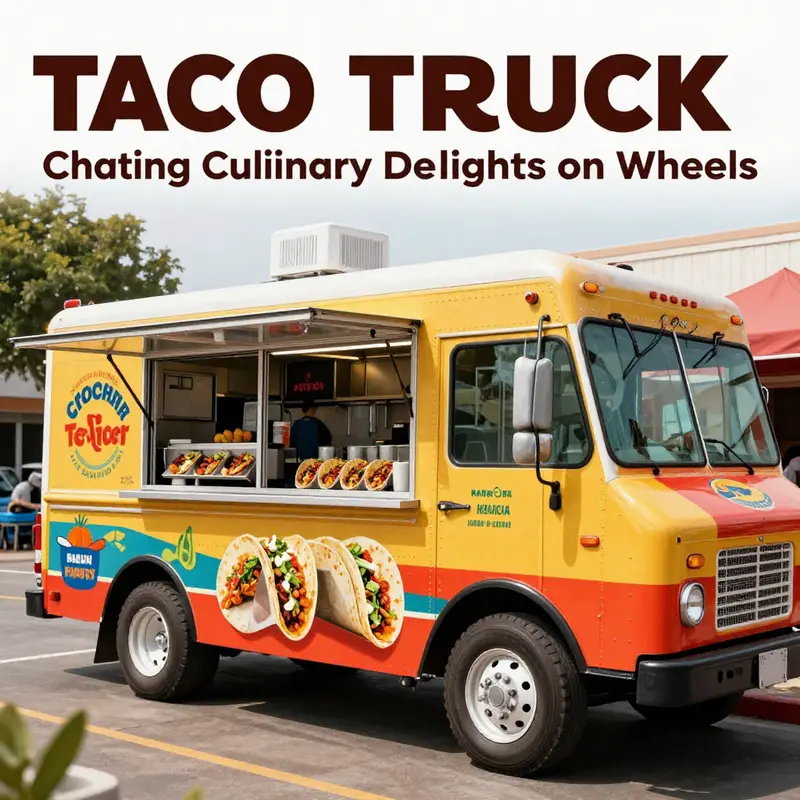
The vehicle you choose for your taco operation is more than a mode of transport; it is the foundation of your concept, your team’s cadence, and the customer’s first impression. In many ways, the truck is a mobile kitchen that carries your brand through neighborhoods, festivals, and daily rush hours. The decision about whether to pursue a custom-built unit or to retrofit an existing vehicle is not a simple cost comparison. It shapes how you design your kitchen, what equipment you can house, how you scale, and how you connect with diners who may never step into a brick-and-mortar location. In this sense, the vehicle becomes the engine of your taco dream, driving flavor onto the street while mediating risk, opportunity, and long-term growth.
Choosing between a custom-built food truck and a retrofit is not only about initial price. It is about aligning your kitchen’s layout with your menu’s needs, your service style, and the geographic rhythm of your routes. A custom-built truck starts from a clean slate, letting chefs and operators map the most efficient workflow for grilling, tortilla preparation, salsa assembly, and order assembly. You can position refrigeration, prep space, and handoff windows with surgical precision. This precision matters because tacos rely on freshness, temperature control, and speed. When space is optimized for the sequence of tasks—marinating meat, chopping herbs, pre-plating toppings, and final assembly—the line moves faster, mistakes shrink, and customer satisfaction rises. A well-planned custom build also tends to harmonize with a brand’s identity. The exterior, the interior finishes, and even the ventilation aesthetics can reflect a theme—Oaxacan street food, Baja coastal vibes, or fusion concepts—without compromising safety and compliance.
On the other hand, retrofitting an existing vehicle offers an accessible, faster, and often more affordable entry into the mobile food world. A retrofit can be a smart way to test a concept before committing substantial capital to a purpose-built unit. It also supports sustainability by repurposing a vehicle rather than purchasing new. But the retrofit path comes with its own calculus. Space becomes a constraint rather than a design feature. You may have to work within the constraints of the hull’s dimensions, door openings, and ceiling height, which can limit how many cooking stations you can install or how bulky equipment fits. Integration of ventilation, grease traps, and plumbing must be carefully engineered to meet local health and safety codes, which can vary widely from city to city. Some jurisdictions scrutinize conversions more rigorously, creating additional regulatory steps that can slow a launch and push up soft costs in the early months.
As you weigh these routes, consider how your menu and service model will determine your needs. A simple six-to-ten-item core menu with high margins may perform well on a retrofitted platform if you can organize prep and service lines efficiently. If you envision a broader, more complex menu—regional inspirations, multiple proteins, or fusion creations—your space needs climb. A custom-built unit can accommodate multiple cooking stations, specialized appliances, and integrated prep areas that reduce cross-contamination risks and keep pace with demand during peak times. The decision should also reflect your growth trajectory. If you anticipate rapid scale—additional trucks, larger events, or a year-round brick-and-mortar partner—you may value the higher resale potential and tailored durability of a purpose-built truck. If you plan to pilot during weekends, partner with festivals, and obsess over cash flow, a retrofit can be the pragmatic starting point that preserves capital while you validate the concept.
From a financial perspective, the total cost of ownership matters as much as the sticker price. A custom-built truck typically commands a higher upfront investment, but it often includes warranties, more efficient layouts, and better long-term resale value. It can also translate to lower maintenance surprises because the systems are designed to work together, tested by builders who understand food safety codes and performance standards. A retrofit, while cheaper at launch, can incur hidden costs—unanticipated modifications to fit equipment, upgrades to meet ventilation or fire-suppression requirements, and the potential need for more frequent repairs due to older infrastructure. This is not to say retrofits are inherently inferior; they simply demand careful planning, rigorous inspection, and a clear understanding of the limits of the vehicle’s frame, electrical capacity, and water systems. The best approach is to model two scenarios side by side: one based on a hypothetical custom build and one based on a careful retrofit, then compare not only upfront costs but the ongoing expenses tied to fuel efficiency, parts, insurance, and permits.
Another layer to weigh is operating efficiency. The kitchen workflow inside a truck is a moving puzzle. In a custom-built vehicle, an operator can design a line that minimizes backtracking, locates a dedicated tortilla warmer near the grill, and places a cold-dock near the prep zone for quick topping assembly. This can dramatically reduce order-to-delivery times, which in turn improves throughput during lunch rushes and festival queues. Sound, ventilation, and fire-safety systems should be integrated at the design stage so there are no after-the-fact compromises that disrupt service. A retrofit, while potentially slower to set up, can still reach high efficiency if it is meticulously planned. The key is to map the kitchen like a production line: where deliveries arrive, where prep happens, how orders move from ticketing to assembly to pickup, and where staff can pivot during peak moments without stepping on one another’s toes. In both paths, a purposeful layout translates into happier staff, cleaner work surfaces, and faster service, which all feed into the consumer’s perception of value.
Brand storytelling plays into the choice as well. A truck is a rolling billboard, a moving venue that carries your aesthetic from block to block. The exterior color, the menu board, the fonts, and the emoji-like charm of a taco icon all contribute to the moment a customer decidess to approach. A custom-built vehicle can be tailored to reflect a narrative—perhaps a nod to a beloved family recipe, a regional heritage, or a bold contemporary twist—so your truck looks and feels like a stage for your culinary story. A retrofit can echo this story too, but it often requires more creative adaptation. You may need aftermarket finishes, signage, and lighting to transform an older shell into a recognizable brand presence. Either path can work, but success hinges on consistency: the way you present your truck, the way you plate a taco, and the way you engage customers through social channels when you’re not on site.
In practical terms, the decision hinges on three pivotal questions. First, what is the real maximum throughput you need on peak days in the places you intend to operate? If your seasonal festival route demands back-to-back service for hours, a custom layout with multiple burners, a robust refrigeration system, and dedicated sauce and tortilla prep may be essential. Second, how steep is your capital risk tolerance? If you have limited liquidity or you’re testing a new market, a retrofit offers lower risk and a quicker path to market. Third, how strong is your plan for maintenance and compliance? A custom build can reduce regulatory headaches by starting with compliant, factory-specified equipment locations, but it also commits you to a single vendor ecosystem. A retrofit requires diligence with inspections, upgrade cycles, and potential code-driven modifications that may slow growth but can be more adaptable as policies evolve in your city or state.
If you’re leaning toward a literature-informed decision, there are practical references that outline how different truck types perform in the field. For a deeper dive into technical specifications and real-world performance, see the comprehensive guide from Food Truck News. This resource offers a framework for evaluating performance properties and types in industrial applications, helping you move beyond gut instinct to data-informed planning. While the specifics will vary by region, the principle remains universal: your vehicle should be a seamless extension of your kitchen, not a constraint that stifles creativity or customer experience. Selecting the right path requires balancing cost, capability, and compassion for the people who will work inside the truck and the guests who will become loyal fans of your taco craft.
As you finalize your choice, keep in mind that there is a meaningful upside to paying attention to small design details. A properly sized grease trap, a reliable water heater, and a ventilation system that keeps smoke and heat out of the customer line are not glamorous topics, but they are essential for safety and morale. The best operators also think ahead to maintenance calendars, spare parts availability, and routine service schedules that prevent downtime during the peak season. A well-planned vehicle, whether custom-built or retrofit, will be easier to clean, easier to sanitize, and easier to train new staff on. It will also be easier to scale when the time comes to add another truck or to expand into a formal catering program. In short, the right vehicle is not just a cost center; it is a platform for your culinary identity, your operational discipline, and your capacity to grow alongside your brand.
For readers who want to explore brand alignment and vehicle selection in a broader context, consider this related resource: Choosing the right food truck. It offers practical guidance on aligning your truck choice with your concept and market strategy, helping you translate vision into a street-ready kitchen. The discussion in this chapter should now be anchored in how the vehicle you select will enable or constrain the flavors you plan to serve, the speed you must sustain, and the relationships you’ll build with customers who come to recognize your truck by its shape, its color, and the aroma that follows it.
As you continue your planning, remember that the vehicle is a living component of a larger system. It interacts with your routes, your staffing model, your supply chain, and your marketing plan. A great truck does not magically fix a weak concept, nor does a poor vehicle ruin a strong idea. The most successful taco trucks treat the vehicle as a partner—one that carries the brand forward, supports consistent quality, and invites communities to gather around the sizzling sound of tortillas and the inviting scent of fresh toppings. With thoughtful consideration, you can choose a vehicle that not only meets today’s needs but also adapts to tomorrow’s opportunities, ensuring your taco truck remains a beloved local staple for years to come.
External resource: https://www.foodtrucknews.com/2026/01/new-food-truck-guide-performance-properties-and-types-for-industrial-applications
Smart Sourcing: Ingredients, Equipment, and Logistics for Your Taco Truck
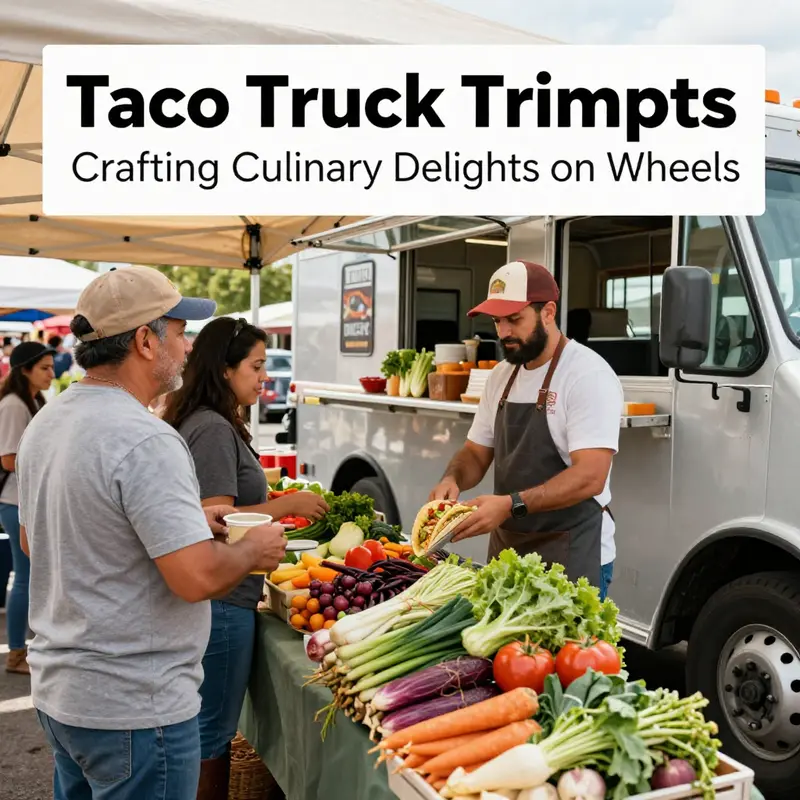
Running a taco truck well begins with what you put inside it and the tools you use to make it. Your menu drives every sourcing decision. Choose ingredients that support your concept, hold up under busy service, and deliver consistent flavor. That means knowing which items you must buy fresh, which you can buy prepped, and which you should make in-house. Establish clear product standards early. Define quality markers such as cut size, fat content, freshness window, and acceptable substitutions. These standards simplify purchasing, reduce waste, and protect margins.
Build your supplier lineup with a mix of local and regional partners. Local farms are great for seasonal produce and building community ties. Regional distributors can offer staples in consistent volume. Negotiate terms based on your volume projections. Ask about minimum order quantities, delivery schedules, and lead times. Where possible, arrange standing weekly deliveries for perishables and biweekly shipments for dry goods. That rhythm keeps inventory fresh and predictable. Keep a backup supplier for critical items like proteins and masa so a missed delivery doesn’t stop service.
Prioritize items that form the base of your tacos. Masa harina, corn tortillas, high-quality proteins, and staple salsas require reliability. For proteins, specify trim, cut, and portion size. For tortillas, decide between fresh, frozen, or par-cooked options that match your prep capacity. Fresh tortillas offer the best flavor but demand more daily labor. Frozen or par-cooked tortillas can speed service and reduce waste. Test each option on your menu to balance flavor, speed, and cost.
Control food cost through disciplined portioning and smart prep. Use portion scales, portion scoops, and recipe cards to keep consistency. Pre-portion proteins and toppings for rush service. Batch-cook sauces and salsas in controlled quantities. Implement FIFO (first in, first out) in all storage to minimize spoilage. Track yields from each protein trim and calculate a true per-portion food cost. Aim for a food cost percentage that aligns with your pricing model, and adjust either pricing or portion sizes if the math doesn’t balance.
Sourcing goes beyond raw ingredients. Packaging and single-use items matter. Choose packaging that maintains temperature, reduces mess, and reflects your brand. Consider compostable or recyclable options. They may cost more but can win repeat business among environmentally conscious customers. Test different containers during soft openings. Note which keep tacos crisp and which trap steam. Your choice affects customer satisfaction and your cost structure.
Cold chain management is non-negotiable. Invest in reliable refrigeration units that maintain safe temperatures during transport and service. Use digital thermometers and log temps routinely. Consider remote sensors if you run multiple trucks or plan long events. Train staff to check temperatures at the start and end of every shift. Temperature alarms and checklists reduce risk of spoilage and failed inspections.
When sourcing equipment, think long term. Heavy use, tight spaces, and frequent cleaning demand robust, service-grade gear. Choose stainless steel surfaces for durability and hygiene. Prioritize equipment with known safety certifications and reliable warranties. Request manufacturer documentation for electrical, gas, and safety standards when purchasing. That documentation proves compliance and simplifies inspection time.
Design the truck’s layout around workflow, not aesthetics alone. Place the hottest stations close to ventilation and away from high-traffic customer areas. Arrange prep, cook, and assembly stations to minimize movement. Test the planned layout with your crew during a mock service. Small changes to equipment placement can shave seconds off each order. Efficiency scales directly into throughput and customer satisfaction.
Decide between buying new, buying used, or commissioning a custom build. New trucks and appliances have predictable lifespans and warranties. Used equipment cuts initial costs but may require more maintenance. Custom builds maximize workflow and branding but carry longer lead times and higher upfront costs. If you need guidance on vehicle selection, consult a focused guide on choosing the right food truck. That resource can help you weigh options for size, power, and layout relative to your goals.
Power and fuel choices shape your equipment options. Propane remains common for grills and fryers. Generators provide off-grid power for refrigeration and electrical equipment at events. Shore power is ideal when available; it reduces generator runtime and fuel costs. If you plan on an electrified setup, consider induction cooktops and energy-efficient appliances. They draw significant current. Design your electrical system with capacity and expansion in mind. Overloading circuits or under-sizing a generator leads to service interruptions.
Plumbing and sanitation equipment must meet local health requirements. Include a hand sink, a three-compartment sink for washing, and a dedicated unit for potable water supply. Document your hot water system capacity to demonstrate compliance at inspections. Plan for grease, waste, and gray water disposal points. These practical details influence where you park and the kind of events you can service.
Durability also means serviceability. Choose manufacturers who provide spare parts and local service networks. Phone support and quick shipping for replacement components shorten downtime. Keep a basic repair kit onboard: wrenches, replacement fuses, hose clamps, and critical fittings. A quick fix at a busy event can save significant lost sales.
Investing in the right smallwares increases speed and consistency. Select knives, scoops, tongs, and spatulas that feel balanced and stand up to heat and cleaning. Choose labeled bins for toppings and mise en place to speed assembly. Digital scales, portion scoops, and timers maintain uniformity across shifts. A robust POS system with integrated inventory tracking makes ordering easier and reduces shrinkage.
When budgeting, include long-term costs. Warranty renewals, scheduled maintenance, and energy use affect profitability. Energy-efficient appliances cost more up front but lower fuel or electricity bills. Consider total cost of ownership, not just purchase price. Leasing options can reduce initial capital strain. Compare interest rates and tax implications. Speak with an accountant about depreciation and qualifying deductions.
Supplier relationships are part strategy, part partnership. Be clear about quality and delivery expectations. Establish communication channels and preferred ordering methods. Some suppliers allow order cutoffs by phone or email. Others offer online portals with real-time inventory. Use suppliers that provide clear invoices and batch codes so you can trace issues back to a delivery.
Negotiate where you can. Commit to minimum volumes for discounted pricing or priority delivery. Ask about promotional deals for seasonal items. Consolidating orders across categories can reduce delivery fees. Cooperate with neighboring vendors for cooperative buying power when possible. These strategies lower per-unit costs and improve cash flow.
Maintain traceability and compliance by documenting lot numbers and supplier names for proteins and high-risk items. Create a simple log that links each batch of cooked product back to its source. This traceability speeds response during recalls and reassures health inspectors. A small digital spreadsheet or integrated POS note can be enough for most trucks.
Sustainability can be both a brand differentiator and a cost saver. Work with farms offering regenerative practices when possible. Reduce single-use plastics and swap to compostable packaging slowly to manage costs. Track waste volumes and identify where trimming portions or repurposing trimmings into stocks can recover value.
Finally, plan for growth at the start. Purchase modular equipment where feasible. A modular grill or portable warming drawer can move into a second truck or a brick-and-mortar location if you expand. Standardize on sizes and fittings to make transfers easier. Keep records of serial numbers, manuals, and maintenance histories. These documents increase resale value and simplify future purchases.
Sourcing for a taco truck blends culinary priorities with practical logistics. Align your ingredient quality with menu promises. Choose equipment for durability, serviceability, and compliance. Build supplier relationships that support consistency and scale. When you get these pieces right, daily operations become simpler, customers return more often, and your margins improve.
For a curated directory of suppliers and vendor reviews to inform purchasing decisions, see this resource: https://www.foodtruckresource.com/
Final thoughts
Running a taco truck is more than just serving delicious food; it’s about creating connections and sharing your passion for tacos with the world. By carefully crafting your concept and menu, navigating the necessary legalities, selecting the right vehicle, and sourcing quality ingredients, you can create a taco truck that stands out in a competitive market. Remember, your culinary creativity combined with solid business practices will set the stage for your success. Now get out there, make those tacos, and watch your dreams roll in!