
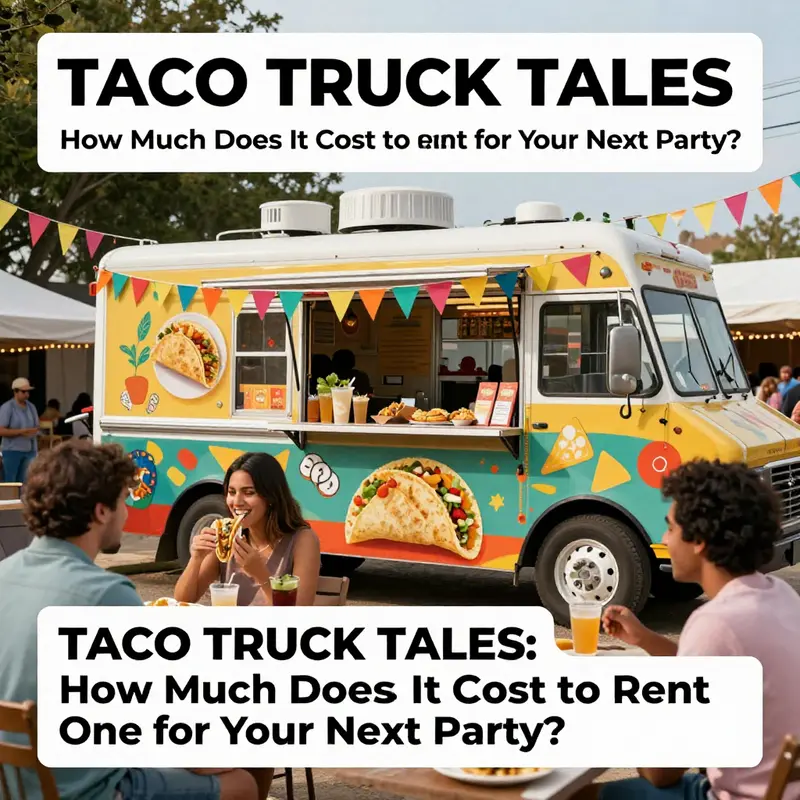
The tantalizing aroma of grilled meats, the crunch of fresh toppings, and the vibrant colors of delicious tacos—nothing brings a party to life quite like a taco truck! For cuisine lovers and taco fans, renting a taco truck is not just a meal choice; it’s an experience filled with flavor, fun, and festivity. But how much does it actually cost to rent one for your party? In this guide, we will take you through the essentials—from the average costs of renting a taco truck to the factors that influence those prices. We’ll explore regional variations, how your menu choices can impact pricing, and the best ways to receive accurate quotes from local vendors. By the end of this journey, you’ll be equipped with all the information you need to make a flavor-packed decision for your next party!
null
null
The True Cost of Taco Trucks for Your Party: Pricing Dynamics, Logistics, and Flavor
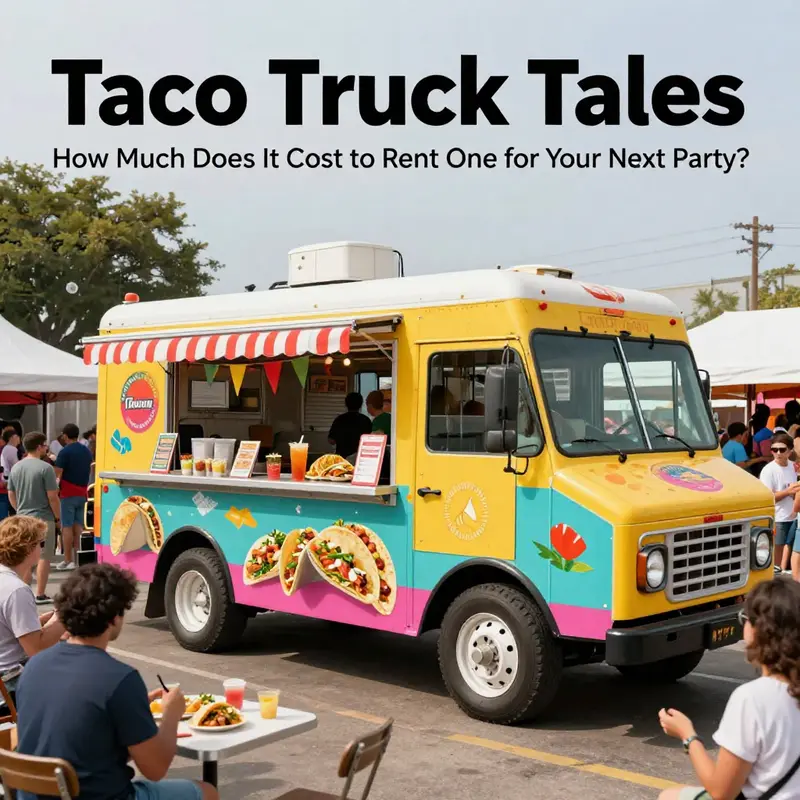
Planning a celebration often prompts questions about food, but when the feast hinges on a taco truck, the conversation shifts from appetite to arithmetic. The price tag on a taco truck for a party is not a single line item; it is a ledger balanced by location, timing, menu ambition, and the level of service you expect. The base rate, the per‑person option, and the duration of service all set the ceiling and the floor, but it is the subtle forces behind those figures that really shape what you end up paying. From the outset, most taco trucks land in a familiar range: a base price of roughly five hundred to twelve hundred dollars per event. That range alone can be enough to steer a party budget, especially when the guest list grows or the event requires a more elaborate display of tacos, toppings, and sides. Some vendors also offer pricing by head, typically drifting between ten and twenty dollars per person. This per‑person approach might include a predetermined number of tacos and basic sides, creating a predictable meal plan for the host who wants clarity on cost per guest. Additional hours change the math too. Extending service by a couple of hours—say, from two to four hours—often adds a hundred to three hundred dollars, reflecting the extra labor, fuel, and equipment rental that keep the truck operating during longer parties. Yet these numbers should be treated as guide rails rather than fixed rules; the real total often sits somewhere in the middle, adjusted by the supplier’s philosophy and the specifics of your event. In this sense, the cost is a conversation about value as much as it is about price. The decision to book a taco truck usually starts with location and timing, and in practice those two factors are closely linked. Urban areas with high living costs and intense event calendars, such as certain neighborhoods in large cities or booming food‑truck hubs, tend to push up prices. The same is true when the event falls on a Friday or Saturday in peak season, when demand climbs and trucks are in high demand. The city’s density matters, but so does the accessibility of your venue. A party in a backyard with a tight alley, a rooftop with wind considerations, or a remote countryside site can all influence the final quote as the truck factors in travel time, setup space, and the logistics of delivering a fresh, hot service to a non‑standard location. The effect is compounded when guests expect a high level of culinary craft. If your event leans into premium ingredients—house‑made tortillas, specialty meats like al pastor or carne asada, or unique regional sauces—the overhead ticks upward. Quality drives cost because it requires better sourcing, stricter preparation, and more careful handling to maintain consistency from the first taco to the last. Once a menu is sketched, the question of customization becomes central. A standard taco lineup offers reliability and economies of scale, while a customized menu—think signature tacos, inventive salsas, or vegan and vegetarian options—demands more planning, more ingredients, and often more staff on site. That kind of flexibility is appealing for a party that wants a personal touch, but it also nudges the price upward. Service level and added amenities are the final pieces of the puzzle. A full‑service package can be a major value add, incorporating setup, serving staff, disposable tableware, and cleanup. The convenience of a turnkey experience is undeniable, especially for hosts juggling a dozen other details. On the flip side, some hosts opt for a more minimal footprint: the truck arrives, food is served, and guests handle plates and utensils themselves. The difference here can easily be a couple of hundred dollars and, for many, a trade‑off that’s worth consideration depending on how hands‑on the host wants to be. In practice, these dynamics play out in a way that makes the Austin‑style taco truck scene a helpful reference point. This city’s vibrant ecosystem has produced a familiar pattern: a four‑hour engagement with a standard menu often lands in the seven‑hundred‑to‑one‑thousand‑dollar territory. When a menu is customized or ingredients are premium, the range shifts toward the upper end, potentially reaching twelve hundred to fifteen hundred dollars. Hosts planning larger gatherings should expect the scale to push the price further still, especially when the event requires additional staff, extra equipment, or extended service logistics. Given these moving parts, the most reliable way to frame a ballpark figure is to start with your guest count and your preferred service style, then map those against the common drivers described above. If your guest list is around sixty to eighty people and you want a crisp four‑hour window with a balanced menu, you might estimate a base cost around seven hundred to nine hundred dollars, add a per‑person component around twelve dollars, and factor in a modest service premium for setup and cleanup. The total often lands between one thousand five hundred and two thousand dollars, depending on location and the specifics you choose. To translate that into a concrete plan, you’ll want to gather quotes directly from local trucks and compare not only the price but the scope—the menu, the staffing level, and the degree of customization. In practice, this means reaching out with a clear outline of the event: date, time, guest count, venue access, and any dietary needs. It’s also wise to recognize the value of flexibility. If you can adjust the menu, slightly shift the service window, or accept a slightly longer travel route for a better supply line, you may secure a lower price or more favorable terms. The important thing is to treat the quote as a package rather than a line item. Price lists are useful, but the difference between a good experience and a great one often comes down to the service configuration and how well it matches the host’s priorities. As you begin the search, consider a source of practical guidance that helps you choose wisely. A reliable approach is to see what a few different operators offer and how those options align with your event’s vibe. If you’re curious about how to select a vendor, a helpful resource is the guide on Choosing the right food truck, which walks readers through evaluating cuisine, presentation, and reliability before you sign a contract. For broader context on the industry’s pricing tendencies, you can also consult established reporting on food truck pricing trends, which explore how market forces have shaped costs in recent years. Finally, it helps to keep in mind that every party is unique. A well‑priced taco truck is not merely a bargain; it’s an investment in flavor, convenience, and guest experience. The right balance—between generous portions, delicious variety, timely service, and a stress‑free setup—can turn a cost discussion into a celebration memory. If you want to explore more about the practical steps of engaging a food truck, you can start with this practical resource on Choosing the right food truck, which provides a clear path to evaluating options and negotiating terms. Choosing the right food truck. For readers seeking broader industry context and trends, see the comprehensive analysis of Food Truck Pricing Trends 2024 from a major news outlet, which sheds light on pricing pressures and market dynamics shaping the mobile catering landscape. The Guardian: https://www.theguardian.com/money/2024/sep/15/food-truck-pricing-trends-2024
From City Streets to Country Roads: Unpacking Regional Taco Truck Party Prices
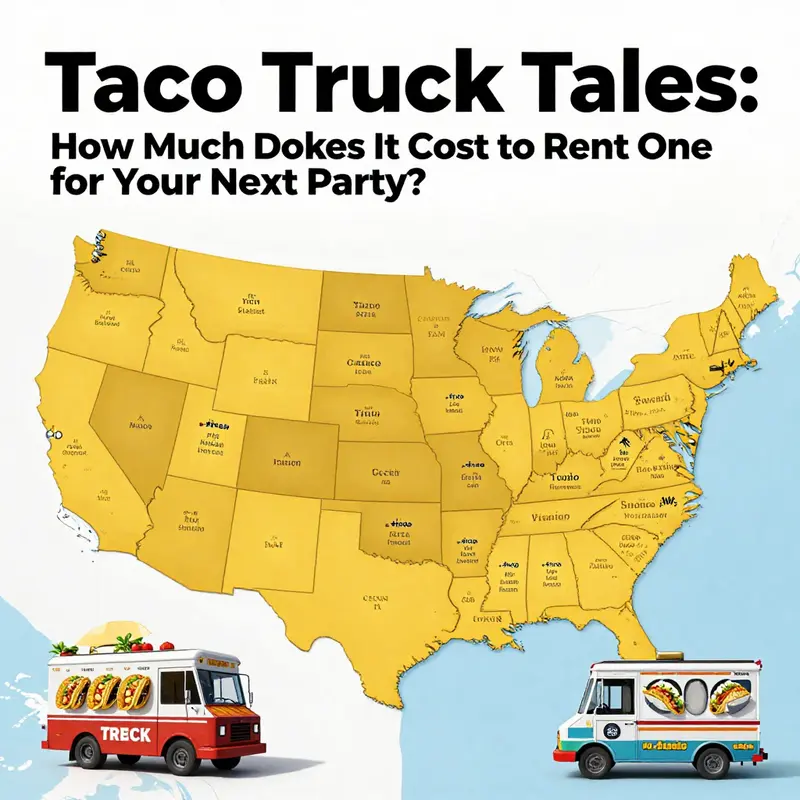
Every decision in party planning circles back to budget, and when you choose a taco truck, geography can reshape expectations. Renting a taco truck for a celebration in downtown Austin, with its celebrated street-food culture, will often carry different price tags than booking the same service three hundred miles away in the rural Midwest. Beyond the familiar per-person rates or flat event fees, local dynamics—such as labor markets, ingredient access and demand cycles—create a patchwork of pricing across the country.
In dense urban centers, where crowds anticipate inventive menus, taco truck operators must cover higher wages, premium real estate costs and the upkeep of specialized mobile kitchens. Take, for instance, a popular vendor in Austin, Texas: a standard four-hour engagement can start around $750 and climb toward $1,000 for basic taco offerings and sides. Throw in specialty proteins, house-made tortillas or custom beverage pairings, and that figure nudges into the $1,200–$1,500 range. Similar trends emerge in Los Angeles and New York City, where the sheer volume of events and the competitive drive for culinary distinction fuel upward price pressure. Truck owners invest in chefs trained for high-volume service and equip each rig with advanced refrigeration and extraction systems. These operational outlays, plus heightened consumer expectations for diverse, Instagram-worthy menus, translate directly into the rental fee.
By contrast, smaller towns and rural counties often yield a different equation. Lower overhead on permits, reduced competition and more predictable demand can slice per-event expenses. In parts of the Midwest or the rural South, a taco truck may charge closer to $500–$700 for an equivalent four-hour booking, even with a straightforward menu. Vendors in these regions still adhere to rigorous safety regulations—UL or CE certification for kitchen appliances is non-negotiable under North American and European compliance standards—but their day-to-day costs remain muted. Fewer frills and streamlined staffing models help keep prices elastic, enabling hosts with tighter budgets to deliver authentic street-style tacos without compromising on food safety or flavor.
The availability and seasonality of ingredients also factor heavily into regional pricing. When local farmers in the Pacific Northwest yield a bumper crop of tomatoes, jalapeños and fresh cilantro, trucks passing through that territory can highlight ingredient-driven specials at minimal markup. Conversely, a request for fresh avocado crema in a winter event far from California’s groves may necessitate longer supply chains and higher wholesale rates. Operators typically pass these variable costs directly to clients, updating quotes based on market swings. Equipment considerations dovetail with ingredient sourcing: regions with established food-truck ecosystems offer easier access to rental grills, work vans and repair services, which can reduce the need for long-haul maintenance or emergency part replacements.
Market demand fluctuates by season and locale as well. Warmer months in coastal cities trigger street-food festivals and corporate outings that drive up booking fees and shorten the window for affordable date slots. Weekend weddings in trendy urban neighborhoods may require six-month lead times and a significant deposit. Meanwhile, off-peak slots in suburban or rural areas—weekday gatherings or winter holiday parties—often unlock competitive discounts. Charge structures adapt: some vendors adopt per-person pricing in high-volume urban markets, setting rates between $10 and $20 per head, while maintaining flat rates for private events elsewhere. The interplay of timing, guest count and regional appetite for taco trucks means that savvy planners can leverage off-peak savings or secure package deals in markets less saturated by food-truck demand.
For event planners aiming to navigate this mosaic of regional costs, strategic sourcing is critical. Beyond comparing base rates, it pays to evaluate each vendor’s operational depth: ask about staff training, equipment certification, availability of backup trucks and contingency plans for inclement weather. Partnering with a provider that follows ISO 9001 quality management standards can ensure consistent food safety, transparent specifications and reliable after-hours support. Planners should also consider total service scope—does the quoted rate include setup, staffing for service and cleanup? Are tableware, napkins and condiments part of the package or billed separately? These details, often shaped by local labor costs and logistical hurdles, can add $200–$500 to an event budget if not negotiated upfront.
Anchoring your decision in both regional context and supplier credentials sets the stage for a successful celebration. Whether you’re comparing quotes in the heart of a major metropolis or out on quieter country roads, remember that location-driven factors—local wage scales, ingredient sourcing, equipment access and demand cycles—will leave their imprint on the final cost. Thoughtful planners can optimize value by aligning event dates with off-peak seasons, selecting menus that balance local produce with price stability, and leveraging expert guidance on choosing the right food truck. For practical tips on vendor selection and pricing comparisons, see our guide on choosing the right food truck.
Drawing on detailed regional insights and best practices can transform the budgeting process from guesswork to precision. A well-vetted vendor supported by transparent, data-driven quotes helps reduce risk and frees you to focus on the guest experience, regardless of whether your party unfolds on city sidewalks or country lanes.
Resource: https://www.example.com/b2b-taco-truck-sourcing-guide
Menu Mastery: How Your Taco Lineup Shapes Your Party Truck Budget
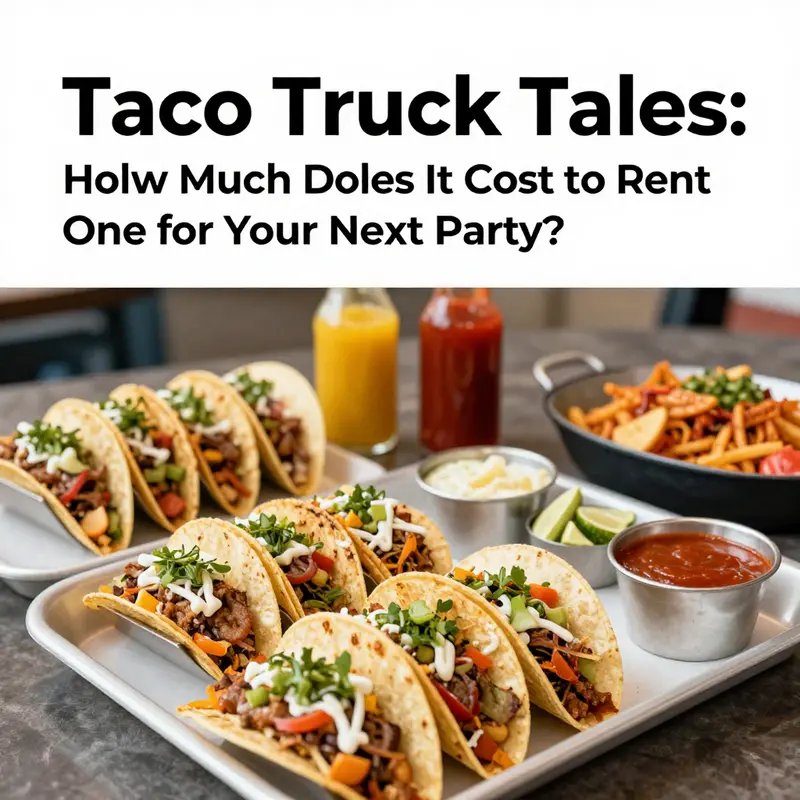
The menu you select for your party’s taco truck shapes the entire cost structure from the first inquiry through final cleanup. A simple lineup of traditional options such as carne asada or pastor with basic toppings—onions, cilantro, and a choice of red or green salsa—calls for fewer appliances, limited ingredient storage, and a compact crew. With fewer variables, vendors can streamline prep, minimize transportation needs, and quote a lower base rate. Event planners on a tight budget often stick to straightforward offerings to keep per-event fees in the lower tiers.
A standard taco truck operating a basic menu usually brings essential equipment: a flat-top grill or two for searing meats, one or two refrigerated prep tables, hot-holding cabinets, and basic refrigeration units for perishables. These trucks require only fundamental power allocations, a single generator, and modest propane supplies. With three protein selections and basic garnishes, the interior layout remains compact, allowing rapid loading, shorter setup times, and simpler logistics. Under this model, vendors often offer straightforward flat fees—ranging between $500 and $1,000—for a four-hour rental, covering food, service, and minimal cleanup.
When a taco truck ventures into gourmet territory, the menu complexity ramps up significantly. House-made tortillas crafted in small batches, specialty proteins like slow-braised barbacoa or duck carnitas, and elaborate condiments such as chipotle aioli or mango-jalapeño salsa necessitate advanced machinery. Sous-vide devices, high-capacity industrial blenders, and additional refrigeration zones occupy precious interior real estate. Not only do these systems drive up initial capital outlay, they also raise ongoing maintenance and energy costs. Consequently, vendors factor these investments into higher per-event pricing to ensure profitability.
Signature offerings centered on fresh guacamole, fermented salsas, or pickled vegetables introduce additional layers of complexity in both sourcing and storage. Ingredients like heirloom tomatoes, microgreens, or artisan cheeses often come with premium price tags from specialty distributors. To maintain food safety standards, these perishable items must be stored at exacting temperatures, requiring extra refrigeration units and backup power protocols. Vendors mitigate spoilage risk by building buffer margins into their ingredient budgets, a cost that inevitably flows into the final quote to customers.
Beyond equipment, menu intricacy directly impacts staffing needs and service flow. A straightforward taco line with pre-grilled meats and simple toppings might require just two cooks and a cashier. However, a multi-step menu featuring custom garnishes, fresh-pressed tortillas, and made-to-order salsas can bottleneck at peak periods. To keep lines moving, vendors often add a third cook or a dedicated expo station, driving labor expenses up by 25 to 40 percent. For events exceeding 100 guests, this incremental staffing surcharge becomes a significant line item.
These equipment and labor investments justify a corresponding premium in rental fees. Industry analysts report that mobile kitchens offering expansive, customizable menus and high-volume service capabilities can command up to 35 percent higher fees compared to simpler setups. Event hosts pay this premium not only for the upscale menu itself, but for the brand appeal that accompanies a truly bespoke taco experience. Guests recognize such elevated offerings, creating a perceived value that supports higher price points. (Source: Foodservice Equipment & Supplies).
Vehicle selection plays a crucial role in balancing menu ambitions with operational feasibility. Standard trailers and towable carts can satisfy basic taco menus, but they often lack the space and utility hookups needed for gourmet operations. Step vans and box trucks, by contrast, provide ample interior room, heavy-duty electrical panels, and ergonomic layouts suited for multi-station cooking. The additional square footage accommodates everything from dedicated prep counters to built-in refrigeration drawers, enabling a smooth workflow that keeps service both efficient and scalable.
Outfitting a step van for a full-service taco operation can range from $60,000 to over $100,000, depending on customization levels. These rigs often include slide-out awnings, multiple deep sinks, overhead ventilation, and custom shelving systems to house dozens of ingredient containers. In contrast, a basic 10- to 12-foot trailer tailored for tacos might start at $30,000 with a simpler interior fit-out. The higher acquisition cost of step vans and box trucks drives daily or per-event rental rates upward, reflecting loan payments, depreciation, and specialized upkeep.
Operating larger trucks involves greater overhead beyond initial outfitting. Fuel consumption for heavier vehicles can double compared to light trailers, especially during extended service hours. Insurance premiums typically rise in alignment with truck value, coverage levels, and the risks associated with cooking and serving in a mobile environment. Municipal parking fees and special permitting for larger commercial vehicles can add hundreds of dollars per event. Event planners unwittingly cover these hidden costs through the vendor’s overall quote.
For food truck proprietors and event entrepreneurs, mastering the interplay between menu design and vehicle configuration is essential for maximizing profitability. A minimalist taco lineup—say, grilled chicken, beef, and vegetarian varieties—pairs seamlessly with a smaller, more fuel-efficient trailer. By contrast, operators planning elaborate menus featuring custom broths, daily specials, or rotating seasonal ingredients benefit from the versatility of a step van outfitted with multiple cooking stations. Choosing the right combination ensures that operational complexity doesn’t outpace revenue potential.
Event planners must gauge guest expectations and the desired pace of service when designing their taco truck experience. For interactive events, where attendees build tacos to their own taste, a truck with modular prep tables, garnish bars, and integrated point-of-sale systems offers a festive vibe. If quick turnover is critical—such as at corporate luncheons or festival-style gatherings—a streamlined menu with rapid assembly protocols may be preferable. For more on matching menu needs with vehicle type, see Choosing the Right Food Truck.
Clear menu communication is vital to control costs and prevent surprises. Hosts should finalize protein counts, side selections, and any specialized sauces or garnishes at least two weeks before the event. Many vendors include clauses to cover last-minute ingredient changes at premium rates. Detailed menus reduce waste, streamline shopping lists, and enable the vendor to forecast staffing and equipment needs accurately. Transparent planning not only protects the event budget but also ensures that guests enjoy a consistent, high-quality experience.
When soliciting vendor quotes, consider establishing a tiered menu structure. A base tier might include three traditional tacos and two sides per guest; an upgrade tier could add gourmet options such as shrimp al pastor tacos or truffle-infused quesadillas. Hosts can allocate a nominal per-person allowance for premium items, keeping overall costs within budget. Vendors typically provide clearly differentiated pricing matrices for these tiers, making it easy to adjust guest counts or menu selections without renegotiating wholesale costs.
Menu creativity can elevate perceived value and bolster guest satisfaction. Hand-pressed tortillas, house-smoked meats, and signature salsas confer a sense of craft that guests equate with higher quality. This perception allows vendors to justify per-person pricing in the $15 to $20 range, compared to the $10 baseline for basic taco packages. Effective menu descriptions and tasting stations can further enhance appeal, encouraging guests to view the truck as a centerpiece attraction rather than just another catering option.
null
null
Final thoughts
With taco trucks becoming a charming and delicious centerpiece for parties, understanding their costs can lead you to a flavorful adventure. By recognizing the average rental prices, the factors influencing costs, and regional variations, you’ll be better equipped to plan the perfect taco extravaganza. Remember that menu options also play a crucial role in pricing, so don’t shy away from getting creative! Finally, when it’s time to contact vendors, ensure you gather all your information to receive the most accurate quotes. Now that you’re armed with this knowledge, get excited about elevating your next party experience with a taco truck—it might just be the hit of the season!