
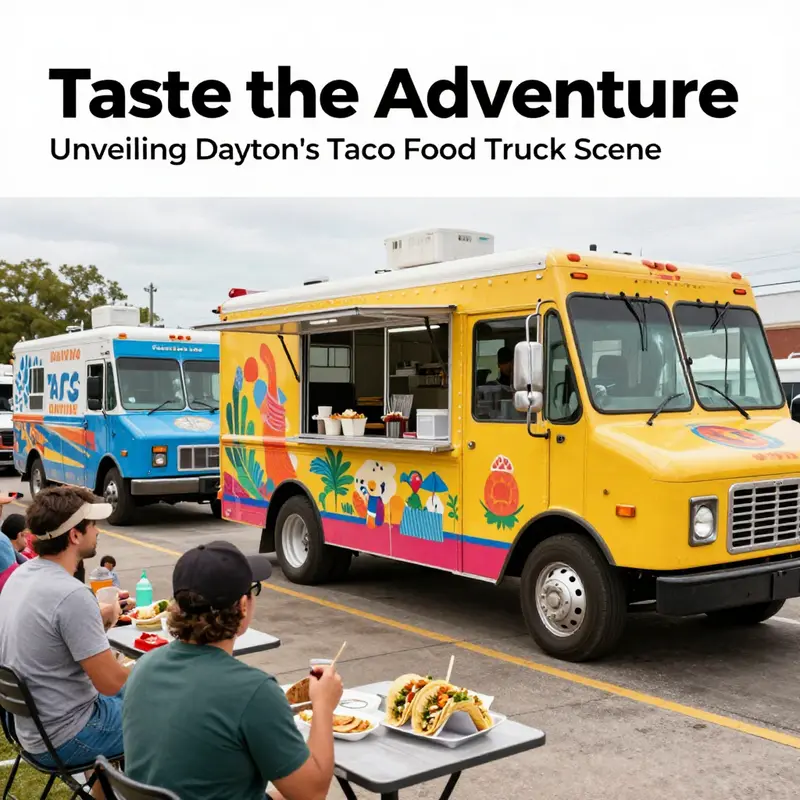
In the heart of Dayton, Ohio, a culinary revolution is taking place, one taco at a time. The city’s lively taco food truck scene is a haven for cuisine lovers and taco fans alike, who share a fervent passion for vibrant flavors that reflect Mexico’s rich gastronomic traditions. This article dives deep into the taco food trucks that are capturing the hearts and taste buds of locals and visitors. From authentic flavors to unique culinary innovations, each chapter will unfold the incredible world of taco trucks, showcasing their contribution to the community, exemplary customer experiences, and the latest trends shaping this vibrant food culture.
Rhythms of Flavor on Dayton’s Streets: What The Taco and the City’s Top Taco Trucks Offer
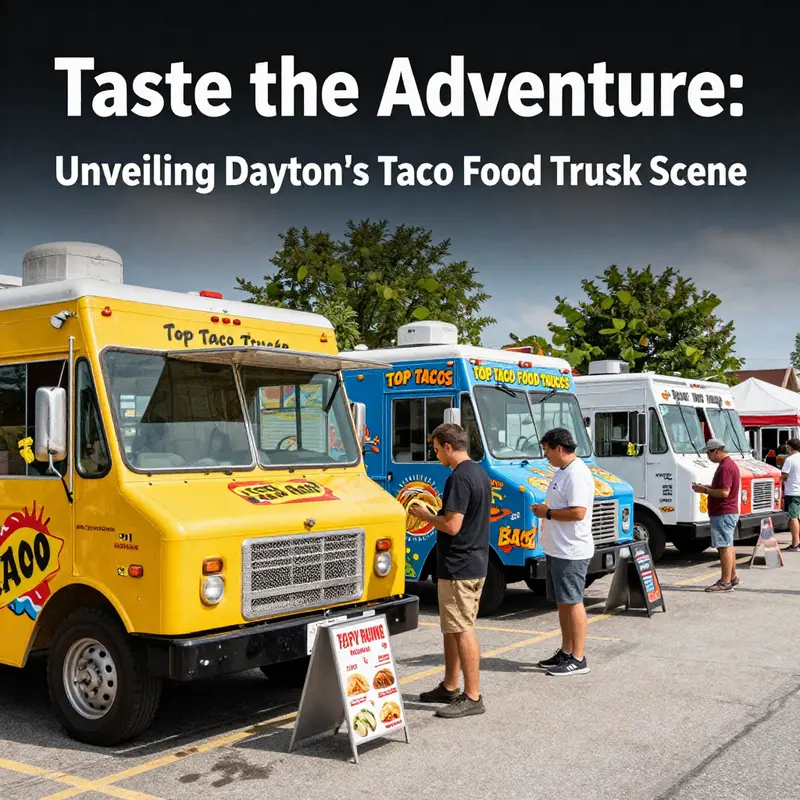
Dayton, Ohio wears its taco culture with a quiet pride, a city where a single lunch can become a quick culinary tour through vents and vents of sizzling grills, citrus, and smoke. The taco truck scene here isn’t a novelty; it’s a living, moving pantry that migrates with the workday, the weekend crowd, and the little rituals people keep when they crave something bright and comforting. What makes this landscape so compelling isn’t only the heat and the spice, but the sense that every truck is a different voice in a larger chorus about roots, memory, and the joy of eating on the go. The latest chatter on Yelp, refreshed in 2026, confirms that Dayton’s mobile taquerias aren’t fading into the background. Instead, a handful of trucks rise to the top as the city’s favorites—authentic, fresh, and consistently welcoming. Those factors—authenticity, freshness, friendliness—become a thread you can follow across a weekend of wandering, sampling, and returning for a favorite bite that tastes like home no matter where you are standing in the street light at dusk.
Among the well-worn paths and the newer lanes, the trucks that reliably draw crowds articulate a spectrum of Mexican flavors that feels both traditional and alive with small, clever twists. Taquiera La Lomita anchors one end of this spectrum with a reputation for authentic Mexican flavors and fresh ingredients that remind visitors of a neighborhood taquería rather than a quick-service counter on wheels. It’s the kind of truck that invites a return visit not just for the taco itself but for the full sense of craft—careful seasoning, the brightness of cilantro, the way onions snap when you bite into a fresh tortilla. A stone-young but enduring rhythm emerges: the quiet confidence of a cook who understands that authenticity isn’t about replicating a recipe down to the last gram, but about honoring the memory of a flavor that travels across borders and time.
Close by, Taqueria Garcia Mobil carries its own weight in the city’s taste map. Known for its rich flavors and the warmth of service, this truck feels like a trusted neighbor who has learned the neighborhood’s palate and its pace. The service is as much part of the experience as the food: a smile, a quick recap of the day’s specials, and a sense that you’re part of a small, friendly crowd that keeps the gears turning for the next window of service. Then there’s Taqueria Taxista, which has earned a loyal following for its signature sauces and tacos that are made fresh on-site. The teases of aroma—garlic, smoky peppers, a hint of citrus—promise that what lands on your plate isn’t pre-mixed from a jar but drawn from ingredients that speak of a chef’s day’s work and the integrity of preparation.
If you are chasing a blend of tradition and invention, Taqueria Mixteca offers a shared space where traditional riffs mingle with modern, creative tacos. It’s the kind of truck that invites you to experiment, chip by chip, until you discover a new favorite. And then there is Dip Tacos Food Truck, which earns its distinction through its distinctive dipping style. The concept isn’t just a gimmick; it’s a philosophy that invites you to interact with each bite—tender meat pairs with a spectrum of dipping sauces that range from tangy to fiery, offering a different texture and a new note with every scoop or dip. The energy of Dayton’s taco scene, in other words, isn’t a monolith but a dialect—several voices speaking in quick Spanish and English, each tortilla carrying a story about place, memory, and the act of sharing food with strangers who become neighbors at the curbside.
Into this chorus steps What The Taco, a standout on Dayton’s rolling map of mobile kitchens. While the full menu details aren’t laid out in every snippet of information, what shines through the chatter is a simple, persuasive message: the food is fresh, the flavors bright, and the tacos feel truly made for the moment. A reviewer once highlighted a sweet potato and black bean taco as a favorite, praising it for its “super yummy and fresh” character. That small note—sweet potato with black bean—says more than it might at first glance. It signals a willingness to embrace vegetarian or plant-forward options without sacrificing bold seasoning or satisfying textures. It also points to a broader theme in Dayton’s taco trucks: even when you’re chasing meat-based classics, the plant-forward choices are not afterthoughts but harmonized elements of a larger, inclusive menu.
The front-of-house experience often mirrors the food’s quality. In Dayton’s trucks, the staff are frequently described as friendly and attentive, turning a quick bite into a pleasant memory rather than a transactional moment. That warmth matters as much as the flavor, because street food thrives on the social connection it creates—between cook and customer, between kitchen and curb, and between neighbors who swap notes about which sauces are bringing the heat that day. The practical reality behind these positive stories is simple: the kitchens are compact, the work is fast, and the cooks take pride in balancing speed with the care of a kitchen that is literally on wheels. It’s a reminder that the best taco trucks treat customers as guests in a temporary, portable home—an ethos that makes repeated visits feel like a natural extension of a weekend ritual rather than a planned, solitary indulgence.
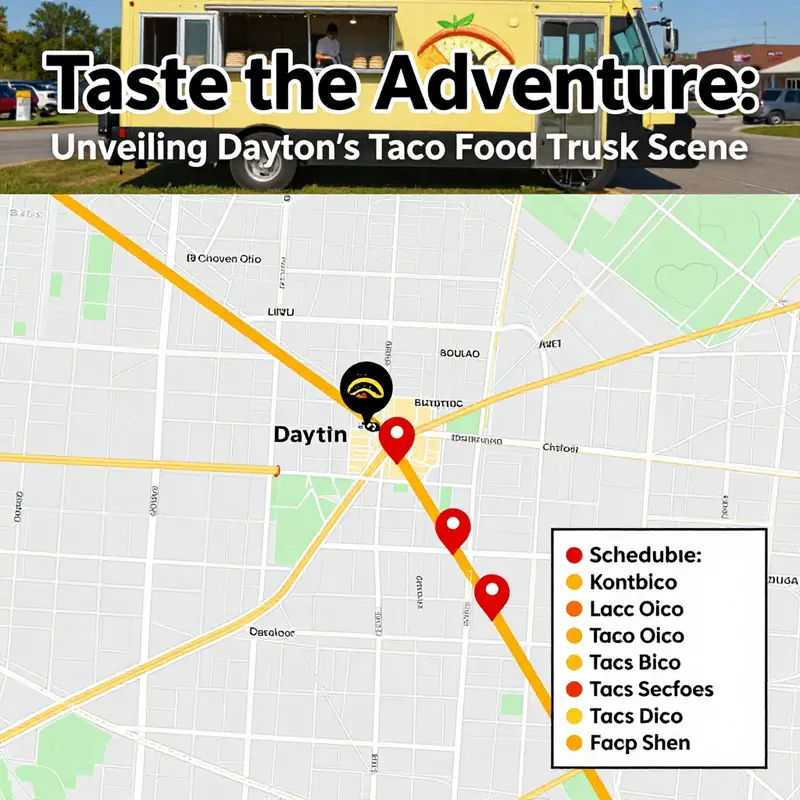
Of course, a city’s taco map is best understood through the logistics of location and hours. These trucks tend to anchor themselves at specific lunch hubs during the workweek and pivot to weekend spots that attract weekend crowds. Real-time updates—through Yelp listings and each truck’s social channels—help locals and visitors align where flavor is rolling next. The Dayton taco ecosystem is by design a mosaic rather than a single flagship. The proximity factors matter, too: Taquiera La Lomita sits just about 1.4 miles away at 2721 Linden Ave, while Taqueria Garcia Mobil sits a bit farther, around 2.2 miles from the city center, offering a sense of distance that invites a little planning but never eliminates spontaneity. These distances are more than geographic footnotes; they create a pattern of choices for anyone who wants to stitch together a day of eating that feels like a personal tour rather than a hurried bite between meetings.
For readers who want a mental map to guide their exploration, a practical pivot is to remember that the day’s best bites often arrive in bursts—quick, satisfying flavors that don’t demand a full sit-down. The mobile nature of the trucks means that menus, sauces, and even a precise corn-to-flour tortilla ratio can feel slightly different from one visit to the next, which is part of the charm. The emphasis on freshness—ingredients assembled with care, tortillas warmed just before serving, sauces prepared on-site or sourced with an eye for quality—keeps the experience immediate and memorable. In a city where the taco route is as much social as it is culinary, the trucks become a rotating cast that residents know by name and schedule. You might find yourself chasing what The Taco offers on a given week, only to discover a new favorite from a neighboring truck when the route changes with the wind and the workday clock.
For those curious about how to approach choosing among the options without overthinking, a simple invitation helps: consider what you want most in a lunch on wheels—bold heat, fresh produce, or a comforting, familiar staple—and let the day’s location guide your route. If you want a more strategic starting point, there is value in reviewing those top names on the city’s radar and then letting taste guide the journey. What The Taco’s emphasis on freshness and flavor, paired with the broader ecosystem of authentic and inventive offerings, suggests a spectrum that rewards curiosity, not hesitation. A practical tip for newcomers is to check the latest real-time locations and hours on Yelp or the trucks’ own social feeds; these micro-updates help you align your hunger with the rolling rhythm of Dayton’s taco economy. And if you want a quick glossary of how to think about the scene, consider the broader question of what you value most in a street-food experience: a sense of place, a story behind the recipe, or simply the satisfaction of a well-seasoned bite that travels with you through the midday air.
For readers who want a concise pathway through the options, one accessible route is to explore the idea of choosing the right food truck by considering factors like authenticity, freshness, and the social warmth of the crew. This pragmatic approach aligns with Dayton’s culture where the experience of eating on the curb is inseparable from the people who prepare and serve the food. If you’re new to the scene, a visit that includes What The Taco alongside Taquiera La Lomita and Taqueria Garcia Mobil can offer a compact cross-section of Dayton’s taco spectrum: the crisp, bright flavors of a well-seasoned fresh taco, the rich depth of a traditionally inspired plate, and the friendly pace of service that makes the experience feel personal rather than hurried. And as you wander, keep an eye out for Dip Tacos Food Truck’s dipping specials; the concept may invite you to rethink the idea of a taco as a static object and instead view it as a vehicle for sauce and texture adventures.
Linking these experiences to a broader understanding of mobile food culture can also illuminate how to travel safely and thoughtfully in a city known for its compact, walkable food scenes. The Dayton taco ecosystem isn’t just a list of stops; it’s a way of eating that invites you to slow down enough to appreciate the craft—the sizzle of a griddle, the careful fold of a tortilla, the bright sparkle of salsa. If you’re planning a day of tastings, start with a destination you know to be reliable, then let discovery follow your appetite as you move through the neighborhood grid. The result is a day that feels less like a sprint to a quick lunch and more like a purposeful stroll through a living, breathing food map that Dayton has cultivated with pride. For readers who want a concise primer on navigating this map, a quick resource that touches on the broad ethos of choosing and evaluating food trucks is available here: Choosing the right food truck.
External reference: https://www.yelp.com/biz/what-the-taco-dayton-oh
Tasting Dayton’s Pulse: Authentic Flavors and Community Spirit from What the Taco and the City’s Taco Trucks
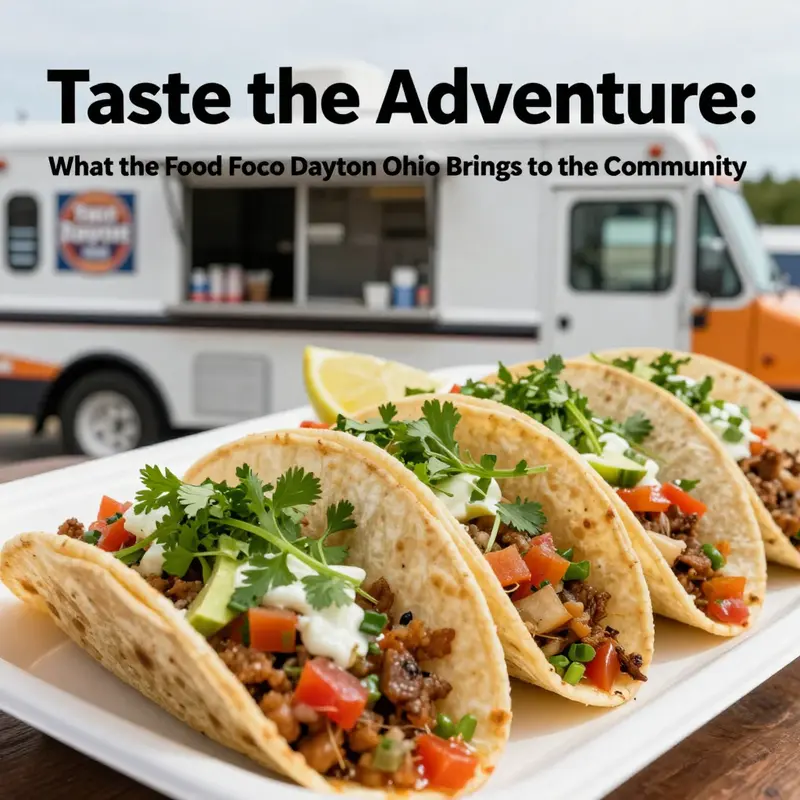
Dayton, Ohio has long prided itself on a street-level culinary culture where foods travels on wheels meet local curiosity with undeniable energy. In this landscape, What the Taco stands as a bright thread weaving together tradition, accessibility, and communal joy. The truck isn’t just a way to fill a midday hunger; it’s a moving kitchen that invites neighbors to gather, share bites, and trade stories about family recipes that traveled from somewhere south of the border to the heart of the Midwest. The result is more than a meal. It’s a sensory experience that captures the essence of Mexican cuisine while bending to the rhythms of Dayton’s own neighborhood life. And when the truck rolls into a new block or a familiar corner, the same eager question rises: what flavors will this day bring, and who will be there to taste them with you?
From the first bite, What the Taco signals its commitment to quality through the simplest of promises: fresh ingredients, carefully prepared with attention to the balance of texture and aroma. The kitchen ethos leans into traditional recipes that have nourished families for generations, not trendy fads. That fidelity to core techniques—well-seasoned proteins, bright salsas, and tortillas warmed to the moment—ensures that each taco carries a sense of place. It’s easy to taste the care in the bite: the way a char from the grill adds a whisper of smoke, the way lime juice brings a necessary brightness, and the way onions and cilantro mingle with herbs that arrive in clean, unhurried folds. The result is not just a reproduction of Mexican flavors but a faithful translation that honors their origin while speaking to Dayton’s diverse palate.
The menu itself extends that philosophy into a welcoming range of regional influences. What the Taco offers a spectrum of options that can satisfy a curious foodie and a casual lunch seeker in roughly the same moment. Among the standouts is a sweet potato and black bean taco. This choice turns the familiar corn tortilla into a vehicle for a surprising combination—earthy sweetness from the potato, a hearty, protein-rich complement from the beans, and a chorus of toppings that lift each bite without masking the fundamentals. It’s the kind of dish that draws in vegetarians and meat-eaters alike, proving that plant-forward options can be deeply satisfying without sacrificing flavor or heartiness. The dish also earns praise for nourishment as a practical, affordable choice, allowing people to eat well when time and budget are tight. In Dayton’s fast-paced lunch corridors, this is a small but meaningful statement about how accessible good food can be.
What makes the experience distinctive goes beyond ingredients. It’s the way the truck, as a communal space, creates a sense of belonging. The staff routinely greet regulars by name, and newcomers feel welcomed as if they’ve wandered into a family kitchen at a neighborhood gathering. This friendliness isn’t performative; it grows from a sincere pride in craft and a desire to share a culture that can be easily misunderstood or underrepresented in other food contexts. The staff’s patience with questions about ingredients and preparation signals a hospitality ethic that respects guests as part of a shared culinary journey. In this setting, flavor becomes a bridge, not a barrier, inviting people to ask questions about where the ingredients come from, how dishes are assembled, and why certain flavors feel so comforting in the first bite.
The community impact of What the Taco and Dayton’s broader taco-truck ecosystem is tangible. These mobile kitchens function as affordable, accessible entry points into Mexican cuisine, especially for families and workers who may not have time for a sit-down meal at a restaurant. They also act as informal cultural ambassadors. Each encounter—whether it’s a student stopping by between classes, a frontline worker seeking a quick, satisfying lunch, or a longtime Dayton resident craving a familiar taste—contributes to a broader appreciation for Mexican culinary traditions. Patrons often describe the experience as a way to connect with something that feels both homey and distant, a reminder of places visited on vacation or in family storytelling, now rendered in the language of a taco truck’s sizzling grill and the bright chorus of fresh herbs. The impact is not merely gustatory; it’s social. People linger longer than needed, not to waste time but to savor the moment of communal exchange, to hear the conversations around them, and to witness the way a simple meal can spark recognition of shared roots and mutual curiosity.
Another dimension of the What the Taco story lies in its everyday operations. The truck embodies the efficiency and adaptability that define successful mobile food ventures. Fresh ingredients are prioritized, but so is the ability to respond to changing crowds, weather, and locations. The kitchen moves where people gather—courtyard pop-ups, busy corners near offices, markets, and weekend events—creating a dynamic pattern of presence that makes authentic flavors feel both near and personal. This mobility is not a mere tactic; it’s a strategic form of hospitality. It signals openness to new neighbors and new tastes, inviting Dayton’s residents to sample a spectrum of regional specialties that reflect the nation’s layered culinary tapestry. The sense that these flavors are portable, always ready to travel to a new group of diners, fosters a city-wide sense of inclusivity. Each stop becomes a small celebration, a reminder that great Mexican cuisine doesn’t require a formal restaurant to be accessible or deeply satisfying.
In the broader Dayton taco landscape, What the Taco sits among a constellation of trucks that together enrich the city’s food culture. The presence of other well-regarded vendors—each with its own voice, technique, and regional focus—creates a conversation about what authentic flavors mean in a modern urban context. This collective ecosystem helps maintain a high standard of quality while encouraging experimentation and cross-cultural exchange. Diners learn to trust the truck scene as a space where tradition can mingle with creativity, where a classic approach and a modern twist can coexist on a single block. And for travelers or new residents, the scene offers a moving map of flavors to sample, each stop providing a new perspective on what Mexican cuisine can look and feel like in the Midwest. The result is a culinary microcosm of Dayton itself: diverse, welcoming, and endlessly curious.
For readers who want to explore these journeys themselves, the practical side matters as much as the poetic one. The real-time nature of truck operations means menus can shift with the day’s ingredients, the season’s harvest, and the flow of customers. Hours and locations aren’t posted once and forgotten; they evolve with the week’s pulse, often shared via social updates or the trucks’ listings on review platforms. This fluidity is part of the appeal. It invites people to become locals in a fluid sense, readers not merely of a menu but of a neighborhood’s rhythm—the way lunchtime crowds whisper about where the next plate of authentic flavor will roll in from and what story the cooks will tell with their toppings and sauces.
The narrative of Dayton’s taco trucks, with What the Taco in the lead and its peers around the city, is not just about taste. It is about the ways food can knit a community together across generations and backgrounds. It’s about the accessibility of flavors that once felt distant and the uplift that comes from seeing a bustling food scene that respects tradition while inviting new interpretations. This is not simply a place to eat; it is a space to observe a living, evolving conversation about identity, craft, and hospitality. The sweetness of a well-seasoned taco, the brightness of a lime squeeze, the warmth of a friendly greeting, and the shared acknowledgment that a meal can be a local gathering point all converge on Dayton’s streets. The city, in turn, rewards that openness with loyalty—regulars who plan their days around the trucks’ routes, families who incorporate a quick bite into their weekly routines, and visitors who leave with vivid memories of a city that makes room for diverse flavors and the stories that accompany them.
For those who are curious about how a venture like this finds its footing, there is value in looking at the practical dimensions of launching and sustaining a mobile kitchen. The path is not simply about selling meals; it involves sourcing choices, safety practices, and a flexible business model that respects both culinary craft and the realities of street dining. The right balance of reliability and spontaneity becomes a competitive advantage. In Dayton, the audience already expects a certain level of quality and hospitality, and successful trucks respond with consistency in flavor and warmth in service. That alignment between expectation and delivery is what sustains enthusiasm and encourages word-of-mouth referrals, turning a stop for lunch into a brief, satisfying ritual in the middle of a workday or a weekend stroll. And as the scene continues to develop, readers can engage with it by exploring resources that help future operators navigate the terrain, from choosing the right equipment to understanding how to maintain high standards on a moving platform. For readers who are curious about how such ventures take shape, consider this practical starting point: Choosing the right food truck.
In the end, What the Taco’s story, and Dayton’s broader taco-truck ecosystem, is about more than the taste of a single dish. It’s about cultural openness, economic accessibility, and the daily ritual of breaking bread—or, in this case, breaking tortillas—together. It’s a reminder that in a city where the streets serve as a marketplace and the weather invites people to linger, food becomes a language through which communities are spoken into existence. Each truck offers a doorway into a regional kindness, a slice of tradition, and a moment of shared discovery. The sweet potato and black bean taco is emblematic of this approach: a thoughtful, nourishing option that invites inclusion, while the broader menu choices honor the breadth of Mexican regional cooking. The combined effect is a Dayton where flavor and fellowship travel side by side, where a quick lunch can feel like a cultural exchange, and where a traveling kitchen reminds everyone that good food, properly prepared and warmly shared, travels best when it travels with a community.
External resource: What the Taco on Yelp for current offerings, locations, and hours: https://www.yelp.com/biz/what-the-taco-dayton-oh
Beyond the Sizzle: The Customer-Centered Flavor Journey at What the Taco in Dayton, Ohio
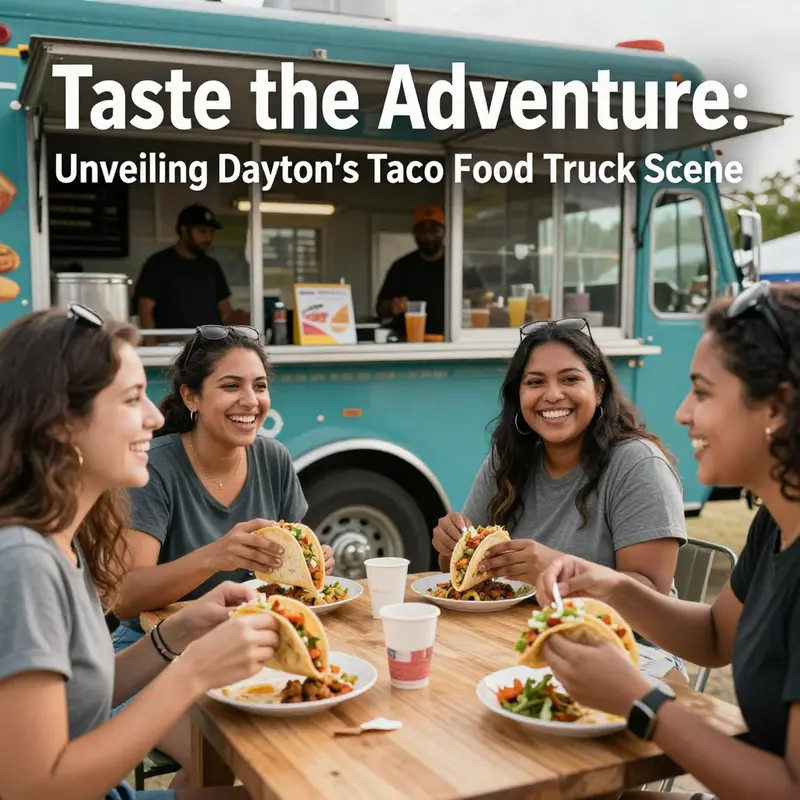
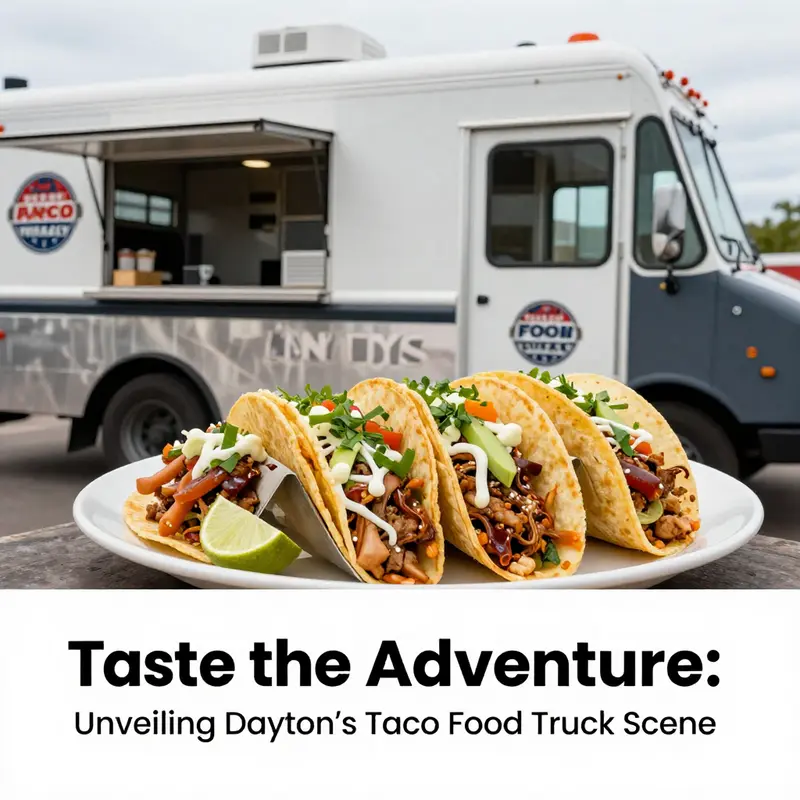
On a typical noon in Dayton, Ohio, the air near the curb is a collage of aromas: charred corn, coriander, lime, and something warmer, a hint of slow-cooking spice that speaks of a kitchen without walls. The city has nurtured a tight-knit circle of taco trucks, a mobile mosaic that makes lunch an event rather than a routine. Among them, What the Taco stands out not only for its menu but for how the experience unfolds from the moment you step into the line. There’s a rhythm to the scene: a whistle from the grill, a chorus of orders, the clink of metal, and the rapid-fire but friendly chatter of staff who anticipate needs before they are spoken. The truck sits in a sun-warmed lot, its red-and-yellow banner catching the eye, inviting curious eaters and loyal regulars alike to join the queue that forms on busy days.
Inside the compact kitchen, the operation unfolds with quiet precision. Freshness isn’t an afterthought but a core idea threaded through every tortilla, salsa, and slice of avocado. The produce tastes bright as if it came from a farmers’ market stand just around the corner, and the meat leans into tenderness rather than toughness. The cooks move with a practiced ease, wiping hands on aprons, checking the heat, and adjusting seasoning like conductors keeping time. The story behind the plate is one of disciplined preparation: weekly deliveries of vegetables, daily batches of sauces, and a rotation of fillings that keeps the menu alive without losing the essence of what makes a good taco. The result is a bite that feels balanced, where every component supports the others rather than fighting for attention.
Customers arrive with the same hopeful curiosity each day—some grabbing a quick lunch, others planning a small ritual with friends to savor a few different flavors. What the Taco earns its praise not through bravado but through a steady, human touch. The staff greet diners with a smile, verify the order with patience, and offer a quick explanation of the day’s specials. That approachable atmosphere matters as much as the recipe. When a taco is handed over, there’s a moment of shared satisfaction, the kind that comes from knowing the experience will be simple yet satisfying. It’s easy to overlook the effort that goes into small acts of hospitality—the greeting, the confirmation, the tidy presentation of the box—until you realize how much those moments shape a customer’s memory of the meal.
Among the menu’s most talked-about items is the sweet potato and black bean taco, a choice that has earned affection well beyond the neighborhood. In a February 2026 review, a diner called the flavors ‘super yummy and fresh,’ a testament to how the kitchen’s approach translates into real pleasure on the plate. The sweetness of the sweet potato plays off the earthiness of the bean, while a crisp salsa or a drizzle of sauce brings brightness that cuts through the warmth. For some, this pairing is a gateway to a broader curiosity about vegetarian fillings that don’t compromise on satisfaction. The appeal lies not in novelty alone but in correctness: ingredients chosen to shine, textures stacked thoughtfully, and seasoning that enhances rather than masks natural flavors. It is a reminder that a truck kitchen can offer real culinary nuance.
Outside, the chatter of fellow diners, the rhythm of wheels, and the occasional gust of wind from passing buses contribute to a vibe that is at once casual and communal. The atmosphere thrives on informality—the kind of place where you pull up a chair if one is available, or lean against the side panel with a bag of chips and a cold drink while you wait your turn. The scene is not about flash; it’s about reliability, the kind that keeps people returning week after week. Yet within that ease there is a sense of craft: the way a sauce is whipped to a glossy finish, the careful layering of toppings, and the moment when the toppings are distributed so evenly that every bite offers the same profile. This balance between comfort and competence makes What the Taco feel like a neighborhood staple rather than a one-off impulse.
Dayton’s taco ecosystem also deserves a moment of attention here, because the city’s trucks exist in a crowded, friendly field. Yelp’s 2026 rankings place a number of vendors in the spotlight, a snapshot of a local culture that values both variety and accessibility. The portfolio includes trucks that lean into tradition and others that push toward creative fusions, all contributing to a shared sense of culinary possibility. In this setting, What the Taco’s emphasis on freshness and service becomes part of a larger story about how food trucks can anchor community spaces, turn a lunch break into a brief celebration, and provide a doorway for curious eaters to sample a spectrum of Mexican-inspired flavors without leaving the city. The neighborhood becomes the menu, and every street corner offers a chance to discover something new.
Behind the window, preparation is not a solo act but a collaborative rhythm. The cooks coordinate with each other and with the service side to ensure that what lands in a bag is precisely what was promised. Consistency is the quiet backbone of the operation: consistent temperature, consistent bite, consistent warmth of the welcome. A single plate can carry the memory of a thousand tiny decisions—the decision to grill a corn tortilla a fraction longer, the choice to brighten a taqueria-style sauce with lime, the moment when the toppings are distributed so evenly that every bite offers the same profile. For diners who track the process—those who check social posts, read menu notes, or compare experiences across visits—these details become markers of trust. When a truck can sustain that trust, the appetite for repeat visits grows, and what might have been a casual lunch becomes a reliable ritual.
To sustain that level of quality, What the Taco benefits from a culture of listening. The staff’s attentiveness often extends beyond taking orders; they notice when a regular has a preference for extra herbs, but also what other customers might want to explore next time. This attentiveness is not about selling more; it is about shaping experiences that feel personal without sacrificing efficiency. The kitchen respects the crowd’s tempo, speeding up during lunch rush without compromising the care that goes into each taco. The result is not just good food but a sense of care that travelers and locals alike can sense even in a quick stop. And while the truck’s fame grows, the emphasis remains on the everyday joy of a well-made taco and the pleasures of a simple meal shared with friends or coworkers.
Readers who want a deeper sense of how meals like these stay fresh on the road can explore industry conversations and behind-the-scenes practices through resources that keep the craft transparent and accessible. Fireduptacotruck’s blog offers perspectives on the operational side of mobile food service, from sourcing to maintenance to menu development. It serves as a bridge between the diner’s experience and the realities of keeping a small kitchen humming on wheels. Fireduptacotruck blog. In Dayton, where the taco scene is a moving target of pop-up spots and rotating street corners, that transparency matters. It invites readers to consider how a truck-based business can be both resilient and imaginative, delivering consistent flavor while adapting to a city’s changing rhythms.
Finally, the everyday ledger of a customer’s day in Dayton often circles back to the essential truth of any good meal: it should feel earned. The freshness, the smile at the window, the careful balance on the plate—all these elements add up to something more durable than a momentary taste. It is the reliability that builds loyalty and the curiosity that fuels repeat visits, because once you’ve found a taco that resonates, you want to know where it started and how it traveled to your mouth. What the Taco embodies this combination—a clear commitment to quality, a friendly and attentive staff, and a menu that respects tradition while inviting small experiments. In the end, it becomes more than a stop for lunch; it becomes a touchstone in Dayton’s evolving street-food story.
External resource: What the Taco on Yelp.
null
null
From Street Corners to Signature Flavors: Culinary Innovation in Dayton’s Taco Truck Scene
Dayton, Ohio has long been a place where ingenuity meets appetite, and its taco truck landscape stands as a vivid testimony to that energy. The city’s street-side culinary culture thrives on the mobility of the kitchen, the immediacy of flavor, and the way a quick lunch can feel like a small, shared party. At the center of this scene sits What the Taco, a standout beacon of experimentation and reliable quality. While the streets buzz with chatter about what to eat and where to find it, What the Taco has become more than a meal option; it is a case study in how a mobile concept can continually push forward, redefining what a taco can be in a midwestern city known for both tradition and reinvention. The truck’s footprint in Dayton is not just about speed and convenience; it is about crafting a disciplined approach to taste that respects the authenticity of Mexican flavors while inviting the unexpected into the fold. In this sense, the Dayton taco experience mirrors a broader, more intentional movement across the country: food trucks acting as dynamic laboratories where technique, sourcing, and presentation collide in fresh, often surprising, ways.
Among the most compelling innovations is the embrace of plant-based proteins as a core component of the menu. What the Taco has foregrounded fillings like sweet potato and black bean, turning them into a focal point rather than a side note. This choice is not merely about accommodating vegetarians; it signals a broader shift toward wholesome, protein-rich options that maintain bold flavor and satisfying texture. Sweet potato provides natural sweetness and depth, while black beans contribute earthiness and a comforting mouthfeel. Together, they demonstrate how plant-based ingredients can stand shoulder to shoulder with traditional meat fillings, delivering balance, color, and nutrition without sacrificing excitement. In Dayton, where diners increasingly seek meals that align with personal health goals and environmental concerns, these fillings become more than a trend; they become a statement about responsible sourcing and kitchen creativity. The truck’s approach aligns with a growing industry current toward sustainability, where menu decisions reflect a commitment to seasonal ingredients, reduced waste, and a flexible, modern palate.
The mobility of the concept is equally central to the narrative. A food truck operates with an agility that a brick-and-mortar restaurant often cannot match, and What the Taco harnesses that freedom to test ideas, respond to the weather, and pivot in response to customer feedback. In a city where lunchtime traffic is as much about timing as taste, the truck can reposition, follow events, and calibrate its offerings to the moment. This is not merely a practical advantage; it is a philosophical one. The truck embodies the idea that culinary exploration can happen in the space between curb and counter, in the minutes where hunger and curiosity collide. Rather than feeling isolated from the dining room, the kitchen becomes a roaming stage where chefs can introduce new techniques, such as spice blends or sauce textures, and watch live reactions. The feedback loop is immediate, and the learning is fast, allowing for rapid iteration that a fixed restaurant might only achieve over months.
Customer experience sits at the heart of this process. What the Taco does well is cultivate a welcoming, vibrant atmosphere that makes even a short stop feel like part of a larger food adventure. Friendly staff, a clean stall, clear signage, and a sense of momentum contribute to a sense of occasion. Diners aren’t merely picking up a meal; they’re participating in a shared ritual of discovery. The environment matters as much as the ingredients themselves. In Dayton, where people often organize afternoons around neighborhoods, festivals, and farmers markets, the truck’s ability to deliver consistent joy in a portable setting helps deepen community ties. The experience is tactile and immediate—the sizzle of a pan, the aroma of coriander, the quick exchange of a smile as the tortilla lands in a warm, pliant fold. These small gestures accumulate, creating a trustworthy reputation that complements the boldness of the menu.
The reputation that What the Taco has earned is reinforced by the broader feedback landscape in Dayton’s dining culture. Review platforms and social chatter highlight a blend of praise for flavor and appreciation for dependable service. In an ecosystem where a few minutes can decide a lunch, consistency matters as much as innovation. What the Taco’s ability to blend careful technique with adventurous fillings has given locals something more than a quick bite; it has provided a dependable platform for cultural exchange. Diners who crave comfort and novelty in equal measure find that the truck tailors its approach to deliver both. The result is a balance of authenticity and modern riff, where traditional Mexican flavor profiles are respected while pushed toward new possibilities. The emphasis on clarity—clear ingredients, clear flavors, and consistent execution—helps sustain this balance even as new ideas are introduced.
A crucial ingredient in Dayton’s tortilla-driven narrative is the ongoing dialogue between the street and the screen. The mobility of the truck makes it a natural candidate for social media storytelling, where real-time location updates, behind-the-scenes glimpses, and quick flavor notes can travel quickly through online communities. The interplay between online buzz and on-site experience reinforces trust and curiosity, inviting new diners to seek out the truck at different hours or at pop-up locations that align with local events. In this way, What the Taco and its peers contribute to a dynamic urban fabric, stitching together bites from the curb into longer conversations about cuisine, identity, and the evolving definitions of comfort food in a modern city.
What makes this convergence so compelling is that it points to a broader pattern in the modern taco ecosystem. Across the country, culinary teams are redefining what a taco can be by combining plant-based proteins with bold spice profiles, by embracing mobility to lower entry barriers for experimentation, and by foregrounding customer experience as a core product. Dayton’s scene helps crystallize these ideas into a tangible local narrative. The city’s palate is receptive to both tradition and reinvention, and the best operators understand that the strength of a taco lies not only in the tortilla or the filling but in the memory it creates. The warmth of a smiling server, the bright yellow of a truck’s exterior, the scent of citrus and char, and the moment of relief when a perfect bite arrives—all these elements compound to form a distinctive, repeatable experience.
Beyond flavor, the truck culture in Dayton is also a case study in how culinary concept development can align with contemporary values. Plant-based fillings dovetail with concerns about sustainability and health without sacrificing the celebratory feel of shared meals. The mobile format supports efficient supply chains and reduces overhead, enabling chefs to allocate more resources to sourcing higher-quality ingredients. In this climate, the emphasis on fresh, thoughtfully prepared components becomes a defining feature rather than a mere attribute. The result is a menu that feels both curated and responsive—poised to adapt to seasonal produce, market rhythms, and consumer feedback. The narrative of What the Taco, then, is not simply about one truck’s successes; it is about a city learning to value agility as much as tradition, to appreciate the artistry of a well-balanced plant-based taco, and to recognize a dining culture that thrives when the street becomes a classroom.
For readers who want to explore this topic further, the conversation extends into broader discussions about culinary fusions and the evolving role of mobile kitchens. One avenue to explore is the way food-truck teams fuse techniques from across cuisines to produce bold, cohesive menus that still feel rooted in a single culture’s heart. This cross-pertilization is not superficial; it is a deliberate practice that invites diners to reconsider what a taco can contain and how it can be wrapped. As these ideas circulate, Dayton’s scene continues to evolve, drawing in visitors and locals who come for a quick lunch and stay for a short storytelling session about the city’s growing taste for inventive, responsible, and joyful cooking. For more on these fusion-driven ideas, you can read a deeper discussion in Fireduptacotruck’s exploration of culinary fusions—a culinary revolution, available here: food-truck-fusions—a-culinary-revolution.
This chapter doesn’t pretend that innovation happens in isolation. It happens where mobility, hospitality, and flavor intersect, and Dayton provides a living example of that intersection. What the Taco’s plant-based fillings, its embracing of mobile dining, and its emphasis on customer experience come together to shape a holistic model of a modern taco truck. The result is more than a menu; it is a portable dining philosophy that travels with the city’s rhythms, meeting people where they are and inviting them to pause, taste, and connect. As Dayton’s taco trucks continue to refine their craft, the scene will likely look different tomorrow, yet the core impulse—to deliver fresh, flavorful, and thoughtful bites in a communal, moving space—will remain constant. The city’s culinary identity is being written in real time, one sizzling tortilla at a time, with What the Taco leading a chorus that invites everyone to participate in the ongoing story of taste, mobility, and community on Dayton’s streets.
External reference for readers seeking a snapshot of broader reception and impressions: https://www.yelp.com/biz/what-the-taco-dayton-oh
Final thoughts
The taco food truck scene in Dayton, Ohio, is not just about quick bites; it’s a celebration of culture, community, and culinary creativity. With an array of options that cater to every taste bud, from traditional favorites to innovative flavor profiles, these food trucks are indispensable to Dayton’s food culture. Whether you’re a taco enthusiast or a business owner looking for inspiration, the journey through Dayton’s taco food trucks promises a feast of flavors that invigorate the senses and warm the heart.