
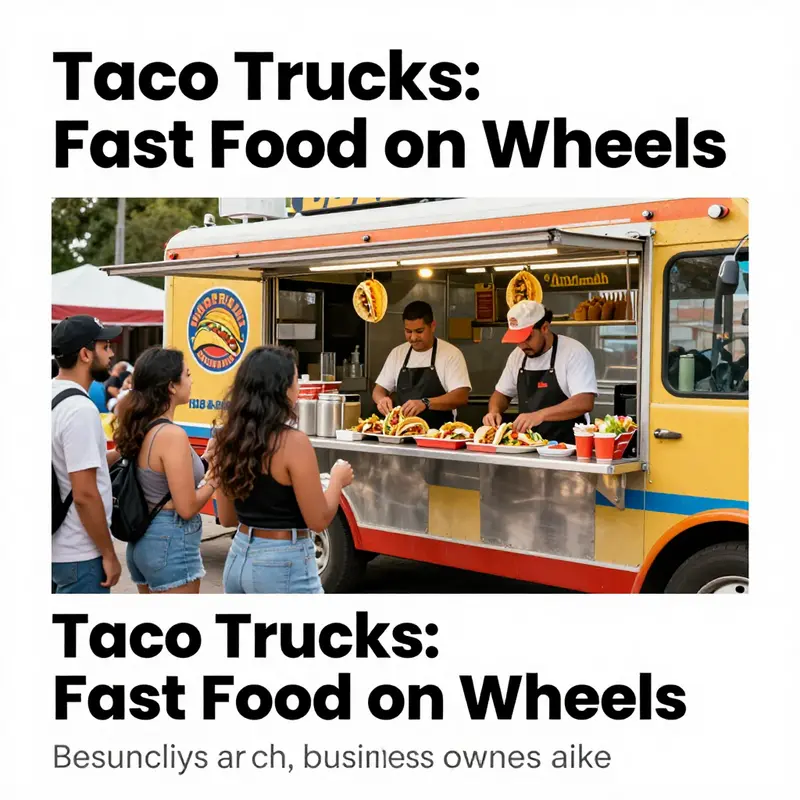
In the vibrant world of street cuisine, taco trucks stand out as culinary titans. With their delicious offerings and dynamic presence, these mobile kitchens are more than just a late-night snack; they embody the very essence of fast food. This article explores the myriad ways taco trucks integrate themselves into fast food culture. Each chapter will take flavor lovers and taco enthusiasts on a journey through the characteristics of these food trucks, their remarkable accessibility, the speed at which they operate, their economic impact within the broader industry, and how they are perceived by society as fast food. By the end, you’ll understand what makes taco trucks the golden ticket to quick, succulent meals that bring joy to food enthusiasts everywhere.
Wheels of Quick Service: Unpacking the Characteristics of Taco Trucks as a Fast-Food Phenomenon
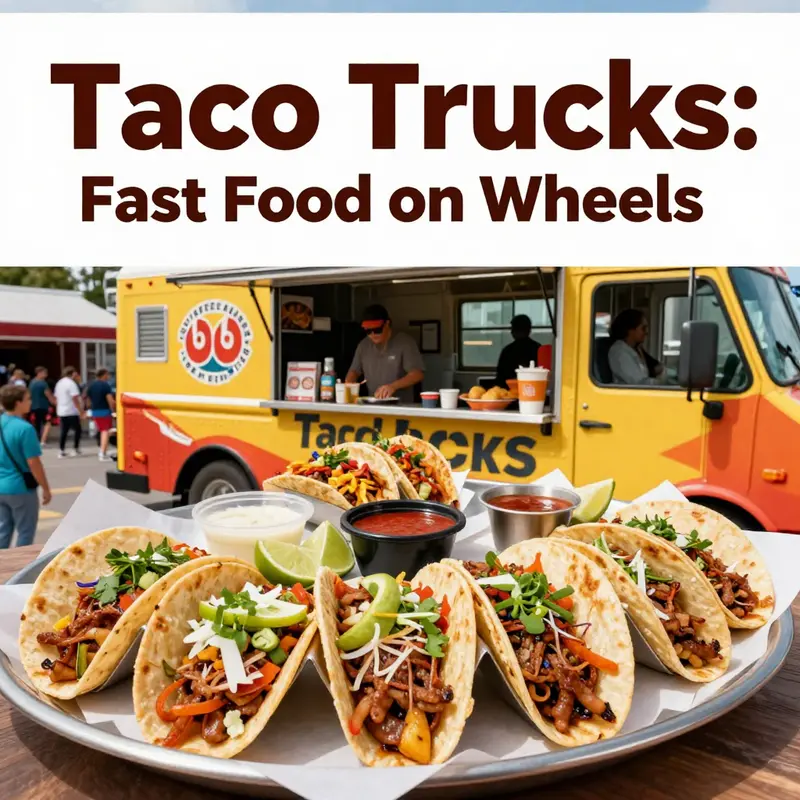
Across urban cores and suburban corridors, a familiar silhouette threads through the buzz of street life: a compact kitchen on wheels, its service window trained on hurried passersby, its menu a compact invitation to a flavorful, affordable meal. The taco truck, in its essence, embodies a precise blend of mobility, efficiency, and culinary identity that anchors it squarely within the fast-food sector. It is not merely a mobile vendor; it is a portable food operation engineered to deliver hot, fresh food to demanding rhythms of modern life. The result is a form of fast food that thrives on immediacy without sacrificing the sensory appeal of a chef-driven dish. To understand what makes taco trucks quintessentially fast food, it helps to trace how their design, branding, and operating tempo converge to meet the expectations of speed, convenience, and consistent quality that define the broader fast-food category.
A taco truck’s mobile kitchen is the first signal of its fast-food DNA. Reimagined from a van or a purpose-built trailer, these vehicles are stripped to essentials: a compact cooking area, a small but robust prep counter, refrigeration for perishables, and storage that keeps ingredients organized under pressure. This configuration isn’t about luxury; it’s about a workflow tailored for rapid execution. The cook’s station is optimized for on-site prep, allowing ingredients to be fried, grilled, or assembled in minutes, with burners and grills arranged to minimize motion and maximize throughput. The result is a kitchen that can produce a steady stream of meals while occupying a footprint that can tuck into a curbside gap or a festival corner. What is striking here is not sheer size but the efficiency of the layout, a design ethos that mirrors the speed orientation of larger fast-food franchises while retaining the flexibility of a mobile operation. The mobility itself becomes a strategic asset, granting visibility and accessibility that brick-and-mortar restaurants seldom achieve. In high-traffic zones—near business districts, at construction sites, or beside parks—the truck becomes a fast-food beacon that teams efficiency with a human touch, quick service with street-level intimacy.
Branding in taco trucks operates as a live billboard. The exterior is not merely a shell but a canvas that communicates specialty, provenance, and promise. Bold colors, stylized typography, and imagery that evokes regional variations—carne asada’s seared crust, al pastor’s pineapple shimmer, or the briny snap of fish tacos—create instant recognition. This visual branding functions as fast-food signage in a working environment: it conveys the essence of the offering at a glance and reduces decision time for the customer. Branding here also integrates practicality. A well-branded truck can sustain interest across repeated visits and varying routes. The exterior becomes a durable form of advertising, extending the value of the culinary craft inside. Beyond aesthetics, branding signals reliability. A consistent color scheme and familiar motif reassure customers that what they order will align with their expectations, a vital assurance in the quick-turnover world of street and mobile dining. This is why many operators invest in branding that can be quickly identified from a distance, a feature that is almost as important as the taste of the food itself.
Speed remains the lifeblood of the fast-food taco truck, and the kitchen is engineered to support that tempo without compromising safety or quality. The menu, often focused yet flexible, emphasizes items that can be prepared and served within minutes. Tacos, burritos, and quesadillas form the core, complemented by chips, salsa, and a handful of sides that can be assembled rapidly. Many trucks also experiment with regional variations and seasonal twists, broadening appeal while preserving a core lineup that customers can count on. The emphasis on speed does not imply a static menu; it implies a dynamic balance between what sells quickly and what can be pre-prepped for rapid assembly. To that end, cooks arrange ingredients for quick access: tortillas warmed in accessible warmers, meats pre-seasoned and portioned, toppings organized into bins that streamline assembly. The service window becomes a controlled micro-world where speed, accuracy, and customer interaction cohabit. This is not fast food by accident; it is fast food by design, a careful choreography that ensures a customer is in and out in a few minutes, even during peak hours.
The menu breadth of many taco trucks speaks to the adaptability that underpins fast-food success in a competitive street-food ecosystem. While the backbone remains tacos, operators often cross into related offerings—small plates like elote, tamales, or horchata, and occasionally breakfast items or light, grab-and-go components. This diversification helps trucks capture a broader share of a customer’s impulse while preserving the efficiency of a streamlined production line. Such versatility is a practical alignment with fast-food logic: it broadens the appeal without sacrificing speed when executed with careful prep and portioning. The result is a mobile kitchen that can pivot to changing neighborhoods and shifting crowds, from lunchtime crowds near offices to late-afternoon traffic around transit hubs, to the celebratory tempo of events and festivals. The ability to adapt is not simply a matter of culinary curiosity; it is a strategic lever that sustains demand across diverse contexts and time windows.
Location strategy is perhaps the most visible articulation of a taco truck’s fast-food value proposition. The business model hinges on meeting customers where they are, which means daily routes, event calendars, and a tuning to local flows of foot and vehicle traffic. The truck’s mobility allows it to chase crowds across a city, a flexibility that brick-and-mortar restaurants cannot emulate. The symbolism here is twofold: speed and accessibility. The truck brings affordable, ready-to-eat meals to places where people live, work, and commute, shortening the distance between hunger and satisfaction. This is how the street becomes a dining room, and the city becomes a menu. In practice, operators monitor traffic patterns, weather, and local events to optimize the timing and location of service. They may rotate stops to maintain novelty while preserving a reliable schedule for regulars. The fast-food logic is evident: minimize wait time, maximize turnover, and deliver consistent portions with quick, confident service. This orchestration—of kitchen, branding, and location—defines the tacit contract between taco truck and customer.
Behind the scenes, the equipment and governance that support these fast-service dynamics reveal another layer of the fast-food story. Modern taco trucks are built for durability and efficiency, often featuring stainless steel interiors, compact refrigeration, efficient ventilation, and energy systems that support continuous operation without excessive downtime. Some trucks are designed to run on electric power or hybrid systems, reflecting a growing emphasis on reliability and environmental stewardship that aligns with broader industry trends. Compliance and safety considerations are embedded in every aspect of operations, from the materials used in preparation to the electrical wired systems that power cold storage and cooking gear. Vendors and operators increasingly seek certifications and standardized components to ensure safety and consistency in a mobile format. These features are not merely technical details; they are prerequisites for sustaining a fast-food business in a highly competitive, highly regulated urban environment. The interplay between rugged practicality and brand-driven appeal is what makes taco trucks a distinctive branch of fast food.
The social and economic texture of taco trucks also illuminates why this form of fast food resonates in many communities. They embody a form of entrepreneurial accessibility, allowing individuals with limited capital to enter a brisk, scalable food business. The mobile format reduces the barriers to entry that brick-and-mortar operations face, enabling experimentation with location, menu, and price points. This democratization of food entrepreneurship contributes to a dynamic street-food ecosystem in which customers discover new flavors, while operators learn to optimize throughput, reliability, and customer rapport. Yet, this system also demands discipline: consistent food safety practices, careful waste management, and a plan for sustainability as the business grows. The fast-food ethos—speed, consistency, and affordability—coexists with a strong emphasis on flavor and cultural relevance. The taco truck becomes both a culinary ambassador and a small-business engine, driving vibrancy in neighborhoods that crave quick, flavorful meals and a personal, human scale of service.
In writing about taco trucks, one is reminded that fast food is more than quick meals on a crowded curb. It is a system of design decisions, workflow optimization, and audience understanding that makes speed feel effortless and familiar. The truck’s compact stage forces precision in cooking sequences, while the branding and service rhythm convert a simple meal into an experience that is repeated with reliability. This synthesis—mobility with speed, branding with practicality, breadth with focus—helps explain why taco trucks sit comfortably within the fast-food family, even as they retain the spirit of street food and the spontaneity of daily life. For readers seeking a broader lens on how mobile kitchens scale into larger business models, a relevant reference is available in the guide on top food truck models for success.
As markets evolve, the taco truck will continue to adapt its fast-food identity, balancing speed with quality, flexibility with consistency, and individual craft with scalable operation. Its future may include smarter route analytics, more energy-efficient infrastructure, and increasingly sophisticated branding that remains legible at a glance from passing traffic. Yet the core promise remains unchanged: curbside dining that is quick, approachable, and deeply rooted in the flavors that define a regional palate. The truck’s wheels carry more than meals; they carry a cultural currency that travelers and locals alike interpret in seconds, a currency that can be spent, replenished, and shared in the space of a few minutes. In that sense, the taco truck is not merely a vendor of fast food—it is a mobile articulation of how urban life metabolizes flavor, speed, and community into a daily ritual. For those curious about practical, scalable hardware options that underscore these capabilities, see the external reference at the end of this chapter.
External reference: Allbetter Fast Food Truck on Alibaba. https://www.alibaba.com/product-detail/Allbetter-Fast-Food-Truck-Custom-Size_1600377589788.html
On the Move and In Demand: How Taco Trucks Shape Accessibility in Fast-Food Culture
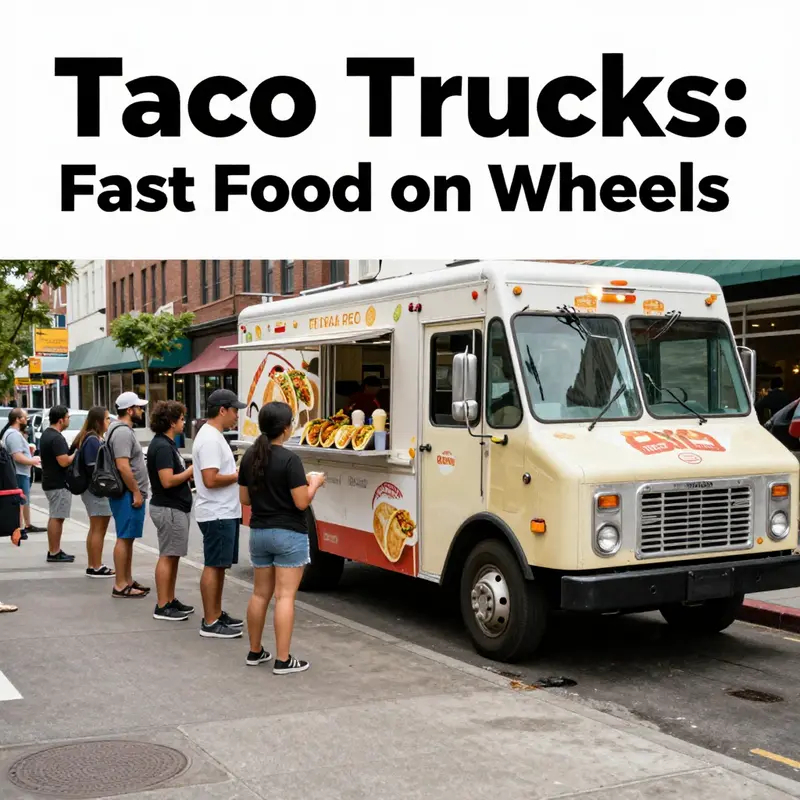
On the move, in the line of traffic, a sizzling language of cumin and flame marks every taco truck as a node in the fast-food grid. The mobile kitchen is a compact theater where speed is not just a selling point but a survival tactic. Customers order, pay, and leave with a warm tortilla cradling meat, salsa, and a story of place and improvisation. In this velocity, the taco truck articulates a distinct form of fast food that thrives on speed, accessibility, and a sense of spontaneity. It exists within the everyday cityscape, turning corner lots, parking lots, and festival grounds into temporary dining rooms. This is not a static restaurant with rigid hours; it is a roving venue that can appear wherever the urban pulse beats strongest. The result is a dining experience that feels both familiar and something of a culinary passport, offering familiar favorites and regional specialties with a rapid cadence that many fast-food patrons have come to expect.
Accessibility continues to define their place in the food ecosystem. Taco trucks roam neighborhoods that brick-and-mortar places often overlook, parking near office parks, train stations, or around busy event spaces. The mobility lowers entry barriers for cooks who want to test ideas without tying capital to a fixed storefront. An aspiring vendor can calibrate the menu around what people crave in a given moment, shifting recipes with seasonal produce or local flavors, while still delivering predictable service times. The speed of service comes not from a single trick but from a well-orchestrated kitchen layout, where mise en place, prepped ingredients, and efficient cook lines converge. A truck’s design emphasizes rapid assembly without sacrificing safety or quality. The price of entry remains lower than a brick-and-mortar for many, which expands the field to entrepreneurs who are determined to bring affordable, ready-to-eat meals to the streets.
Culturally, taco trucks function as more than quick meals; they are mobile custodians of regionally rooted traditions. In places with large immigrant communities, trucks carry the memory and flavors of home, translating them into accessible food for diverse audiences. The rhythm of the street—weekday lunch lines, weekend festivals, late-night gatherings—becomes a performance space for culture as well as commerce. Yet this dynamic is not unproblematic. In California, for example, fleets of trucks have faced legal and regulatory friction as cities attempt to regulate curbside commerce. The so-called Taco Truck War highlights the tension between municipal controls and state law that protects the viability of mobile vendors. The California Vehicle Code, interpreted and applied in various municipalities, has protected mobile vendors from overly restrictive ordinances, underlining the state’s commitment to preserving a flexible, street-level food economy. The outcome matters, because it confirms that mobile vendors are not marginal oddities but legitimate players in the culinary ecosystem that keeps fast food diverse and responsive. In this sense, the taco truck becomes a case study in how cultural practice and legal frameworks intersect in shaping everyday eaters’ options.
From an entrepreneurial standpoint, the allure lies in adaptability and speed rather than ostentation. A truck can be repurposed for different cuisines, different menus, or different communities, all without the permanent risk that accompanies a fixed storefront. The operational math is straightforward: lower overhead, faster turnover, and the ability to redeploy assets as demand shifts. For those who want to examine the space more carefully, practical guidelines exist on selecting configurations and models optimized for the fast-turnaround life of a mobile kitchen. For resources that outline effective layouts and practical options, see top food-truck models for success. This kind of guidance helps new entrants design a kitchen that balances workflow, safety, and branding. It also assists veterans who want to revise or expand, ensuring that the vehicle remains compliant with safety standards, easy to clean, and capable of keeping up with high-volume service. The article notes that systems can be flexible enough to support coffee, ice cream, or hot dogs in addition to tacos, illustrating how a single mobile unit can adapt to different customer demands while retaining the core advantage of mobility.
The equipment choices themselves tell a story about fast food as a craft. Modern taco trucks increasingly emphasize robust, space-efficient layouts. They prioritize an uninterrupted gas or electric kitchen line, a dependable refrigeration core, and a compact vent system that keeps the workspace comfortable and compliant with air quality and safety rules. The design must also account for the realities of street operation: weather exposure, shifting foot traffic, and the need to attract attention in a crowded street scene. Smart features, such as modular counters, easy-to-clean materials, and durable power sources, reinforce the capacity to serve hot, fresh meals to large crowds within minutes. The result is a kitchen that is slick enough to convey professionalism but intimate enough to evoke the charm of a neighborhood taqueria. This blend of efficiency and authenticity is at the heart of fast food culture, where speed, consistency, and personality converge in a mobile package.
The everyday experience of customers underscores the role of taco trucks in expanding access to affordable food. People on their way to work, students on campus, or families at festivals often rely on these vendors for a meal that slots neatly into a busy day. The appeal lies not only in price but in predictability: a few minutes of waiting, a familiar fragrance, and a meal that satisfies with dependable warmth. In many cities, the presence of a well-run taco truck becomes a part of the urban rhythm, a familiar stop that people seek out for its reliability and its sense of place. That combination—convenience, cost, and character—creates a form of fast food that feels more personal than a drive-thru window and more expansive than a pop-up stall. The speed of delivery matters, but so does the sense that the truck is listening: to the needs of a local neighborhood, to the changing weather, to the evolving tastes of the crowd, and to the recurring patterns of which items sell best at what times.
The cultural economy surrounding these mobile eateries also includes opportunities for community-building and local entrepreneurship. Many operators pair their culinary craft with social networks, sharing tips on operations, health compliance, and customer engagement in ways that resemble a distributed apprenticeship. Meanwhile, the broader fast-food sector has learned from these mobile kitchens the value of nimbleness and direct customer feedback. A truck can test a new sauce, a new taco, or a regional twist and gauge reception in days rather than months. The speed at which a menu can expand or contract makes the model attractive for culinary experimentation while still delivering a consistent product. In this sense, taco trucks contribute to a culture of fast food that values both tradition and novelty, a dynamic that keeps the street-food narrative alive within the larger conversation about what fast food is and what it can become.
The ecosystem surrounding taco trucks includes regulatory awareness, community expectations, and a recognition that fast food is a systemic practice, not a single storefront. Some urban areas encourage mobility, job creation, and affordable dining by design, while others impose constraints that may hamper mobility and innovation. The balancing act between enforcement and entrepreneurial freedom is delicate, but the ongoing dialogue suggests that policymakers increasingly see mobile vendors as partners in a healthy, diverse food landscape. When legal frameworks support mobile operators, the culinary marketplace becomes more resilient, with vendors able to adjust to economic shifts, seasonal demands, and evolving consumer preferences. In this light, the fast-food identity attached to tacos is reinforced by the everyday reality of street service: quick, reliable, and open to interpretation by the local palate. As cities continue to negotiate the boundaries of street commerce, taco trucks remain a practical demonstration of how speed, accessibility, and cultural authenticity can coexist within a modern fast-food system.
Taken together, these fibers—mobility, affordability, cultural resonance, and regulatory savvy—constitute why taco trucks can be considered not only fast food but a distinct form of fast-food culture that expands the menu of what fast food looks like in contemporary cities. They translate culinary traditions into accessible, on-demand meals, turning streets into a network of pop-up kitchens. They meet the demand of busy lives by offering predictable, quick meals that still offer a sense of place and personality. They also remind us that fast food is not just mass-produced meals designed for the drive-thru window; it is a dynamic ecosystem that blends craft, speed, and community. In the chapters that follow, we explore how customers experience these trucks firsthand, how operators maintain quality on the move, and how legal frameworks might shape the future of mobile food. The trajectory suggests a future in which fast-food culture remains lively and diverse precisely because it can move with the city.
For readers seeking additional context on the legal and cultural dynamics around mobile vendors, a foundational analysis examines how regulation interacts with street-level food culture, shedding light on why mobility can be defended as essential to preserving culinary heritage and economic opportunity. For a deeper dive into the legal and cultural dynamics surrounding food trucks, particularly in California, see LA’s Taco Truck War: How Law Cooks Food Culture Contests.
Speed on Wheels: Inside the Efficiencies That Power Taco Truck Service
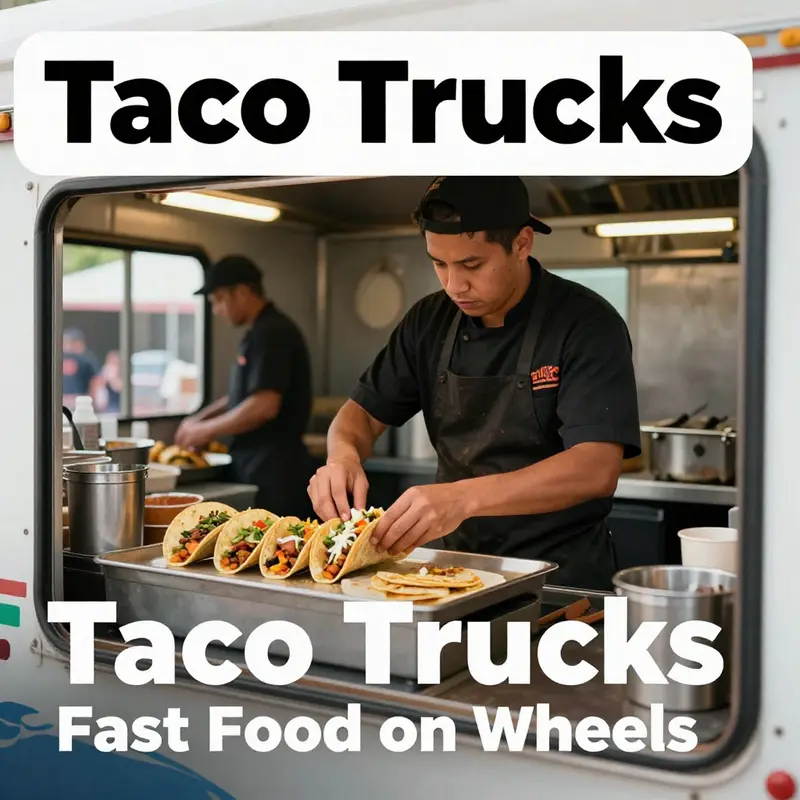
A taco truck may be portable, but its ambition is the same as fast food: speed without sacrificing taste. The kitchen in motion is a study in disciplined design, where every inch of counter and shelf of storage exists to shave seconds from a cook’s routine. The core idea is simple: a well‑orchestrated system turns quick service from a promise into a reliable daily performance. When a customer steps up, the experience should feel immediate. The truck’s maneuvering through crowded streets hinges on deliberate choices about layout, process, and people that converge into speed with intent.
The first impression of speed comes from the workflow itself. In a taco truck, the cooking surface faces the customer along with the hot‑serve window, creating a linear path from mise en place to plate. The preparation area is organized to minimize motion while maximizing clarity. Dedicated spaces for ingredients—pineapple, cilantro, onions, lime, salsa, and tortillas—become anchors in the workflow. This zoning is not decorative; it is shaped by the most common bottlenecks in street service. When a crew can reach a bowl of chopped onions in one step and grab a warmed tortilla in another, the pace of service quickens without misplacing items.
A critical element of the rhythm is the capacity to serve reliably at scale, especially during events with multiple service windows or long lines. A well‑planned taco truck aspires to a service window that can sustain steady throughput even as demand spikes. For catering‑style operations that run multiple service periods at a single site or across several days, the benchmark often lands near a 25‑minute cycle for a full order. This target requires validation against site maps, planned crew rotations, and a clear tally of what can be cooked, assembled, and handed off in sequence. The goal is not to rush customers but to meet a predictable pace that keeps lines moving without sacrificing the integrity of each order.
Another cornerstone of speed is the degree of self‑sufficiency built into the truck. Modern taco trucks carry integrated storage solutions that keep ingredients fresh and within reach. Refrigeration and dry storage are positioned to minimize trips to a cooler or pantry, which eliminates back‑and‑forth motion that would slow service. A well‑built truck makes ingredient sourcing feel almost invisible. The operator’s focus remains on accuracy, quality, and timing rather than logistics of stocking. In practice, this means a compact, efficient kitchen layout with durable stainless steel surfaces that are easy to clean and sanitize between rush periods. It also means power systems and climate control that keep perishables at safe temperatures without interrupting cooking or service.
Beyond the physical space, speed hinges on the coordination between equipment, recipes, and staff. Taco teams move in a choreography that reduces idle time and anticipates the next step. The workflow balances hands and eyes: one person handling hot tortillas, another adding fillings, a third assembling plates while a fourth handles toppings and garnish. Communication is practical and concise—signals and brief cues that keep the line of action uninterrupted. Efficiency is not just about the speed of a single cook but the reliability of a whole crew operating in concert.
Technology, increasingly, acts as a quiet force multiplier. Even modest digital ordering systems can transform speed by aligning what the customer wants with what the kitchen can deliver in real time. Real‑time inventory tracking helps reduce out‑of‑stock moments that force substitutions or delays. A simple, well‑implemented digital flow can eliminate errors that would otherwise require rework, freeing up capacity to serve more customers with the same footprint. The promise of technology is not a flashy screen at the window but a smoother sequence of events that reassures customers and supports better planning, fewer wasted trips to storage, and tighter control over product quality.
Yet speed and efficiency sit with quality and profitability. A fast tempo can tempt a crew to overlook consistency, but the most successful taco trucks treat speed as a means to protect and even enhance product integrity. When orders move quickly, there is less time for mishaps—spoiled ingredients, mis‑tossed toppings, or cold tortillas. Practically, this translates into standardized recipe portions, uniform cooking times, and a disciplined approach to assembly. A taco that is assembled with care in a rush looks and tastes the same from the first customer to the last, and repeat customers experience reliability that becomes a competitive advantage. Profitability follows as a natural outcome: speed reduces labor costs per order, helps manage peak demand, and minimizes waste, all of which contribute to healthier margins without raising prices.
The narrative of a fast, efficient taco truck is not purely mechanical. It also tells a story about presence and perception. Customers do not just taste food; they feel momentum. The line outside a well‑run truck signals a trusted routine, even if there are only a few people ahead. The truck’s outward efficiency feeds a social script: quick service that respects time, hot food that satisfies, and a clean, inviting presentation that communicates care. In this sense, speed is a form of hospitality—an assurance that the street has room for their hunger and that the vendor will meet it with competence and welcome.
To illustrate how these principles come together in daily operation, imagine a typical festival setup. The truck arrives early, space aligned with surrounding stalls and crowd flow. The crew unfurls a plan, assigns roles, and completes a rapid mise en place that partitions ingredients into clearly labeled, accessible stations. When the crowd thickens, orders flow in a steady stream. A line worker advances orders with a tap of a screen, another worker preps tortillas, while a seasoned hand monitors the sizzle and the clock. The toppings are portioned in small, transparent containers that invite quick confirmation of what has been prepared and what remains. The result is not a frenetic sprint but a confident glide through service, where each moment is purposeful and the next action already underway. It is in this rhythm that speed becomes dependable, not reckless, and where customers feel the advantage of a mobile kitchen designed for fast, fresh, affordable meals.
For readers who want a concrete reminder of where this balance of rapid execution and reliable product comes from, a quick look at some of the best-known truck configurations and models that have shaped success on the street can be illuminating. These models, built to endure hours of operation at high volumes, emphasize modularity, smart storage, and streamlined cooking lines as the backbone of performance. If you want a sense of how different layouts influence throughput and why certain configurations endure in crowded markets, the overview of top food truck models for success provides a useful reference point. https://fireduptacotruck.com/top-food-truck-models-for-success/.
Rolling Kitchens, Local Economies: The Economic Impact of Taco Trucks in the Fast-Food Landscape
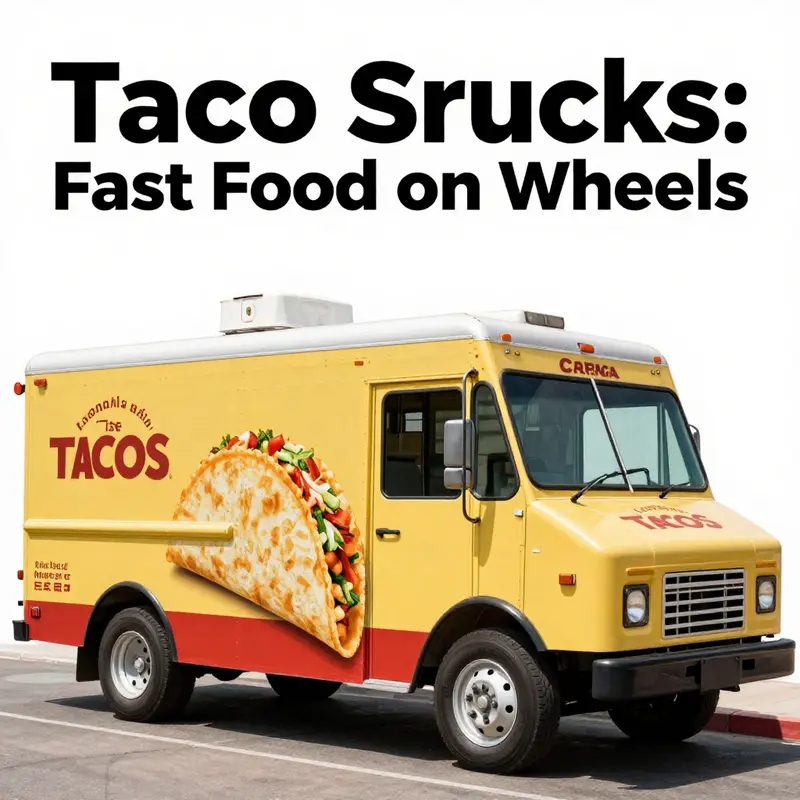
Taco trucks are more than portable eateries; they are microcosms of a fast-food economy that thrives on speed, accessibility, and adaptation. The sound of a steam table, the sizzle of meat on a flat top, and the efficient choreography of a small team turning orders around in minutes all signal a form of quick-service operation that sits squarely within the fast-food category. Yet what makes taco trucks distinctive is not only their speed, but their ability to weave into urban life in ways brick-and-mortar venues often struggle to match. They locate where crowds gather, they respond to shifting tastes with remarkable agility, and they do so while keeping costs modest enough to invite a wide range of aspiring entrepreneurs into the trade. In economic terms, this combination translates into a model that can unlock opportunity, generate steady under-the-radar employment, and catalyze neighborhood vitality in ways large franchises sometimes overlook.
Accessibility matters here. The barrier to entry for a taco truck is comparatively low when measured against opening a traditional restaurant. Start-up costs shrink, licensing and permitting can be navigated incrementally, and the mobile footprint allows operators to experiment with a menu that reflects local preferences without committing to a fixed, high-rent storefront. This affordability opens doors for entrepreneurs from immigrant and minority communities, who bring cultural repertoire and customer trust into urban markets that crave authenticity as much as convenience. The effect on local economies can be tangible: a single truck can employ cooks, prep staff, and drivers, and the daily flow of customers creates spillover benefits for nearby markets, gas stations, and service-based businesses that thrive when foot traffic rises. The phenomenon thus contributes to a broader pattern of inclusive entrepreneurship that complements traditional restaurant development rather than competing against it.
Culturally, taco trucks harmonize with the rhythms of city life. In hubs like Austin, they have grown from weekend family stands into durable fixtures of the urban economy. They test new items in real time, adjust portion sizes, and price points, and respond to the ebbs and flows of office-worker lunch patterns or festival crowds. This cultural resilience matters economically because it translates into reliable revenue streams for operators and predictable, affordable meals for residents and visitors. The mobility of these vehicles, their capacity to park at a downtown curb one day and near a neighborhood park the next, matters as well. Mobility is a form of resilience in a volatile retail landscape. When weather, permit changes, or event schedules alter foot traffic, a taco truck can shift location and still serve as a fast, accessible food option, ensuring a continuing source of income for the operator and consistent options for the community.
But the economic story is not only about personal opportunity. Taco trucks contribute to local economic development by attracting new foot traffic to commercial corridors that might otherwise struggle to draw steady crowds. The presence of a truck can turn a quiet street into a walking route for residents exploring nearby services. The ancillary activity matters: customers who stop for a quick bite may linger to browse a nearby shop, café, or service provider, creating a micronetic effect that stimulates the broader local economy. This dynamic aligns with a decentralized model of food service that places economic activity closer to where people live, work, and play. It also challenges conventional notions of urban retail, offering a flexible, lower-risk alternative that cities and policymakers can nurture as part of their small-business ecosystems.
From a growth and innovation standpoint, the mobile food sector has shown steady momentum. Taco trucks illustrate how a lean operation can scale through clever design and branding, rather than through large fixed investments. Operators optimize kitchen layouts for speed, invest in branding that communicates value and authenticity, and leverage data from busy locations to adjust their menus. The trend toward electric-powered trailers and modular carts signals a broader shift toward sustainable, cost-efficient, and quickly deployable infrastructure. In this sense, the taco truck is not merely a culinary vehicle; it is a model of agile business design that translates cultural appeal into economic viability. The potential to layer complementary offerings—coffee, ice cream, or hot drinks alongside tacos—expands revenue streams without sacrificing the speed at the heart of the operation. This adaptability is particularly important in markets that value diverse, affordable food options in dense urban cores.
What sustains this growth is a cultural sensitivity paired with practical discipline. Operators must navigate health codes, zoning requirements, and licensing regimes, all while maintaining a consistent product that customers come to trust. The conversation around compliance is not a procedural afterthought; it is part of how the business earns its license to operate in crowded public spaces. The most successful trucks treat compliance as a component of customer experience—cleanliness, reliable service, and consistent portioning become visible markers of quality in a busy lunch hour. When entrepreneurs approach these challenges with a disciplined mindset, they create a reliable platform for growth that can outpace more traditional, stationary restaurants during peak travel seasons or at large-scale events.
The economic consequences extend beyond the operators themselves. As taco trucks proliferate, they influence real-estate dynamics and the way communities think about space use. Landlords and event organizers increasingly recognize the value of mobile vendors who can bring variety to a district without the commitment of a long-term lease. This can lead to more vibrant street economies, where a diverse mix of food options draws in workers and residents who would otherwise travel farther for meals. In this sense, the taco truck acts as a catalyst for urban exploration, encouraging people to move through neighborhoods with intention and curiosity. The resulting pattern—more foot traffic, more cross-pollination among local businesses, and a richer street-life experience—can become an overlooked but meaningful contributor to a city’s economic resilience.
The discourse around the economic impact of taco trucks also intersects with broader policy discussions. Cities that focus on inclusive entrepreneurship, fair access to public space, and reasonable licensing procedures can harness the positive externalities these vendors generate. For operators, clear guidance on permits, health standards, and safety expectations reduces uncertainty and enables more confident investment. For communities, a predictable regulatory environment supports sustainable growth rather than chaotic bursts of activity. In practice, this translates to better-planned food clusters, smarter allocation of curb spaces, and opportunities for collaboration between trucks and brick-and-mortar businesses that want to participate in a shared, pedestrian-friendly economy. The result is a win-win where speed, affordability, and cultural diversity coalesce into a robust, scalable model that remains accessible to new entrants while delivering value to neighborhoods.
For readers seeking a concrete sense of how these dynamics play out in a real city, the Austin experience offers a salient case study. Local reports have documented how food-truck culture here has evolved into a powerful economic force, shaping tastes, providing accessible employment, and redefining the way residents experience urban space. The implications extend beyond Texas, resonating with planners and entrepreneurs in cities facing similar pressures to diversify food offerings, energize streets, and support small-business growth. To gain a fuller understanding of this evolving landscape, see the Texas Tribune report on the rise of food-truck culture in Austin: https://www.texastribune.org/2026/01/20/austin-food-trucks-taco-culture-economic-impact/.
For operators who are charting a path forward, there is a practical note about growth strategy embedded in the collective experience of successful mobile food vendors. Mobility alone is not a guarantee of lasting impact; it must be paired with deliberate design, consistent quality, and a smart approach to brand storytelling. Operators can learn from peers by examining models that balance compact, efficient kitchens with strong branding, community engagement, and dependable service. A blueprint that combines mobility with branding—the right combination of reliable workflow, customer communication, and location strategy—can transform a low-barrier entry into sustainable local enterprise. For readers curious about a practical framework that marries mobility with the strategic elements of branding and operations, consider the exploration of top-performing models in the field: Top food truck models for success.
In sum, the economic footprint of taco trucks within the fast-food sector is best understood as a constellation of small, potent actions. Each truck embodies a compact, efficient business designed to move quickly, learn from real-time feedback, and adapt to the rhythms of urban life. When multiplied across cities and neighborhoods, these actions accumulate into a dynamic engine of opportunity, employment, and cultural exchange. The resulting economy is not simply about quick meals; it is about affordable access to entrepreneurship, inclusive participation in local commerce, and the creation of vibrant, resilient streetscapes. The taco truck, in this sense, is a portable laboratory for the fast-food industry—testing ideas about speed, price, culture, and community, and scaling those ideas in ways that traditional models increasingly struggle to match.
Behind the Counter on the Street: Reframing Taco Trucks in the Fast-Food Nation
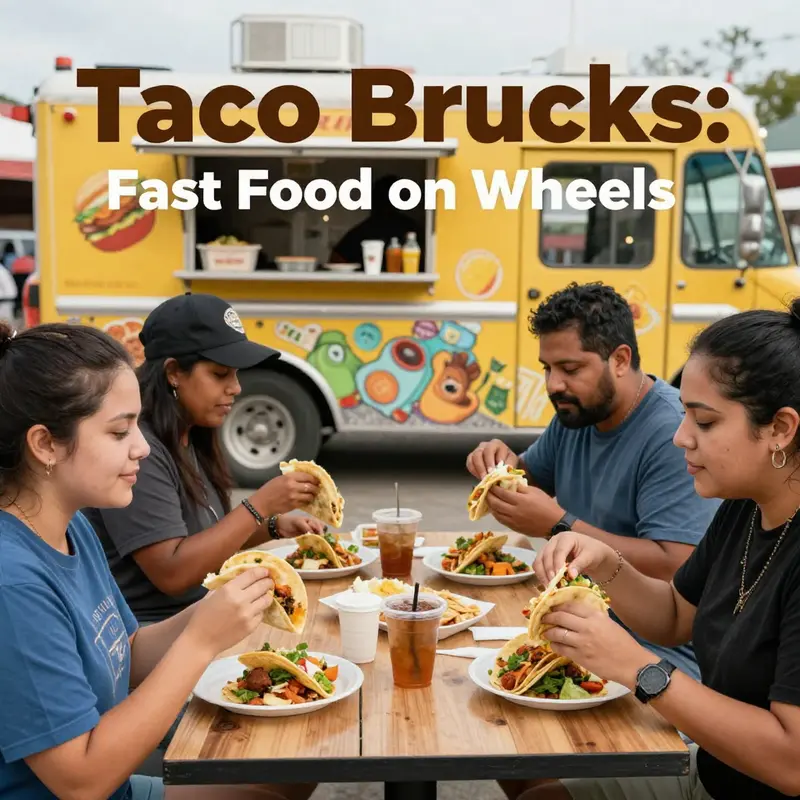
The social perception of taco trucks sits at a crossroads where speed, place, and culture converge. On the surface, these mobile kitchens embody the core fast-food logic: quick service, broad accessibility, and affordable, ready-to-eat meals. But the street-level reality carries whispers of something richer and more layered. In bustling city cores and college districts alike, a taco truck is not merely a temporary stand; it is a rotating storefront that travels with the rhythm of the urban day, a moving piece of the culinary map that adapts to crowds, weather, and events. This mobility—coupled with a menu that foregrounds tacos, burritos, and other Mexican-inspired staples—aligns taco trucks with fast-food principles. Yet the social conversation surrounding them has grown more nuanced. They are celebrated as punctual, efficient food sources in high-traffic zones, but they are also assessed through the lens of authenticity, craft, and cultural storytelling. The result is a shifting spectrum in which a taco truck may be perceived as fast food, as street cuisine, or as a portable culinary atelier depending on who is looking and where the truck is parked.
In places where street-food culture is not only tolerated but treasured, such as certain urban neighborhoods, taco trucks are welcomed as essential urban fixtures. They contribute to the vitality of the local food scene by offering flavors that reflect shared memories, regional pride, and a tactile sense of place. To witnesses in these communities, the lines between fast food and fast flavor blur. The quick service remains a given, but the expectations around quality begin to tilt toward freshness, spice balance, and personality. An article about tacos in Austin, a city renowned for a thriving street-food ecosystem, highlights how mobile vendors in that locale are seen as more than convenient meal options. They are purveyors of high-quality, flavorful offerings that often surpass the stereotypes attached to fast-food models. This reflects a broader urban trend: the normalization of mobile, culturally resonant food as a legitimate and desirable dining experience, not merely a lane on the quick-service highway.
The design and technology of modern taco trucks contribute to this reassessment as well. Far from being simple carts, many mobile kitchens now feature durable stainless steel construction, aluminum framing, and thoughtfully planned workflows. They are engineered for efficiency, safety, and branding impact. Some models emphasize a transparent design that invites customer engagement, while others position the kitchen as a compact, all-purpose platform capable of serving more than just tacos. Capabilities described in contemporary trade discussions—such as high-capacity performance capable of handling hundreds of units per hour, CE safety certifications, and flexible configurations for additional offerings like coffee or desserts—underline how these vehicles have evolved into professional, scalable operations. The practical reality is that a well-run taco truck can deliver speed without sacrificing consistency, even in crowded spaces or during peak festival hours. The equipment and layout choices that enable rapid prep and service also shape the public’s perception: this is not a provisional, low-cost cart but a serious, standards-conscious business model.
Even as the machinery and logistics have matured, the social story continues to center on authenticity and cultural storytelling. The tacos themselves—seasoned fillings, hand-pressed tortillas, balanced salsas—bring a sense of place to a social moment that is often hurried and digitally mediated. The street—that shared, public space where strangers intersect—becomes a venue for culinary dialogue. In many communities, this dialogue evolves into a conversation about what constitutes quality in fast food. The conversation is not purely about price or speed; it touches on technique, sourcing, and the ability to translate tradition into a mobile format without sacrificing personality. In this sense, taco trucks inhabit a delicate space: they must be fast enough to satisfy the clock-watching office crowd, yet thoughtful enough to convert casual passersby into repeat customers who crave the distinct taste and memory of a properly executed taco.
The social perception of taco trucks is also shaped by regulatory and public-health frames, which can swing perceptions in opposite directions. On one hand, strict oversight can cast mobile food operations as risky or provisional, reinforcing a stereotype of quick, cheap, disposable meals. On the other hand, increasingly, communities are recognizing the professionalization of the mobile food sector through better licensing, sanitation standards, and formalized training. A growing number of units come with clear safety certifications and standardized, repeatable processes that reassure regulators and diners alike. This professionalization helps shift the narrative from a stereotype of impermanence to a narrative of reliability and accountability. The result is a social climate that increasingly respects mobile food operators as legitimate small-business actors contributing to urban vitality, rather than as transient curiosities.
In some urban centers, the social cachet attached to taco trucks grows through the lens of culinary discovery. The perception of these mobile vendors as sources of artisanal flavor has gained traction as communities seek diverse, affordable, and authentic dining options. This is not about abandoning the idea of fast service but about expanding what fast food can signify. The street becomes a podium for experimentation, with operators balancing tradition and innovation—perhaps by integrating fusion elements, rotating menus, or partnerships with local farmers for ingredients. The social narrative shifts from “cheap and quick” to “speed with soul,” an arc that redefines fast food as a mode of accessibility that still honors craft and origin. In this reframed light, taco trucks contribute to a broader cultural conversation about how modern cities eat, how communities sustain themselves, and how the economy of speed can coexist with care and storytelling.
For readers curious about the practical pathways that shape this perception, the business considerations cannot be ignored. A strategic starting point for operators is to view the truck not as a temporary installation but as a brand vehicle that travels through neighborhoods, events, and festivals, carrying a story as much as a menu. The branding decisions, the cleanliness of the kitchen, the consistency of the taco filling, and the efficiency of payment systems all contribute to a perception of professionalism that travels with the truck. This is where the intersection of design, service, and culture becomes most apparent. In environments with high foot traffic or during crowded events, the visual identity of the truck—its colors, its signage, its layout—often tells a story even before a customer tastes the food. When branding is coherent and the menu is executed with discipline, the social perception shifts toward recognizing the operation as a credible, even aspirational, facet of the fast-food ecosystem. The social experience becomes a form of urban theater—an activity that is as meaningful as it is convenient.
To acknowledge the practical realities of this shift, consider the broader ecosystem that supports these mobile eateries. The modern taco truck operates with the same underlying logic as other fast-service formats: speed, repeatability, and scalability. Yet it extends these notions through mobility and adaptability. The trucks can pivot to different venues—business districts during lunch, campuses during delivery windows, or festival grounds during weekend gatherings—expanding access while preserving a core standard of service. This mobility is a key social signal: the truck is not anchored to a single storefront but is part of a flexible supply chain that serves diverse communities. The result is a social canvas where the perception of fast food increasingly accommodates mobility, culture, and craft under one umbrella.
For readers seeking a concrete entry point into this evolving narrative, there is value in examining the decision-making processes behind launching and sustaining a taco-truck operation. A practical emphasis on choosing the right framework—equipment, licensing, insurance, and a plan for ongoing maintenance—helps move the talk from perception to performance. A trusted starting point is to explore resources that discuss how to select the right vehicle, plan a compact yet efficient kitchen, and align branding with local tastes and regulations. In this regard, a linked guide on choosing the right food truck offers a structured, experience-based approach that complements the more organic, cultural discussion presented here. It highlights how the choice of vehicle and layout can influence speed, sanitation, and the customer experience, thereby shaping public perception in tangible ways. If you’re curious about aligning business decisions with perceptual goals, you can explore that guide here: Choosing the right food truck.
As the urban landscape continues to evolve, so too will the story of taco trucks within the fast-food ecosystem. The future likely holds a more nuanced balance: fast service will remain essential, but the appetite for authentic, regionally rooted flavors will grow stronger. The social narrative will keep expanding to include conversations about sustainability, labor practices, and cross-cultural exchange, all within the framework of a mobile, accessible dining experience. The street will remain a stage where speed and soul meet, where a simple taco can become a shared ritual in a city that moves at a rapid pace. In this light, the question “Is a taco truck fast food?” becomes less about a strict label and more about an ongoing conversation—one that recognizes the truck as a dynamic, evolving participant in the urban culinary conversation, capable of delivering both efficiency and meaning in equal measure.
External resource: https://www.google.com/search?q=Discover+The+Best+Tacos+In+Austin+Tx+Strictly+From+Food+Trucks&hl=en&gl=US&tbm=nws&source=lnms&sa=X&ved=2ahUKEwiX3Kq59vWGAxV7dHwCHYc0B6oQ_AUoAXoECAEQAw&biw=1366&bih=657&dpr=1
Final thoughts
Taco trucks have undeniably carved a niche in the fast food landscape with their quick service, delicious flavors, and dynamic presence. Their versatility and ability to bring diverse culinary experiences to the streets enhance their role as a beloved fast food option. This exploration has shown that taco trucks are not just about speed but also about community engagement, economic contribution, and flavor-driven experiences. Whether you are a taco aficionado or a budding taco business owner, recognizing the profound connections between taco trucks and fast food can inspire and elevate your culinary adventures.