
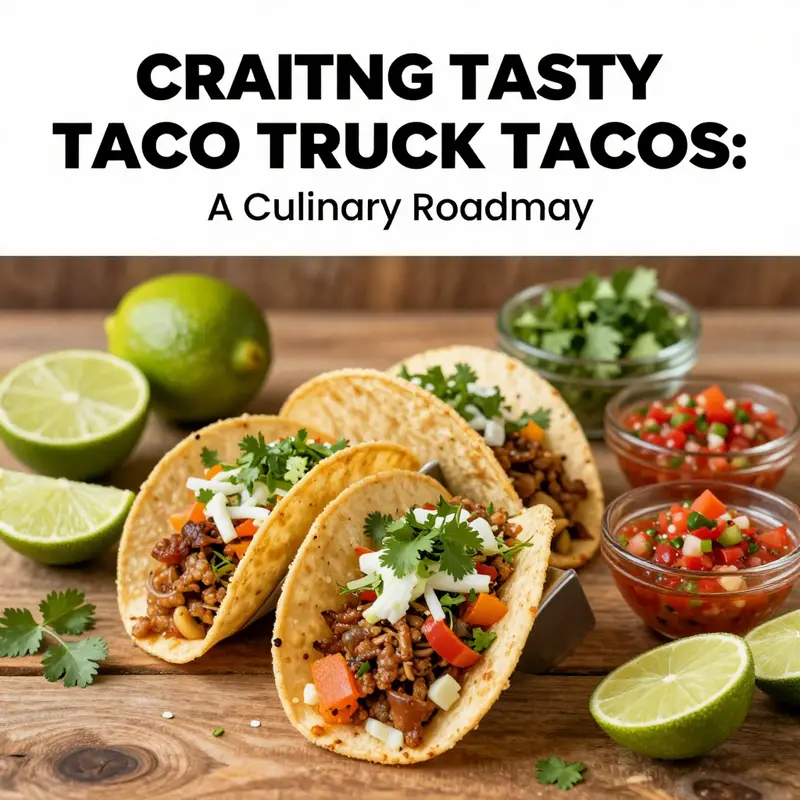
Taco truck tacos are more than just food; they are a cultural experience bursting with fresh ingredients, bold flavors, and traditional techniques. Cities like Austin have turned taco trucks into culinary landmarks, showcasing the fusion of authenticity and innovative expressions. This guide invites you to master the essentials of making those iconic taco truck tacos right in your own kitchen. We’ll explore choosing the right tortilla, preparing authentic proteins, adding bright toppings, assembling each taco with care, and drawing inspiration from real taco trucks. Ready to savor the vibrant world of street-style tacos? Let’s dive in!
Tortilla as Foundation: Choosing the Right Foundation for Taco Truck Tacos
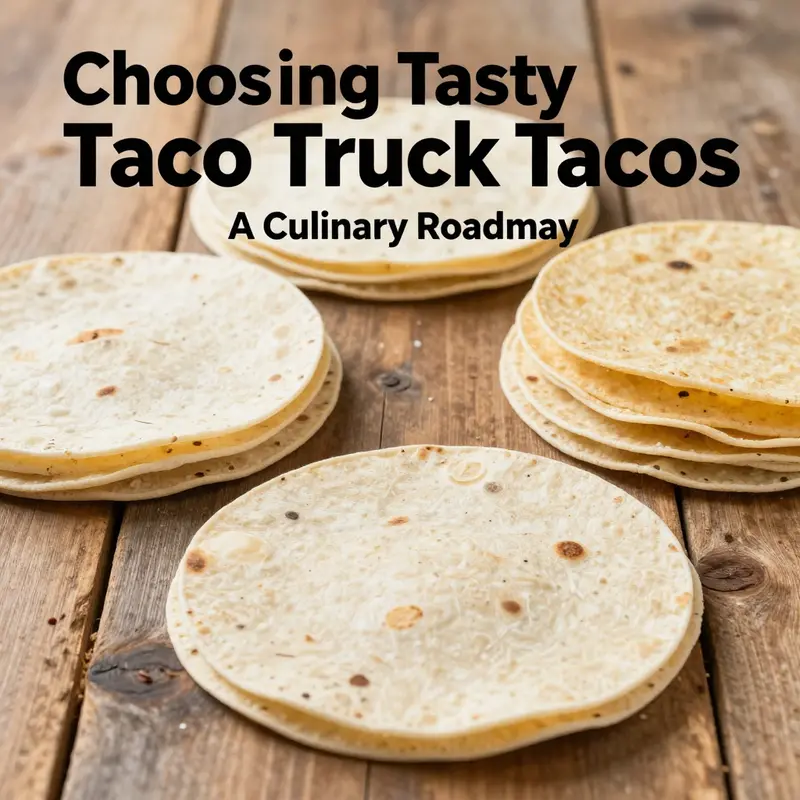
In the world of taco truck elegance, the tortilla is more than a wrapper. It is the first contact, the frame that carries the fillings, and the stage upon which every salsa, onion, and slice of meat performs. The choice between corn and flour tortillas sets the tone for an entire menu. Authentic street-style tacos often begin with corn, ground from masa harina through nixtamalization, a traditional process that unlocks deep, earthy notes and a pliable texture. When you bite into a taco built on a well-made corn tortilla, you feel the history in the grain, a subtle sweetness, and a resilience that holds up to juicy fillings without tearing. The tortilla’s integrity matters as much as the protein, and getting that balance right is where many successful taco trucks earn their reputation. The foundation you choose signals the style you’re aiming for and invites the customer to trust the rest of your approach.
Flavor is inseparable from texture. Corn tortillas offer a complexity that pairs naturally with bold, zesty fillings. Their slightly chewy, pliable nature supports a generous pile of carne asada, al pastor, or grilled vegetables without collapsing under pressure. When you source high-quality masa, you’re tapping into centuries of technique: masa made from toasted dried kernels, nixtamalized with lime, ground to a smooth dough, pressed into thin rounds, and cooked on a hot surface until they bloom with aroma. The result is a tortilla that carries the filling with grace, leaving a light, earthy aftertaste that invites another bite rather than overpowering the flavor inside.
Preparation matters as much as the tortilla type. Fresh, well-made tortillas should be warm, soft, and pliable, ready to wrap without cracking. There’s a ritual to this: whether you produce tortillas in-house or source them from trusted masa producers, the key is consistency. Fresh masa is the lifeblood; slow, patient handling ensures that each tortilla remains flexible after it’s heated. In practice, many taco trucks rely on reliable warming methods that maintain humidity and heat without drying the surface. The goal is not a hot shell but a gentle, forgiving pocket that welcomes the filling rather than resisting it. This is why some trucks invest in dedicated tortilla warmers or carefully calibrated griddles. The equipment choice must align with service volume, electricity access, and the rhythm of a bustling line.
Flour tortillas, by contrast, offer a different character—soft, sturdy, and more forgiving for certain fillings. They’re a familiar companion to Tex-Mex influenced styles yet tend to feel less traditional in classic street tacos. A flour tortilla can serve as a practical foundation for hearty fillings like marinated beef or spiced chicken when you’re aiming for a heartier mouthfeel or a texture that holds together under generous toppings. Still, the temptation to default to flour when a crowd wants familiar, quick bites should be tempered by understanding the menu’s identity. If your concept leans into traditional Mexican street eats, corn remains the anchor; if you’re exploring regional fusion or a hybrid approach, flour can be a deliberate, well-crafted choice, not a default.
Beyond the tortilla type, preparation and service logistics shape how your tacos perform at scale. The tortilla’s temperature and humidity directly affect its ability to wrap around the filling. An overly dry surface invites tearing; a tortilla that’s too moist can become awkwardly floppy. Electric tortilla warmers, when used properly, offer a practical solution for keeping tortillas uniformly pliable during peak hours. They help maintain a consistent texture across dozens or hundreds of tacos, a small but meaningful difference when customers judge a bite by its first impression. Yet these devices come with caveats: they require electrical access and regular maintenance, and they demand a setup that fits within the truck’s footprint. The best trucks design their workflow around the tortilla as a central ally, ensuring every order leaves the window in a state that preserves the intended bite and balance.
The decision about tortilla type also informs how you compose the rest of the dish. A corn tortilla’s assertive character sets a boundary that the fillings should respect. Strong marinades, a smoky char, and bright toppings can all shine when greeted by the tortilla’s natural earthiness. A lean, citrus-touched carne asada or a slow-roasted al pastor deserves a tortilla that won’t hijack the palate but will echo the meat’s depth. Conversely, a richer, creamier topping—perhaps a light avocado crema or a dollop of fresh pico de gallo—needs a tortilla that won’t be overwhelmed. In many successful trucks, chefs approach this as a dialogue: the filling speaks first, the tortilla answers, and together they create a harmonious bite. If the filling sings with spice and brightness, a corn tortilla often acts as a quiet stage; if the menu leans into indulgence or fusion, a flour tortilla can support the celebration without shouting over the flavors.
There is also a practical dimension to consider. The menu’s identity should guide tortilla choices, and the kitchen’s rhythm should guide how you handle them. Two tortillas wrapped around the filling—one to cradle and another to seal—are a clever, common technique that reduces spills and helps keep ingredients in place through the final bite. This simple trick is especially valuable when you’re serving high-energy, fast-paced crowds who want clean, manageable tacos from the first bite to the last. It’s also a reminder that a tortilla’s role isn’t just to package; it’s to enhance the eating experience by offering the right resistance, texture, and mouthfeel that complements the filling.
For teams seeking a grounded point of reference, the spirit of traditional Austin taco trucks offers a practical lens. The most successful practices emphasize fresh ingredients and time-honored techniques, translating into tortillas that reflect cultural roots while remaining approachable for diverse palates. In that spirit, a well-considered tortilla choice can anchor your entire operation—from sourcing and prep to assembly and service style. The tortilla is the quiet partner your fillings rely on to reach their full potential, and choosing the right foundation is where the art begins. As you refine your process, remember that the perfect taco emerges not from a single flourish but from the reliable, thoughtful integration of tortilla, filling, condiments, and technique.
If you’re building your concept with the long view in mind, consider how the tortilla aligns with your truck’s identity and infrastructure. The question isn’t only which tortilla you’ll serve, but how that choice informs your equipment needs, supplier relationships, and even your line speed. A well-planned workflow treats the tortilla as a high-value ingredient, worthy of consistent handling and dedicated attention. This mindset supports a menu that feels unified and deliberate, rather than a collection of disparate parts. To explore how such decisions fit into a broader truck strategy, you can consult resources that discuss selecting the right kitchen identity and equipment for a mobile operation, such as Choosing the Right Food Truck. By anchoring your tortilla choice to a coherent truck concept, you ensure that the foundation you select supports every subsequent step—from marinating and grilling to topping and assembling.
In short, the tortilla you choose sets expectations and guides execution. Corn tortillas, crafted with care and heated to the right softness, nurture authentic, deeply flavorful tacos. Flour tortillas offer a versatile, substantial alternative for certain regional interpretations. The most successful truck operators recognize that the right tortilla is not simply a preference; it is a strategic decision that resonates through every plate that leaves the window. In the end, the tortilla is the quiet handshake between cuisine and consumer—a foundation that invites the eater to lean in, taste, and return for another round.
External resource for further context on regional authenticity and street-food techniques accompanies this discussion: https://www.austinchronicle.com/daily/food/2026-01-20/the-best-tacos-in-austin-tx-strictly-from-food-trucks/
From Griddle to Spit: Crafting Authentic Proteins for Taco Truck Tacos
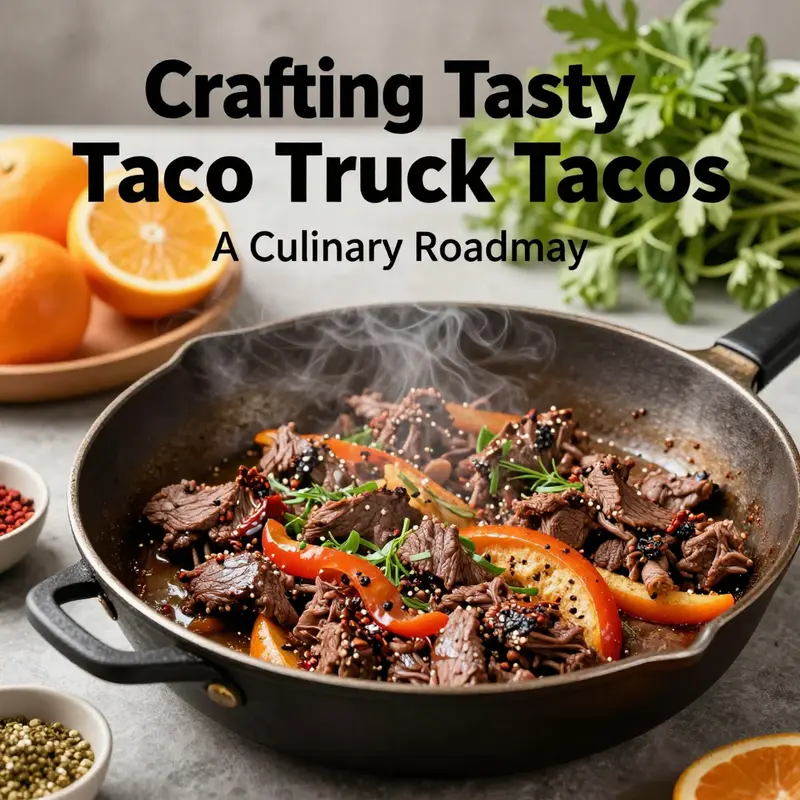
Proteins are the heartbeat of taco truck tacos. They set the pace for the entire bite, from the first charred edge to the lingering warmth on the finish. In the street-kitchen spirit that travels from Texas cities to border towns and back again, the most memorable proteins carry a sense of craft that pairs with bold seasoning and fresh, brisk cooking. The goal is not merely to cook meat; it is to coax maximum flavor and texture into every piece, so that each taco earns its place in a crowded line of hungry customers. Start with quality, then layer technique, then finish with a bright counterpoint of toppings and acidity. The result should feel both familiar and exciting, like a memory you can taste on the fingertips as you bite through a warm tortilla.
When selecting meat, the choice itself is a promise. For a traditional profile, beef, chicken, or pork all work well, each inviting its own set of techniques. Ground beef, when seasoned with cumin, chili powder, garlic, and onion powder, can deliver a reliable, deeply flavorful foundation that clings to the tortilla with a saucy sheen. The key is to cook it over medium heat, breaking the meat into small pieces as it cooks. A splash of broth or water helps keep the mix moist, and as it reduces, it creates a glaze that carries the spice blend without drying out. This is the kind of practical technique that taco trucks rely on to keep service smooth during peak hours and to maintain a consistent bite across hundreds of plates.
For a more traditional street-style profile, pork offers a different kind of drama. Al pastor, the classic vertical spit preparation, relies on a marinated, fat-rich pork that takes on smoky notes from slow roasting. At home, you can imitate that depth by marinating chunks of pork with a bold blend—think citrus, a touch of heat, and a savory paste—then finishing on a high-heat grill or in a hot skillet until the edges caramelize. The citrus acts as a tenderizer, the spice blend wakes up the palate, and the final sear adds a smoky crust that makes the taco sing. If you opt for this route, let the pork rest briefly after cooking, then chop or pull it with a weighty, textured bite that contrasts with a soft tortilla. The trick is to strike a balance between tenderness and the bite that comes from proper sear.
Chicken offers another avenue for vibrant taco truck flavor. Pollo asado benefits from a lime-forward marinade, with garlic, cumin, and oregano lending depth. A good approach is to marinate in advance to let the citrus brighten the meat and the spices penetrate, then grill until char lines appear and the meat stays juicy. Slice thin or chop into irregular pieces so each bite exposes a little crust, a little juiciness, and a lot of aroma. Even when chicken appears lean, the right marinade can keep the surface moist and carry the seasoning into every corner of the tortilla.
Diners increasingly expect leaner options without sacrificing taste, and ground turkey has become a popular alternative for modern taco trucks. The same bold spice blend used for beef can carry turkey too, arriving at a lighter, more approachable profile that suits dietary preferences or menu constraints. Ground turkey can be a revelation when it’s cooked gently enough to stay moist and then enriched with a touch of stock or salsa to prevent drying. The texture should be slightly saucy, not crumbly, so that the meat clings to the tortilla rather than breaking apart on the way to the mouth.
A crucial element across all these proteins is the technique of building texture, moisture, and aroma in harmony. Avoid overworking meat, which can lead to toughness, especially with beef and pork. Instead, aim for a loose crumble or a handful of larger, juicy pieces that hold their shape but still release their juices as you bite. A modest splash of broth or water during cooking helps maintain a cohesive saucy texture that coats the tortilla beautifully. This technique mirrors the practical realities of a busy truck setup, where sauces and toppings must work in concert with the meat to deliver a reliable, satisfying bite every time.
As you finalize the protein, consider how the sauce and toppings will interact with your meat. A simple pico de gallo, a bright salsa verde, or a rich, smoky salsa roja can lift the entire taco by introducing acidity and contrast. Fresh toppings—shredded lettuce for crunch, diced avocado for creaminess, and crumbled queso fresco for a gentle saltiness—provide a counterpoint that emphasizes the meat’s character rather than masking it. It’s about balancing a spectrum of flavors: the heat from chili with the coolness of lime, the savory depth from the meat with the brightness of herbs, and the smoothness of avocado against the texture of sliced proteins.
In practice, you can streamline this balance by embracing a simple assembly discipline. Spread a thin layer of condiments directly on the tortilla before adding meat. A bead of guacamole or a touch of sour cream can act as a moisture bridge, helping the filling cling to the tortilla while adding richness. By preloading the tortilla, you ensure every bite starts with a cohesive mouthfeel rather than a dry patch followed by a rush of toppings. It’s a small step that pays off in the overall eating experience, especially when tacos are eaten on the go under the hum of a street scene.
To ground these practices in a real-world sensibility, many seasoned operators in vibrant taco scenes keep their proteins simple yet bold. The discipline is less about chasing novelty and more about ensuring every element contributes to the whole: a juicy, well-seasoned meat, a dependable texture, a tortilla that supports without tearing, and toppings that brighten without overpowering. The point is not to gild the lily with complexity, but to layer flavors so that the final bite feels complete and satisfying from first scent to last bite.
If you want to explore deeper technique and the broader cultural context that informs taco truck cooking, you can dip into more practical guides that uncover how professional kitchens translate street-level energy into home-friendly methods. For example, the Fired Up Taco Truck blog offers insights on technique, equipment, and how a dedicated crew maintains consistency across a busy service window. See the discussion there for more on aligning home cooking with the tempo and spirit of a taco truck kitchen: Fired Up Taco Truck blog.
The next step, then, is not to chase a single signature method, but to cultivate a versatile base of proteins that can be plated with confidence alongside fresh toppings, warm tortillas, and a squeeze of lime. It’s the art of ensuring that every component speaks with a shared voice—savory, bright, and deeply satisfying—so that the final tacos feel like a small, portable festival of flavor you can carry from counter to curb.
To close the loop, remember that authenticity in this realm is about signaling craft as clearly as flavor. When you pull a hot, smoky piece of meat from the skillet, you want your audience to recognize the care behind it—the careful balance of marinade, sear, and moisture—before they even take their first bite. In that sense, your proteins are more than filling; they are the anchor that makes a taco truck taco feel real, delicious, and worth the wait in line. Keeping these principles in mind will help you craft a lineup of proteins that stands up to the best street-side standards while remaining accessible for home cooks who want to recreate that vibrant, sun-warmed magic.
External reference for lean protein patterns and flavor balance can be found here: https://www.deltaco.com/menu/tacos/ground-turkey-tacos
Bright Toppings: Color, Contrast, and Craft in Taco Truck Tacos
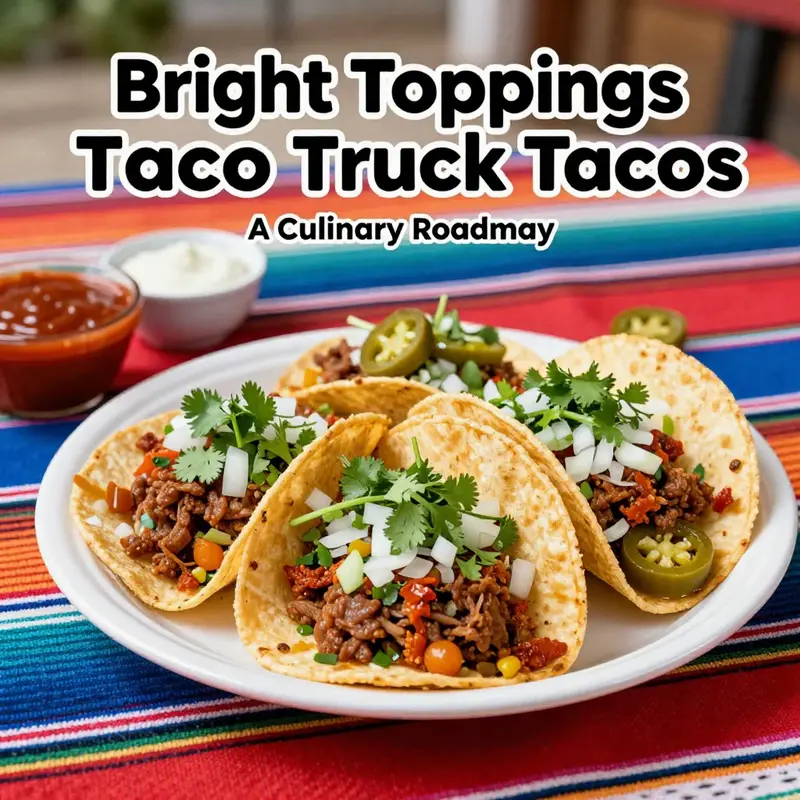
Bright toppings are not mere decoration; they are the loud, living chorus that carries a taco from good to unforgettable. In the street-food worlds of vibrant cities, toppings provide the visual lure and the sensory balance that keep diners coming back for more. When you design taco truck tacos, you are composing a small, edible mural where color, texture, and acidity play off the protein and the tortilla. The right toppings wake up a filling, cut through its richness, and invite a bite that feels fresh, precise, and deeply satisfying. In Austin’s spirited taco scenes and elsewhere, these toppings become a signature language—one that blends tradition with immediacy, making every order feel personal, immediate, and vibrant.
Freshness is the first rule. A handful of chopped cilantro is a simple, fragrant invitation; its green specks catch the eye and its aroma nudges the brain toward brightness. Cilantro’s herbaceous lift is best when it lands in small, even cuts that sprinkle through the taco rather than clump on one side. Follow with a crisp contrast—thin slices of radish. Radishes bring not only a peppery snap but a crisp, mineral bite that lightens the meat and brightens the dish visually. They look like little red and white suns on each tortilla, a cue that this is a meal meant to be eaten fast and enjoyed in the moment.
Onions, in their red or yellow incarnations, add warmth and color that make the taco feel more substantial. Red onions, when diced, offer a soft sweetness and a wafer-thin translucence that reads as sophistication and street-smart speed at once. Yellow onions bring more caramelized sweetness, a gentler bite, and a deeper color that plays beautifully against green cilantro and the red of radishes. Either choice should be finely diced so the onions mingle evenly with other toppings without overpowering the filling. When a taco truck flame-sears a protein and a drizzle of lime hits the plate, those chopped onions act as a friendly, approachable sweetness that helps mellow heat and balance acidity.
Pickled red onions deserve a moment of emphasis. The tang and the rosy hue add both punch and artistry. A simple pickle—just vinegar, water, a pinch of sugar and salt, and thinly sliced red onions—transforms fast into a bright, slightly pink accent that cuts through richness with a crisp acidity. The pink sheen on the onion slices is unmistakable and appealing, a visual cue that this taco offers brightness and balance as its core intent. The pickling process is deliberate but approachable: a 24-hour soak in a jar or a sealed container, kept refrigerated, yields onions that are tender, tart, and ready to brighten the next few servings.
Creaminess is essential, but it must be integrated with care. Avocado and guacamole introduce a luxurious, velvety texture that contrasts with the crispness of radish and the bite of onions. When you lay down avocado in thin slices or a light crema, you give the eater a cool, fruity foil to the heat of peppers and the smokiness of grilled meat. The trick is to distribute creaminess in even, light swirls or dollops that don’t dominate the entire tortilla. A little goes a long way, ensuring each mouthful carries both brightness and richness without tipping the balance into heaviness.
Pico de gallo and salsa verde bring fresh acidity, pepper, and a splash of color that can turn a simple taco into a vivid experience. Pico de gallo—diced tomatoes, onions, cilantro, and lime—offers a bright base of texture and zippy brightness. The tomatoes should be ripe but not mushy, with onions and cilantro chopped evenly to create a lively, chewy bite that pops against the smoother fillings. Salsa verde, if you choose it, adds a tangy herbaceous note that brightens without overpowering the other toppings. Both salsas contribute a refreshing sharpness that keeps the taco tasting clean as you eat multiple bites in quick succession.
Lime wedges are the tiny, essential lightning bolts of brightness. A squeeze of fresh lime on the final bite wakes up every flavor in the taco and underscores the entire tasting experience. The acidity of lime helps cut through fat and enhances the aroma of cilantro and herbs, making each bite feel more vibrant. A clever approach is to offer lime wedges directly on the tray or at the edge of the tortilla, so guests can adjust acidity to their preference without slowing the line.
Heat has its place, but it should be precise and controllable. Chopped jalapeños add a crisp pepper bite and a vivid green accent that mirrors the cilantro and scales the flavor in a single mouthful. If your crowd leans toward more heat, a light drizzle of hot sauce across the topping line adds color and spice without creating a single dominant note. The goal is to offer an adjustable, layered heat that complements the protein rather than masking it. A well-conditioned taco truck station will arrange jalapeños and hot sauce in clear, accessible stations so guests can calibrate their bite as they order, creating a chorus of flavors rather than a solo performance of heat.
The order of assembly matters as much as the toppings themselves. A practical rule learned from street cooks is to spread the creamiest elements directly onto the tortilla first, before the filling lands. A thin layer of avocado or crema provides a smooth base that keeps the fillings from soaking the tortilla too quickly and ensures the toppings stay put rather than sliding away during a bite. Then comes the fresh cilantro, pickled onions, and crunchy radish, followed by pico de gallo and a final squeeze of lime. This layering yields a taco that looks deliberate and tastes balanced, with every bite carrying a consistent distribution of texture, acidity, and brightness.
From a presentation standpoint, color coordination can be as persuasive as a perfectly cooked filling. A truck that marries green cilantro with pink pickled onions, red onions, white crema, and the yellow glow of lime wedges creates a visual rhythm that signals freshness and care. Two-tortilla construction can be part of this aesthetic too, especially with delicate fillings that benefit from extra protection. The wrap-around approach makes the taco sturdier and affords the chef more canvas to stack toppings, creating an appetizing cross-section that invites guests to explore flavors with their eyes as well as their mouths.
Behind the bright toppings lies a pragmatic workflow. Prep the toppings in batches during slower moments, then stage them in organized, clearly labeled containers near the window. Cilantro should be washed, spun dry, and chopped just before service to preserve its aroma. Radishes and onions should be sliced in uniform thickness so they distribute evenly across tacos. Pickled onions and salsas gain from a small resting period, but they should be kept refrigerated and used within a few days to maintain crunch and flavor. Avocado should be prepared fresh or kept with a light citrus coating to prevent browning, and it should be used carefully so it doesn’t overpower other toppings. The audience for these tacos isn’t seeking a showy mountain of toppings; they want a bright, balanced topping ensemble that respects the protein and tortilla while delivering personality in every bite.
For readers who want the practical, step-by-step flavor discipline behind these toppings, the Fire Up Taco Truck blog offers detailed guides and workflows that translate these ideas into kitchen practice. FireUp Taco Truck blog provides approachable, chef-informed tips on building toppings stations, prepping in advance, and presenting in a way that keeps lines moving and guests smiling.
Inspiration from real-world street scenes reinforces these ideas. Bright toppings are the easy, accessible way to convey a kitchen’s personality without slowing down service. They give regulars something reliable to expect and newcomers something unforgettable to remember. The delicate balance of acid, crunch, and creaminess creates a sensory map that leads diners through a sequence of flavors with each bite. When you observe how color and texture cue the palate, you begin to understand why toppings can be the true signature of a taco truck. This is where craft meets immediacy—the moment when a simple combination of cilantro, radish, onion, pickled red onion, avocado, pico de gallo, lime, and a controlled kick of heat coalesces into a memorable street-food experience.
External reference for further reading on how bright toppings shape Austin’s taco truck scene can be found in The Art of the Taco Truck in Austin: https://www.austinchronicle.com/food/2026-01-20/bright-toppings-and-bold-flavors-the-art-of-the-taco-truck-in-austin/.
Intentional Assembly: Crafting Taco Truck Tacos That Travel Well and Sing with Fresh Flavor
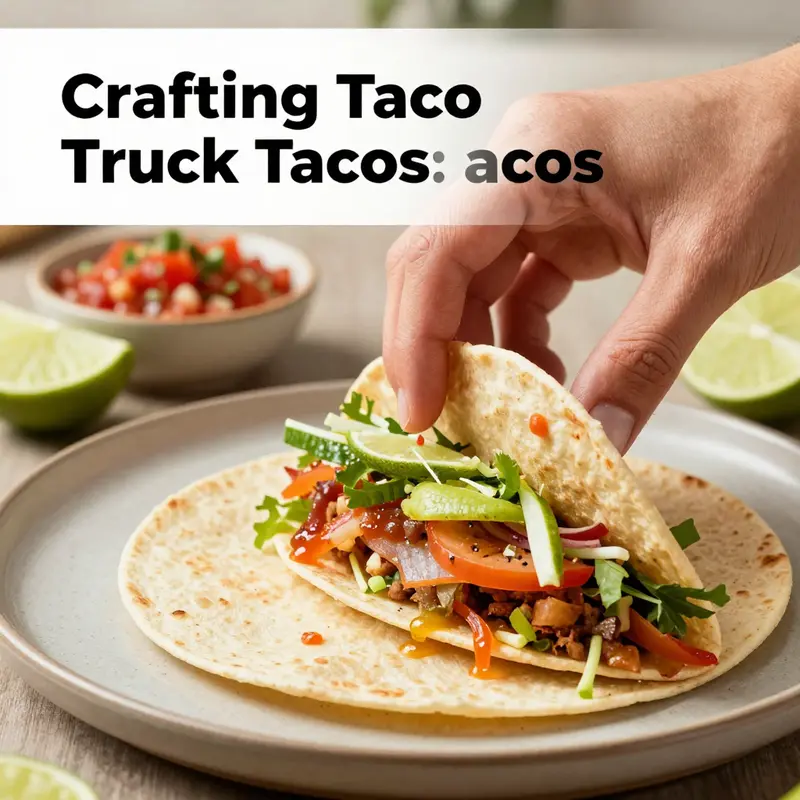
Intentional assembly elevates the simplest street bite into something that travels with you and tastes like a memory. In a taco truck, every decision—from tortilla selection to the way toppings land on the surface of the tortilla—affects texture, balance, and the satisfaction of the bite. The aim is not merely to fill a shell, but to orchestrate a harmonious moment in a bustling city street where heat, color, and aroma collide. Start with the tortillas, which do more than hold the filling. They set the stage for texture and mouthfeel. For heartier fillings like carne asada or al pastor, a soft flour tortilla offers thickness and resilience, reducing tears and spills as you bite into the taco while standing in line. When the fillings are lighter—grilled vegetables, beans, or fresh salsa—you’ll find corn tortillas bring traditional character and a gentle sweetness that lets toppings shine. A practical trick many taco trucks employ is to wrap the filling in two tortillas. The double layer adds security, keeps the taco intact during transportation, and makes the eating experience steadier for a crowd on the go. These small choices reverberate, enriching every subsequent bite rather than simply supporting the components that come after. Protein is the core of any authentic taco, and the way it’s prepared speaks to craft passed down through generations. Carne asada, marinated in citrus, garlic, and a chorus of spices, hits the high heat with a sizzle that yields a smoky exterior and a juicy interior. The citrus brightens, while the char adds depth. Al pastor, traditionally roasted on a vertical spit, can be approximated at home by marinating pork in a bold blend and finishing on the grill in chunks that cluster together, imitating the layers and caramelization you’d see on a spit. Pollo asado benefits from a bright, earthy marinade—lime juice, garlic, cumin, and oregano—yet it should still finish with a kiss of smoke so the chicken remains juicy rather than dry. The point is less about chasing a specific method and more about embracing reliable methods that yield moist interiors and robust exterior sear. When you have a cadence to your cooking—marinade, rest, sear, rest—you’re building consistency that crowds recognize and seek out again. Toppings and accouterments become the bright counterpoint to the protein. Fresh, bright toppings cut through richness and add texture. Quick pickled onions offer tang and crunch, and sliced jalapeños bring a measured heat that arrives with a crisp bite. Pickling is a simple process, soaking thinly sliced veggies in a 1:1 vinegar-to-water solution with a pinch of sugar and salt for a day or, if pressed, a few hours; the result is a refrigerator staple that can elevate multiple tacos across a shift. Salsa verde or pico de gallo deliver acidity, brightness, and herby lift. A dollop of avocado crema or sour cream adds creaminess that smooths and binds flavors without dulling them. The balance is a careful dance: acidity and heat while creaminess offsets heat without overpowering the meat’s natural richness. In practice, you’ll learn to taste as you go, adjusting lime juice, salt, and spice so that every element has a clear job and nothing fights for dominance. The assembly itself deserves as much attention as the fillings. Spread condiments directly onto the tortilla before adding the protein. This ensures every bite carries the intended flavor from start to finish and helps prevent the tortilla from becoming a soggy, inconsistent vessel for the fillings. When you distribute guacamole or sour cream, aim for a thin, even layer that acts as a barrier—keeping moisture from soaking the tortilla too quickly and ensuring the toppings don’t slide away with the first bite. Then add the protein in a way that creates a textural contrast: a slightly thicker chunk or a few slices of seared meat layered against a bed of crisp lettuce or fresh herbs can deliver that satisfying resistance you crave. A squeeze of lime over the top right before serving reinforces brightness and ties all the flavors together as the taco meets the palate. Time and temperature play roles here too; hot fillings on warm tortillas create a synergy that’s hard to replicate when components are cooled or stored separately. Yet talent behind the grill is only part of the picture. An intentional taco experience extends to how you source ingredients and present them. Fresh, locally sourced tortillas and vegetables matter, not simply for flavor but for sustainability and community relevance. This is where the broader street-food ethos shines: a vibrant, diverse, and sustainable approach that honors tradition while inviting contemporary tastes. The joy of a well-constructed taco is a social experience as much as it is a culinary one. The scent of citrus and caramelized meat, the bite of onion and pepper, the zing of a bright salsa—all of it travels with the eater, creating a bridge between the truck and the street, the cook and the crowd, the memory and the moment. In practice, responsible choices—whether growing herbs on a windowsill, supporting local farmers, or choosing packaging that minimizes waste—become part of the chapter’s flavor language. These decisions, though they may seem small, ripple outward, shaping the way a truck feeds a neighborhood while contributing to a broader culture of mindful consumption. A chapter like this also invites reflection on the practicalities behind the scenes—the logistics that keep a taco truck moving with confidence. The idea of mobility, branding, and safety is inseparable from how tacos are assembled and served. For anyone thinking seriously about turning a kitchen-on-wheels into a business, there are real-world considerations beyond the flame and the recipe. For example, resources that discuss securing and optimizing a mobile kitchen can be valuable as you craft your own system for service, inventory, and sales strategies. securing your food truck essential sales strategies amid rising cargo thefts offers a practical reminder that great food needs reliable operations to reach diners consistently. This kind of guidance dovetails with the craft of cooking, because trust in the truck—its timing, its cleanliness, its ability to deliver on a crowded corner—enhances the perception of flavor and care in every bite. The chapter you’re building, then, is not only about what happens on the grill but about what happens in the spaces around the grill: the choreography of service, the rhythm of prep, the discipline of sourcing, and the care of presentation. Inspiration for the kind of thoughtful, community-connected taco experience you’re aiming for can be drawn from street-food scenes that emphasize quality, speed, and character. Picture a busy Texas street where a line forms, the grill hisses, and the scent of citrus and grilled meat threads through the air. It’s not just a meal; it’s a brief moment of shared culture, a reminder that a taco is more than a combination of ingredients. This is what makes the process worth mastering: the confidence to assemble with intention, the discipline to maintain freshness, and the generosity to offer a taco that invites a second bite. When those elements converge, the taco becomes a reliable, beloved ritual for regulars and newcomers alike. From a practical standpoint, the way you build your operation matters just as much as the flavor you deliver. The capacity to maintain consistent temperatures, manage inventory so nothing dries out or goes to waste, and present an inviting, clean station resonates with customers before they even take the first bite. The hands that dish out the toppings, the careful manner in which sauces are poured, and the quick, efficient service all contribute to the overall flavor profile of the experience, much as a well-tuned spice blend contributes to a dish’s taste. In turn, the community you serve is more than a customer base; it becomes a network of feedback, resilience, and shared appetite. That reciprocal relationship—the truck as a mobile hub, the community as a partner in the culinary journey—defines the essence of authentic taco truck cooking. As this chapter progresses, you’ll see that the movement from raw ingredient to plated taco is not a straight line but a smooth circuit of care: the choice of tortilla to match filling, the marinade and sear that coax flavor and moisture, the salsa and crema that brighten and bind, and the assembly that ensures every bite lands with balance. It’s a formula built on memory and experimentation, on listening to your own palate and that of the people you serve. It’s also a reminder that the real craft of taco truck cuisine lies in the art of intention—an approach that honors tradition, embraces innovation, and invites a wide audience to participate in a shared, satisfying ritual. For those who imagine more than a dish on a plate—who want a portable, reliable, and joyful experience—the path is clear: treat each taco as a small, portable celebration of flavor, texture, and community, assembled with care and served with pride. External considerations touch the scale beyond the plate. Mobility, signage, and safety are not afterthoughts but part of the culinary plan. The world of mobile food is expansive, and it rewards thoughtful investment in the basics: reliable equipment, consistent technique, and a brand that communicates the story you’re cooking every day. If you’re feeling inspired to explore the practical side of setting up a mobile unit, you’ll find that marketplaces and industry resources illustrate the breadth of options—from trailer design to compliant, efficient layouts. For a concrete example of how professional setups are designed for performance and mobility, see the listing that showcases customizable, certified food truck trailers with features built for tolls of a crowded festival or busy street corner. In sum, assembling tacos with intention means aligning technique, flavor, and presentation with a clear sense of purpose. It means caring for one bite at a time while keeping an eye on the larger arc of service, sustainability, and community. When these threads intertwine, the tacos you serve aren’t just meals—they become experiences people seek out, share, and remember. And in that memory lies the essence of a true taco truck—an everyday beacon of bold flavor, thoughtful craft, and connection on a crowded corner. For those who want to map this journey further, the practical realities of mobility and branding await as a natural extension of the kitchen you bring to the street.
Rolling Inspiration: Real Taco Trucks Shape the Craft of Taco Truck Tacos
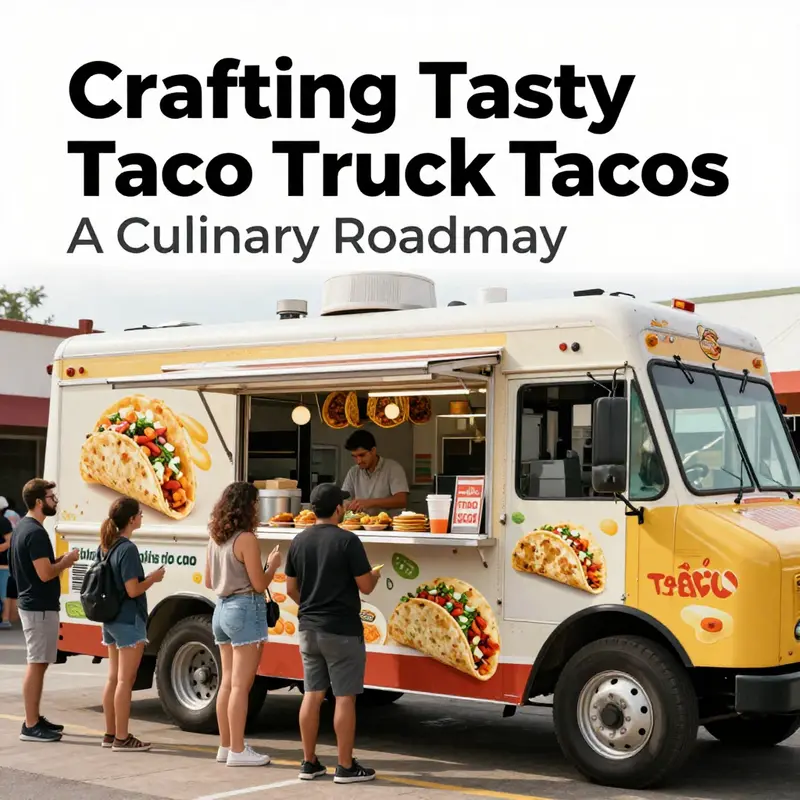
A taco truck is more than a mobile kitchen; it is a rolling classroom where tradition meets improvisation, and flavor is coaxed into life through a balance of technique, timing, and taste memory. The best lessons come from watching a truck that has weathered crowded markets and late-night crowds, listening to the rhythm of orders, and seeing how a simple tortilla can become a scaffold for culture. When you study these rolling kitchens, you notice that authenticity is not a fixed set of recipes but a living practice rooted in community, seasonality, and the demands of mobility. The city becomes a canvas, and the truck, with its small footprint and big ambitions, teaches you to favor simplicity with depth, speed with care, and a menu that sings in every bite.
Tortillas are the stage on which every filling performs, and the choice between corn and flour is not a fashion call but a practical decision grounded in texture, strength, and tradition. Hearty fillings like carne asada or al pastor benefit from a soft flour tortilla that is thick enough to hold a robust juice and a generous crumble of char. The corn tortilla, more traditional in many regional styles, shines with lighter fillings—grilled vegetables or beans—that require a lighter grip and a brighter corn aroma. The clever trick that many top trucks use—two tortillas wrapped around the filling—adds resilience to the assembly. It keeps the filling intact and your bite clean, especially when the taco is carried through a busy crowd or eaten on a curb edge without a plate. The two-tortilla approach becomes a practical ritual, a quiet safeguard that allows the flavors to shine without losing the structure that makes tacos so accessible and enjoyable.
The heart of any taco truck’s flavor starts with the protein, where old-world marinating and modern restraint meet. Carne asada is not simply grilled beef; it is citrus perfumed and spiced, seared hot enough to forge a smoky char while preserving tenderness. The aroma tells you a story—the quick sizzle, the lift of lime zest, the kiss of garlic and cumin—before the first bite arrives. Al pastor, a choreography of slow-turning pork that once rotated on a vertical spit, invites home cooks to approximate the depth by marinating pork chunks with achiote, pineapple, and a bright savor that travels through the mouth with a gentle sweetness and a spicy finish. Pollo asado shares the same philosophy with a lime-driven brightness and a cumin-oregano backbone that deepens the savor without overshadowing the meat’s natural tenderness. In all cases, the trick lies not in overcomplication but in building layers that echo regional traditions while remaining practical for a kitchen where speed and consistency are non-negotiable.
The toppings are the bright punctuation in a sentence of meat and tortilla. Freshness is non-negotiable here. Pickled onions provide a tang that dances with the char and the bright acidity of salsa verde or pico de gallo. A quick, home-friendly version of these toppings can be assembled by soaking sliced onions and jalapeños in a simple brine of equal parts vinegar and water, with a pinch of sugar and salt, for 24 hours. The salsa verde, with its herby brightness and a gentle heat, offers a counterpoint to the richness of the meats, while pico de gallo—tomatoes, onion, cilantro, lime—delivers a vibrant bite that tastes like a summer market. A dollop of avocado crema or a touch of sour cream threads through the dish with a creamy richness that ties the edges of heat and acidity into one cohesive bite. The finishing flourish—finely chopped cilantro, a squeeze of lime, a last dusting of salt—brings a spark that makes the palate-ready for the next taco, even when the queue is long and the night air carries a hint of rain.
Assembling with intention is the quiet craft that separates a good taco from a great one. Condiments should be spread directly onto the tortilla before the fillings arrive, not after. This ensures that every bite carries the same balance of fat, acidity, and heat from the outset. A thin line of crema or guacamole acts as a barrier that prevents the tortilla from becoming soggy and helps the filling stay put as the taco travels. The order matters: a light spread for moisture, the meat near the center to anchor the bite, and toppings layered in a way that colors the flavor with each mouthful. Fresh lime juice finished at the end brightens the entire experience and invites customers to participate in the tasting moment rather than passively consume.
Behind the scenes, the realities of a taco truck’s operation shape the menu and the flavor. Mobility is not merely convenience; it is a platform for experimentation. Chefs can adjust their offerings based on what they hear from customers at a farmers market, a street festival, or a neighborhood park. The built-in constraint of space fosters a discipline in mise en place: only what travels well, cooks evenly, and tastes best in a fresh, hot moment makes the cut. This practical creativity is what turns a simple curio on wheels into a beloved local institution. It is not enough to chase novelty; the most successful trucks preserve a core repertoire—tortillas, a small handful of proteins, some bright toppings—and thread in seasonal or regional touches that feel earned rather than imposed.
There is also a larger design philosophy at work. The equipment choices—compact grills, reliable refrigeration, efficient heating surfaces, and a portable, safe setup—enable consistency without sacrificing speed. A well-designed truck is a compact theater where chefs can perform, plate, and hand a steaming taco to the next customer without breaking the rhythm of service. The choreography of cooking, assembling, and serving becomes a performance that depends on clear stations, clean lines, and a rhythm tuned to the crowd rather than a fixed schedule. The community around these trucks, the stories told by customers, and the way a menu can morph at a festival or a curbside corner all contribute to an identity that is greater than the sum of its parts. The best operators treat the truck as a living space—an extension of their kitchen and their culture—where the pursuit of authenticity is inseparable from the need for reliability and speed.
For anyone looking to translate these lessons into a home kitchen or a move toward a small, mobile service, a practical mindset helps. Start with a tight tortilla strategy and a core protein list that you can execute consistently. Invest time in building marinades that can be prepped in larger batches and then finished on the grill for a quick service window. Build a topping station that is fast, clean, and easy to sanitize, with pickled onions and fresh salsas prepared in advance but finished to order with a bright squeeze of lime. Practice your assembly so that every bite travels in balance—from the first bite to the last—to keep customers returning. And remember that flavor, texture, and aroma are the quiet ambassadors of your taco truck’s identity. They speak before the customer speaks, and they set expectations that you can meet consistently through practice and care.
If you are planning your own venture or simply staging a home kitchen experiment, consider the broader path that has made taco trucks cultural touchstones. It is a path paved with heritage, innovation, and a flexible business model that prioritizes freshness, customization, and speed. The real magic emerges when you incorporate authentic techniques—such as proper marination, careful searing, and a respect for regional ingredients—into a format that can travel, be shared, and evolve with its audience. The street becomes your canvas, the tortilla your frame, and the toppings the palette that lets every cook tell a story in a single, satisfying bite. As you translate these insights into your own practice, you will find that the essence of a great taco truck taco lies in restraint: fewer moving parts, more intention, and a willingness to let traditions breathe while you meet new tastes on the fly. For those exploring the path further, the journey starts with recognizing that a well-made taco is a conversation between the truck, the cook, and the city, spoken through heat, texture, and bright, honest flavors.
For further reading on the design and practice of mobile kitchens, see the external guide linked at the end of this chapter. And if you’re evaluating how a truck can best align with your goals, consider the practical, market-tested insights from choosing the right setup and workflow at a dedicated food truck resource. This combination of heritage and practicality is what sustains the best taco trucks—and what will sustain your own pursuit of taco truck tacos. Finally, keep in mind that the best tacos often emerge not from a single recipe but from a culture of tasting, adjusting, and serving with a smile. For a deeper look into the design and functionality behind these mobile kitchens, see https://www.example.com/taco-cart-guide.
Internal resource: If you’re sketching out your own mobile operation, the idea of selecting a well-suited platform matters. A concise guide on choosing the right food truck provides a framework for balancing your menu ambitions with your operational realities. For more on that approach, see Choosing the right food truck.
Final thoughts
Crafting taco truck tacos at home is a rewarding experience that offers a fusion of flavors and techniques. Each step, from selecting the right tortillas to expertly assembling your tacos, plays a crucial role in replicating that authentic street food taste. Remember, these tacos are about balance: textures, flavors, and freshness all work together to create a delicious dish that will transport you straight to the vibrant taco trucks of Austin. So gather your ingredients, invite your friends, and let the taco fun begin!