
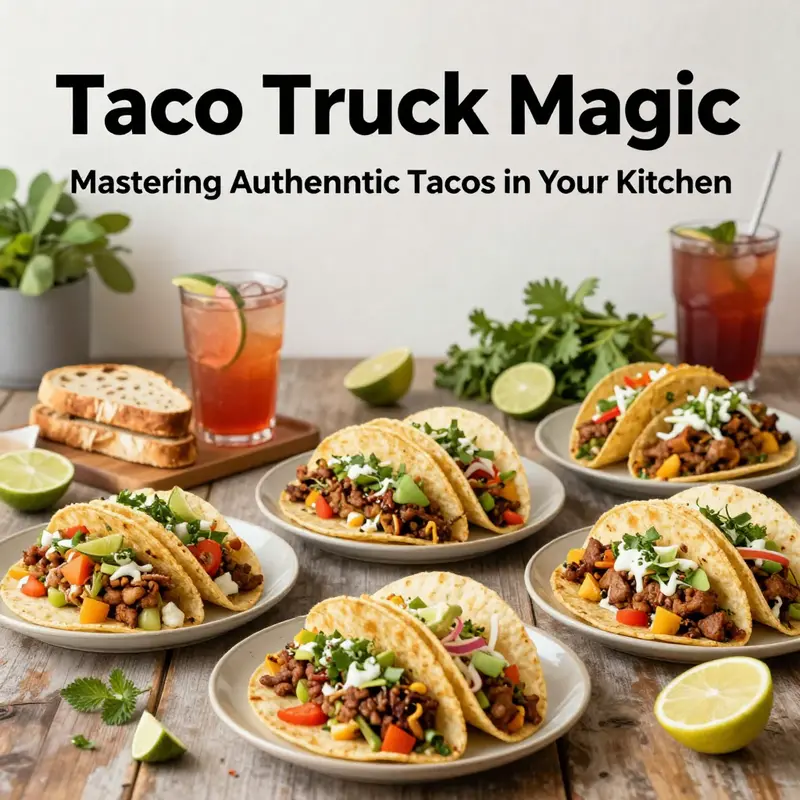
Tacos, a beloved staple of Mexican cuisine, come to life with vibrant flavors reminiscent of street food found in bustling taco trucks. With a focus on fresh ingredients, well-seasoned meats, and simple yet delicious toppings, creating taco truck-style tacos can be a delightful culinary adventure right in your own home. This article will guide you through the essential components of crafting these mouthwatering tacos. We’ll start with fresh ingredients that elevate the dish, explore meat preparation techniques that pack a flavorful punch, delve into irresistible combinations and toppings to enhance your creations, and conclude with innovative serving suggestions that capture the essence of taco culture. Get ready to tantalize your taste buds and impress your guests as we embark on this flavorful journey together!
Fresh Flavor on a Fast Line: Building Taco Truck Style Tacos with Fresh, Honest Ingredients
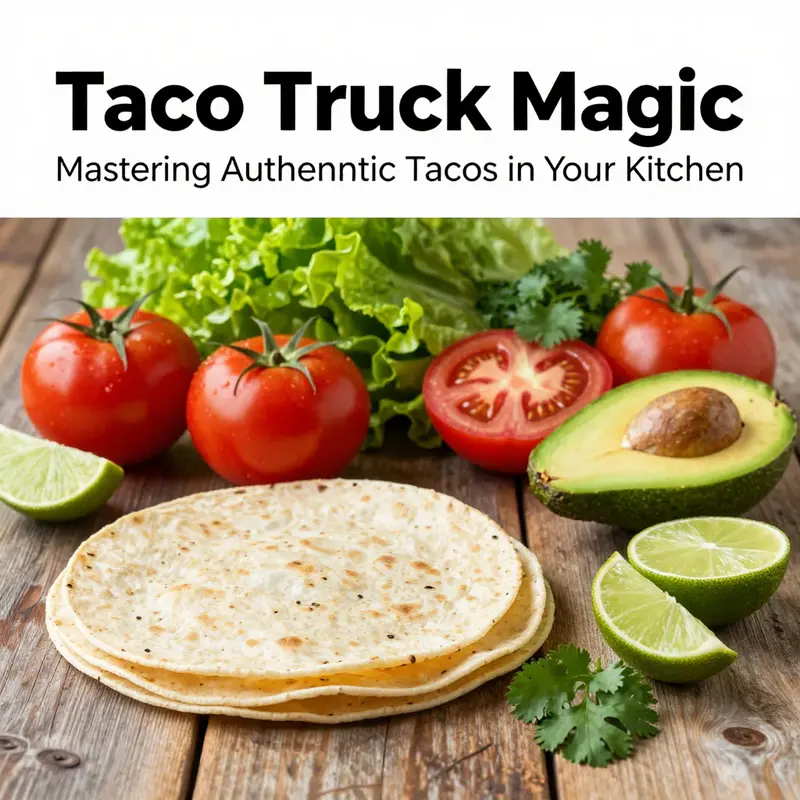
Fresh flavor, speed, and honesty define taco truck style. The goal is not a showpiece kitchen production but a clean, confident bite that shines through fresh ingredients treated with care and a practiced hand. When you chase that truck vibe at home, you start with the best building blocks and a kitchen setup that mirrors the efficiency of a busy street cart. The result is a small performance where every component plays its part in a larger, flavor-packed chorus.
Proteins take center stage. Grilled carne asada offers a juicy, charred presence; al pastor brings a tangy-sweet pork with smokiness from the spit; pollo asado adds citrus brightness. Each should be cooked fresh in small batches to stay tender and lively, finishing with a quick sear to lift aroma and color. A simple marinade and careful resting time help the meat stay juicy on tortilla after tortilla.
Salas and toppings are where brightness really lives. Pico de gallo with garden tomatoes, onion, cilantro, jalapeño, and lime provides crunch and lift. A roasted tomato salsa adds depth and a velvet mouthfeel. Fresh onions, cilantro, lime wedges, avocado or guacamole for creaminess, and queso fresco or cotija for a mineral bite complete the scene. The texture is as important as the flavor; a warm tortilla should cradle the fillings without tearing, with crisp shredded lettuce or cabbage providing a refreshing counterpoint.
Tortillas are the stage. Warm, pliable corn tortillas offer bright, toothsome bite; flour tortillas give a softer shell for certain fillings. Heat them on a hot griddle until they blister slightly, then keep them wrapped to stay soft. The seasoning should be simple and bright; salt, lime, and a touch of chili help the meat sing without masking its character. Assembly should be precise and small-batch to preserve moisture and balance.
Home-kitchen ethic. Plan a daily rotation of fresh proteins, keep a lean but vibrant spice blend on hand, and assemble tacos with clean, fast synchronization. The best meals feel fresh, direct, and satisfying rather than heavy or fussy. If you want deeper guidance, a well-regarded set of techniques on taco seasoning and balancing heat, acidity, and savoriness is a worthy reference for refining your practice.
Sizzle, Spice, and Speed: Meat Mastery for Taco Truck–Style Tacos
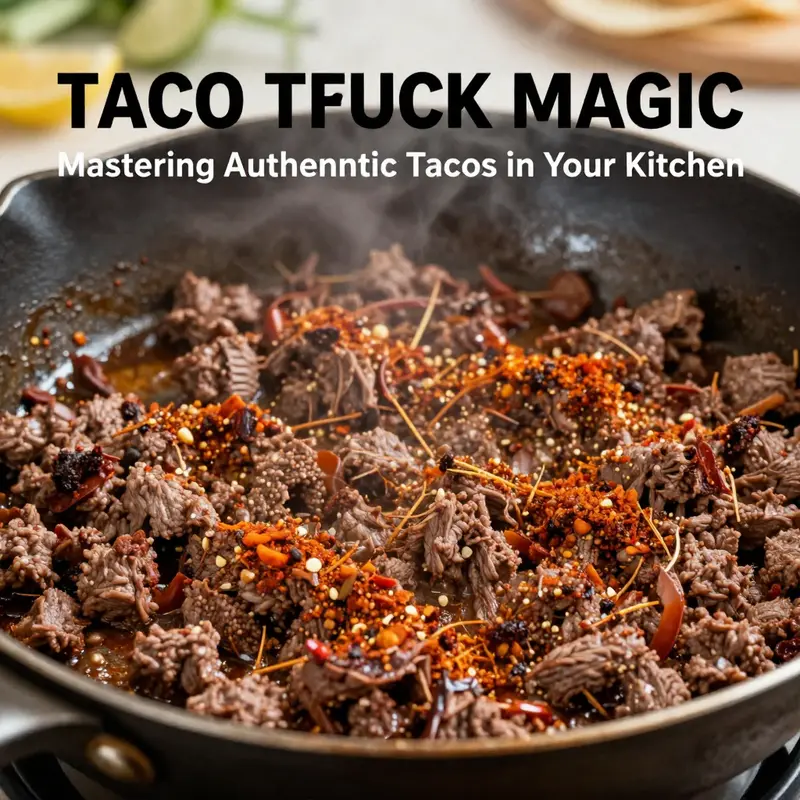
The flame, the steam, and the quick, confident rhythm of a taco truck are more than theater. They’re the signature of a kitchen that values speed without sacrificing flavor. In the heart of every taco truck’s menu lies the meat—salted, seared, seasoned, and then coaxed into tenderness by heat and time. Get this right, and the rest falls into place: warm tortillas, crisp toppings, and a balance of acidity and brightness that makes the whole bite sing. The meat preparation for taco truck–style tacos is not merely a set of steps. It’s a philosophy that honors bold, authentic flavors while honoring the demands of a fast-paced service window. It starts with choice and ends with confidence in the final bite.
At its core, the protein choices tend to orbit around a few reliable pillars: ground beef, chicken, pork (often in the form of carnitas or a pulled preparation), and, increasingly, plant-based substitutions for those seeking plant-forward options. Each protein invites its own approach, yet they share a common grammar. There is a moment of transformation—the moment when the surface browns and forms a crust, the Maillard reaction turning simple meat into something deeply savory with a hint of sweetness and complexity. This crust is not incidental; it is the backbone of the taco truck flavor profile. To coax that crust, heat must be steady, the pan or grill sufficiently hot, and the meat spread in a way that encourages surface contact rather than steam crowding. Crowding is the enemy here, because it steals the opportunity for browning and leaves you with pale, pale meat and a watery skillet. The first rule of the road is to give each protein a moment to kiss the pan.
Once the meat has kissed the pan and formed a rich crust, the next move is to layer flavor through a seasoning blend. A traditional taco seasoning—composed of chili powder, cumin, garlic powder, onion powder, paprika, oregano, salt, and black pepper—provides a familiar, street-vendor punch. Yet the magic is in how this blend is introduced. After the meat is browned and any excess fat has been drained, the spice mix is added and briefly toasted in the hot fat. That smoking release of aromatics is what wakes the dish up: garlic and onion powders wake the base, paprika lends a gentle smokiness, oregano injects an herbal lift, and cumin threads earthy warmth through every bite. This is not a mere sprinkle; it’s a deliberate bloom where heat and spice mingle to forge a deeper depth of flavor that can stand up to the bright toppings that follow.
But authenticity in a taco truck is not satisfied with dried spices alone. The kitchen of the street often builds depth through the addition of dried chiles—guajillo, ancho, or árbol—ground into a paste or integrated into the seasoning. The dried chiles carry a nuanced heat and a slightly resinous, fruity note that can elevate the meat beyond the familiar. Ground into a paste with a splash of water or stock and whisked into the meat, they contribute not just heat but a lingering molasses-like sweetness that harmonizes with citrusy toppings and a tangy salsa. The choice to incorporate chiles is also a matter of regional character. In some trucks, you’ll taste a more Central Mexican influence, where chile pastes are blended into the dish for a deeper, roasted backdrop. In others, a simpler, more direct chili powder profile does the job, leaning into the straightforward, crowd-pleasing format.
Equipment and technique in a mobile kitchen further shape how meat is prepared. In many taco trucks, the meat is cooked in small batches to ensure uniform browning and a quick assembly line during peak hours. Some trucks use sous-vide or heated holding units to keep cooked meat at safe, consistent temperatures, allowing the crew to fetch a portion and plate it without interrupting the flow. This is not about complicated machinery—it’s about maintaining consistency in a space where speed and safety matter as much as flavor. For trucks that lean into more braised or slow-cooked meats—pulled pork or brisket—there’s a different tempo. Low, slow cooking breaks down connective tissue, yielding meat that shreds with little effort. The result is a different texture, but still a satisfying, burrito-sized bite that satisfies the same craving for bold flavor and satisfying mouthfeel. In every case, the meat must be held hot enough to avoid the jittery, anemic sensation that follows under-heated fillings, yet not so hot that it tightens up when folded into a tortilla. The balance between heat management and bite-free tenderness is a practical art born from experience and discipline.
Portion control is another pillar of taco truck efficiency. When a line forms and orders flow in rapid-fire, consistent portions become the difference between reliable service and chaos. Pre-portioning meat into uniform weights ensures each taco carries the same heft and offered flavor. This is not merely about efficiency; it’s about ensuring that every bite carries the expected density of flavor. A well-measured portion also supports clean assembly—the tortilla can be warmed and filled without the risk of spilling or overstuffing, which can slow service and dull the tortilla’s texture. The meat’s moisture level and fat content work in tandem with the toppings to deliver the first impact of flavor. If the meat is too wet, it can puddle and soggy the tortilla; if it’s too dry, it must rely on toppings to deliver moisture. The nuanced goal is a meat that provides enough juiciness to carry the salsa and lime without overwhelming the tortilla’s integrity.
Among the most effective ways to deepen meat flavor without complicating the line is finishing with bright acidity and fresh aromatics. A quick drizzle of lime juice or a handful of chopped cilantro folded into the meat just off the heat can lift the dish dramatically. The acid acts as a counterpoint to the spice and fat, brightening the overall profile and sharpening the finish. Fresh onions—whether diced or shaved thin—often accompany the meat, adding a bite that contrasts with the tender, seasoned protein. Some trucks also opt for quick pickled onions, which introduce a crisp texture and vinegary tang that cuts through richness and provides a pleasing color contrast on the plate. The goal is not to bury the meat under toppings but to orchestrate a chorus of flavors where the meat remains the lead voice and all other elements serve as harmonizers.
For some operators, meat development can also involve a nuanced layering of texture through different cooking finishes. A light sear after simmering can help maintain a crisp outer edge when meats are finished with a glaze or sauce. It’s a small, practical detail, but one that makes a noticeable difference when guests grab a bite at speed. The tenderness of pulled or braised proteins relies on time and gentle heat rather than force. In a mobile kitchen, where the schedule is tight and the queue moves quickly, there is a practical elegance to a braised approach: meat is slowly cooked until it shreds with gentle pressure, then held hot in a controlled environment so it remains pliable and ready to fold into tortillas without losing moisture.
The flavor balance within the meat also invites thoughtful integration with the broader menu. A taco truck often relies on a set of core toppings that can be layered across various proteins: shredded lettuce or cabbage for crunch, tomato dice for sweetness, red onion or pickled onions for bite, fresh cilantro for brightness, avocado or guacamole for creaminess, queso fresco or cotija for a salty finish, lime wedges for acidity, radish slices for crunch, and a range of hot sauces. The meat must stand up to these elements without competing too aggressively. The best taco truck meat tastes robust on its own but reveals even more depth when a squeeze of lime or a dab of salsa finds its way into the first bite. A well-made taco uses toppings to illuminate the meat rather than overwhelm it, and the meat itself should be forgiving enough to remain tasty when the toppings change from batch to batch or day to day.
There is also a practical, almost culinary philosophy that governs meat prep on the move: keep it simple, keep it fresh, and keep it fast. Fresh ingredients are non-negotiable. Fresh herbs, bright limes, and crisp toppings provide the contrast that makes the meat feel vibrant, not heavy. Simple, clean, high-quality primary ingredients allow the seasoning and technique to shine. The most successful taco truck operators know when to lean into a learning opportunity. If the crowd favors a particular protein or a certain chile combination, the recipe can be dialed in with minimal disruption to the line. This adaptability is part of the charm of taco trucks—the ability to respond to tastes, seasons, and the rhythms of the day without abandoning the core technique of meat preparation.
The practical takeaway for cooks aspiring to replicate or innovate within a taco truck framework is to internalize a few core ideas and then practice them until they become second nature. First, browning matters. It creates the savory foundation that supports every bite. Second, season boldly but with a sense of proportion. The spice blend should wake the meat, not shout over it. Third, consider the chile family. Dried chiles add complexity and regional flavor that can set your tacos apart and give you a signature edge. Fourth, manage heat and moisture with care, so that meat remains juicy but not watery. Fifth, finish with freshness and brightness to lift the entire plate. Finally, keep the service flow in mind: pre-portion, pre-heat, and hold with a plan for rapid assembly. The chapter on meat preparation that follows this paragraph is not a rigid protocol but a living guide—one that invites experimentation within a dependable framework.
If you’re thinking about the bigger picture—how to set up a taco truck that reliably delivers this meat every service—the question often turns to equipment and workflow. A compact griddle or skillet for browning, a reliable heat source for maintaining a steady simmer, and a plan for keeping cooked meat warm and safe all contribute to the product you crave in the moment of assembly. The right setup helps you apply the same care you’d give to a home kitchen, but with the speed and efficiency demanded by a street-side line. And as you build your routine, consider a resource that speaks directly to the logistical side of running a mobile operation: Choosing the Right Food Truck. It offers guidance on equipment, layout, and process design that can support consistent meat prep and rapid service. Choosing the Right Food Truck is a useful touchstone as you translate these techniques into a working system. While the nuances of equipment will vary from truck to truck, the principle remains: create a workflow that preserves the integrity of the meat while enabling the speed that customers expect.
As a final note, the source of inspiration for the seasonings—typical taco meat prepared with a flavorful blend rather than a bland, single-note seasoning—echoes a broader culinary principle: balance. The most crave-worthy taco truck meat achieves balance between fat, spice, and acidity, and it does so through a well-considered sequence of browning, seasoning, chile integration, and finishing touches. A robust, aromatic crust on the outside, a juicy interior, and a bright, citrusy finish on the surface combine to create a mouthful that speaks with confidence and pride. The craft is as much about restraint as it is about boldness—about knowing when to pull back for a moment of quiet, then let the spice, heat, and lime snap back in and remind you that this is street-food at its best: quick, honest, and deeply satisfying. The meat, in this sense, becomes not only the star of the filling but also the conductor of a symphony of textures, temperatures, and tastes that makes taco truck style tacos instantly recognizable and endlessly repeatable.
External reference for broadened techniques and flavor depth: https://www.seriouseats.com/how-to-make-taco-meat-using-seasoning-mix
Bold on the Go: Crafting Taco Truck–Style Tacos with Signature Combos and Toppings
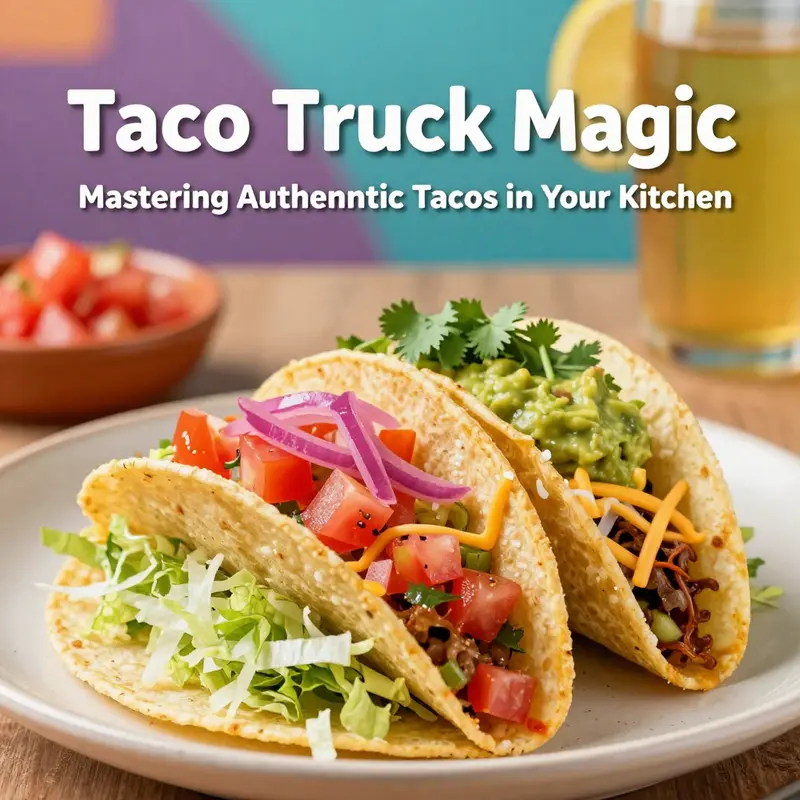
The street-side magic of a taco truck lives in the way a crowd is drawn to a sizzling griddle, the aroma of cumin and smoked paprika, and the color that washes over a row of small corn tortillas. It is an economy of flavor and speed, a choreography of careful prep that delivers big personality in every bite. In crafting taco truck–style tacos, the aim is not to complicate things with superfluous bells and whistles, but to layer texture, brightness, and heat in a way that makes a single bite feel like a conversation between a rustic tortilla, a well-seasoned protein, and a chorus of toppings. The heart of the approach rests on a few solid decisions made at the start: choose fresh, small corn tortillas; pick a protein or two that carry bold seasoning; and assemble with toppings that provide crunch, creaminess, acidity, and spice without tipping into chaos. When done well, the result is a portable meal that travels with the same confidence and energy as the truck that sells it.
The tortilla is the stage upon which every other element performs. Small, corn tortillas, about four to five inches, are traditional and sturdy enough to cradle a lively mix of fillings. They should be heated until soft, just pliable enough to fold without cracking, and slightly charred at the edges to impart a touch of roasted sweetness. A good tortilla carries the flavors it encounters without swallowing them. If a truck can keep its tortillas warm and pliable with a simple dry heat or a quick press, the rest of the assembly can stay vibrant and fresh. The warmth of the tortilla helps bloom the oils in the meat and makes the toppings sing. In a way, the tortilla is not merely a wrapper but a partner in flavor, its mild corniness providing a neutral counterpoint to the boldness of the fillings. The most successful taco truck offerings treat the tortilla as a platform rather than as a backdrop, inviting all the other components to lean in and mingle.
Protein forms the backbone of a true taco truck experience. Traditional possibilities like seasoned ground beef, al pastor, carnitas, and barbacoa anchor the menu with recognizable comfort and a familiar aroma. Each protein benefits from a quick, high-heat browning to create a shallow crust that concentrates the meat’s natural flavors. After the initial sear, a simmer or gentle braise allows spices to envelop the meat, turning a simple filling into something distinctly street-food in character. The spice blend can be a straightforward mix: chili powder, cumin, garlic and onion powders, smoked paprika, salt, and pepper. A tablespoon of oil is enough to coax out the fat and perfume from the spices as they bloom in the skillet. If a bit more depth is desired, a touch of chipotle powder can introduce an earthy smokiness that echoes the char on a griddle. Beyond tradition, there is room for modern iterations—grilled chicken, shrimp, even plant-based options like tofu or jackfruit—to accommodate different palates. The key is balance: the protein should offer enough savor to stand up to the toppings, yet remain approachable so the toppings can do their own talking.
Toppings carry the flavor fireworks. They are where a taco’s personality truly shines. The classic triad of crisp lettuce or shredded cabbage, diced tomatoes, and fresh cilantro provides brightness and color, but the real magic happens when toppings are allowed to play with textures. Avocado or guacamole adds a lush creaminess that cools the palate after a spicy bite, while a scattering of queso fresco or cotija introduces a salty, crumbly bite that contrasts beautifully with the soft tortilla. Squeeze of lime juice is essential; it lifts every other component and keeps the flavors from drifting into heaviness. Thinly sliced red onions or quick-pickled onions contribute a sharp tang that cuts through richness, while sliced radishes add a peppery crunch that looks as good as it tastes. For heat lovers, a drizzle of hot sauce or a fresh salsa can be the difference between a good taco and a revelatory one. The real artistry, though, lies in how these toppings are orchestrated. A truck that manages to keep toppings crisp, fresh, and well-dressed—so to speak—will earn repeat customers who crave that exact mouthfeel and brightness.
Salsa and crema are the secret accelerants that unify a taco’s components. A light crema or sour cream provides a cool, tangy balance to the heat and the meat’s richness. It travels well across the tortilla, carrying spices into every bite rather than letting them linger on the surface. A bright salsa—whether a fiery habanero, a smoky chipotle, or a tangy tomatillo verde—acts as a counterpoint: it adds acidity to lift the dish, a freshness that carries across the line when a customer steps away from the truck and takes a bite on the street. The choice of salsa often defines a truck’s signature: a truck that favors smoke and heat will lean toward a chipotle or habanero profile, while a bright, tangy setup might lean into a verde salsa. When you manage these elements with restraint, you prevent one component from overpowering the others, preserving the integrity of each bite.
The process of building these tacos mirrors the rhythm of a successful service window. Start with the protein: brown the meat in a splash of oil until a caramelized crust forms, then add the seasoning and a touch of water or stock to sizzle and simmer. The meat should emerge tender, moist, and deeply flavored, with the spices clinging to every crumb. Meanwhile, warm the tortillas on a flat-top grill or cast-iron skillet until they are soft and just warmed through. Toppings should be prepped with speed and precision: dice tomatoes, shred lettuce, slice onions thin, chop cilantro, and segment limes. Quick pickled onions—thinly sliced onions immersed in a light vinegar solution with a pinch of sugar and salt—bring brightness and a crisp bite. A simple guacamole can be made in minutes with ripe avocado, lime, salt, and a touch of onion and cilantro, offering a creamy, fresh element that differentiates quality from speed alone.
To create a menu that feels both traditional and inventive, it helps to craft signature combinations that reflect the truck’s personality and its customers’ tastes. A few strategic templates translate well on the street. The Classic Al Pastor approach can be reimagined in many kitchens with marinated pineapple, shaved pork, pickled onions, and a hint of chipotle crema on a corn tortilla. A Veggie Fiesta menu item can highlight grilled seasonal vegetables, black beans, avocado, and a citrus-lime vinaigrette wrapped in a soft tortilla for a lighter bite that still satisfies. For those who crave a bold, fusion twist, a Spicy Tuna Crunch might pair seared tuna with a spicy mayo, crunchy cabbage slaw, scallions, and a creamy garlic emulsion—delivering a bright, contemporary texture that travels well and stays flavorful even after a few minutes in a warm street setting. The strength of these ideas lies not in chasing novelty for novelty’s sake, but in balancing heat, freshness, creamy elements, and crunch. A well-balanced taco can feel complete without relying on a single dramatic component.
The best taco trucks excel at creating a responsive, customizable experience. They recognize that guests arrive with different tolerances for heat, different dietary needs, and different cravings for brightness or fullness. The toppings station becomes a canvas on which customers shape their own bites. Crisp lettuce or cabbage acts as a cooling layer, while tomatoes provide juicy sweetness, and onions offer a bite that awakens the palate. Cilantro brings a herbal lift, and avocado or guacamole lends luxury and richness. The lime wedge becomes a finishing note, a quick squeeze that rounds the flavor and ties everything together. A small amount of crema or sour cream provides a creamy bridge between hot meat and bright salsa, tempering the heat while highlighting the savory notes in the meat. When presented with care, the toppings do not overwhelm the tortilla or the protein; they reinforce the core appeal—color, texture, and balance.
The sensory impact of a well-designed taco truck plate is about more than taste. It is about color—vivid greens of cilantro, the red of a sliced radish, the yellow hue of a lemony guacamole, the amber crust on the meat. It is about texture—the crackle of a grilled shell or the soft pliability of a warm tortilla; the bite of a crisp lettuce; the creaminess of avocado; the snap of pickled onions. It is about aroma—the smoky note of char, the brightness of lime, the depth of the spices in the meat. It is about speed—the way all the pieces come together in a few deft moves, in front of eager customers who anticipate the first bite as if it were a small act of theater. And it is about memory—the idea that a simple street-food taco can transport a person back to a sunny afternoon, a crowded market, or a roadside stall where the music of the city and the sizzle of a grill created a fleeting moment of joy.
To sustain this craft, a truck’s operator must also think about how ingredients travel and how service lines move. Freshness should manifest not only in the ingredients themselves but in the timing of their assembly. Toppings that wilt or stiffen will dull the eating experience, so prep tasks should be sequenced for efficiency: meat cooks first so its aroma lingers as customers approach; tortillas are warmed next; toppings are prepped and kept crisp or fresh in cool, ready-to-serve containers; salsas and crema are whisked or blended to maintain a bright, cohesive finish. The result is a seamless choreography where every hand-off feels effortless. The customer experiences a symphony of flavor and texture in a few short moments, with each bite delivering a different emphasis depending on how the toppings are layered.
In a busy line, a few deliberate design choices can lift the entire operation. First, keep a small, clear station for toppings, with labeled containers and a simple system for refills. Speed is critical, but so is accuracy; staff should be trained to neutralize heat levels by offering optional extra salsa or crema, rather than dumping more on every taco. Second, emphasize colorful presentation. A plate or wrap that showcases a spectrum of greens, reds, yellows, and whites invites appetite before tasting. Third, maintain consistency in portions. A measured scoop of meat, a fair handful of toppings, and a standard tortilla count help ensure every taco delivers the expected experience. This consistency becomes a hallmark, a promise that customers come to rely on, and it often determines whether a truck becomes a neighborhood staple or a passing trend.
The practical takeaway for anyone wanting to embrace taco truck heritage is straightforward. Start with a dependable tortilla foundation, choose a core protein or two with bold seasoning, and build a toppings roster that emphasizes crunch, brightness, and balance. Create signature combinations that reflect your brand and the audience you serve, but keep the assembly simple enough to deliver quickly during peak hours. Practice the rhythm of browning meat, warming tortillas, and arranging toppings with speed and care. And always remember that the real secret is not any single item but the conversation created when all elements meet on a warm tortilla—the moment when a customer takes the first bite and is transported to the curbside table of a bustling street, where flavor, texture, and color converge in a single, satisfying mouthful. For ongoing inspiration and a deeper dive into menu ideas and how to position your truck’s offerings, explore the Fire Up Taco Truck blog.
As you experiment, document your combinations and solicit feedback from patrons who represent a cross-section of tastes. A single truck can host a rotating family of toppings, letting guests tailor their experience while you maintain a core lineup that remains reliably delicious. The key is to stay adaptable without losing the essence of what makes taco truck style so compelling: fast service, vibrant flavors, and a sense of place that invites people to linger for a moment longer, even as they move on to the next window and the next bite. In cities where street food culture thrives, the most successful operators weave authenticity with innovation, honoring tradition while inviting new palates to partake. The result is a menu that feels both timeless and current, a living testament to what happens when bold ingredients meet simple techniques, all delivered on hot tortillas that carry the story from the griddle to the street with speed and soul.
Sizzle and Sense: Crafting Authentic Taco Truck–Style Tacos Through Thoughtful Serving and Fresh, Fast Flavor
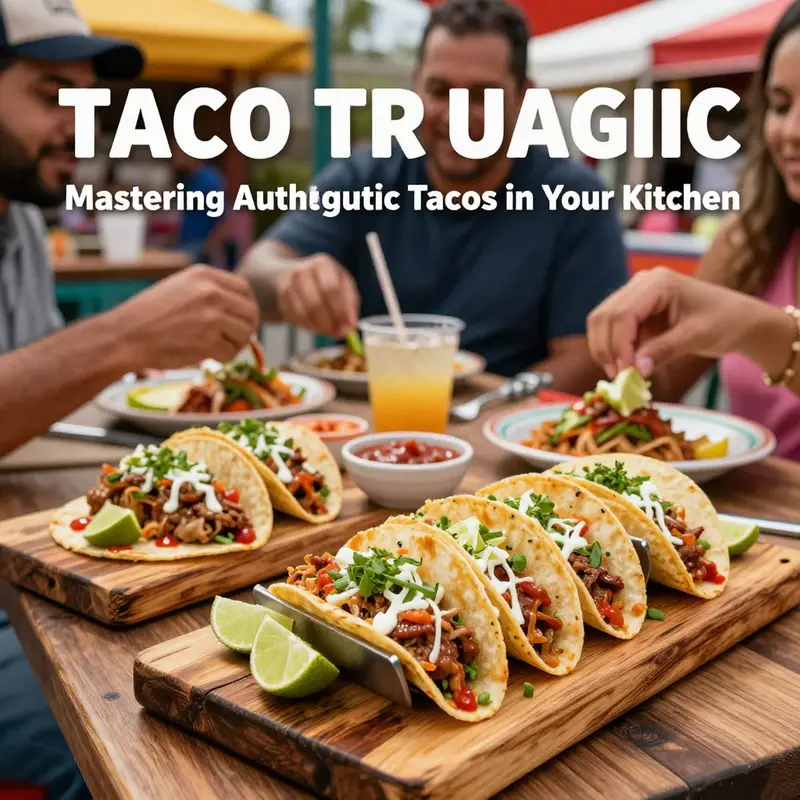
When you walk up to a taco truck in the evening the scene feels cinematic a small sturdy grill the scent of seasoned meat mingling with citrus and a line of patrons who know what they want before they step to the window. The magic of taco truck style tacos lies in the whole experience not just the ingredients the way heat color texture and timing come together to create something fast fresh and satisfying. The heart of the taco truck ethos is the tortilla which is more than a vehicle for the filling fresh warm corn tortillas small at 4–5 inches should be pliable lightly blistered and never leathery. The moment the tortilla touches the grill a toasty aroma signals readiness to cradle the meat and toppings. The goal is a simple repeatable rhythm that keeps both cooks and diners moving without sacrificing quality.
Toppings should be colorful crisp and customizable a basic lineup might include shredded lettuce cabbage diced tomato and thin sliced onion with fresh cilantro and a creamy option like avocado or crema. A cheese such as queso fresco or cotija adds a salty counterpoint and lime wedges brighten the finish. A well stocked self service toppings bar invites interaction and helps the customer build a balanced bite. For the meat focus choose a reliable technique brown the meat to develop a crust then finish with a bold but balanced spice blend. The serving setup matters too sturdy paper plates clean napkins and a tidy prep area reinforce the care behind the scene. The result is a fast, fresh, authentic experience that travels well and feels like a festival of flavor on a street corner.
Final thoughts
Crafting taco truck-style tacos at home isn’t just about making food; it’s about celebrating the rich and beloved culture of Mexican street food. By focusing on fresh ingredients, mastering meat preparation techniques, experimenting with topping combinations, and presenting with flair, you can create an authentic experience that delights the senses. So gather your ingredients, roll up your sleeves, and let your creativity shine as you bring the flavors of the taco truck to your kitchen. Each bite will transport you to the bustling streets filled with flavor, laughter, and joy!