
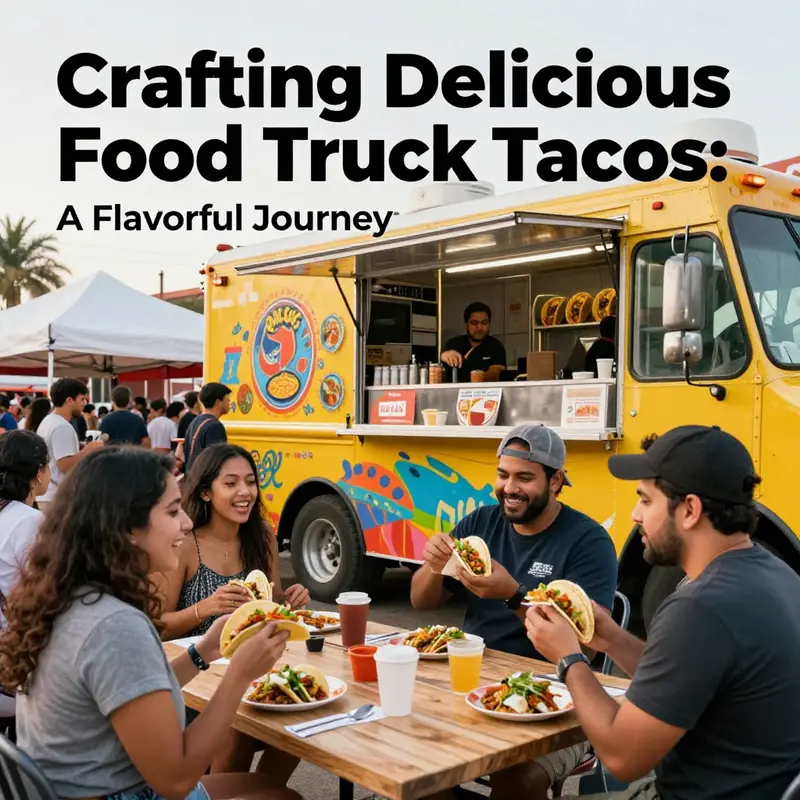
Tacos have become a symbol of culinary creativity, embodying the joy of street food culture. For taco enthusiasts and food truck owners alike, crafting the perfect taco is an art that combines bold flavors with personal customization. This guide delves into the essential ingredients needed for authentic food truck tacos, offers a step-by-step process for assembling them, and shares valuable tips and tricks to ensure every bite is packed with flavor. Whether you’re launching your own food truck or just looking to elevate your taco-making skills, this article equips you with everything you need for taco success!
Sparks on the Griddle: The Essential Pantry for Authentic Food Truck Tacos
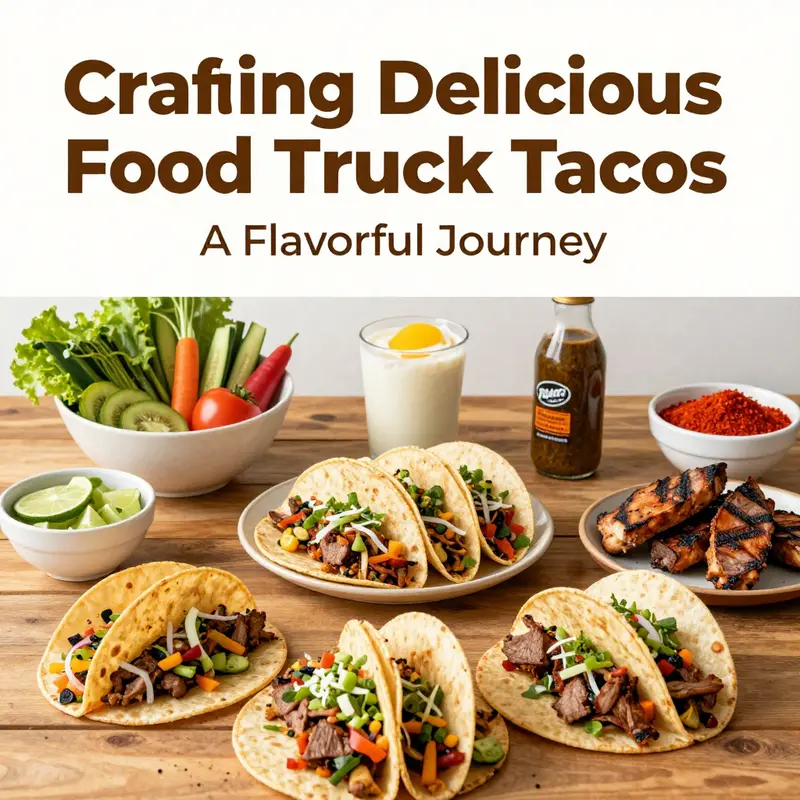
The aroma of sizzling meat and frying tortillas travels down the street the moment a mobile taco stand lights its burners. A good food truck taco is less about flashy novelty and more about a precise, well-loved handful of core ingredients executed with speed, consistency, and a respect for the craft. In a compact kitchen where space is measured in inches and turnover is the rhythm of the day, the pantry you assemble becomes the backbone of flavor. The essential pantry for authentic truck-style tacos begins with a handful of dependable proteins, a tortilla that can stand up to bold fillings, and toppings that hold their brightness from first bite to last. The aim is to create a vibrant street-food experience that feels both familiar and exciting, a familiar handoff between chef and customer that happens in moments and leaves a memory of heat, acidity, and aroma lingering on the palate. This chapter explores how to assemble that pantry so it works in a moving kitchen, how each component behaves under the pressure of service, and how to orchestrate them into a seamless, crowd-pleasing offering that travels well, feeds quickly, and invites customization without chaos. The thread tying everything together is flavor that shines through simplicity, with techniques that maximize speed and consistency while honoring a tradition of street-smart, high-impact cooking.
Protein is the anchor, and the choices you make set the tone for the entire taco lineup. In the mobile kitchen, the options that travel best are those that sear quickly, shred well, and retain moisture without demanding hours of kitchen time. Classic beef can be prepared as ground meat or thinly sliced cuts that take on a grill-kissed crust, but you can also lean into pork for rich carnitas-inspired filling, or opt for chicken that shreds into velvet-soft strands with a quick sear. For a leaner profile, turkey can stand in, while plant-based substitutes offer a reliable, meat-free anchor for a growing subset of customers. The magic happens in the marinade: a simple base of vegetable oil coats the proteins so the aromatics cling, while garlic lends warmth, cumin and chili powder deliver earth and bite, and lime juice injects bright acidity that lifts every other component. Marination is not a luxury but a practice that scales with the truck’s pace. You want flavor to develop without requiring a calendar of hours; a couple of hours for bulk batches or a quick 30-minute soak for the daily run can be just right. When the protein hits the hot pan, the objective is a rapid, thorough brown, the kind that seals in juices and creates a crust with depth. Then the meat rests briefly, not to steam in its own heat but to retain its structure for quick shredding or chopping into bite-size morsels. The result is a protein that tastes like it spent more time with spices than the clock would allow, so that each taco carries that same bold core flavor from order to order.
The tortilla is the stage on which everything else performs. Traditional corn tortillas carry a bright, earthy corn flavor that plays beautifully with smoky, peppery fillings, while flour tortillas offer a more forgiving, pliant base capable of supporting a heavier load of toppings. In a truck, the method of heating and the choice of shell influence the flavor profile far more than one might expect. Corn tortillas heat best directly over a gas flame for a brief kiss of heat that chars and warms in one motion, or they can be warmed in a dry skillet until pliable and lightly blistered. Flour tortillas respond to a gentler approach but invite a sturdier assembly, so if you plan heavy toppings, a warmed flour shell can be a winning move. The key is to avoid drying out; you want tortillas that are warm and flexible, ready to cradle a mouthful of filling without cracking. A practical trick is to keep a stack of warm tortillas wrapped in a clean towel or tucked into a lined basket to maintain moisture, ensuring every taco you hand over is perfectly pliable and ready for toppings without resistance.
Toppings are the punctuation marks of the taco, the colors and textures that make each bite interesting. Fresh lettuce brings a crisp bite, while diced tomatoes add brightness and acidity that cuts through fat and heat. Onions, finely chopped, give a sharp bite that enlivens the palate, and cilantro lends a fresh, herbaceous lift that completes the ensemble with a high note of brightness. Avocado or guacamole adds creamy balance, a counterpoint to the heat, and a drizzle of sour cream or crema provides a cool, tangy finish. Pickled red onions are a vivid addition that introduces a vinegary snap, a counterpoint that holds up well under heat and sits neatly on top of the other toppings. The aim is to harmonize textures and flavors, so every bite includes a little crunch, a little acidity, and a touch of cool cream. Prepare toppings in batches that correspond to the day’s production flow, keeping them crisp and fresh so that each plate looks as polished as the last. The trick is to ensure there is always a little extra of each topping for the rush while preventing the bar from becoming overcrowded with too many items that slow service.
Sauces and salsas are the soul of the truck taco. A bright tomato salsa or pico de gallo adds a lively freshness, while a smoky, peppered sauce can deepen the flavor without masking the meat’s core. A simple salsa roja or a green salsa can anchor the lineup, serving as a versatile partner for multiple fillings. The objective is to offer a spectrum of heat and brightness that can be adjusted by the customer with a squeeze of lime or a drop of hot sauce on the side. In practice, it’s wise to maintain at least one medium-spice option and a milder choice, with a clear path for customers to customize heat levels themselves. Sauces travel well in sealed containers and should be labeled clearly so servers can replenish with speed. A final hit of lime right before finishing elevates the entire plate, waking the spices and tying the ingredients together. The sauce should complement the toppings rather than overwhelm them, acting as a glaze of acidity and heat that unifies the dish without stealing the spotlight from the meat and tortillas.
The assembly is where the artistry of a food truck taco reveals itself without sacrificing efficiency. Start with a warm tortilla, then lay down a modest helping of the seasoned filling. The next layer should be a crisp element, like shredded lettuce or cabbage, followed by tomatoes, avocado, and a light dusting of cheese or crema. A few pickled onions perform a crucial role, offering a sharp, bright contrast to the richness of the meat. Finish with a scatter of cilantro and a generous squeeze of lime. If you employ a DIY topping bar, you can empower customers to curate their own dream taco while keeping the line moving smoothly. The secret to speed is preparation: precompute portions of meat, pre-cut vegetables, and pre-measured sauces, all stored in clearly labeled containers. A consistent portion size for each taco ensures uniformity, which customers value during a long line. The mental map of the workstation matters as much as the recipes. Place the proteins closest to the heat source, followed by toppings that can be quickly layered, with sauces and garnishes within easy reach. The flow should feel natural, almost intuitive, so that even a new staff member can contribute without disrupting rhythm.
A lean, flexible approach to menu design makes a truck more adaptable than a fixed-station kitchen. If you offer two or three primary proteins and a vegetarian option, you can cover a broad spectrum of tastes without complicating the prep. The customization model invites customers to tailor their tacos, which increases perceived value and encourages multiple visits as the truck travels to different neighborhoods. In practice, you want a focused core menu with a handful of variations that reuse the same prepped ingredients, so you maintain efficiency while delivering variety. Price should reflect the labor and ingredient costs while remaining accessible, and you should invest in sturdy serving ware, reliable labeling, and clean packaging to support speed during peak hours. The most compelling taco programs are those that feel both curated and scalable, able to shift with the rhythm of the street crowd and the changing weather, the changing neighborhood, and the changing mood of the city. The combination of a tight core, freely customizable toppings, and a quick, repeatable assembly makes the truck taco a reliable, beloved street meal that travelers and locals alike crave.
Dietary considerations and plant-based options have become integral to the modern taco lineup. A vegetarian or vegan filling based on mushrooms, beans, or plant-based proteins can deliver satisfying texture and flavor when seasoned with the right blend of aromatics and heat. For diners seeking gluten-free choices, emphasis on corn tortillas with careful cross-contact controls at the prep station keeps options accessible. A lighter topping strategy—more salsa, more crisp vegetables, less heavy crema—can appeal to customers who want a brighter finish without heaviness. By designing the menu around flexibility rather than rigidity, you invite a broader audience to try your tacos and, importantly, to return for the pattern of flavors that feels both adventurous and comforting. The street truck model thrives when customers can imagine their next visit as a new combination built from the same dependable pantry.
Flavor is a conversation between ingredients, and the truck kitchen invites you to speak clearly and consistently. A few trusted flavor boosters can raise the entire lineup without complicating the workflow. A quick splash of lime across the finish brings back acidity and freshness, while a whisper of smoked paprika or roasted cumin can deepen the profile without masking the meat. For those who crave extra heat, a standard hot sauce on the side offers choice rather than obligation. Some cooks like to finish the meat with a touch of butter in the pan to enrich the crust, but this step should be used sparingly and only if it aligns with your approach to health and speed. Above all, tasting and adjusting as you go keeps the experience balanced, ensuring salt, acidity, and savory notes harmonize with the tortilla and toppings. The aim is a chorus of notes rather than a single loud instrument, a chorus that remains audible in every bite, regardless of how many tacos are being served at once.
Operations in the mobile environment demand discipline and clarity. Pre-prepped ingredients reduce assembly time and guarantee consistency across a long service window. Containers should be clearly labeled, with dates tracked for freshness, so that even as the cart moves through neighborhoods, the quality remains high. Hygiene and safety practices travel with you as part of the job—gloves, handwashing, clean surfaces, and a tidy workstation are as essential as the heat and flame. A robust workflow blends safety with speed, ensuring that orders flow smoothly from the grill to the plate. Stock replenishment must be predictable, aided by a simple checklist that flags what needs refilling and what can be left until the next shift. Packaging is part of the dining experience, too: sturdy paper plates, reliable utensils, and labeling that makes it easy for customers to grab and go. When every detail is handled with care, the taco you serve becomes a direct reflection of your attention to process, as much as your attention to flavor.
For operators who want to deepen the craft and explore broader menu possibilities, there is value in looking beyond the basics. The mobile kitchen environment rewards menus that travel and adapt without breaking the prep workflow. A deeper dive into the broader world of truck cuisine can be found in the Fireduptacotruck blog, which covers ideas about customization, maintenance, and growth strategies. You can explore it here: fireduptacotruck.com/blog.
As you refine technique and pantry strategy, you may wish to consult professional guidelines and industry perspectives to align with best practices for mobile dining. A comprehensive resource from a leading industry association offers actionable insights into safety, service, and efficiency for food truck operations. The guide is a useful companion as you scale from a single cart to a fleet of wheels and a neighborhood map centered on speed, quality, and consistency. External resource: https://www.restaurant.org/food-truck-tips
From Prep to Plate: Building Fast, Flavorful Food Truck Tacos
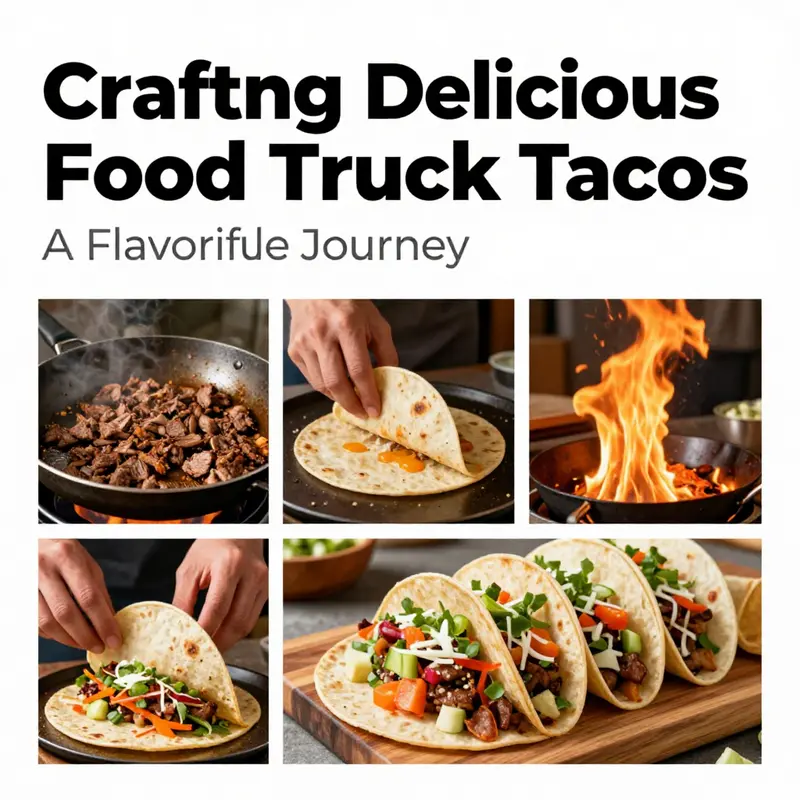
Preparing your line and ingredients sets the tone for every taco you serve. Start by choosing a reliable set of core components: tortillas, a versatile protein base, and a handful of fresh toppings that combine texture, acid, and heat. Corn tortillas are traditional and hold flavor well, while flour tortillas offer softness that some customers prefer. Keep both on hand when possible. For protein, select two to three options that complement each other and appeal to a range of tastes—one seasoned ground or shredded meat, one grilled or charred option, and one plant-forward choice. This trio lets you serve classic tacos while accommodating dietary preferences with minimal complexity.
A signature seasoning blend brings cohesion across your menu. Mix chili powder, cumin, smoked paprika, garlic and onion powders, dried oregano, salt, and a pinch of black pepper. Use this base on beef, chicken, and plant proteins alike, adjusting quantities so the spice profile is familiar but not monotonous. Add a splash of citrus to brighten cooked meats before service; lime does wonders to lift flavors and keeps the finished filling from tasting flat. Keep the seasoning blend in a labeled container near your cook line for quick access, and portion it into small scoops for consistent use.
Prep is where food truck tacos win or lose. Chop vegetables into uniform, bite-sized pieces so they assemble quickly and look polished. Dice tomatoes, shred cabbage or lettuce finely, mince cilantro, and slice red onions thinly. Prepare a basic salsa fresca by combining chopped tomatoes, finely minced red onion, cilantro, lime juice, and salt. Let it rest briefly so the flavors knit. Make a simple guacamole by mashing ripe avocados with lime juice and salt; hold it just until service to prevent browning, or mix in a touch of onion and tomato to slow oxidation. For pickled onions, quickly cure sliced red onions in a solution of vinegar, sugar, and salt; they’ll be tangy, colorful, and ready in thirty minutes or less.
Batch-cook proteins in consistent portions and cool them properly before storing. For ground meats, brown in a wide skillet to encourage caramelization; drain excess fat, then return to heat and stir in the signature seasoning with a splash of water or tomato sauce to create a saucy coating that clings to tortillas. Shredded meats like chicken or pork should be cooked until tender, then pulled and tossed with seasoning and a modest acid—citrus or vinegar—to cut richness. For grilled steak or seared tofu, slice thinly across the grain so each bite is tender and quick to assemble. Keep cooked proteins in well-labeled, insulated pans set at safe temperatures. Use portion scoops or ladles for each protein to ensure uniform servings.
Tortilla handling is deceptively important. Warm tortillas until pliable and slightly charred to add aroma and prevent tearing. If you run a busy service, invest in a method to keep them warm and soft—stacked in a towel inside a covered container or in a heated cabinet will do. For a crunchy offering, lightly fry corn tortillas in neutral oil until they crisp, then drain and season with a pinch of salt and chili powder. Crispy shells change the eating experience and can be offered as a premium option without complicating assembly if you fry them ahead and keep them in airtight containers.
Assembling tacos quickly without sacrificing quality comes from organizing your line with logical flow. Arrange ingredients in the order you assemble: tortillas at the start, proteins next, then moist toppings such as salsas and guacamole, followed by crunchy elements, cheeses, and finishing garnishes like cilantro and lime. Use shallow, compartmentalized pans so servers can see and reach everything at a glance. Label each pan clearly to prevent mistakes during rushes. Pre-portion common combinations into holding trays if you expect predictable demand—this speeds things up and reduces on-the-spot decisions.
When building each taco, follow a simple layering technique that balances texture and flavor. Begin with a warm tortilla. Add the protein first to anchor the bite and provide heat that helps meld the toppings. Spoon just enough filling to allow room for toppings; overstuffed tacos collapse and are hard to eat. Next add a spoonful of a bright element such as salsa fresca or a light slaw; this introduces acidity and moisture. If offering guacamole or creamy sauce, use sparingly to avoid soggy tortillas. Finish with a crunchy element—shredded cabbage, fried tortilla strips, or pickled onions—and a sprinkle of cheese or herbs. A final squeeze of lime at pickup heightens all the flavors.
Consistency matters more than complexity. Train staff to use the same portion sizes, the same scoop counts for proteins, and identical topping amounts. Post the recipe and portion guidelines where the team can see them. During service, rotate staff through each station so everyone understands the whole process and can step in when lines swell. Use visual cues like color-coded scoops or stickers to prevent cross-contamination and ensure allergens are tracked.
Speed and quality depend on smart equipment choices. A flat-top griddle is indispensable for warming tortillas and searing proteins quickly. Invest in a reliable set of insulated Cambros or similar holding units to keep cooked items at safe temperatures without overcooking. Use squeeze bottles for sauces to allow rapid, consistent application and to reduce waste. Keep a small handheld torch or broiler on hand for finishing touches if you want a lightly charred topping or melted cheese in seconds.
Packaging and presentation translate your food from truck to customer. Choose sturdy yet eco-friendly containers that hold a few tacos without crushing them. A folded paper tray or a shallow compostable box with a tiered insert keeps tacos upright and intact. Include a small cup for extra sauce and a wedge of lime on the side. Signature stickers or a simple printed band around the box increase brand recall. Train staff to hand over tacos with the same gesture and checklist: box, napkin, condiment cup, and thanks. Small rituals make the service feel polished and professional.
Menu design should encourage quick decisions while allowing fun variations. Offer a few set tacos with clear descriptions and one build-your-own option. Keep the ingredient list tight; too many choices slow service. Rotate a seasonal special to keep regulars excited. Price items strategically—pair a popular protein with a slightly higher-margin side or premium topping, and promote combos that include a drink and a side for value-driven customers.
Inventory control and batch planning prevent waste and ensure consistency. Estimate demand based on sales history for similar days and events. Pre-cook and portion proteins to cover peak windows, but avoid overproduction by staggering batches. Use first-in, first-out storage to keep produce fresh and rotate items daily. Keep a tight list of backup ingredients for substitutions should supplies run low. Clear labeling with prep dates reduces risk of serving expired items and keeps the line moving confidently.
Customer experience is shaped by speed, flavor, and a chance to personalize. A small topping station or a visible line of condiments invites engagement without slowing service if managed correctly. Offer three heat levels for sauces—mild, medium, and hot—with clear labels. Provide small tasting spoons or sample cups if you launch a new sauce; customers are more likely to add it when they can try first.
Operational tips from experienced operators inform practical choices. Pre-portion garnishes into small pans to reduce handling. Use clear lids on holding units so staff can see levels without opening containers. Keep a dedicated cleaning rhythm during service to prevent clutter: a quick wipe every 20 minutes and a sweep at lulls. Train one person per shift to monitor temperature control, refill pans, and manage waste to maintain flow and hygiene.
Market your taco offering with clear, appetizing language and visuals. Use social media to highlight daily specials and to show the assembly process; customers love behind-the-scenes glimpses. If you’re choosing or upgrading your vehicle, resources about choosing the right food truck can guide practical decisions that affect workflow and menu execution. Embed a link to a relevant guide with anchor text that reflects that resource: choosing the right food truck.
Finally, remember that great food truck tacos combine careful prep with personality. Keep your ingredient list tight yet flavorful. Train staff to assemble quickly and consistently. Use equipment that supports speed without sacrificing finish. Present tacos in packaging that protects both food and brand. When these elements operate together, each taco becomes a reliable, delicious expression of your truck’s identity—fast, fresh, and built to be enjoyed on the go.
External resource for further technique and inspiration: https://www.thespruceeats.com/authentic-mexican-tacos-recipe-4789227
Sizzle on the Move: Crafting Authentic Food Truck Tacos for a High-Volume Kitchen on Wheels
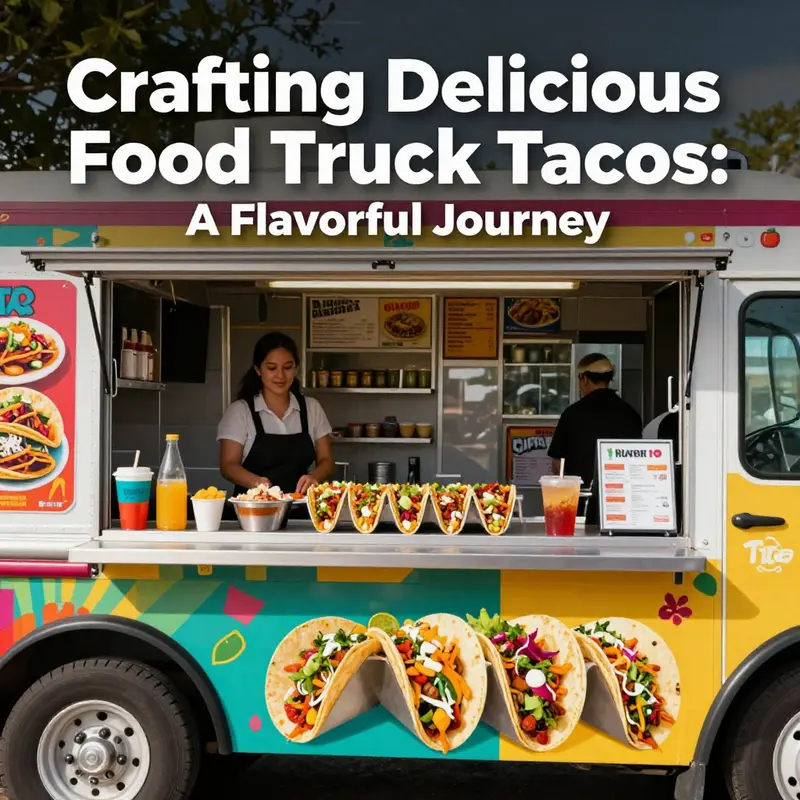
The sizzle begins long before the first customer steps into view. In a world where street corners become dining rooms and the curbside becomes a tasting room, the food truck taco is less a recipe and more a choreography. It is a portable ritual, a compact theater of flavors designed to move fast, feel effortless, and taste deeply. The palate meets the pavement in a way that rewards both impulse and plan: a precise crust of char on a warm tortilla, a filling that carries the unmistakable aroma of sizzling meat, and toppings that snap with brightness, texture, and contrast. Crafting these tacos on a mobile canvas asks for a balance between technique and speed, a rhythm of prep and plate that can withstand the rush while still delivering consistent, crave-worthy bites. When you design your program around that rhythm, you are not just feeding people on the go; you are offering them a small, personal moment of street-side happiness, a bite that tastes like a memory in the making.
A foundational truth guides every tacoeering choice on a truck: the filling must be exemplary. The meat, whether it is ground beef, shredded chicken, grilled steak, or slow-cooked carnitas, is the anchor. In a high-volume setting, fat can be your enemy if it pools and pools. The trick is to let the meat render its own fats and then gently season at the right moment. Browning is not merely browning; it is the creation of a crusty, crumbly textural bed that will cling to the tortilla. After the meat develops color and structure, you add your seasoning blends—preferably a homemade mix drawn from chili powder, cumin, garlic, oregano, paprika, and a touch of salt. A splash of water or broth then creates a saucy little veil that helps the spices cling and loosen into a red oil that coats every piece as you spoon it into the tortilla. This is not a greasy base but a glossy, concentrated foundation that fragrances the air and invites another bite. In practice, the meat should be cooked over steady, moderate heat, never pushed to the point of smoking, so that the natural sweetness of the proteins remains intact. The moment you start to rush the browning, you risk drying the meat or dulling the vibrant depth that comes from a slow, patient sear. The method is as important as the flavor itself.
The tortilla, often overlooked, is the stage on which all this drama plays out. In the truck world, warmth is life. A tortilla that is cold or cracked breaks the entire sensory chain, turning a potential moment of joy into a fragile, disappointing experience. To avoid this, warm each tortilla briefly over a dry skillet or directly on a flame for just enough time to render it pliable and lightly charred on the edges. The goal is pliability with a whisper of smokiness, not a soggy shell or a brittle disk. When time allows, wrap the freshly warmed tortillas in a clean towel. The steam keeps them tender, the warmth travels with them, and you preserve that soft, inviting texture from the first to the last bite of service. This is the kind of detail customers notice without naming it aloud—the difference between a taco that travels and a taco that stays fresh through a line of hungry people.
One of the most powerful advantages of a food truck kitchen is the ability to layer textures in a single bite. Toppings thrive when they provide a counterpoint to the meat and the crisp tortilla. A handful of crisp lettuce or a shower of diced onion adds brightness; diced tomatoes bring a gentle sweetness; avocado or guacamole delivers a cooling, creamy contrast that dissolves the heat of any salsa. A sprinkle of shredded cheese can act as a glue, binding the components while adding a subtle richness. Pickled red onions offer acidity and bite, a moment of tartness that wakes the palate and primes the taste buds for subsequent tacos. Fresh cilantro finishes the assembly with a citrusy, herbaceous snap that is practically synonymous with street tacos. The key here is balance and restraint. It is easy to overdo toppings, which can drown the meat or soften the tortilla. A practical rule is to arrange toppings so that each bite can take a little of everything without turning into a mushy pile. If possible, provide a DIY topping bar where customers control their quantities. A well-managed topping bar makes the line faster and reduces the cognitive load on your staff, letting them focus on the core task of production speed and consistency.
Sauces, when used judiciously, are among the most transformative components. A small spoonful of salsa roja or verde can become a brushstroke that lifts an entire taco. The wisdom here is not to saturate, but to layer. A dab of crema or a dollop of sour cream adds richness and a touch of tang that harmonizes with the sour brightness of pickled onions. The idea is to apply sauces like a painter uses color—sparingly, strategically, and with a clear sense of where the bite will land in the mouth. For a bright, bright accent, consider a quick pickle of red onions or jalapeños alongside the toppings; the lift from that pickled bite can be astonishing, especially for truck crews faced with long hours under hot lights. The most memorable tacos do not rely on a flood of sauces; they rely on a controlled, purposeful application that enhances, never drowns, the meat and tortillas.
The structure of a food truck kitchen is as important as the ingredients themselves. The operation must be efficient, with a sense of stagecraft that makes service feel effortless. Preparation comes first: pre-chop vegetables, pre-season the meat, pre-slice avocados, and pre-mix any lime-based finishing scoops. Having components ready means you can assemble tacos in seconds during peak hours. A well-organized line is a choreography: warm-tortilla station, meat-fill station, topping station, sauce station, and final assembly. Each station has its own rhythm, and the staff move through it with practiced ease. A practical approach is to master one or two signature taco styles. For instance, carne asada and al pastor can be your anchors; both offer bold, recognizable flavors that translate well to quick-service production. A vegetarian option or a plant-based alternative can be added to accommodate a broader audience without complicating the core workflow. The aim is to create a compact, repeatable set of options that maintain quality and excitement through a long service window.
In thinking about the customer experience, the packaging and presentation become part of the flavor story. Sturdy, grease-resistant wrappers and plates protect the integrity of the taco from the first bite to the final unwrapping at the table or curbside pickup. Napkins are essential; a stack of bright, absorbent cloths or heavy paper napkins gives customers a sense of care and preparedness. A simple, transparent menu with clear choices reduces decision fatigue, while a well-marked sauce and salsa station helps guests customize without slowing the line. Visual cues matter: a steady glow of the grill, the aroma of the meat, the clean mise en place of toppings, and the neatness of the work area all contribute to the customer’s perception of quality. A professional approach to service reflects in the lines of diners who linger, smile, and return, not merely for the food but for the consistency and the comfortable, familiar rhythm of the stall.
Every successful taco program on wheels relies on clear, scalable systems. The concept of speed and consistency translates into the kitchen as a philosophy: use pre-prepped ingredients, maintain a tight but flexible workflow, and keep your components organized in labeled containers that are easy to reach and easy to replace. A small but highly effective practice is to keep a small reserve of finished fillings and toppings so you can quickly top up during peak moments without sacrificing the integrity of the everyday workflow. The plan should also accommodate variation—one or two distinctive margarita-worthy sauces, a signature salsa verde, and a bright pico de gallo can become your house flavors, while still allowing you to adapt to customer preferences. When you hold a consistent standard across all runs, you build a reputation that translates into repeat business, a necessity in a competitive mobile market where many vendors offer similar menus but few deliver the same dependable, well-balanced experience.
For those who love to optimize and experiment, there is value in mindful experimentation with the elements of the taco without drifting from the core identity of the program. The meat component can be tuned for depth by adjusting the sear and the resting time after browning. A gentle simmer with a measured amount of liquid can coax out rich, peppery notes that cling to the meat and to the tortilla alike. The tortilla itself can be treated as a flexible ally rather than a neutral carrier; exploring slight variations in heat, time, and thickness can yield a more robust bite. Toppings can be adjusted seasonally to reflect market availability or local preferences, while still preserving the essentials: a crisp bite, a creamy element, a touch of acidity, and a herbaceous lift. The carriages of street food culture—speed, improvisation, and public appetite—remain the same, but the artistry comes in mastering how to present a handful of components as a cohesive, memorable meal on wheels.
The writing on the wall for any aspiring mobile taco artist is this: propose a plan that travels well. The most enduring success stories in the world of street food come from systems that scale without losing soul. The line between fast and fluent can be narrow, but with careful prep and precise execution, you can turn a busy shift into a well-oiled routine that yields consistent, crave-worthy tacos. A few practical anchors help you stay on course. First, the meat should be the leading voice, cooked with a clarity that rewards the eye and the tongue. Second, the tortilla should be a soft, reliable partner—not a barrier. Third, toppings and sauces should contribute texture and brightness without overwhelming the core flavors. And fourth, the service must feel seamless and cheerful, a small theater where a customer becomes a regular and a regular becomes a loyal ambassador for your stall.
In shaping your program for a mobile kitchen, you are building a brand as much as a menu. A strong taco program on wheels is not just about flavor but about the story you tell with every bite. Designing a cohesive eating experience means embracing the practical realities of a truck kitchen: space constraints, limited equipment, and the need for speed. It means choosing components that can be prepared ahead, stored safely, and assembled quickly without compromising quality. It means training staff to execute the same sequence with the same care every time, so a customer who visits on a busy Friday night receives the same cracking crust, the same lively fillings, and the same bright toppings every time. The result is a dependable, scalable, and ultimately joyful dining experience that captures the essence of street food while delivering restaurant-grade satisfaction in a portable package.
As you weave these threads together, consider the value of viewing your taco program as a modular system rather than a fixed menu. The core concept remains: a flavorful, fast, and flexible taco lineup that can be adjusted to meet demand, weather, and guest preferences. The modules are simple enough to maintain: a reliable meat base, a pliable tortilla, a dynamic set of toppings, and a restrained but vibrant set of sauces. The approach is both practical and creative, enabling you to expand or refine your offerings without a wholesale overhaul. For operators who want to deepen their craft, this mindset opens doors to subtle innovations—new finishing sauces, seasonal vegetables, or a rotating signature taco that keeps the crowd curious while preserving the elements that customers already love. The street food ethos is about energy and recovery—feeding many people with efficiency, texture, and heart. When approached with discipline and imagination, your food truck tacos can become a lasting symbol of mobility, craft, and sharing, a reason for people to chase the truck and a reminder that great flavor can travel as far as the wheels will take it.
If you are exploring the broader landscape of mobile dining and seeking a practical map for turning this vision into a thriving operation, consider the path laid out by cooks and operators who focus on a few well-honed principles. The emphasis on speed and consistency, the insistence on high-quality, pre-prepped components, and the emphasis on customer-led customization are universal truths across successful food truck programs. The goal is not to chase novelty at the expense of reliability but to balance novelty with familiarity in ways that excite the senses while honoring the basics. The result is a taco program that is not only delicious but also replicable, scalable, and resilient—an edible emblem of what it means to feed a city, curbside, with pride and purpose.
For readers looking to anchor their approach in a broader commerce and operations framework, a quick reference point is the ongoing conversation about choosing the right food truck and designing a kitchen that supports speed and quality. This is not a mere purchase decision but a strategic waypoint in the journey of laying a foundation for a mobile culinary business. The right truck, outfitted with a clean, efficient layout and a workflow that feels almost instinctual, becomes a partner in your craft rather than a constraint. It is the difference between a seasonal showcase that fades with the weather and a robust, year-round program that thrives in heat, dust, and the high-energy pace of a busy street.
To ground these ideas in real-world stakes and to help you translate concept into deployment, it is helpful to refer to the practical guidance offered by experienced operators who have built kitchens on wheels. Their wisdom about maintaining consistency under pressure, about the value of pre-prepped produce to speed up service, and about the importance of a modest but potent flavor profile can guide your planning and your expectations. They remind us that the best tacos are the ones that taste as though they were crafted in a stationary kitchen, even when they roll along city streets at commuter pace. The narrative of a successful taco truck is not a collection of flashy tricks but a disciplined, repeatable craft that honors flavor, speed, and hospitality in equal measure. As you grow, you may find yourself returning to these core ideas again and again: render the meat to a confident brown, warm the tortilla to the right state of pliability, compose a topping chorus that brightens without overpowering, and deliver a finished taco with an air of welcome that invites a second and a third bite.
For a broader view of how this philosophy translates into actionable business choices, you can explore resources on the wider topic of mobile dining strategy and equipment selection. Choosing the right food truck is a starting point for aligning your culinary mission with the realities of a street-side operation. The right vehicle, the right layout, and the right equipment are the backbone of a taco program that can handle demand without compromising quality or consistency. When this foundation is solid, the possibilities for your menu grow to include variations that suit your customers, climate, and local tastes, all while preserving the essential mechanics of fast, flavorful, and satisfying food. In this way, your tacos become not just a meal but a planned experience, a reason for people to seek you out in the hustle of the urban landscape. And so the field of street tacos expands not only in flavor but in opportunity, as you learn to balance the artistry of food with the logistics of serving many hungry people with grace and efficiency. The work becomes a continuous, satisfying cycle of refinement, repeating the same essential steps with increasing confidence and flair.
Internal link reference: Choosing the right food truck can shape the whole arc of your taco program, influencing how you source ingredients, how you train staff, and how you schedule peak service. If you are mapping out a plan, this guidance can serve as a practical compass as you design your kitchen around your signature tacos. Choosing the right food truck can be a helpful starting point for evaluating space, equipment, and workflow, ensuring that your dream of mobile flavor is anchored in reality and poised for growth.
As the truck moves toward service, and the line of diners grows, remember the core aim: deliver a hot, flavorful, balanced taco quickly, with a sense of care that makes every bite feel personal. The pace is brisk, the room is busy, the aroma is undeniable, and the result, for the customer, is a satisfying moment of nourishment that feels both spontaneous and thoughtfully prepared. This is the essence of a food truck taco program—a portable culinary stage where technique, speed, and hospitality come together to create something that travels well and tastes even better. The craft, in its simplest form, is to respect the elements that make a taco extraordinary and to fuse them with the demands of a mobile kitchen. When you do, you do more than feed people; you connect with a city, one warm, bright, flavorful bite at a time.
External resource: https://www.amazon.com/dp/B07Q6KJXVY?tag=yourlinktag
Final thoughts
Creating unforgettable food truck tacos is a delicious journey into the world of vibrant flavors and enticing ingredients. By mastering the essential ingredients, following a detailed assembly process, and utilizing expert tips, you’re well on your way to serving up tacos that stand out in the competitive street food scene. Embrace the creativity that tacos offer, and don’t hesitate to experiment with flavors and textures. Whether for your personal enjoyment or the thriving food truck business, tasty tacos await your touch.