
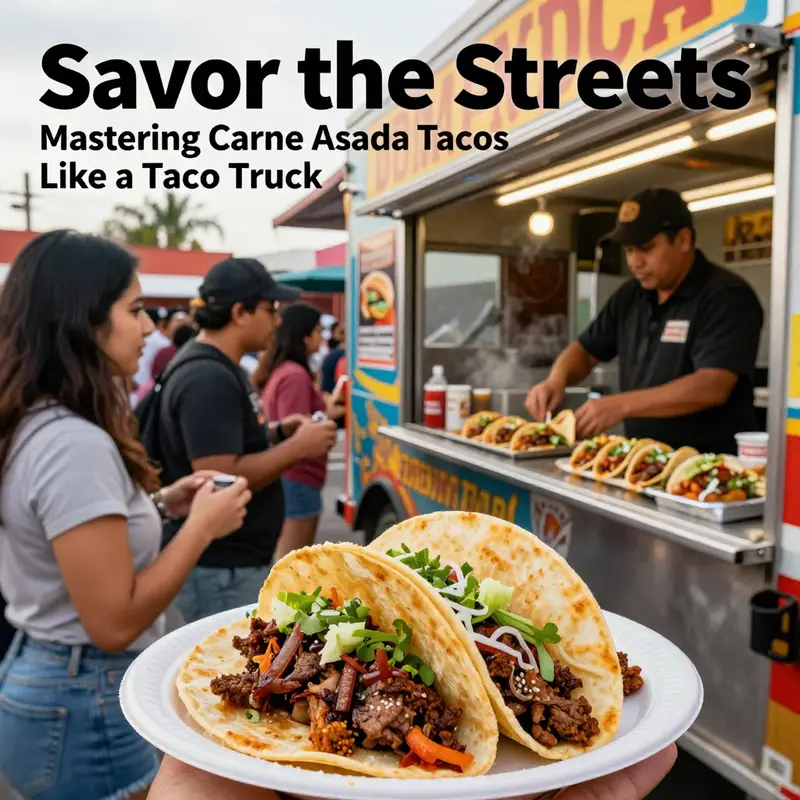
Carne asada tacos are a vibrant celebration of flavor, and nothing compares to the experience of biting into a perfectly crafted taco from a bustling taco truck. These mouthwatering morsels radiate joy, combining savory grilled beef with fresh toppings all wrapped in warm corn tortillas. If you’re a cuisine lover, taco enthusiast, or a budding taco business owner, buckle up! In this guide, we’ll delve into the essential elements that make carne asada tacos truly unforgettable. From creating a zesty marinade that penetrates the meat with deep flavors to mastering the art of grilling and selecting fresh, eye-catching toppings, you’ll gain the knowledge you need to elevate your taco game. Get ready to tantalize your taste buds and impress your friends with authentic carne asada tacos that would make any taco truck proud!
Marinade as the Pulse: Crafting Carne Asada Tacos That Echo the Sizzle of the Taco Truck
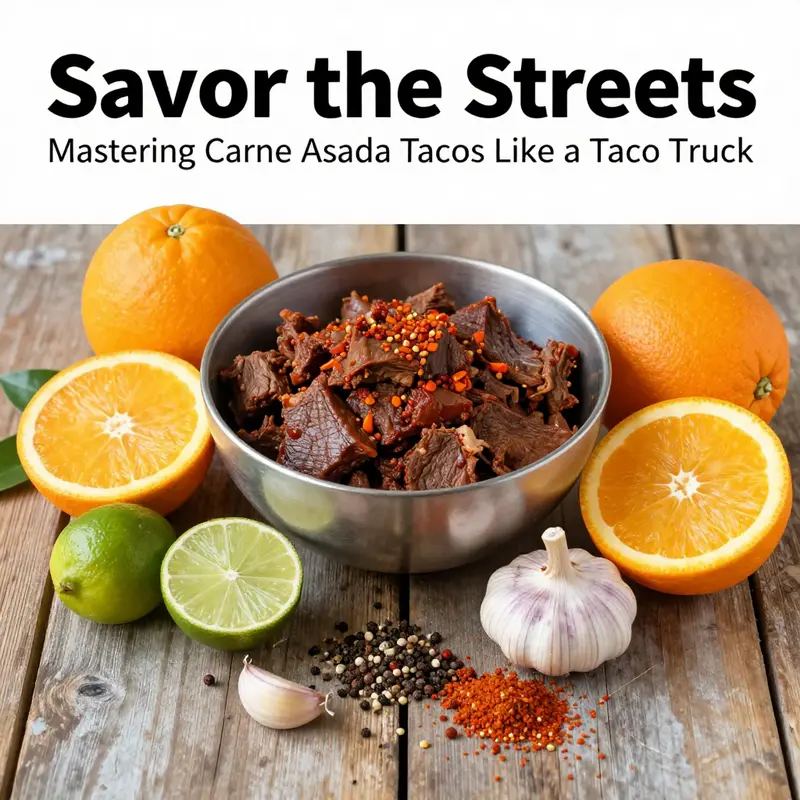
The heartbeat of a true carne asada taco lives in the marinade. When you walk up to a taco truck at dusk, you’re met with a perfume of citrus, garlic, and smoke that seems to carry through the air years of street-leaning technique. The marinade is not merely a flavoring agent; it is the preparatory alchemy that softens muscle, unpacks garlicky depth, and brightens the richness of beef so that the first bite feels alive with brightness and a gentle, lingering heat. A great marinade does more than season; it tunes every grain of meat to the same bold tempo, so the crust, the interior tenderness, and the finish all harmonize the moment the taco is assembled. In the lanes of a street kitchen, this is where a taco truck earns its reputation, not just through flame, but through the patient chemistry that happens before the grill ever blooms with heat.
Begin with the core players: a lean cut such as skirt or flank steak, cut into roughly 1-inch strips so the fibers present less resistance to the heat and marinade alike. The choices here aren’t rigid rites; they are guidelines driven by texture and availability, but the principle remains constant—thin slices soak up flavor quickly and cook evenly on high heat, yielding a juicy bite with a focused beefiness. The marinade itself is a balance of sour, savory, and aromatic notes. Fresh citrus juice provides brightness and acidity to cut through the richness, while olive oil carries all those aromatics into the meat with a smooth, even coating that helps the surface sear rather than burn. Garlic supplies a savory backbone; ground cumin lends warmth; dried oregano—preferably Mexican oregano—adds a smoky, herbal lift that isn’t loud but unmistakable. Salt is not merely a flavor booster here; it acts as the conductor, guiding the penetration of every other element into the meat’s surface and drawing out the natural sweetness that can otherwise stay latent. A touch of black pepper introduces a subtle bite that wakes the palate without overpowering the other notes. If you’re drawn to something more rustic or traditional, an optional small chopped white onion contributes a layer of sweetness and a little extra moisture, offering its own mild bite as the beef rests after cooking. The marriage of citrus, oil, and aromatics in this marinade is the first and most important step in creating carne asada that tastes like a truck’s famous batch rather than a home kitchen approximation.
The citrus profile in particular deserves thoughtful consideration. Classic approaches blend lime and orange to achieve a duality: lime delivers sharp, clean acidity that slices through fat and creates a crisp counterpoint to the beef’s savoriness, while orange introduces a rounder, sweeter brightness that helps the marinade cling to the meat’s surface and lessens the risk of flat acidity. This balance matters because it influences how the beef caramelizes on contact with the hot surface. A good mix encourages a crust that tastes at once crisp, slightly sweet, and deeply savory. If your pantry leans toward a single citrus, don’t overthink it; the crucial factor is that there’s enough acidity to tenderize modestly and enough brightness to keep the final bite from feeling ponderous. Some cooks even add a splash of soy sauce or Worcestershire to the mix for an extra layer of umami. The salt in the marinade ensures that the flavors don’t wash away in the oven of heat you’re about to create; it acts as the conduit that carries aroma and tang toward every corner of each slice.
Technique matters as much as ingredients here. The recommended marinating window is straightforward: a minimum of about two hours in the fridge to begin the flavor penetration. If you can swing it, overnight is ideal. The difference is not a dramatic overhaul of flavor but a deeper, more even saturation that translates to how the meat holds together when it hits the flame and then rests before slicing. The goal is not to soak the beef to the point of becoming mushy but to allow the surface to drink in aroma and acidity so that the first bite carries a well-defined palate of brightness and spice. To marinate, simply whisk or shake your citrus, oil, and spice mixture with minced garlic and, if you’re using them, onion pieces. Toss the sliced beef until every surface gleams with the marinade, then seal and chill. If you’re working with a zipper bag, lay the meat flat so the marinade can reach all surfaces; if you’re using a bowl, turn the meat halfway through the marinating window so none of the slices stay dry or taste-lacking. The marinating vessel matters less than the technique: you want even exposure, a cool environment, and a calm, patient soak that won’t be interrupted by heat or agitation.
What happens during that time is both chemical and practical. The acid from the citrus begins to slightly loosen the muscle fibers, making the meat more pliable. The oil traps aromas and carries them into the surface, so garlic and oregano don’t vanish under heat. Salt draws moisture toward the surface before it’s pushed back into the meat, so you’re not left with a dry finish after searing. The result is meat that looks glossy, smells as if it got a gentle summer breeze of spice, and when sliced, reveals a pink, juicy center rather than a gray, fibrous cross-section. The marinade’s success is audible in the first bite: a quick crunch of crisp caramelization on the edges followed by a tender, almost velvet interior that yields to the teeth without resistance. The citrus tang lingers, but it doesn’t punch you in the face; instead it offers a clean, refreshing lift that makes the beef feel lighter than its own richness.
As you prepare to move from marinade to flame, the practical logistics of a home kitchen versus a taco truck kitchen start to matter. A truck’s efficiency comes from consistent, repeatable results with minimal fuss, a truth you can translate to your own setup. The marinade is designed to be forgiving enough for home cooks while preserving the boldness expected from a street-style preparation. When the meat leaves the fridge, you can wipe or shake off excess marinade so the surface can form a proper crust on contact with the hot grill. A little debris on the surface isn’t a failure; it’s evidence of a robust flavor ferrying system at work. The aim is to strike a balance between surface dryness to achieve a sear and interior juiciness that remains intact even after slicing. The more you respect this balance, the more the tacos will mirror the texture and mouthfeel of a truck-barbequed classic: crust with a juicy interior, a bite that’s punchy but not aggressive, and a finish that lingers with brightness rather than heaviness.
The practical steps of marinating are simple, but the success lies in how you integrate them into a broader workflow. After you marinate, you’ll want to bring the beef close to room temperature for a short period before it hits the grill. This step helps the meat cook more evenly and prevents a chilly center that would require prolonged exposure to heat, which can dry the edges and fade the marinade’s nuance. When you’re ready to grill, you’ll want a surface that can blister rapidly without burning. If you’re using a cast-iron skillet, preheat it to a scorching heat so that a drop of water sizzles away instantly—this is the equivalent of a well-tuned grill at a street stand. The goal is a sear so quick that you’re locking in the juices rather than giving them a chance to evaporate. Remember that the marinade has set the stage for this moment; the beef is not a dull, plain piece of meat but a coated, aromatic element that will respond magnificently to the heat when treated with restraint. This is why the process works best with thin slices and high heat, two conditions that cooperate to yield that characteristic taco-truck crust and tenderness.
The assembly afterward is a small, almost ceremonial act that completes the transformation. Warm the corn tortillas over a flame or a dry skillet until they perfume themselves with faint smoke and their edges begin to blister. The tortilla is not an accessory here; it’s the vessel that carries the party. The meat should be sliced thinly against the grain, which means you’re cutting along the direction of the muscle fibers rather than across them. This method makes each bite feel tender and easy to chew, especially after the intense sear. Quick, fine slices ensure that every mouthful delivers balanced beef flavor with the marinade’s echo behind it. A little rest after slicing helps redistribute the juices, so you don’t spill out all the brightness in the first mouthful. Then comes the classic contrast of fresh toppings: a light shower of diced white onion to provide crispness and sweetness, a handful of chopped cilantro that introduces herbal brightness, and a squeeze of lime to seal the citrus-aggressive profile in a lively, mouth-watering finish. If you like them, a quick smear of salsa verde or a touch of crema adds a gentle creaminess that binds the acid and fat with a cool counterpoint.
To connect this chapter back to a practical, truck-like workflow, imagine how the marinade sets the tone for every step that follows. A truly successful carne asada has an air of efficiency about it, a sense that every moment from marinating to serving has been tuned for speed without compromising flavor. This is where a well-structured kitchen—whether in a home or a mobile unit—benefits from planning. The marinade’s backbone supports a crisp, rapid sear; the toppings are prepared while the beef rests; and the tortillas are warmed just as the meat finishes its rest. The result is a plate that looks as if it traveled from a street corner to your table in a single, perfectly timed sequence. If you’re considering how to scale this from home dinners to a truck menu, the key is consistency: the same fat-to-acid balance, the same marinating duration, the same slicing technique, all culminating in uniform, crave-worthy bites every single time. In this sense, the marinade is not a one-off step; it’s the training wheels that keep the entire show stable when the heat of the grill comes alive and the rush of customers arrives.
This is not merely a recipe; it’s a philosophy of flavor delivery. The marinade is the signal that the beef is about to become something more than itself—something bright, fragrant, and deeply satisfying, with enough bite to stand up to a lively salsa and enough tenderness to disappear into a warm corn tortilla. In the world of carne asada tacos, where texture and aroma can outpace even the boldest toppings, the marinade is the first and most faithful ambassador of the taco truck’s essence. It sets expectations for juicy bites, crusty edges, and a finish that stays with you, long after the last tortilla has been eaten. The following pages will bring this same rigor to the grilling technique and the fresh-topped experience, but the foundation remains the marinade: citrus-forward, oil-slicked, garlic-tinged, and gently seasoned to awaken the eater’s senses with every bite. For anyone aiming to recreate the authentic truck flavor at home, paying careful attention to this step will dramatically lift your results and bring you closer to the real street-seller experience than you might have imagined possible in a home kitchen. And as you plan, consider the practical realities of your setup—equipment, space, and workflow—and think about how choosing the right food truck approach can influence the way you prepare, cook, and serve these tacos consistently to neighbors, friends, and curious guests who crave the street’s fire and brightness. If you’re navigating the move from kitchen practice to mobile service, this is the moment to reflect on how your equipment and layout can support the same disciplined, flavorful outcome you’ve started here. Choosing the right food truck is not just about a vehicle; it’s about cultivating a kitchen philosophy that honors speed, flavor, and reliability, the three ingredients that keep a crowd coming back every night. (Internal resource: Choosing the right food truck)
For a deeper, more analytic exploration of the science and technique behind carne asada tacos, consult the depth offered by established culinary sources. The approach in this chapter aligns with a broader body of work that emphasizes balanced marination, precise grilling, and fresh toppings as pillars of authentic street-style flavor. As a final reference point for curious cooks who want to study this discipline further, an acclaimed guide on the subject details the ideal cut, marinade balance, and grilling method used by top street vendors, illustrating how the same principles translate into home or commercial kitchens alike. In the spirit of continued learning, consider exploring the linked resource for a more technical breakdown of temperatures, cuts, and marinades that mirror the taco truck’s signature dish.
External resource for further study: https://www.seriouseats.com/carne-asada-tacos-recipe
Char, Crust, and Juicy Echoes: Mastering the Grilling Rhythm Behind Carne Asada Tacos Like a Real Taco Truck
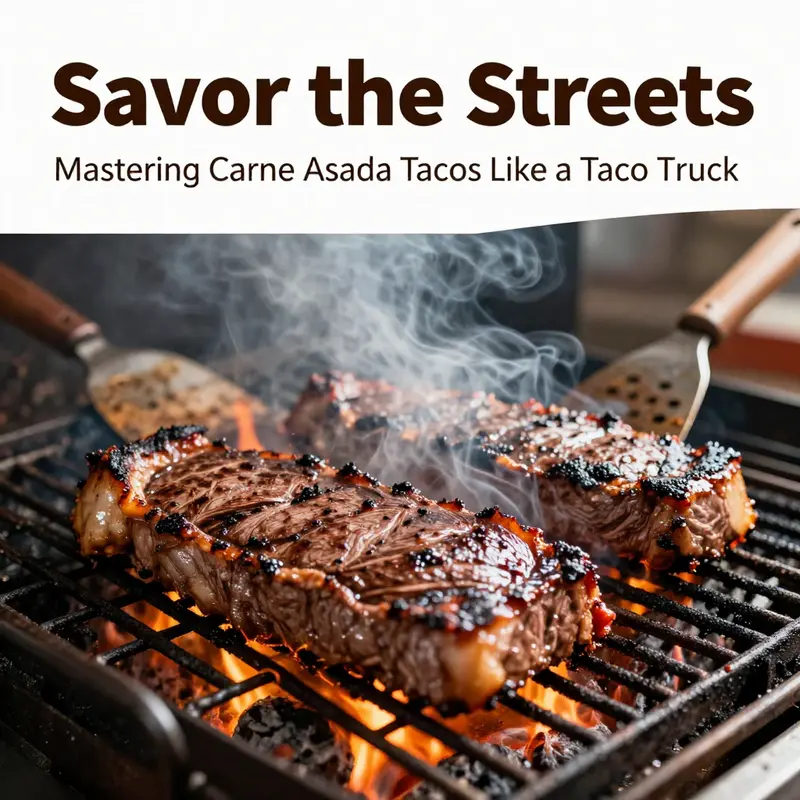
The sizzle of a crowded street, the staccato of flames licking a heavy grate, and the bright scent of citrus and garlic hanging in the air—that is the language of carne asada as it travels from a prep table to a flame-kissed tortilla. In the world of taco trucks, the grilling moment is more than a cooking step; it is the drumbeat that carries the dish from raw meat to a plate that feels like a memory of a sunlit corner on a busy avenue. You can marinate the meat for hours, even overnight, layering brightness and tenderness into every fiber. You can cut the meat with precision and keep the slices thin enough to embrace each bite. But without the right grilling rhythm—the high heat, the short, blistering contact, the quick rest—the meat can lose the juiciness that defines an authentic street-side carne asada. The technique is where the recipe earns its street credibility, where the crust forms a charred map of aroma and where the interior remains a whisper of tenderness coaxed from the muscle itself. This chapter seeks to translate that rhythm—the honest, efficient dance of heat and time—into a method you can trust, whether you’re cooking on a backyard grill, on a cast-iron surface, or on a portable griddle that travels with your culinary ambitions. The aim is not to imitate gloss but to summon the texture, the glow, and the brightness that make carne asada tacos feel like they just came off the truck, even when you’re cooking for a crowd in a kitchen that smells of smoke and lime, not a dedicated street corner. In this exploration, the grill is the protagonist, the crust is the signature, and the clean, juicy interior is the quiet payoff that comes from honor to the heat, restraint with time, and respect for the cut you’ve chosen—the skirt or the flank that speaks the language of carne asada as it is known in the markets and kitchens that inspired this craft. The marinade has already done much of the heavy lifting—its citrusy punch and herbaceous notes have softened and brightened the meat. The rest is a study in patience and aggression, a balance between letting the surface develop its crust while preserving the moisture that makes every bite crave another. When you enter the grill zone, you enter a space where technique and intuition meet, where the flame’s memory lingers on the surface long enough to seal in flavor but not so long that it seals out the tenderness. It is here that the piece of meat, the one you’ve seasoned and sliced with care, finds its final form: a warm, lightly charred plane of beef that yields a satisfying snap and a juicy center, a texture that remains responsive to bite rather than collapsing under pressure. The rest remains essential, a quiet interlude after heat has done its job. Resting for a few minutes allows the juices to redistribute, the fibers to relax, and the surface to settle into a crust that holds together when sliced thin against the grain. This quiet moment makes the difference between a mouthful that feels rushed and a bite that invites another. In the grand arc of carne asada tacos, the grill is the hinge, and the hinge must be smooth, precise, and well lubricated with evenly applied heat. It is here that the classic practice of cooking the meat in batches matters as much as the sear itself. Overcrowding a grill lowers the surface temperature, which disrupts the Maillard reaction and robs you of both crust and depth of flavor. When the plan calls for a large amount of meat, the honest approach is to work in smaller portions, ensuring that each piece meets the high heat with space to develop the deep color and aroma that define that characteristic taco-truck crust. There is a quiet poetry in this pace. The crust darkens; the oil released from the meat forms a shimmering pool on the grate or skillet; and the smell—garlic, citrus, smoke, and meat—becomes a magnet for the senses. The technique encourages you to read the meat as it cooks: when the first edge begins to color and the fat begins to render, you know you are near the moment when 2–3 minutes per side will deliver the balance you seek. The thermometer is a guide, not a guardrail. While the internal target of medium-rare to medium—around 130–135°F, depending on thickness and personal preference—can be a useful reference, the true signal comes from the surface: a deeply caramelized crust that yields to a gentle press and a tender chew once sliced. The approach to heat must be steady and unwavering. A grill that runs too low invites stubborn, chewy textures; one that runs too high risks scorching the surface before the interior finds its desired tenderness. This is the fine line in authentic carne asada grilling: the moment when crust and juice meet in a single, confident bite. If you are fortunate enough to work with charcoal, you’ve already unlocked a level of complexity that mass-produced equipment can’t replicate. The smoke and the uneven, bright heat impart a depth that a gas flame sometimes lacks. If your only option is a heavy skillet or a cast-iron comal, you can still achieve a convincing scene of char and sizzle—the sear that speaks to the same instincts that truck-side cooks trust. The trick is to preheat the surface until it is whispering hot, then work quickly, letting the meat kiss the surface and disappear beneath the crust in two short moments per side. After the sear, the resting stage becomes a small theater in which the characters—juiciness, crust, and the citrus-accented marinade—are allowed to reconcile. Resting is not a sign of weakness; it is a strategic pause that ensures the juices settle and the meat remains pliable when you slice. Slicing against the grain multiplies tenderness in every bite, revealing fibers that line up in a way that makes each cut feel almost effortless to bite through. Thin slices, not thick, in turn maximize surface area for the final impression of char and juiciness, allowing the tortilla and toppings to mingle with the beef as you bring the bite to the mouth. This is the core of the experience: the alignment of texture, crust, and brightness. The toppings—white onion, cilantro, a squeeze of lime, a dab of salsa verde or a dollop of crema—are not an afterthought but a frame that completes the architectural balance of the taco. The crisp onion and herbaceous cilantro provide freshness that cuts through the richness of the seared beef. The lime adds brightness, a reminder of the citrus freight that travels through the marinade and into the finished bite. The tortilla plays a crucial supporting role. A warm corn tortilla carries the whole moment; it carries the aroma, the heat, and the tenderness of the meat without fighting it. The best tortillas are lightly toasted near the flame, just until a few freckles of brown appear and the edge begins to blister. They must be warm and pliable, not stiff or soggy. The rhythm of assembling is part of the performance. A quick click of the tortilla to keep it warm, a few slices of carne laid in a neat, thin layer, a scattering of onion and cilantro, and a final squeeze of lime. It is a simple act, yet in the right hands, it becomes a ritual that evokes the busy streets where the truck once parked and served its bright, confident fare. In this chapter’s broader conversation, we acknowledge that the grill does more than cook. It shapes perception—the way the crust catches the light, the way aroma travels from grill to plate, and the way the first bite carries the memory of a street corner that felt like a festival of flavor. The careful reader will notice that the method invites a balance: marinade sustains the flavor, heat carves the crust, rest preserves moisture, and slicing against the grain honors texture. Each moment has a purpose, and each purpose contributes to that unmistakable taco-truck effect: a dish that feels spontaneous and lively yet has been crafted with patience and discipline. It is this balance that makes carne asada tacos more than a recipe. It makes them an experience. For cooks who want a reliable route to that experience, the essential strategy remains straightforward. Use the right cut, season well, and allow the meat to meet the heat in a way that creates a blistered, flavorful crust. Resist the urge to turn the meat too soon; let the surface develop untouched for those crucial minutes, then flip and sear the other side with equal care. If you’re cooking in a home kitchen, seek the closest approximation of that moment by using a surface that can reach intense temperature quickly and maintain it. A heavy cast-iron skillet, a sturdy grill pan, or a small, high-heat grill can deliver the crust you need without the full infrastructure of a commercial setup. The goal is not to recreate a truck’s exact environment but to reproduce the essential physics and practical sensibilities: high heat, short contact, thin slices, and a thriving sense of freshness from the toppings. The finished carne asada should sing with a combination of char and brightness. It should arrive on the plate still glistening with juices, the slices inviting you to bite, and the toppings performing like a chorus—citrus, herb, and onion weaving through the beef with a clarity that makes the tortilla feel like a stage rather than a mere vessel. As you prepare to plate, consider the broader implications of technique in the context of a menu or a planned dinner service. The same principles scale up or down. If you’re serving a crowd, the batch-cooking discipline remains critical: work in manageable portions, keep the heat consistent, and maintain a rhythm that ensures every plate is as vibrant as the last. The sense of efficiency that taco-truck cooks cultivate emerges from a combination of space, timing, and a respect for the grainy, satisfying chew that defines carne asada. This respect translates to a kitchen where you can move with confidence, where your mise en place is not merely organized but anticipatory—the way the marinade’s brightness anticipates the heat, the way the crust’s color signals doneness, and the way the resting moment promises every bite will feel effortless. The language of this chapter is not merely technique but intention: intention to honor the cut, intention to preserve the truth of the beef, and intention to deliver a tortilla-wrapped moment that feels like an invitation to savor. In practical terms, the process rests on a few non-negotiables. First, avoid overcrowding the cooking surface; second, sear quickly and evenly, letting the crust form before you reveal the interior; third, rest and slice against the grain to preserve tenderness; and fourth, assemble promptly with fresh toppings that brighten rather than obscure the beef’s character. Beyond technique, the sensory memory is what you’re aiming for—the smell of char, the sight of a perfectly caramelized edge, the feel of slices that yield rather than resist, and the final bite that blends crisp onion, bright lime, and green herb with the beef’s own luxuriant juices. As with any craft that travels from street to plate, there is a philosophy at work: authenticity does not demand being loud or flashy. It asks only for fidelity to the core elements that give carne asada its essence. If you look closely, the true magic is not in a single trick but in a set of well-practiced habits that align heat, timing, and texture into a seamless sequence. The result—crisp, deeply flavored beef tucked into a warm corn tortilla with a kiss of cilantro, onion, and lime—feels effortless even as it is the product of controlled, deliberate action. For readers who want to connect this culinary practice with the broader world of street-food operation, consider how equipment choice figures into the improvisational skill that defines a taco truck. The same devotion to heat and timing translates into the strategic decisions you make when choosing a cooking setup, a topic explored in depth in Choosing the Right Food Truck. This reference is a reminder that the equipment you use shapes the cooking rhythm, the speed of service, and the consistency of results, just as a good truck setup shapes every plate that leaves the window. The technique here is a bridge: from the intimate, controlled kitchen moment to the dynamic, high-energy persona of the street cart. It is meant to empower you to reproduce the hallmark: a crust that sparkles with flavor, a center that remains juicy, and a brightness that keeps the entire bite from tipping into heaviness. With this understanding, you can apply the same discipline whether you’re cooking in a home oven, on a backyard grill, or on a portable cooking surface designed to echo the street-side sizzle. This approach ensures that your carne asada tacos not only resemble their taco-truck counterparts but also stand as a testament to craft—the patience to coax flavor from heat, the restraint to respect texture, and the generosity to present a dish that invites repetition. To close the chain of thought that connects technique to taste, let the final image be the plate you set on the table: warm corn tortillas, slices of beef with a glossy sear, and a handful of bright toppings that illuminate every mouthful. The experience should feel spontaneous, even though the steps have been refined into a reliable method. It should carry the memory of the street and translate it into a dinner table, a family meal, or a weekend gathering where the food feels celebratory and connected to a larger tradition. In that sense, the grill is not just a tool; it is a storytelling device, a conduit through which the flavors of distant markets and bustling sidewalks travel to your table in a few precise, powerful bites. For deeper context and a broader discussion of the science and technique behind these methods, you can look to external resources that analyze how top taco vendors manage heat, resting, and slicing to produce consistently excellent carne asada tacos. External resource: https://www.seriouseats.com/carne-asada-tacos-recipe
Topping the Carne Asada: A Street-Style Taco Assembly Guide
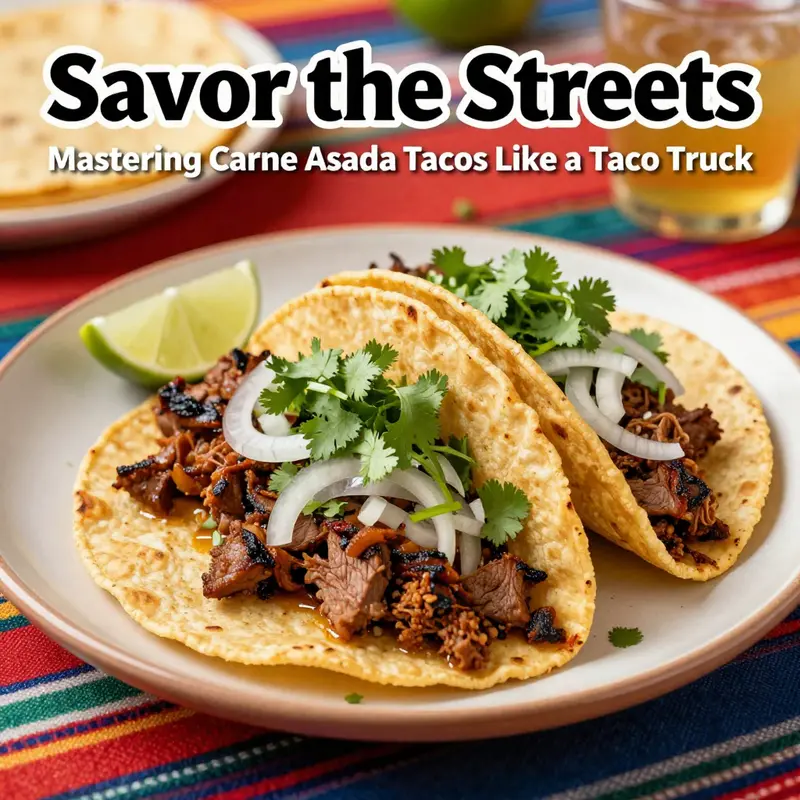
The moment of assembly on a carne asada taco is where a dish becomes memory. The tortilla, meat, and toppings come together with rhythm and restraint. A street-side plate relies on freshness, texture, and balance, not complexity. The plan is simple: warm corn tortillas; slice the carne asada thin across the grain; arrange toppings to brighten the beef rather than overwhelm it. Crisp onions, bright cilantro, and a squeeze of lime lay a foundation that can support a bold, citrus-kissed beef without hiding its charred crust.
Tortillas are the canvas. Use real corn tortillas, warmed quickly over the flame until they blister and become pliable. The goal is tenderness and aroma, not dryness. Layer the carne asada on the tortilla, then let gravity and a light touch of toppings do the work. Slicing against the grain reduces chew and helps the beef melt on the tongue with each bite.
Toppings should feel fresh and whole. White onion, finely diced or shaved, adds a crisp bite that clears richness. Cilantro offers a green lift that brightens the dish and invites more aroma with each bite. Lime juice acts as a bright, tart bridge that ties onion and cilantro to the beef while cutting through any lingering fat. Radish slices add peppery crunch and color, echoing the lime and tortilla’s brightness.
Optional textures and creams are where you can customize without losing the core character. A whisper of crema or a thin slice of avocado adds creaminess that contrasts the beef’s sear without masking it. If you choose lettuce, keep it light and crisp so it contributes texture rather than soggy weight. Heat should be kept in check; a small spoon of roasted pepper salsa or a few dots of salsa verde can lift the profile while letting the carne asada remain the star.
The goal is a plate that feels immediate and honest, like it came off a street window with a flame still in the air. Each bite should reveal at least three notes: the smoke-kissed beef, the lime’s brightness, and the sharpness of onion and cilantro, with a fourth note of heat or cream completing the harmony. When the toppings are well chosen and sparingly applied, they enhance the carne asada’s depth without stealing its thunder.
Final thoughts
Unlocking the secrets to making carne asada tacos like a taco truck is not just about replicating flavors; it’s about embracing a culinary experience that brings people together. From the marinade that tenderizes the meat and infuses zest to grilling techniques that ensure each piece is perfectly charred and juicy, and the vibrant toppings that add freshness and texture, every step is essential to achieving taco perfection. So gather your ingredients, fire up the grill, and prepare to serve up tortillas that transport you straight to the streets of your favorite taco truck. Your friends, family, and customers will savor every delicious bite, and you’ll have mastered one of the most beloved offerings in Mexican cuisine!