
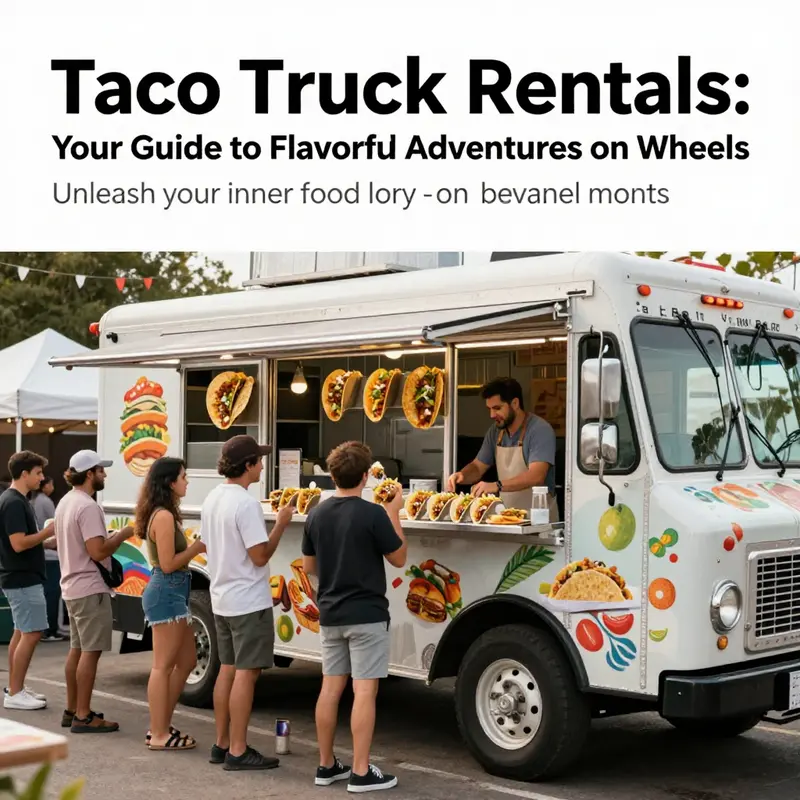
For taco lovers and culinary enthusiasts, few experiences rival the thrill of savoring gourmet tacos from a vibrant taco truck. Whether you’re gearing up for a special event or looking to spice up a street fair, knowing how much to rent a taco truck for a day is essential. This guide dives into the key factors influencing rental prices, explores how location affects costs, compares taco truck rentals with other food trucks, details included services, and shares tips for snagging the best deals. By the end, you’ll have everything needed to turn your taco dreams into reality!
The Day-Rate Reality: Unpacking What Drives the Cost of Renting a Taco Truck
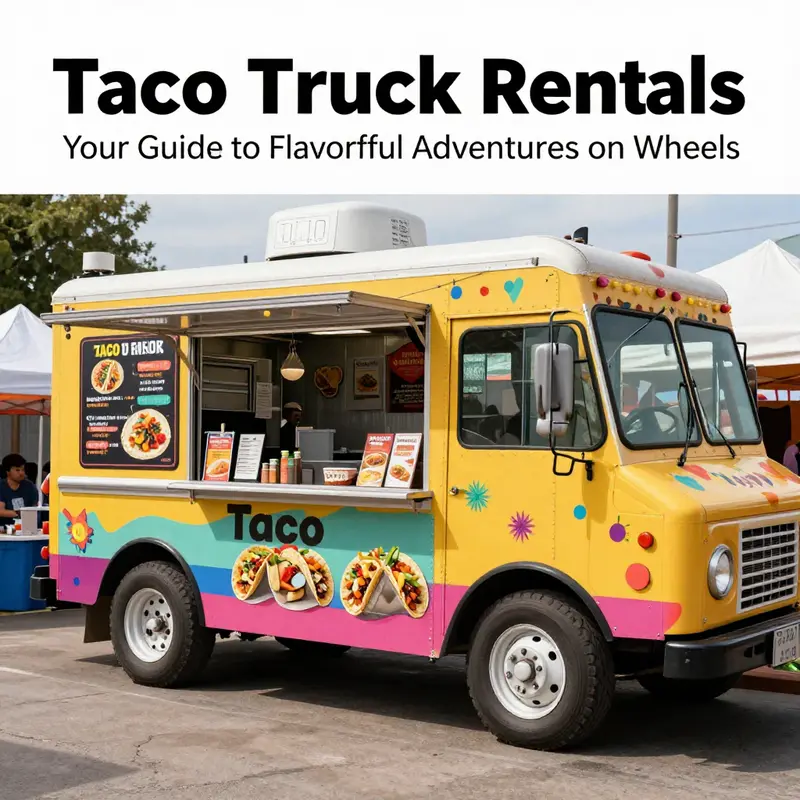
Renting a taco truck for a day is more than a single price tag. It is a bundle of decisions that collate into a final figure, shaped by where you host the event, the truck’s condition and gear, how long you need it, and what kind of service you expect. When planners first map a one day rental, the baseline tends to hover between a few crucial thresholds. A basic, used taco truck with modest kitchen gear will usually sit in the low end of the market, roughly two hundred to four hundred dollars per day. A newer, fully equipped model with professional grills, proper refrigeration, and clear branding can push the daily rate toward six hundred to eight hundred dollars or higher. These ranges aren’t universal price lists; they are guideposts that reflect a market where commercial vehicle rentals follow similar dynamics to other service heavy assets. The more complex the kitchen and the more robust the setup, the more you should expect to pay.
Location is a second decisive hinge. In major convenience-rich metros—places where events are dense and logistics are demanding—the daily rate tends to tilt upward. The cost of operating within such ecosystems includes higher insurance requirements, greater maintenance standards, and the premium people are willing to pay for convenience and proximity. In smaller towns or rural settings, the same truck can come with leaner overheads and correspondingly lower daily fees. If your event schedule compresses travel time for the vendor, that can lower stress and utility costs and sometimes reduce the overall price tag. Some operators also offer discounts for longer commitments, such as a week or a month of rental, which can dramatically shift the daily average when you’re planning multiple events or a single, multi-day operation.
Operational inclusions matter almost as much as the vehicle itself. A daily rate that includes insurance, cleaning, and basic fuel can look more economical on paper than a lower sticker price that omits essential safety and upkeep. Conversely, a bare bones rental that leaves these responsibilities to you can end up costing more when you add them up in real terms. If you’re coordinating a high-stakes event, you may prefer a full-service package that covers the truck, the cooking equipment, and trained staff who can manage food preparation, service, and cleanup. This kind of all-in approach reduces the risk of last minute delays and power hiccups and often yields a smoother guest experience, even if the upfront price is higher.
From the guest perspective, the price you see on the rental quote is only part of the equation. For events with a defined headcount, operators will frequently present a per-person component that translates the base rate into meals. The available data suggests typical per-person costs can range from about twelve to twenty-five dollars, depending on menu complexity, portion sizes, and whether beverages or dessert are included. A more elaborate menu with premium ingredients and larger portions inevitably drives the per-person price upward. The broader message is simple: a higher base rental price often correlates with more generous guest servings, higher-end ingredients, or a more extensive service footprint. This per-person framing helps event planners align food strategy with budget targets, especially when the goal is to serve a crowd with predictable quality and consistent timing.
For anyone weighing options, a practical approach is to think through the entire service package rather than the sticker price alone. Menu complexity and portion size are not marginal details; they drive both the kitchen’s workload and the serving pace. A truck that can churn out a steady stream of tacos with premium tortillas, house-made fillings, and precise portion control will require more skilled staff and more frequent restocking of ingredients. That, in turn, raises the day rate and the per-person cost. If you want to maximize value without sacrificing quality, you may consider dialing back the menu to simpler yet popular items or offering a two-tier option: a standard menu and a premium upgrade for peak service hours. In this sense, the day rate acts as a ceiling for the event’s culinary ambition.
Location and event type also steer the pricing needle. Urban settings carry premium logistics, including tighter parking footprints, more complex permit requirements, and higher expectations from clients accustomed to polished service. A corporate gala in a downtown venue is likely to require meticulous timing, extended service hours, and robust back-of-house support, all of which elevate the day rate. Music festivals, trade shows, and invitation-only receptions share this premium character because they demand reliable throughput and scalable staffing. In contrast, intimate gatherings or community events in smaller venues can be priced with a more forgiving margin, where the vendor can focus on steady performance rather than covering extensive travel or last-minute contingency costs. The net effect is that a one-day rental is not a single price but a tiered cap that reflects the event’s scale, logistics, and guest expectations.
The crew and the equipment are the next major drivers. A full-service rental that includes the vehicle, cooking gear such as grills and prep stations, refrigeration, sanitation supplies, and a trained crew to operate the truck can substantially alter the rate. If the client requires a dedicated chef, additional line cooks, or a longer shift schedule to cover a full service window, those staffing costs stack on top of the base rate. In some offerings, you’ll also see included services like on-site setup and teardown, menu planning consultation, and post-event cleanup. Each of these elements reduces your administrative burden but increases the price. When you examine a quote, ripples of this structure appear: the more hands and hands-on equipment a vendor commits, the higher the daily price. If your event’s timing is flexible, you may negotiate favorable terms by bundling staffing hours or by selecting a vendor who can deploy a lean but efficient team.
Seasonality adds a seasonal tremor to the cost landscape. Peak seasons—summer weekends, holiday periods, or regional food truck festivals—amplify demand and compress vendor availability. The result is higher quotes and tighter scheduling windows. Off-peak times, by contrast, often carry flexibility, allowing for cautious pricing or last-minute deals as vendors aim to pack calendars with back-to-back events. The effect of seasonality is not merely about the weather; it is the rhythm of supply and demand in a market that prizes reliability as much as flavor. If you’re planning well ahead, you can secure a favorable rate by aligning the event with a quieter period or by booking early enough to lock in a mid-range price before the calendar fills with premium slots.
Payment methods and tipping norms are more than footnotes in the pricing matrix. The adoption of credit cards by a large share of food trucks has improved the ease of paying, but it can also introduce small processing fees that some operators pass along. Tipping culture, when present, sits on the edge of the service value line. Some operators include a built-in service charge, while others rely on voluntary tipping with suggested percentages. These norms shape guests’ perception of value and can subtly influence how a host frames the overall cost to attendees. The best practice is to ask upfront what is included in the quoted price and whether there are any mandatory service charges or gratuities. Clear communication eliminates surprises and helps teams plan more accurate budgets.
As you navigate these layers, you will likely encounter two basic pricing philosophies. Some vendors present a flat daily rate that covers everything from the truck to basic staffing and clean-up, with optional add-ons priced separately. Others adopt a tiered structure that adjusts the rate by hours of operation, meal service intervals, or peak-day premiums. Either approach can work well; the key is to align the pricing model with the event’s needs. If the goal is a simple tasting lineup for a casual outdoor gathering, a flat rate with minimal staffing might be ideal. If you’re hosting a formal reception that relies on precise service windows and a bustling production line, a tiered, all-inclusive package may deliver better reliability and a more predictable guest experience.
To keep the decision-making process grounded, consider how a potential partner frames value. For instance, that one-page quote might hide the true breadth of what you’re purchasing. When you’re evaluating options, look for explicit details about what is included: the truck’s age, the kitchen equipment, the number of staff, hours of service, insurance coverage, and the scope of post-event cleaning. You can also compare how vendors handle travel time, setup, and teardown, as these can be sizable components in a day-long engagement. In this light, the price becomes a reflection of operational discipline as much as market demand. If you’re weighing options, you may start by exploring a resource that helps you choose the right fit, such as Choosing the right food truck. Choosing the right food truck.
For broader context on how these dynamics play out across the industry, it is helpful to consult sector-wide insights that discuss how commercial food service units price their offerings. In practice, most operators balance the desire to provide value with the need to cover expenses, maintain equipment, and ensure staff welfare. As events vary, the rental price is less a universal number and more a reflection of the service complexity. The better prepared you are with a clear sense of what you want to achieve for guests, the more accurately you can forecast a day’s total cost and avoid sticker shock as the logistics take shape. When you sit with a vendor and walk through the menu, the timeline, and the staffing plan, you should come away with a transparent understanding of how the price is built up and where you can adjust without compromising the experience.
External resource: https://www.foodtruckassociation.org
Flavor on Wheels: How Location and Context Shape a Taco Truck Day Rental
Renting a taco truck for a day is less a single price than a tightly woven equation. The same vehicle that might sit in a driveway for a private tasting can, on a festival day in a big city, become a revenue engine for eight to ten hours. The daily rate you see advertised in brochures or on rental platforms is rarely the whole story. Location matters, obviously—cities with bustling street-food cultures often command higher rates due to demand, permits, insurance, and the cost of doing business. But the story isn’t only about geography. The truck’s own anatomy—the make, model, and how its kitchen is outfitted—significantly shapes the cost. A basic, used taco truck with limited equipment will sit in the lower end of the spectrum, while a newer, turnkey unit with commercial-grade grills, robust refrigeration, integrated plumbing, and branded presentation can push the daily price well into the upper range. In practical terms, expect that a normal day rental for a taco truck designed for mobile food vending tends to run from a few hundred dollars to well over a thousand, depending on the mix of factors at play.
To begin, consider what you actually need from the truck. A straightforward, no-frills setup that includes a compliant cooking surface, proper ventilation, and basic refrigeration will cost less than a fully equipped unit ready to operate a busy kitchen on site. The condition of the vehicle itself also matters. A well-maintained, newer model with reliable appliances reduces the risk of equipment failures mid-event and can justify a higher daily fee because it minimizes interruptions to service. In contrast, a used vehicle with older components may come cheaper but carry higher maintenance risk, potential downtime, and additional service expectations from the renter. The difference between those two experiences often maps onto a visible delta in the quoted daily price.
Beyond the truck itself, the environment in which you plan to use the unit adds depth to the cost picture. Major metropolitan hubs such as New York, Los Angeles, or Miami feature not only higher demand but also more stringent health, safety, and permitting requirements. Licenses, health department clearances, and fire-safety inspections can factor into a daily rental quote in a way that would not appear in a rural market. The rental company may also factor in the operational expenses their clients must meet while using the truck—fuel for the vehicle, generator runs for power, and a ready supply of cleaned utensils, disposables, and propane or fuel if the unit is gas-powered. Each of these elements has the potential to push the overall day rate higher, particularly during peak seasons when events are plentiful and show organizers are willing to invest in turnkey experiences that minimize the host’s on-site coordination.
Seasonality is a palpable driver of cost as well. In many markets, the summer festival circuit expands the demand for mobile food units, and operators respond by adjusting prices to balance supply and the premium guests are willing to pay for convenience, ambiance, and speed. Conversely, off-peak periods can bring softer price points as vendors compete for attention among a smaller pool of events. The variability by season means the same truck may cost hundreds more on a July weekend in a major city than during a milder October weekday in a smaller town. It’s not unusual for rental quotes to reflect these rhythms, with some operators offering softer terms for longer engagements—weekly or monthly arrangements that deliver predictable revenue for the owner and cost savings for the renter, compared with day-by-day pricing.
There is also a practical line item you should anticipate: what exactly is included in the day rate. Some rentals are all-inclusive, bundling insurance, basic cleaning, and perhaps even on-site staff for peak periods. Others are strictly the vehicle and the kitchen gear, leaving the renter to arrange or finance insurance, cleaning, or staffing separately. The absence or presence of these inclusions can swing the final price in a meaningful way. If you’re planning a single-day pop-up at a farmers’ market or a street festival, you’ll want to know whether the rate includes temporary liability coverage for the duration of the event, or if you must secure your own policy. If a crew is provided, verify whether wages, transportation, and meals are part of the package, or if those are extra costs you must shoulder. In practice, the more you can bundle into a single daily rate, the easier it is to forecast expenses and protect your bottom line.
What does this imply for budgeting? The baseline picture presented in industry chatter suggests a taco truck day rental can fall in the broad corridor of a few hundred dollars up to a thousand dollars or more, heavily contingent on location, truck type, and the scope of services included. A basic, used taco truck with limited kitchen gear might be priced around the lower end, while a premium, turnkey model with premium appliances, cohesive branding, and strong on-site support tends to sit toward the higher end. In markets with intense activity and high operating costs, the day rate can tilt toward the upper range for even a standard setup. A rental that includes extra features such as branding, a dedicated power source, or a staffed service crew can easily push the price beyond a thousand dollars for a single day in a busy locale.
To ground these ideas in practical steps, start by identifying your event objectives and the scale of service you intend to offer. Are you planning a short pop-up at a neighborhood market, or a larger, ticketed festival with multiple stations? The answers will guide your truck selection. If your goal is to test a concept with minimal overhead, you might opt for a basic, vendor-friendly unit that can deliver standard tacos with reliable equipment. If your aim is a high-energy, full-service experience that mirrors a brick-and-mortar kitchen, expect to invest in a more sophisticated rig and a higher daily price. In either scenario, the pricing framework will be influenced by three core axes: location, equipment level, and inclusions or services.
For renters who want to move quickly from concept to execution, the process typically involves obtaining quotes from local operators who specialize in mobile food units. These quotes will reflect the same factors already discussed, but they also carry the practical flavor of real-world constraints: the availability of a particular truck on a given date, the proximity of the event to the operator’s base of operations, and the renter’s ability to secure health and liability compliance in that jurisdiction. It’s common to see a wide range even within a single city, because each truck comes with its own equipment footprint, its own service history, and its own relationship with the permitting environment. When you’re negotiating, ask for a clear breakdown that shows the daily rate, any mandatory add-ons, and the per-event costs for fuel, power, or staffing if they are not included. A transparent line-by-line quote helps prevent surprise charges that can derail a planning timeline and strain a budget that was built around a single daily figure.
In pondering a real-world example, consider the broader context of what the data tell us about rental markets in general. Comparable commercial rentals—such as small cargo vans or mobile service units—often illustrate a similar spectrum. In places with robust demand, the price tends toward the higher end; in quieter markets, you may find more economical options. This pattern holds true for taco trucks as well, with the caveat that the specialized equipment involved in food preparation makes the baseline higher than a plain transport vehicle. It’s also worth noting that some markets show a distinct preference for turnkey or semi-turnkey rentals, which can materially affect the average daily price. A high-quality, turnkey taco truck rental can be a strategic investment when your event hinges on speed, reliability, and brand presentation, even if the upfront cost is greater.
To make sense of all this, approach pricing as a multi-factor problem rather than a single figure. Start with your event goals, then map out the required equipment and service level. Check several local operators to understand the range of quotes for similar setups, and push for a detailed, inclusive rate when possible. Budget for ancillary costs like fuel, permits, insurance, and potential staffing, and ask about seasonal discounts or longer-term rental options that can yield better terms. If you’re ambitious about building a recognizable, portable food brand, the incremental cost of a top-tier, fully equipped unit could be a smart investment, because it can translate into a faster setup, more consistent service, and a stronger impression with customers.
For a broader frame of reference about how location can influence daily rental pricing in related sectors, see this external resource on city-level vehicle rental dynamics: https://www.avis.com/rental-cars/new-york. And for readers who want a deeper dive into how to choose the right equipment and partner for a mobile food venture, consider exploring related perspectives on selecting a truck that best fits your goals, such as the guidance found in the article that discusses choosing the right food truck. Choosing the right food truck.
The Day-Rate Reality: What It Costs to Rent a Taco Truck and How to Find Value
Renting a taco truck for a single day sits at the intersection of logistics, appetite, and brand presence. For event planners, caterers, and aspiring food entrepreneurs, the daily rate is a gatekeeper of feasibility. Prices vary not just by the truck’s size, but by the kitchen they carry, the condition of the equipment, and the place where the event will unfold. In markets where the rent of commercial vehicles is part of a high‑cost ecosystem, the day rate can stretch toward the upper end of any budget. Yet in smaller towns, with less demand and a simpler setup, the same truck can be more affordable, offering a way to test a concept without committing to a permanent storefront.
From a practical standpoint, the typical range for a taco truck rental falls roughly between two hundred and eight hundred dollars per day. That spread reflects a spectrum of realities: a basic, older unit with minimal kitchen gear versus a newer, fully equipped vehicle with professional grills, refrigeration, fast sourcing for ingredients, and branding elements meant to draw attention. The line between bargain and premium is not only about the engine’s hum or the stove’s glare; it also encompasses the ancillary services that might travel with the package, such as insurance, maintenance, or even a crew for service during the event.
Location is a potent multiplier. In large metropolitan hubs—where street space is scarce, permitting, insurance, and liability costs are higher—the daily price tends to tilt toward the top end of the range. In contrast, rural or smaller city markets, where overheads are lower and demand is steadier but less volatile, tend to nudge the rate downward. The price you pay for a weekday pop-up in a mid-sized city may be different from a Saturday during peak tourist season, when opportunities to attract crowds become scarce and competition intensifies. The calendar itself matters; many operators use tiered pricing that rewards longer rental blocks with lower daily rates, a small but real incentive if you’re planning back-to-back events.
What’s included in the price matters almost as much as the price itself. Some rental arrangements bundle insurance, basic cleaning, and on-site support into the per-day fee. Others offer only the truck, with all extras coming as add-ons. It’s essential to scrutinize the contract for what’s included and what isn’t: who supplies the propane or electricity, who handles water disposal and waste, who runs the generator, and whether the vehicle comes with a permit-ready kitchen that can handle your menu. These choices affect not just the headline price but the actual cost per plate or per guest as you scale the operation for a one-day affair. Because every event is a micro-operation—timing, traffic patterns, parking logistics, and even weather—the financial layout has to reflect both predictable expenses and the small, sometimes unexpected, costs that appear when a schedule tightens.
Hidden and variable costs are a constant companion in any rental scenario. The insurance package, often a prerequisite for commercial operations, can add a meaningful line item if you don’t already carry coverage through your business. Cleaning fees, often charged after a busy service, can surprise if you’re not prepared. If you require staff to operate the truck during the event or to manage back-of-house logistics, that staffing cost can escalate quickly. Then there are the overheads that aren’t visible at first glance: fuel consumption, generator fuel for off-grid setups, water replenishment, and waste handling. If the truck will need to be delivered and picked up from a location far from your event site, delivery charges will appear as well. Some operators offer turnkey packages that include setup, branding assistance, and even on-site management; others hand you the keys and a checklist, leaving you to stitch together your own plan for execution. In a sense, the rental price becomes a lens for how you value control, reliability, and brand presentation on the day.
To translate the price into a practical decision, it helps to think in tiers. A basic, used taco truck with minimal kitchen gear might sit in the two hundred to four hundred-dollar range, a workable option for a modest outdoor gathering or a community fair where food is a side note rather than the main event. A middle tier—clean, dependable, and reasonably modern—often lands around four hundred to six hundred dollars per day, with the potential for discount if you extend the rental across several days or coordinate multiple events. The high end commonly includes a newer model, a complete, professional-grade kitchen, strong branding assets, and perhaps an on-site crew to handle cooking and service during peak times; those packages can push the price to six hundred to eight hundred dollars per day or beyond, especially in hot markets or for trucks with bespoke configurations.
Pricing also interacts with your event’s scale and your menu. If you plan a multi-hour service with a focus on speed and volume, you’ll want equipment that supports rapid production and easy cleaning between rounds. If your concept demands a more elaborate menu, you might require specialized grills or refrigeration, which can add to the daily rate through both depreciation and the cost of higher-grade equipment. You’ll also want to consider power needs and water supply. An off-grid setup may require a generator or water tanks, both of which can incur added rental or fuel usage costs. Permits and compliance are enduring considerations. A one-day rental might require a temporary vending permit or health department coordination, and the logistics of securing those approvals can carry a separate fee or time commitment. The day’s price, therefore, is not a single number; it’s the sum of a chain of decisions that cross menu design, kitchen readiness, site readiness, and risk management.
When it comes to getting real-world pricing, the most reliable path is direct outreach. Agencies and vendors that specialize in mobile food units can tailor a quote to your event specifics. The best practice is to request a written, itemized proposal that breaks out line items such as base rental, equipment add-ons, insurance, provisioning (fuel, water, and propane), cleaning fees, delivery, setup, and any staffing. Clarify whether the quoted rate is inclusive of taxes, and ask about cancellation terms and contingencies should the weather, logistics, or venue restrictions complicate the plan. If you’re evaluating more than one truck, use a simple comparison framework: list each quote’s base rate, the inclusions and exclusions, and any potential discounts for longer commitments or multi-event packages. The process itself can illuminate not just cost, but the value you get for the money—the reliability of the equipment, the professionalism of the crew, and the ability to maintain brand consistency throughout the event.
As you refine your approach to budgeting, keep in mind that the journey to a successful one-day taco event is as much about fit as it is about price. A well-priced unit that doesn’t align with your menu, service style, or site logistics can backfire, producing delays, frustrated guests, and a broken workflow. The opposite is true as well: a higher price may be justified if the truck’s configuration, service model, and support align cleanly with your goals. The cost is a signal about what you can expect on event day—how smoothly the line moves, how consistently the food quality holds across service windows, and how effectively you can achieve the guest experience you’re imagining. For readers seeking a concise overview of how to align vehicle choice with menu and space constraints, choosing the right fit is a critical step, and you can explore a practical guide to that decision at Choosing the right food truck.
Candidly, the pricing conversation also reflects broader trends in the mobile-food ecosystem. The taco truck was long recognized as a cultural touchstone brought to California by Mexican immigrant communities, a story that speaks to entrepreneurship and adaptability more than it speaks to dollar figures. The historical note helps explain why the format remains flexible rather than standardized. Today’s renters expect a balance of affordability, reliability, and brand appeal. If your goal is to test a concept, fill a single-day event, or launch a pop-up that delta-tests your recipes, price becomes part of the experimental design. If you’re a seasoned operator seeking to host a large, branded event with sophisticated logistics, the price can reflect the opportunity you’re creating for guests and partners. Either way, the best practice remains straightforward: secure clear terms, verify what’s included, and plan around your program’s needs rather than the sticker price alone.
In the end, the daily rental rate for a taco truck is a functional proxy for the day’s operational footprint. It’s a compass pointing toward how much control you’re prepared to assume, how much branding you can project, and how deeply you intend to engage with your audience on that one day. The more you understand the factors that shape price, the more confidently you can negotiate and budget. Your event’s success will hinge not on the lowest possible rate, but on the level of preparedness, the fit of the equipment to your menu, and the capacity to deliver a seamless dining experience that makes guests linger for seconds longer than planned. For readers who want a practical starting point in weighing options, the momentum comes from treating the rental as a package rather than a sticker price—and from aligning every decision with the event’s goals, site realities, and guest expectations. This approach not only clarifies value but also unlocks the kind of execution that turns a one-day rental into a memorable, shareable moment for attendees.
Pricing the Plate: A Day-Rate Guide to Renting a Taco Truck for Events
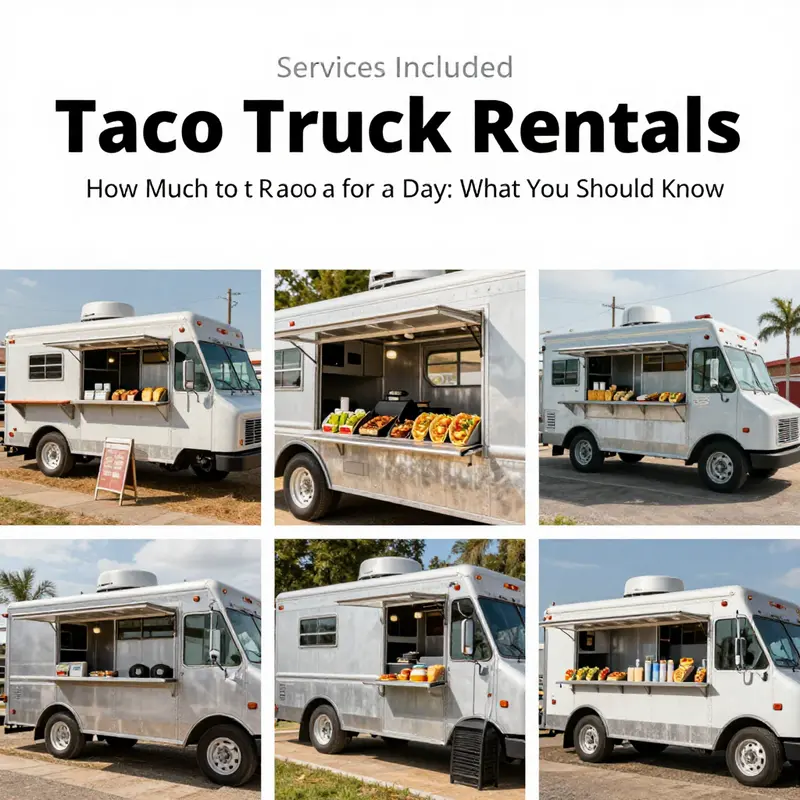
When you start planning a one-day taco event, the question isn’t just what you want to serve, but what it will cost to bring a taco truck to your venue for a full shift. The day rate for renting a taco truck tends to fall in a broad range—from roughly two hundred dollars to eight hundred dollars per day—reflecting a tapestry of variables. A simple, older unit with modest kitchen gear can land toward the lower end, while a newer, fully equipped truck with professional-grade grills, refrigeration, and a bold branding package sits toward the top. This isn’t a one-size-fits-all price tag; it’s a lens on the specifics of where you are, what you need, and how long you’ll need the truck on site. The same principle applies whether you’re hosting a street-food pop-up in a sunlit plaza or fueling a weeknight fundraising gala in a city hotel ballroom courtyard. And because the market for mobile food units is specialized, the most accurate pricing comes from direct conversations with vendors who operate in your area and understand local costs, permitting requirements, and service expectations.
Location shapes the math in two powerful ways. In major metropolitan centers—think large coastal cities or financial hubs—the cost of everything from labor to insurance to utilities pushes day rates higher. A truck parked in a high-demand market may command premium pricing, fueled by demand during peak seasons, bigger events, or more stringent health and safety requirements. By contrast, in smaller towns or rural settings, the same truck may be more affordable, with operators competing to fill weekday calendars or to stand out in a less saturated market. The geography also dictates travel and delivery charges. If the truck needs to be moved across significant distances, you’ll often see a delivery or setup fee added on top of the base rental, sometimes even a minimum hours charge for early arrival or late departure.
Size and equipment drive the base cost as well. A compact unit with a straightforward hot line and a single service window can be rented at the lower end, whereas a multi-unit kitchen on a large truck with multiple burners, a pizza-oven-sized grill, walk-in refrigeration, and stacked cold storage drives the price up. The more specialized the equipment—industrial fryers, vented hoods, grease management systems, handicap-accessible layouts—the more you’ll pay, but you also gain speed, food safety compliance, and the ability to serve higher volumes or a broader menu. If branding is part of the package, a truck that arrives with pre-installed signage, wrap graphics, and customized menus can add value by drawing attention and delivering a cohesive guest experience. In practical terms, vendors typically split the cost into core rental (the truck itself), add-ons (equipment or branding), and service layers (insurance, cleaning, support staff). Understanding where each dollar goes helps you decide what to prioritize for your event.
The duration and structure of the rental also sculpt the price. Most operators price on a daily basis, but some offer stepped pricing for multi-day bookings, weekend blocks, or extended events. If your event spans a single day but requires the truck to arrive early for prep or stay late for post-event breakdown, you may see a higher day rate to cover those extra hours. Conversely, if you commit to consecutive days or a longer rental window, you may unlock a discounted daily rate. This is where a thoughtful timeline pays off: align your event schedule with the truck’s availability, then negotiate toward predictable costs rather than last-minute add-ons.
Included services can swing the final figure in meaningful ways. Some rental agreements wrap insurance, basic cleaning, and a dedicated on-site liaison into the price, while others present a bare daily rate and charge separately for each ancillary service. Insurance is not merely a nice-to-have; for events that gather crowds, it’s a practical requirement that protects you, the venue, and the operator. Cleaning might cover pre-event wipe-downs and post-event sanitization, or it could be an incremental charge after a quick hose-down and a bagful of waste. Staffing—whether a chef, line cook, or front-of-house assistant—can also be included or priced separately. When you compare quotes, demand a clear breakdown: the daily truck rate, delivery/setup fees, power or water hookups, insurance, cleaning, staff, and any contingency allowances for weather or delays.
Beyond the number that sits on the contract, there are often hidden or overlooked costs that can influence your bottom line. Transportation charges can pop up when the truck must be moved from a depot to your site, or when it needs a specific elevator, forklift, or parking arrangement at the venue. Power is another critical line item: some locations supply electricity through a hook-up, while others rely on a generator supplied by the operator. If you’re relying on your own venue power, confirm voltage requirements, outlet availability, and the amperage the truck needs. Water connections, waste management, and grease disposal also deserve attention—these are not just box-check items for health inspectors; they affect your event’s logistics and its impression on guests. Permits and health inspections may be necessary depending on local regulations and the site. If your event occurs outdoors or in a public space, you may need more documentation than you anticipate, and some operators will assist with the paperwork as part of the service package.
With all this in view, the smart buyer moves from guesswork to clarity by asking pointed questions and requesting a detailed quote. Start with the basics: What is the exact day rate for the truck under your requested setup? What is included in that rate? Are there delivery or setup fees? Is insurance included, and if so, what coverage limits apply? Are staffing costs bundled, or are they billed separately? What about power, water, or hookups—are those provided, or must we supply them at the venue? Are there any environmental or waste disposal charges? A well-structured quote should also spell out the operator’s cancellation policy, weather contingency terms, and a clear schedule for arrival, service hours, and breakdown. Reading the contract with a critical eye can spare you last-minute disputes and misaligned expectations.
If you’re unsure which truck to start with, there’s practical value in learning how to pair your event needs with the right kitchen setup. For a general decision framework, consider two anchor questions: What volume do you expect, and what menu breadth will you offer? A compact truck with a focused menu can handle a steady stream of guests efficiently, at a modest daily rate, while a larger, more versatile rig supports a broader menu and higher throughput, with a higher day price. The balance of speed, reliability, and guest experience often matters more than the sticker price alone. To further refine your choice, you can explore guidance on selecting the right equipment and platform in one of the chapter resources that helps connect you with the right fit for your event. Choosing the right food truck.
When you’re ready to expand your options, don’t rely on a single quote. Reach out to several local operators, ask for itemized quotes, and compare like-for-like services. It helps to standardize your request: a single-day event with service from opening to close, the same menu, the same staff level, and the same power and water expectations. This creates apples-to-apples comparisons and reduces the risk of choosing on aesthetics or a single line item. If you’re curious about broader listings and market examples, an external resource can offer additional context and range. For more general listings, see https://www.foodtruckrentals.com.
All told, the cost of renting a taco truck for a day is less a fixed price than a negotiation around needs, constraints, and logistics. Your goal is to assemble a package that delivers reliable food service, consistent quality, and a positive guest experience at a price that fits your budget. The most dependable strategy is to enter the process with a clear event plan, reasonable flexibility on timing, a defined budget band, and a set of prioritized must-haves—equipment, power, and safety—while remaining open to a structured discussion about add-ons, staffing, and on-site support. This approach reduces the risk of sticker shock when the final invoice arrives and increases your chances of turning a one-day taco fan-favorite into a memorable, smoothly executed event.
What It Really Costs to Rent a Taco Truck for a Day: Navigating Price, Value, and Smart Deals
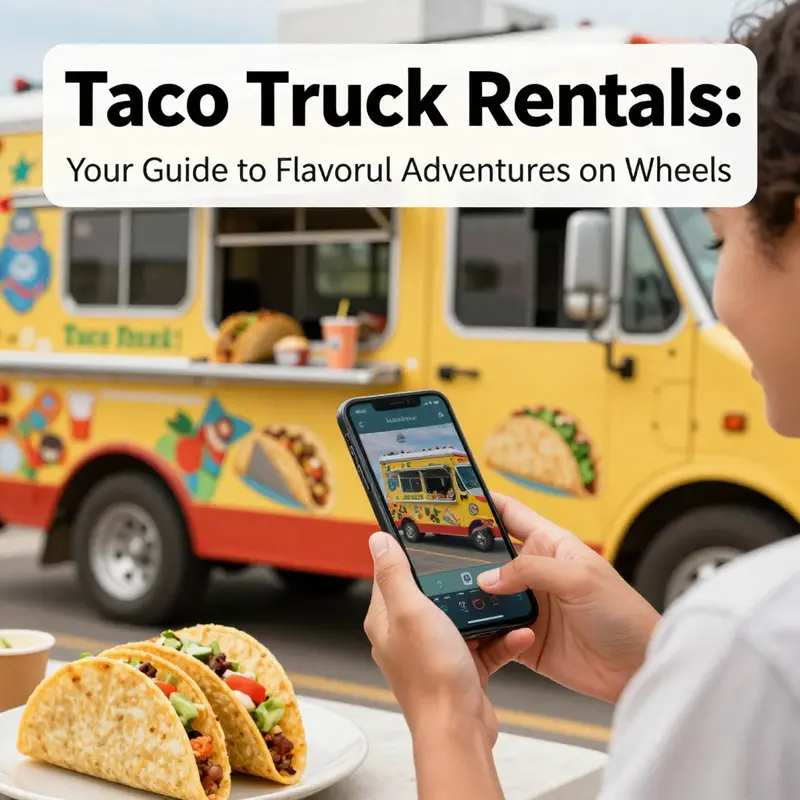
Renting a taco truck for a day invites a cascade of questions. You picture a line of hungry guests, sizzling grills, the aroma of cilantro and lime, and a soundtrack of good vibes. But behind the romance lies a practical ledger: how much will the truck cost to rent for a single service window? The available research shows a broad landscape: daily rates that can swing widely based on where you operate, how much equipment you need, and what the rental period includes. In many cases, taco-truck rentals are treated as commercial vehicle leases rather than simple car rentals, which changes how you evaluate price and value.
Most operators do not publish a single daily rate; instead, you’ll see a range typically around two hundred to eight hundred dollars per day. The lower end usually reflects a basic, older vehicle with minimal kitchen gear. The higher end corresponds to a newer, fully equipped unit with professional-grade grills, refrigeration, and branding opportunities that help you present a polished business image. But even within those bands, the price you pay is a function of several moving parts.
First is the vehicle’s condition and equipment. A basic setup might include a stove, a few prep surfaces, and simple ventilation. A modern setup, in contrast, can come with advanced fire suppression, multiple cooking zones, dedicated cold storage, hot holding, and a system designed to handle a busy event. Each of these features adds not just cost, but reliability in the field. A truck that looks new and performs consistently reduces the risk of service interruptions on game day, which many event organizers value more than a marginally lower daily rate.
Location and demand also play a decisive role. In major cities where permits and real estate costs push prices upward, you’ll commonly pay more for the same unit than you would in smaller towns. Even within a single metro, certain neighborhoods or peak seasons can shift the numbers. The lesson here is simple: start with a city or region, then test a handful of providers to map the price landscape rather than assuming a single number is universal.
Rental duration can quietly reshape the math, too. Some operators offer discounts for multi-day blocks or weekly terms, which can significantly lower the daily rate if you anticipate a longer operation. Conversely, last-minute bookings or short, one-off events may come with a premium to cover setup time and the risk of a cancellation. If you’re lining up multiple dates for a pop-up series, it’s worth asking about bundled pricing or preferred-rate terms that reward planning and commitment.
Another axis is what is included in the price. Some packages roll in insurance, routine maintenance, and cleaning between events, while others price those services separately. Staffing, if you need a dedicated cook or attendant, can also be an extra line item. Utilities such as power, water, and waste disposal may be provided, or you may be responsible for supplying and managing them. Clarify whether an on-board generator is part of the deal, whether you’ll receive a sanitation kit, and who handles the final clean-up after service ends. The goal is to understand the true all-in cost rather than reading a sticker price that omits critical expenses.
Permits, licensing, and insurance are not optional extras but foundational costs that influence whether a rental makes sense for your operation. You might be required to carry liability coverage or to provide proof of compliance with health regulations. Some operators require a damage deposit to cover cosmetic or functional issues that may arise during the day. Planning for these pieces avoids last-minute surprises when you’re trying to keep a busy kitchen humming.
When you’re ready to price-shop, a practical approach is to cast a wide net and then narrow it with clarity. Contact local vendors who specialize in mobile food units and clearly describe your menu, expected guest count, and event schedule. Ask for samples of contracts so you can compare terms side by side. If you prefer digital convenience, look for marketplaces or rental platforms that aggregate multiple trucks, but approach them with the same diligence you’d apply to any commercial lease. The core objective is to collect several quotes that reflect your specific needs, not generic rates that don’t align with your plan. It’s also wise to test the agent’s responsiveness and the provider’s reliability—price is important, but dependable service is priceless when a crowd is waiting to be fed.
As you weigh the options, keep in mind that value isn’t solely a function of the daily price. A slightly higher rate with a fully stocked, well-maintained unit and a reliable crew can save you from a cascade of problems—delays, equipment failures, or subcontracted staff who don’t show up. In events planning, the cost of a single breakdown can exceed the difference between a frugal choice and a premium unit. You’ll often find that the most sensible strategy is to blend price awareness with a clear picture of the event’s scale, required throughput, and the standard of service you want to deliver.
For readers exploring this topic further, you can visit the Fireduptacotruck blog for related insights on the food-truck industry and operations. Fireduptacotruck blog.
Finally, the practical path to a solid deal is straightforward: know your needs, collect multiple quotes, and negotiate terms that reflect both your budget and your goals. If a truck checks most of the boxes but comes in just above your initial target, consider whether you can extend the rental by a day or two or whether you can trade some nonessential options for a lower rate. If a lower daily price matters most, you might opt for a leaner setup, with the understanding that you’ll handle some aspects—like branding, a separate refrigeration unit, or a portable hand-washing station—through your own arrangements. The balancing act is real, and the right choice becomes clear when you map your event’s flow, guest expectations, and the level of professional support you want on the ground. The end result should be a price and a package that align with your event’s scale, your brand promise, and your cash flow.
As you prepare to map your budget, it’s helpful to keep a forward-looking view: plan for potential contingencies, such as weather delays or last-minute menu changes, and price those contingencies into your overall cost. A well-structured rental, with a clear understanding of what’s included and what isn’t, can give you a reliable platform for a successful day. In the chapters that follow, we’ll examine more deeply how to optimize operations, manage staff, and ensure that your taco experience resonates with guests as you hoped.
Final thoughts
Renting a taco truck is not just about the tacos; it’s about crafting unforgettable memories filled with flavor and festivity. By understanding the factors that impact the cost, knowing how location influences pricing, and comparing taco trucks with other food truck options, you can make informed choices that fit your budget and event requirements. Don’t forget to consider included services and seek out the best deals. So go ahead, embrace the taco truck experience—it’s time to gather your friends, fire up the fiesta, and savor every mouth-watering bite!