
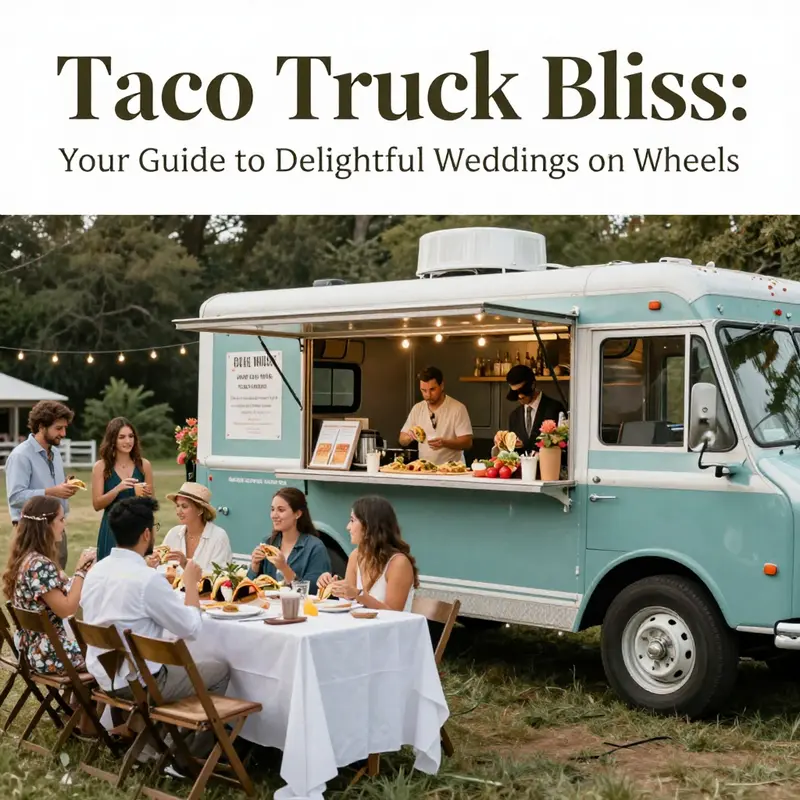
Imagine a wedding where guests are greeted not by a stuffy banquet salon but by the tantalizing aroma of fresh tacos sizzled right on the spot. That’s the magic of having a taco truck at your wedding! With vibrant flavors and a festive atmosphere, taco trucks are rapidly becoming the go-to choice for couples seeking to add a dash of flavor and fun to their special day. But how much does renting a taco truck for a wedding actually cost, and what factors influence that price? This guide will break down the cost, compare it with traditional catering, explore customization options, and help you find the perfect taco truck for your celebration. Join us as we unravel the delicious details that make a taco truck a scrumptious choice for weddings.
Decoding the Wedding Taco Truck Budget: How Much the Celebration Really Costs
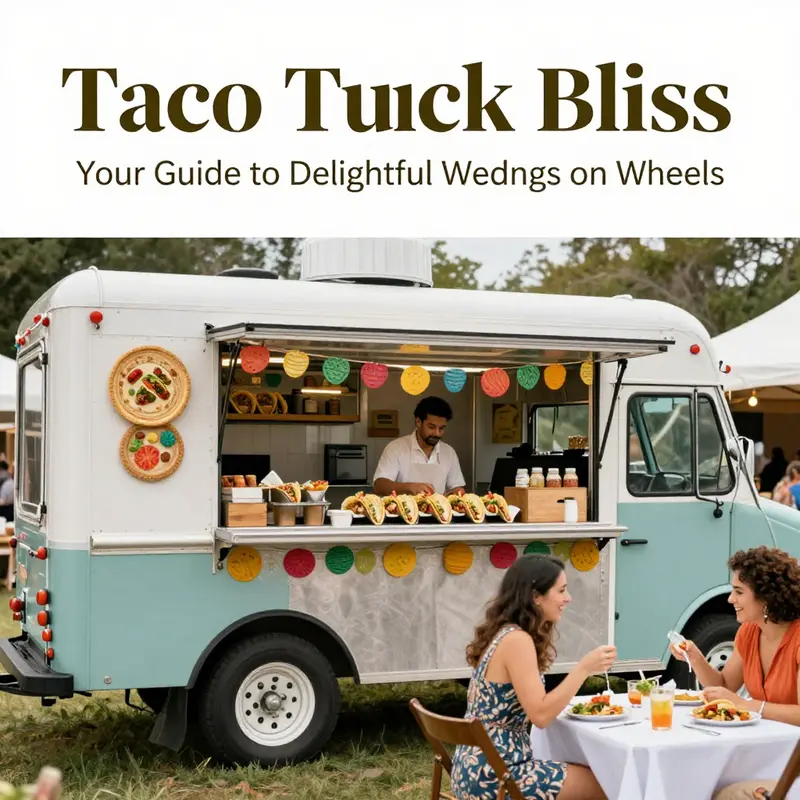
When a couple starts imagining a wedding that feels intimate yet festive, the idea of a taco truck often rises to the top. It conjures the scent of roasted meat, the sizzle of tortillas on a flat grill, and a lineup of friends and family smiling beneath string lights as warm salsa bowls gleam in the glow. But along with the romance comes the practical math: what will it actually cost to hire a taco truck for a wedding, and how can that expense fit alongside other wedding priorities without turning the budget into a puzzle? The answer, like a well-planned buffet, hinges on understanding the layers of cost and how they interact. A taco truck can offer a compelling value, especially when you compare it to traditional catering, but the numbers rarely rest in a single neat per-guest line. Instead, they expand into a series of decisions about service style, distance, timing, and menu complexity.
At its core, the base cost for a taco-truck wedding is a per-person figure. In practice, many vendors quote a range that starts around the mid-twenties and can rise toward the mid to upper forties per guest, depending on the region and the specifics of the menu and service. This per-person price typically covers more than just the food. It usually includes a variety of tacos—think carne asada, al pastor, carnitas, and vegetarian options—along with staples like rice, beans, and fresh salsas. Staffing, setup, and cleanup are integral parts of the package, so you’re not only paying for the tacos themselves but also for the dining experience that surrounds them. Some packages bundle a basic beverage offering—sodas and water, and perhaps beer or wine if that is part of the plan—into that per-person rate. In short, the base cost reflects a complete service, not just a pile of tacos on a tray.
Yet the per-person figure is only the starting point. After that, the costs accumulate in several predictable ways that event planners and couples should map out early in the budgeting process. Travel is often the first predictable add-on. A taco truck, like any mobile service, has to commute from its base to the venue and then return home at the end of the night. Venues outside a typical service radius frequently trigger a travel surcharge. Depending on the distance, that fee can range from a modest amount to well into the hundreds. If your venue is in a densely populated urban area or on a rural site that requires long travel through traffic or difficult access, the travel costs can be a meaningful addition to the bottom line.
Overtime is another common consideration. Many weddings spill past their scheduled end time, and a taco truck that has to keep its crew on the clock will charge an hourly overtime rate. Those rates can vary, but planning for an extra hour or two of service, especially for a reception that lingers through to a late-night slice of cake and a first dance encore, is prudent. A separate deposit is almost universal in this line of work. The industry norm for securing a date is a non-refundable portion of the estimated total, often in the neighborhood of 20 to 50 percent, paid many months in advance. This upfront payment helps vendors cover the costs of preparation and ensures the team will be onsite when the event happens. Permits and licensing sometimes fall to the caterer, but in certain venues you may need a vendor permit or proof of liability insurance from the caterer. It’s not sensational drama; it’s the infrastructure that keeps a street-food setup compliant and able to operate near guests who are enjoying the celebration.
Menu and service customization then pushes the total higher or lower, depending on how far you push the envelope. If you’re chasing a more complex experience—do-it-yourself taco bars, live grilling stations, or a dedicated drink station—the equipment needs and staffing will rise in tandem. Premium ingredients, chef-curated toppings, or specialty dishes can increase the per-person price. The more you custom-build, the more the total cost shifts from a straightforward line item into a small constellation of line items, each with its own justification and appeal. The duration of service also matters. A three-hour window generally costs more than a shorter, more efficient service. And if you want a dessert cart, a candy station, or a separate mobile bar element, those features can add sizable incremental value—and cost.
Industry context helps illuminate why couples often gravitate toward tacos for weddings. Taco trucks excel at high turnover and quick service without sacrificing flavor or variety. They bring a casual, celebratory vibe that suits outdoor nuptials, rustic barns, or modern city venues where guests mingle with plates in hand and stories on the tip of their tongues. The trucks’ kitchen layouts are designed for efficient throughput: grills hot, tortillas rotating, and salsa stations within arm’s reach for assembly-line speed. That workflow matters when you’re feeding a guest list that includes friends and family who are hungry after a long day of photos, ceremonies, and dancing. Still, the practicalities are the same for any mobile food service. The truck must be fueled and staffed, have the right permits, and coordinate with the venue about parking, load-in times, and space for a safe, organized guest experience.
A thoughtful budgeting approach begins with the guest list and the chosen service style. If your guest count sits around a hundred, a straightforward taco-truck option can offer compelling value in comparison to plated dinners. Multiply the per-person range by the expected guest count to get a baseline. Then add the predictable add-ons: travel, overtime, and the deposit. If you’re aiming for a more elaborate presentation—a multi-station setup, a bar element, or live cooking at the site—factor those pieces into a separate line in the budget and assign a sensible contingency for the unplanned flourishes that weddings tend to cultivate. It’s helpful to think of the budget as a living document, one that grows as you explore menu options, distance constraints, and service duration, rather than as a fixed ceiling that never moves.
The spectrum of possible totals can feel wide because the market itself reflects different regional costs and wedding ambitions. Some vendor listings show a bundled package—the sort of all-inclusive feel that makes a wedding feel effortless—presenting figures around a few thousand dollars for a compact setup. In other cases, larger or more elaborate configurations can push past the mid-five-figure mark when several trucks, premium ingredients, and extra stations come into play. The key is to anchor expectations in your priorities. If you want a festive, flavorful, and crowd-pleasing experience that keeps service quick and the vibe relaxed, a taco truck can deliver more perceived value than many traditional catering options. For many couples, the sense of abundance—the way guests are greeted with sizzling aroma, a choice of fillings, and a casual, communal dining setup—translates into tangible value that is worth the stretch.
A practical way to translate these ideas into real quotes is to start with the basics: determine your guest count, pick a core menu, and decide how long you want the service to last. Then request quotes from several vendors, paying attention not only to the price per person but to what each package includes. A basic package may cover a standard menu, standard staffing, and a defined service window. A more premium package can add customizing touches, additional sides, and a more elaborate beverage offering. It’s not unusual for couples to discover that what seems like a modest per-person price ends up expanding once travel and timing are added, while another package with a higher per-person price could yield a comparable or even lower total if it consolidates services and reduces ancillary charges.
For those who want a concrete reference point, some market listings suggest that a comprehensive, full-service package can run around several thousand dollars for even a modest wedding, with pricing showing a downward slope as more units are added. The logic is straightforward: a single truck may carry higher setup costs per mile and per hour, while additional trucks spread those fixed costs and can, in some cases, reduce the average per-truck cost while expanding service capacity. This is the kind of nuance that makes early planning essential. If you anticipate a long event, a larger guest list, or a venue that demands extra logistics, it may be worth budgeting for a multi-truck setup that can keep lines short and the energy high.
To navigate these choices with clarity, it helps to stay grounded in the practical steps. Start by listing the key non-negotiables: the number of guests, whether you want a live grill element, and whether you require a beverage station. Then map those decisions to a budget worksheet that tracks per-person costs, travel, deposits, and potential upgrades. It’s important to communicate clearly with vendors about your expectations and constraints. Ask for itemized quotes that separate food, beverage, staff, equipment, travel, and service hours. Request a sense of flexibility in case you wish to scale back on dessert options or swap in vegetarian or vegan alternatives without changing the overall framework of the package. Finally, secure a timeline and a payment schedule that aligns with your planning calendar, ideally well before final decisions begin to hinge on last-minute shifts in guest counts or venue policies.
As you weigh the numbers, consider the human element—the joy of watching your guests savor the food, the conversations sparked by a shared table, and the way a taco truck can make the night feel more real and welcoming. The budget, in turn, becomes less a constraint and more a blueprint for an experience that reflects the couple’s tastes and values. If you’re still weighing whether a taco truck is the right fit, a quick exploration of guidance on choosing the right food truck can help you start with confidence. Read more here: Choosing the right food truck. For a broader sense of market options and how others have navigated similar decisions, you can consult industry listings that reflect current pricing and package configurations.
External reference for market context: https://www.made-in-china.com/products-search/hot-search/food-truck-wedding.html
null
null
Taco Truck at the Altar: Redefining Wedding Catering, Budget, and Experience
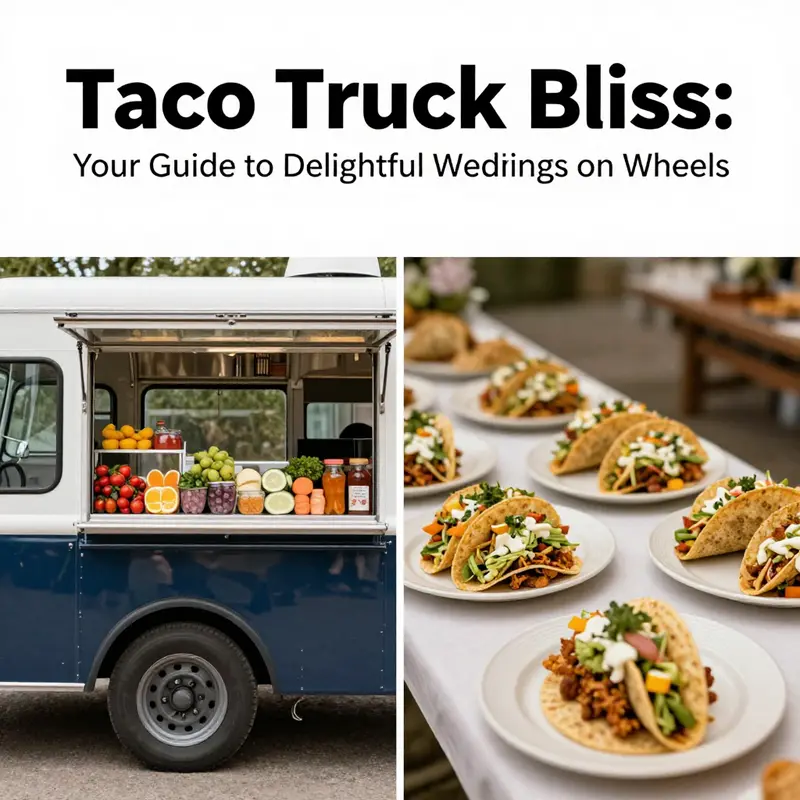
When couples begin to map out the feel of their wedding, food often seizes the moment as much as the guest list does. The choice between a traditional caterer and a taco truck is more than a menu decision; it is a statement about atmosphere, pacing, and dollars. The core numbers offer a compelling starting point. A taco truck typically lands in the range of $10 to $25 per person, a spread that feels almost startling when contrasted with the often cited $85 per plate for conventional catering. The gap is not just about the entree; it includes the way the experience unfolds. With a mobile kitchen, guests are invited to interact with the food in real time, watching seasoned cooks roll, fold, and season on the spot. That immediacy often translates into a vibe that feels more communal and less formal, which many couples see as a better reflection of their relationship and their guests expectations for the day. The numbers speak to value, but value is a layered concept when the setting is a wedding, where the budget is a map and not a single road. The comparison with traditional catering becomes even more nuanced when you consider the end to end experience. Traditional catering tends to promise a polished, plated or buffet experience, complete with coordinated service staff, formal table settings, and integrated beverage programs. It is the gold standard for many weddings, especially when the aim is a seamless, cohesive flow with minimal improvisation. Yet the ticket price for that level of service can escalate quickly, not only because of the labor involved but also due to the costs of elaborate presentation, choreographed service, and the logistics of feeding hundreds of guests at once. Taco trucks, by contrast, offer a different calculus: fewer layers of formal service, more interaction with the food, and greater flexibility in where and how meals unfold. Mobility becomes a feature, not a constraint. A taco truck can anchor a beachfront ceremony, a backyard reception, or a rooftop soiree with equal ease, turning the culinary moment into a show even before the first bite. That mobility is not merely geographic; it reshapes scheduling and guest flow in meaningful ways. With traditional catering, the kitchen becomes a fixed epicenter, and service windows are carefully slotted to keep food hot and plates turning in a predictable rhythm. A taco truck flips that script. Food arrives on demand, often in lines that become social moments themselves. Guests may meander between the truck and a dessert cart or a lemonade station, creating a conversational rhythm that feels more like a neighborhood celebration than a formal banquet. For couples who want a laid back, modern, or culturally resonant vibe, this atmosphere can be a differentiator that resonates long after the last sparkler fades. Yet the tradeoffs are real. The most visible challenge with taco trucks is menu breadth. A truck s strengths lie in its core competency—fresh, made to order tacos and regional flavors—but that specialization can limit options for guests with varied dietary needs. The same constraint that makes the food feel authentic might also narrow the appeal for guests who crave a broader culinary palette. Likewise, logistics become a bigger piece of the planning puzzle. Seating arrangements, the allocation of space for queuing, and backup plans for inclement weather require thoughtful coordination. In a traditional catering model, service staff help ease these tensions, guiding guests from trays to tables. In a truck driven scenario, hosts and caterers must choreograph movement and pacing so crowds do not bottleneck or drift away from the party s center of gravity. Nevertheless, the economic logic is compelling enough to entice many couples to experiment with taco trucks as a substantial portion of their meal plan. A fuller, more comprehensive setup—think dessert carts, candy stations, or a mobile bar—can push the total package into the several thousand dollar range, with samples noting packages around 4300 for 1–2 pieces and a price decrease when the vendor supplies more units, for example 4000 for 7+ pieces. These figures reflect a broader service package rather than a single dish, and they underscore a trend toward event ready food trucks that go beyond street-food basics to offer true catering like enhancements while preserving the casual, interactive spirit that many couples want for their wedding day. For couples evaluating this path, the invitation is clear: ask for a tailored quote that speaks to your menu customization, the duration of service, and the venue needs specific constraints. The most reliable path is direct dialogue with suppliers who can translate a couple s vision into a realistic, itemized plan. In thinking through the decision, many couples also weigh the practicalities of weather, power, and space. A taco truck s footprint is surprisingly modest, but a venue must still provide a stable site for setup, an accessible power source for refrigeration and lighting, and space for lines that run smoothly without impeding guests movement. That pragmatic lens often tilts decisions toward more flexible venues or open air spaces that can accommodate the truck s energy and flow. It also invites a deeper conversation about permits and insurance, which, while perhaps less glamorous than the tasting notes, are essential to safeguarding the celebration and ensuring the day proceeds without interruption. The logistics become a shared planning discipline between the couple, the venue, and the truck operator, a collaboration that, when done well, yields not just a meal but a guest experience that feels memorable and effortless. From a dietary perspective, the fold is equally instructive. Traditional catering can sculpt menus with patient nuance, offering bespoke dishes, allergen management, and multi course pacing that reads like a culinary performance. Taco trucks can rise to dietary needs too, especially when a truck s team is prepared to customize orders on the fly or offer alternative proteins, vegetarian options, and gluten free tortillas. The difference often shows up in the timing and the presentation: the taco line becomes a moment to interact with the food, whereas plating a diverse spectrum of dishes requires careful coordination of kitchen staff and serving stations. For guests, that can still feel inclusive and delightfully responsive, but it requires upfront clarity about what will be offered and how those choices will be communicated to guests as they approach the service area. As wedding budgets tighten or expand, many couples find that hybrid approaches offer the best of both worlds. A traditional caterer can deliver a refined main course experience—plated or buffed—the backbone of formal reception dining. Meanwhile, a taco truck component can handle hors d oeuvres or a late night snack, extending the party spirit beyond the last dance with something casual, highly flavorful, and shareable. It is a combination that depends on venue rules, guest demographics, and the couple s vision for pacing. The same budgeting principles apply: identify the must haves, understand what a per person cost translates to in practical terms, and reserve funds for contingencies like a backup plan for weather or an additional service moment, such as a dessert cart or a beverage option that keeps guests engaged without slowing the flow. For those who want a sense of how to begin navigating these choices, a practical step is to explore curated guidance that speaks directly to choosing the right food truck and aligning it with broader catering goals. Choosing the right food truck offers a thoughtful starting point for couples weighing the logistics, menu flexibility, and venue compatibility that define a successful taco truck experience. The goal is not to settle on one path but to understand how each path affects guests enjoyment and the couple s financial picture. In parallel, industry facing perspectives from established wedding media illuminate how food trucks have become part of the mainstream catering conversation, signaling that this trend is not a fleeting fad but a consistently evolving option for modern weddings. The Knot s coverage of food truck wedding trends, for example, captures how planners and couples alike are rethinking traditional dining expectations in light of mobility, customization, and social atmosphere. This pairing of practical cost data with experiential storytelling helps couples craft a dining plan that feels both authentic and responsible. Ultimately, the decision rests on what the couple envisions for the day—and what their guests will remember when they recount the evening. A taco truck can anchor a celebration in a bright, kinetic moment that celebrates togetherness, improvisation, and flavor. It can do so at a price point that makes other wedding components more accessible, without sacrificing the core experience of sharing a meal with people you love. Or, if the memory you chase is a more formal, polished dining narrative, traditional catering remains a reliable route, offering refined service, coordinated presentation, and a seamless arc from the welcome dinner to the after party. In many composed weddings, the sweet spot lies in blending the two worlds: a ceremony that breathes with personal flavor and a reception that respects tradition while inviting guests to engage with food in an informal, joyful way. The ability to tailor between structure and spontaneity is what ultimately makes the taco truck option not merely affordable but also deeply resonant for couples seeking a wedding day that feels intimate, flavorful, and distinctly theirs.
On Wheels and in Style: Crafting a Taco Truck Wedding That Balances Budget, Theme, and Flavor
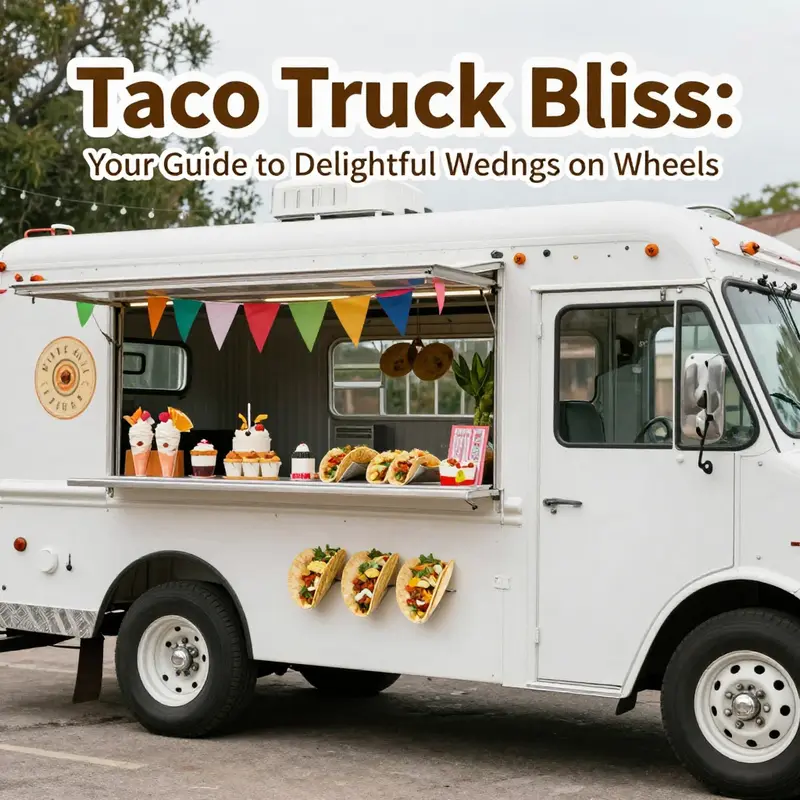
A wedding is a place where flavors meet memories, and when you choose a taco truck for the big day, you invite a conversation between affordability and atmosphere. The idea of feeding a crowd from a roving kitchen feels contemporary yet intimate, practical yet playful. The cost math at the core is straightforward: you’ll typically see per-person pricing that rests between ten and twenty-five dollars. That range sits well below the benchmark of traditional plated catering, which often hovers around the mid-to-high teens per guest—before tax, service charges, and the inevitable add-ons. For many couples, that per-person figure translates directly into whether a taco-truck wedding is a feasible possibility within their overall budget. It also makes the concept appealing to smaller celebrations, where a single truck can deliver a focused, festive experience without overwhelming the budget or the timeline. Yet as with any major wedding decision, the real texture of value appears not merely in the headline price but in what that price buys you, how it scales with your guest count, and how well the service integrates with your broader celebration goals.
If you start with the baseline working assumption—ten to twenty-five dollars per guest—you can begin to envision two distinct paths. On the leaner side, you might hire a single taco truck to cover a defined service window, with guests lining up in a lively, social space carved out by the venue and the couple’s layout idea. In that scenario, the price caps out around a few thousand dollars for a party of a typical size, leaving room in the budget for decor, bar service, or a dessert display. On the other end, including more elaborate elements such as a dessert cart, a candy station, or a mobile bar, can push the total package toward a more expansive figure—yet the value proposition grows as well. A full-service package that contemplates multiple units or a broader menu can run in the mid-four-thousands for smaller to mid-size weddings, with pricing stepping down as you commit to more units. This structure—more trucks or more components—often yields a better per-guest cost while simultaneously expanding the experiential reach. The logic is practical: scale the footprint, share the labor, and maximize the perceived abundance without blowing up the budget. In other words, you’re buying not just food, but a coordinated experience that can be tailored to the day’s rhythms.
The numbers above aren’t a distant abstraction. They represent the practical way couples approach menus, service timelines, and guest experience. A typical wedding requires food service for several hours, which means more than a single burst of prepared plates. The value of a taco truck goes beyond the raw food cost; it includes staff who handle setup, service, and post-event cleanup, as well as the logistics of travel, power, and space at the venue. Some couples discover that a per-person rate in the lower end of the spectrum is perfect for a casual celebration where the truck serves as the focal point of the reception—an anchor around which other reception elements orbit. Others opt for a more curated setup, where the truck is part of a larger narrative—an homage to a theme, a nod to regional flavors, or a playful contrast to a formal dining room. In either case, the math remains anchored in your guest count and the duration you need the truck on site, but the experience is shaped by choices that broaden or narrow that price range. The same per-person figure that makes a taco truck look affordable also carries the responsibility of clarity: what exactly is included, what might be extra, and how does the final tally align with your overall wedding goals?
A crucial lever in this whole equation is the level of customization you want to pursue. While the baseline might be a straightforward menu of tacos and sides, many vendors offer enhancements that transform the food line into a central storytelling element. Think of a theme integration that matches your venue’s vibe—rustic, modern, bohemian, or coastal—and aligns with the truck’s design and the menu’s texture. A rustic-chic setting might pair with a vintage-style taco truck that emphasizes handmade tortillas and locally sourced ingredients, weaving the day’s mood through each bite. A more contemporary celebration could invite a sleek, urban truck with a refined short menu that emphasizes bold flavors and color coordination with the wedding palette. Customization isn’t only about aesthetics; it can extend to the menu itself. Personalized taco options—whether it’s a signature taco named after the couple or a custom spice blend that echoes a shared memory—create a sense of ownership over the feast. Even small, thoughtful details, such as custom menus or small edible favors tied to the taco experience, contribute to a cohesive narrative that makes the food feel part of the wedding story rather than a separate feeding interval.
Positioning the truck within the wedding space is another subtle but powerful way to elevate the experience. The truck doesn’t have to be tucked away in a corner; it can be placed where guests naturally mingle, perhaps in a courtyard, on a rooftop, or near a shaded garden path that invites flow between cocktail hour and reception. A well-considered placement encourages social interaction, giving guests a moment to pause, sample a bite, and drift toward the dance floor with a story to share about the bite they just enjoyed. This kind of spatial planning—viewing the truck as a moving centerpiece rather than a mere food stall—helps maximize the value of the investment. It also aligns with event planning best practices that emphasize guest comfort, traffic patterns, and sightlines. In this sense, the taco truck becomes more than a catering option; it becomes a focal point of the celebration’s social dynamics, a catalyst for conversation, and a memorable visual element that photographs evocatively against the venue’s backdrop.
From a practical perspective, preparation and timing are everything. The logistics of a wedding day demand careful coordination with the vendor, from arrival windows to the space the truck will occupy, to the required power supply and any necessary permits. A vendor who arrives late or struggles to navigate a crowded setup space can quickly disrupt a carefully choreographed timeline. Conversely, a well-planned arrival creates a smooth flow: guests are greeted by the scent of chiles and cilantro, the serving line moves with effortless cadence, and the couple’s family and friends have a few minutes to mingle with a plate in hand before the next big moment begins. Communication is the cornerstone here. A detailed run-of-show shared well in advance—even a simple checklist of service windows, order types, and dietary accommodations—can prevent misunderstandings and ensure the taco truck adds to the day’s momentum rather than becoming a logistical obstacle.
Dietary considerations, too, play a vital role in the customization process. The per-person cost assumes a baseline of standard offerings, but most taco truck menus can accommodate a range of dietary needs without inflating the price dramatically. Vegetarian, vegan, gluten-free, and dairy-free options are commonly available, and thoughtful labeling helps guests navigate the selections with confidence. If you’re aiming for a more elevated or playful approach, you can design a menu that emphasizes regional or seasonal flavors, pairing each taco with a complementary salsa or side that enhances the tasting journey. The customization horizon also extends to desserts and beverages, which can be integrated into the same vendor package or coordinated through a partner station. A dessert cart or a candy station, for example, can mirror the taco lineup in color and mood, reinforcing the theme while giving guests a moment of indulgence that complements the main course without overwhelming the kitchen.
This is where the practical decision-making blends with a touch of romance. The money you allocate toward a taco truck isn’t just about keeping guests fed; it’s about shaping a shared experience—an edible memory that travels with everyone from the ceremony to the dance floor. The beauty of a taco-truck setup is its flexibility: you can start with a lean, cost-conscious approach and then layer in enhancements as the budget allows, or you can go full-scale from the outset for a dramatic, theme-forward celebration. Either way, you’ll find that pricing isn’t a single number but a spectrum defined by your guest count, service duration, menu depth, and the degree of theme integration you choose to pursue. For couples who want a tangible sense of how those pieces fit together, it’s worth requesting quotes that spell out line items clearly—so you can see where the value lives, where margins are built, and where you might reallocate funds to maximize impact.
If you want a concrete sense of how these dynamics play out in the market, start with a direct conversation with vendors about your vision and your guest count. A reliable approach is to share your timeline, preferred service window, and any must-have flavors or dietary constraints. Ask for a few different package options: one that keeps costs tight with a single truck and a shorter window, another that expands the experience through additional units or a dessert/cocktail station, and a third that stitches in multiple customization touches—names on menus, specialty sauces, or a themed plate presentation. Even if you don’t know the exact menu you’ll end up with, these conversations help you map the journey from budget to flavor. And as you refine the vision, you’ll begin to see where the value lies: in the reliability of a vendor who can deliver within your time frame, in the portability of the food to your venue, and in the way a customized menu can knit together the wedding’s story with the night’s flavors.
For further reading on how to choose the right food truck and to gauge the kind of partner you want on your big day, consider the guidance from industry resources that discuss what to look for in a mobile kitchen, how to negotiate terms, and how to align the truck’s capabilities with your venue’s constraints. Choosing the right food truck can set the tone for the entire celebration and is a decision that benefits from clarity, patience, and a shared sense of both practicality and delight. Choosing the right food truck offers perspectives on vendor selection, service models, and how to balance flavor with timing, all of which connect directly to the chapter’s central question: how much is a taco truck for a wedding, and how can you tailor that investment to your unique day?
External resource: https://www.made-in-china.com/products-search/hot-search/food-truck-wedding.html
null
null
Final thoughts
A taco truck at your wedding isn’t just a catering option; it’s a culinary adventure that breathes life and flavor into your special day. With costs that can fit various budgets, diverse menu options, and the chance to customize your experience, a taco truck can make for memorable moments that your guests will rave about long after the last taco has been eaten. Remember to consider all the factors that influence the overall cost, and don’t hesitate to reach out to vendors to discuss your vision and specific needs. Dive into this vibrant world of flavor, and let your wedding be a fiesta everyone will remember!