
Taco trucks are not just a culinary staple; they’re a flavorful experience that brings people together! Whether you’re planning a lively fiesta, catering a corporate event, or embarking on a taco truck business venture, understanding the cost of taco truck catering can significantly impact your decisions. Dive into the essentials of taco truck costs—ranging from basic food carts to high-end models—while we unpack pivotal factors including customization, budget options, and what you can expect when investing in quality catering services. This journey will tantalize your taste buds and sharpen your financial insights to help make taco dreams come true.
Counting the Costs: A Practical Guide to Taco Truck Catering Prices and What You Get
Pricing a taco truck catering venture is rarely as simple as a single sticker price. The true cost comes from a mix of equipment, fit out, and the intended use. For someone planning a wedding, a neighborhood festival, or a corporate event, the math has to account for both upfront investments and ongoing operating expenses. In this chapter we move beyond headlines and illuminate how price bands form, what typically sits inside each band, and how to calculate what makes sense for your business model. This approach keeps the conversation grounded in real world needs, from food safety and service speed to branding and reliability on a busy day.
Three broad categories dominate the market: entry level basic carts, mid range full kitchen trailers, and fully custom high end models. The entry level category often appeals to first time operators or those aiming to test markets at low risk. The basic carts tend to carry a price floor in the range of a couple thousand dollars when bought in bulk or in minimum orders, with smaller one unit purchases hovering near the low end of the range. For practical purposes, though, most new entrants will find a more realistic entry point closer to three thousand dollars to four thousand dollars if they want something road worthy with basic cooking and serving capacity. These vehicles are compact, quick to deploy, and ideal for casual street gatherings or short term markets. While the sticker price matters, the real constraint is whether the unit can sustain the tempo of your peak events and still leave room for margins after labor, food costs, and marketing.
Mid range options broaden the menu. A full kitchen on wheels adds refrigeration, sturdy cooking surfaces, proper ventilation, sinks for sanitation, power distribution, and sometimes built in water tanks. These features push the price into a higher band, commonly six thousand to eight thousand dollars for a complete, road ready package. The variation within this band is driven by the exact equipment roster, the size of the kitchen, and whether the unit is designed for cold storage, hot cooking, or both. Operators gravitate to this tier when they plan ongoing work through weddings, large private events, or seasonal markets that demand reliability and comfort for staff and guests alike. The practicality of this category comes from a balance between functionality and ongoing costs; a well configured mid range unit can reduce labor hours and service delays, which in turn protects profits even if the initial price is higher.
High end custom models exist for operators who want a strong brand statement along with advanced capabilities. These can exceed eight thousand dollars and sometimes climb into tens of thousands when premium finishes, specialty layouts, or add ons such as coffee stations or upscale serving counters are included. The appeal here is not only function but the ability to sustain a unique customer experience that travels with the truck from event to event. The trade off is higher upfront risk and longer deployment timelines, plus ongoing depreciation and maintenance that must be anticipated in the business plan. For ventures that aim to stand out in a crowded market, the investment is not merely a kitchen on wheels but a platform for storytelling and client engagement. It is essential to map the aesthetics to the operations, ensuring the branding does not overwhelm the practical needs of cooking, serving, and cleaning.
Of course price is not the only factor. The configuration matters as much as the initial price. A compact cart with a basic grill and a single cold prep line may cost less but can limit service speed and menu variety. A mid range unit with dual cooking zones, robust refrigeration, and a clean plumbing setup increases upfront costs but typically pays back in lower labor costs and fewer operational hiccups during events. The most important question to answer before entering a quote maze is what you actually need to serve your peak event size. Do you expect back to back service at a 300 person festival, or is your business mostly about intimate gatherings of 30 to 100 guests? The answer guides not only the size of the kitchen but also the power needs, water supply, and waste management requirements. It also influences whether you should plan for a generator, a dedicated electrical hook up, or both. In this practical calculus, a little foresight prevents the mismatch that turns a promising venture into a constant scramble during busy moments.
An additional point emerges when you look at the market trends for twenty twenty six. Buyers increasingly seek customization that aligns with branding and storytelling. A truck that carries bold colors, a clear window for viewing food preparation, and sign lighting tends to perform better at events. The extra aesthetic investment can be small in percentage terms but has a disproportionate effect on marketing reach and repeat business. Financing and supply chain support have also improved. Some platforms now emphasize supplier reliability, standard quality controls, and flexible payment schemes that can ease the hurdle of large upfront payments. This combination of design, finance, and logistics is what rotates a basic investment into a scalable mobile business. It is worth noting that the price bands described above are best understood as guides rather than hard rules, because the real delta comes from how the unit is outfitted and how it serves your expected workflow. A kitchen that is efficient to operate for a single chef during a 4 hour window will look very different from a setup designed for longer shifts with multiple staff, even if the outward appearance resembles a similar size.
To frame a practical decision, consider total cost of ownership. The sticker price is only the tip of the iceberg. Maintenance, parts availability, fuel or electricity, insurance, licensing, and routine servicing all fold into the monthly or annual cost. If you stretch to a larger kitchen, you may require a more powerful generator, more frequent servicing, and a higher insurance premium, especially if your vehicle travels across multiple jurisdictions. Budgeting for fuel and maintenance means planning for wear and tear on equipment such as burners, refrigeration compressors, and water pumps. When you work out a forecast for your first year, build in a cushion for unexpected repairs, especially if you choose a used vehicle or a refurbished conversion. For many operators, the cost to keep the truck reliable is as significant as the initial buy in. The discipline of forecasting helps prevent a promising concept from stalling at the first major event due to an avoidable breakdown or a shortage of clean water during service.
Cash flow planning is essential for deciding whether to buy or lease, or to rent equipment from a partner for events. Leasing or renting can dramatically reduce the immediate outlay and allow you to test a concept before committing to a full purchase. Some operators diversify risk by pairing a smaller base unit with a larger event provision, such as a rental upgrade, so that they never miss a sought after date simply because their own truck is off the road for repairs. The decision is highly contextual and tied to the expected volume, the expected average revenue per event, and the length of the event season in the operator’s region. If you anticipate a long busy season with frequent bookings, owning a mid range unit can deliver stability and predictable costs. If your calendar fluctuates, a mix of rental capacity and a core asset might better protect cash flow while expanding your market reach.
Readers exploring their options may want a practical compass for comparison. The first turn is to define proportionality: what share of your annual revenue do you want to allocate to the vehicle itself, and how much should stay available for marketing, staffing, and insurance. In many cases, a basic entry unit will suffice for early year markets, with the understanding that growth will come by expanding menus, improving service speed, and seeking longer contractual engagements. For those intending to own for years, a robust kitchen and strong branding may provide a base of operations that can outpace changes in consumer tastes. And for those who prefer a blended path, renting or financing a high quality unit while also marketing a parallel brand presence can balance risk and opportunity. The key is to translate a price tag into a reliable engine that produces delicious food, a memorable impression, and steady earnings over time.
Finally, as you chase quotes, keep an eye on safety and compliance. Customers expect food that is not only tasty but prepared in a clean and compliant environment. The right equipment should meet local health department codes, have accessible cleaning stations, and accommodate easy movement through traffic at busy events. A plan that includes service staff who can operate the equipment smoothly, keep the line moving, and maintain hygiene will outperform a showy kitchen that stalls during peak moments. In short, price must be anchored to performance and reliability, not simply the lure of a bright logo. The goal is to pick a configuration that marries practical workflow with durable build so that the investment supports consistent, scalable growth rather than short term flash.
For readers who want a quick starting point on the decision path, a concise reference exists in the broader guidance on choosing the right vehicle for a mobile food business. It is worth looking at that resource to align equipment choices with branding goals and event demands. See the resource on Choosing the Right Food Truck. This internal guidance helps ensure that the path from purchase to profitability is coherent rather than reactive, and it reinforces the idea that the most expensive unit is not necessarily the best fit if it cannot sustain your actual event cadence.
External research and further reading provide an external lens on the pricing landscape. For a broader market analysis with standards and performance considerations, review the understanding of catering truck prices and related benchmarks. https://www.graceholden.com/inside-catering-truck-prices-analysis/
The Price of Flavor: Untangling What Determines Taco Truck Catering Costs
When you start planning taco truck catering, the price you encounter is rarely a single figure. It is a composite, shaped by choices about the truck itself, the level of cooking and service sophistication, the complexity of the menu, and the context of the event. Although a rough ballpark can guide early budgeting, the true cost emerges only after you map out what you truly need along with the unique constraints of your venue, date, and guest count. Understanding these interlocking factors helps prevent sticker shock and turns a dream menu into a deliverable plan.
The first and most obvious lever is the type of mobile kitchen you choose. In practice, the price range widens dramatically from basic, manual setups to fully automated, high-capacity rigs. In Europe, for example, basic manual trucks can cost roughly €5,000 to €12,000. That range reflects simpler cooking lines, fewer automated tools, and smaller footprint requirements. But add semi-automation—think automated fryers, pre-portioning tools, and smarter workflow planning—and the price climbs into the €12,000 to €25,000 territory. For operators pursuing maximum efficiency at high volume, fully automated trucks with robotic components, conveyor systems, and integrated prep zones exist at a premium level, where the cost can push beyond those early thresholds and into a different category of investment.
In a broader market frame, even within the United States, the same logic applies. A basic food cart or small truck aimed at casual, short events might start in the low thousands when purchased in bulk or sourced as a more affordable, simplified unit. For more traditional catering performance—where a kitchen, proper refrigeration, a water system, and certified sanitary facilities are required—the typical price range broadens to several thousand dollars, with mid-range configurations running from a few thousand up to the high single digits. The key takeaway is that the size of the operation, the extent of kitchen equipment, and the degree of automation are the strongest predictors of price.
Beyond the shell of the truck itself, menu complexity remains a central driver. A straightforward lineup of carne asada and simple toppings can be served efficiently, keeping ingredient costs predictable and labor requirements manageable. When a menu tilts toward gourmet or custom creations—fresh-market produce, specialty cheeses, hand-made salsas, and rotating toppings—the per-event ingredient bill rises. Complex menus often demand longer preparation times, more prep space, and closer attention to sourcing, quality control, and food safety, all of which push the bottom line upward. In practice, many clients discover that a streamlined, repeatable menu provides better value for the money than a wide but less reliable lineup.
Labor costs, closely tied to both automation and staffing strategy, are another major determinant. Automated systems can reduce the wave of hands needed at peak service moments, but they still require trained operators to set up, monitor, troubleshoot, and maintain equipment. Even where one person can run a simple operation, scaling to festivals or multi-hour events typically requires additional staff for rotation and service quality. The labor equation becomes more nuanced when you factor in shifts, the need for food safety compliance, and the extra hands needed for beverage service or side stations that accompany the main taco service.
Location and timing exert a powerful influence as well. In dense urban environments or venues with restricted access, delivery logistics, parking, and unloading can complicate service and extend setup times. Weekend bookings, holidays, or citywide events often carry premium pricing because demand peaks while access and staffing challenges intensify. Think of the difference between a weekday afternoon neighborhood gathering and a Saturday evening street festival—two events that may look similar on the menu but diverge sharply in cost owing to timing and venue pull.
Service level is another subtle cost driver that can swing a quote by a meaningful margin. Do you want a full setup that includes on-site prep tables, warming stations, and a post-event breakdown with waste disposal? Are you counting on a self-serve beverage station or a dedicated drink service that requires bartending staff? Each layer of service adds both labor and equipment costs, and it also expands logistical needs, from power capacity and water supply to trash management and post-event sanitization. Clients who need turnkey service, including setup and teardown, often pay a premium for the convenience and reliability that come with a single, accountable vendor.
Branding and customization add a final, sometimes overlooked, cost dimension. A truck that doubles as a walking billboard with bespoke graphics, color schemes, and a curated interior layout is more than a culinary vehicle; it is a mobile marketing tool. If a client envisions a kitchen designed to mirror brand aesthetics, with custom work surfaces, lighting, or signage, the price rises accordingly. This is not merely cosmetic; it can influence workflow, equipment choices, and even the footprint the truck must occupy at events.
Deliveries of a fully formed catering plan also hinge on practicalities such as permits, licensing, and insurance. Local health department inspections, temporary event permits, parking and street closures, and food handling certifications all factor into the total cost. Utilities—fuel or electricity, water supply, wastewater management, and backup power—must be planned for, especially at venues that lack easy access to reliable infrastructure. The cost of fulfilling these regulatory and logistical requirements is not optional; it’s part of delivering a safe, compliant, and dependable service that event organizers can trust.
To translate all these moving parts into a usable budgeting framework, many planners start by itemizing potential line items. The truck or cart purchase is only the first line. Other lines include equipment upgrades, equipment maintenance, insurance, permits, labor, ingredients, packaging, branding, transportation, and on-site services such as setup, cleanup, and beverage service if offered. When a vendor presents a quote, it is wise to examine each line item for value and necessity. A high upfront figure can be justified if it reduces later costs or enhances reliability during peak demand, but an inflated baseline with optional add-ons may inflate the final bill without delivering proportional benefits.
If you are exploring this path, consider how you will balance reliability, speed, and flavor. A practical approach is to start with a realistic core menu and a scalable kitchen layout that can handle a modest crowd now and expand for a larger event later. This mindset helps control costs while preserving the potential for growth. It also makes it easier to compare quotes from different vendors on a like-for-like basis, since you can align each proposal to roughly the same core requirements.
For readers who want to see how the choice of equipment and workflow shapes pricing in a more technical sense, the topic extends beyond a single chapter in budgeting. It is worth looking at how a well-designed truck’s composition, structure, and performance influence efficiency and consistency, especially for high-volume events. If you want to explore those engineering aspects, a comprehensive external reference offers detailed analyses that connect kitchen layout, energy use, and throughput with cost implications. Choosing the right food truck provides practical criteria you can apply when evaluating options and negotiating with suppliers. This guidance helps ensure you are not just buying a vehicle, but investing in a mobile kitchen that reliably serves your menu and your guests.
As you assemble your plan, keep in mind that precise pricing requires direct dialogue with suppliers. Explain your kitchen layout, branding ambitions, and delivery logistics with transparency. Invite detailed quotes that break down the core components: the truck or cart, the equipment package, the service level, and the required permits and insurance. The more you define early, the more accurately you can compare competing proposals and avoid surprises as you move from budget to procurement. When you have a clear picture of the core needs—the right truck, a coherent menu, adequate staffing, and a sensible service level—you can begin to map a realistic budget that aligns with your goals for flavor, speed, reliability, and brand visibility.
For those seeking deeper, data-driven insights into how trucks are composed and how their performance translates into costs, a respected industry guide offers a rigorous analysis of structure, workflow, and optimization. External resources such as the Prix Food Truck Guide discuss how composition, design, and performance relate to efficiency and cost in engineering terms, providing a meaningful context for the numbers you’ll encounter in quotes and proposals. https://www.prixfoodtruckguide.com/2025/12/26/food-truck-composition-structure-and-performance-for-engineers
Pricing the Plate on Wheels: Navigating Budget Options in Taco Truck Catering
When you start planning a taco truck catering venture, the numbers you see on a price tag are more than a string of digits. They map to how you’ll cook, serve, and scale your operation. The budget landscape isn’t a single ceiling; it’s a range shaped by the equipment you choose, the layout you need, and the level of customization or speed you want to deliver. The most affordable entry points aren’t necessarily the ones that keep you thriving for years, and the most expensive rigs aren’t always the best fit for every market. The challenge is to balance upfront costs with ongoing operating expenses while staying true to the service style you aim to offer. To many operators, the right starting point feels less like a price and more like a plan for how to feed more people with consistent quality, day in and day out. In practice, this means weighing several layers of investment: what you buy, how you run it, and where you expect your revenue to come from across different events and neighborhoods.
A practical entry into the cost question comes with basic taco food carts. These compact units are often the most approachable path for first-time operators or for those testing a concept at markets or neighborhood festivals. Bulk purchases, which can bring the per-unit price down, start around $1,680 for seven or more units, while smaller orders of one to two units hover near $1,980. The economics here are straightforward: you gain portability and a lower initial commitment, which can be essential when cash flow is tight or when you want to experiment with volume and location. Such carts offer a straightforward service model—faster setup, simpler service lines, and fewer moving parts to maintain—so you can learn the rhythms of high turnover without a heavy capital risk.
As soon as you seek greater capacity or a broader menu, the next tier of equipment comes into view. A mid-range taco truck with a full kitchen typically sits in a broader price band—from roughly $2,950 to $8,000. The variance within that range is driven by the exact kitchen layout, the quality and number of cooking surfaces, refrigeration capacity, and the presence of sinks and grease management systems. The grill choices, the heat containment, exhaust considerations, and cold storage each contribute to a more robust operation that can approach larger crowds with a steady pace. This tier makes sense for events that require more complex offerings or faster service, such as corporate gatherings, fairs, or weekends in busy urban corridors where you expect to serve hundreds of guests in a single day.
Beyond the mid-range options lies the realm of custom or high-end models. Fully customized taco trucks can reach $8,000 or more, with specialized features that respond to very particular business needs. Some operators opt for enhanced cooking areas, built-in coffee or beverage stations, high-end branding packages, or uniquely tailored interiors that optimize efficiency for specific menus. The value here isn’t only in the equipment; it’s in the potential to create a distinctive customer experience, a more resilient production line, and branding that travels with you from one site to the next. For many buyers, this is where the line between a food business and a rolling flagship becomes blurred, and the decision hinges on how central the vehicle itself is to the overall business strategy.
For anyone considering these price tiers, the most honest next step is to speak directly with suppliers, sharing your kitchen layout, branding preferences, and delivery logistics. A conversation that maps your expected events—how many guests you’ll serve, at what kind of locations, and with what service model—will reveal which level of investment aligns with your revenue goals. The math isn’t just about sticker price; it’s about how the equipment and setup influence throughput, waste, and customer satisfaction over time. It also means thinking through maintenance needs and the potential downtime if a critical system fails mid-event. Every additional fixture, like a proper grease trap or a robust refrigeration line, adds long-term reliability but also ongoing costs that compound over months and seasons rather than years alone.
As you weigh the options, it helps to separate the day-to-day operating costs from the initial purchase. Traditional food trucks, especially those optimized for taco or Tex-MMex service, offer a balance of cost and function. Their layouts tend to support efficient assembly-line service, with essential components like grills, warmers, and tortilla stations designed for high turnover. Yet, these builds also carry ongoing expenses that matter for profitability: grease trap systems are often required for fryers, and the maintenance of refrigeration and electrical systems can bite into margins if the route mix is not carefully planned. In crowded urban markets, the competition intensifies, which can squeeze price realizations and require sharper cost control, smarter route planning, or a stronger value proposition to stand out.
When we quantify price against value in traditional setups, the per-person pricing mindset becomes a guiding lens. A typical range for food truck catering sits between $15 and $30 per person, depending on portion size, meat quality, toppings, sides, and the inclusivity of service staff or staffing at peak demand. This bracket sits below the full-service catering market yet above the simplest, self-serve street-food model. It reflects a hybrid space: guests expect a consistent, theater-like experience and a reliable product, while operators seek to maintain volume without sacrificing margins. It’s common for more extensive catering engagements to push into higher per-person figures, but the market tends to be more price-sensitive than a formal banquet, so execution—speed, consistency, and branding—becomes a critical differentiator.
In contrast, traditional catering services—those that bring plated meals or multi-course buffets to weddings and large corporate events—often command higher per-person pricing, typically ranging from $20 to $80. The gap underscores the service level, staffing, and logistics involved. Taco trucks can bridge that divide by offering a hybrid package: the on-site, hands-on service of a mobile kitchen with the scale and predictability of a larger catering provider. The key is to design a menu and service flow that leverage the strengths of the mobile format—freshly assembled tortillas, hot fillings, and quick, personalized service—without bleeding labor costs in the process. In this respect, the vehicle itself becomes part of the value proposition, not just a means to an end.
Another major consideration is the labor equation. Automated taco carts present a different economic logic. These devices, sometimes described as the vending-machine cousin to a kitchen-on-wheels, promise continuous operation with minimal staffing. They can be extraordinarily appealing in high-traffic locations where constant throughput is possible, such as city circuits or designated catering hubs. The upfront investment for automated systems is typically higher, but the payoff lies in reduced labor costs, improved consistency, and the ability to operate around the clock in some configurations. For operators evaluating automation, the decision hinges on expected traffic patterns, maintenance capabilities, and the ability to secure reliable power and network connectivity in target locations. The comparison between traditional and automated models becomes a strategic one: do you want a dynamic, person-to-person experience that creates social momentum, or a scalable, low-labor platform that delivers steady revenue with fewer moving parts?
The decision factors extend beyond equipment and pricing. The target market matters greatly: are you aiming to create engaging experiences at weddings, corporate events, or festivals, where interaction and customization are valued? If so, a traditional mobile truck with a strong signature style and a flexible menu may outperform a more rigid automated unit. Location plays a pivotal role as well. In dense urban environments with a lot of competition, a well-placed truck can capture high-volume demand, but only if operating costs are controlled and uptime is reliable. In areas with steady foot traffic but fewer large events, a more modest, easy-to-operate cart could generate a reliable revenue stream with lower risk. Finally, business goals shape the path: if you want a lively, on-site cooking show that attracts repeat customers and social media engagement, the traditional model shines. If your aim is predictable revenue with a lighter staff requirement and fewer moving parts, automation becomes compelling.
What emerges from this landscape is a practical framework for budgeting that moves beyond sticker prices. Start with a clear estimate of your event mix: how many events per month, what size, and what service expectations you plan to meet. Then estimate the upfront investment needed for your chosen model, and tack on ongoing costs: fuel, maintenance, grease management, insurance, and any staff wages. Finally, compare the revenue potential at your typical price points—$15–$30 per person for traditional catering via a taco truck, or $20–$80 for broader catering contexts—and test the break-even calculations under different assumptions. This helps you determine not just what you can buy, but what you can sustain and grow.
If you’re still narrowing your path, a useful step is to explore guidance that specifically aligns with choosing the right kind of mobile kitchen. A comprehensive resource on choosing the right food truck can help you map your needs to the options laid out here and sharpen your decision with a clear sense of fit and feasibility. Choosing the right food truck offers a practical lens on how layout, equipment, and branding intersect with budget and market strategy, so you can move from price shopping to value planning. As you finalize your decision, keep in mind that the most sustainable choice balances initial cost with long-term reliability, labor economics, and your willingness to adapt as demand shifts on the street.
For broader context on material properties, technical standards, and real-world applications related to food trucks and catering, you may also consult external research on the subject. This broader scope helps frame your budgeting decisions within industry-wide considerations and evolving best practices. External resource: https://www.foodtruckinsider.com/food-truck-for-sale-usa/.
Pricing the Prime: What to Expect When Building a High-End Taco Truck Catering Operation
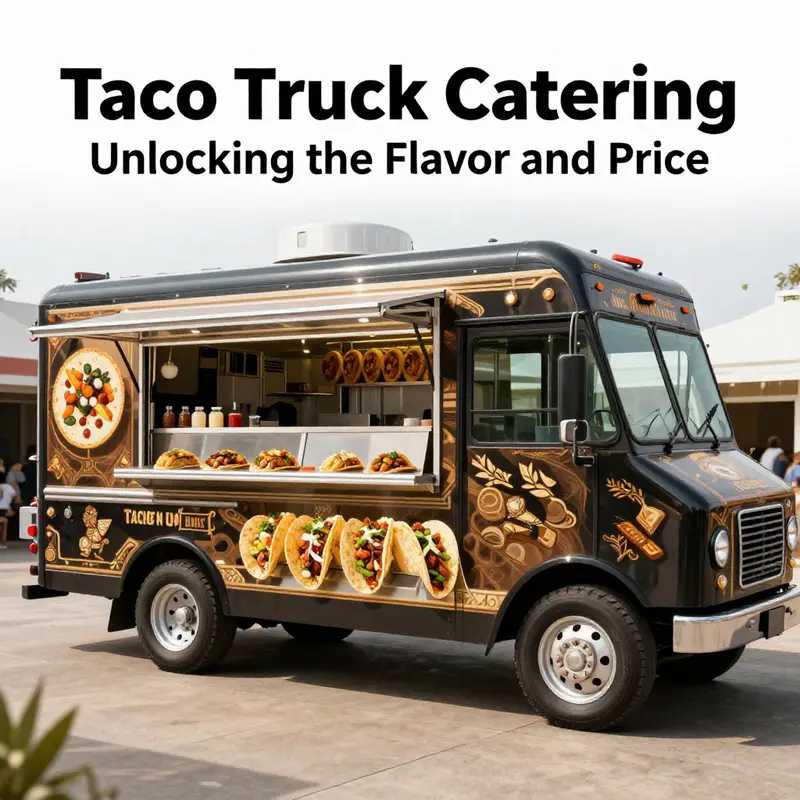
In the world of taco truck catering, the most dramatic price differences crop up when operators aim for a high-end, fully customized mobile kitchen. It’s not just about having a grill and a sink; it’s about marrying performance with brand presence and regulatory readiness. Market data shows a broad landscape. For premium, custom-built high-end trucks, you can expect pricing in the range of $50,000 to $120,000, reflecting the sophistication of the equipment, the precision of the design, and the scale of production. This is the layer where buyers are not just buying a vehicle, but investing in a full-fledged culinary operation on wheels. The numbers sit atop a spectrum that starts much lower, with basic food carts around the $20,000 mark and standard catering truck conversions in the $30,000 to $50,000 range. The jump to the $50,000-plus tier marks a decisive upgrade in capability, reliability, and returns on event-based work.
Custom design and build define the first, most visible rung of this ladder. In a high-end build, every inch of space is optimized for a particular menu and workflow. Chefs may be preparing sauces, toppings, and proteins that require delicate, temperature-controlled processes. The kitchen layout is not a generic pass-through but a bespoke map: cook stations, prep zones, cold storage, and wash areas placed for minimal movement and maximal speed. The design isn’t cosmetic; it influences yield and efficiency, which in turn affects profitability. Bespoke design means more time in the initial phase, more engineering work on venting and electrical loads, and, inevitably, higher labor costs. Yet this upfront investment helps keep incidents at bay—grease fires, cross-contamination risks, and equipment failures—so teams can operate at a steady tempo when demand spikes.
The heart of the high-end truck is the kitchen hardware. Expect professional-grade gear that can stand up to long shifts and high turnover. Commercial grills with precise temperature control, convection ovens for speed and even browning, refrigerated prep tables to keep ingredients safe and accessible, and high-capacity fryers or specialized modules if the menu calls for them. The integration of this equipment is non-trivial. It requires robust ventilation, correct drainage, a reliable water supply, and waste management systems. Electrical designs must support multiple heavy loads simultaneously. Each added appliance multiplies the complexity of installation and the cost, but it also expands the potential menu and service level. A truck that can sustain longer service windows, deliver consistent textures, and handle diverse demands will command a higher price, but it will also open doors to larger and higher-paying events.
Brand identity and visibility run alongside the mechanics of cooking. A high-end taco truck doubles as a traveling brand and a mobile billboard. Exterior finishes, durable graphics, LED accents, and thoughtful color schemes contribute to the first impression guests form at a glance. Premium coatings, resilient decals, and lighting aren’t merely aesthetic; they improve legibility at night, attract eye lines from a distance, and help build a memorable experience that encourages repeat business and word-of-mouth referrals. This branding work increases upfront costs but pays dividends in perceived value and market differentiation. In crowded festival lines or busy urban corners, a visually compelling truck can pull attention away from competitors and translate into higher sales per shift, especially when the kitchen operates with reliability and speed behind those brand elements.
Compliance and safety are non-negotiable in the high-end tier. Robust safety systems and regulatory readiness shape the total price. Ventilation must clear grease and fumes efficiently; water systems must meet health standards; waste management includes appropriate storage and disposal lines. Compliance considerations extend to fire suppression, non-slip floors, clear allergen labeling, and proper sanitation stations. These factors add to the bill in both equipment and labor, but they protect the operation from costly violations and potential downtime during peak seasons. Operators who plan to scale understand that safety is a competitive advantage: it reduces downtime, protects staff, and preserves the investment over time.
The pricing conversation is not merely a ledger exercise. It reflects capability, reliability, and the opportunity to command premium bookings. The ladder from basic cart to midrange conversions to high-end builds maps onto different business models. A basic, pre-built cart might be a fast, low-risk entry point for casual street work. It’s affordable and easy to deploy, but it often comes with constraints on menu breadth, service speed, and capacity. A standard catering truck conversion broadens the envelope. It supports more cooking methods, better storage, and smoother service at larger events, with increased demand for skilled operators and higher ongoing maintenance. The high-end path, by contrast, is a platform designed for scale and sophistication. It enables complex menus, extended service hours, and a brand-driven guest experience that can justify higher ticket prices and more consistent demand from festivals, corporate events, and multi-day engagements.
In practical terms, the pricing ladder looks like this: a basic pre-built cart near twenty thousand dollars, a midrange catering truck conversion in the thirty-to-fifty-thousand-dollar range, and the upper tier starting around fifty thousand dollars and extending well into the six-figure zone for fully customized, performance-focused builds. Those figures incorporate the chassis, the shell, and the targeted equipment, but they also reflect design engineering, material finishes, and the capacity to meet precise standards under real-world pressure. The total may appear steep, yet it aligns with the value of a mobile kitchen that can deliver consistent quality across diverse events, while presenting a polished, on-brand presence that attracts repeat clients.
The procurement and design process for a high-end build is as important as the cook line itself. Buyers who value reliability and consistency begin with a clear menu profile, a forecast of typical event sizes, and a calendar that justifies long shifts and frequent bookings. A capable builder translates this into a kitchen blueprint that minimizes motion and maximizes throughput. The specification package covers appliance choices, ventilation, water and waste lines, electrical capacity, and branding space. Because customization drives cost, precise quotes with defined scopes—no scope creep—are essential. Phased milestones help buyers approve design elements before fabrication begins, and this staged approach also helps manage cash flow. While the high-end segment invites a substantial upfront commitment, it also provides a dependable platform for growth, with fewer mid-season surprises and a stronger long-term return on investment.
For operators weighing whether to leap to a high-end mobile kitchen or to adapt a midrange setup, consider the guidance found in Choosing the right food truck. The decision hinges on how aggressively you want to scale, the types of events you target, and the level of brand storytelling you intend to deliver in person. If large, branded experiences, ongoing corporate partnerships, and multi-day festival participation are central to the plan, a premium build can be a compelling accelerator. If the strategy prioritizes lower risk and quicker cash flow, a midrange setup might deliver a faster path to profitability while preserving capital for future expansion. Either way, the core objective remains the same: align kitchen capabilities with business goals, ensuring the investment yields a sustainable return across a predictable calendar of events.
On the topic of validating these numbers with real-world benchmarks, industry references offer a structured lens for comparing configurations and outcomes. A respected guide presents a detailed cost analysis across vehicle configurations and performance benchmarks, providing context for when the premium investment makes sense and how it translates into performance and resilience in the field. This external benchmark helps calibrate expectations and prevent price shock as plans mature. For readers seeking a deeper, numbers-backed validation of these concepts, the external resource linked at the end of this chapter offers a comprehensive framework to map configurations to costs and outcomes.
In short, pricing the prime in high-end taco truck catering means understanding that the sticker price is a reflection of design ingenuity, industrial-grade gear, and a brand-ready presentation. It’s a deliberate choice to blend culinary artistry with engineering discipline, creating a mobile kitchen that can sustain performance, scale with demand, and stand out in a crowded market. The route you choose should be guided by strategic goals, event ecology, and the disciplined planning that turns a bold vision into a profitable, repeatable operation. For a closer look at how configurations map to costs and a broader benchmarking reference, see Choosing the right food truck, and consult the pricing guide linked in the resources for external benchmarks.
External resource: https://www.cateringtruckprices.com
The Price of Personalization: How Customization Shapes Taco Truck Catering Costs
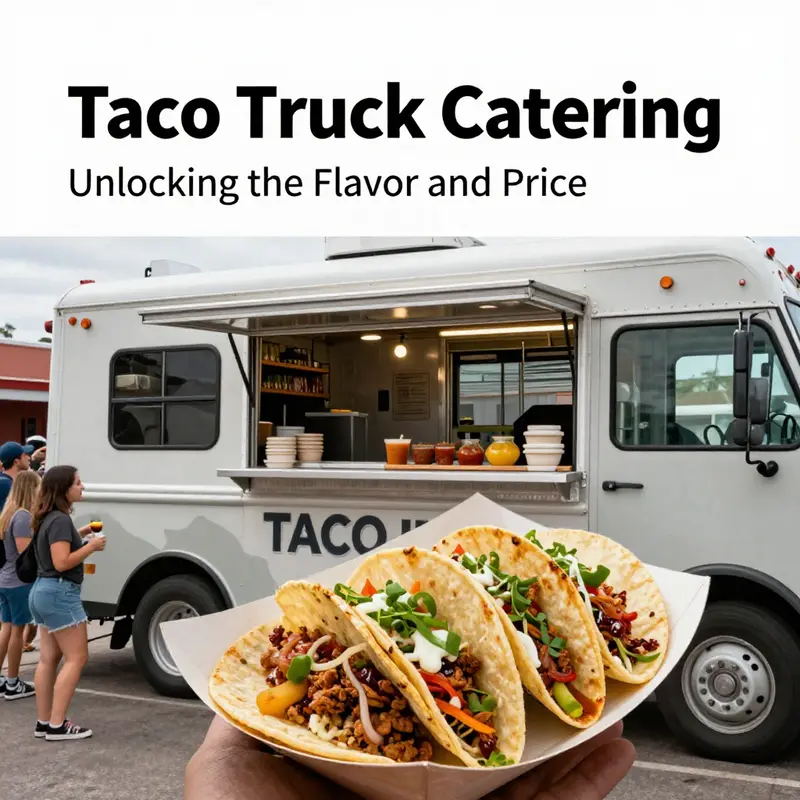
When people ask how much taco truck catering costs, they are often surprised to learn that the answer isn’t a single figure but a spectrum. The price you see is the product of decisions about space, equipment, workflow, branding, and the level of polish you want on road and in service. Customization sits at the center of that spectrum. It can transform a modest setup into a fast, reliable mobile kitchen, or it can turn a simple cart into a distinctive, brand-forward touring unit. The result is a price range that starts modestly, climbs with capability, and can grow even more steeply as you insist on highly tailored features that match a precise menu and customer experience.\n\nTo anchor the discussion in tangible terms, consider the basic entry points. A compact catering trailer or food cart can be purchased for a few thousand dollars, with figures around the low thousands for small orders of one or two units. Some suppliers even advertise bulk options in the mid-thousands, where the savings come primarily from volume rather than extra features. This tier is workable for casual events, street corners, or pop-up weekends where the goal is to test concepts and build a local following. The trade-off, of course, is more limited kitchen space, fewer built-in conveniences, and a narrower window for multi-item processes. If your plan is to keep things lean while you prove demand, this is a sensible starting point.\n\nAs soon as the ambition grows beyond a single, lean setup, the mid-range category becomes relevant. A taco truck that includes a full kitchen—griddles, fryers, refrigeration, proper ventilation, and safe electrical and plumbing layouts—tends to land in a broader price band. In many cases, that mid-range figure falls roughly from three thousand dollars to eight thousand dollars, depending on the exact equipment mix, the quality of components, the interior layout, and how much of the unit is customized versus stocked from off-the-shelf parts. This range corresponds to operations aiming for steady, higher-volume service across varied events, where durability and speed are essential. Operators discover that modest investments in better layout and equipment often translate into faster service, more consistent output, and fewer breakdowns during peak hours—benefits that can easily justify the higher initial price over the life of the vehicle.\n\nBeyond the mid-range, customization becomes the defining cost driver. Fully customized trucks can climb to eight thousand dollars or more, and some builds push past ten thousand dollars depending on size, complexity, and the breadth of features chosen. The price uplift is not simply for more gadgets; it is for an integrated solution that aligns every aspect of the vehicle with a specific menu, service model, and branding strategy. Consider layout personalization: a single-operator workflow can be designed for compact efficiency, while a multi-crew configuration may demand separate zones for grilling, assembling, and packaging. The inclusion of built‑in appliances, multiple cooking surfaces, precise refrigeration zones, and dedicated prep areas adds immediate capital cost but yields long-term gains in speed, sanitation, and consistency. The scale of the unit—ranging from a small kitchen box to a larger, multi-purpose mobile kitchen—also governs electrical load, ventilation requirements, and the complexity of plumbing, each a contributor to the final figure.\n\nCustomization extends far beyond the kitchen walls. Non-slip, durable flooring, climate-controlled interiors for food safety, multi‑compartment sinks, and even the choice of external power configurations all influence price. Climate control, for example, protects perishable ingredients and maintains consistent product quality in extreme weather, but it requires additional insulation, sealed panels, and efficient heating or cooling systems. Similarly, multi‑compartment sinks streamline sanitation but demand more plumbing and waste management considerations. Each feature adds value by reducing risk and enabling compliance with health codes, yet every added option has a price tag that must be justified by expected improvements in throughput, quality, and uptime.\n\nSize and dimensions further shape the cost equation. Tailoring a unit from a compact 2.2 meters up to five meters of interior space expands what you can physically prepare and store. A larger footprint allows for more elaborate prep zones, bigger refrigeration capacity, and the potential to service more customers in parallel, but it also requires more materials, more engineering, and sometimes a larger vehicle footprint that affects licensing and transportation logistics. The cost implications of size are cumulative: more interior real estate, more robust structural work, more powerful electrical systems, and often enhanced exterior branding opportunities. The result is a broader, more flexible platform, but that flexibility comes at a premium.\n\nNo discussion of customization would be complete without acknowledging supplier variability. Different manufacturers and builders offer a spectrum of configurations, certifications, and after-sales support. Some suppliers emphasize turnkey, ready-to-run packages, while others tailor nearly every detail—from the kitchen layout to branding elements. Certifications, such as CE marking, can add value by signaling compliance with international standards, but they also contribute to the price. For buyers, this underscores the importance of a transparent bill of materials and a precise scope of work in every quote. By comparing apples to apples—space, equipment, layout, and service terms—you gain a clearer picture of how the customization levers affect total cost.\n\nThe practical takeaway is that customization should be treated as an investment decision, not a pure calculation of components. A more tailored unit can yield greater operational efficiency, reducing labor hours and speeding service during busy shifts. A highly customized interior reduces the need for frequent reconfigurations as menu items evolve, and a brand-specific exterior can attract repeat customers who recognize reliability and quality. In other words, the right customization creates a virtuous cycle: better workflow and better customer experience drive throughput, which supports higher revenues and, over time, a stronger return on investment. The flip side is equally true: a bespoke design that fails to align with menu needs or local regulations risks bottlenecks, higher maintenance costs, and slower breakout times. The balance of these forces is what ultimately shapes the final price tag.\n\nFor readers mapping their budget, a pragmatic approach is essential. Start with a clear menu and service tempo, then draft a phased plan for the unit’s capabilities. Identify what must be included in the base package and what would be beneficial as a put-it-together-within-budget add-on. Request a detailed bill of materials that lists equipment, installation, delivery, permitting, and installation timelines. Ask about warranties, maintenance schedules, and the possibility of future upgrades as the business scales. A thoughtful line of questioning helps avoid sticker shock and ensures that the customization pathway remains aligned with market opportunities and cash flow realities.\n\nAs you explore these options, you can also consult perspectives that discuss how to choose the right equipment and setup for a mobile kitchen. For a broader frame on how to weigh configurations against business goals, see the guide on choosing the right food truck: Choosing the right food truck.\n\nAll told, the journey from a basic cart to a fully customized taco truck is a journey through cost, value, and control. The lowest possible price is a starting point, the mid-range tier offers reliable capability, and the high-end path promises a tailored, efficient operation that can become a durable competitive advantage. The question—how much for taco truck catering?—is really about how much you are willing to invest in a platform that will carry your concept across many miles and many meals. It is about translating a vision into a unit that reliably delivers both flavor and service under pressure, day after day, event after event. And as you plan, remember that every dollar spent on thoughtful customization is a dollar invested in consistency, speed, and the distinctive experience that makes a taco truck more than a conveyance—it makes it a mobile restaurant with a story customers want to tell. For a broader context and to explore the range of components that factor into these decisions, external sources offer a window into how suppliers price diverse capabilities: https://www.made-in-china.com/productsdetail/1234567890.html
Final thoughts
The world of taco truck catering is as exciting as it is diverse. From economical choices that can satisfy a casual gathering to high-end options that turn an event into a sumptuous feast, understanding these cost structures empowers you—whether you’re a dedicated taco fan or a budding business owner. The harmonious blend of savory flavors and enticing prices makes taco trucks a go-to for any occasion. So, embrace the taco revolution; all that’s left is to choose your truck, craft your menu, and let the fiesta begin!