

Taco trucks have become synonymous with street food culture, enticing food lovers with authentic flavors on the go. But how much does it actually cost to rent one of these culinary marvels? Whether you’re looking to bring the fiesta to your next event or considering a taco truck as a food business venture, understanding the costs entailed is key. We’ll delve into various aspects impacting taco truck rental prices, regional pricing variations, and how they compare to other food options. By the end, you’ll be equipped with all the delicious details you need to make an informed decision for your next taco endeavor!
Counting the Cost of Mobility: A Realistic Guide to Renting Taco Trucks for Your Mobile Eatery
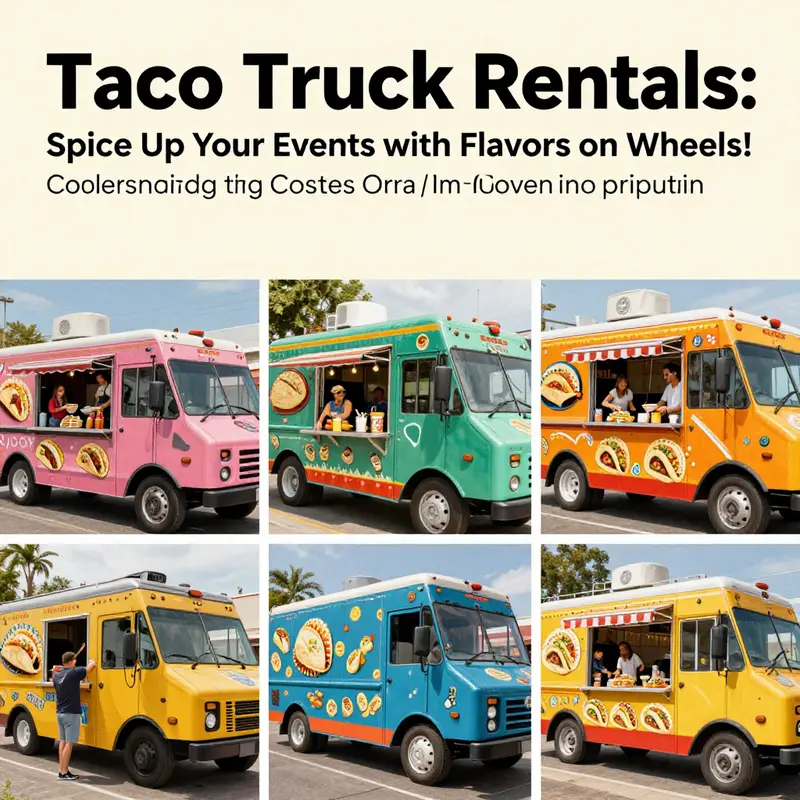
Renting a taco truck is a promise of speed, flavor, and flexibility, but the sticker price hides a web of decisions beneath the surface. The idea of a revolving kitchen on wheels is appealing, yet the true cost of access is shaped by more than the daily rate or the sleekness of a new wrap. In practice, the most important distinction is that a taco truck is not just a vehicle. It is a purpose-built kitchen on a chassis, a compliance platform, and a business asset all rolled into one. Because the available public data focuses on standard pickup rentals rather than food trucks, much of what a prospective operator must do is to translate generic vehicle costs into the realities of a mobile kitchen. What this means is that renting a taco truck, even for a short run or a single event, involves a layered financial conversation that touches upfront payments, ongoing fees, regulatory compliance, and the practical realities of daily operations. The result is that costs can vary dramatically from one jurisdiction to the next, and from one vendor to another, depending on how the truck is equipped, how long you plan to use it, and how much of the business you intend to outsource to the rental provider. The first and most obvious factor is the upfront outlay. A taco truck is built around a kitchen line—grills, fryers, refrigeration, exhaust systems, sinks, water supply, and a robust ventilation setup. Each of these components adds to the purchase price when you own, and to the rental price when you lease. In practice, rental proposals tend to differ not only in the daily or weekly rate but also in what is considered included. Some operators offer a turnkey package that covers the vehicle, the installed kitchen equipment, and a basic maintenance schedule, while others present a more bare-bones option that requires you to supply or lease essential appliances, ingredients, and consumables separately. The outcome of that structure is that two similar-sounding rental offers can diverge sharply in value once you account for what the contract obligates the renter to handle versus what the vendor promises to take care of. The research landscape around taco truck rentals remains underdeveloped in public sources, but the logic of the market points to predictable patterns: higher upfront costs for newer, fully outfitted units; lower initial outlays for used or semi-custom builds; and a wide spread in monthly or weekly fees that reflect the length of the commitment, the level of service, and the breadth of compliance support included in the agreement. Beyond the base rental fee, there are persistent, often overlooked, ongoing costs that can tilt a venture from profitable to burdensome if not anticipated. Regular maintenance is central to food safety and to the reliability of service, and a rental agreement may or may not bundle this into the monthly payment. If maintenance is excluded, you may face a spectrum of charges from routine service visits to more substantial repairs following a grease fire, a malfunctioning hood system, or a compressor failure. Cleaning, sanitization, and waste management are part of daily operations for any mobile kitchen, and rental terms sometimes pass these as separate line items or require a service provider to handle them on a contracted basis. These costs compound quickly when a truck travels across jurisdictions, because each locality brings its own standards for health compliance and fire safety, which in turn may necessitate additional equipment, certifications, or training. Health and safety regulations are more than bureaucratic forms; they are operational conditions that can shape pricing. Permits, licenses, and inspections are typically required to operate a mobile food unit legally, and the costs are not uniform. Some cities charge annual or per-event fees for mobile licenses, while others require annual health department inspections, fire code compliance checks, and proof of insurance that covers both vehicle liability and food service operations. These regulatory layers can escalate the total cost of renting a taco truck, especially for operators who intend to host events or travel between multiple jurisdictions. Insurance is another major consideration. A rental agreement may offer basic liability coverage, but it often excludes gaps that savvy operators must cover independently. You might need additional coverage for equipment breakdown, spoilage due to power outages, off-site storage, or driver coverage if more than one person will operate the truck. Insurance costs tend to scale with risk, and the more complex the menu and the more demanding the service schedule, the higher the premium. Fuel, generator use, and utilities are not mere background expenses. In a rental scenario, you must understand who bears the cost of powering the kitchen and maintaining clean water and waste systems. Some packages include fuel and generator operation as part of the rate; others bill these as separate line items or require the renter to arrange their own fuel strategy and generator maintenance. This matters not just for monthly budgeting but for the consistency of service. A truck’s location can also shape the economics of renting. Urban markets with high event density can command higher daily rates, but they also come with stricter permitting regimes and more intense competition for available timeslots. Rural or semi-urban contexts may offer lower rates but fewer event opportunities, which can push an operator toward longer rental commitments to secure a block of dates. In either case, a renter should critically assess the duration of the rental against anticipated demand. Short-term rentals are convenient for pilot programs, catering pop-ups, or seasonal testing, but the cost per day can be significantly higher than a longer-term arrangement that amortizes fixed costs such as permitting, insurance, and some maintenance obligations. For entrepreneurs testing a concept, rental can be a prudent bridge to ownership. It reduces the upfront capital barrier and allows the operator to validate a menu, a location strategy, and staff workflows before committing to a purchase. Yet even as rental reduces risk, it does not eliminate it. Hidden costs can appear in the fine print: the requirement to sign a long-term maintenance agreement, penalties for excessive wear, or the need to maintain certain health or fire safety certifications that must be renewed on a schedule. To navigate this landscape with clarity, it helps to approach the process as a structured inquiry rather than a shopping trip. Begin by collecting formal quotes from multiple vendors and insist on a detailed breakdown of what is included and what is not. Ask about the equipment list, power requirements, water supply, waste handling, cleaning protocols, and whether the truck comes with backup equipment in case of breakdowns. Clarify who handles licensing and inspections in each jurisdiction you intend to operate within, and whether the vendor provides assistance with commissary arrangements or shuttle services between events. Consider whether the rental agreement supports your planned growth. If you foresee expanding to additional events or moving into a broader geographic area, seek terms that offer flexibility in number of operating days, geographic coverage, and equipment upgrades without punitive penalties. Finally, once you have a draft offer, compare it against the more general realities of the business: the cost to acquire a fully equipped truck if you choose to buy, the time needed to train staff to operate a mobile kitchen safely, and the potential revenue from events that align with your concept. The decision framework often benefits from a direct, practical reference. For a guided, stepwise approach to selecting a food truck that matches your operational goals, see Choosing the right food truck. This is a reminder that the most important step is not just the price tag but the alignment between the truck, the menu, the service model, and the regulatory fabric of the communities you plan to serve. In the end, the value of renting a taco truck rests in how well the arrangement translates into consistent, compliant, and high-quality service, rather than in a single monthly figure. Each contract is a balance sheet of possibilities—access to mobility, culinary identity, and scalability—against the real costs of equipment, compliance, and ongoing care. As you contemplate the economics, keep the idea of the business you want to run at the center. The right rental solution should support your culinary vision while keeping a tight, transparent grip on the operational realities that sustain a mobile eatery over time.
How Region Shapes the Cost: Understanding Taco Truck Rental Variations
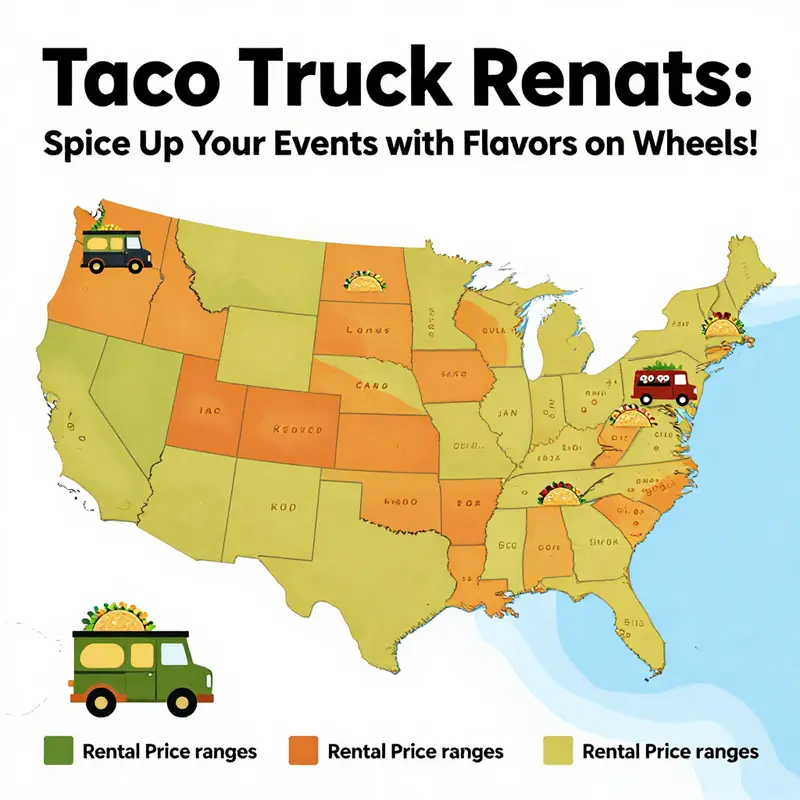
Estimating how much it costs to rent a taco truck is never just a matter of a single dollar figure. Costs change with geography, local regulations, the type of vehicle, and the vendor’s business model. This chapter walks you through the regional forces that typically drive price differences, what to expect in various market types, and practical questions to ask so you can form a realistic budget whether you’re planning a one-day event or a longer rental. The goal is to give you a framework to understand why prices vary and how to approach rental conversations with clarity.
Urban density and event demand strongly influence rental rates. In large metropolitan areas where foot traffic and catered events are plentiful, taco truck operators often command higher fees. Premium urban locations generate higher potential sales for the vendor, and many operators price rentals to reflect that upside. In contrast, rent and operating costs for vendors in smaller cities or towns are usually lower, and rental fees often follow suit. Asking vendors about their typical daily gross revenue can help you understand whether their rate is primarily a coverage of opportunity cost or a flat service fee.
Permitting and legal compliance are central to regional price differences. Municipal rules for mobile food vending vary widely. Some cities require a stack of permits—health department certifications, temporary event permits, parking authorizations, and commercial vehicle registrations. In areas with complex permitting, vendors often build those compliance costs into their rental rates to avoid being left out of pocket. Where the regulatory burden is light, vendors can offer more flexible pricing. When you evaluate quotes, ask which permits are included and which remain your responsibility. If the vendor handles permits, that convenience will usually appear as a higher line item but can save you time and risk.
Local labor and minimum wage levels also matter. Regions with higher wage floors increase the cost of hiring staff for events. If the taco truck rental includes staff to prepare and serve food, expect rental quotes to reflect both local wage rates and any mandated benefits. In some markets, vendors use hourly staffing plus a base truck fee; in others, they offer an all-inclusive flat rate that covers food, fuel, staff, and setup. Clarify how labor is billed so you can compare apples to apples across vendors and regions.
Logistics and distance from the vendor’s home base shape pricing too. Travel time, fuel, and the practical limits of where a truck can operate—due to road access or vehicle restrictions—drive up costs for events further from a vendor’s usual service area. In sprawling regions, it’s common to see tiered pricing: a base fee for events within a core radius and surcharges for each additional mile. If your event is in a remote area, be prepared for higher fees or for vendors to decline. Request a travel cost breakdown and negotiate a cap on travel surcharges when possible.
Seasonality and event calendars create predictable demand spikes. In many parts of the country, taco trucks are busiest during warm months, festival seasons, and around major sports or music events. Vendors often set higher rental rates during peak season to reflect both demand and the higher opportunity cost of turning down walk-up business. Conversely, offseason rentals can yield discounts or more lenient minimum spend requirements. If your date is flexible, ask vendors about off-peak pricing or weekday discounts to shave costs.
Supply of vendors and competition within a region influence negotiation power. In markets dense with mobile food operators, rates tend to be more competitive. Where few vendors serve tacos—or where only a handful can meet specific cuisine or equipment needs—prices rise. In less-saturated regions, building relationships with local vendors can produce favorable rates, particularly for recurring bookings or multi-event contracts. Consider reaching out well before your event to secure better terms and to allow vendors time to pivot their schedules.
Vehicle type and outfitting matter no less than location. A classic taco truck outfitted with full cooking equipment, refrigeration, and a certified hood system is priced differently than a smaller trailer or a pickup converted for pop-up service. Trucks that include full-service menus, table setups, and additional staff will carry higher fees. If your goal is budget control, specify a stripped-down service (limited menu, self-serve options, or pickup-only) and confirm which trade-offs are acceptable. Vendors often provide modular offerings—basic rental, staffed catering, or full catering with bar services—so clarifying your priorities helps shape cost-efficient choices.
Duration and scope of service directly affect pricing. Short, single-hour appearances may involve minimums that make them relatively expensive on a per-hour basis. Full-day or multi-day rentals usually qualify for lower daily rates. For events where sales will cover food costs, vendors may propose revenue splits instead of flat fees—especially at high-traffic events. Understand whether the vendor expects a guaranteed minimum payment, a percentage of sales, or a hybrid arrangement. Each model shifts risk differently between you and the vendor and carries distinct regional norms.
Insurance and liability coverage can be a hidden pricing factor. Regions with stricter liability environments or higher litigation risk push vendors and event hosts to secure more extensive insurance policies. Vendors who maintain robust general liability and product liability coverage will include those costs in their pricing. If your venue requires additional certificates or higher limits, discuss who will absorb that expense. Sometimes a venue’s own insurance can ease the burden and reduce the vendor’s rate.
Cultural expectations and menu complexity shape price too. Areas with sophisticated food scenes may expect creative or premium ingredients, which raises per-plate costs and therefore rental fees. Vendors tailoring menus to upscale events or specialized dietary needs—gluten-free, vegan, or fusion tacos—often charge more to cover ingredient sourcing and preparation complexity. If you need specific menu items, request a sample menu and pricing per serving so you can forecast total cost.
When comparing vendors across regions, transparency beats headline numbers. Ask for an itemized quote that separates base rental, staffing, travel, permits, insurance, and food cost. Request references and recent event examples in your region. If possible, negotiate a trial or tasting to confirm quality before committing to a full event. Be mindful that some vendors price conservatively to account for unpredictable elements—weather, equipment failure, or unexpected demand spikes.
Finally, consider alternative approaches that control cost without sacrificing experience. Partnering with a local vendor reduces travel and compliance surcharges. Offering a revenue-sharing arrangement can lower upfront fees. Booking outside peak hours or during the shoulder season often yields savings. If you’re unsure whether you need a fully outfitted truck, explore simpler setups, like a taco trailer or staffed pop-up station, and evaluate whether a pickup-style mobile service meets your needs.
Understanding regional differences in taco truck rental pricing comes down to mapping the underlying drivers: local demand, regulatory load, labor costs, travel logistics, vehicle outfitting, and menu complexity. By asking targeted questions, seeking itemized quotes, and aligning your service expectations with the regional market dynamics, you can approach rental negotiations confidently. For guidance on evaluating different truck types before you ask for quotes, consider resources on choosing the right food truck for your event, which outline what features typically influence cost and capability: https://fireduptacotruck.com/choosing-the-right-food-truck/.
For a quick snapshot of vehicle rental pricing trends that sometimes provide context for simple transportation-based services, see a national vehicle rental resource: https://www.kayak.com.
Riding the Price Curve: What Determines Taco Truck Rental Costs and How to Budget for Your Mobile Kitchen
Renting a taco truck is a decision that blends hospitality, logistics, and numbers. It isn’t a single price point that fits every plan, but a spectrum shaped by how you want to operate, where you plan to serve, and how deeply you equip your mobile kitchen. The starting point is simple: there is no universal sticker price for a taco truck rental. Prices move with the vehicle’s configuration, its condition, and the scope of services bundled into the agreement. To understand the math behind these numbers, picture a curve that climbs as you add features, confidence, and access to high-demand venues. The story of cost, then, is really a story of trade-offs and planning well in advance of your first event. In practical terms, this means understanding the core factors that drive cost and knowing how to translate those factors into a realistic budget for your concept.
The most fundamental driver is the type and condition of the vehicle itself. A rental fleet will typically offer a range from basic, prepped platforms to fully integrated mobile kitchens. A bare-bones unit might provide the shell, some basic electricity, and plumbing connections, while a high-end unit can come with stainless-steel worktables, dedicated refrigeration, built-in grills, and functional plumbing systems. The condition of the unit matters as well. A newer, well-maintained truck is likely to command a higher daily rate because it reduces risk of breakdowns that could derail a busy service window. Conversely, a fixer-upper may be cheaper but could incur maintenance costs and downtime that erode savings over the life of a rental period. The undercurrent here is value for reliability. In the context of a food service operation, reliability isn’t a luxury; it’s a proxy for consistent service to your customers and steady revenue.
Beyond the basic shell, the brand and model of the unit can influence price more than most buyers anticipate. Newer models or units from operators known for robust resale value and supported parts networks tend to carry higher rental fees. The rationale is straightforward: a newer platform reduces the risk of unexpected repairs, which translates into predictable service for your calendar and invoicing. While a brand-new kitchen don’t guarantee success, it does ease the strain of early operations. If your plan relies on back-to-back events, the peace of mind that comes with a dependable, well-supported unit can be worth the premium.
Another crucial factor is the length of the rental period. Short-term rentals—think a weekend festival or a handful of popping markets—usually incur higher daily rates because the provider must cover maintenance, insurance, and turnover costs in the shortest window. Long-term leases, by contrast, often come with discounted weekly or monthly rates. The math shifts once you move into a multi-month horizon: the daily price can drop, but you’re committing to a longer obligation and a more involved maintenance lifecycle. This dynamic is especially relevant for startup concepts testing their market fit. It gives operators a way to amortize equipment costs and stabilize cash flow as they refine their menu and operations.
Location and regional demand add another layer of complexity. In bustling city cores or tourist hubs, rental prices tend to be higher due to greater demand, higher insurance costs, and the expenses associated with maintaining fleets in dense urban environments. In contrast, areas with lower traffic or seasonal demand may offer more competitive rates. Local permits and regulatory expectations also shape the economic picture. If your plan hinges on seasonal spikes—summer street fairs, weekend markets, or special events—you should anticipate different price behavior than off-season months. Availability can compress around peak dates, nudging prices upward as suppliers balance capacity against demand. The geographic footprint of your business thus matters almost as much as the unit itself.
The configuration of equipment and services included with the rental often makes up a sizable portion of the bill. A fully equipped kitchen tier might include refrigeration units, sinks and plumbing connections, food-grade surfaces, exhaust systems, and a ready-to-operate layout. Some packages go further by offering supply chain support, such as preloaded ingredient storage, delivery of dry goods, or vendor coordination for events. Each added feature has a price tag, but it also reduces the need for separate purchases or off-site trips to restock during a busy service day. For operators aiming to scale quickly, bundling maintenance, cleaning, and basic servicing can translate into smoother operations and fewer surprise costs. Conversely, if you already own or plan to retrofit other spaces, you might opt for a leaner setup and outsource certain functions, trimming monthly commitments but potentially increasing per-event labor or third-party coordination costs.
Seasonality is an economic force you can almost feel as the calendar turns. In peak summer months or around major local festivals, availability on the rental market tightens. The same forces that drive restaurant patios to longer hours in the summer drive truck fleets into tighter schedules and higher pricing. Smart operators plan in advance for these cycles, locking in equipment during shoulder seasons when rates tend to soften and crews remain available. The challenge is balancing the upfront cost of securing a unit with the revenue potential of summer events. If you miss the window for a sought-after date, you risk losing appetite from local customers and missing a lucrative opportunity. The best approach is to forecast demand for your target markets, create a calendar, and secure the most suitable unit early enough to avoid price spikes that come with urgency.
For readers navigating this terrain, the path toward clarity often begins with a candid cost map. Start by outlining your essential needs: the minimum kitchen specs required to execute your menu, the maximum daily budget you can sustain without compromising service quality, and the event cadence you expect in the first year. Then, gather quotes from multiple providers and carefully compare what each price includes. Is delivery and setup part of the package, or is it billed separately? Are there minimum rental days? What are the policies if a festival cancels or a weather window closes? Hidden fees—fuel surcharges, cleaning charges, or charges for additional staff—can pile up if you don’t ask the right questions at the outset. A thorough comparison helps you avoid sticker shock and reveals where you can negotiate longer terms, bundled maintenance, or reduced deposits by committing to a larger volume of events.
This is where practical guidance becomes valuable. If you’re still unsure how to pick the configuration that fits your concept, consider exploring a broader framework for decision-making that weighs kitchen layout, vehicle reliability, and operational efficiency against your budget. For a concise, shopper-friendly overview of selecting the right vehicle and setup, you can check a resource tailored to finding the right fit: Choosing the right food truck. The article there walks through criteria such as kitchen workflow, electrical capacity, and service readiness, which all feed back into rental pricing by clarifying what you truly need versus what you can do without. In the end, the aim is to align both your culinary ambitions and your financial plan so that the rental becomes a lever for growth rather than a fixed burden.
As you map out the numbers, remember that the public-facing price is only part of the conversation. The full cost picture includes insurance, licensing, inspections, and ongoing maintenance—expenses that accompany any mobile food operation but are sometimes folded into or excluded from a pure rental quote. If the provider requires you to carry insurance, be sure you understand the coverage limits and who bears the risk for equipment damage or spoilage. Inspections may be mandated by local health authorities, and those requirements can influence the necessary setup and, by extension, the rental package. The goal is to enter negotiations with a clear line item strategy: what is essential for launch, what is nice-to-have, and what is optional but beneficial for long-term success. The better you understand this spectrum, the more precise your budget becomes and the more resilient your plan looks on paper and in practice.
To anchor these considerations in a practical process, approach rental planning as a staged decision rather than a single purchase or a one-off rental. Stage one is needs assessment—defining your minimum viable kitchen and the number of events you expect in the first year. Stage two is sourcing—collecting multiple quotes, asking pointed questions about inclusions, and evaluating the total cost of ownership over the rental period. Stage three is risk management—packing a contingency for price fluctuations or a sudden need for a different configuration if events demand more capacity or a different menu. Stage four is finalization—selecting a package that balances cost with reliability, then locking it in with a clear, written agreement. Throughout this journey, the price you pay should reflect not just the unit you bring to the street but the confidence you gain by knowing your kitchen operates smoothly at every service window.
External reference for broader context can be found at an industry resource that surveys rental options for taco trucks and similar mobile kitchens: https://www.truckrentals.com/taco-trucks.
Pricing the Sizzle: How Taco Truck Rentals Stack Up Against Other Mobile Kitchens

When people ask about renting a taco truck, they often expect a single price figure. The reality is more nuanced. There is little direct, standardized data on taco truck rental prices in the sources most planners rely on. What exists points to two distinct rental paths: renting a modified mobile kitchen that operates as a taco truck, and renting a simple pickup or transport vehicle that a team can use to haul a taco operation from place to place. The distinction matters, because the cost drivers, maintenance demands, and regulatory considerations change with the choice. In many markets, what you actually end up renting is not a finished, turnkey kitchen but a vendor’s service for a catered event or a space to deploy a mobile kitchen that someone else runs. That makes apples-to-apples comparisons with other food truck options delicate, but entirely possible with careful framing. The larger takeaway is that the price you pay is a function of scope, location, equipment, and the level of service you expect, rather than a fixed rate card you can pull off a shelf in every city.
Even when we isolate the question to the most basic rental scenario a small business or event organizer might confront—that is, renting a standard truck for transportation or logistics rather than renting out a full mobile kitchen—the practical price signals are clearer. Data drawn from vehicle rental aggregators suggests that the daily cost of renting a generic pickup truck can be surprisingly modest in some markets. For example, in recent listings, a Toyota Tacoma, a popular chassis for light pickup duties, shows daily rates that hover around the mid-60s to high-70s in several locations. In Palmdale, the rate was roughly 67 dollars per day; in Twin Falls around 64 dollars; and in Dublin about 79 dollars. These figures come from rental aggregators that track recent prices and reflect what a customer would pay for an ordinary pickup with standard configuration. They do not reflect the premium that a modified mobile kitchen might carry, nor do they capture the costs of the specialized equipment that a taco operation relies on. Those prices illustrate a baseline from which event organizers and operators can work when the rental objective is simply getting a vehicle to move a kitchen or to serve as a transport backbone. It is important to stress that these are not turnkey taco truck rental figures; they are baseline vehicle rental prices that can port into a broader cost calculation only when the scope includes a taco unit rather than a generic vehicle.
What follows, then, is a framework for thinking about the true price of a taco truck rental, whether you are evaluating this option for an event, a market pop-up, or a longer term mobile operation. Because the available data do not supply a single price tag for a taco truck itself, the analysis centers on cost components and decision points that shape any price tag you might receive from a rental platform or a vendor. The key is to distinguish between the two primary pathways readers might pursue: (1) renting a ready-to-go mobile kitchen that operates as a taco truck, which commands a premium for specialized equipment, compliance, and dedicated staff; and (2) renting a pickup or transport vehicle that you plan to outfit or operate alongside a separate cooking setup. In practice, many people end up negotiating with a taco truck operator for a complete service, rather than renting a truck and sourcing all elements independently. The economics of that arrangement hinge on the specifics of the event, the menus offered, and the level of service desired—from basic street-food style service to full-service catering with prep, staffing, and waste management.
From the purchaser’s perspective, several cost drivers tend to dominate. The first is the unit itself: the type of mobile kitchen, the degree of customization, and the capacity to handle a given menu. A taco-focused setup requires space for a griddle, sauté stations, cold storage, a grease management system, and often a generator to power equipment and lighting. A pizza-oriented or gourmet truck, by contrast, may carry ovens and steamers that impose heavier electrical and fuel loads. Those differences can translate into higher rental figures for certain truck types. The second driver is location and date. Urban venues with higher labor costs, stricter permitting, and contesting demand pools often push quotes upward. A midweek event in a secondary market tends to be less expensive than a weekend in a coastal city with a marquee festival. The third driver is service level. If you book a vendor who supplies the truck, the staff, and the menu, you escape many hidden costs but pay for convenience. If you source the truck itself and assemble your own crew, you may negotiate lower base rental but incur additional charges for staffing, food safety compliance, and insurance. This is why, in practice, the pricing sheet for taco truck rentals tends to be a negotiation rather than a fixed line item.
To navigate this landscape, the practical route is to consult platforms that connect organizers with mobile catering options. Eventbrite, for instance, lists food truck vendors for events and can reveal availability and price bands across a city or region. The Catering Connection offers directories of mobile vendors and can illuminate what kinds of services accompany a taco truck option, from menus to setup requirements. Rover provides booking services for mobile food trucks for events, which often include price quotes and constraints tied to travel distances, event duration, and staffing. These platforms can help you compare taco truck offerings with other mobile food formats like pizza trucks, smoothie trucks, or gourmet concepts, all of which bring their own equipment footprints, staffing needs, and regulatory considerations. If a detailed, apples-to-apples comparison is your goal, these are the right starting points to gather current quotes, examine menu options, and observe what operators consider essential for a complete service.
For anyone who wants a clearer sense of how to choose among these paths, there is practical value in reviewing literature that helps delineate your options before you reach out for quotes. One resource worth considering is guidance on choosing the right food truck, which can help you align your event needs with the capabilities of mobile kitchens. This kind of guidance emphasizes matching the truck’s equipment and service level to your menu and venue constraints. It highlights the importance of site readiness, commissary requirements, and the certifications that kitchen facilities need in your area. The decision framework stresses that the trucking option should fit not only the menu and guest count but also the logistical realities of the event—truck parking, waste disposal, and the ability to scale service up or down as attendance changes. Choosing the right food truck can be a useful starting point for readers who want a structured sense of the tradeoffs involved when comparing taco truck rental to other mobile formats.
As for the bottom line, there is no universal sticker price for renting a taco truck. The most transparent way to approach this question is to identify expectations up front: what menu the truck will support, how many staff are needed, the event duration, the distance from the operator’s base to the venue, and the regulatory steps required by the location. If your aim is to preserve flexibility and control costs, you may start from the baseline vehicle rental figures for a standard pickup and add the costs associated with converting that vehicle into a serviceable mobile kitchen. If your aim is convenience and reliability, you might prefer to hire a dedicated taco truck operator who can deliver a turnkey experience, understanding that this bundle comes with a premium but reduces your exposure to coordinating multiple vendors and licenses. In either case, expect to encounter a spectrum of price bands rather than a single price point, and prepare to negotiate with vendors who can tailor the package to your event size, menu complexity, and target service level.
To help structure your next step, consider issuing a few targeted inquiries to potential vendors on the platforms mentioned, requesting itemized estimates that break out truck rental, equipment use, staffing, travel, and any mandatory permits. Ask about setup and teardown times, the scope of cleanup, and any added charges for late pickups or weather-related contingencies. If you are comparing a taco truck option with other mobile formats, request side-by-side quotes that spell out differences in equipment, staff, and service commitments so you can assess which choice aligns best with your event goals and budget. Finally, remember that the rental landscape can shift quickly with changes in city regulations, fuel costs, and demand dynamics, so treat quotes as time-bound estimates rather than fixed promises.
External resource: https://www.eventbrite.com/
Roving Kitchens, Real Costs: How the Taco Truck Business Model Shapes Rental Pricing

A taco truck moves as much through space as it does through a menu. It functions as a roving kitchen, a flexible enterprise that thrives on adaptability rather than static footprint. In the urban ecosystems where street food has become an emblem of culture and craftsmanship, these mobile units are woven into the rhythms of neighborhoods, events, and office districts. The business model behind them rests on three pillars: operational flexibility, low overhead, and community integration. This combination makes the taco truck not just a culinary option but a strategic instrument for market access. Because fixed costs stay comparatively low, operators can experiment with recipes, shift to where demand is strongest, and adjust hours without the heavy lease burdens that pin down traditional restaurants. Yet this lean structure does not mean costs vanish. It means they move, and the way they move often determines how expensive it is to rent a truck, where to park it, and when it makes sense to invest in a newer or bigger unit. When we look at rental costs through this lens, the story becomes about balance: how mobility compounds value, how location fees rise with demand, and how the choice between different vehicle configurations reshapes both upfront and ongoing expenses.
The absence of a straightforward price tag in the sources reflects a broader truth about mobile food operations. There are few published benchmarks for taco-truck rental prices specifically. Instead, insights tend to cluster around the economics of mobility and the costs of access—whether that means renting a vehicle for business use, securing a place to operate, or paying for the right to serve in high-footfall zones for limited periods. In such a framework, rental costs are not a fixed line item but a dynamic variable that responds to where you operate, how you operate, and what you offer. A projector of this reality emerges especially clearly in a city context where street-food culture is deeply embedded in the local identity. In those environments, the appeal of a taco truck rests partly on the ability to reach diverse communities quickly, and partly on the ability to negotiate space that supports a steady flow of customers. The lean structure—little paid space, little utility debt, modular equipment—allows operators to experiment and to adapt. It also means that the rent or lease for a taco truck, whether it is a van-style unit or a larger trailer, can be bid up in prime locations if demand is high, even as operators preserve margin through efficient operations and a flexible menu.
From a strategic standpoint, the most consequential choice a prospective operator makes is the vehicle type. The decision between a van and a trailer has immediate implications for rental costs and long-term profitability. Vans offer simplicity: easier to park, lower purchase price, and often less intensive maintenance. They enable a startup to validate a concept with minimal capital and lower ongoing fixed costs. The constraint is their smaller kitchen footprint, which can limit menu breadth and throughput. A trailer, by contrast, liberates the cooktop, refrigeration, and storage, enabling a broader menu and higher potential sales per shift. But it comes with tradeoffs: greater space requires more setup time, more crew hours to manage, and higher risk of downtime if parking and leveling are not handled efficiently. For owners who aim to run several events across a week, these factors translate into both higher rental costs and greater revenue potential. The space you need to operate can be a direct lever on what you pay for a location or for a spot at an event, and it can also shape the kind of permits or licenses you must secure, which in turn adds to the monthly or daily outlay.
The interplay between location intensity and vehicle capacity helps explain why rental costs can feel volatile. In busy districts or near large employers, a premium is often placed on access. Operators may pay more for a coveted parking zone, a time-limited permit, or an event slot that guarantees a steady stream of customers. When the business model centers on mobility and responsiveness, those costs become part of the velocity of growth. The same principle applies to the logistics of operation. A van keeps costs modest and turns inventory quickly, which can drive profitability at a lower price point but with tighter throughput. A trailer can unlock larger menus and higher sales, but it may demand higher rental allocations or special parking arrangements, and it can require more staff and longer prep times. Both paths can deliver sustainable income if the operator calibrates revenue against the cost of movement and occupancy. The magic lies in matching the vehicle capability and the chosen locations to an identifiable customer base while keeping overhead tight enough to absorb the ebbs and flows of demand.
This is why many practitioners emphasize the importance of a thoughtful budgeting frame rather than merely chasing a cheap truck or a glossy setup. In practice, rental costs are a function of four interacting elements: location demand, vehicle type, permitting and compliance requirements, and the operational tempo the unit can sustain. Location demand captures the value of being where foot traffic is highest or where event calendars fill up. It is not just about the daily parking fee; it includes time-sensitive access to premium spots and the reputational advantage of recognizable routes and steady crowds. Vehicle type translates to capital needs and operating costs—insurance, fuel, maintenance, and the cost of upgrades to expand capacity. Permitting and compliance cover health codes, food-safety requirements, and the sometimes complex fee structures for street vending in different jurisdictions. Finally, operating tempo, the rhythm of cooking, serving, and restocking, feeds into labor costs and inventory turnover. A nimble operator who can rotate menus, adjust hours, and shift between locations minimizes the impact of these costs on overall profitability, and that adaptability is a direct dividend of the business model.
To think concretely about how these elements translate into rental decisions, imagine the typical cycle of a taco truck operator in a busy metropolitan area. The owner weighs whether to chase a high-demand site that commands a premium permit or to accept shorter, cheaper slots that offer flexibility and fewer constraints. If the operator chooses a van, the daily outlay might be lower, the setup time shorter, and the risk of downtime smaller. The upside is a lower barrier to entry and the ability to trial neighborhoods with minimal capital risk. If the operator opts for a trailer, the upfront investment and ongoing costs rise, but the potential upside grows with menu diversity and selling speed. The key is alignment: the vehicle choice should align with the expected volume, the kinds of customers drawn to the area, and the operator’s capacity to manage the logistics of a larger setup. In markets where customers value speed and consistency, a compact unit that can sprint through a lineup may deliver better margins. In areas that reward breadth and spectacle, a larger unit can create a destination feel and lift average checks, justifying higher occupancy charges and event fees.
This logic also bears on the broader practice of renting or leasing space for a mobile business. The lean framework of the taco truck makes rental agreements more flexible and scalable. Because fixed costs stay comparatively modest, operators can adapt to seasonal shifts, festival calendars, or new neighborhoods without the weight of a long-term lease on a storefront. The implication for aspiring entrepreneurs is clear: start with the simplest, most adaptable configuration you can responsibly manage, and let demand and learning guide the expansion. If your plan succeeds in a limited set of locations, you can consider upgrading to a trailer or adding a second unit and negotiating more favorable terms for bulk or multi-site rentals. In this way, rental costs do not trap growth; they become a lever you can pull as you scale, with the understanding that every shift in vehicle configuration or location strategy reshapes the cost structure.
For readers who want a practical pathway through these choices, consider the guidance that comes from experience in the field: begin with a clear concept, test it in a few venues, and track the cost-to-revenue ratio under each configuration. If you are weighing between a compact van and a more expansive trailer, remember that the decision hinges on throughput and menu breadth as much as on parking and permits. If location scarcity is the primary driver of cost, you may decide to focus on events and pop-up spots that offer predictable days and fewer regulatory hurdles. If, instead, the aim is to maximize daily sales in a high-traffic zone, a larger unit could pay for itself more rapidly, provided you have the labor and prep capacity to support it. The core takeaway is that rental costs in the taco-truck economy are not simply a line item to minimize; they are an instrument to optimize when paired with a deliberate, learning-driven growth plan. The mobility that gives these businesses their edge is also the source of much of their cost variability, and understanding this balance is essential for anyone considering entry, expansion, or ongoing operation.
If you’re weighing the practical steps toward choosing between a van, a trailer, or a cart, a deeper dive on selecting the right configuration can be helpful. You can read more about how to choose the right equipment at this resource: Choosing the right food truck.
External resources that expand on the technical and operational aspects of mobile food hardware offer further context for real-world budgeting and planning. For a technical perspective that can illuminate the mechanics of equipment and layout, see the external guide linked here: https://www.foodtrucks.com/technical-guide-taco-cart-for-sale
Final thoughts
Renting a taco truck can enrich any gathering and provide a taste explosion that brings people together. From understanding costs to recognizing regional pricing and business models, each aspect is essential for making a decision that suits both your palate and your budget. As you consider your options, keep the factors and comparisons in mind, and remember: the right taco truck can turn an ordinary event into an extraordinary culinary fiesta. Get ready to indulge and celebrate flavors on wheels!