

Are you a taco fanatic seeking the ultimate culinary experience? Or perhaps you’re a taco business owner wanting to ensure every delicious bite is perfect? Taco trucks have become icons of street food, offering a plethora of mouthwatering flavors and ingredients that delight both the taste buds and the calorie counters. In this flavorful exploration, we’ll take a deep dive into how many calories are in taco truck tacos, starting with a detailed caloric breakdown of chicken tacos, understanding the variability based on ingredients, analyzing their nutritional impact on our dietary choices, and estimating calories by portion size. Each chapter is designed to bring you closer to taco enlightenment, whether you’re satisfying your cravings or sharing insights from your own taco venture.
What’s Actually in a Taco Truck Chicken Taco: A Practical Caloric Breakdown
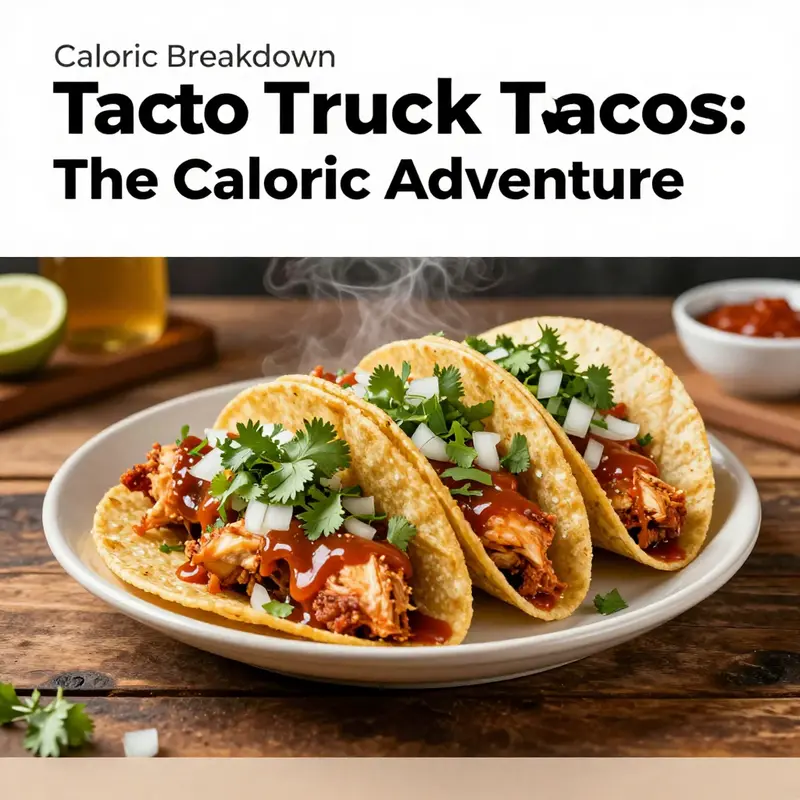
A single taco from a taco truck can look simple: a warm tortilla folded around seasoned chicken with a few garnishes. That simplicity, though, hides a surprising number of variables that determine the final calorie count. Understanding those variables helps you estimate how many calories you’re consuming and make choices that fit your goals. This chapter walks through the typical components of a chicken taco at a taco truck, explains how each contributes to total calories, and offers practical guidance for keeping portions and calories in check without sacrificing flavor.
At the most basic level, a taco truck chicken taco usually contains three primary elements: the tortilla, the chicken filling, and the toppings or sauces. Each element brings calories from different macronutrients—carbohydrates from the tortilla, protein and some fat from the chicken, and fats or extra carbs from cheeses, crema, and guacamole. A conservative, base estimate for a lean chicken taco served in a corn tortilla is about 120–140 calories. This estimate assumes modest portions: roughly one small corn tortilla (about 50–60 calories), a 1.5–2 ounce portion of shredded or grilled chicken (about 50–70 calories), and minimal or no high-calorie sauces. Many taco trucks offer this leaner version, especially when they focus on grilled chicken and light garnishes.
But that number can change quickly. Preparation methods are a primary driver of caloric variability. Chicken that is simply grilled or roasted and lightly seasoned will keep calories low. When the chicken is sautéed in oil, pan-fried, or marinated in fatty sauces, the added cooking fats and sugars increase calories. A tablespoon of cooking oil contains roughly 120 calories; if enough oil is used in the pan, that can add 30–80 calories to a single taco depending on how much oil the chicken absorbs and how many tacos share that oil. Marinades that contain oil, sugar, or cream-based components also add calories. Even techniques like confiting or braising in fat, common in some regional recipes, substantially increase energy density.
Tortilla choice matters too. Corn tortillas are typically thinner and lower in calories than their flour counterparts. A standard small corn tortilla often ranges from 40 to 60 calories, while a small flour tortilla can range from 80 to 120 calories. That single swap can double the tortilla calories for a taco. Portion size is another simple but impactful variable: many taco trucks use small, street-style tortillas designed to be eaten in two or three bites, while some vendors serve larger tortillas intended as a full meal. When tracking calories, note the tortilla type and size rather than assuming a standard.
Toppings and sauces are where calories can quietly stack up. Cheese, crema, sour cream, and guacamole are calorie-dense. A tablespoon of shredded cheese adds around 25–30 calories; a generous sprinkle or a folded slice quickly increases that. Guacamole, while nutrient-rich, is energy-dense because of healthy fats; two tablespoons can add roughly 50 calories or more. Crema and sour cream contribute similar amounts per serving. Even chopped pickled vegetables, onions, and cilantro add negligible calories, but anything that uses oil, dressings, or cheese should be treated as a mindful addition. Many taco truck tacos come with house salsas that are low in calories—tomato-based salsas, grilled pico, and vinegars add flavor with minimal energy. Choosing salsa over crema or cheese is a simple swap to keep calories down while preserving taste.
Beyond obvious ingredients, subtle factors affect caloric content. Sodium levels in seasoned, pre-made, or processed components can be high; while sodium itself doesn’t add calories, it can influence appetite and water retention, which affects how full you feel. Some taco trucks use pre-marinated or pre-processed chicken to speed service; these may include added sugars, starches, or fats that increase calories. Fillings mixed with small amounts of oil, lard, or rendered fats—traditional for certain authentic preparations—raise the energy content even if they deepen flavor.
To estimate calories more accurately, consider each component and its likely portion. Start with the tortilla: corn (45–60 kcal) or flour (80–120 kcal). Add the chicken: a small portion (1.5–2 oz) of plain grilled chicken is roughly 50–70 kcal; shredded chicken with added fats or sauces may be 80–120 kcal for the same weight. Then add toppings: a modest sprinkle of cheese (20–40 kcal), one tablespoon of guacamole (25 kcal), a drizzle of crema or sour cream (30–60 kcal), and salsa or pico de gallo (5–15 kcal). Add these and a plain corn-tortilla taco can stay near 120–140 kcal; add cheese and crema and you’re likely in the 200–300 kcal range; add a flour tortilla, guacamole, and a fatty cooking method and you can reach 300–400+ calories for a single taco.
Context matters when translating taco calories into a meal. People often eat multiple tacos in one sitting. A three-taco meal of base lean corn-tortilla chicken tacos at 130 calories each is 390 calories—reasonable for a light lunch. But if each taco is 250–300 kcal because of tortillas and extras, three tacos become 750–900 calories, which aligns with the larger prepared meal estimates reported for some chicken taco servings. The larger meal caloric figure you may have seen—roughly 930 kcal for a full serving—likely reflects several tacos plus sides or larger portions, and includes macronutrients from starches, fats, and proteins scaled up.
Practical strategies let you enjoy taco truck tacos while managing calories. First, choose corn tortillas when available; they lower carbs and calories and maintain authentic texture. Ask for grilled rather than fried or heavily sautéed chicken. Request sauces on the side so you control how much you add. Opt for salsas, chopped onions, and cilantro as primary garnishes; they boost flavor with negligible calories. Limit cheese, sour cream, and guacamole or request smaller portions of these. If you plan to eat multiple tacos, consider pairing two tacos with a side salad or grilled vegetables instead of a starchy side to keep the meal satisfying and moderate in calories.
If you track calories closely, simple measurements help. Note the number of tortillas, approximate ounce portions of chicken, and visible high-calorie additions. Many taco trucks now post ingredient lists or nutrition information, and asking staff about preparation methods can clarify whether the chicken was cooked with added fats. Digital resources and nutrition databases can convert ingredient lists into calorie estimates if you want precision. For a reliable reference on generic nutritional values, official databases provide detailed nutrient breakdowns that you can consult to refine your estimates.
Finally, remember that calorie counting is a tool, not the whole story. Tacos offered from food trucks can be nutrient-dense, supplying lean protein, fiber (if corn tortillas and fresh vegetables are used), and beneficial micronutrients. Making conscious choices about preparation, tortilla type, and toppings lets you tailor the taco experience to both taste and nutritional goals.
For vendors and curious customers alike, more transparency helps. Some food trucks provide full menus and nutrition details online, which simplifies tracking. If you operate a truck or want to learn more about the food truck scene and its offerings, resources on running and optimizing a food truck provide practical insights into menu design and ingredient sourcing. For a general look at taco nutrition entries and to cross-check values used here, see the USDA FoodData Central entry for generic chicken tacos: https://fdc.nal.usda.gov/fdc-app.html#/food-details/170636/nutrients. For a broader view of taco truck operations and trends, the taco truck blog from a vendor network offers useful background and context: https://fireduptacotruck.com/blog/.
Why Taco Truck Calories Vary So Much: Ingredients, Prep, and Portion Choices
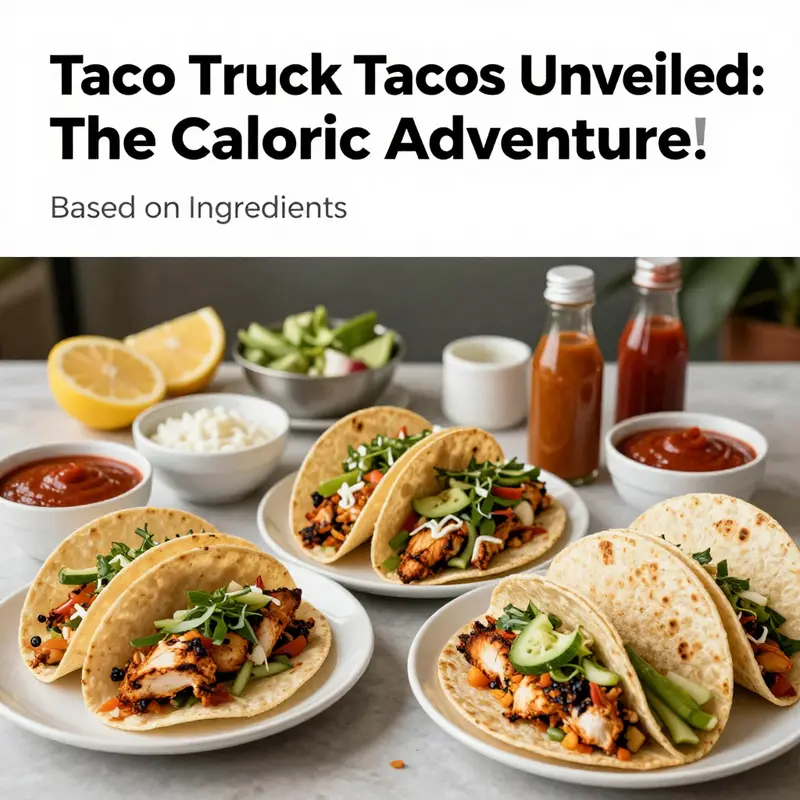
Understanding the range of calories in taco truck tacos means looking past the label “taco” and into the building blocks of each bite. A taco is a framework—a tortilla plus fillings and finishings—and small changes to any element can shift the calorie total dramatically. When you stand at a food truck window deciding which tacos to order, those differences matter. They explain why one taco can be a light, 200-calorie snack while another becomes a 400-calorie meal component.
Start with the tortilla. The shell is the foundation and often accounts for a large share of the base calories. A soft corn tortilla generally runs around 50–70 calories. It’s thin, modestly dense, and has little added fat. By contrast, a typical flour tortilla used at many stands is larger and richer, frequently contributing 140–160 calories on its own. That single swap—corn for flour—can double the base calories before any filling is added. Then there are specialty shells: deep-fried hard shells, puffy “dorados,” or double-layered crisp tacos, each soaked in oil or fried to texture. Those preparations increase fat and calorie content substantially, sometimes adding 80–150 calories per shell compared with a soft corn tortilla.
Next consider the protein. Proteins vary by cooking method, marinade, and trimming. A lean grilled chicken portion used for a street taco, lightly seasoned and not drenched in sauce, tends to be among the lower-calorie options. A typical grilled chicken taco can fall into the 200–250 calorie range when paired with a corn tortilla and minimal toppings. Ground beef, braised pork, or carnitas often cook in more fat, or their recipes include added sugars and oils. These choices push a taco toward 300–400 calories per serving. Barbacoa and al pastor recipes, for example, commonly include fattier cuts or are prepared with ingredients that increase caloric density. Even the same protein type can vary by portion: a heaping scoop of shredded chicken will add more calories than a modest 2-ounce serving, so portion control plays a big role.
Toppings and garnishes are where calories accumulate quickly and sometimes invisibly. Fresh pico de gallo, raw onions, and lime add negligible calories and boost flavor with minimal impact. But cheese, sour cream, crema, and guacamole are calorie-dense. A tablespoon of crema or sour cream may add 20–30 calories; a generous dollop of guacamole can add 80–120 calories depending on portion size. Cheese, commonly sprinkled as shredded cheddar or crumbled cotija, adds 50–100 calories per ounce. A taco loaded with cheese, crema, and a side of guacamole can thus gain an extra 100–200 calories on top of protein and tortilla. Fried garnishes—crispy onions, chicharrón bits, or battered taco shells—introduce more oil and therefore more calories.
Sauces deserve a separate mention because they are both flavor multipliers and calorie traps. Many sauces are oil- or mayo-based and can be deceptively high in calories. A creamy chipotle or garlic aioli can add 60–120 calories per tablespoon; vinaigrette-style salsas add relatively few. Sugar content matters too: marinades and glazes with added sugar caramelize and deliver a richer flavor but also increase calories. The same taco, one finished with a squeeze of lime and a spoonful of salsa verde and the other drowned in a creamy, sweet sauce, can vary by well over 100 calories.
Preparation technique affects calories as much as ingredients. Meat cooked in its own rendered fat or braised in oil will retain or absorb more fat than grilled or steamed preparations. Frying, whether for the tortilla or the protein itself, raises energy density. Even a shallow pan-sear in oil adds calories over a dry-heat sear. Conversely, methods like grilling, baking, or slow-roasting without added fats tend to yield lower-calorie tacos.
Portion size and how tacos are served matter for daily totals. A single taco might be a reasonable snack, but many people order tacos by the plate—three or four at a sitting—so the listed calories per taco multiply quickly. A single 400-calorie taco eaten in a set of three becomes a 1,200-calorie meal. Many food trucks serve tacos as part of a combo with rice, beans, chips, or a soda; these additions can more than double the meal calories compared with the taco alone.
Ingredient quality and sourcing also play a role, though less obvious. Fat-trimmed meats and leaner cuts lead to lower-calorie fillings. Fresh, minimally processed toppings keep calories down compared with pre-made mixes or canned components that may carry added oils, sugars, or stabilizers. Some vendors use house-made salsas and dressings that are lighter than mass-produced creamy sauces. Transparency from vendors—clearly listing ingredients and preparation—is the best way for consumers to estimate calories more accurately.
Consumer choices can moderate calorie intake without sacrificing the taco experience. Opting for corn tortillas, choosing grilled or roasted proteins, asking for sauces on the side, and limiting high-calorie toppings are practical tactics that reduce calories. Swapping a flour tortilla for corn can save up to 100 calories per taco. Skipping cheese or asking for half the portion of crema saves 50–100 calories. Requesting a side of salsa rather than a creamy drizzle gives you control over how many calories enter the meal.
Estimating calories when exact nutritional information isn’t available requires combining knowledge of common portion sizes and ingredient averages. For example, a small street taco with 2 ounces of grilled chicken on a corn tortilla with cilantro and onion could be estimated at roughly 200 calories. Replace the chicken with braised pork and add cheese and crema, and a similar-sized taco may approach 350 calories. A flour-tortilla taco with generous cheese and a creamy sauce can easily exceed 450 calories. Aggregating these known ranges helps create realistic expectations when vendors don’t publish nutritional data.
For shoppers and diners who track calories, the ideal route is to ask the vendor. Many truck operators today understand customer interest and may provide estimates or prepare a lighter version on request. If nutrition information is posted online or on-site, use it. Otherwise, use available databases and references to approximate. The USDA database provides composite entries for tacos with various fillings, which can serve as a reliable baseline when estimating calories for street-style tacos.
Finally, context shapes perception. A higher-calorie taco isn’t inherently “bad.” Calorie density often corresponds with satiety and flavor. If a taco is the centerpiece of your meal, choosing a richer preparation might satisfy more and prevent snacking later. On the other hand, if you’re pairing tacos with sides and beverages, lower-calorie choices help keep the total meal within your target. The goal is informed choice: knowing how tortillas, proteins, toppings, sauces, and prep methods influence calories lets you match your order to your needs.
If you want a quick rule of thumb, think in tiers: a simple grilled chicken or fish taco on a corn tortilla with fresh salsa usually sits in the lower tier (around 180–260 calories). Tacos with beef, pork, or fried components tend toward the middle tier (250–380 calories). Anything with heavy cheese, crema, guacamole, or a fried shell generally moves into the higher tier (350–500+ calories). These brackets help you estimate before you order and adjust portions or toppings accordingly.
For more guidance on typical nutritional profiles you can consult aggregated data, such as entries for soft corn tacos with various fillings provided by authoritative food composition databases. These resources allow you to refine estimates based on the exact components you select: https://fdc.nal.usda.gov/fdc-app.html#/food-details/1705981/nutrients
If you want broader reading about food truck operations, sourcing, and menus, the Fired Up Taco Truck blog offers a window into how trucks design offerings and manage ingredients. That perspective can help you understand why some trucks lean toward higher-calorie, indulgent tacos while others emphasize lighter, fresher options: https://fireduptacotruck.com/blog/
Understanding the many variables that affect taco truck calories turns ordering into a series of simple decisions. Each choice—tortilla, protein, toppings, sauce, and cooking method—adds or subtracts calories. With that knowledge, you can enjoy street tacos while keeping the meal aligned with your caloric goals.
How Taco Truck Choices Shape Your Calorie Count: Practical Nutrition for Street Tacos
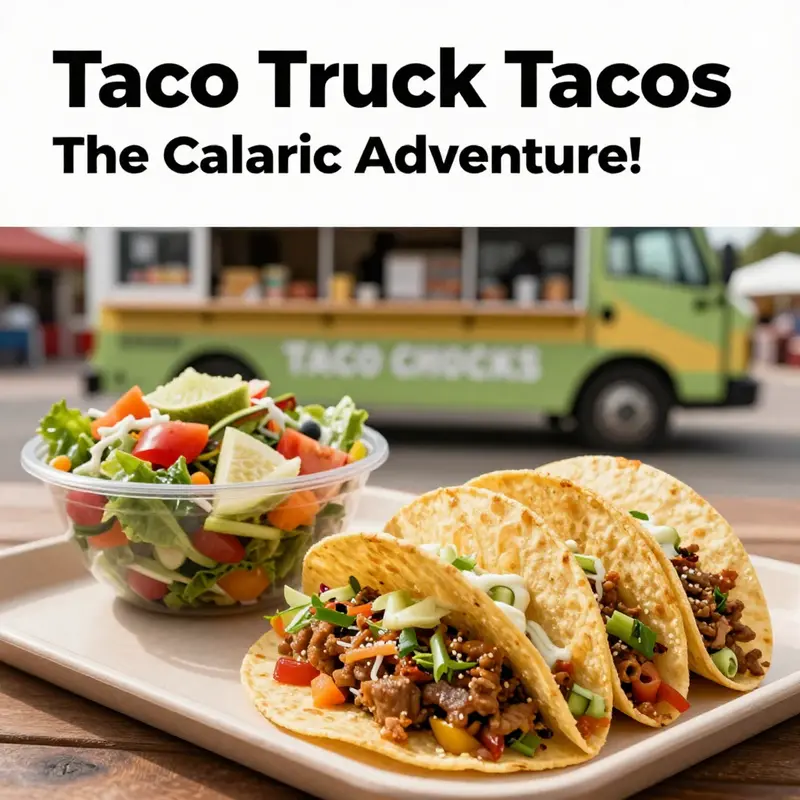
The calorie story behind every taco you buy from a food truck is written in the ingredients, portions, and cooking methods. A taco can be a compact, protein-rich meal or a calorie-heavy indulgence depending on what goes inside and how it’s prepared. Understanding how those variables interact helps you make choices that align with weight, health, and performance goals without losing the joy of authentic street food.
Most food-truck tacos are deceptively simple: a tortilla folded around a filling and finished with toppings. Yet that simplicity masks a wide range of calorie outcomes. Consider a common example: a chicken taco with grilled chicken, a soft tortilla, a sprinkle of cheese, some lettuce, and a creamy sauce. Depending on portion sizes and ingredients, that single taco can range from roughly 200 to 500 calories. Multiply that by two or three, and a satisfying meal can quickly exceed the daily calorie allotment many people aim for at a single sitting.
A more formal nutritional snapshot helps put numbers to choices. Some prepared taco meal breakdowns—representing larger servings or multi-taco plates—show calorie totals approaching 900 to 1,000 calories, often with substantial protein and carbohydrate portions but also significant fat and sodium. Those totals typically reflect full meals with multiple tortillas, generous portions of meat, rice or beans, cheese, and sauces. By contrast, the dry spice mix or low-calorie components vendors use can be surprisingly lean. For example, a typical taco seasoning dry mix portion may have around 60 calories and a favorable macronutrient split with higher protein proportion and lower fat. That contrast underscores how the additions—meat, cheese, creamy sauces, and fried items—drive the calorie spike.
Ingredient choice is the most powerful lever you have when controlling calories at a taco truck. Lean, grilled proteins such as chicken breast or grilled skirt steak provide a dense source of high-quality protein with comparatively lower saturated fat. Choosing these proteins supports satiety and muscle maintenance while keeping calories in check. Opting for fish tacos—prepared grilled or broiled—also often yields fewer calories than fried alternatives. When vendors offer grilled or roasted options, they usually deliver more nutrition for fewer calories than deep-fried counterparts.
Tortilla type and size matter as well. Corn tortillas are typically lower in calories than many flour tortillas and provide a gluten-free whole-grain option that pairs well with traditional fillings. Smaller street-taco sized tortillas keep portions sensible. Larger burrito-style tortillas or oversized flour tortillas increase the carbohydrate load and total calories quickly. If you want more vegetables and fiber without many additional calories, request a double-wrapped small corn tortilla rather than a single large flour tortilla.
Toppings and condiments are where flavor and calories often collide. Cheese and sour cream add richness and calories in small volumes. A single ounce of shredded cheese can contribute over 100 calories, and a generous dollop of sour cream can be similar. Fried or breaded proteins, while delicious, introduce extra fat and calories from the cooking oil. Conversely, fresh salsas, cooked pico de gallo, pickled onions, lime, and a modest sprinkle of cilantro add big flavor with minimal calories. Choosing salsa and lime instead of heavy cream-based sauces yields a dramatic calorie reduction while keeping the taco vibrant.
Portion awareness is a practical strategy that food trucks make easy. Many vendors serve tacos a la carte; ordering one or two tacos with a side salad or grilled vegetables can form a balanced meal. If you’re comparing a plated meal that includes rice and beans versus tacos alone, remember that rice portions can add 200 or more calories, and refried beans or cheese-laden sides further increase totals. Asking for smaller portions of rice or substituting with a side salad or extra vegetables cuts calories without diminishing satisfaction.
Sodium is another nutritional factor that affects health though not caloric intake directly. Many prepared taco meals contain higher sodium levels due to marinades, sauces, and seasonings. If you monitor sodium for blood pressure or other conditions, request lighter seasoning or avoid extra salt. Reducing sodium doesn’t change calorie count but improves overall dietary quality.
Practical ordering tactics make healthy choices at a taco truck simple and sustainable. Start by selecting the leanest available protein and request it grilled rather than fried. Ask for corn tortillas or smaller-size tortillas. Skip or limit cheese and sour cream; replace them with salsas, pickled vegetables, or a squeeze of lime. Prioritize vegetable-forward fillings such as grilled peppers, onions, cabbage slaw, and pico de gallo. These add fiber and volume for few calories. If a meal comes with rice and beans by default, see if you can swap the rice for extra vegetables or take the rice in a smaller portion. When sauces are unavoidable, ask for them on the side so you control the amount.
Beyond ordering choices, how you build a meal across multiple tacos affects total intake. Combining two lean-protein tacos with a generous vegetable side can be more filling and lower in calories than a single taco with heavy cheese and a fried side. If you have specific calorie targets, a quick mental math approach—estimating 150–250 calories per small corn taco with lean protein and simple toppings—helps you pace your meal. Reserve richer tacos for occasional treats when you plan for the extra calories.
For people focused on weight loss, muscle gain, or athletic performance, tacos can be tailored to support those goals. An athlete needing more calories and protein might choose larger tortillas, add cheese, and include rice or beans. Someone aiming to lose weight benefits from prioritizing vegetables, lean proteins, and limiting high-fat condiments. Because many food-truck vendors prepare food to order, these adjustments are often feasible without fuss.
Sourcing matters too. Some modern vendors publish nutrition information or can estimate portion sizes on request. When available, use the vendor’s data to refine choices. If the truck lacks numbers, rely on reasonable estimates and the visible portion sizes. A simple habit—observing how much meat and cheese fills the tortilla and noting the presence of fried items—gives a useful calorie signal. When in doubt, ask for smaller portions or sauces on the side.
Finally, balance your enjoyment of street tacos with overall dietary patterns. A single higher-calorie taco meal is rarely decisive for long-term health; patterns matter more than isolated events. If you know you’ll visit a taco truck, consider adjusting other meals that day to maintain calorie balance. Pairing a taco outing with a day of lighter, vegetable-forward meals preserves dietary goals while allowing you to savor the experience.
Choosing wisely at a food truck can transform taco dining from a calorie trap into a balanced, satisfying option. Lean proteins, smaller corn tortillas, vegetable-heavy fillings, and careful use of cheese and creamy sauces cut calories and improve nutrition. When you combine simple portion control with smart ingredient swaps, the taco truck becomes a flexible ally in healthy eating rather than an obstacle.
For practical tips on making lower-calorie choices at street food vendors, this resource offers clear, evidence-based guidance: https://www.healthline.com/nutrition/healthiest-options-at-a-taco-stand. If you’re evaluating food trucks from an operator or buyer perspective and want to learn more about selecting the right vehicle for a business built on balanced menu options, see choosing the right food truck for guidance: choosing the right food truck.
Making smarter taco choices is mostly about awareness and small swaps. With modest changes—grilled proteins, corn tortillas, salsa instead of sour cream—you can keep the cultural richness and flavor of taco truck meals while managing calories and supporting long-term health goals.
Portion Size and Calories: How Taco Truck Tacos Add Up
Portion Size and Calories: How Taco Truck Tacos Add Up
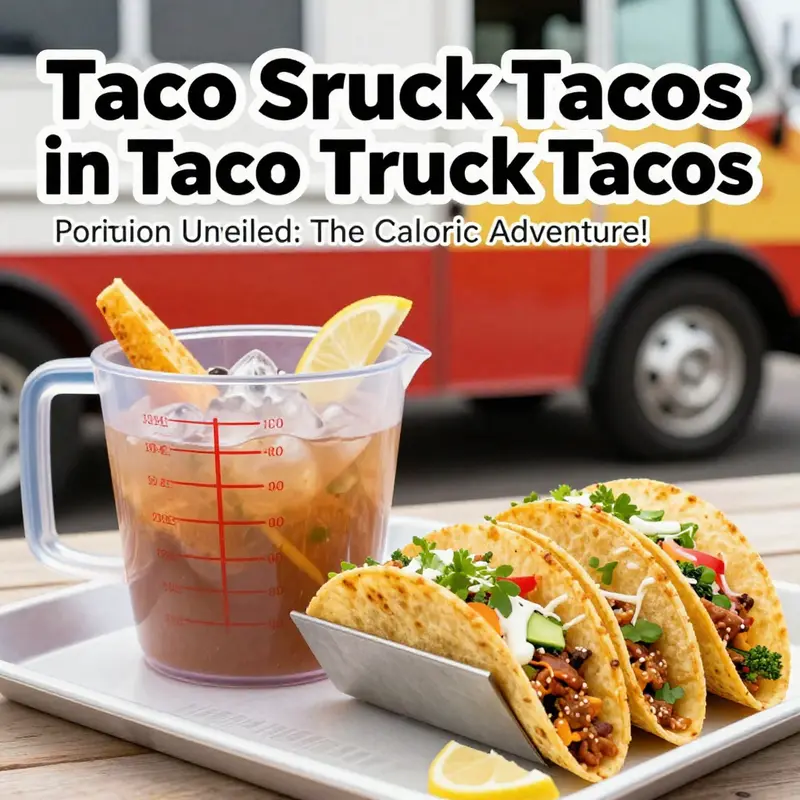
When you order tacos from a food truck, the single most powerful factor that determines the calorie count is portion size. Taco trucks are built around flexibility: customers choose meat, tortilla type, and toppings; cooks adjust heat, seasonings, and quantities. That same flexibility creates a wide calorie range. Understanding how portion decisions translate to calories helps you estimate your intake at the window without needing a nutrition label.
A useful starting point is to think of tacos in three common portion scales: a small single taco, a medium two-taco serving, and a larger three- to four-taco meal. Each step up in that scale multiplies the core components: tortilla, filling, and toppings. A single taco at many trucks will typically land between 200 and 300 calories. That estimate assumes a standard corn or small flour tortilla, a modest 2–3 ounce portion of cooked, seasoned meat, and light toppings such as shredded lettuce and a sprinkle of cheese or salsa. Move to two tacos and the expected calories roughly double, producing a typical range of 400 to 600 calories for a common single-serving order. A plate of three or four tacos, especially when combined with generous cheese, sour cream, guacamole, or a fried tortilla, pushes totals into the 600 to 900+ calorie range.
Why such variation? First, the type and volume of protein matter. Grilled chicken, shredded pork, and braised beef differ in fat content and cooking fat. A lean, grilled chicken taco uses less oil and less fat overall than slow-cooked carnitas, which are often cooked in lard or their rendered fats. Ground beef, especially if cooked with added oil or fat, stacks on calories quickly. Chefs who use flavorful rubs and sauces may also add oils, which concentrate calories in small volumes. Second, tortillas are not uniform. A fresh corn tortilla is lighter than a large flour tortilla. A fried tortilla doubles or triples the effective calorie load compared with a toasted soft corn tortilla. Third, toppings can be calorie-dense. Cheese and sour cream are common calorie multipliers; a single ounce of cheddar adds roughly 110 calories. Guacamole is nutrient-dense and calorie-rich because of avocado’s healthy fats—two tablespoons can add 50–80 calories. Even sauces contribute: crema, aioli, and mayonnaise-based dressings often add 50–150 calories per serving, depending on portion.
To estimate your meal at the truck, think in components rather than guessing a single number. For each taco, count the tortilla, protein portion, cheese or cream, and any added fats like oil or guacamole. A standard corn tortilla ranges from 50–70 calories. A modest 2-ounce cooked portion of chicken or pork can be 70–120 calories depending on fat content and cooking method. Add cheese (40–110 calories, depending on quantity), a spoon of salsa (negligible calories), and a drizzle of crema or oil (50–100 calories). That quick tally explains how a seemingly small taco can reach 250–300 calories. Multiply that by the number of tacos you eat, and you’ll see how a meal doubles or triples calorie totals with little notice.
Portion control at the truck is practical when you understand how vendors assemble tacos. Many trucks portion proteins by scoops or ladles; ask how many ounces are used per taco. Vendors may also offer size options: “street” tacos on small corn tortillas or “plate” tacos with larger flour tortillas. Choosing the smaller street-style option often halves the tortilla calories and reduces overall filling, which keeps each taco closer to the lower end of the calorie range. If you want to enjoy a variety, consider sharing or ordering a single taco with a side salad to balance satisfaction and calories.
Customization choices are where most hidden calories appear. Cheese, sour cream, and guacamole are the easy add-ons. Each improves flavor and satiety but also adds significant calories. If you want to pare calories, ask for light cheese or crema, or request them on the side so you control how much you add. Salsa, pico de gallo, and pickled onions provide big flavor with minimal calories and are smart swaps. Another simple control is to favor grilled or roasted proteins over fried or braised options. Grilled chicken or fish tacos usually contain less added fat than fried options or meats cooked in their own fat.
Tortilla choice is equally important. Corn tortillas are traditional and lower in calories than larger flour tortillas. They also pair well with intensely flavored fillings so you won’t feel deprived. If a vendor uses larger, restaurant-style flour tortillas, be ready for each taco to contain 150–200 calories just from the wrap. Some trucks will lightly fry tortillas for texture; a fried tortilla adds an extra 50–100 calories compared with a non-fried one.
Another practical angle is to consider meal composition. A two-taco plate might include rice, beans, or chips. These sides are carbohydrate-rich and often prepared with oils or lard, quickly pushing a meal beyond 800–900 calories. If you’re watching calories, choose sides wisely. Beans prepared without lard are an economical source of protein and fiber. A small side of fresh salsa or pickled vegetables contributes taste without high calories. If you crave a heartier meal, share an order of rice and beans with a friend and split the calories.
Estimating calories for irregular or specialty tacos requires attention to single high-calorie ingredients. Fried proteins, battered coatings, or heavy sauces concentrate calories. A crispy fried fish taco with tartar sauce will be substantially higher than a grilled fish taco with salsa verde. Tacos topped with full servings of guacamole or crema can add 200 calories across a two-taco meal. Vendors who add multiple cheeses, bacon, or double portions of meat increase density quickly. When in doubt, ask what is included and whether items can be held or served on the side.
For more precise tracking, use ingredient-based estimation. Input common components—tortilla type, ounces of protein, teaspoons or tablespoons of cheese and crema—into a calorie-tracking app or database. Those apps compile standardized data for corn tortillas, flour tortillas, cooked proteins, cheeses, and toppings, enabling you to build a realistic estimate. If you want to go deeper, consult government nutrition resources that list nutrient profiles for individual ingredients. These resources can help when you lack vendor-supplied information and want a reliable reference to break down components into calories.
Portion awareness extends beyond one meal. If you plan to eat multiple tacos across lunch and dinner or add sides and drinks, total daily calorie intake will reflect cumulative choices. A two-taco lunch can be a moderate meal when prepared simply. If that same lunch includes chips, a soda, or a dessert, the meal’s calories climb quickly. Be mindful of beverage choices: sugary drinks, alcoholic beverages, and creamy horchatas add calories without filling you, increasing overall intake.
Finally, remember that calories are only one dimension. Tacos from food trucks can deliver excellent protein, vegetables, and satisfaction. Portion control and ingredient choices allow you to enjoy authentic flavors while managing energy intake. Small swaps—opting for corn tortillas, choosing grilled proteins, limiting cheese and crema, and favoring salsas—provide a practical roadmap to lower-calorie truck tacos without losing the essence of the food.
If you want help choosing a truck that matches portion control and menu transparency, resources about selecting a well-equipped and responsible vendor can be useful; see this guide on choosing the right food truck. For ingredient-level calorie values, consult the USDA FoodData Central to break down tortillas, meats, and toppings into precise numbers: https://fdc.nal.usda.gov/
Final thoughts
Taco truck tacos bring flavor to our streets, and understanding their caloric contents empowers us to make informed choices. From chicken tacos with scrumptious toppings to a spectrum of ingredients that can tweak calorie counts, knowing how much you are indulging is key to enjoying these culinary delights guilt-free. Whether you’re treating yourself or creating the perfect taco menu for your food truck, embrace the balance between flavor and health. Let’s keep celebrating the deliciousness that taco trucks ignite, ensuring each bite is packed with joy and, as we now know, a hint of nutritional awareness as well!